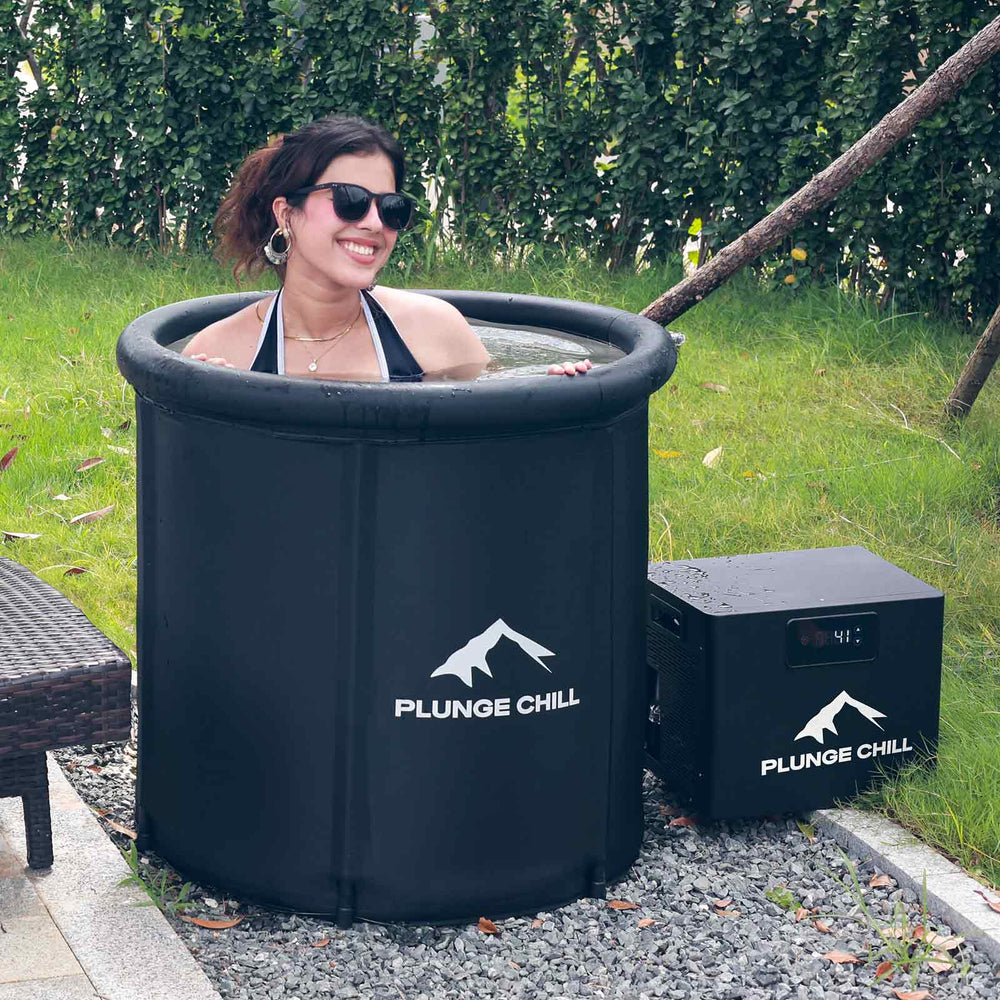
As a sports rehabilitation specialist and strength coach who also tests cold plunge products, I work with people who want sharper focus on game day, calmer nerves at work, and quicker recovery between heavy sessions. Cold water can help with all three—not as magic, but as a deliberate, measurable stressor. This article lays out what the science really shows about stress and mood, how to program cold exposure safely, when to avoid it, and how to choose and care for home plunge equipment.
What Counts as “Cold,” and Why Definitions Matter
Cold water therapy usually means deliberately exposing a large portion of the body to cold water for short periods to provoke an adaptive response. That can be a quick cold shower, a tub or plunge at roughly 50–59°F, or open‑water dipping in winter. In the recovery world, whole‑body cryotherapy is a separate air‑based modality with much lower air temperatures and different tissue cooling characteristics.
There is a catch. Some clinical studies labeled as “cold immersion” use water far warmer than sport recovery norms. One randomized trial in people with acute gout used 68–86°F for 20 minutes daily and still reported reductions in stress, anxiety, and depression along with improved quality of life by the second week; effects persisted to week four with evidence of pain mediation (Biological Research for Nursing). In athlete‑oriented settings, however, research and guidelines typically center on the 45–59°F band for brief exposures.
That split in definitions helps explain why headlines sometimes disagree. The take‑home is to align temperature with your goal: colder and briefer for immediate arousal and anti‑soreness effects, moderately cool and longer for comfort, adherence, and potentially different psychosocial outcomes.
The Stress Biology of Cold Exposure
Cold exposure forces an immediate “cold shock” response: heart rate, breathing, and blood pressure jump; skin vessels clamp down to protect core temperature; and shivering follows as needed. This is mediated by dense cold receptors in the skin and TRPM8 channels that help transduce cold into nerve signals (The Journal of Neuropsychiatry and Clinical Neurosciences). When only the face contacts cold water, the mammalian diving reflex tilts physiology toward parasympathetic calm, which is one reason brief facial immersions can be grounding during acute stress (Stanford Lifestyle Medicine).
Two practical implications follow. First, the initial 10–30 seconds can feel chaotic; entering with a plan to steady the breath is a safety behavior, not bravado (Case Western Reserve University). Second, different interfaces to cold—face only versus chest‑deep immersion—steer the nervous system toward different states, which becomes useful when your goal is targeted stress regulation rather than general recovery.

What the Evidence Actually Shows for Stress and Mood
Systematic signals and timing
A PRISMA‑style systematic review and meta‑analysis of randomized trials in healthy adults found that stress ratings did not consistently drop right away, but they did fall at about 12 hours post‑immersion; mood outcomes were mixed, and sleep improvements appeared sex‑specific in some cohorts, with men reporting better sleep and women not showing the same effect (PLOS One; summarized by Harvard Health). Inflammation markers tended to spike acutely after sessions—an expected transient stress response—before normalizing.
The delayed dip in perceived stress is an important practical detail. Many guides focus on the immediate adrenaline‑driven buzz, but the best window for calmer baseline mood may be the next morning, not the next minute.
Immediate affect and neural network changes
In a head‑out fMRI study where adults took a five‑minute bath around 68°F, participants reported increased positive affect afterward—feeling more active, alert, attentive, proud, and inspired—with network‑level changes in brain regions that govern attention control, salience, and self‑regulation (PubMed Central). While this protocol sits warmer than typical athlete plunges, it supports the idea that short, tolerable exposures can shift subjective state and neural integration in ways relevant to stress coping.
Clinical cool immersion with psychosocial endpoints
In a community trial in Indonesia, daily 20‑minute immersions at 68–86°F for four weeks reduced stress, anxiety, and depression and improved joint mobility, activity, and quality of life in acute gout patients, with mediation analyses suggesting pain reduction directly enhanced quality of life (Biological Research for Nursing). It is not a stress‑only population and not classic cold, but it highlights that more moderate water can still affect perceived stress and function in real‑world care.
Reconciling disagreements
Lifestyle medicine and sports medicine commentaries frequently report improved alertness, mood, and resilience, whereas evidence‑focused reviews point to heterogeneity and modest average effects. Conflicting conclusions likely stem from divergent definitions of “cold,” different timepoints of measurement, varying outcomes (self‑report versus biomarkers), and context effects such as group plunges and expectancy. Harvard Health’s summary of the PLOS One meta‑analysis emphasizes inconsistency for mood and immunity; Atria’s evidence brief notes stress relief peaking near 12 hours and cautions that mental health claims are more robust for air‑based cryotherapy than for water immersion. Meanwhile, the fMRI study and small open‑water trials do show immediate affective changes after short immersions. Those are not irreconcilable when temperature, timing, and method are considered.
Overlooked insight one: both moderate cool and very cold exposures can shift stress states, but with different comfort, adherence, and likely mechanisms; strict definitions may be unnecessarily limiting for stress‑reduction programs. Suggested verification: run a head‑to‑head RCT comparing 68°F and 50–55°F on both immediate and 12‑hour stress measures using standardized questionnaires and actigraphy.
Overlooked insight two: the strongest stress reduction often appears many hours later, not immediately post‑plunge. This suggests scheduling cold earlier if you want calmer evenings or scheduling late‑day if you want a calmer next morning. Suggested verification: replicate the 12‑hour effect using time‑stamped ecological momentary assessment over seven days with predefined exposure timing.
Overlooked insight three: expectancy matters. In recovery studies, perceived benefit sometimes tracks belief more than the intervention dose; in at least one trial discussed in psychiatry circles, only the no‑treatment control did meaningfully worse, consistent with a belief effect. Suggested verification: add expectancy‑matched active control conditions to future stress RCTs and measure expectancy before exposure.
Programming Cold for Stress: Practical Methods
If your primary aim is stress regulation rather than pure performance recovery, choose the lowest‑risk entry point you will actually repeat. As a coach, I start with a thermometer and a plan, not a stopwatch and ego.
For immediate alertness before cognitively simple tasks, chest‑level immersion around the low 50s for a minute or two will produce a strong catecholamine surge. If you need to think clearly right away, keep it brief; cold can transiently slow processing speed and executive function during and shortly after exposure, especially when very cold or prolonged (psychiatric neuroscience summaries). I do not send athletes into heavy film study or a complex playbook review immediately after a hard plunge.
For delayed calm and next‑day composure, sessions in the high 50s for two to five minutes seem to be a pragmatic middle ground for many adults. This fits with the meta‑analytic signal of stress reduction at 12 hours and with practice‑based guidance popularized in performance circles—roughly eleven total minutes per week spread across several sessions has become a simple, sticky starting prescription. That figure comes from synthesis, not a clinical guideline, so treat it as a floor you can titrate.
For acute anxiety spikes, facial immersion in cold water for short bouts can recruit the diving reflex and shift autonomic tone toward parasympathetic calm. This is a low‑equipment, low‑risk technique I teach to clients who want an on‑demand brake pedal without a full plunge.
For athletes in a heavy tournament or two‑a‑day block, cold after competition can blunt soreness and help you answer the bell the next day. For muscle growth blocks, push cold at least six to eight hours away from lifting; frequent post‑lift plunges can dampen anabolic signaling and slow longer‑term hypertrophy (Mayo Clinic Press; Atria; Mayo Clinic Health System).
The two most common rewarming strategies are natural reheat and controlled warmup. Allowing the body to reheat on its own may enhance metabolic effects and cold tolerance, but from a safety perspective, I value getting dry, layered, and walking before considering a warm drink. Avoid alcohol, avoid a scalding shower immediately, and watch for the afterdrop sensation as cold blood returns from the periphery.

Safety First, Especially for Hearts and Brains
Cold shock drives a spike in breathing, heart rate, and blood pressure that can precipitate arrhythmia, panic, or, in open water, drowning—particularly within the first seconds while breathing is uncontrolled (Case Western Reserve University; The Journal of Neuropsychiatry and Clinical Neurosciences). People with coronary disease, prior stroke, uncontrolled hypertension, peripheral vascular disease, Raynaud’s, neuropathy, severe asthma, epilepsy, or pregnancy should get medical clearance and consider supervised protocols. Beta‑blockers can blunt the adrenergic adaptation and may increase arrhythmia risk in abrupt cold according to cardiac safety commentary; involve your cardiologist if relevant (Case Western Reserve University). Never swim alone and be particularly cautious with rivers, surf, or ice.
Cognitive performance can drop during severe cold and for a short period after; do not schedule plunges immediately before tasks that demand precise executive control, such as high‑risk machinery operation or critical negotiations (psychiatric and human performance summaries).

Pros and Cons for Stress and Performance
Cold exposure is not a cure for stress, but it can be a training ground for it. The short‑term catecholamine surge can sharpen attention and produce a mild euphoria that many find motivating. The delayed reduction in perceived stress around twelve hours later is a practical scheduling lever. Small studies and clinical case narratives describe lower anxiety and depression ratings in some individuals, and an fMRI study shows coherent network changes linked to positive affect.
On the other side of the ledger, the evidence base remains heterogeneous, effects sizes are often modest, and expectancy likely plays a role. Overuse around strength training can dampen hypertrophy, and severe cold can impair cognition temporarily. Immune benefits are inconsistent; in a large pragmatic study, workers who ended showers cold took fewer sick days by about a third, but mechanisms were not measured, so ascribing improved immunity would be premature (Harvard Health). When in doubt, think of cold as a lever for state control and resilience practice rather than a panacea.
How Cold, How Long, How Often
I program by goal, not dogma. The ranges below are starting points that can be individualized based on tolerance, risk profile, and preferences.
Goal |
Practical temperature |
Typical duration |
Best timing for stress |
Evidence signal |
Immediate alertness for low‑cognitive tasks |
45–55°F |
1–3 minutes |
Early‑ to mid‑day |
Catecholamine surge and perceived vigor in small studies; caution on acute cognitive slowing (PubMed Central; Stanford Lifestyle Medicine; psychiatric summaries) |
Delayed calm and lower stress later |
2–10 minutes |
Twelve hours before desired calm window |
Meta‑analysis suggests stress reduction at ~12 hours (PLOS One; Harvard Health) |
|
Acute anxiety modulation without full plunge |
Face immersion 45–55°F |
10–30 seconds repeated as needed |
As needed |
Diving reflex and parasympathetic tilt (Stanford Lifestyle Medicine) |
Between‑match soreness relief |
45–55°F |
3–8 minutes |
Post‑competition |
Reductions in soreness and perceived exertion; effects fade by 24–48 hours (Atria; UCLA Health) |
The “eleven minutes per week” heuristic popular in performance circles is a workable floor for adherence, but it is not a medical threshold. I typically start with three or four short sessions weekly and adjust based on sleep, training phase, and self‑report.
Cold Therapy Around Training
The evidence is clearest on one point: frequent post‑lift plunges can blunt hypertrophy over weeks to months by turning down molecular signals that drive muscle building (Mayo Clinic Press; Atria). If your goal is getting stronger and bigger, put cold away from lifting days or use it on off days. If your goal is surviving a dense competition schedule, the soreness relief and perceived recovery can be worth the tradeoff. Endurance adaptations appear less sensitive to cold scheduling than hypertrophy in strength blocks, but the specific dose‑response remains under study (Mayo Clinic Health System).

Buying and Caring for a Cold Plunge: What Matters
I test both budget and premium options with clients, and the right purchase depends on volume, space, and how low you really want to go. Most home users start with a thick tub and ice. Winter tap water can reach the 40s; in warmer months, a digital thermometer and 40 pounds of ice can make an appreciable difference. For frequent use, a dedicated chiller keeps temperature consistent and cuts ice costs.
Commercial plunge pools in training facilities often occupy a footprint around seven‑plus feet per side and run chillers that reliably hold low 50s even with repeated use; they reduce set‑up friction and tend to be used more consistently (Hydrotherapy equipment specifications). For apartments, insulated portable tubs that pack into a closet are often the only viable option, with the tradeoff of more manual work.
Plan for filtration and sanitation. If you use a chiller and keep the same water, you will need inline filtration plus periodic shock and a simple test strip routine to keep bacteria down. If you use ice‑and‑dump, clean the tub with a non‑abrasive sanitizer weekly and rinse thoroughly. Covers reduce debris and evaporation. A GFCI‑protected outlet is mandatory for any powered unit.
It is tempting to convert a chest freezer. I advise against it for most people because of electrocution risk and condensation‑related hazards. Purpose‑built systems come with grounded power, water‑proofed electronics, and proper insulation. That peace of mind is worth it for repeat use.
Overlooked insight in product selection: for stress regulation, comfort and repeatability beat “coldest possible” in adherence. A reliably maintained 55–59°F that you use three to four times weekly will beat a heroic 38°F you dread and skip. Suggested verification: track adherence over twelve weeks across users randomized to fixed 55°F versus user‑selected colder targets and compare stress outcomes.
Option |
Typical lowest temperature |
Cost range |
Maintenance load |
Footprint and noise |
Best fit |
Ice in a tub |
Seasonal tap to low 40s with added ice |
Lowest upfront; ongoing ice cost |
Clean after each use; change water often |
Small; silent |
Beginners testing tolerance and budget |
Insulated portable tub + chiller |
Stable mid‑40s to high‑50s |
Moderate to high |
Filtration, shock, filter changes |
Small; moderate pump noise |
Frequent home users prioritizing consistency |
Commercial plunge pool |
Stable low 50s under heavy use |
Highest |
Professional‑grade filtration; scheduled service |
Large; equipment room noise |
Teams and clinics with high traffic |
Care basics for home users are straightforward. Rinse after sessions, keep a lid on, clean the interior weekly, change filters per the manufacturer, and sanitize at intervals consistent with your bather load. These are accepted hygiene practices in aquatic facilities and translate well to home settings. Suggested verification: follow manufacturer water quality guidance and confirm with periodic microbial testing if operating at high bather loads.
Step‑By‑Step Start for Your First Week
Begin with the thermometer, not the timer. On the first session, confirm the water is in the high 50s and rehearse two slow exhales before you get in. Enter gradually, pause chest‑deep, and fix your gaze while you bring your breathing under control. Exit when you can do so calmly. On the second and third sessions, extend by thirty to sixty seconds, keeping your exit composed. If your sleep worsens, move sessions earlier in the day. If you are in a strength block, schedule sessions on non‑lifting days. If your hands and feet are the limiting factor rather than your trunk, try neoprene socks or gloves to make the dose tolerable without numbing your will to repeat.
Who Should Modify, Delay, or Avoid
Anyone with known heart disease, prior stroke, uncontrolled hypertension, significant arrhythmias, severe asthma, Raynaud’s, neuropathy, or who is pregnant should consult a clinician. If you take medications that affect heart rate, blood pressure, or clotting, get personalized guidance. If you are recovering from a viral illness or feel feverish, postpone. If open water is involved, go with experienced partners, wear visible flotation, and choose a venue with easy exits and minimal current. These cautions reflect risk patterns emphasized by cardiology‑informed and safety‑focused sources rather than fear of the cold itself (Case Western Reserve University; The Journal of Neuropsychiatry and Clinical Neurosciences; UCLA Health).
Quick Protocol and Outcome Guide
Use case |
Suggested approach |
Evidence context and nuance |
Stress reduction by tomorrow morning |
Two to five minutes around 50–59°F, finished twelve hours before desired calm window |
Meta‑analysis indicates stress reduction peaks near twelve hours; individual mood results are mixed (PLOS One; Harvard Health) |
Immediate mood lift after a long day |
Very short dip in the low to mid‑50s, or a five‑minute warm‑cool bath around the high 60s if you are new |
Immediate positive affect observed in small lab and open‑water studies; warmer water may still help adherence (PubMed Central; Stanford Lifestyle Medicine) |
Tournament recovery between efforts |
Three to eight minutes in the low to mid‑50s after bouts or games |
Reduces next‑day soreness; avoid tight coupling to heavy lifting blocks (Atria; Mayo Clinic Press; Mayo Clinic Health System) |
Acute anxiety down‑shift |
Thirty seconds of face immersion at 45–55°F; repeat with calm breathing |
Recruits diving reflex and parasympathetic tone (Stanford Lifestyle Medicine) |
Frequently Asked Questions
How cold should my plunge be for stress? Most people do well starting in the 55–59°F range, which is uncomfortably cold yet safe for short periods. If your primary goal is a calmer baseline the next day, you do not need to push toward the 40s. The steepest early learning curve is mastering your breathing and entry; temperature can be titrated after that.
Will this hurt my strength gains? Frequent post‑lift plunges can blunt hypertrophy signaling over weeks to months. If you are in a muscle‑building phase, keep cold sessions far from lifting or use them on rest days. If you are peaking for a meet or stuck in a tournament slog, the soreness tradeoff may be worthwhile for short spans.
Does cold improve immunity? A large pragmatic study found people ending showers cold took fewer sick days by nearly a third, but no immune markers were measured, so the physiological mechanism is unclear. Brief cold is unlikely to be harmful in healthy people and may be a resilience practice, but I do not frame it as an immune intervention.
Should I plunge in the evening or morning for stress? If your goal is a calmer morning, an evening session roughly twelve hours prior is sensible. If cold perks you up and disrupts sleep, move sessions earlier in the day. People vary in how they reheat and how their sleep responds, so track your nights for a week as you adjust.
Is whole‑body cryotherapy interchangeable with a cold plunge? No. Air conducts heat differently from water. Whole‑body cryotherapy produces intense skin cooling for very short durations; water immersion produces deeper tissue cooling. Many mental health claims in the literature are stronger for cryo than for water, but water is far more accessible, and its stress‑reduction evidence is growing with better protocols.
What if I cannot face a full plunge yet? Start with a cold shower finish or facial immersion. Both are valid stress‑regulation tools and can build tolerance for later full‑body sessions. Adherence beats heroics.
Takeaway
Cold water therapy is a potent but simple way to train how you meet stress. The science shows a consistent physiological story—an early surge of arousal followed by adaptations—and a more nuanced psychological one, with stress relief often peaking about twelve hours after exposure and mood benefits varying with temperature, dose, and context. Use water that is uncomfortably cold yet safe; schedule around strength goals; pair the practice with good sleep, nutrition, and training; and buy the equipment you will actually use and maintain. Most importantly, treat the cold not as punishment, but as a deliberate practice in controlling your response to discomfort. That is what carries over when the water drains and the workday begins.
Cited sources in text: PLOS One; Harvard Health; Case Western Reserve University; PubMed Central; The Journal of Neuropsychiatry and Clinical Neurosciences; Stanford Lifestyle Medicine; Atria; UCLA Health; Mayo Clinic Press; Mayo Clinic Health System; Hydrotherapy equipment specifications; Healthline; Psychiatry Podcast.
References
- https://lms-dev.api.berkeley.edu/cold-tub-therapy
- https://case.edu/news/science-behind-ice-baths-and-polar-plunges-are-they-truly-beneficial
- https://cupola.gettysburg.edu/cgi/viewcontent.cgi?article=2078&context=student_scholarship
- https://www.health.harvard.edu/staying-healthy/research-highlights-health-benefits-from-cold-water-immersions
- https://digitalcommons.liberty.edu/cgi/viewcontent.cgi?article=8439&context=doctoral
- https://lifestylemedicine.stanford.edu/jumping-into-the-ice-bath-trend-mental-health-benefits-of-cold-water-immersion/
- https://pmc.ncbi.nlm.nih.gov/articles/PMC11872954/
- https://experts.umn.edu/en/publications/cold-water-immersion-directly-and-mediated-by-alleviated-pain-to-
- https://libres.uncg.edu/ir/asu/f/Ellis_Brandon_Spring%202023_Thesis.pdf
- https://www.dartmouth-health.org/articles/should-you-cold-plunge