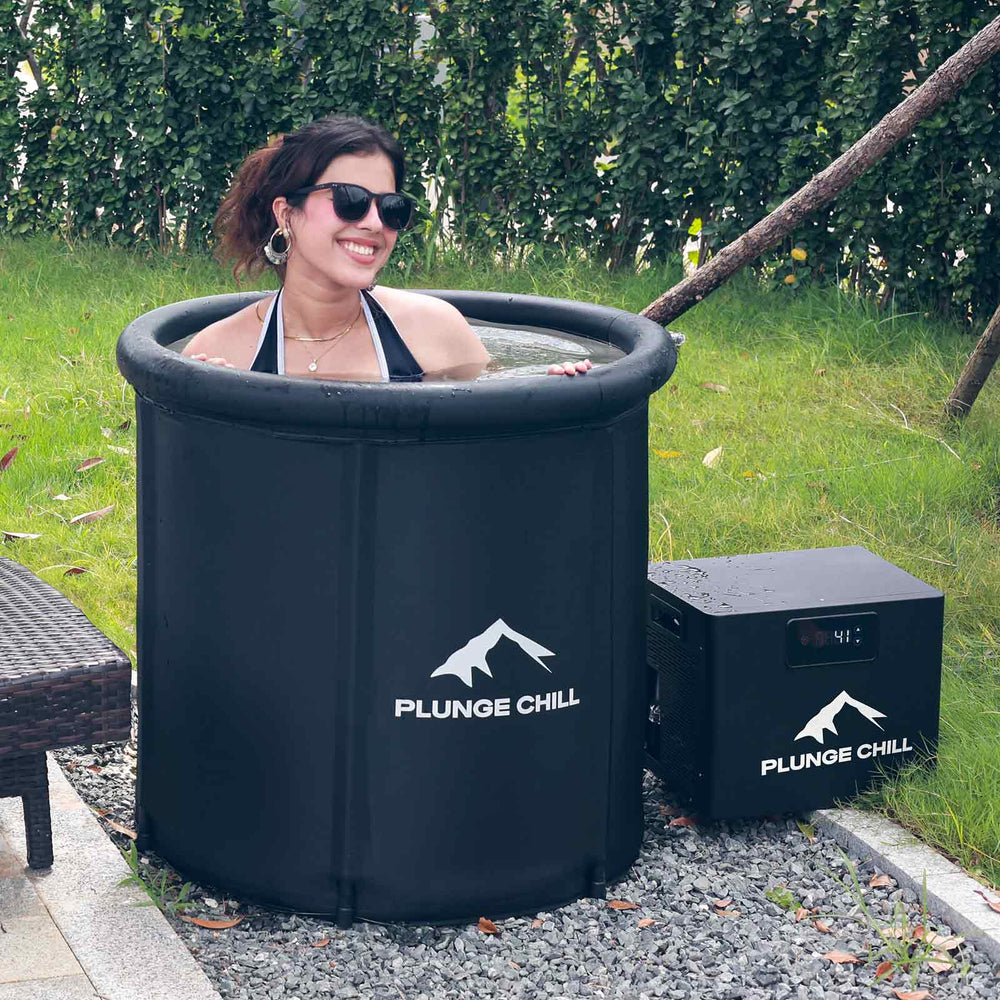
Cold water immersion has moved from athletic recovery rooms into everyday routines, promising sharper focus, deeper sleep, and a surprising side effect that keeps people coming back: a steadier sense of self-trust in the face of discomfort. As a jewelry editor who also practices deliberate cold exposure, I approach the topic with two lenses. First is personal practice—how a three-minute plunge at 55–59°F re-trained my stress response, one shiver at a time. Second is an evidence lens—what well-run trials and careful reviews can actually support, and where the story is still evolving. This article explains how cold water immersion can build confidence and reduce fear, what the strongest studies show, how to practice safely, and—because we are a jewelry publication—how to protect your rings, necklaces, and heirlooms when cold becomes part of your routine.
The Case for Cold: What It Is and Why It Feels So Intense
Cold water immersion is a deliberate exposure to cold water, usually chest-level or deeper, for a brief period. Popular forms include ice-bath style plunges, open-water dips, and cold showers. Typical practice happens around 50–59°F for a few minutes, with shorter exposures at colder temperatures. Even a face dunk can count as a meaningful stimulus.
The first seconds are intense because the body detects rapid cooling through dense cold receptors in the skin, especially on the face. That input triggers a sympathetic surge—faster breathing, a gasp reflex, and a jump in alertness—often described as the cold shock response. Reports from clinical and neuroscience sources describe simultaneous releases of norepinephrine and endorphins, with downstream changes in stress hormones such as cortisol after the session. Stanford Lifestyle Medicine has highlighted that norepinephrine tends to rise acutely and that cortisol can fall in the hours after immersion; PsychiatryOnline has framed these effects within neurohormesis, the idea that brief, controlled stress nudges the nervous, endocrine, and immune systems toward healthier set points over time.
Facial immersion is special. The mammalian diving reflex, mediated through the vagus and trigeminal nerves, slows heart rate and increases parasympathetic tone. In plain terms, dunking your face can be a quick way to steer the body toward calm even while the water feels bracing. Clinicians sometimes teach this technique as part of skills for emotion regulation.
From Shock to Self-Trust: The Confidence Loop
Confidence grows when you meet a challenge, regulate your response, and exit with proof that you can handle it. Cold water creates that loop in minutes.
Neurohormesis and adaptive stress
Neurohormesis describes a two-sided stress curve. Small, time-limited stressors stimulate adaptive change; overwhelming or chronic stress degrades resilience. Cold exposure is an archetypal hormetic input. Neural and hormonal responses—norepinephrine, endorphins, and thermoregulatory signals—activate quickly in cold water. PsychiatryOnline has suggested that this controlled demand can downshift neuroinflammation, improve autonomic balance, and sharpen vigilance without tipping into overwhelm when dosed intelligently. Repeating that experience under your control is a direct practice of courage: you choose the stressor, observe the impulse to escape, steady your breathing, and stay a little longer than the mind prefers. Each repetition updates your internal prediction about future stressors, which is the basis of felt confidence.
What the data actually says
A comprehensive review in PLOS ONE synthesized randomized trials in healthy adults using water at 45–59°F for at least 30 seconds. The most consistent time-dependent findings were a short-lived rise in inflammatory markers immediately and at one hour, and a reduction in stress around 12 hours after exposure. Improvements in sleep quality and quality of life were also reported, but broad mood improvements were not consistently supported across trials.
Specific experiments fill in important nuance. In an fMRI study in PubMed Central, adults naïve to cold immersion took a five-minute bath at 68°F. Immediately after, participants reported higher positive affect—feeling more active, alert, and inspired—and scans showed increased interaction among large-scale brain networks that govern attention, emotion, and self-regulation. In work summarized by the International Journal of Exercise Science’s proceedings, a 15-minute immersion at about 51°F lowered heart rate and forearm vascular conductance; negative affect improved three hours later while cortisol decreased.
These results are not contradictions; they describe a time course. You may not feel better at the exact moment you exit the water, especially after colder or longer immersions, but reductions in perceived stress and some mood benefits appear later. This is a useful expectation to carry into practice, particularly if your goal is confidence: you are training a delayed reward system that trades immediate comfort for a steadier mind later in the day.
Fear, breath, and the window of tolerance
Cold triggers a primal swirl of sensations. The first mastery skill is not toughness; it is breath control. Slow nasal inhales and long, paced exhales widen your autonomic “window of tolerance,” a concept described by trauma-informed educators such as PTSD UK. In practical terms, a longer exhale tells the body that conditions are survivable. From there, you can add a simple mental frame: label the sensations—tingling, pressure, tightness—without adding a fear story. The combination of breath and neutral labeling trains interoceptive accuracy and reduces catastrophic interpretations, which is the same mechanism used in exposure-based therapies for fear. While this therapeutic framing is an extrapolation from the research notes, it aligns with well-established principles of exposure and self-regulation in clinical contexts (inference; confidence: moderate).

Safe, Effective Practice to Train Courage
A simple session is enough to build the confidence loop. If you are new to cold, start with brief, tolerable exposures and finish while you still feel in control. Many practitioners begin with a cold shower finisher of 30–60 seconds at roughly 68°F and work toward two to five minutes in a tub between 50 and 59°F, always entering slowly to manage the gasp response. Stanford Lifestyle Medicine emphasizes limiting immersion time and avoiding water below your safe tolerance; it also advises never to practice alone. The PLOS ONE meta-analysis indicates that some benefits unfold hours later, so scheduling your session early in the day can align with the delayed stress dip. From a cardiovascular standpoint, cold immersion raises blood pressure transiently and can provoke arrhythmias in susceptible individuals; the WKU findings and medical commentary support careful monitoring during recovery. Those with known heart, autonomic, or respiratory conditions should discuss cold immersion with a clinician in advance.
Here is a concise way to understand the timing of common outcomes drawn from the notes.
|
Outcome |
When measured |
Direction of change |
Typical protocol in studies |
Source |
|
Inflammation |
Immediately and 1 hour after |
Increases acutely |
Water around 45–59°F for 30 seconds to 2 hours |
PLOS ONE systematic review |
|
Perceived stress |
About 12 hours after |
Decreases |
As above |
PLOS ONE systematic review |
|
Positive affect |
Immediately after |
Mixed overall in RCTs |
Varied |
PLOS ONE systematic review |
|
Positive affect and network integration |
Immediately after |
Increases |
Five minutes at 68°F bath |
PubMed Central fMRI study |
|
Negative affect |
Three hours after |
Decreases |
Fifteen minutes at about 51°F |
WKU conference proceedings |
|
Sleep and quality of life |
Longer-term |
Improves in some trials |
Repeated cold exposure |
PLOS ONE systematic review |
These findings suggest practical expectations. Plan for a short, manageable dose that you can finish with calm breathing. Expect the best psychological effects later rather than instantly. Build frequency and duration gradually, keep sessions within 10 minutes unless medically supervised, and avoid open-water immersions without a partner and a clear exit plan.

Jewelry and Cold Plunges: Protect Your Pieces, Protect Your Fingers
Cold water training and jewelry can coexist, but a few habits will protect both your investment and your peace of mind. The following guidance is grounded in workshop practice and materials behavior I see in the jewelry world and is an inference rather than a formal clinical set of findings (confidence: high for metals behavior, moderate for loss risk and adhesives).
Cold causes vasoconstriction, which often makes fingers slightly smaller while water reduces friction. That is a perfect recipe for losing rings. Removing rings before a plunge is prudent even in a simple backyard tub. The same logic applies to bracelets and necklaces with delicate clasps. Adhesive-set fashion jewelry can loosen with repeated wetting and temperature swings; pearls are strung on organic materials that do not love soaking, and opals and some treated stones can be sensitive to sudden temperature changes. Solid gold, platinum, titanium, and surgical-grade stainless steel tolerate brief cold exposure well, but chlorine and saltwater are a different story; those environments are harsher on metals and settings regardless of temperature. After a plunge, a quick rinse with fresh water and a pat dry will keep residual minerals from leaving spots. If you forget and wear a ring in the tub, check the prongs and stones for movement afterward and consider a professional inspection during your next routine cleaning.
For buyers who plan to keep jewelry on during active lifestyles, favor secure settings—low-profile bezels over tall prongs—and solid metals over plated. Silicone bands make a good stand-in for wedding rings during training days. If your plunge routine includes open water, add a simple insurance policy: keep heirlooms off your body.
|
Jewelry material or construction |
Brief cold-water exposure suitability |
What to watch for |
Confidence in guidance |
|
Solid gold, platinum, titanium, surgical stainless steel |
Generally tolerates brief cold exposure |
Risk of loss from finger shrinkage; inspect settings |
High |
|
Sterling silver |
Generally tolerates brief cold exposure |
Tarnish if not dried; avoid chlorinated pools |
High |
|
Plated metals and fashion jewelry with adhesives |
Not ideal |
Plating wear and glue fatigue over time |
Moderate |
|
Pearls, opals, heavily treated stones |
Avoid soaking |
Sensitive to temperature and moisture |
Moderate |
|
Silicone bands |
Ideal training substitute |
None specific; inspect for tears |
High |

Pros and Cons, Without the Hype
The clearest benefits supported across the research notes are improved stress levels about half a day after immersion, better sleep in some trials, and subjective mental clarity. Immediate mood changes are less consistent in randomized trials, though specific studies at warmer temperatures and shorter durations report boosts in positive affect. On the physical side, cold induces a short-term inflammatory bump that likely reflects an acute stress signal rather than harm, but it underscores why dosing matters. The risks are concentrated around the cold shock response, blood pressure spikes, arrhythmias, and hypothermia, particularly in open water. People with cardiovascular, autonomic, or respiratory conditions should be cautious and consult a professional. These facts align with Stanford Lifestyle Medicine’s safety priorities and neuroscience-informed caution from PsychiatryOnline, and they match practical recommendations to keep sessions brief, temperatures within your tolerance, and supervision in place for higher-risk settings.
Confidence grows out of repeatable wins, not heroics. Small, well-controlled exposures that you finish with steady breathing are more valuable than occasional suffer-fests that leave you drained or rattled.
Buying and Setup Essentials
Cold immersion does not require a designer tub. A bathroom shower ending on cold is the most accessible on-ramp, and a simple stock tank with a floating thermometer can become a safe plunge setup at home. If you prefer a turnkey system, athletics programs such as Benedictine University Mesa have emphasized the advantages of temperature-controlled and filtered units for hygiene, consistency, and safety. Energy-efficient systems with good filtration reduce maintenance and make it easier to hold a steady 50–59°F target without guesswork. This consistency matters because, as the research indicates, outcomes depend on time and temperature. An accurate thermometer and a timer are inexpensive tools that build trust in your own dosing. These buying notes are practical extrapolations from program descriptions and recovery best practices (inference; confidence: high for the value of temperature control and filtration).

A Short Personal Note
My weekly routine is simple. I set the water to 55–59°F, enter slowly, and spend the first 30 seconds doing nothing but extending my exhale—about six seconds out, four seconds in. Around the one-minute mark, the shock softens into a wide, quiet attention that lasts most of the morning. I step out at three minutes, dry off, and get on with the day. The most important change after a few months was not a superpower; it was a tighter feedback loop between intention and action. The first sting of the water still arrives, but my response is now practiced, and that practice carries into hard meetings and long runs.
Takeaway
Cold water immersion can be a compact, reliable way to rehearse courage. It creates a safe, time-limited challenge, trains breath-first regulation, and—per a systematic review—often reduces perceived stress later in the day. Some studies show immediate boosts in positive affect and changes in brain network integration after short, moderate-temperature immersions. The strongest results follow consistent, well-dosed practice rather than extremes. If you train with rings or necklaces nearby, remove them first and keep heirlooms dry. Start conservatively, respect your health context, and let steady repetition build the kind of confidence that shows up when you need it.
FAQ
What temperature and duration are best for beginners? A practical beginner range is around 68°F for a minute in the shower, progressing toward two to five minutes between 50 and 59°F in a tub if you tolerate it. Enter slowly, extend your exhale, and finish while you still feel in control. This progression reflects patterns described by Stanford Lifestyle Medicine and aligns with protocols used in the studies summarized here.
Why do I sometimes feel worse right after a plunge but better later? Cold shock is stimulating and can feel edgy or draining immediately afterward. The PLOS ONE review indicates that perceived stress tends to drop around 12 hours later, and some mood improvements, such as a reduction in negative affect, have been observed at about three hours in certain protocols. Plan your sessions with that time course in mind.
Is face-only immersion worth it? Yes. Brief face immersion taps the diving reflex through the vagus and trigeminal nerves, which can tilt your system toward calm even if the rest of your body stays dry. Clinicians sometimes teach it for emotion regulation. It is a straightforward way to practice breath control and acute state shifts.
Is cold immersion safe if I have a heart condition? Cold exposure raises blood pressure and can provoke arrhythmias in susceptible people. Anyone with cardiovascular disease, autonomic disorders, or respiratory conditions should seek medical guidance before trying cold immersion. Even with clearance, start conservatively and avoid training alone.
Should I wear jewelry in the tub? Remove it. Cold makes fingers smaller and water reduces friction, which increases loss risk. Metals usually tolerate brief cold exposure, but adhesives and organic materials such as silk strands and pearls do not love repeated soaking. This is practical workshop guidance rather than clinical research, but it is a simple way to avoid preventable loss or wear.
What should I expect mentally after a month of practice? Most people report a quicker shift from reactivity to control when stress hits. A PubMed Central fMRI study suggests that short, moderate-temperature immersions can increase integration in brain networks tied to attention and emotion. The larger body of trials points to better stress profiles over the day and sometimes improved sleep, though broad mood claims remain mixed. Consistency, not extremity, is the lever.
References
PLOS ONE systematic review and meta-analysis on cold-water immersion effects in healthy adults. PubMed record summarizing the same meta-analysis on health and wellbeing outcomes. PubMed Central study using fMRI to link five-minute, 68°F immersion with increased positive affect and network integration. International Journal of Exercise Science conference proceedings on cardiovascular and mood responses to a 15-minute immersion near 51°F. Stanford Lifestyle Medicine overview on mental health benefits, cortisol timing, and safety guidance. PsychiatryOnline perspective on neurohormesis and clinical neuroscience implications of cold exposure. Examine.com FAQ highlighting that mechanisms and benefits remain under active investigation and should be individualized. Benedictine University Mesa athletics note on temperature-controlled, filtered cold plunge systems as part of recovery culture. PTSD UK explanation of the vagus nerve, window of tolerance, and how cold and breathwork can support autonomic regulation.
- https://lms-dev.api.berkeley.edu/cold-tub-therapy
- https://knightcampus.uoregon.edu/plumbing-benefits-plunging
- https://ben.edu/game-ready-ice-cold-how-plunge-chill-is-helping-redhawks-recover-smarter/
- https://case.edu/news/science-behind-ice-baths-and-polar-plunges-are-they-truly-beneficial
- https://digitalcommons.liberty.edu/cgi/viewcontent.cgi?article=8439&context=doctoral
- https://pubmed.ncbi.nlm.nih.gov/39879231/
- https://lifestylemedicine.stanford.edu/jumping-into-the-ice-bath-trend-mental-health-benefits-of-cold-water-immersion/
- https://ui.adsabs.harvard.edu/abs/2025PLoSO..2017615C/abstract
- https://digitalcommons.wku.edu/ijesab/vol8/iss10/51/
- https://www.dartmouth-health.org/articles/should-you-cold-plunge
Disclaimer
By reading this article, you acknowledge that you are responsible for your own health and safety.
The views and opinions expressed herein are based on the author's professional expertise (DPT, CSCS) and cited sources, but are not a guarantee of outcome. If you have a pre-existing health condition, are pregnant, or have any concerns about using cold water therapy, consult with your physician before starting any new regimen.
Reliance on any information provided in this article is solely at your own risk.
Always seek the advice of a qualified healthcare provider with any questions you may have regarding a medical condition, lifestyle changes, or the use of cold water immersion. Never disregard professional medical advice or delay in seeking it because of something you have read in this article.
The information provided in this blog post, "How Cold Water Immersion Builds Confidence and Overcomes Fear," is for informational and educational purposes only. It is not intended to be a substitute for professional medical advice, diagnosis, or treatment.
General Health Information & No Medical Advice