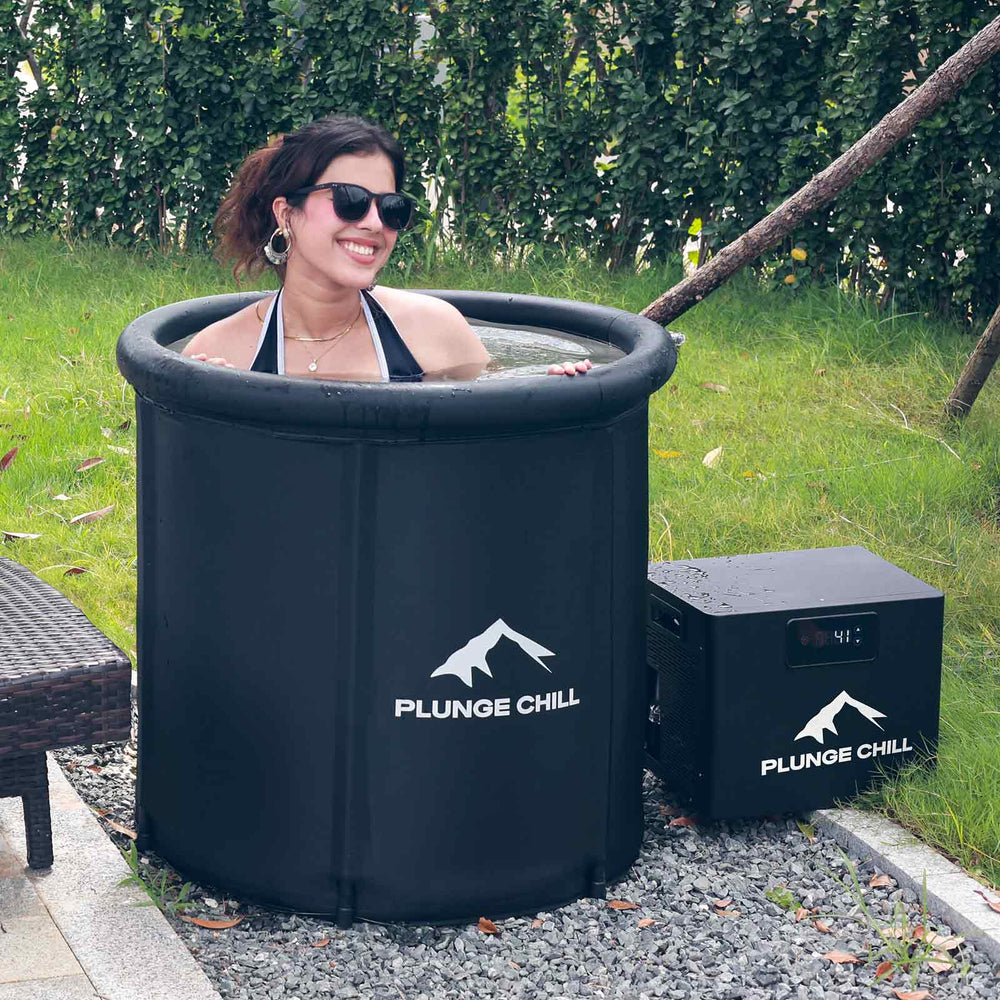
Cold plunges can be a powerful recovery tool when they are programmed as deliberately as training itself. As a sports rehabilitation specialist and strength coach who also tests cold-plunge products, I’ve seen three well-timed sessions per week reduce soreness, keep athletes consistent during congested schedules, and support sharper focus without derailing long‑term adaptations. The key is matching temperature, timing, and frequency to the goal of the day, while respecting evidence that is nuanced rather than absolute. This guide distills current research and field practices into a practical, goal‑driven plan you can run for a full season.
What Cold Plunge Is—and Why It Helps
Cold‑water immersion is the partial or full submersion of the body in cold water, usually set between about 50°F and 59°F, for a brief period after—or sometimes before—training. Physiologically, cold triggers vasoconstriction that limits fluid movement and perceived inflammation. On rewarming, blood vessels dilate, increasing flow that helps remove metabolites and deliver oxygen and nutrients. Hydrostatic pressure from immersion also shifts fluid intravascularly, which may reduce edema and transiently increase cardiac output in a way that mimics some benefits of active recovery. Athletes commonly report immediate relief in perceived soreness and fatigue, and many describe alertness and improved mood once the initial cold shock passes. These effects are consistent with findings summarized by Frontiers in Physiology, Cochrane‑style reviews, and Mayo Clinic Health System.
Mechanisms matter for programming. Cold can acutely dampen pain signaling and reduce nerve conduction speed, which is useful for symptom relief. The tradeoff is that the same cooling can transiently impair explosive power immediately after immersion, and frequent use right after lifting can blunt the molecular signals that drive hypertrophy and strength gains. That is why a balanced, three‑day protocol spreads exposures across the week, times them thoughtfully, and varies temperature and duration with the purpose of each session.
What the Evidence Actually Says
Across systematic reviews and meta‑analyses, there is broad agreement on two points. First, cold plunges are reliable for reducing delayed‑onset muscle soreness and perceived exertion in the hours after hard efforts, with some biochemical signals like creatine kinase trending lower by the next day. Second, they are not a cure‑all for performance restoration and can come with tradeoffs that depend on timing.
A 2023 synthesis highlighted by Frontiers in Physiology reported consistent reductions in soreness and perceived exertion, a next‑day reduction in creatine kinase, and a small immediate drop in jump power after immersion. A Cochrane‑style meta‑analysis found modest to moderate soreness reductions at 24–72 hours but inconsistent changes in biomarkers and no reliable strength restoration across 24–96 hours. A separate meta‑analysis noted immediate reductions in perceived fatigue and soreness and a reduction in creatine kinase at about 24 hours, while pointing out that immersion depth did not materially change outcomes for soreness or lactate. Harvard Health Publishing’s review of 11 studies suggested that stress reduction may show up about 12 hours after exposure and that evidence for immune or mood improvements is inconsistent.
Two caveats are important for competition windows. First, American Physiological Society meeting data indicate hot‑water immersion may better preserve short‑term explosive power between sessions performed on the same day, even if cold still helps with soreness and fatigue symptoms. Second, for athletes prioritizing muscle growth, evidence summarized by Mayo Clinic Health System and Mayo Clinic Press indicates that routine post‑lift cold plunging can blunt hypertrophy and strength over time; endurance training appears less affected.

A Three‑Times‑Per‑Week Protocol That Respects Adaptation
The following plan sets three cold sessions across a typical training week. It assumes mixed goals—maintaining readiness for frequent practice or competition, preserving strength and muscle across phases, and leveraging mental benefits—without stalling long‑term progress.
Weekly Structure and Dosing
Anchor one session early in the week after a high‑intensity conditioning or repeat‑effort practice, place a second session on the midweek day after the hardest density or tempo work, and finish with a third session after the longest endurance or small‑sided games day. For most athletes, the weekly “sweet spot” is about eleven to thirty total minutes across the week, consistent with guidance discussed by Runner’s World and common research dosing ranges. Keep water temperatures in the effectiveness‑and‑safety band near 50–57°F for most sessions.
A sample template follows. Adjust days to align with your schedule.
Day |
Primary Training Context |
When to Plunge |
Target Temp |
Duration |
Rationale |
Early‑week hard session |
High‑intensity intervals or repeated sprints |
Within forty‑five minutes post‑session |
50–55°F |
Three to six minutes continuous or short repeats |
Reduces next‑day soreness and perceived fatigue to maintain quality midweek; aligns with evidence of immediate perceptual benefits and next‑day biochemical changes. |
Midweek density or tempo |
Tempo runs, threshold work, or back‑to‑back practices |
Within ninety minutes post‑session |
52–57°F |
Four to eight minutes |
Supports readiness for the next session without pushing temperature to extremes; limits risk of excessive cooling that might impair power. |
End‑of‑week long work |
Long run, extended scrimmage, or tournament day one |
Within sixty minutes post‑session, or the following morning if late finish |
50–55°F |
Four to ten minutes based on tolerance |
Offloads soreness heading into recovery day while preserving adaptation by avoiding daily use post‑lift. |
Novices can start warmer and shorter—near 57–59°F for one to three minutes—and progress toward the targets over two to four weeks. Experienced users may tolerate slightly colder water for less time, but colder is not automatically better and increases risk without clear additional benefit.
Goal‑Specific Timing
When strength or muscle gain is the priority, avoid cold plunges immediately after resistance training. If an athlete prefers the mental reset, schedule the plunge before the lift as a brief pre‑cool at about 52–59°F, or separate it from training by at least six to eight hours, a strategy echoed by multiple practice‑oriented sources and aligned with concerns summarized by Mayo Clinic Health System and Mayo Clinic Press. For endurance or fixture‑congested periods, post‑session plunging within about thirty to ninety minutes is acceptable and often helpful for perceived recovery across the following day, as summarized by Frontiers in Physiology and Science for Sport.
In hot environments, consider pre‑cooling at 50–59°F for a few minutes before long endurance efforts to delay the rise of core temperature and preserve output. iCoolsport reports endurance gains in the heat with pre‑cooling on the order of large percentages; the magnitude varies by protocol and study and depends heavily on environmental conditions and methods.

Temperature, Duration, and Depth
Most benefits are observed in the 50–59°F window for a few minutes. Meta‑analytic data suggest immersion depth has limited influence on core outcomes for soreness, perceived fatigue, and lactate; chest‑level submersion to the sternum is practical and sufficient for most athletes. Extremely cold water under about 50°F can shorten necessary exposure time, but it adds risk without consistent evidence of superior recovery. One subgroup analysis suggested that very cold exposures might enhance next‑day jump outcomes in a specific context;
Use continuous immersion for simplicity, or split the dose into short bouts separated by brief rewarming. Both approaches are common in practice. Prioritize smooth diaphragmatic breathing to manage the cold shock response, and exit early if numbness, shivering, or lightheadedness develops.
When Cold Helps—and When It Doesn’t
Cold is at its best when the goal is to reduce soreness, temper perceived fatigue, and safeguard session quality on the following day. It is not a substitute for sleep, progressive loading, and sound nutrition. Evidence from Frontiers in Physiology, Cochrane‑style reviews, and Harvard Health Publishing points to meaningful but selective benefits: soreness and perceived fatigue tend to fall; objective performance metrics show mixed changes; and long‑term training adaptations can be blunted if cold is used after nearly every strength session.
Two often‑overlooked details deserve emphasis. First, cold can impair immediate power for a short window. If you have heats on the same day, American Physiological Society reporting suggests hot‑water immersion may better preserve short‑term jump performance than cold; choose hot between same‑day efforts and reserve cold for the end of the competitive block. Second, systemic markers of inflammation in some studies rise briefly after cold exposure even as athletes feel better; Harvard Health Publishing noted timing‑dependent effects with stress reduction emerging around twelve hours post‑exposure. The practical implication is to program cold with respect for timing rather than expecting uniform anti‑inflammatory effects at every time point.
Late‑evening plunges can disrupt sleep in some athletes, while morning plunges fit the circadian rise in body temperature and appear to feel better aligned with mood and focus, according to practical guidance from iCoolsport.
Practical Safety and Risk Management
Cold shock increases breathing, heart rate, and blood pressure. Those with cardiovascular disease, uncontrolled hypertension, Raynaud’s phenomenon, neuropathy, or reduced skin sensation should obtain medical clearance. Avoid open water with currents, measure water temperature rather than guessing, and have towels and warm clothing ready, as advised by Mayo Clinic Health System. Start with brief exposures and warm‑up clothing rather than large spikes in temperature. Never plunge alone or while intoxicated. Prolonged exposures carry risks of hypothermia and frostbite, especially below about 41–45°F; most recovery benefits occur at safer temperatures above that range.
Measuring Your Response and Adjusting
Use simple, repeatable measures. A next‑morning countermovement jump can flag short‑term power decrements if you use cold late in the day. A daily soreness rating and a session RPE log will reveal whether the three‑day protocol truly buys you higher‑quality training. If your strength block stalls, remove post‑lift plunges first before changing other variables. If your endurance days feel flat, check whether you are plunging too cold or too long, or too close to start time.
Buying a Cold Plunge: Features That Matter
Cold plunges range from improvised tubs to precision‑controlled systems. With commercial and home tanks, the top features are precision temperature control, reliable chilling capacity, easy water care, and insulation. Mayo Clinic Health System reports that full‑featured personal tanks can climb toward $20,000; in practice, models span a wide range below that depending on build, materials, and sanitation systems. Some units include fine particulate filtration and ozone treatment for easier maintenance; several vendors claim water stability down to the high 30s°F, which is colder than most athletes need outside of specific protocols.
Feature |
Why It Matters |
What To Look For |
Temperature control |
Keeps dosing consistent across sessions |
Digital setpoint with stability near ±1°F; reliable chilling capacity for your climate |
Reduces biofilm, odor, and water changes |
Multi‑stage filtration with easy access; ozone or UV integrated; clear maintenance schedule |
|
Insulation and cover |
Cuts energy use and holds temperature |
Insulated tub walls, tight‑fitting cover, drain that won’t leak heat |
Size and ergonomics |
Comfort and immersion depth |
Chest‑level immersion without cramped posture; easy step‑in and non‑slip surfaces |
Noise and placement |
Home and facility fit |
Decibel specs for the chiller; venting clearance; indoor vs outdoor rating |
Warranty and service |
Uptime when you need it |
Clear warranty, regional service partners, and readily available parts |
As a reviewer, I prioritize stable temperature control first. If the setpoint drifts by several degrees over a ten‑minute session, the protocol you “think” you’re running is not the protocol your body receives. Second is water care that lets you run three sessions a week without turning the tub into a maintenance project. Ozone or UV with a replaceable filter simplifies that work. Everything else is about fit and footprint.
Care and Maintenance
Keep the water near your target range, clean the filter on the manufacturer’s schedule, and follow sanitation recommendations for your tank’s specific system. Shower or rinse off sweat before plunging after hard training. Dry the tub surfaces weekly to prevent biofilm and wipe seals so the cover remains tight. If you train outdoors, protect the chiller from leaves and dust and ensure ventilation openings are clear. Cold exposure can feel like a discipline, but so is maintenance; the better you care for the system, the more reliable your dosing and the fewer surprises you’ll meet in week six of your plan.

Integrating with Other Modalities
Contrast therapy—alternating heat and cold—can feel invigorating and may accelerate lactate clearance and circulation, although mechanisms and dosing are variable across studies. Compression and low‑intensity active recovery remain strong complements on days you skip cold. Most importantly, the hierarchy still holds: sleep, nutrition, progressive loading, and stress management make the biggest difference. Cold is best treated as a garnish that sharpens the edges of a well‑built plan, a point emphasized by Mayo Clinic Press and Harvard Health Publishing.
Rapid Reference: Matching Cold to Goals
Goal |
Best Timing |
Notes |
Maintain readiness in congested schedules |
Post‑session within about thirty to ninety minutes on hard days |
Use 50–55°F for three to eight minutes; expect less soreness tomorrow |
Build muscle and strength |
Avoid immediately after lifting |
If desired, pre‑cool briefly before lifting or separate cold by six to eight hours |
Same‑day explosive output |
Prefer heat between attempts |
Cold can blunt immediate power; consider hot‑water immersion for short‑term performance |
Hot‑weather endurance |
Pre‑cool before long work or races |
Keep doses short and moderate; effect size depends on heat and humidity |
Morning focus and mood |
Morning cold aligns with circadian rise |
Evening cold can disrupt sleep in some athletes; monitor and adjust |
A Note on Disagreements and Why They Happen
Part of the confusion around cold plunges comes from differences in definitions, dosing, and measurement timing. Some studies assess soreness, which is subjective but meaningful for training availability, while others focus on biomarkers or specific performance tests like countermovement jumps. Laboratory protocols often differ from team settings that stack sessions and travel. Reviews from Frontiers in Physiology and Cochrane‑style sources report consistent perceptual benefits and mixed performance outcomes, while media summaries from Harvard Health Publishing emphasize timing dependencies and selective wellbeing effects rather than broad physiological changes. When one guide seems to promise everything and another is cautious, the likely causes are protocol temperature, duration, outcome selection, and whether participants were measured minutes, hours, or a day after immersion.
Short FAQ
Is three times a week too much?
For most athletes, three sessions per week at moderate temperatures and durations is a sustainable ceiling that preserves benefits without chronically blunting strength adaptations. If you notice plateaus in lifting phases, remove post‑lift plunges first and reassess over two weeks.
What temperature should I actually use?
Stay between about 50°F and 57°F for most recovery goals. Colder water shortens necessary time but increases risk without clear additional performance advantages for most use cases.
How long should each session be?
New users can begin with one to three minutes and progress to about four to eight minutes across several weeks. Experienced users may occasionally go to ten minutes, but there is no prize for staying longer.
Can I cold plunge at night to help sleep?
Some athletes report easier sleep if they plunge in the late afternoon or morning. Late‑night plunges can disturb sleep for others due to timing with the body’s temperature rhythm.
Does immersion depth matter?
For perceived soreness and lactate, differences between upper‑body and chest‑level immersion appear small in meta‑analytic data. Chest‑level immersion remains practical and consistent.
Is pre‑cooling useful before training?
Before endurance efforts in the heat, a short pre‑cool at moderate temperatures can delay overheating and preserve output. Separate any pre‑cooling from heavy lifting, as cold can reduce immediate muscle power.
Takeaway
A cold plunge can be a disciplined, high‑yield addition to your recovery plan when you write it into the week with the same care you devote to intervals and lifts. Three sessions per week at 50–57°F for a few minutes, placed after the hardest endurance or repeat‑effort days and kept away from hypertrophy work, will reduce soreness and keep training quality high. Respect that cold is not magic, that timing matters, and that you can trade away long‑term gains if you plunge after every lift. Choose a tank with precise temperature control and simple water care, keep the maintenance tight, and let your training log and simple next‑day tests guide the tweaks. When protocol, product, and purpose align, cold becomes a tool that quietly does its job—no hype required.
Selected Sources Mentioned
Frontiers in Physiology; Cochrane‑style systematic review; Harvard Health Publishing; Mayo Clinic Health System; Mayo Clinic Press; American Physiological Society; Science for Sport; Runner’s World; iCoolsport; Renu Therapy and other product‑oriented practice summaries.
References
- https://www.health.harvard.edu/staying-healthy/research-highlights-health-benefits-from-cold-water-immersions
- https://www.mcphs.edu/news/physical-therapist-explains-why-you-should-chill-out-on-ice-baths
- https://pubmed.ncbi.nlm.nih.gov/39879231/
- https://sncs-prod-external.mayo.edu/hometown-health/speaking-of-health/cold-plunge-after-workouts
- https://mcpress.mayoclinic.org/healthy-aging/the-science-behind-ice-baths-for-recovery/
- https://www.mayoclinichealthsystem.org/hometown-health/speaking-of-health/cold-plunge-after-workouts
- https://www.physiology.org/detail/news/2024/11/21/hot-water-immersion-better-than-cold-to-maintain-exercise-performance
- https://www.bassmedicalgroup.com/blog-post/do-cold-plunges-work
- https://www.oceankidshealth.com.au/cold-therapy-a-guide-for-young-athletes/
- https://www.gopolar.app/post/cold-plunge-time-and-temp