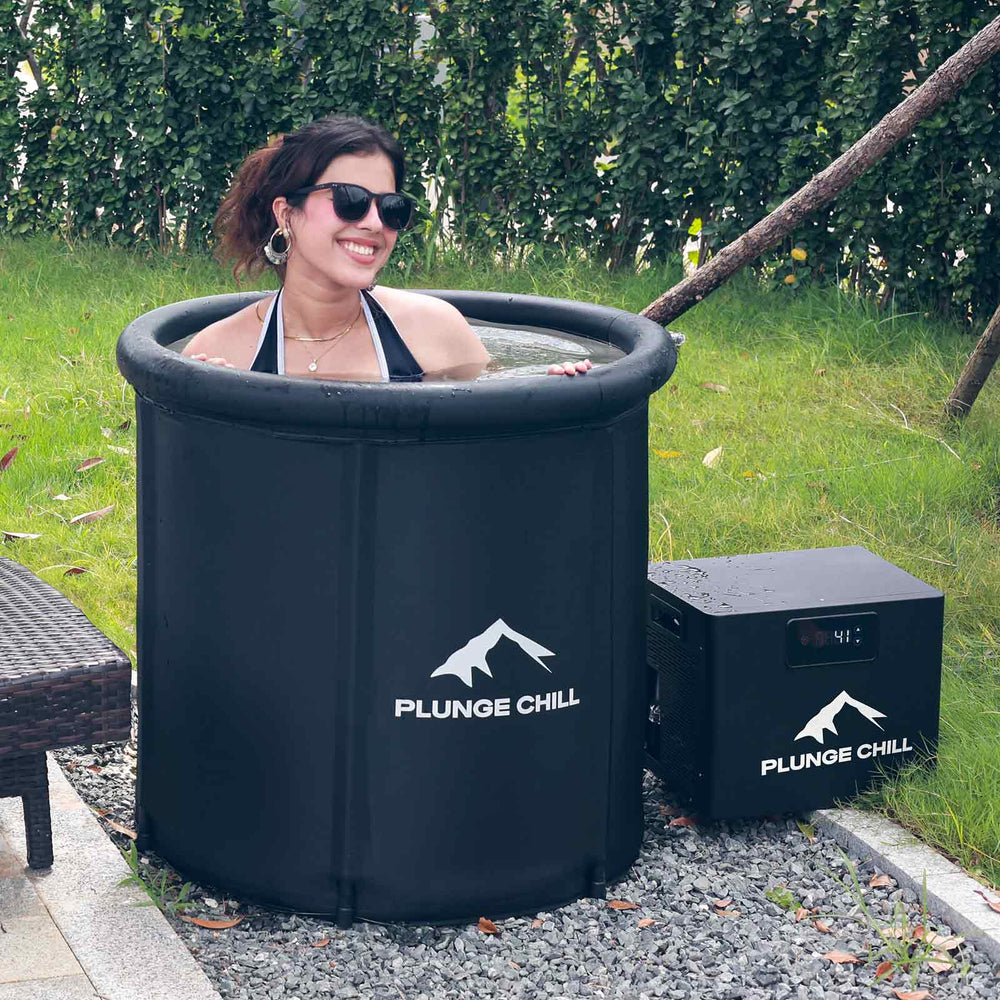
As a sports rehabilitation specialist and strength coach who tests recovery tools with athletes and motivated weekend lifters, I’ve learned that timing your cold plunge is as consequential as how cold or how long you stay in. The same two minutes in 50–55°F water can sharpen your focus in the morning, prime your nervous system before practice, or, if you schedule it differently, quietly undermine hard-won strength adaptations. This guide organizes the best evidence and field-tested protocols into a practical plan you can use every day, with safety-first guardrails and product-care tips for those setting up a tub at home or in a facility.
What a Cold Plunge Does—and Why Timing Matters
A cold plunge is short, deliberate immersion in cold water, typically about 39–59°F, to elicit vasoconstriction, a surge in catecholamines, and a robust thermal stress that your body compensates for during and after rewarming. Consistent exposure is linked to reduced soreness after training, lower perceived stress, and sharper mental clarity according to overviews from Cleveland Clinic and Mayo Clinic Health System. A 2024–2025 narrative review in a leading medical library notes possible cardiometabolic and immune benefits alongside mood and sleep improvements, with the important caveat that many trials are small and heterogeneous.
Timing changes the intent and the physiological context. In the early morning when core body temperature sits near its daily low, cold exposure produces a pronounced wake-up effect. In the late afternoon when temperature is higher, the same plunge tends to feel soothing and functions more as a cool-down. Aligning the immersion with your goal—focus, priming, recovery, sleep—makes the same tool work very differently. Several sources, including Arsenal Health and Chilly Goat Tubs, emphasize that point, and it echoes what I see on the training floor.
Morning, Midday, and Evening: Matching the Window to the Goal
Morning: Alertness, Discipline, and Circadian Anchoring
Morning cold exposure reliably increases epinephrine, norepinephrine, and dopamine, delivering sustained alertness and a clean motivational lift that can last for hours. The Huberman Lab has popularized the target of about 11 minutes per week total, distributed across several short exposures, and highlights that even very brief cold can spike catecholamines. Many athletes and professionals use two to five minutes around 50–55°F after waking to reinforce a consistent wake time, set the tone for the day, and build adherence to training. Arsenal Health notes that with core temperature low, the contrast feels stronger; start warmer and shorter if you are new.
One nuance that everyday guides often skip is how to rewarm. Allowing the body to reheat itself by moving, layering, and drinking something warm can amplify metabolic adaptations and brown fat activation, a principle echoed by Coldture and discussed by Huberman. If the goal is resilience and mood, avoid jumping straight into a hot shower in the first hour after a morning plunge.
Midday or Pre-Workout: Quick Priming without a Performance Penalty
Before a session, the benefit is arousal and neuromuscular sharpness, not deep cooling. I keep these exposures short and slightly warmer—often one to three minutes at about 54–59°F—so athletes get the mental reset and sympathetic bump without transient strength loss. Ohio State Health and multiple sports science papers caution that cold immersion can reduce immediate force production if overdone right before lifting. The trick is to make it a dip, not a soak. On lifting days, I use this tactic for skill or speed emphasis, not maximal strength attempts.
Post-Workout or Late Afternoon: Cooling, Pain Relief, and Soreness Control
Cold immersion can blunt soreness and speed perceived recovery after hard endurance efforts or competitions. Mayo Clinic Health System and Cleveland Clinic both describe the vascular and inflammatory mechanisms that make post-exercise immersion feel effective. However, timing is everything for strength and hypertrophy. If muscle growth is a top priority, several sources recommend delaying cold by at least four to six hours after lifting to avoid interfering with anabolic signaling. Ohio State Health summarizes older controlled trials that found decreased hypertrophy and strength when ice baths were used immediately after resistance training, and suggests even longer delays in some contexts. The discrepancy likely reflects different temperatures, immersion lengths, and outcomes being measured across studies. Practically, if you chase size or strength, keep your post-lifting plunge for the evening or, better, on non-lifting days.
Evening and Sleep: Calm the System, Mind the Buffer
Evening plunges often feel calming due to the post-immersion parasympathetic rebound, and many users report falling asleep faster after the day’s thermal and psychological stress is “downshifted.” Chilly Goat Tubs suggests leaving at least one to two hours before bed to avoid residual stimulation. A Harvard Health summary of a Jan 29, 2025 PLOS One analysis reported improved sleep in men but not women across the examined protocols. That sex difference is worth acknowledging and may reflect protocol differences or sample characteristics. My experience matches a simple rule: if you feel wired after cold, schedule it earlier; if you reliably feel mellow, keep it an hour or two away from lights out.
A Quick Map from Goal to Timing and Dosing
Primary Goal |
Best Window |
Typical Session Length |
Practical Water Range |
Why This Slot Works |
Focus and mood |
Early morning |
2–5 minutes |
50–55°F |
High catecholamines, circadian reinforcement, all-day carryover |
Pre‑workout priming |
30–90 minutes before training |
1–3 minutes |
54–59°F |
Alertness without dampening strength/power |
Soreness reduction |
1–4 hours after endurance work; 6–8+ hours after lifting |
2–5 minutes |
45–55°F |
Cooling and vasoconstriction reduce local inflammation |
Sleep support |
1–2 hours before bed if calming for you |
2–5 minutes |
50–55°F |
Parasympathetic rebound; avoid too close to bedtime |
Metabolic adaptation |
Morning or split across week |
Total ~11 minutes/week |
45–55°F |
Repeated exposures engage brown fat and thermogenesis |
Note that frequencies vary. Coldture and several practical guides suggest beginners start with two to three sessions per week and progress toward three to five as tolerance builds, while some individuals benefit from daily exposure once adapted. Consistency matters more than a single “perfect” session.
Daily Scheduling Templates for Different Athletes
A strength-focused lifter can combine a two-minute morning plunge at 52–55°F with lifting later in the day and save recovery plunges for non-lifting evenings or the day after training. That pattern preserves the anabolic milieu after lifting while still using cold for mood and discipline. An endurance athlete can place a three-minute plunge at 48–54°F within the first few hours after long runs or intervals to manage soreness and be ready to train the next day, while using a short morning exposure on easier days for focus. A high-stress professional who trains at lunch can take a brisk one to two minutes around 56–59°F pre-session to sharpen attention and then rely on a two to three minute evening dip when work is overwhelming, leaving a one to two hour buffer before bed. Older adults or anyone with cardiovascular risks should speak with a clinician first and begin with warmer water and shorter exposures, for example about 58–60°F for 30–60 seconds, before any progression.
How Long, How Cold, and How Often
Duration and temperature trade off against each other. Most benefits I observe in the field cluster between two and five minutes when the water sits around 48–55°F. Huberman Lab’s weekly target of approximately 11 minutes is a useful anchor for mood and resilience goals. Coldture recommends starting with 30–60 seconds, adding small increments, and avoiding exposures beyond about 10 minutes. Cleveland Clinic emphasizes short immersions and cautions against near-freezing water for non-experts. Ohio State Health notes that 10–20 minutes at 50–59°F has been studied in older protocols but may not be necessary for practical recovery, especially if strength gains are a priority.
When protocols disagree, context explains most of the gap. Longer durations at the warm end of the range chase the same physiological dose that shorter exposures achieve at colder temperatures. Studies differ in water temperature, whether the immersion is chest-deep or full-body, the training status of athletes, and whether the outcome is immediate soreness, next‑day power, or monthslong strength. Within that spread, a conservative and effective default for most users is three to four sessions weekly, two to four minutes each, at 50–55°F, adjusted by how you feel.

Pre‑ vs Post‑Workout Protocols at a Glance
Use Case |
Aim |
When to Plunge |
Temperature |
Duration |
Key Caveat |
Before strength or power |
Arousal and focus |
30–90 minutes pre‑session |
54–59°F |
1–3 minutes |
Keep it brief to avoid transient force loss |
After endurance or heat |
Cooling and soreness control |
1–4 hours post‑session |
45–55°F |
2–5 minutes |
Rewarm naturally first, then light movement |
Hypertrophy block |
Preserve growth signaling |
6–8+ hours after lifting, or on rest days |
48–55°F |
2–5 minutes |
Immediate post‑lift cold can blunt adaptations |
Skill or tactical day |
Mental reset |
Any time outside hard lifts |
52–56°F |
2–4 minutes |
Use to reinforce routine and focus |
The hypertrophy caveat is not theoretical. Articles summarized by Ohio State Health and Mayo Clinic Health System report decreased hypertrophy and strength when cold immersion follows lifting immediately. Chilly Goat Tubs proposes a shorter delay of four to six hours; Ohio State Health cites work suggesting even longer. Those differences likely reflect study designs and measured endpoints. In practice, err on the side of a longer buffer when size and strength are priority outcomes.
Rewarming, Contrast, and Stacking with Sauna
How you warm up after cold can be used to tilt the benefit toward metabolism or comfort. Allowing shivering and natural rewarming for 10–30 minutes can encourage brown fat activation and non‑shivering thermogenesis, as discussed by Huberman and echoed in practical guides like Coldture. If comfort is the priority, Cleveland Clinic notes that a short sauna session after cold can help normalize temperature safely. These approaches are not mutually exclusive. For adaptation phases, delay heat for a while after cold. For comfort or when you are chilled to the bone, rewarm faster and safely using layers or a brief sauna. In all cases, move lightly as you heat up and hydrate.

Safety, Contraindications, and Red Flags
Cold immersion raises heart rate and blood pressure acutely at entry and can provoke hyperventilation, dizziness, or cold shock. People with cardiovascular disease, uncontrolled high blood pressure, diabetes with neuropathy, significant peripheral vascular disease, or cold-agglutinin conditions should consult a clinician before starting. Cleveland Clinic and Mayo Clinic Health System both warn against hazardous waters and thin ice, and emphasize having warming gear close by to avoid hypothermia. I also advise beginners to plunge with a partner, practice calm nasal breathing on entry, and abort the session if you feel chest pain, lightheadedness, or confusion. Coldture’s baseline advice—start short, progress slowly, and stop if shivering becomes intense or your fingers or toes change color—is a sound foundation.
Product Selection and Care for Home and Facility Use
If you are evaluating a tub, prioritize precise temperature control, insulation, pump reliability, and filtration that matches your usage frequency. Icecap and other practical guides emphasize clean, filtered water and regular sanitation. A vertical plunge design can achieve full immersion in a small footprint and is easier to place in small spaces; it is a good option when square footage is tight. A reliable thermometer is not optional. For hygiene, establish a schedule that includes filter changes, water rotation, and compatible sanitizers. Fully featured cold-plunge tanks with integrated chillers can be expensive, and Mayo Clinic Health System notes that top‑end systems can reach premium price points; many buyers start with a simpler setup and upgrade once they confirm the habit. Place the unit on a stable, well‑drained surface with safe electrical access, and plan for ventilation if the chiller exhausts warm air.
Nuances That Often Change Outcomes
A single very brief exposure can still be worthwhile during a packed day. The Huberman Lab newsletter describes marked epinephrine increases within roughly 20 seconds in very cold water, which tracks with what I see from sub‑one‑minute lunch‑break dips used for a cognitive reset. That is not a full recovery dose, but it rescues a busy schedule without an endurance penalty.
Sleep responses are not uniform. Harvard Health, summarizing a Jan 29, 2025 PLOS One analysis, reports improved sleep in men but not women across the included studies. I have female athletes who sleep better with an evening plunge and others who do worse. That variance probably reflects differences in temperature, timing, and sensitivity to the catecholamine spike. Adjust by your outcome, not by averages.
Natural rewarming can be used as a training tool. Allowing a shiver window for 10–30 minutes after morning cold seems to strengthen the resilience and metabolic signals over weeks. Coldture and Huberman both point in that direction; in my practice this accelerates tolerance. If you feel chilled for too long, shorten the exposure next session.
A body composition detail from Arsenal Health merits attention in group settings: people with higher body fat often perceive less cold during the session even while receiving a similar physiological dose, which can make mixed-group immersions deceptively unequal. Encourage self-pacing and awareness instead of enforcing a single time for everyone.
An uncertainty worth flagging: whether including a brief head dunk meaningfully changes sleep outcomes independent of temperature and duration is not well established in the sources at hand.
Reconciling Conflicting Protocols and Claims
Some reputable sources keep sessions short and cap time at about five minutes, while others reference 10–20 minutes in warmer water. The safest way to integrate this is to treat time and temperature as interchangeable levers. The colder you go, the less time you need. If you choose longer exposures, stay near the upper end of the therapeutic range and monitor how you feel afterward and the next day. Disagreement about post‑lifting timing stems from different definitions of “blunted adaptation,” with some studies measuring molecular signals and others measuring performance weeks later. Practically, a several‑hour delay is a sensible compromise when you care about hypertrophy or strength.
Harvard Health also tempers strong claims about immunity and mood. Their synopsis points to reduced stress about 12 hours after immersion and does not find consistent immune or mood improvements across all studies. Contrast that with anecdotal enthusiasm common in consumer content and you have a reasonable explanation: heterogeneous protocols, varied participant fitness, and very different endpoints. My advice is to track your own response rather than expecting uniform benefits.
A Day-by-Day Plan You Can Start This Week
If your primary goal is focus and mood, aim for three to four morning sessions of two to four minutes at 50–55°F across the workweek, and add a fifth if your stress climbs. If you are in a hypertrophy block, move cold to non-lifting days or to the late evening with at least six to eight hours after your workout; use one to three minutes on lifting days only if you need the mental reset, and keep it pre‑workout. For endurance training, place a two to five minute plunge in the first few hours after long runs or heat sessions, and monitor how your legs feel the next day. Keep a weekly running total around 11–15 minutes and write your time and temperature in a simple log so you can adjust intelligently.
Buying and Care Pointers from the Field
Start with a unit that can truly hold a steady temperature during use; under‑spec’d chillers drift warmer after a few sessions. Verify that filtration is simple to service and that replacement filters are readily available. Use a fan or HVAC plan if your tub lives in a small room—the chiller will dump warm air. Make a sanitation routine non‑negotiable, including shock treatments compatible with the manufacturer’s guidance. If you live in a colder climate and install outdoors, add a cover that prevents debris and limits heat loss. For apartment dwellers, vertical designs solve the space problem, and rolling bases help with cleaning.
Key Takeaway
Cold plunging works best when you treat timing as a variable, not an afterthought. Use short, slightly warmer dips to prime focus before training, deliberate post‑endurance plunges to manage soreness, delayed cold on lifting days to preserve strength gains, and a one to two hour buffer in the evening if you find it calming. Keep the water “uncomfortably cold but safe,” aim for about 11 minutes total per week as a starting point, and progress cautiously while tracking how you feel. Choose equipment you can keep clean and at a stable temperature, and secure medical clearance if you have any cardiovascular or metabolic risk. In practice, that is how athletes, coaches, and everyday professionals make cold exposure an advantage rather than a novelty.
Frequently Asked Questions
How cold should the water be if I’m new to cold plunging?
Beginners often do best around 54–59°F for very short exposures, about 30–60 seconds, before nudging time and temperature over a few weeks. Cleveland Clinic’s guidance aligns with this warmer starting range, and it matches what I use in rehab settings.
Will a cold plunge right after lifting ruin my gains?
It can blunt some of the molecular signals for growth if used immediately after strength training, a finding summarized by Ohio State Health and discussed by Mayo Clinic Health System. A practical workaround is to delay cold by at least several hours or save immersion for non‑lifting days during hypertrophy blocks.
Can evening plunges help me sleep?
Many people feel calmer and fall asleep more easily when they plunge one to two hours before bed, but responses vary. Harvard Health’s review notes improved sleep in men but not women across included studies. If you feel wired, move the session earlier.
Is a cold shower as good as a plunge?
Cold showers are a workable alternative for mood and discipline when time or space is tight, but full‑body immersion cools more uniformly and tends to feel stronger for recovery. If you only have a shower, finish with a few minutes of cold and progress over time.
How often should I plunge each week?
Three to five sessions per week is a realistic target once you are comfortable, with a weekly total around 11 minutes as a useful anchor for mood and resilience. Endurance athletes may benefit from adding post‑session immersions on heavy training days; lifters should prioritize delayed cold when growth is the goal.
Is it safer or better to rewarm in a sauna right after?
It depends on your goal. Natural rewarming can strengthen metabolic adaptation, while a short sauna is a reasonable comfort‑first choice and can be helpful if you are chilled. Both paths are used in sports rehab; choose based on how you want to feel and adapt, and hydrate either way.
Sources Acknowledged
This guide draws on practical recommendations and cautions from Cleveland Clinic and Mayo Clinic Health System, timing and dosing insights from Arsenal Health and Chilly Goat Tubs, duration and progression advice from Coldture, physiological staging and breath control perspectives from Plunge, weekly dosing and rewarming principles discussed by Huberman Lab, and a 2024–2025 narrative review of cold water therapy in a major medical library. A Harvard Health overview of a PLOS One analysis adds important context on stress and sleep outcomes. Where advice diverges—especially around post‑lifting timing and session length—differences in temperature, duration, outcomes measured, and training status explain most of the spread.
References
- https://lms-dev.api.berkeley.edu/cold-baths-benefits
- https://scholarsarchive.byu.edu/cgi/viewcontent.cgi?article=2847&context=etd
- https://digitalcommons.cedarville.edu/cgi/viewcontent.cgi?article=1539&context=research_scholarship_symposium
- https://www.health.harvard.edu/staying-healthy/research-highlights-health-benefits-from-cold-water-immersions
- https://digitalcommons.pcom.edu/cgi/viewcontent.cgi?article=1556&context=pa_systematic_reviews
- https://sncs-prod-external.mayo.edu/hometown-health/speaking-of-health/cold-plunge-after-workouts
- https://pmc.ncbi.nlm.nih.gov/articles/PMC11872954/
- https://health.osu.edu/wellness/exercise-and-nutrition/do-ice-baths-help-workout-recovery
- https://health.clevelandclinic.org/what-to-know-about-cold-plunges
- https://www.mayoclinichealthsystem.org/hometown-health/speaking-of-health/cold-plunge-after-workouts