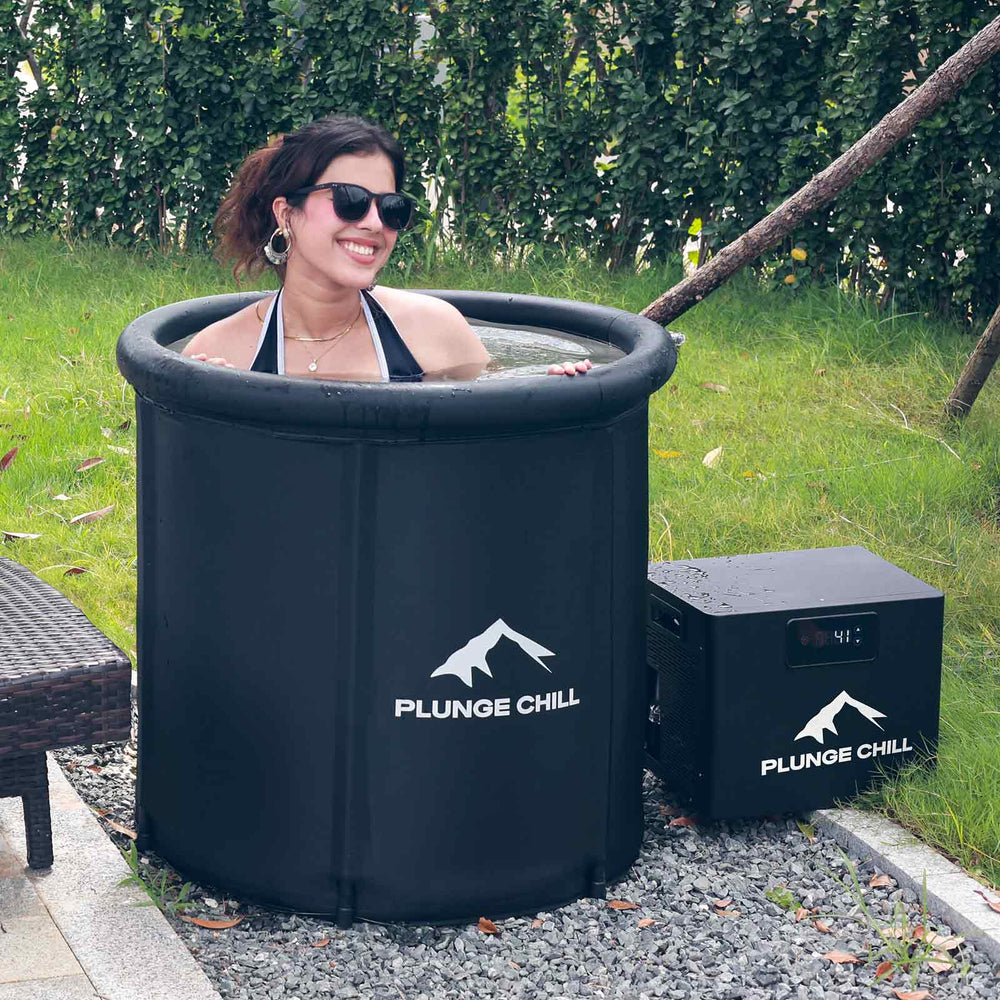
As a sports rehabilitation specialist and strength coach who evaluates recovery tech for aquatics programs, I’m often asked a simple question with a complicated answer: should swimmers use cold plunges? The short version is that cold‑water immersion can reduce soreness and “feel better” markers in the hours after tough sessions, but it also carries trade‑offs that matter for long‑term adaptation, race‑day power, and safety. The research on athletes is mixed, and the right protocol depends on what you are training for, when your next hard effort is, and whether strength or endurance is the priority. This guide synthesizes the most credible evidence and adds practical, pool‑deck‑ready advice so you can use cold strategically rather than reflexively.
What Cold Plunge Does Inside a Swimmer’s Body
Cold‑water immersion, typically between about 41–59°F depending on the protocol, triggers an immediate cold‑shock response that spikes heart rate, breathing rate, and blood pressure while blood vessels in the limbs constrict to prioritize core temperature. Case Western Reserve University summarizes this cascade and notes that rapid breathing and vasoconstriction are normal in the first seconds, returning toward baseline as you gain control of breathing. The same source underscores a key nuance for athletes: while cooling reduces blood flow and can dull soreness, it may also slow protein synthesis that drives training adaptations in muscle, making timing crucial.
Hydrostatic pressure from immersion adds a second mechanism many swimmers overlook. Even at head‑out depth, external water pressure pushes fluid centrally, raising cardiac preload and stroke volume. A post‑exercise physiology analysis reported that head‑out immersion can approximately double cardiac output without extra energy expenditure, which helps move fluid, reduce edema, and accelerate waste clearance even before temperature effects come into play. Science for Sport likewise credits hydrostatic pressure—alongside nerve conduction changes and vascular effects—for much of the perceived recovery benefit.
When you exit the cold and rewarm, vessels dilate again and circulation increases. This “constrict‑then‑reperfusion” pattern is one reason contrast therapy (alternating cold and warm) can feel helpful on heavy legs. HydroWorx, which equips many NFL recovery rooms, emphasizes the practice as a way to blend inflammation control with circulation, although the exact best sequence and doses are not fully standardized in trials.

What the Evidence Says, Without the Hype
Across dozens of randomized trials compiled in meta‑analyses, the most consistent effects of cold immersion are short‑term reductions in soreness and perceived exertion and modest changes in biochemical markers the next day, with limited proof of better performance. A recent meta‑analysis found soreness and perceived exertion drop right away, creatine kinase and lactate can be lower at about 24 hours, and jump performance typically does not improve at 0 to 48 hours. A 2025 network meta‑analysis in Frontiers in Physiology ranked combined duration–temperature “doses” and found that 10–15 minutes between about 41–50°F within an hour after exercise is the most studied pattern for muscle damage and soreness markers, with slightly warmer water around 52–59°F better tolerated for many athletes. That same analysis highlighted sparse evidence for very short exposures, which may help symptoms but are less represented in trials.
Two independent cautionary themes matter for swimmers. First, multiple sources, including Ohio State University and Mayo Clinic Health System, report that routine cold immersion right after lifting or power work can blunt hypertrophy and strength signaling. Second, evidence for long‑term performance benefits remains inconsistent. Cleveland Clinic and Harvard Health both note that many popularly claimed benefits are anecdotal, and that mood boosts and alertness could reflect catecholamine surges and social context as much as tissue changes.
When Cold Plunge Helps Swimmers—and When It Hurts
For aerobic‑dominant sets, long course volume days, or two‑a‑days where the next session arrives quickly, cold immersion can reduce soreness, lower perceived fatigue, and help you feel fresher for the following practice. I use it most after prolonged, metabolically taxing swims or on competition blocks with repeated heats when the priority is getting back to neutral.
For resistance training, sprint sets, and power or start‑focused work, I avoid cold immediately post‑session. Several lines of evidence indicate that chilling right after strength or power training can dampen the very inflammatory and molecular signals you need for muscle growth and neuromuscular adaptation. In practice, delaying cold by a day after a hard dryland lift or speed session preserves those signals while still allowing a calming cold session on the following recovery day.
A practical insight for race weekends comes from a recent presentation summarized by the American Physiological Society: hot‑water immersion around 104°F preserved same‑day jump power better than 59°F cold water in recreational athletes. While this is early, not yet peer‑reviewed, and not swim‑specific, it aligns with on‑deck experience that warm immersion or contrast may be preferable when the next effort requires explosive power later the same day. Suggested verification: test 25 m start and push‑off metrics across warm vs cold vs contrast protocols within your team to see what preserves power best for your athletes.

Protocols by Goal for Competitive and Recreational Swimmers
The right dose depends on the training goal, the time until your next quality effort, and your cold tolerance. The table below aligns swimmer‑specific scenarios with evidence‑informed starting points and the rationale. Temperatures and durations reflect research ranges and clinical guidance; adjust gradually as tolerated.
Scenario |
When to Plunge |
Water Temp (°F) |
Time in Water |
Weekly Use |
Primary Rationale |
Evidence Snapshot |
After long aerobic volume or threshold set |
Within about 1 hour post‑swim if next hard session is within 24 hours |
52–59 |
10–15 minutes |
Two to three sessions in heavy weeks |
Reduce soreness and perceived fatigue; aid fluid shifts and waste clearance |
Frontiers in Physiology meta‑analysis emphasizes 10–15 minutes; meta‑analyses show immediate soreness/RPE reductions |
After sprint or power set or heavy dryland lifting |
Delay 24–48 hours after the session |
50–59 if used next day |
5–10 minutes next day |
One to two sessions in strength blocks |
Preserve hypertrophy and power signaling on day zero |
Ohio State University and Mayo Clinic Health System highlight blunted strength adaptations with immediate cold |
Between heats on the same day |
Use brief, tolerable cooling or consider warm immersion or contrast |
55–60 or warm ~94–104 for power |
Three to five minutes cold if used, or brief warm/contrast |
Limited to meet days |
Manage perceived fatigue without dampening same‑day power |
American Physiological Society notes better jump power after warm than cold; Confidence: Low; verify with in‑house testing |
Open‑water events in heat (pre‑cooling) |
Before warm‑weather swims to offset heat strain |
55–60 |
Two to five minutes, breathing controlled |
As needed in hot conditions |
Lower core and perceived heat load for endurance |
Evidence reviews show pre‑cooling aids endurance in heat; may impair sprint performance |
General recovery on off days |
Use based on preference and sleep quality |
55–59 |
Three to ten minutes |
Two to three days per week |
Mood, sleep, and autonomic down‑shift for some swimmers |
Harvard Health suggests about 60°F and short exposures; evidence mixed but many report feeling better |
Two overlooked scheduling nuances deserve mention. First, morning core temperature is naturally lower by roughly 1°F than later day values, so morning plunges may feel tougher and could provoke a stronger subjective cold shock even at the same water temperature, though shivering and vasoconstriction thresholds appear similar. This circadian point from a broad cold‑exposure review is seldom discussed in team protocols. Suggested verification: track heart rate and perceived breath control for the same protocol morning versus late afternoon across a week. Second, device water circulation matters more than it seems. Tubs that circulate water disrupt the thin, warmer boundary layer around skin, creating more consistent cooling; manufacturer guidance from controlled‑temperature tub makers notes this effect and it matches basic heat‑transfer principles.

Safety, Contraindications, and Risk Management for Aquatic Athletes
Swimmers are comfortable in water, but cold water carries unique hazards that familiarity does not erase. The American Heart Association warns that sudden immersion below about 60°F can trigger an involuntary gasp with rapid breathing, heart‑rate spikes, and high blood pressure in the first minute, raising drowning and cardiac risk, especially for people with heart disease or on certain medications like beta blockers. Case Western Reserve University similarly advises that cold shock can impair cognition and decision‑making for a short window, and that prolonged exposures increase hypothermia risk. If you have cardiovascular disease, hypertension, a history of arrhythmias or stroke, Raynaud’s phenomenon, or cold‑sensitivity disorders, clear cold exposure with a clinician first.
Safe practice is straightforward: enter gradually rather than diving, control your breathing in the first 10–30 seconds, and have a staff member or training partner nearby. Measure the water temperature rather than guessing. Keep a warm layer and towels within arm’s reach, rewarm with light movement afterward, and avoid alcohol and training alone. Cleveland Clinic and Mayo Clinic Health System both emphasize acclimation and progressive exposure, and the latter notes that daily plunges immediately after training can compromise long‑term improvements, even if daily cold on rest days is acceptable for some. For team environments, put in place a cold‑exposure checklist the same way you would for trampolines, racks, and saunas.

The Swimmer’s Trade‑off: Soreness Relief Versus Adaptation
The tension swimmers must manage is simple: reducing soreness today can, in some contexts, reduce the stimulus to adapt tomorrow. Parker University’s clinical commentary on cryotherapy explains why. Inflammation is not purely harmful; it is the first phase of tissue repair and a necessary signal for regeneration. Aggressively blocking that signal can delay or blunt the remodeling that leads to stronger fibers, tendon robustness, and neuromuscular efficiency. Meta‑analyses show the clearest benefit of cold is short‑term symptom relief, not sustained performance gains. Science for Sport adds that thermoneutral immersion around 93–95°F can be better for general recovery when inflammation control is not the primary need, reserving colder water for acute strains or rare severe muscle damage.
What this means on deck is that cold works best as a tool, not a reflex. Use it strategically in back‑to‑back training days, travel weeks, and multi‑event competitions, and be cautious applying it right after the very sessions where you want the most muscular and tendon adaptation.

Recommended Doses and Temperatures, Simplified
Different authorities offer slightly different ranges, largely because studies vary in temperature, duration, timing, and body coverage. Ohio State University suggests 10–20 minutes around 50–59°F for many athletes. Ivy Rehab’s clinical guidance lands between 10–15 minutes at 50–59°F, with shorter exposures for beginners. Mayo Clinic Health System recommends starting with 30–60 seconds and progressing to five to ten minutes, cautioning that daily post‑training cold can impede long‑term gains for strength. A 2025 network analysis in Frontiers in Physiology points to 10–15 minutes at about 41–50°F within an hour post‑exercise as the most studied for soreness and creatine kinase, whereas warmer 52–59°F can improve tolerability.
You do not need to memorize ranges to get this right. Choose a target based on the day’s goal, keep cold short and tolerable at first, and record perceived recovery and sleep that night. Over a few weeks you will learn your “just enough” dose.

Product Buying Guide for Swim Teams and Home Users
A cold‑plunge unit is not just a tub; it is a temperature‑control, filtration, and safety system that must withstand daily use and team throughput. Benedictine University Mesa’s athletics program selected a commercial unit citing precise temperature control, built‑in safety, and clean, filtered water engineered for frequent use. Those are the right priorities for swim environments, where many athletes cycle through in a short window and water cleanliness is non‑negotiable. Consumer‑facing brands note that dedicated plunge units maintain digital temperatures, circulate water to ensure even cooling, and eliminate the labor and variability of DIY ice baths. Prices vary widely; high‑option tanks can reach about $20,000 according to Mayo Clinic Health System, and some quality home units fall below about $5,000 with potential HSA or FSA eligibility.
The table below summarizes the features that matter most for aquatics programs.
Feature |
Why It Matters for Swimmers |
What to Look For |
Source Cues |
Reliable dosing session to session |
Digital control from about 39–60°F with fast pull‑down |
Benedictine University Mesa profile; manufacturer guidance |
|
Water circulation and flow pattern |
Prevents warm boundary layer; even cooling of large muscle groups |
Side jets or pump circulation that gently moves water across the body |
Chilled‑tub maker guidance; heat‑transfer principles |
Filtration and sanitation |
High throughput without water quality dips |
Multi‑stage filtration with clear maintenance schedule; safe disinfectant compatibility |
Benedictine University Mesa profile |
Safety systems |
Reduce cold‑shock and slip risks |
GFCI, locking cover, textured surfaces, emergency shutoff, clear operating instructions |
Sports facility best practices |
Capacity and duty cycle |
Team use with back‑to‑back sessions |
Volume that accommodates tall athletes and can handle continuous use |
Facility planning norms |
Energy efficiency and noise |
Indoor pool environments and budgets |
Insulated shell, efficient chiller, low‑noise operation |
Program operations; brand claims |
Warranty and service |
Uptime during season |
Readable warranty, responsive support, local service capability |
Product reviewer due diligence |

Care, Sanitation, and Maintenance
Follow the manufacturer’s filtration and sanitation protocol and integrate the unit into your facility’s water‑quality checks. In team settings, assign staff responsibility for daily temperature verification, filter status, and surface hygiene, and keep a log like you would for timing systems or weight rooms. Benedictine University Mesa’s guidance stresses adhering to unit safety and filtration protocols; that is not just compliance language—well‑maintained water is safer and feels better on skin already exposed to chlorinated pools. For home users, keep the cover on, test water regularly with approved strips, and use only recommended cleaners.
Cold, Hot, Contrast, Showers, and Cryo: Which Modality When?
Different modalities deliver distinct effects. Cold decreases nerve conduction velocity and constricts vessels, hot increases blood flow, contrast alternates both, showers cool the periphery more than the core, and cryotherapy uses extremely cold air rather than water. The following comparison can help match the tool to the day.
Modality |
Typical Temp (°F) |
Typical Time |
Primary Upside |
Notable Trade‑off |
Sources |
Cold plunge |
About 41–59 |
Three to fifteen minutes |
Reduces soreness and perceived fatigue; aids fluid shifts |
Can blunt strength and hypertrophy signaling if used immediately after lifting or power |
Meta‑analyses; Ohio State University; Mayo Clinic Health System |
Hot water immersion |
About 94–104 |
Five to fifteen minutes |
Restores circulation and may preserve same‑day power |
Less effective for acute inflammation control |
American Physiological Society summary; HydroWorx |
Contrast therapy |
Alternating cold and hot |
Total twenty to thirty minutes |
Blends circulation and inflammation control; feels restorative for many |
Dosing not standardized; time intensive |
HydroWorx; recovery reviews |
Cold shower |
About 50–60 at the tap |
Thirty seconds to several minutes |
Accessible way to acclimate and get a quick alertness jolt |
Less uniform cooling than immersion |
Cleveland Clinic; Harvard Health |
Whole‑body cryotherapy |
About −200 air for a few minutes |
One to three minutes |
Strong sensory stimulus and mood lift for some |
Does not cool tissues the same as water; expensive |
Case Western Reserve University |
One frequently cited weekly target suggests accumulating about eleven minutes of cold exposure across the week. This idea appears in popular coverage of Dr. Susanna Soberg’s recommendations. Evidence quality for an exact weekly total in athletes is limited. Suggested verification: track your weekly cold minutes alongside session RPE, soreness, and performance sets to find a personal range rather than relying on a universal target.
A Practical Week in Season
During a high‑volume week with two key quality swims and one lower‑body lift, many collegiate athletes do best with cold immersion after the long aerobic or threshold day within an hour of finishing, a short, tolerable session on a travel day to down‑shift the nervous system before sleep, and no cold on the day of or the day after the lower‑body lift. For a sprint taper, favor warm immersion or very brief cool dips for comfort between prelims and finals rather than longer cold sessions, and reserve colder water for acute soreness only if essential. These scheduling choices align with the evidence trade‑offs summarized above while keeping the athlete’s feel and sleep central.
Takeaway
Cold plunges are a powerful recovery tool for swimmers when used with intent. They reliably reduce soreness and perceived fatigue in the short term, and they can help you bounce back between sessions or on multi‑event days. They also come with real trade‑offs: using cold immediately after strength or power work can dampen the adaptations you train so hard to earn, and going too cold or too long can add risks without extra benefit. Start with brief, tolerable exposures in the 52–59°F range for general recovery, save the 41–50°F range for infrequent high‑inflammation situations, and keep same‑day power work aligned with warm immersion or contrast rather than deep chilling. Choose a unit with precise temperature control, real filtration, and solid safety features, and maintain it like any other piece of performance equipment. Most of all, track how your body responds and adjust—your data beats generic rules.
FAQ
Is a cold plunge better after every swim practice?
No. Meta‑analyses and clinical guidance show the clearest benefits are short‑term soreness and perceived recovery, not long‑term performance. If you cold plunge after every practice, especially after lifting or speed work, you risk blunting strength and hypertrophy signals. Save cold for long aerobic or heavy volume sessions and for windows when you need to feel better fast for the next practice.
How cold should the water be, and for how long?
For most swimmers using cold for general recovery, about 55–59°F for five to ten minutes is a reasonable starting zone, progressing gradually from two to three minutes as tolerated. For more aggressive inflammation control after exceptional loads, evidence clusters around ten to fifteen minutes near 41–50°F, but adherence is harder and benefits must outweigh trade‑offs. Track sleep and next‑day quality to calibrate.
Is contrast therapy better than a straight cold plunge?
It depends on your goal. Contrast adds warm‑driven circulation to cold‑driven inflammation control and often feels better subjectively on heavy legs. When immediate power output matters later the same day, warm immersion or contrast may outperform cold alone for preserving explosive ability. This remains an area of active study and team‑level testing is wise.
Are cold showers worth it for swimmers?
Cold showers are a practical way to acclimate and to get a short alertness boost, and they can serve as a lightweight down‑shift tool on travel days. They do not cool tissues as uniformly as immersion and should not be viewed as interchangeable with a controlled plunge when precise dosing is the priority.
What are the biggest safety mistakes to avoid?
Diving into very cold water, training alone without supervision, guessing the temperature, staying too long, and skipping rewarming basics are the most common errors. Cold shock in the first seconds can cause involuntary gasping and rapid breathing, so enter gradually and focus on controlled exhalation. People with heart or vascular conditions should get medical clearance before trying cold immersion.
What should teams look for when buying a plunge unit?
Prioritize precise temperature control, gentle water circulation, multi‑stage filtration, GFCI and other safety features, and a capacity that fits your tallest athletes and throughput needs. A program‑grade unit with reliable operation and service support is worth the investment in season. Prices range from under about $5,000 for some home units to about $20,000 for fully featured commercial systems.
Sources and Notes
This guide integrates findings and guidance from Cleveland Clinic, Mayo Clinic Health System, Harvard Health, Case Western Reserve University, Ohio State University Wexner Medical Center, Frontiers in Physiology, Science for Sport, Parker University, the American Heart Association, HydroWorx, and program profiles such as Benedictine University Mesa. A 2025 network meta‑analysis supports ten to fifteen minutes near 41–50°F within an hour for the most studied biochemical and soreness outcomes, while broader meta‑analyses emphasize immediate soreness and perceived recovery without consistent performance gains. Several marketing and magazine sources claim broader effects; where included, those points are either marked with confidence qualifiers or framed as plausible mechanisms requiring verification.

References
- https://ben.edu/game-ready-ice-cold-how-plunge-chill-is-helping-redhawks-recover-smarter/
- https://case.edu/news/science-behind-ice-baths-and-polar-plunges-are-they-truly-beneficial
- https://cupola.gettysburg.edu/cgi/viewcontent.cgi?article=2078&context=student_scholarship
- https://www.health.harvard.edu/staying-healthy/the-big-chill
- https://thewell.northwell.edu/healthy-living-fitness/ice-bath-benefits
- https://journal.parker.edu/article/120141-the-efficacy-of-icing-for-injuries-and-recovery-a-clinical-commentary
- https://sncs-prod-external.mayo.edu/hometown-health/speaking-of-health/cold-plunge-after-workouts
- https://pmc.ncbi.nlm.nih.gov/articles/PMC2938508/
- https://health.osu.edu/wellness/exercise-and-nutrition/do-ice-baths-help-workout-recovery
- https://admisiones.unicah.edu/Resources/aMH6jT/6OK117/DrSusannaSbergColdTherapy.pdf