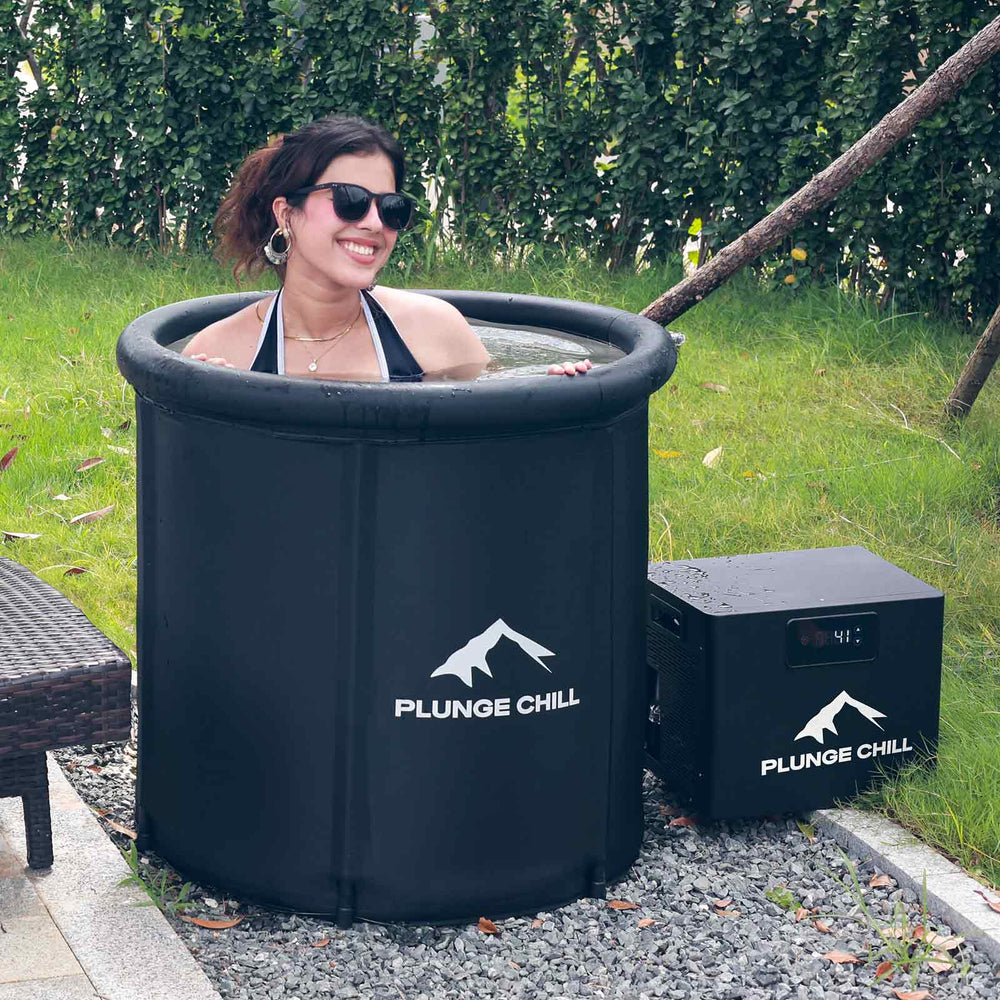
Morning training demands a clear head, a primed nervous system, and the right thermal state for the task at hand. As a sports rehabilitation specialist and strength coach who also evaluates cold plunge products, I use pre-exercise cold exposure selectively—especially on hot, humid days and before endurance or technique sessions. Done correctly, a short, cool plunge before a morning workout can blunt early heat strain, sharpen alertness, and lower perceived effort. Done poorly, it can numb muscle function, dampen explosive output, and add avoidable risk. This protocol synthesizes the best available evidence with on-the-ground practicality to help you decide when and how to use a pre-workout cold plunge.
What a Cold Plunge Does—And What It Doesn’t
Cold-water immersion is a brief submersion of the body in cold water, commonly in the 50–60°F range. The immediate physiological response includes rapid vasoconstriction in the skin and extremities, a spike in sympathetic activity, and a drop in peripheral tissue temperature. As you rewarm, blood flow rebounds. These shifts can reduce perceived soreness and create a short-lived increase in alertness. Clinical overviews from ACSM and Cleveland Clinic describe this pattern as the plausible basis for benefits such as lower delayed-onset muscle soreness after exercise and a subjective feeling of recovery.
Importantly, pain relief is not the same as faster healing. A clinical commentary summarized by Parker University argues that icing’s best-supported effect is short-term analgesia and that suppressing early inflammatory signaling can delay aspects of tissue repair. Human muscle biopsy work comparing post-exercise cold water immersion with active recovery (PubMed Central) showed robust inflammatory and stress responses to lifting in both conditions without meaningful differences between them, suggesting that the analgesic effect of cold is not simply due to reduced intramuscular inflammation. This distinction matters even in a pre-workout context: feeling fresher is useful for motivation and pacing, but it does not necessarily equate to better adaptation.

Evidence Snapshot for Pre-Exercise Use
Pre-cooling to improve performance in the heat is the clearest pre-exercise use case. Reviews cited in BMC Medicine and European Journal of Sport Science indicate that cold-water immersion is one of the most effective pre-cooling methods for extending time to fatigue in hot conditions, outperforming strategies such as drinking ice slurries. In practice, entering a morning endurance session with a slightly lower core and skin temperature can buy minutes of better thermal comfort and steadier pacing before heat becomes the limiter.
Strength, power, and mobility-heavy sessions are a different story. Experimental physiology work summarized in peer commentary and media (Experimental Physiology; The Output) points to reduced peak force, lower jump height, and slower nerve conduction when muscles are cooled. Health system guidance from Ohio State University and Cleveland Clinic similarly notes that cold exposure can transiently impair strength and flexibility. For athletes who need maximal power or deep mobility early in a session, a pre-workout plunge is more likely to hinder than help.
There is also a psychological dimension worth acknowledging. Acute cold exposure reliably increases catecholamines such as norepinephrine, which many individuals experience as heightened alertness and a “reset.” ACSM notes that morning cold exposure can trigger dopamine, norepinephrine, and epinephrine release, contributing to mood and focus. Clinical outlets like Mayo Clinic and Cleveland Clinic describe perceived cognitive benefits as common but emphasize that time courses and magnitudes are variable and not robustly mapped to performance outcomes across populations.
A final nuance: much of the rigorous research behind cold-water immersion—both supportive and skeptical—was conducted in young men, with protocol specifics that do not fully represent real-world routines. Harvard Health cautions that heart-related benefits are unproven, heart-rate-variability improvements are difficult to interpret, and safety risks escalate for those with cardiovascular or rhythm disorders. That caveat should shape how we generalize any pre-exercise protocol.

The Morning Pre-Exercise Protocol
A pre-workout cold plunge is a tool, not a ritual. The best protocol is short, cool rather than extreme, and matched to the day’s training goal. In the heat, the aim is to reduce thermal strain in the opening minutes without stiffening the tissues you plan to use. For technique or aerobic base sessions, the aim is a brief alertness bump without any meaningful performance trade-off. For pure strength or explosive power work, the aim is to avoid pre-cooling entirely.
Use-Case |
Water Temperature |
Immersion Time |
Finish Before Training |
Notes |
Endurance session in heat |
50–59°F |
2–5 minutes |
10–20 minutes |
Supports pre-cooling; follow with a progressive dynamic warm-up to rewarm muscles before first work interval. |
Technique/skill or easy aerobic |
50–60°F |
1–3 minutes |
10–15 minutes |
Targets alertness with minimal tissue cooling; keep dynamic range-of-motion drills in the warm-up. |
Strength/power or heavy mobility |
Avoid full-body plunge |
n/a |
n/a |
Use a normal warm-up; if you want arousal, consider a brief cool face rinse or cold shower finish, not immersion. |
These ranges align with practice guidance from ACSM, Mayo Clinic, and Cleveland Clinic on safe temperatures and durations, combined with experimental findings that cooling can impair power. I have found that stopping the plunge with enough time to rewarm dynamically preserves tissue responsiveness while maintaining the perceptual benefits of pre-cooling. Practically, that means exiting the tub, toweling dry, performing controlled breathing to steady ventilation, then completing five to eight minutes of progressive dynamic drills that specifically target the prime movers you will use first.
If you are heading to a tempo run or cycling session in hot weather, a two to three minute immersion at roughly mid–50s followed by an intentional warm-up often yields a smoother first mile or first ten minutes on the bike. If you are coaching a group, stagger the plunge so athletes have that 10–20 minute window to rewarm before the first interval.

Timing Within the Day
For athletes who lift later in the day, morning cold exposure can make sense as a stimulant while also minimizing interference with anabolic signaling. The Journal of Physiology reported that routine cold water immersion immediately after strength training blunted long-term increases in strength and muscle cross-sectional area compared to active recovery. ACSM recommends delaying post-exercise cold exposure by four to six hours when hypertrophy is a priority. It follows that if you want the psychological lift from cold in the morning and plan to lift in the afternoon, a short pre-workout exposure is a reasonable compromise.
One more timing note: catecholamine release can be alerting. ACSM cautions that cold immersion later in the day may disrupt sleep for some individuals. Keeping pre-exercise plunges to the morning and maintaining consistent sleep hygiene is the safer approach.
Performance Implications by Training Type
Endurance efforts in heat are the clear beneficiaries. Pre-cooling via cold-water immersion has repeatedly extended time to fatigue and improved subjective comfort in hot environments in the scientific literature. In real-world training, that sparks better pacing from the start, less early overreaching, and lower ratings of perceived exertion across the first block of work. These are valuable, even if the same benefits are not observed on a cool morning.
Explosive strength and speed work are sensitive to pre-cooling. When muscle temperature falls, nerve conduction slows and force production drops. Both Ohio State University and The Output highlight that cold immersion can reduce immediate strength and power, while Experimental Physiology notes that upper limbs may be particularly affected. If your morning workout is a heavy squat, sprint session, or lifting technique day requiring high bar speed, skipping the plunge is the conservative choice.
Technique and motor-learning sessions sit in the middle. Many athletes feel more focused after brief cold exposure. If immersion is kept short and cool rather than frigid, then followed by an adequate dynamic warm-up, the alertness benefit can be captured while the risk to motor control remains low. Individual testing—simple jump height, bar velocity with a warm-up set, or a short time trial—can confirm whether that alertness translates to your session.

Safety, Contraindications, and Risk Management
Cold exposure is a physiologic stressor, and the first minute is the riskiest window for uncontrolled gasping and hyperventilation. Harvard Health and Cleveland Clinic emphasize the cardiovascular load from sympathetic activation and peripheral vasoconstriction. People with arrhythmias, coronary disease, peripheral artery disease, Raynaud’s, uncontrolled hypertension, cryoglobulinemia, or advanced heart failure should avoid cold immersion unless cleared by a physician. ACSM adds prior cold injury, hypothyroidism, uncontrolled hypertension, and sympathetic or sensory disorders as red flags. For anyone with diabetes, neuropathy, or pregnancy, caution and medical guidance are prudent.
Supervision matters. Clinics and training centers should have a staff member present, ensure the ability to rewarm safely, and measure actual water temperatures rather than guessing. Outdoor immersion introduces additional hazards such as currents and unknown depths; several medical sources recommend avoiding open water for routine plunges and using controlled tubs or tanks instead.
From a practical standpoint, enter the water deliberately, establish slow nasal or pursed-lip breathing before full submersion, and exit as soon as you lose control of breathing or feel lightheaded. Do not chase numbness. After exiting, rewarm gradually with movement and clothing rather than scalding heat. If you feel chest tightness, palpitations, or unusual breathlessness, discontinue and seek medical evaluation.

Overlooked but Useful Nuances
A hot–cold contrast may be better if you must perform power again the same morning. A recent physiology report presented evidence that hot water immersion around 104°F maintained jump performance more effectively than cold immersion one hour after intense work, which is relevant for same-day heats or back-to-back morning sessions. If rapid neuromuscular readiness between closely spaced efforts is the priority, hot water may outperform cold for immediate output, whereas cold remains preferable for symptom relief. The likely drivers are temperature-dependent enzyme kinetics and muscle–tendon stiffness. This is a niche scenario, but coaches who schedule multiple morning efforts should consider it.
Immediate soreness reductions do not necessarily last. A recent meta-analysis cataloged clear immediate decreases in perceived soreness and exertion after cold exposure, with modest changes in markers such as creatine kinase at 24 hours and no reliable differences at 48 hours, and with heterogeneity across studies. This pattern helps explain why some athletes swear by how they feel right away while others do not detect next-day changes. Expect reliable analgesia, not necessarily superior recovery biology.
Cold can leave performance unchanged if you give yourself time to rewarm and if the planned work does not depend on maximal power. This point often gets lost: the impairment risk is highest when you plunge and then demand instantaneous peak output. If the session begins with easy aerobic work or technique, a short, cool plunge followed by dynamic rewarming is much less likely to hurt—and may even help by lowering perceived effort in the early phase.
Parenthetical insight on magnitude of norepinephrine increases sometimes cited in popular coverage deserves caution. The often-repeated very large percentage increases trace back to small studies under specific conditions.

Product Selection, Setup, and Care
The right hardware is the difference between a controlled pre-exercise tool and a risky stunt. A cold shower is the simplest entry point and is useful for a short, cool “finish” to wake up before a technique day. A bathtub with water plus ice is workable for home users, but water temperature can vary widely without a thermometer and the melt rate complicates timing. Purpose-built plunge tanks add precise temperature control, active chilling, and sanitation systems—Mayo Clinic Health System notes the market includes units that can cost up to $20,000. These systems hold temperature, clean the water, and allow accurate dose control across sessions.
Filtration, sanitation, and insulation are the key features I evaluate as a product reviewer. Continuous filtration and ozone or UV sanitation reduce the need for frequent water changes and keep microbial counts in check. Good insulation reduces energy consumption and stabilizes temperature from session to session. Strong pumps should be quiet enough not to disrupt a home environment. I also value simple drain access, replaceable filters, and clear maintenance schedules provided by the manufacturer.
Placement and routine care are straightforward. Set the tank on a level surface with adequate drainage nearby, keep towels and warm clothing within arm’s reach, and use a floating thermometer to verify temperature before every session. Follow the manufacturer’s sanitation guidelines, and schedule filter checks on the same cadence as your weekly equipment inspection. If multiple athletes use the same tub, adopt basic hygiene rules and wipe contact surfaces regularly.
Option |
Temperature Control |
Setup & Cost |
Pros |
Cons |
Cold shower |
Low precision |
Minimal cost |
Easy, safe, quick; good for alertness |
Less immersion and compression effect; variable water temperature |
Bathtub with ice |
Moderate with thermometer |
Low cost plus ice |
Accessible; usable for short pre-cooling |
Inconsistent temperature; ice logistics; sanitation load |
Purpose-built plunge |
High precision |
Higher cost; maintenance |
Stable temperature, filtration, and safety features |
Cost; space; routine maintenance |
Open water |
Uncontrolled |
Minimal equipment |
Natural environment |
Safety risks, unknown temperature, currents; not recommended for routine training |
Practical Morning Routine Examples
For a summer endurance run at 7:00 AM, aim to finish a two to three minute immersion at 54–57°F by 6:35–6:45 AM. Towel off, perform controlled breathing for one minute, then complete a progressive dynamic warm-up that includes stride-outs or short pickups. Start the session conservatively and let the pre-cooling carry you through the first mile with less perceived heat stress. If you notice leg stiffness, extend the warm-up and shorten the plunge the next time.
For a heavy strength session, skip immersion. If you want an alertness cue without cooling the prime movers, take a normal-temperature shower and finish with a brief cool rinse to the upper back and neck, then execute your standard ramp-up sets. This preserves tissue temperature and nerve conduction while still giving you a mental “go” signal.

Reconciling Conflicting Sources
Athlete-facing organizations often emphasize perceived recovery and readiness benefits, while academic and clinical sources are appropriately cautious about performance and long-term adaptation. ACSM supports cold-water immersion as a recovery tool and even suggests morning exposure to capture neurotransmitter-related alertness while avoiding interference with later strength training. In contrast, a Case Western Reserve analysis of ice baths and polar plunges characterizes most non-athlete claims as anecdotal and questions long-term muscle health benefits. Harvard Health focuses on cardiovascular safety and notes that heart-rate-variability improvements are not clearly linked to outcomes. The likely causes for disagreement include differences in definitions (pre-exercise pre-cooling versus post-exercise recovery), outcome measures (perceived soreness versus strength and hypertrophy), populations (elite athletes versus general public), and timing (immediate effects versus 12-week training blocks). When you align the question precisely—“Should I plunge before a hot endurance session?”—the literature is considerably more consistent than when the question is vague.
Two inferences follow that rarely make headlines. First, hot water may be superior to cold for rapid restoration of power between same-morning efforts, which is relevant to sports with heats. Second, the most reliable cold exposure benefit is immediate analgesia and alertness rather than measurable acceleration of tissue repair. Neither undermines the strategic use of a short, cool plunge before specific morning workouts; they simply refine when it adds value.
Parenthetical note on pre-warm-up trade-offs: a short, cool plunge may allow you to shorten a vigorous warm-up in the heat and still arrive at the first interval in a better thermal state, potentially preserving core temperature margin.
Care and Buying Tips
Think like a coach and a facilities manager. Choose equipment that allows precise dosing, because dosage is what keeps a pre-exercise plunge in the helpful zone. Verify temperature every time. Establish a simple sanitation schedule and stick to it, especially if multiple users share the setup. Keep safety high on the list: never plunge alone, rewarm gradually, and treat open water as a special-event choice rather than a routine training tool. If you have cardiovascular risk factors, arrhythmias, or Raynaud’s, clear any cold exposure plan with your physician first.
Takeaway
A pre-exercise cold plunge is neither a miracle nor a myth. In hot conditions before endurance or technique sessions, a short, cool immersion can reduce early heat strain and lower perceived effort without undermining the workout. Before maximal strength, power, or deep mobility work, skip it. Keep the water in the 50–60°F range, limit time to a few minutes, finish at least ten minutes before training, and follow with a targeted dynamic warm-up. Individualize, monitor results, and prioritize safety. Cold is a potent input; use it where it adds value, not as a badge of honor.
FAQ
Is a cold plunge before lifting a bad idea?
For most people aiming for maximal strength or power, yes. Cooling reduces nerve conduction and force production, and clinical sources such as Ohio State University and Experimental Physiology–linked summaries note impaired strength and jump performance after cold exposure. If your morning workout is heavy lifting or sprinting, keep your tissues warm and rely on a standard warm-up instead.
What is the safest temperature and duration for a pre-workout plunge?
Most health system guidance converges on 50–60°F for several minutes. For pre-exercise use, shorter is usually better: one to three minutes for technique or easy aerobic work, and two to five minutes for endurance in heat, always leaving time to rewarm dynamically before your first hard effort. Verify temperature with a thermometer rather than guessing.
Will a morning plunge hurt my muscle gains later?
The strongest evidence for blunted strength and hypertrophy comes from repeated cold immersion immediately after lifting, not from brief pre-exercise exposure. The Journal of Physiology showed smaller gains over twelve weeks when cold was used right after training compared to active recovery. ACSM recommends delaying cold by four to six hours after strength sessions if hypertrophy is the goal. A short morning plunge before a later lifting session is a reasonable compromise for most.
Can a pre-workout plunge improve mood and focus?
Many people report an acute alertness boost, and ACSM cites morning catecholamine release as a likely mechanism. Clinical sources such as Mayo Clinic and Cleveland Clinic acknowledge these subjective effects while noting that durations and magnitudes vary. Treat the alertness as a helpful nudge, not a guaranteed performance enhancer.
Who should avoid cold plunges altogether?
Anyone with arrhythmias, coronary disease, peripheral artery disease, Raynaud’s, uncontrolled hypertension, cryoglobulinemia, advanced heart failure, or prior cold injury should avoid immersion unless specifically cleared by a clinician. Harvard Health and ACSM both emphasize these risks. If in doubt, opt for a standard warm-up and discuss options with your physician.
Is hot water immersion ever better than cold?
When rapid restoration of power is needed for same-day, closely spaced efforts, hot water around 104°F may better preserve jump performance compared with cold, based on recent physiology findings. That makes heat a sensible choice between morning heats or rounds. For easing soreness and heat strain, cold remains the more targeted tool.
References
- https://case.edu/news/science-behind-ice-baths-and-polar-plunges-are-they-truly-beneficial
- https://cupola.gettysburg.edu/cgi/viewcontent.cgi?article=2078&context=student_scholarship
- https://www.health.harvard.edu/heart-health/cold-plunges-healthy-or-harmful-for-your-heart
- https://journal.parker.edu/article/120141-the-efficacy-of-icing-for-injuries-and-recovery-a-clinical-commentary
- https://ideaexchange.uakron.edu/cgi/viewcontent.cgi?article=3606&context=honors_research_projects
- https://digitalcommons.wku.edu/cgi/viewcontent.cgi?article=1748&context=ijesab
- https://sncs-prod-external.mayo.edu/hometown-health/speaking-of-health/cold-plunge-after-workouts
- https://pmc.ncbi.nlm.nih.gov/articles/PMC2938508/
- https://health.osu.edu/wellness/exercise-and-nutrition/do-ice-baths-help-workout-recovery
- https://diposit.ub.edu/dspace/bitstream/2445/216205/1/836045.pdf