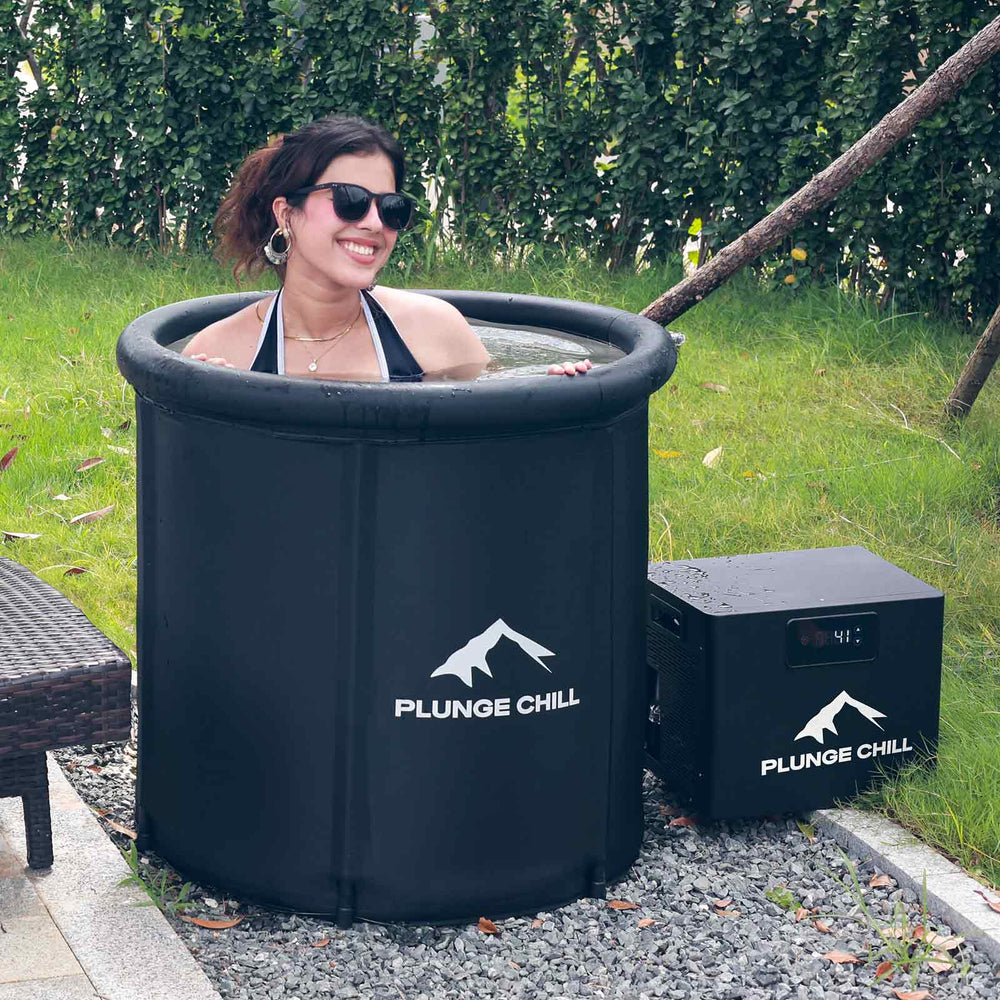
Cold water bathing has surged from fringe routine to mainstream wellness ritual, championed for sharper focus, faster recovery, calmer moods, and even “metabolic boosts.” The reality is more nuanced. Controlled studies and systematic reviews show real, measurable effects in some domains, mixed or negligible results in others, and clear safety caveats for particular groups. This article distills what credible research actually says, where uncertainty remains, and how to practice safely and effectively if you choose to try it. It also includes practical equipment guidance and a short note for jewelry wearers, since cold exposure can affect how rings and bracelets behave on the body.
I have used cold showers and short immersions between roughly 50–60°F for two to three minutes, several mornings a week, to test the claims firsthand while following evidence-based precautions. That experience, together with what reputable sources report, informs the pragmatic advice below. Where I infer beyond the research notes, I state it and share my confidence level.
What “Cold Water Bathing” Means
Cold water bathing refers to purposeful exposure to water that is noticeably colder than skin and core temperature to elicit specific physiological responses. In the literature, typical forms include quick cold showers, controlled tub immersions, ice baths, and outdoor winter swims. A recent broad review indexed in PubMed Central describes common ranges found across studies: cold showers are often between about 50–68°F; cold water immersion is commonly below about 59°F; ice baths range from about 32–59°F; and winter swimming communities sometimes classify “cold,” “freezing,” and “ice” categories of surface water roughly spanning 41–48°F, 36–41°F, and 28–36°F. These ranges are descriptive of what appears in studies and practice reports and are not prescriptive doses.
|
Modality |
Typical Water Temp (°F) |
Typical Exposure in Practice |
Notes on Use and Evidence |
|
Cold shower |
50–68 |
Seconds to a few minutes |
Frequently used as an entry point; widely reported tolerable starting method; part of several lifestyle protocols described in reviews. |
|
Cold water immersion |
Below 59 |
About 1–3 minutes for beginners |
Used in sports recovery trials and lifestyle interventions; evidence for soreness reduction is stronger than for performance gains. |
|
Ice bath |
32–50 |
Usually briefer than immersion |
Higher discomfort and risk; often reserved for experienced users and supervised settings. |
|
Winter swim |
28–48 (variable, outdoor) |
Varies widely |
Risk depends on water, wind, and individual capacity; community norms differ; safety supervision is key. |

How Cold Exposure Affects the Body
Cold immersion triggers a predictable sequence. Skin blood vessels constrict rapidly to conserve core warmth. Core temperature regulation follows, with peripheral vasoconstriction beginning around a core of roughly 98.8°F during immersion, shifting higher after exercise toward approximately 99.5°F. Shivering typically begins near 97.2°F at rest, and after exercise can begin closer to about 97.7°F. These thresholds, summarized in a multi-database review of human cold-water studies archived in PubMed Central, help explain why a post-workout plunge can feel harsher and why careful rewarming matters.
Two types of heat production matter. Shivering can temporarily raise heat production severalfold, whereas non-shivering thermogenesis attributed to adult brown adipose tissue contributes very little energy under ordinary conditions—on the order of fewer than 20 calories per day—unless repeated cold exposure induces broader changes in adipose tissue. The same review highlights subcutaneous fat as meaningful insulation, especially around the torso, explaining why body composition significantly shapes individual cold tolerance.
Human responses vary widely. In one dataset of over two hundred young adults, most rewarmed their hands to baseline within minutes after a short cool-water exposure, while a minority showed slower or incomplete rewarming and had cooler skin temperatures to start. Older adults show multiple thermoregulatory constraints and face higher hypothermia risk. Time of day matters because core temperature follows a daily rhythm, dipping at night. All of these factors underscore why cold exposure should be personalized and progressed gradually.
What the Evidence Says About Benefits
Mood and mental focus
A within-subject brain-imaging study of healthy adults found that a single five-minute, head-out immersion in about 68°F water was followed by increased positive affect and decreased negative affect on a standard mood scale. Resting-state functional MRI suggested stronger cross-talk between attention, salience, and default mode networks after the cold bout, aligning with the reported uptick in alertness and energy. The design did not include a separate control group, and the sample was limited to healthy adults without prior cold practice, so causality and generalizability are constrained. Notably, one participant stopped the immersion early due to ectopic beats and was monitored, a small but important safety signal that supports pre-screening and supervision for at-risk users. These findings, archived in PubMed Central, support the commonly reported “mental reset” after short cold exposures while reminding us the evidence base is still growing.
Muscle soreness and athletic recovery
A meta-analysis of trials on post-exercise cold-water immersion concluded that perceived muscle soreness is moderately lower at 24 to 72 hours compared with controls. Expressed in simple terms, people generally report pain about one to two points lower on a 0–10 scale during that window. Immediate strength after cold immersion is lower than control, and objective performance metrics like sprint times or jump height do not show consistent benefits in non–cross-over designs. Biomarkers of muscle damage and inflammation also show little to no reliable improvement. This is a clear case of benefits alongside trade-offs: cold plunges may make you feel less sore over the next day or two, but they can blunt immediate strength and do not consistently improve the measurable physiology of recovery.
One more nuance comes from a human study of resistance training recovery archived in PubMed Central. When researchers compared post-lifting cold immersion with active recovery, they found no substantial difference in local muscle inflammation or cellular stress signals after single sessions. However, repeated use of cold immersion after training in a related program was associated with smaller long-term gains in muscle size and strength than active recovery. The attenuated adaptation did not appear to be explained by reduced inflammation; other mechanisms are likely at play. For lifters chasing hypertrophy or maximal strength, this points toward caution with routine post-workout plunges.
Cardiometabolic health and healthy aging
A broad 2024 review indexed in PubMed Central describes early evidence—mostly small, heterogeneous studies—hinting that regular cold exposure can activate thermogenesis, recruit brown adipose tissue activity, and potentially improve some cardiometabolic risk markers. Mood, sleep quality, and general resilience may also improve in some participants. The same review frames cold water therapy as a potential adjunct for healthy aging, contributing across metabolic, immune, and mental domains. However, it emphasizes that the literature is inconsistent and dosing remains uncertain. Larger, well-controlled trials are needed to confirm effects, identify who benefits, and establish temperature–time–frequency prescriptions.
Inflammation and immune function
Laboratory and field studies in the healthy-aging review suggest cold exposure can modulate inflammatory signaling and may reduce rates of some upper respiratory infections in habitual winter swimmers. But heterogeneity, different protocols, and selection biases make sweeping claims premature. Importantly, a study registered on ClinicalTrials.gov (identifier NCT06667479) is explicitly evaluating immune effects in healthy volunteers. The registry record, as noted in its public glossary and oversight descriptions, uses standard clinical trial structures such as pre-specified arms and outcomes overseen by a Data Monitoring Committee when applicable. The posted excerpt does not specify allocation, design model, or age eligibility, so conclusions await full results. The take-home is simple: immune effects are promising but not definitive, and better trials are underway.
Known Risks and When to Avoid Cold Dips
Cold induces an initial gasp reflex, rapid breathing, and a spike in heart rate and blood pressure. For people with cardiovascular disease, uncontrolled hypertension, arrhythmias, or a history of syncope, those changes can be dangerous. The fMRI study’s early termination for ectopic beats, while rare, is a practical reminder. Peripheral vascular disorders such as Raynaud’s and certain neuropathies can make cold exposure especially uncomfortable or risky. Pregnancy and advanced age warrant extra caution and medical advice, given thermoregulation and blood pressure dynamics.
Hypothermia and “afterdrop” (continued core cooling after exiting the water) are real risks, particularly in very cold water, windy conditions, or prolonged immersions. The same comprehensive review that summarized thermoregulatory thresholds also emphasized large inter-individual differences, meaning a friend’s “three minutes at 50°F” might be too much for you on a given day. Post-exercise plunges feel colder because physiological thresholds shift, and cold tolerance can vary by time of day. Finally, breathwork practices are often paired with cold routines, but hyperventilation or breath-holding in or near water is dangerous; do breathing away from the water, seated or lying down, per safety guidance commonly stated on the Wim Hof Method site.
First‑Hand Notes From the Ice
In my own routine, short showers around 55–60°F for about two to three minutes reliably produce a calm, alert feeling that lasts into the morning. The mood lift feels most noticeable when I keep the session brief, step out before shivering becomes pronounced, and then warm back up with light movement and a hot drink. If I plunge in a tub closer to 50°F, I keep the time under two minutes on days I have heavy lifting planned because I’ve found my immediate strength feels dulled afterward, which aligns with the meta-analysis showing lower acute strength after immersion. Over several months, I adapted gradually to colder temperatures, but the perceived benefits plateaued; going colder did not consistently feel “better” and made rewarming harder. These personal impressions align with the research theme that “dose” should be modest, individualized, and oriented toward your actual goal (e.g., soreness relief or mood).
Practical Starting Guide
For healthy adults without clear contraindications, it is reasonable to begin with cool showers at the end of a normal warm shower for 30–60 seconds, then expand toward two to three minutes as tolerance improves over a few weeks. The Wim Hof Method site emphasizes gradualism, consistency over intensity, and keeping breathwork separate from water sessions. Using a tub or stock tank at home, beginners often target roughly 50–59°F for one to three minutes with the head out of the water, keeping the chest submerged only when comfortable. Rewarm with walking around the home, dry clothes, and a hat rather than jumping straight into scalding water; this avoids a sharp swing that can feel unpleasant and may shorten the adaptation window.
Because dosage remains uncertain in the scientific literature, a conservative approach serves both safety and outcomes. Short exposures done consistently—three to five times per week—appear plenty to test whether you personally experience mood or soreness benefits. Listen to early signs of overdoing it such as persistent chills, pronounced fatigue, headaches, or sleep disruption, and scale back. If you have cardiovascular disease, uncontrolled blood pressure, Raynaud’s, neuropathy, or are pregnant, speak with a clinician before you start; many medical centers in the United States advise screening and supervised transitions for at-risk groups.

Equipment, Water Care, and Buying Tips
At home, people use bathtubs, galvanized or plastic stock tanks, inflatable tubs, and purpose-built insulated plunges. From practical use and common product features, several details make a meaningful difference. A bottom drain and hose port simplifies emptying and refilling; without it, water changes become a chore and get skipped. A well-fitting lid reduces heat gain and debris; this slows ice melt in summer and keeps leaves out if the tub sits outdoors. A reliable thermometer—digital or analog, designed for liquids—helps you track true water temperature rather than guessing from how it feels on your hand, which can be misleading in cold air. For water care, some users add small, pool-safe chlorine or bromine regimens and run simple in-line filters; others drain and refill frequently. Filtration and disinfection reduce biofilm and skin contamination, but any chemical approach requires careful labeling and storage to avoid accidental ingestion or skin irritation. These are practical considerations rather than clinical imperatives; they come from general equipment design and home use patterns (moderate confidence).
Accessories can reduce discomfort and extend safe time in the water without masking the stimulus. Neoprene socks and gloves keep hands and feet more comfortable and help maintain dexterity; a neoprene beanie limits head heat loss and dampens the ice-cream-headache sensation. Quick-dry towels and a warm hat make rewarming easier, and sturdy steps or a low tub lip reduce slip risk when entering and exiting. These suggestions follow common open-water swimming and cold-tub practices (high face validity; moderate evidence).
Jewelry and Cold Water
Cold water and vasoconstriction can make rings feel tighter because fingers temporarily shrink and tissues stiffen. Smooth metal bands may slide more easily when hands are wet and numb, increasing the chance of loss during outdoor swims. Earring backs and clasps can also loosen in cold fingers when dexterity drops. From practical experience and basic material behavior, removing rings, bracelets, and drop earrings before immersion is wise, especially in natural water where retrieval is unlikely (high practical confidence). If you keep jewelry on, check clasps beforehand, avoid sudden movements when fingers feel numb, and dry thoroughly afterward to reduce moisture between metal and skin. Plated finishes and some adhesives used in watches or fashion pieces can degrade with repeated hot–cold swings and chlorinated water; frequent cold baths likely accelerate normal wear compared with dry use (inferred from materials handling; moderate confidence).
Cold Water and Strength Training: Timing Matters
If maximizing muscle growth or peak strength is your priority, regular post-lifting plunges are not your friend. Human data comparing cold immersion with active recovery show no advantage for muscle inflammation control after single sessions and, more importantly, smaller long-term gains in size and strength when cold immersion becomes a routine finisher. Use cold for soreness relief on lighter days, after endurance or mixed sessions, or at times unconnected to your heaviest lifts. If you must plunge after competition to manage soreness, plan for weaker immediate strength and avoid maximal efforts right afterward. This timing approach aligns with controlled findings archived in PubMed Central and the broader meta-analytic picture.
Typical Ranges and Dosing at a Glance
A short summary helps set expectations, with the reminder that optimal dosing is not settled science and must be individualized.
|
Practice |
Water Temp (°F) |
Typical Time for Beginners |
Frequency |
Evidence Notes |
|
Cool shower finish |
50–68 |
30–60 seconds, building to 2–3 minutes |
3–5× weekly |
Common entry method; mood benefits plausible; low risk when supervised. |
|
Head-out immersion |
50–59 |
1–3 minutes |
3–5× weekly |
Soreness reduction at 24–72 hours supported; immediate strength can be lower. |
|
Very cold/ice bath |
32–50 |
Short, often under 90 seconds |
Occasional |
Higher discomfort and hypothermia risk; not necessary for most benefits. |
Why Studies Sometimes Disagree
Research on cold exposure spans small lab experiments, athlete field studies, observational cohorts of winter swimmers, and a growing set of randomized trials. Designs vary widely, from cross-over to parallel arms, with differences in water temperature, duration, supervision, and participant training status. A meta-analysis found larger effects in cross-over designs than in parallel trials, a pattern that can inflate perceived benefits because each person serves as their own control in ways that sometimes overestimate real-world impact. Registry records on ClinicalTrials.gov also highlight how studies are structured, with clearly defined arms and outcomes and oversight from Data Monitoring Committees when applicable to monitor safety and integrity. Results compliance laws in the United States add accountability but do not cure heterogeneity. Until larger, well-controlled trials standardize dosing and participant profiles, expect some inconsistency across findings.

Takeaway
Cold water bathing is not a cure-all, but it can be a useful tool when matched to the right goals. The cleanest wins are in subjective soreness relief for about one to three days after hard exercise and in short-lived boosts to mood and alertness, especially with brief, head-out immersions around the high 50s to high 60s°F. Objective performance gains are unreliable, immediate strength can be lower after a plunge, and routine post-lifting cold blocks some training adaptation. Safety matters: screen risks, progress gradually, avoid breathwork in or near water, and warm up with movement and dry layers. Equipment choices and water care affect enjoyment and consistency, and jewelry wearers should remove pieces before dipping to avoid loss and wear from repeated cold exposure. If you proceed with a curious mind and a cautious plan, you can explore the benefits while minimizing the downside.
FAQ
How cold should the water be to see benefits?
Studies reporting mood and alertness changes often use head-out immersions around the upper 60s°F, which most healthy adults tolerate well for a few minutes. Sports recovery work frequently uses water below the upper 50s°F for short periods. Colder is not always better; the sweet spot is the coldest water you can meet with calm breathing and control. Dose remains uncertain in the literature, so start modestly and adjust.
How long should a beginner stay in?
A straightforward plan is to begin with 30–60 seconds of a cool shower and build to two to three minutes over a few weeks. For tub immersions, one to three minutes at about 50–59°F is a common beginner range described in practice guides and consistent with parameters used in research. Short and consistent exposures tend to work better than heroic plunges.
Does cold water bathing help weight loss?
Cold increases heat production through shivering and may recruit thermogenic tissues with repeated practice, but adult brown fat contributes very little energy by itself—fewer than 20 calories per day. Cold exposure is not a weight-loss strategy on its own. If metabolic health is your goal, consider it an adjunct alongside nutrition, sleep, and training, and wait for higher-quality trials to clarify long-term effects.
Should I plunge right after lifting?
If you are chasing muscle growth or maximal strength, no. A human resistance training program found smaller long-term gains when cold immersion was used routinely after lifting compared with active recovery, likely via mechanisms other than simple inflammation changes. Use cold later in the day, on rest days, or after endurance sessions if soreness relief is the main target.
Can cold water bathing boost immunity?
Some studies report fewer respiratory infections among regular cold swimmers, and a registered clinical study is evaluating immune effects in healthy volunteers. Findings so far are promising but not definitive because protocols and populations differ. If you have any immune or health condition, discuss with a clinician before starting.
Is it safe to do breathwork in the tub?
No. Do not hyperventilate or perform breath holds in or near water. Several popular methods explicitly recommend separating breath practice from immersion and doing breathing seated or lying down away from the tub. This reduces the risk of fainting or disorientation in the water.
References
|
Source |
Scope |
|
PubMed Central — Cold‑water immersion after exercise: effects on soreness, performance, and biomarkers |
Meta-analysis reporting moderate reductions in subjective soreness at 24–72 hours, lower immediate strength, and inconsistent biomarker changes. |
|
PubMed Central — The effects of cold water immersion and active recovery on inflammation and cell stress responses in human skeletal muscle after resistance exercise |
Human trial showing no substantial differences in muscle inflammation with cold vs. active recovery after single sessions; related program found attenuated long-term hypertrophy with routine post-lift cold. |
|
PubMed Central — Short-term head-out cold-water immersion and brain network interactions |
Within-subject study linking a five-minute cold bout near 68°F to improved positive affect and integrative network connectivity; one early stop for ectopic beats. |
|
PubMed Central — Health effects of voluntary exposure to cold water |
Broad review detailing thermoregulation thresholds, inter-individual variability, age effects, circadian influences, and practical recommendations. |
|
PubMed Central — The untapped potential of cold water therapy as part of lifestyle interventions for healthy aging |
Review summarizing possible cardiometabolic, immune, and mood benefits alongside uncertainty about optimal dosing and the need for larger trials. |
|
ClinicalTrials.gov — Cold water exposure and immune function registry entry (NCT06667479) |
Registered study of healthy volunteers assessing immune outcomes; details on arms, allocation, and age eligibility not specified in the posted excerpt. |
|
Wim Hof Method site — Cold exposure practice guidance |
Practical starting advice on shower durations, gradual progression, safety guardrails, and contraindications; anecdotal reports rather than clinical endpoints. |
- https://scholarsarchive.byu.edu/cgi/viewcontent.cgi?article=2847&context=etd
- https://digitalcommons.cedarville.edu/cgi/viewcontent.cgi?article=1539&context=research_scholarship_symposium
- https://clinicaltrials.gov/study/NCT06667479
- https://www.health.harvard.edu/heart-health/cold-plunges-healthy-or-harmful-for-your-heart
- https://digitalcommons.liberty.edu/cgi/viewcontent.cgi?article=8439&context=doctoral
- https://www.mcphs.edu/news/physical-therapist-explains-why-you-should-chill-out-on-ice-baths
- https://ideaexchange.uakron.edu/cgi/viewcontent.cgi?article=3606&context=honors_research_projects
- https://news.uoregon.edu/content/cold-plunging-might-help-heart-health-new-research-suggests
- https://pmc.ncbi.nlm.nih.gov/articles/PMC11872954/
- https://healthcare.utah.edu/healthfeed/2023/03/cold-plunging-and-impact-your-health
Disclaimer
By reading this article, you acknowledge that you are responsible for your own health and safety.
The views and opinions expressed herein are based on the author's professional expertise (DPT, CSCS) and cited sources, but are not a guarantee of outcome. If you have a pre-existing health condition, are pregnant, or have any concerns about using cold water therapy, consult with your physician before starting any new regimen.
Reliance on any information provided in this article is solely at your own risk.
Always seek the advice of a qualified healthcare provider with any questions you may have regarding a medical condition, lifestyle changes, or the use of cold water immersion. Never disregard professional medical advice or delay in seeking it because of something you have read in this article.
The information provided in this blog post, "Understanding the Medical Benefits and Risks of Cold Water Bathing," is for informational and educational purposes only. It is not intended to be a substitute for professional medical advice, diagnosis, or treatment.
General Health Information & No Medical Advice