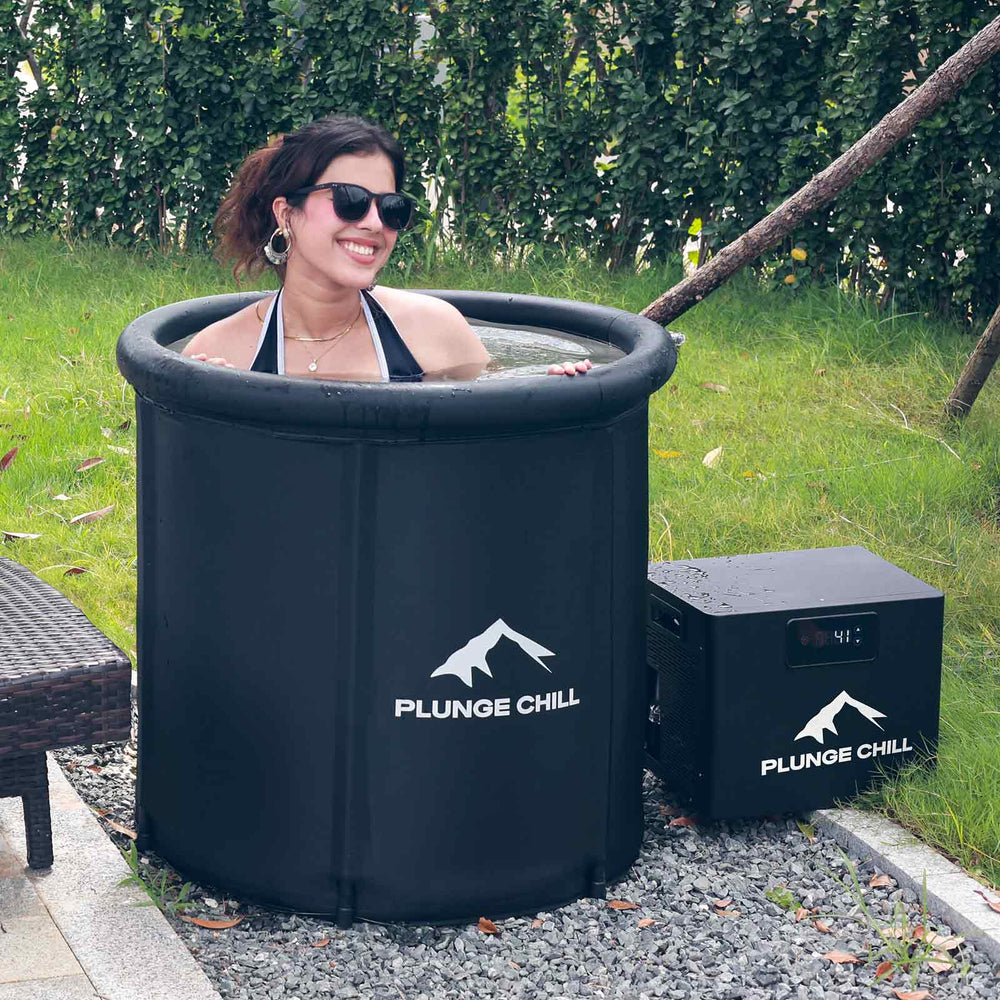
As a sports rehabilitation specialist and strength coach who also reviews cold plunge products, I see the same pattern every season. Athletes, weekend warriors, and busy professionals want a fast, reliable way to wake up sharper, feel less sore, and get an edge without adding another hour to their schedule. A short, well‑designed morning cold plunge can deliver all of that—provided you dose it correctly, respect the trade‑offs for training adaptations, and choose gear that keeps you safe and consistent. This article distills the best available evidence and field experience into a practical, morning‑ready playbook.
What a Morning Cold Plunge Actually Is
A morning cold plunge is a brief, deliberate exposure to cold water shortly after waking—most often neck‑deep in a tub or tank at temperatures that feel “uncomfortably cold yet safe.” It sits within the broader umbrella of cryotherapy, which includes cold showers, ice baths, cold‑water immersion in pools, and, less commonly for home users, whole‑body cryotherapy chambers. Across modalities, the physiological stimulus is similar: rapid skin cooling triggers sympathetic activation, vasoconstriction, and a cascade of hormonal and circulatory responses that the body gradually adapts to with repeated practice. Definitions and modalities are well summarized by Cleveland Clinic, Mayo Clinic Health System, Ohio State University, UCLA Health, and Generations Health & Wellness Center.
How It Works in Plain Terms
The initial immersion drives a spike in adrenaline and noradrenaline, which explains the immediate surge in alertness and the sensation that your brain “wakes up.” Blood vessels constrict in the cold and dilate afterward, which shifts fluid, reduces acute swelling, and can flush metabolites once you’re warm again. The nervous system jolts into a focused state, and endorphins can lift mood. On the metabolic side, cold can activate brown adipose tissue and shivering thermogenesis—a modest increase in calorie burn that helps reheat you. Morning exposure leverages these fast, neural effects—alertness and mood—while avoiding the risk of blunting strength adaptations that is more likely when people plunge immediately after lifting, as cautioned by Mayo Clinic Health System and Ohio State University.
Morning-Specific Benefits You Can Expect
The morning window amplifies the parts of cold exposure that most people want before a workday or training session that’s hours away. Short, head‑out immersion at about 68°F for around five minutes has been shown to increase positive affect and reorganize large‑scale brain network interactions related to attention and self‑regulation in healthy adults, measured with fMRI (PubMed Central). Many clinical and coaching reports align with this: a brisk plunge increases mental clarity, perceived energy, and readiness to engage.
The evidence for mood and stress is encouraging but nuanced. A systematic review and meta‑analysis in PLOS One shows time‑dependent effects: a short‑term inflammatory spike immediately after cold exposure, then lower stress roughly 12 hours later. It also notes reported improvements in sleep quality and quality of life across studies, while mood outcomes are less consistent at group level. Together, these data support a practical pattern I use with clients: a brief morning plunge for focus, mood, and energy, then structured training later in the day.

Recovery, Performance, and the Strength-Adaptation Trade‑Off
Cold plunging is widely used post‑exercise to reduce soreness and help athletes feel ready sooner. Cleveland Clinic highlights basic recovery benefits, and runner‑oriented summaries report faster sprint‑speed recovery the next day. However, chronic use immediately after strength work can blunt long‑term hypertrophy and strength signaling, a point echoed by Mayo Clinic Health System and Ohio State University and summarized with mechanistic detail by the Psychiatry & Psychotherapy Podcast. In practice, I advise lifters to separate cold exposure from hypertrophy‑focused sessions by several hours or to save plunges for off‑days, easy days, or mornings when the primary goal is alertness rather than muscular adaptation.

How Cold and How Long? Evidence‑Based Ranges at a Glance
Practical protocols differ by population, context, and outcome. The ranges below capture what reputable medical and performance sources recommend or report, all presented in Fahrenheit and minutes for morning use, recovery, and safety.
Source (publisher) |
Temperature |
Time |
Use‑case and notes |
Cleveland Clinic |
50–59°F for beginners; advanced users 39–50°F; do not go below 40°F |
Start around 1–3 minutes; generally cap at 5 minutes |
Strong safety-first framing; use a thermometer; sauna afterward is acceptable for comfort and rewarming. |
Dartmouth Health |
At or above 50°F |
Up to about 3 minutes |
Emphasis on conservative dosing and not plunging alone; medical clearance if cardiovascular risks present. |
Mayo Clinic Health System |
Begin with 30–60 seconds, progress to 5–10 minutes |
5–10 minutes once acclimated |
Notes potential to blunt long-term strength/hypertrophy if used immediately post‑lifting. |
Ohio State University |
Typically 50–59°F |
10–20 minutes for recovery |
Recommends delaying cold after strength sessions by 24–48 hours when mass and strength gains are priorities. |
Huberman Lab |
“Uncomfortably cold yet safe”; time depends on temperature |
About 11 minutes per week total, split over 2–4 sessions |
Prefer morning or earlier in the day; avoid close to bedtime if it disrupts sleep; for metabolic aims, consider rewarming yourself passively after. |
UCLA Health |
Showers below 60°F |
2–3 minutes for accessibility |
Practical for daily routines; a cold finish can still help with alertness and perceived recovery. |
PLOS One meta‑analysis |
Research exposures ranged roughly 45–59°F |
30 seconds to 120 minutes in studies |
Research protocols vary widely; not a recommendation to copy the longest exposures. Focus on brief, safe bouts at home. |
These differences arise from distinct goals. Clinics prioritize safety and feasibility, sports centers often optimize acute recovery, and neuroscience‑focused protocols emphasize total weekly dose and timing to support alertness and resilience.
My Field Protocol for a Morning Plunge
With clients who are new to cold, I start with a hot‑to‑cold shower finish for 30–60 seconds, then build to a two‑ to five‑minute plunge at 50–59°F, two to four times per week. Breathing remains nasal or slow and controlled; never deliberately hyperventilate before or during immersion. For metabolic or resilience goals, I often let the body reheat passively afterward for several minutes in a warm room, walking or doing light mobility. For comfort‑first rewarming—especially in colder months—reheating with a sauna or warm shower is acceptable. The first method emphasizes thermogenic adaptation; the second emphasizes comfort and adherence. Different goals justify different rewarming choices, which explains why Cleveland Clinic and Huberman Lab appear to disagree.

Overlooked but Important Nuances
A counterintuitive inflammatory bump occurs immediately after cold exposure at research group level, even though many athletes report “reduced inflammation.” The PLOS One meta‑analysis shows acute increases in inflammatory markers right after immersion, with stress reductions closer to 12 hours. The likely cause of this discrepancy is timing and definitions; lab timepoints capture a rapid stress response, while athletes notice perceived swelling reductions later in the day. The practical takeaway is simple: schedule cold for stress regulation and alertness, not as an on‑the‑spot anti‑inflammatory cure.
Mood and cognition are not the same outcome. An fMRI investigation at about 68°F for five minutes found meaningful increases in positive affect and brain network integration, while a systematic review summarized by the Psychiatry & Psychotherapy Podcast reports that cold can acutely impair processing speed and executive function during or shortly after exposure. Definitions and tasks differ across studies, which likely explains the conflict. If your first task after plunging is deep, strategic work, rewarm fully and allow a short buffer before you expect top‑end executive performance.
Brown fat thermogenesis is real but small for most adults. Rutgers notes that calorie burn from cold exposure can be on the order of a few dozen calories, and the Psychiatry & Psychotherapy Podcast explains why popular extrapolations in the hundreds of calories are method‑dependent. The likely causes are modest brown fat volume in adults and the fact that energy expenditure spikes primarily during the cooling window, not all day. Cold plunges are a poor standalone fat‑loss tool; use them to feel sharper and train consistently, not to replace nutrition and activity.
UF Health cites large neurotransmitter increases in some paradigms, including very large reported boosts in noradrenaline and dopamine.
Safety First: Who Should Be Cautious and How to Prepare
Cold immersion spikes sympathetic outflow, breathing rate, and blood pressure. Cleveland Clinic and Dartmouth Health caution people with heart disease, high blood pressure, diabetes, poor circulation, neuropathies, Raynaud’s phenomenon, and cold agglutinin disease, as well as those who are pregnant or have respiratory conditions. Always consult a clinician if you have risk factors. At home, measure water temperature with a reliable thermometer, have towels and warm clothing ready, avoid open water with currents, and never plunge alone outdoors. Start gradually and stop if discomfort becomes unusual rather than the expected cold sting. Hydrate before and after, protect extremities if you are sensitive, and never use cold to mask pain from an undiagnosed injury.

Contrast Therapy, Showers, and Saunas: Where They Fit in a Morning Routine
Cold showers remain a practical entry point and a sustainable option on busy mornings; UCLA Health suggests two to three minutes below 60°F after a normal shower. Contrast therapy—alternating hot and cold—has long been used in team settings and pools (HydroWorx), and runner‑oriented reviews suggest it can help with perceived recovery and comfort. Whether you contrast or not, keep your first repetitions simple, listen to your body, and prioritize consistency over complexity.
As for sauna pairing, Cleveland Clinic notes that a short sauna session after a plunge can normalize temperature and comfort. In contrast, Huberman Lab suggests that ending on cold and allowing your body to reheat on its own may deepen metabolic adaptations. The right choice depends on your goal: comfort and adherence for morning productivity, or more thermogenic “practice” for resilience.
What About Immunity and Sleep?
Evidence is mixed but promising with caveats. A Netherlands cold‑shower study reported about a 29% reduction in self‑reported sick days, echoed in PLOS One’s narrative synthesis, but immune markers were not assessed, and causality remains uncertain (Mayo Clinic Press, UCLA Health). That means you might feel more resilient with regular practice, but objective immune changes are not guaranteed. Sleep quality improvements are reported anecdotally in several sources, and PLOS One notes sleep quality gains in some studies. Practically, morning plunges can help by raising daytime alertness and nudging a better day‑night rhythm, while late‑evening plunges can be too stimulating for some. Adjust timing to your sleep response.
Pros, Cons, and the Bottom Line for Mornings
In the morning window, the pros are straightforward: faster wakefulness, better mood and focus, and a perceived recovery boost that helps you train or work more consistently. The chief con is the potential blunting of hypertrophy if cold is used too close to strength sessions, especially chronically; another is that very cold or very long exposures increase risk without proven added benefit. The solution is simple: keep morning exposures short, separate them from heavy lifting by several hours, and stop chasing extremes.

Product Selection: What Matters in a Home Cold Plunge
I’ve tested DIY tubs, mid‑range tanks, and premium systems in clinics and garages. The best product is the one you will actually use four mornings a week without dread or maintenance headaches. Dedicated plunge tubs often include digital temperature control and filtered, sanitized water (Plunge; Salus Saunas), which is a huge win for consistency and hygiene. Premium home units can reach $20,000.00 (Mayo Clinic Health System), but solid options exist under $5,000.00 (Plunge). Some brands market HSA/FSA eligibility.
Use the checklist below to speed your buying decision.
Feature |
Why it matters |
What to look for |
Temperature control |
Keeps the stimulus consistent and removes “cold guessing” |
Stable control in the 50–59°F range for daily use, with optional ability to reach 39–50°F for advanced goals (Cleveland Clinic) |
Clean, clear water supports daily adherence and skin tolerance |
Integrated filtration with clear sanitation method (e.g., ozone, UV, acceptable chemical plan) and easy filter changes |
|
Setup and footprint |
Reduces friction in tight spaces and rentals |
Dimensions that fit your space, drain access, splash management, and a lid to reduce heat gain |
Noise and power |
Quiet and safe operation matters at home |
Low noise ratings, GFCI compliance, and clear electrical requirements |
Indoor/outdoor rating |
Extends lifespan and reduces headaches |
Insulation for garages or patios and ratings for your climate |
Warranty and service |
Real support when things break |
Written warranty, spare‑parts availability, and responsive service |
For budget or temporary setups, a clean stock tank plus a reliable thermometer can work if you accept manual ice and more frequent water changes. The trade‑off is time and sanitation effort.
Care and Maintenance Essentials
Water quality determines whether your plunge becomes a sustainable habit or a weekly chore. Systems with filtration and a defined sanitation plan reduce biofilm, odor, and skin irritation. Keep the lid closed when not in use, skim debris, and follow the manufacturer’s filter and sanitation schedule. Check temperature before each use with an accurate thermometer, and wipe down surfaces as recommended. On travel or deload weeks, raise the set point to reduce energy use or drain and dry the tub if you will be away for longer periods.
A Simple Morning Session You Can Start Tomorrow
After a brief warm shower or light mobility, confirm water temperature in the 50–59°F range. Step in up to the chest or neck and let your breathing settle into slow, controlled inhales and longer exhales. Stay for two to three minutes the first week. Exit, towel off lightly, and rewarm with a brisk walk, mobility, or a warm shower if comfort is your priority. On non‑lifting days, progress to three to five minutes if desired, and repeat two to four mornings per week. If you lift for size or strength, keep at least several hours between the plunge and your session to avoid blunting adaptations.
Short FAQ
Is a morning cold plunge good or bad for muscle growth?
It depends on timing. Cold right after strength training can dampen signals for hypertrophy when used chronically, as summarized by Mayo Clinic Health System and Ohio State University. A separate morning plunge, hours away from your lift, preserves the alertness and mood benefits while minimizing the adaptation trade‑off.
How cold should I go, and for how long?
Most beginners do well at 50–59°F for two to five minutes, progressing gradually. Cleveland Clinic cautions against going below 40°F. Dartmouth Health favors conservative durations of about three minutes. The Huberman Lab framework targets about 11 total minutes per week across a few sessions.
Are cold showers enough?
Yes for many people. A two‑ to three‑minute cold shower below 60°F is a practical way to get alertness and some recovery benefits (UCLA Health). Full‑body immersion provides a stronger, more uniform stimulus but demands more setup and care.
Does it really burn many calories?
Only modestly. Rutgers and the Psychiatry & Psychotherapy Podcast note that real‑world energy expenditure from cold exposure is small for most adults. Treat the plunge as a performance and wellbeing tool, not as a primary fat‑loss strategy.
Will it help me get sick less often?
Evidence is mixed. A cold‑shower trial reported fewer self‑reported sick days, and PLOS One’s narrative synthesis notes similar observations, but immune markers were not measured and causality is uncertain. If immunity is your main goal, prioritize sleep, nutrition, and training, and view cold as an optional adjunct.
Should I use a sauna after my morning plunge?
Either approach can work. Sauna after cold improves comfort and rewarming (Cleveland Clinic). Ending on cold and reheating yourself may emphasize metabolic adaptation (Huberman Lab). Choose based on your goal and how you feel afterward.
The Takeaway
A well‑designed morning cold plunge is a compact, high‑yield habit for alertness, mood, and perceived recovery. Keep the water in a sane range—typically 50–59°F—start with two to three minutes, and build toward about 11 minutes per week split across a few mornings. Separate plunges from hypertrophy‑focused training by several hours, and prioritize safety if you have medical risks. If you want this to stick, select a setup with reliable temperature control and sanitation so you can get in, get focused, and get on with your day. The goal is not to chase extremes; it is to start your day right, repeatedly.
Sources Cited in Text
Cleveland Clinic; Mayo Clinic Health System; Ohio State University; UCLA Health; Generations Health & Wellness Center; PubMed Central; PLOS One; Dartmouth Health; Huberman Lab; UF Health; High Desert Sports & Spine; Runner’s World.
References
- https://pubmed.ncbi.nlm.nih.gov/39879231/
- https://www.rutgers.edu/news/what-are-benefits-cold-plunge-trend
- https://sncs-prod-external.mayo.edu/hometown-health/speaking-of-health/cold-plunge-after-workouts
- https://health.osu.edu/wellness/exercise-and-nutrition/do-ice-baths-help-workout-recovery
- https://health.clevelandclinic.org/what-to-know-about-cold-plunges
- https://www.dartmouth-health.org/articles/should-you-cold-plunge
- https://journals.plos.org/plosone/article?id=10.1371/journal.pone.0317615
- https://mcpress.mayoclinic.org/healthy-aging/the-science-behind-ice-baths-for-recovery/
- https://www.mayoclinichealthsystem.org/hometown-health/speaking-of-health/cold-plunge-after-workouts
- https://www.uclahealth.org/news/article/6-cold-shower-benefits-consider