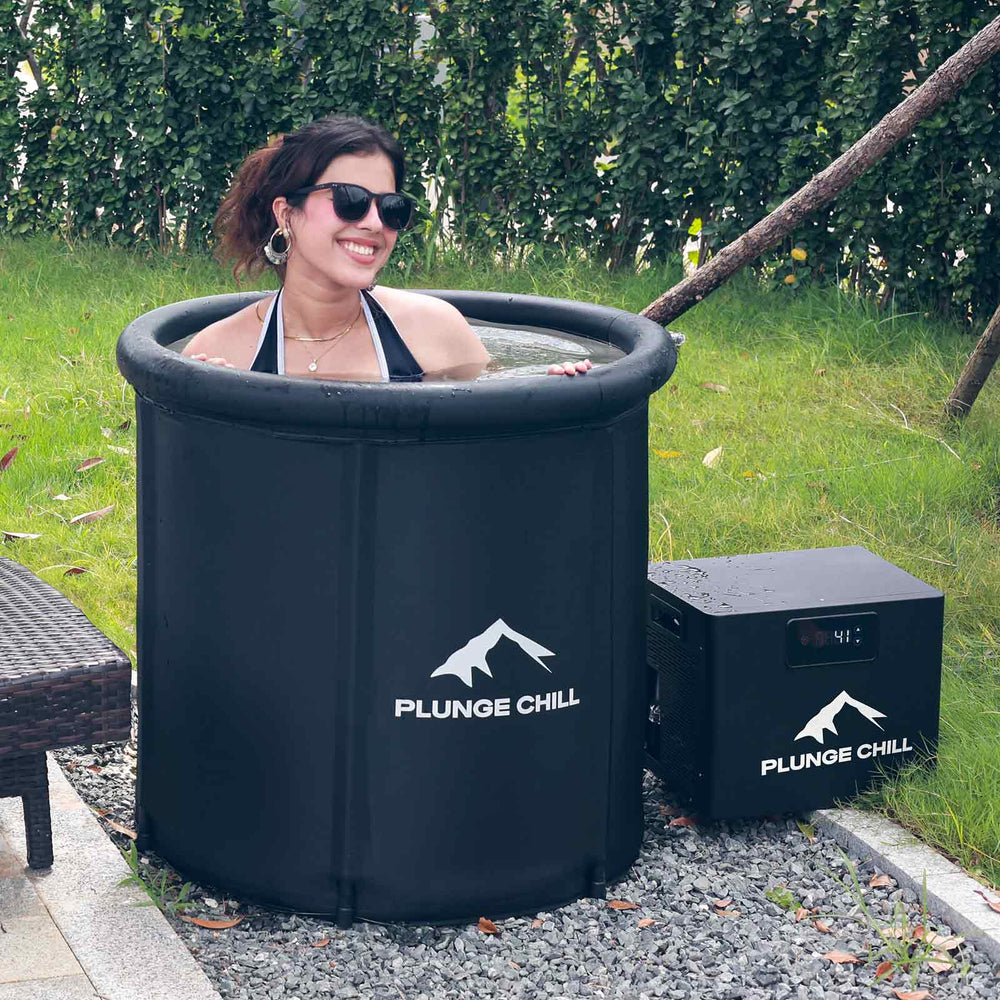
Cold plunging has moved from pro locker rooms to home garages and patios. As a sports rehabilitation specialist and strength coach who evaluates recovery tools for real training schedules, I look at cold plunge tubs as a blend of physiology and product engineering. Your body needs a dose that fits your goal and health status. Your home needs a system that stays cold, stays safe, and stays serviceable. That is where a strong warranty—understood before you buy—turns a recovery habit into a reliable routine. This guide explains the evidence behind cold immersion, how to integrate it without undermining training gains, and the warranty details that actually protect you when pumps, chillers, or seals fail.
What a Cold Plunge Tub Does—and Doesn’t—Do
Cold-water immersion is deliberate exposure to cold water to reduce post-exercise soreness and modulate stress. Multiple clinical and sports-medicine outlets converge on this basic definition and benefit profile. Breakthrough Physical Therapy describes typical recovery ranges around 50–59°F and notes the most consistent benefits for reduced soreness and improved perceived recovery rather than immediate performance boosts. Cleveland Clinic explains that many people feel physically and mentally better after a few minutes at cold temperatures, and Mayo Clinic Health System summarizes evidence that cold plunging reduces muscle damage and soreness while cautioning against overuse directly after strength sessions.
The evidence base is not all in agreement on magnitude or universality of effects. A systematic review in PLOS One reports that cold immersion can reduce stress but that the reduction appears about 12 hours after a session rather than immediately—an important nuance for when you judge results. Harvard Health’s reporting on the same analysis highlights that men reported improved sleep while women did not, and that cold showers improved quality of life scores while global mood effects were inconsistent; that suggests modality and measurement timing matter. A Cochrane-style review of cryotherapy for delayed-onset muscle soreness finds small-to-moderate pain reductions at 24–72 hours without consistent strength or performance gains. Those summaries align with what I see in the field: cold helps athletes feel ready sooner between efforts, but it is not a supercharger for power or speed on its own.
An overlooked but useful insight is that short-term cold plunging can transiently increase inflammatory markers right after immersion before stress measures drop by half a day later. The PLOS One analysis reports an acute inflammatory spike in the first hour, followed by stress reduction by 12 hours. Practically, that means you should not assess your body’s response only in the first hour or two; better to check soreness, readiness, and sleep the next morning.
How Cold, How Long, and How Often: Ranges From Reputable Sources
There is genuine variation in the temperature and time guidance across clinics and reviews, which often alarms buyers. The differences largely reflect distinct goals, populations, and study methods. Cleveland Clinic’s practical ceiling of about five minutes in very cold water suits a broad, safety-first audience, whereas OSU Health describes 10–20 minutes at 50–59°F for recovery contexts, and Mayo Clinic Health System encourages progressive exposure starting at 30–60 seconds and building to minutes over time. Breakthrough Physical Therapy and Peloton’s science editorial note that cold exposure right after lifting can blunt anabolic signaling; endurance training appears less sensitive to this effect per Mayo Clinic Health System.
The weekly dose popularized by Huberman Lab—about 11 minutes per week split over a few sessions—has become common in practice. That newsletter is not a peer‑reviewed trial, but the target aligns reasonably with clinical ranges and user tolerance. For planning, think in ranges rather than one number, and adjust based on training phase, health status, and responsiveness.
Goal/Situation |
Temperature |
Duration |
Frequency |
Source Note |
Beginner acclimation and general wellness |
About 60°F, then 50–59°F as tolerated |
Start with 30–60 seconds and build to a few minutes |
Two to three days weekly works for many |
Harvard Health; Mayo Clinic Health System |
Soreness and between‑event recovery (endurance focus) |
About 50–59°F |
Three to ten minutes depending on tolerance |
A few sessions weekly around hard efforts |
Cleveland Clinic; Mayo Clinic Health System |
Strength or hypertrophy training phase |
Keep cold exposure away from lifting by four to six hours; do on rest days or well after training |
Short exposures if used on heavy days |
Periodize by training goal rather than daily habit |
Breakthrough Physical Therapy; OSU Health; Peloton |
Weekly target as a practical starting framework |
Water set to “uncomfortably cold yet safe” for you |
Approximately 11 minutes total per week divided into two to four sessions |
Adjust to response and season |
Huberman Lab newsletter |
Conflicting recommendations have reasonable explanations. Definitions vary from head‑out versus full‑neck immersion, studies recruit different participants and sports, durations are measured in single long bouts versus repeated short bouts, and outcomes are assessed immediately versus hours later. When you standardize your own protocol—same depth, similar temperature, and consistent timing relative to training—you’ll get clearer feedback from your body.

When Cold Helps—and When It Can Hurt—Your Training
For endurance athletes and team sports with congested schedules, cold immersion can reduce soreness and perceived fatigue enough to slot in quality work on the next day. For lifters chasing muscular size or maximal strength, frequent plunging immediately after lifting can dampen the adaptive signaling you want from that session. OSU Health and Peloton both point to studies where chronic cold exposure after resistance training led to smaller long‑term strength or hypertrophy gains, while Mayo Clinic Health System notes endurance adaptations do not appear as compromised. A practical compromise is to plunge later in the day after lifting or to move plunges to non‑lifting days during mass or strength blocks. Before hot events or sessions in heat, brief pre‑cooling via cold immersion can aid comfort and focus; just keep it short and avoid numbness that could change technique.
A further nuance often missed is timing relative to sleep. Cleveland Clinic suggests that cold can be alerting and is best done earlier in the day if you find it disrupts bedtime. Harvard Health’s summary of the PLOS One analysis suggests improved sleep in men but not women in that dataset; the sex difference needs replication, so treat it as an interesting signal rather than a guarantee.
Safety, Contraindications, and Sensible Rewarming
Cold shock, hypothermia, and cardiovascular stress are real risks in susceptible people. Cleveland Clinic and Kaiser Permanente advise medical consultation if you have heart disease, uncontrolled hypertension, poor circulation, diabetes, peripheral neuropathy, Raynaud’s, respiratory concerns, or if you are pregnant. The FDA has also cataloged injuries from water‑circulating hot/cold therapy devices when used incorrectly. A few simple steps cut risk considerably: enter slowly, keep your head above water unless you are well supervised, avoid hyperventilating before or during submersion, and exit if you are dizzy, numb, or confused. Rewarm gradually with clothing and light movement rather than jumping straight into high heat if you feel lightheaded. When pairing plunges with sauna, start with heat, allow a short cool‑down, then dip briefly, and repeat modestly if you choose; combine that only once you are comfortable with single‑modality sessions.

What Your Warranty Must Cover—and Why It Matters
Cold plunge tubs range from simple, non‑chilled vessels up to fully featured, self‑refrigerated systems that can cost as much as $20,000 according to Mayo Clinic Health System. The same features that make a tub convenient—integrated chillers, pumps, heaters for contrast, digital controls, UV or ozone sanitation—also create more components that can fail. A solid warranty is not a marketing flourish; it is your back‑stop when compressors lose efficiency, seals start to drip, or electronics corrode in humid spaces.
Good warranties do three things well. They clearly define component coverage, including the chiller compressor and heat exchanger, pump and seals, controller and sensors, and the tub shell and plumbing. They define the remedy—parts only, parts and labor, depot repair, or in‑home service—and who pays for shipping both ways during the coverage period. And they outline exclusions in specific, understandable language so you know what maintenance and usage keep coverage intact. This matters because water chemistry, freeze cycles, and electrical supply are common stressors, and many makers exclude damage linked to those factors. The FDA’s consumer guidance on water‑circulating devices underscores the need to use equipment exactly as directed and to protect skin with barriers when applicable; those same behaviors protect both you and your warranty standing.
Warranty Element |
What Good Coverage Looks Like |
Why It Matters in Practice |
Chiller and compressor |
Multi‑year parts and labor with authorized service, not just parts mail‑outs |
Compressors are the most expensive single part; labor coverage avoids big surprises |
Pump, seals, and plumbing |
Named coverage for leaks and premature seal failure |
Vibration, thermal cycling, and ozone can age seals; clear coverage prevents finger‑pointing |
Controls, sensors, and electronics |
Defined term for controller boards and probes; moisture ingress clearly addressed |
Electronics fail early if they fail at all; a firm term protects against early defects |
Shell and structure |
Coverage against cracks and delamination; reasonable limits for UV and freeze |
Outdoor use and freeze‑thaw cycles are common; clarity here improves longevity |
Labor and shipping |
Stated on‑site service radius or approved local techs; clear shipping responsibility |
Heavy tubs are costly to ship; on‑site repair minimizes downtime |
Consumables and maintenance |
Filters and sanitizer explicitly exempted but reasonable maintenance burden defined |
You can plan filter and sanitizer budgets and keep logs to support claims |
Misuse exclusions |
Specific, not vague: e.g., documented water chemistry ranges and freeze protection |
Specific ranges are easier to follow and prove than catch‑all “improper use” |
Several common red flags deserve your attention. Vague exclusions such as “water damage” without defined chemistry ranges, no labor coverage on the compressor in the first year, and warranty start dates that begin at shipment rather than delivery are all signs you should ask more questions. Transferability on resale is rare and sometimes advertised loosely; assume a warranty is not transferable unless the manufacturer confirms, in writing, how to register a new owner and what remains of the original term.
A further practical point is that many makers require you to keep proof of maintenance—filter changes, sanitizer readings, and winterization steps—if you file a claim.
Buying the Right Tub: Practical Criteria Before You Click “Buy”
The fastest way to peace of mind is to match the unit to your space, routine, and support options. Decide where the tub will live and how you will drain and fill it. Indoors demands careful condensation control and floor drainage; outdoors demands weather‑resistant finishes and freeze protection. Consider how you, family members, or clients will enter and exit; hip‑deep steps and grab points matter when the water is in the 40s. Consider the noise and heat exhaust of the chiller relative to a home gym or bedroom wall, and check whether the electrical requirements fit your panel.
Service access is another underrated factor. If the nearest authorized technician is hundreds of miles away, plan on your own box swapping rather than in‑home service. Clarify who pays freight if a 100‑pound chiller needs depot repair in month three, and whether the manufacturer can overnight parts if you rely on the tub during a training block. Ask about spare‑parts availability for at least five years; that is a reasonable target for products with compressors.
Care and Use That Keep You Covered
A clean, well‑maintained tub is less likely to fail and more likely to see claims honored. Follow conservative dosing patterns from healthcare sources. Cleveland Clinic recommends starting in the 50–59°F range with short durations and warns against going below about 40°F. Kaiser Permanente notes that 10–15 minutes at 50–59°F is common in some settings but stresses that people with cardiovascular or vascular conditions, asthma, and high hypothermia risk should consult a clinician first. UCLA Health and Kaiser Permanente both point out that cold showers can be a reasonable starting step for newcomers and can reduce sick days in some studies, which can be handy in apartments or tight spaces.
The FDA outlines additional safety steps for water‑circulating devices: protect your skin with a barrier when applicable, check skin routinely for numbness or color changes, keep wraps from being too tight, and dry the area thoroughly afterward. Those behaviors translate well to home plunges: set a timer, avoid alcohol before sessions, keep a warm robe and hat ready, and rewarm gradually. If you track heart rate variability, sleep, and soreness, assess changes the next day because stress measures may not drop until about 12 hours after immersion per PLOS One.
Evidence Snapshot and What It Means for Home Use
Publisher |
Key Finding |
Practical Implication |
PLOS One (systematic review) |
Stress reduction emerges around 12 hours post‑immersion; acute inflammation may spike early; mood and immunity findings are mixed |
Judge benefits the next day; avoid over‑interpreting immediate sensations |
Harvard Health |
Men reported improved sleep after ice baths; women did not in that pooled analysis |
Expect individual differences and test timing and dose for your body |
Cochrane‑style review of cryotherapy |
Soreness reduction at 24–72 hours without consistent performance improvement; possible immediate strength decrement |
Use cold for soreness management; do not expect strength boosts |
Cleveland Clinic |
Practical ranges for beginners and a five‑minute ceiling in very cold water; safety first |
Short, conservative sessions are effective and safer |
OSU Health and Mayo Clinic Health System |
Ten to twenty minutes at 50–59°F in some recovery protocols; caution near strength sessions |
If you extend durations, keep temperature moderate and separate from lifting |
Kaiser Permanente and UCLA Health |
Cold showers offer accessible benefits, with one study showing fewer sick days in users ending showers cold |
Consider showers as a sustainable entry or travel alternative |
One more overlooked detail is that moderate water—about 68°F—for just five minutes can shift affect and brain network integration. A head‑out immersion fMRI study reported increased positive affect after five minutes near 68°F, with neural changes in networks linked to emotion and attention. That does not mean you must plunge deep into the 40s to see a mental effect; it reinforces the “uncomfortably cold yet safe” principle many clinicians endorse.
Sauna Pairing and Contrast Sessions
Alternating heat and cold remains popular in performance circles. Aetherhaus summarizes mechanisms for a “vascular pump” effect, and allied research shows saunas can expand plasma volume over weeks and support endurance. The best rationale for at‑home users is simpler: heat relaxes tight tissues and cold blunts soreness, and the alternation is mentally bracing. Keep cycles modest, prioritize safety, and end on cold if you want to emphasize metabolic rewarming. If you train for strength, keep contrast away from immediate post‑lift windows to protect adaptations, a point echoed by Mayo Clinic Health System and Breakthrough Physical Therapy.

Putting It All Together: A Review Framework You Can Borrow
When I evaluate a cold plunge tub for a training room or home gym, I look first at physiological fit—can it hold the temperatures we actually use, cycle to target in a reasonable time, and keep water clean with manageable maintenance. I then assess serviceability—how fast parts can arrive, whether a local tech can do in‑home compressor work, and how the warranty reads on labor, freight, and exclusions. Finally, I assess usability—safe ingress and egress, lid ergonomics, drain placement, and the noise and heat exhaust in a real indoor space. You can adapt the same framework for your purchase.
Short FAQ
Q: How cold should I set the tub if I am brand new to plunging? A: Start nearer to 60°F and progress toward the 50–59°F range as you learn your response. Cleveland Clinic and Harvard Health emphasize starting warmer and keeping sessions short. The goal is “uncomfortably cold yet safe,” not the coldest water you can tolerate on day one.
Q: Will cold plunges kill my strength or muscle gains? A: They can blunt hypertrophy signaling if you plunge right after lifting, especially when used frequently over weeks. OSU Health and Peloton’s evidence summaries report reduced long‑term strength or size gains with chronic post‑lift cold exposure. Separate plunges from lifts by four to six hours, or move them to rest days during mass and strength blocks.
Q: Are cold showers good enough if I cannot fit a tub? A: Cold showers are less uniform than immersion but still produce meaningful effects for many people. UCLA Health highlights a trial where ending showers cold was linked to fewer sick‑leave days, and Harvard Health notes improved quality of life scores in cold‑shower users in pooled analyses. They are a practical starting point and a sustainable option for apartments.
Q: How long should I stay in the water? A: Many clinical sources converge on a few minutes as a sensible target for very cold water, with beginners starting at 30–60 seconds and advanced users sometimes extending in the 50–59°F range. Cleveland Clinic suggests keeping very cold exposures under five minutes; OSU Health describes 10–20 minutes at moderate cold for some recovery uses. Choose a range that fits your goal and health status, and prioritize consistency over heroics.
Q: Is a longer warranty always better than a shorter one? A: Not necessarily. A three‑year parts‑only warranty can be less valuable than a one‑year parts‑and‑labor policy with in‑home service. What matters is which components are covered, whether labor and shipping are included, and how easy it is to obtain service.
Takeaway
Cold plunging is a recovery tool, not a cure‑all. The strongest and most consistent signal across reputable clinical sources is reduced soreness and improved perceived readiness in the next day or two. Effects on mood, sleep, and general health vary by person and protocol, and some benefits emerge hours after the session rather than immediately. For lifters, avoid plunging right after heavy sessions to protect long‑term gains. For endurance and tournament schedules, plunges can help you turn around workload faster.
If you are buying a plunge tub, the warranty is as important as the compressor. Read for named component coverage, labor and shipping provisions, and exclusions written in plain language. Ask for service details before you purchase, and set up your space so the system can be used and maintained exactly as intended. Combining conservative cold protocols from Cleveland Clinic, Mayo Clinic Health System, OSU Health, Kaiser Permanente, and UCLA Health with a clear, enforceable warranty gives you the peace of mind to stick with the habit. That is how you turn cold water into consistent recovery.
References
- https://www.health.harvard.edu/staying-healthy/research-highlights-health-benefits-from-cold-water-immersions
- https://news.hss.edu/5-possible-health-benefits-of-cold-water-therapy/
- https://www.fda.gov/consumers/consumer-updates/cold-facts-help-avoid-injury-water-circulating-hotcold-therapy-devices
- https://sncs-prod-external.mayo.edu/hometown-health/speaking-of-health/cold-plunge-after-workouts
- https://pmc.ncbi.nlm.nih.gov/articles/PMC11872954/
- https://health.osu.edu/wellness/exercise-and-nutrition/do-ice-baths-help-workout-recovery
- https://paintrail.pmr.med.ufl.edu/2024/08/05/cold-water-immersion-therapy-unraveling-the-benefits-and-risks-with-evidence/
- https://health.clevelandclinic.org/what-to-know-about-cold-plunges
- https://journals.plos.org/plosone/article?id=10.1371/journal.pone.0317615
- https://mydoctor.kaiserpermanente.org/mas/news/health-benefits-of-cold-water-plunging-2781939