As a sports rehabilitation specialist, strength coach, and cold-plunge product reviewer, I use cold-water immersion in real training rooms as well as home setups. I’ve trialed tubs and chillers from near-freezing up to 60°F and have deployed protocols with runners, cyclists, rec‑league athletes, and lifters who also have day jobs. This guide translates the best available evidence into practical, safe decisions for recreational athletes. Where studies disagree, I explain why the results diverge and how to align cold exposure with your goals.
What Cold Plunge Is—and What It Does
Cold plunge, also called cold-water immersion or ice bathing, is the intentional submersion of part or all of the body in cold water for short periods. The primary immediate effects are peripheral vasoconstriction that limits fluid leakage into tissues, reduced nerve conduction that dampens pain, and hydrostatic pressure from immersion that pushes fluid centrally and may assist waste clearance. Once you exit and rewarm, vessels dilate and circulation increases, sometimes improving the perception of recovery. Cleveland Clinic emphasizes starting with short exposures and moderate cold, then progressing as you learn your tolerance; Mayo Clinic Health System adds that the same physiology that reduces soreness can also interact with training adaptations, so timing matters.
What the Evidence Actually Says
Research on cold immersion is mixed, and the differences often hinge on what you are trying to accomplish, when you expose yourself to the cold, and which outcome you measure.
Recovery and soreness relief tends to be the most consistent finding. A recent meta‑analysis published on the National Institutes of Health platform reported that cold immersion reduces immediate soreness and can lower creatine kinase at 24 hours, a marker sometimes associated with muscle damage, although inflammatory markers such as C‑reactive protein and interleukins often do not change meaningfully. Subjective recovery improves more reliably than objective biomarkers, and between‑study heterogeneity is substantial (NIH PMC9896520). In plain terms, cold works best for how you feel and somewhat for near‑term muscle status, not for reversing the underlying biology of inflammation.
Performance retention is far less consistent. Classic studies summarized in another NIH review describe neutral effects for many performance tests and even impaired subsequent anaerobic efforts after brief immersion in very cold water (NIH PMC2938508). This is relevant if you have to sprint, lift heavy, or perform power tasks shortly after a plunge.
Strength and hypertrophy trade‑offs are real. Ohio State Health flags data showing post‑lift ice baths can blunt strength and size gains over time, echoing findings summarized by Peloton’s science team that meta‑analyses have observed modest but significant reductions in hypertrophy and strength when cold baths follow resistance training. The practical answer is simple: if you are prioritizing muscle or strength, wait roughly 24–48 hours after lifting before you plunge or use alternative recovery methods that do not dampen anabolic signaling.
Cardiovascular and mood effects are promising but not definitive. An Oregon News summary of University of Oregon research reported that a single 15‑minute immersion lowered heart rate, blood pressure, and cortisol and improved mood three hours later in college students, with slight shifts in vessel shear stress measured by ultrasound. This suggests a plausible cardiovascular benefit pathway while reminding us that dose, water temperature, and population all matter. Harvard Health highlighted a pooled analysis indicating stress reductions and better sleep in men, with less consistent effects on mood or immunity across studies and with wide variability in procedures, temperatures, and exposure times.
Metabolic claims deserve nuance. University of Utah Health discussed evidence that roughly 11 minutes per week of cold exposure in winter swimmers was linked to increased brown fat activity and thermogenesis. That cohort comprised young, healthy men acclimated to winter swimming, and some also alternated sauna and cold exposure. This is a compelling observation that may not generalize to older or more diverse populations
Immune and weight‑loss claims are easy to overstate. Harvard Health reported stress reduction and some sleep benefits, but no consistent immunity boost. Rutgers notes that energy burn from cold sessions is small, on the order of dozens of calories, meaning cold plunges are not a meaningful weight‑loss tool by themselves.

When Cold Plunge Helps—and When It Hurts
Cold is most useful for soreness relief after especially hard endurance days, tournament weekends with minimal turnaround, or events in the heat where thermal strain is high. For lifters seeking strength or hypertrophy, the timing is the critical variable. Mayo Clinic Health System and Ohio State Health both caution that daily post‑training plunges can compromise long‑term training adaptations, particularly after resistance training. A practical pattern is to plunge after aerobic work, to use it between competitions, or to separate cold from lifting by at least a day. For heat management, pre‑cooling with brief cold exposure can help in hot conditions; Peloton cites work where cold beats an ice slushie before hot‑weather efforts, though it should be brief so you do not numb performance‑critical tissues.
An underappreciated factor is immersion depth. Science for Sport details that hydrostatic pressure rises with depth and can meaningfully influence cardiac output and fluid shifts. This implies that neck‑deep immersion at moderate cold may have different recovery effects than a very cold but partial dip of the lower legs. The insight here is to match immersion depth to the tissues you most want to influence rather than chasing the lowest possible temperature.

Practical Protocols for Recreational Athletes
The following table organizes sensible starting points by goal. These are synthesized from Cleveland Clinic, Ohio State Health, Mayo Clinic Health System, Science for Sport, Oregon News, Harvard Health, and other sources cited in this article. Use them as ranges, not hard rules, and adjust to your tolerance and training schedule.
Goal |
Water Temp |
Time per Session |
Timing & Frequency |
Evidence Snapshot |
Reduce soreness after hard endurance efforts |
50–59°F |
10–15 minutes |
Within 30–60 minutes post‑session; 2–4 times per week during heavy blocks |
Meta‑analysis shows immediate soreness reduction and lower CK at 24 hours; biomarkers otherwise mixed (NIH PMC9896520; OSU) |
Back‑to‑back events or tournament turnarounds |
50–59°F |
10–15 minutes |
Between efforts, leave enough time to rewarm and regain feel |
Performance effects mixed; consider neuromuscular “feel” after rewarming; prioritize safety (NIH PMC2938508; OSU) |
Strength and hypertrophy protection while still using cold |
50–59°F |
10–15 minutes |
Delay 24–48 hours after lifting; use after cardio days instead |
Post‑lift cold can blunt strength/hypertrophy; timing mitigates this (OSU; Peloton; Mayo Clinic Health System) |
Stress regulation and mood reset |
50–59°F |
3–5 minutes for beginners; experienced can extend based on tolerance |
Two or three times weekly as a stand‑alone practice |
Acute reductions in HR/BP/cortisol and improved mood reported after a 15‑minute lab immersion; shorter doses are widely tolerated (Oregon News; Cleveland Clinic) |
Pre‑cooling for hot‑weather training |
About 50–59°F |
2–5 minutes |
Immediately before warm‑up; keep brief to avoid stiffness |
Pre‑cooling can aid performance in heat compared with drink slushies in some studies (Peloton summary of EJSS) |
Metabolic curiosity (brown fat) |
50–59°F or colder as tolerated |
Accumulate about 11 minutes per week across 2–3 sessions |
Assign to low‑priority days; do not expect fat loss |
Association seen in winter swimmers; population and co‑exposures limit generalization (University of Utah Health; |
Two reconciliation notes reduce confusion around dosing. First, different outlets cite different times because they are optimizing for different outcomes: Cleveland Clinic leans conservative for entry, Ohio State Health and Science for Sport cite 10–20 minutes and 11–15 minutes respectively where immersion depth is adequate, and lab studies often fix a single time such as 15 minutes for standardization. Second, colder is not always better; moderate cold with adequate depth and controlled rewarming often outperforms ultra‑cold dips that force you to exit early.
Safety: Who Should Be Cautious and How to Reduce Risk
Cold exposure spikes breathing, heart rate, and blood pressure on entry and can provoke hyperventilation or dizziness. The American Heart Association’s concerns, echoed by Cleveland Clinic and Mayo Clinic Health System, center on people with cardiovascular disease, uncontrolled hypertension, diabetes with neuropathy or vascular disease, peripheral neuropathy, cold agglutinin disease, and poor circulation. Those groups should obtain medical clearance, consider milder temperatures, avoid plunging alone, and have a warm plan ready.
A thermometer is not optional; home tap water can be colder than you think, and frozen lakes are far beyond safe entry temperatures. Start with very short exposures, exit at the first sign of unusual chest discomfort, numbness beyond expected cold sensation, or presyncope, and rewarm gradually with light movement, warm clothing, and indoor time. When outdoors in winter, set up towels, footwear, and a windbreak before you immerse. Do not use cold plunges to mask pain that could indicate a true injury; fractures, tendon tears, or severe muscle strains need medical evaluation.
How to Integrate Cold Without Derailing Your Training
The cleanest strategy is periodization. Sportsmith advises aligning frequency, temperature, and duration with your training phase: use more cold during in‑season congested periods where feeling fresh tomorrow matters, and use less immediately after resistance sessions when adaptation is the priority. Science for Sport highlights that routine post‑exercise cold can blunt some muscular and vascular adaptations over time, so treat cold as a tool, not a habit.
Contrast water therapy—alternating cold and hot—can be valuable when the goal is to reduce soreness and preserve “feel” without sitting in cold for as long. MTN Tactical’s practitioner synthesis suggests contrast can outperform cold alone across strength, endurance, and work‑capacity outcomes by a small margin. That said, this conclusion leans on applied reports and small studies rather than large randomized trials. It is reasonable in practice because hot phases promote circulation and neuromuscular feel while cold phases temper soreness, but the strength of evidence is limited
Another overlooked nuance is that cold showers are not equivalent to immersion. Rochester Regional notes that showers deliver less uniform pressure and cooling, and evidence for showers alone is limited; they can be a practical entry step, but immersion delivers more consistent physiological effects. This helps explain why some guides report minimal benefit from “cold exposure” while others see clear advantages—many “cold” protocols are not apples to apples.

Home Setup, Care, and Buying Tips
You can implement cold immersion at home in several ways. The simplest approach is a bathtub filled with cold water and ice. This is inexpensive and effective for occasional use, but it demands manual temperature control, frequent ice hauling, and diligent cleaning. Portable inflatable tubs paired with ice offer more capacity but share the same maintenance burden.
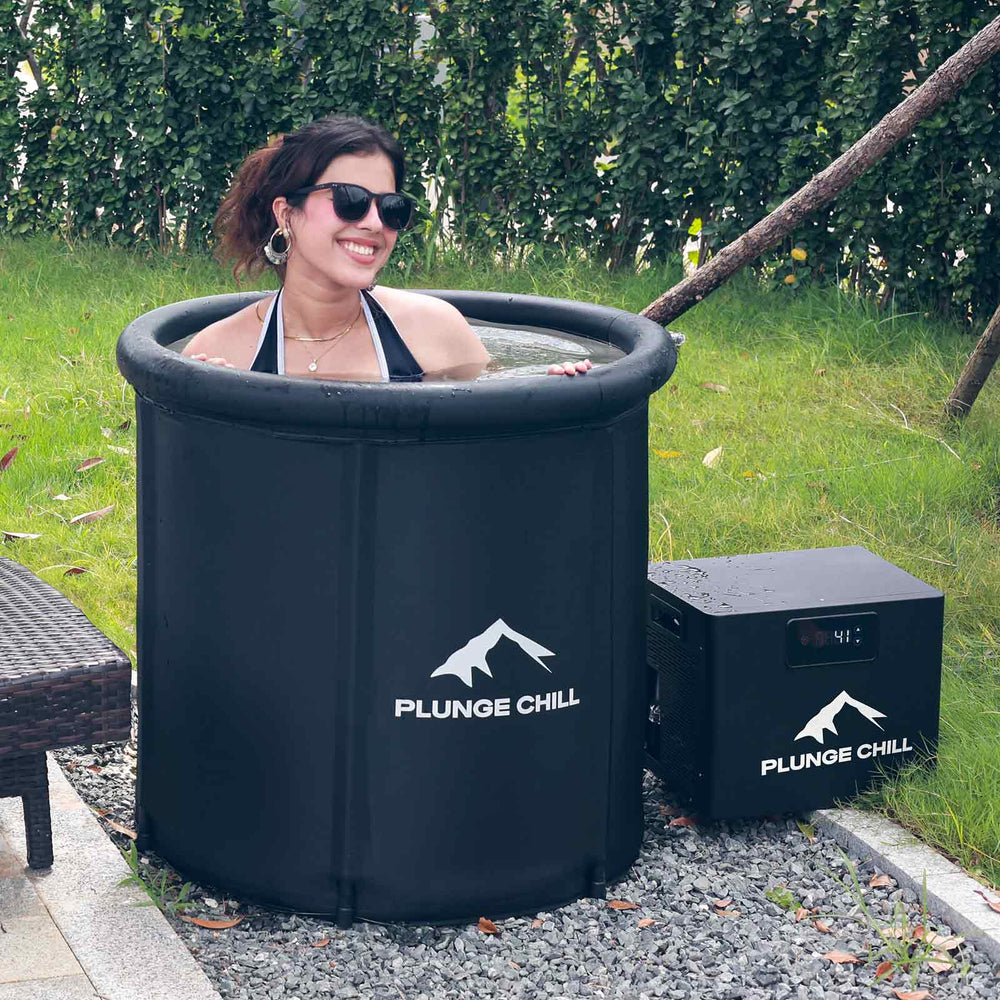
Dedicated cold plunge units use an integrated chiller to target a set temperature without ice. In my experience testing consumer units, these are the least hassle for regular use and enable precise dosing; vendor and hospital sources place their costs in the thousands of dollars, and Mayo Clinic Health System notes that fully featured tanks can reach premium price points. Commercial hydrotherapy systems such as those used by professional teams (HydroWorx) are designed for high throughput and add features such as massage jets and sophisticated filtration, but they are overkill for most homes.
A short framework helps narrow choices. First, define the lowest temperature you realistically need based on your goals; many recovery benefits occur around 50–59°F, and chasing 32–39°F is not required for most weekend warriors. Second, decide how often you plan to plunge; if the answer is most days, the logistics of buying and hauling ice will quickly outweigh the cost of a chiller. Third, plan for placement and power; ground‑fault protection, safe drainage, and manufacturer‑recommended clearances matter far more than glossy finishes. Fourth, consider filtration and sanitation; even with low temperatures, water needs treatment, filtration, and regular replacement per the manufacturer’s schedule. Finally, ask about warranty, certified electrical components, and noise, especially if the unit will live near sleeping areas.
Routine care is straightforward but important. Keep a simple log of water temperature before entry, session time, and how you felt 12 to 24 hours later; the notes will help you tailor dose and timing. Sanitize and replace water and filters according to the manufacturer’s instructions and your usage pattern. Rinse off prior to entry to reduce bio‑load, and skim debris after sessions. In cold climates, protect outdoor units from direct sun, snow load, and windchill; bring accessories inside to dry between uses. Some people add saunas and alternate hot–cold rounds; if you do, keep cold exposures brief and pay attention to how your heart and breathing respond. Where my advice goes beyond the research literature, I am drawing on clinic and product‑testing experience and would recommend verifying with the manufacturer’s maintenance manual and a quick water test strip as needed

Brief Comparisons and Why Sources Disagree
Guidance varies because studies use different temperatures, immersion depths, exposure times, and populations. Harvard Health’s synthesis included chest‑level immersions at 45–59°F for 30 seconds to 15 minutes, repeated multiple days per week, while the University of Oregon laboratory study focused on a single 15‑minute session in college students. Meta‑analyses on the NIH platform emphasize immediate soreness relief but minimal biomarker changes, whereas practice‑based outlets report better “feel” and faster readiness between efforts. Methodological choices drive much of this: definitions differ, samples are small and skewed toward young men, and endpoints range from subjective soreness to ultrasound shear stress. The safest interpretation is that cold is excellent for perception and soreness, helpful sometimes for next‑day readiness, and unhelpful or counterproductive when it competes with training adaptations, especially after lifting.
Takeaway
Cold plunges are a smart tool for weekend warriors when you aim to reduce soreness after big endurance days, manage back‑to‑backs, or regulate stress. Keep temperatures in the 50–59°F range, choose 10–15 minutes when immersion depth is adequate, and save very short dips for pre‑cooling or mood resets. Delay cold 24–48 hours after heavy lifting if you care about strength or hypertrophy. Screen carefully for cardiovascular risks, start conservatively, and rewarm gradually. If you plan to plunge most days, a dedicated chiller simplifies life; if you plunge occasionally, a cold bath and a thermometer are enough. The strongest evidence favors short‑term soreness relief and perceived recovery; the rest depends on timing, depth, and your goals.
FAQ
Is colder always better?
Not necessarily. Moderate cold around 50–59°F often allows you to stay in long enough and deep enough to leverage hydrostatic pressure and the full physiologic response. Extremely cold water forces short exposures that can increase discomfort without adding meaningful recovery benefit. Science for Sport’s guidance and clinic experience both support “enough cold, long enough” rather than “as cold as possible.”
Can I plunge daily?
You can, but you may not want to if your goal is strength or muscle gain. Mayo Clinic Health System and Ohio State Health warn that daily post‑training plunges can blunt some adaptations, particularly after lifting. Many recreational athletes do best using cold after aerobic sessions and on competition days, and avoiding it for 24–48 hours after heavy resistance training.
Are cold showers good enough?
Cold showers are a manageable entry point and can boost alertness and perceived resilience, but immersion creates more uniform cooling and hydrostatic pressure, which appear to be important for recovery. Rochester Regional notes that evidence for showers alone is limited compared with immersion.
What is a safe starter protocol?
Begin with water near 59°F for two or three minutes, exit while you still feel in control, and rewarm gradually. Over several sessions, build toward 10–15 minutes if your goal is recovery after endurance work. Cleveland Clinic’s “start low and go slow” approach is the right mindset. Always have someone nearby for your first few sessions and avoid natural waters with currents or ice risk.
Will cold plunges help me lose weight?
Not meaningfully. Rutgers estimates small calorie expenditure per session and frames cold as a poor weight‑loss strategy. University of Utah Health discusses brown fat activation with regular cold exposure in winter swimmers, but those data may not generalize beyond that cohort and should not be treated as a weight‑management plan
Is contrast therapy better than cold alone?
Alternating cold and hot appears to help many athletes feel and function better between sessions, and practitioner summaries suggest small advantages across performance domains. Formal evidence is less robust than for cold‑only soreness relief, so apply contrast judiciously and prioritize how you respond over time. If you try it, keep the cold phases moderate and the overall session short, and monitor sleep and training quality in the following 24–48 hours.
References
- https://www.health.harvard.edu/staying-healthy/research-highlights-health-benefits-from-cold-water-immersions
- https://digitalcommons.liberty.edu/cgi/viewcontent.cgi?article=8439&context=doctoral
- https://www.mcphs.edu/news/physical-therapist-explains-why-you-should-chill-out-on-ice-baths
- https://www.rutgers.edu/news/what-are-benefits-cold-plunge-trend
- https://ideaexchange.uakron.edu/cgi/viewcontent.cgi?article=3606&context=honors_research_projects
- https://commons.und.edu/cgi/viewcontent.cgi?article=1076&context=pas-grad-posters
- https://news.uoregon.edu/content/cold-plunging-might-help-heart-health-new-research-suggests
- https://sncs-prod-external.mayo.edu/hometown-health/speaking-of-health/cold-plunge-after-workouts
- https://pmc.ncbi.nlm.nih.gov/articles/PMC2938508/
- https://health.osu.edu/wellness/exercise-and-nutrition/do-ice-baths-help-workout-recovery