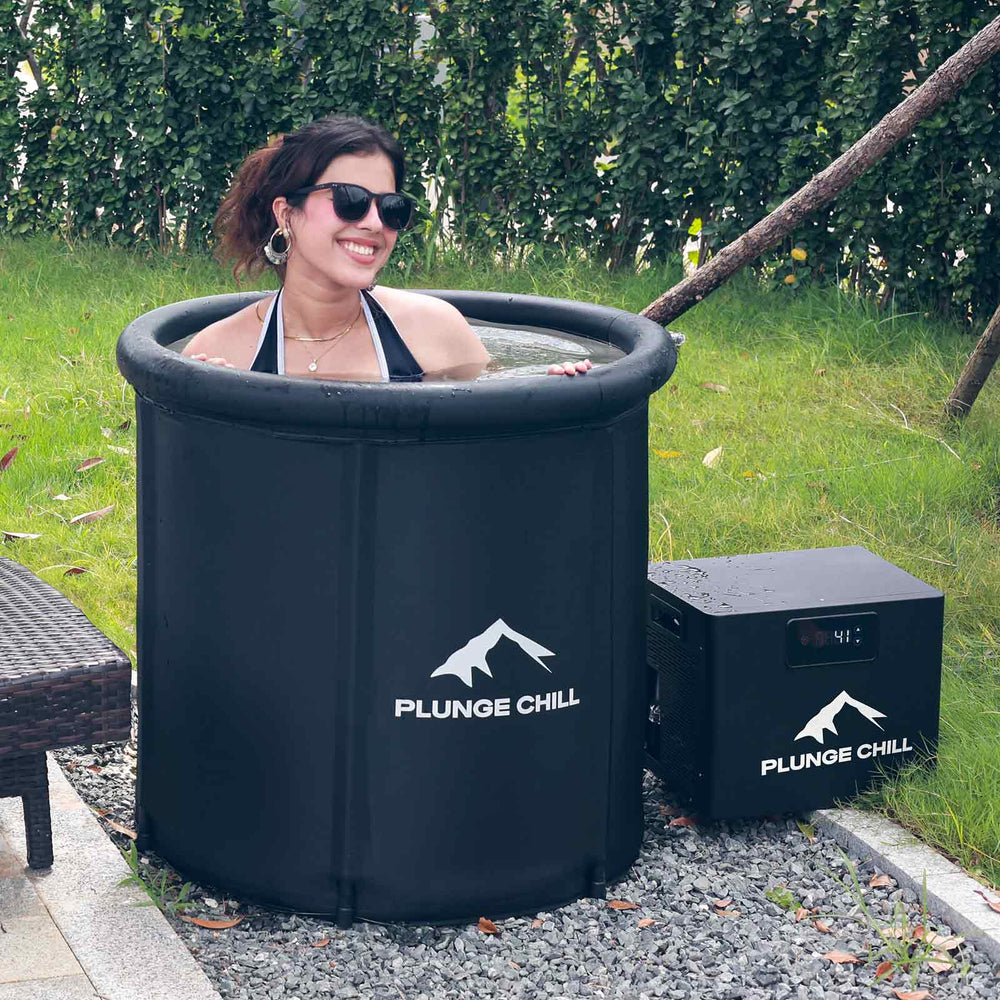
Cold water immersion is back in the mainstream for athletes and high performers, but “cold” alone is not enough. A dependable ice bath maintains a precise temperature when you need it, resists heat gain in summer, stays clean with realistic maintenance, runs safely, and doesn’t destroy your energy bill. As a sports rehabilitation specialist and strength coach who also evaluates cold plunge products, I look first for reliability under daily use, then for evidence-based protocols that fit the athlete’s goal. This guide unpacks the science, the hardware, and the day-to-day habits that make an ice bath truly dependable.
What “Dependable” Really Means for an Ice Bath
Dependability starts with stable temperature control. A plunge that drifts five or six degrees during a session or warms ten degrees between uses adds friction and undermines adaptation. Insulation and a fitted lid are non‑negotiable, because they cut heat gain and allow smaller, quieter chillers to hold setpoints. Filtration and sanitation are next. A pleated mechanical filter to capture debris plus a sanitation strategy such as ozone, chlorine, or UV keeps water clear and reduces drain-and-refill cycles. Safety features like a GFCI-protected outlet, non-slip entry, and a lid that cannot trap the user matter more than cosmetics. Serviceability is often overlooked: standard plumbing parts, off‑the‑shelf filters, and accessible pumps make a system repairable for years instead of disposable. Finally, operating cost and noise must match your space and routine, or daily use will fade.

Evidence Snapshot: Where the Science Actually Stands
Cold water immersion reduces perceived soreness in the short term and can restore next‑day performance after hard sessions. That conclusion appears repeatedly in summaries from Mayo Clinic Health System and Mayo Clinic Press. At the same time, consistent ice baths immediately after resistance training can blunt long‑term strength and muscle growth by dampening the inflammatory and molecular signaling that drive adaptation. That tradeoff is echoed by Mayo Clinic Health System and Ohio State University Health sources, and it is one of the most practical reasons to use ice strategically rather than reflexively.
The temperature range with the strongest pragmatic consensus is around 50–59°F for most recovery use. That band appears across Mayo Clinic Health System, Ice Barrel and IceTubs brand guidance, and in coaching practice aligns with tolerability for sustained adherence. Beginners often do better starting warmer and progressing downward as tolerance improves, which is consistent with brand and clinical write‑ups. Session duration typically falls between about two and ten minutes for novices working toward five to ten minutes for trained users; several sources also highlight that accumulating roughly eleven minutes per week spread across multiple sessions may be sufficient to see benefits, a practical benchmark popularized in brand education from Coldture.
Two caveats shape how I program cold exposure. First, timing relative to training matters. When strength and hypertrophy are priorities, I schedule plunges away from key sessions, often waiting four to forty‑eight hours based on the athlete’s block. Second, do not generalize from heat‑illness protocols. Cold‑water immersion is the gold standard for exertional heat stroke, with rapid full-body cooling that saves lives, but that emergency use case is not a recovery template. PubMed Central evidence emphasizes rapid, near‑ice temperatures and maximal surface coverage for cooling rate in heat stroke; that is a different problem than soreness modulation after training.
An overlooked but meaningful insight from hands‑on comparisons is the dominance of insulation in real‑world energy use. In controlled home builds documented by Andrew Conner, a large, well‑insulated cooler paired with a modest chiller cools water about 2°F per hour and, with a closed lid at roughly 75°F ambient, warms only about one to two degrees per day with the system off. The practical outcome is fewer chiller cycles, quieter operation, and a smaller power bill. In contrast, a reader running a stock tank reported needing a 1 HP chiller that ran almost continuously in summer; after switching to an insulated cooler design, chiller runtime dropped to less than an hour per day. That pattern explains why some ready‑made tubs ship with oversized chillers: they are compensating for heat gain rather than solving it.
Choosing Your Path: DIY, Ready‑Made, and Hybrid Approaches
Your best route depends on space, budget, climate, and how much you want to tinker. The most common three paths are an insulated DIY build, a ready‑made plunge, and lower‑cost basins like barrels, inflatables, or stock tanks paired with a chiller.
Option |
Typical First-Year Cost |
Typical Chiller |
Insulation and Heat Gain |
Operating Behavior |
Notes on Filtration/Sanitation |
About $1,700 for a 100–105 gal cooler build documented by Andrew Conner |
Often 1/4 HP suffices in a well‑insulated cooler |
Excellent with a fitted lid; low daily heat creep with lid closed |
Cools about 2°F per hour; warms 1–2°F per day at ~75°F with system off |
Add whole‑house pleated filter; ozone or chemicals as preferred; uses standard parts |
|
Chest freezer conversion |
About 4,000 in first year per Plunge brand guidance |
Varies; built-in compressor not designed for continuous water chilling |
Poor without significant DIY sealing; risk of leaks |
Higher energy draw; sealing and safety are major DIY tasks |
No built‑in filtration; must add external filter and sanitizer |
Inflatable tub or barrel with chiller |
About 6,000 in first year per Plunge brand guidance |
Often 1/2–1 HP to compensate for heat gain |
Limited insulation; air gap helps but is modest |
Faster temperature drift; may cycle chiller more |
Add filter and sanitation; keep a patch kit for inflatables |
Ready‑made plunge |
About 9,000 per Plunge brand guidance; market spans roughly 6,900 for specific models referenced by Andrew Conner |
Often 1/2 HP or larger |
Varies by brand; well‑insulated units reduce chiller size and cost |
Designed for set-and-forget temperature control |
Many units include filtration; serviceability varies by parts selection |
A couple of nuances deserve emphasis. Inflatable basins made from raft materials are much cheaper to ship and easier to store, but they are fundamentally less insulated than rigid, foam‑filled coolers. Andrew Conner’s testing favors cooler‑based builds for cold retention. Chest freezer conversions remain a budget‑minded path that includes chilling in the box, but freezers are not watertight; sealing seams takes time and introduces failure points, and there is no native filtration.
On the ready‑made side, the dependable features I look for mirror the DIY decision matrix: insulation, a lid that seals, a chiller size appropriate for the basin and climate, a simple filtration path, and standard, replaceable plumbing. Andrew Conner points to ModPlunge as an example that uses standard parts and a well‑insulated shell; across the broader market, the price mainly buys design, chiller selection, and warranty rather than entirely different core functions.
Sizing, Temperature, and Dosing for Reliable Outcomes
Volume matters for both user comfort and chiller sizing. Around 100 to 150 gallons covers most adults for full immersion without contortions, and it aligns with common coolers and stock tanks. In that range and with good insulation, a 1/4 HP chiller can maintain target temperature for daily use; 1/2 HP offers faster pull‑down in warm climates or for frequent lid‑open sessions. Both the Andrew Conner build notes and DIY-focused guidance from DIY Cold Plunge and Active Aqua converge on 1/4–1/2 HP covering the vast majority of home setups, with oversizing typically motivated by poor insulation.
Pump flow that is advertised at 700–1,200 gallons per hour is workable once you account for real‑world losses across tubing, filter, and chiller. In my experience, and consistent with the Danner Mag‑Drive picks in Andrew Conner’s notes, more flow than you need simply adds noise and vibration without improving chill rate. It is smarter to right‑size the pump and prioritize smooth routing with 3/4‑inch tubing and clean, threaded bulkheads sealed with a non‑hardening pipe dope rather than Teflon tape; that approach reduces leaks and keeps parts serviceable.
For temperature, start where you can be consistent. Many athletes settle between 50 and 59°F for recovery blocks, which aligns with Mayo Clinic Health System, Ice Barrel, and IceTubs recommendations. Beginners often start warmer for short exposures and then titrate temperature and time down and up, respectively. Session length of two to ten minutes is a practical bracket for most users, with five to ten minutes common in trained individuals. Coldture’s education suggests that roughly eleven minutes per week total may deliver benefits, a low bar that helps adherence in real life. When strength and hypertrophy are priorities, separate cold immersion from lifting by several hours or move it to non‑lifting days altogether, a strategy reflected by guidance from Mayo Clinic Health System and Ohio State University Health.
A small but easily missed insight is that maintaining a precise temperature matters more than racing to a number you cannot tolerate. Some brand education highlights ultra‑cold plunges at about 39–40°F. In practice, that range is not necessary for most recovery needs and shortens safe exposure considerably. If you do experiment with temperatures below about 45°F, keep exposures very brief, monitor how you feel for the remainder of the day, and progress carefully.
Confidence: Low. Verify by comparing recovery markers, session RPE, and sleep quality at 50–55°F versus 40–45°F for two weeks each while holding training load constant.
Water Care, Filtration, and Sanitation
A dependable ice bath stays inviting without constant draining. Filtration removes hair, skin cells, and sediment; sanitation inactivates microbes. Those are different jobs, and you generally need both. A whole‑house style filter head with a pleated paper cartridge around fifty microns is a sweet spot that captures debris without clogging every few hours, a point made in DIY Cold Plunge resources. For sanitation, ozone injection via a venturi can be effective and avoids chemical smell. DIY Cold Plunge reports that an ozone‑plus‑filter setup kept water clean and clear for up to four months in home use. I advise treating that as an upper bound and testing your own water because usage patterns vary.
Confidence: Low. Verify by weekly dip‑slide bacterial counts and visual checks; adjust sanitation or change water sooner if counts rise.
UV sterilizers can clarify water and reduce organisms but are flow‑ and clarity‑dependent. Chlorine and bromine work when dosed and monitored, with the usual caveats about water chemistry and skin tolerance. If you are reusing water without ozone or chlorine, plan on more frequent exchanges and more vigorous mechanical cleaning of the basin. Regardless of sanitation method, a fitted lid and shaded placement slow biological growth and keep debris out.
Safety, Contraindications, and Timing
Cold shock triggers a sharp, involuntary gasp and hyperventilation, raises heart rate and blood pressure, and is a drowning risk in open water. Reputable clinical sources repeatedly emphasize thoughtful progression and controlled setups. Mayo Clinic Health System encourages consulting a sports medicine specialist, especially for anyone with cardiovascular risks such as high blood pressure. Practical basics include using a GFCI-protected outlet, placing non‑slip mats, avoiding breath‑holding and hyperventilation practices in or near water, and never plunging alone until you are experienced and confident.
Frostbite and hypothermia remain rare in typical home plunges when exposure is short and water is above freezing, but they are real risks in outdoor, windy conditions or with prolonged sessions. Keep warm clothing and towels within arm’s reach, and rewarm gradually with clothing and ambient heat rather than jumping straight to a very hot shower. If you train for events in heat, remember that the use case for exertional heat stroke is different: continuous cold‑water immersion up to the neck at near‑ice temperatures is the gold‑standard treatment and has documented survival benefits. PubMed Central reviews make that distinction clear so you do not confuse an emergency medical protocol with a recovery routine.
Build and Setup Details That Prevent Headaches
Simple choices during setup separate a dependable system from a fussy one. Route tubing with gentle bends and avoid unnecessary unions so the pump does not cavitate and the chiller sees steady flow. Use through‑wall bulkhead fittings sized for the basin’s wall thickness so the seal remains tight over time. Seal threaded parts with a non‑hardening thread compound rather than tape if you expect to change fittings in the future. Place the chiller on a level, ventilated surface with clear airflow and away from direct sun. In coolers, drill ports higher than the floor to preserve wall thickness and keep outlets below the lid line to minimize splashing and heat gain. When space allows, mount the filter where you can bypass or swap cartridges without moving the pump. A thoughtful layout shrinks the number of tools you need for routine care, which keeps owners compliant over the long haul.

Buying Advice: How to Evaluate Dependability
When you evaluate ready‑made units, read past the temperature badge and look for how the tub keeps temperature. A foam‑filled shell, an insulated, latched lid, and a chiller that matches basin volume and your climate produce quieter, cheaper, and more stable operation. If a brand advertises a very large chiller for a modestly sized basin, assume the shell is under‑insulated. Ask whether the plumbing uses standard NPT or other common dimensions, and whether filters are standard whole‑house cartridges or proprietary. Warranty is helpful, but serviceability is the safety net that keeps a tub alive after warranty ends. I prefer designs with off‑the‑shelf pumps, filters, and valves because they can be replaced locally in a day.
Among DIY paths, a large, well‑insulated cooler remains a high‑value choice. Andrew Conner documents a 400–450‑quart cooler comfortably fitting a 6'2", 180 lb user with excellent cold retention and operating behavior. Pairing that with an Active Aqua 1/4 HP chiller and a Danner Mag‑Drive pump creates predictable performance without oversizing. Chest freezer conversions can work but demand careful sealing and bring electrocution and entrapment hazards that I cannot recommend in unsupervised home settings. Inflatable tubs and barrels are light and portable, but you will pay in ice consumables or chiller size and runtime if you use them daily in warm weather. Ice Barrel’s guidance of roughly 40–100 lb of ice for cooling in many settings is a reminder that ice logistics become a burden quickly for high‑frequency use.
A brief note on filtration and sanitation shopping: a transparent filter housing makes it easier to see when a pleated cartridge is loaded. Ozone generators rated for your flow and a simple venturi injector remove a lot of chlorine management. If you prefer chemicals, a reliable test kit and a dosing plan are essential. For any approach, have spare cartridges, sanitizer, and a patch kit for inflatables on hand so small issues don’t sideline your routine.

Daily Use Protocols That Align With Goals
Match the protocol to your training block and keep it simple. For soreness reduction without interfering with growth, keep water near 50–55°F and stay to the low end of exposure, building toward about five minutes. For competition clusters or high‑density endurance blocks where next‑day output matters, move to the middle of the range and consider two shorter exposures separated by rewarming if you prefer to avoid one longer session. When lifting for strength or hypertrophy, wait at least several hours before plunging or place cold work on non‑lifting days. Breathe steadily, enter slowly enough to avoid a gasp reflex, and exit before you are shivering hard or numb. Warm with clothing and light movement.
One subtle disagreement across sources is session length and very cold targets. Some brand education extends single sessions up to twenty minutes and highlights temperatures near 39–40°F for advanced users, whereas clinical and sports medicine sources tend to emphasize shorter durations and the 50–59°F range for broad use. The difference likely stems from audience and methodology: athlete‑facing marketing often prioritizes simplicity and maximal sensations, while clinical guidance weighs risk management and long‑term adherence.

Care and Maintenance That Keep Water Inviting
A dependable routine is more important than any single chemical. Rinse before use if you trained outdoors, keep hair out as best you can, and close the lid whenever the tub is idle. Clean the shell with a mild, non‑abrasive cleaner on a schedule you can keep. Replace pleated filters on a predictable cadence rather than waiting for flow to slow, and keep a log of sanitation checks so trends are visible. If water clarity dips or odor creeps in, respond with a filter swap and a sanitation refresh instead of trying to out‑pace growth with longer pump runs. For outdoor installations, keep the chiller intake free of leaves and dust, and confirm ventilation clearance before hot weeks. The goal is a tub that welcomes daily use with minimal thought.
Two Insights That Can Save You Money and Frustration
First, reusable gel ice packs are a trap for daily plungers. Andrew Conner points out that they retain cold too well while the tub warms faster than they can re‑absorb heat. They also require freezer volume that most households cannot spare. If you are not using a chiller, large blocks of ice made in aluminum trays cool effectively, but ice expenses mount quickly for daily use, and energy spent making ice often outweighs any savings. Second, many buyers overvalue horsepower. DIY Cold Plunge and Andrew Conner both show how a 1/4 HP chiller paired with a well‑insulated shell meets daily needs for 100‑plus gallon basins. Oversizing to 1 HP in an insulated setup mostly buys noise and cost rather than function.
FAQ
What temperature is best for most people and how long should I stay in?
Most athletes do well between 50 and 59°F for two to ten minutes, working toward five to ten minutes if the goal is soreness reduction and next‑day readiness. Clinical and brand sources converge on that range because it balances efficacy and safety. If you are new, start warmer and shorter and progress as you learn how your body responds.
Will cold plunges harm my strength or muscle gains?
Cold water immediately after resistance training can blunt the molecular signals that drive hypertrophy and strength. Mayo Clinic Health System and Ohio State University Health both advise using cold strategically. Wait several hours after lifting, move plunges to non‑lifting days, or reserve cold for competition blocks where short‑term readiness outweighs long‑term adaptation.
Do I need ozone, chlorine, or UV to keep water clean?
You need a sanitation plan in addition to mechanical filtration. Ozone via a venturi works well and avoids chemical smells; chlorine or bromine work when tested and dosed; UV can help when water is clear and flow is correct. DIY Cold Plunge reports months of clear water with ozone and filtration, but treat that as context rather than a promise and verify your own water quality with simple tests.
Confidence: Low. Verify with weekly dip‑slide tests and adjust sanitation if colony counts rise.
How big should my chiller be?
In a well‑insulated 100–150 gallon setup with a fitted lid, a 1/4 HP chiller is often enough to maintain target temperature, with 1/2 HP offering faster pull‑down or extra headroom in hot climates. DIY Cold Plunge and Active Aqua guidance suggest that oversizing offers diminishing returns when insulation is good.
Are chest freezer conversions a good idea?
They can work, but they are not designed as water‑tight, human‑occupied basins. Expect extensive sealing and no built‑in filtration, and be mindful of electrocution and lid entrapment risks. If you go this route, have another person present and add proper GFCI protection; otherwise, consider an insulated cooler build or a ready‑made unit that solves these issues by design.
Is it safe to plunge in natural bodies of water?
Open water adds hazards that home setups avoid. Cold shock, currents, and uncertain exit points increase risk. Mayo Clinic Health System advises against plunging in rivers or moving water and recommends measuring water temperature and having warm clothing ready for rewarming.

Takeaway
A dependable ice bath is not a mystery product; it is a system that sustains the right temperature at the right time, resists heat gain with real insulation, keeps water clean with a simple and proven sanitation plan, and integrates safely into your training week. The strongest pattern across evidence is to use cold strategically. When soreness reduction and rapid turnaround matter, the 50–59°F range for a few minutes is practical and effective. When strength and size are priorities, separate cold from lifting or skip it. On the hardware side, insulation and a fitted lid make or break the experience, allowing a modest chiller and a straightforward filter to do their jobs. Whether you build a cooler‑based DIY system or buy a ready‑made tub that prioritizes insulation and standard parts, focus on temperature stability, serviceability, and safety. If those boxes are checked, the ice bath becomes a reliable tool rather than a novelty, and you will actually use it on the days that matter most.
Sources cited in text include Mayo Clinic Health System, Mayo Clinic Press, Ohio State University Health, PubMed Central, Andrew Conner, DIY Cold Plunge, Ice Barrel, IceTubs, Active Aqua, and Plunge brand educational materials. Links will be added separately.
References
- https://lms-dev.api.berkeley.edu/ice-baths
- https://www.mcphs.edu/news/physical-therapist-explains-why-you-should-chill-out-on-ice-baths
- https://sncs-prod-external.mayo.edu/hometown-health/speaking-of-health/cold-plunge-after-workouts
- https://pmc.ncbi.nlm.nih.gov/articles/PMC2938508/
- https://health.osu.edu/wellness/exercise-and-nutrition/do-ice-baths-help-workout-recovery
- https://mcpress.mayoclinic.org/healthy-aging/the-science-behind-ice-baths-for-recovery/
- https://www.mayoclinichealthsystem.org/hometown-health/speaking-of-health/cold-plunge-after-workouts
- https://www.activeaquahydroponics.com/post/diy-cold-therapy-plunge-the-ultimate-beginner-s-guide
- https://andrewconner.com/cold-plunge/
- https://functional-decor.com/f/beautiful-diy-cold-plunge---320-traditional-ice-bath