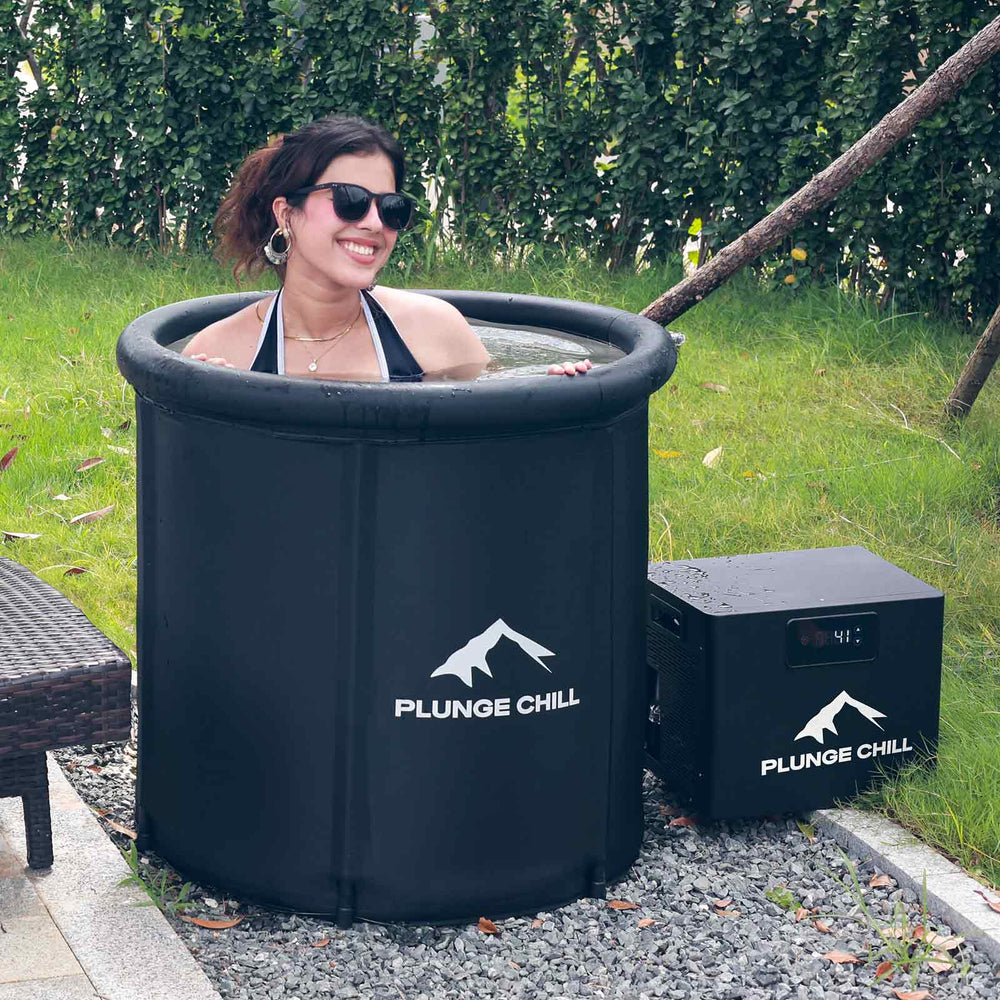
As a sports rehabilitation specialist and strength coach who also tests cold plunge products, I get asked one question more than any other: how cold should the water be for recovery. There is no single number that fits every body and every goal, but there is a therapeutic range where physiology and practicality meet. This guide translates the best available evidence into clear temperature targets, dose recommendations, and decision points, with a pragmatic eye to safety and product selection.
The Therapeutic Range in Plain Terms
Cold-water immersion for recovery means submerging the body in deliberately cold water to create a brief, controlled stress that triggers a cascade of beneficial responses. Across clinical and performance sources, the most consistent therapeutic range for recovery sits between 50°F and 59°F. Within that band, two patterns stand out. First, beginners fare better starting warmer and shorter as they learn to control breathing and exit calmly. Second, colder is not automatically better; for many recovery goals, the mid‑50s perform as well or better than the 40s because they deliver an adequate stimulus without overwhelming the system.
The ceiling and floor help anchor expectations. For general wellness and mood, 55–65°F is often tolerable and still effective. For advanced users prioritizing anti‑inflammatory effects and mental toughness, sub‑50°F exposures are possible but usually shorter and demand strong controls. For safety reasons, most medical guidance places a practical lower bound around 40°F, with novices staying well above that. These ranges synthesize guidance from Cleveland Clinic, Mayo Clinic Health System, Runners World coverage of protocol studies, and practitioner summaries from Coldture, FireColdPlunge, and BlueCube Baths.
How Temperature Works on the Body
Temperature determines both the intensity of the stimulus and how long you can stay in. Cold induces rapid vasoconstriction that shunts blood centrally, decreases local tissue temperature and metabolism, and can limit inflammatory signaling and swelling. Upon exit and rewarming, vasodilation increases flow again, which helps flush metabolites and restores muscle temperature. Immersion itself increases hydrostatic pressure around the limbs, shifting fluid into the vascular compartment and transiently increasing cardiac preload and output without additional metabolic cost; this partly mimics “active recovery” physiology, especially at moderate temperatures, as reviewed in PubMed Central reports.
Neurochemistry is often discussed as a mechanism. Experienced users report a robust catecholamine “wake‑up” effect, and several summaries describe dopamine and norepinephrine rises. Some claims quantify very large dopamine increases after extremely cold, brief exposures; those numbers are not consistently replicated in peer‑reviewed, exercise‑recovery contexts.

What the Evidence Actually Shows
The evidence base is mixed because studies differ in temperatures, durations, the type of exercise stress, and what outcomes they measure.
A 2016 comparison summarized by Biohacker Supply reported that 59°F promoted recovery better than 41°F after intense exercise in an International Journal of Sports Medicine study, reinforcing the principle that the mid‑50s can be more “therapeutic” for recovery than very cold extremes. A systematic review and meta‑analysis available on PubMed Central found that cold-water immersion reduces perceived soreness at 24–72 hours after exercise, with no consistent changes in swelling or standard damage biomarkers, and with some immediate strength reductions right after immersion. Cleveland Clinic and Mayo Clinic Health System echo practical benefits for soreness and recovery while emphasizing short exposures and strong safety practices.
On training adaptations, caution is warranted. Ohio State University’s overview highlights data that cold-water immersion can blunt long‑term hypertrophy and strength signaling if used immediately after lifting, consistent with prior reports in Journal of Physiology and Journal of Strength & Conditioning Research. For endurance or mixed training, benefits appear more permissive. Harvard Health reported a PLOS One analysis of eleven studies that noted heterogeneous methods; some improvements emerged, such as reduced stress at delayed timepoints and better sleep in men, but the overall picture was inconsistent across protocols.
One research note from the University of Oregon (OregonNews) observed slight changes in blood‑vessel shear stress after a 15‑minute cold-water immersion and improvements in mood three hours later, suggesting another plausible cardiovascular mechanism beyond local tissue cooling. Notably, the water temperature was not specified in that summary, which limits practical translation.
Reconciling Conflicting Protocols
You will see published recommendations that diverge widely. Cleveland Clinic describes beginners starting with one to two minutes and typical sessions around three minutes, with advice not to exceed five minutes at recovery temperatures. Runners World coverage of applied protocols describes 48–59°F for about ten to fifteen minutes. Ohio State University notes 50–59°F for ten to twenty minutes in recovery contexts. Commercial guides from Coldture and FireColdPlunge describe two to five minutes at about 50–57°F as effective for soreness and inflammation, highlighting weekly totals near eleven minutes as a workable target for some users. That weekly accumulation target is popularized and plausible but not yet standardized in controlled trials.
These conflicts likely stem from differences in what is being measured (subjective soreness versus strength or power versus molecular signaling), who is being studied (elite athletes versus recreational exercisers), when the cold occurs relative to training, and the exact definitions used for “cold plunge” and “immersion.” When recovery comfort is the priority, shorter sessions in the mid‑50s align with medical guidance and reduce risk. When experimenting with longer durations, it is best reserved for endurance phases and always with a thermometer, a partner, and a rewarming plan.

An Overlooked Nuance: Mood and “Cooler” Water
Not every benefit requires very cold water. A controlled head‑out immersion study around 68°F for five minutes found acute increases in positive affect and changes in large‑scale brain network connectivity on fMRI, consistent with many users’ reports of a noticeable mood lift even at “cool” rather than “frigid” temperatures, as documented in PubMed Central. This helps explain why many wellness users settle near 60–65°F for alertness and stress regulation without the discomfort of deep‑cold exposures.
A second nuance concerns gender and starting temperature. A Glen Ivy wellness summary highlighted that women may benefit from warmer starting temperatures in the 55–65°F range, citing possible differences in body composition and hormonal responses. At present this is a practical observation rather than a prescriptive rule.

Goal‑Based Dosing You Can Use
The right dose depends on your objective and your recent training. Use the table below to set your baseline, then adjust a few degrees and minutes based on comfort and recovery markers such as soreness, sleep, and next‑day performance.
Goal |
Temperature (°F) |
Typical Session Time |
Notes and Evidence |
General recovery after training |
50–59 |
2–5 minutes |
Widely recommended for soreness and inflammation; aligns with Coldture, FireColdPlunge, and FunOutdoorLiving summaries; Cleveland Clinic supports short sessions. |
Endurance‑dominant recovery |
48–59 |
5–15 minutes |
Longer exposures appear in Runners World and Ohio State University summaries; monitor for numbness and exit early if control declines. |
Strength or hypertrophy phases |
50–59, or defer |
3–5 minutes on rest days |
Avoid immediately post‑lift to prevent blunting strength/hypertrophy signaling; Ohio State University and Mayo Clinic Health System advise waiting about a day or two after heavy lifting. |
Mood/alertness and stress regulation |
55–65 |
1–3 minutes |
Useful for mental clarity without heavy physiological load; fMRI and affect data at “cool” temperatures support this; extend only if comfortable. |
Advanced “deep chill” stimulus |
39–49 |
1–3 minutes |
Experienced users only; higher risk and shorter tolerances; Cleveland Clinic lists 39–50°F for advanced users, with strong safety controls. |
Timing Around Workouts
When soreness relief and faster turnaround matter for endurance or mixed conditioning, cold immersion within about thirty minutes can be useful, as practical summaries note. When building muscle and strength is the primary goal, defer cold immersion twenty‑four to forty‑eight hours after lifting, because the inflammatory signaling you feel as soreness is also part of the adaptive process and is sensitive to cold. This distinction explains much of the “helped” versus “hurt” debate: the same cold exposure that soothes soreness can suppress the molecular signals that tell muscle to grow.
Pre‑workout plunges are best handled with caution. Brief exposures near 50°F for five to ten minutes have been reported to aid cycling performance in specific contexts, but many trainees experience transient stiffness from vasoconstriction. When in doubt, keep any pre‑session immersion very brief and warmer, and verify with your own time‑trial performance rather than assumed benefits.

Protocol Setup: How to Do It Well
The best protocols are the ones you can repeat safely three or four times a week without derailing training. I have athletes exhale before entry, lower in slowly to chest depth, and focus on long, controlled exhalations once immersed. Partial submersion is acceptable early on. If panic spikes or breathing gets erratic, raise the chest slightly and shorten the session. Most of the benefit comes from consistency over weeks, not heroics on a single day.
Rewarming strategies matter. Allow a natural rewarm through light activity, dry clothes, and a warm beverage rather than jumping immediately into very hot water, especially after short sessions; for longer immersions in cold weather, a brief sauna or warm room can help restore comfort without excessive drowsiness.
Contrast therapy is a valid option for some users. Alternating about five minutes of heat near 100–110°F with one minute of cold in the 50–59°F range for two or three cycles, finishing cold, can enhance circulation and reduce pain in practice‑based reports from Coldture. Use caution with dizzy spells, and never combine contrast cycles with maximal strength days.

Safety and Contraindications
Cold shock can spike breathing and heart rate. Cardiovascular strain, hypothermia, frostbite, and reduced motor control are real risks if you push too far or go too cold. Cleveland Clinic and Mayo Clinic Health System emphasize short, tolerable exposures with a thermometer, a partner, and a rewarm plan. People with heart disease, high blood pressure, diabetes, epilepsy, neuropathies, poor circulation, cold agglutinin disease, or open wounds should consult a clinician before starting; if you are not sure, treat yourself as high‑risk until cleared. Never plunge under ice, in rivers, or anywhere without safe exits.

Product Selection: What Matters in a Cold Plunge
As a product reviewer, the features that make a difference over months of use are precise temperature control, reliable filtration, easy cleaning, and noise and energy efficiency. A chiller that can hold 50–59°F consistently under your real ambient conditions is more useful than a unit that can briefly hit 39°F but fluctuates day to day. Integrated filtration, ozone or UV sanitization, and accessible filter changes reduce skin and eye irritation risk; several commercial units advertise cleaning cycles of up to multiple weeks between water changes, which is realistic only if filters and chemistry are maintained as directed. A durable tub shell, comfortable seating depth for neck‑to‑chest immersion, a quick‑drain, and a readable thermometer make daily use smoother.
Budget ranges in the market vary widely. Dedicated plunge tubs with integrated chillers typically run from about $2,000.00 to $15,000.00, according to retail roundups, and full‑featured personal tanks can reach about $20,000.00 as noted by Mayo Clinic Health System. DIY ice‑in‑a‑tub approaches are inexpensive but require ongoing ice logistics and temperature fluctuation management. For most users who plan to plunge several days per week, a controlled chiller and filtration system improves consistency, safety, and hygiene.

Water Care and Hygiene
Water cleanliness is not optional. Keep filters on the manufacturer’s replacement schedule, and avoid overdosing cleaning agents that can irritate skin and eyes; rinse thoroughly after cleaning, as Coldture points out. Measured pH and total dissolved solids help you stay ahead of cloudiness. If multiple users share a tub, err warmer and shorter while you validate sanitation. Skin breaks, rashes, or unusual eye irritation are cues to change the water and review your chemistry before next use.
Protocols by Publisher: A Quick Comparison
Different publishers emphasize different outcomes. The table below shows how their temperatures and times align and where cautions apply.
Publisher |
Temperature (°F) |
Session Time |
Context or Caution |
Cleveland Clinic |
50–59 (beginners); 39–50 (advanced) |
Start 1–2; typical ~3; avoid >5 |
Keep sessions short; verify temperature; use a partner and a rewarm plan. |
Ohio State University |
50–59 |
10–20 |
Evidence mixed; avoid immediately post‑lift due to adaptation blunting. |
Runners World (study coverage) |
48–59 |
10–15 |
Protocol adherence matters; many users go too cold for too short. |
PubMed Central meta‑analysis |
Various within 45–59 |
30 seconds–15 minutes |
Soreness reductions at 24–72 hours; immediate strength reductions can occur. |
Coldture |
50–60 |
2–10; weekly total near 11 minutes |
Practical guidance; personalize; weekly total is emerging guidance. Confidence on weekly total: Low; verify with dose–response trials. |
FireColdPlunge |
55–60 (starter); 50–55 (intermediate); 39–50 (advanced) |
2–3 (starter); 3–5 (common); 5–8 only when acclimated |
Dose to training; colder/shorter on hard days; warmer/longer on rest days. |

Pros, Cons, and Practical Trade‑offs
The upside is clear enough for many athletes and recreational trainees. Cold plunges reduce perceived soreness across the first three days after training, can support faster turnarounds between sessions, and often improve sleep and alertness through autonomic “reset” effects noted by Cleveland Clinic, Mayo Clinic Health System, and PubMed Central reviews. The downsides are equally practical. If you use cold immediately after lifting, you risk blunting the very signals that build muscle and strength. Go too cold or too long and the session becomes a stress that adds fatigue rather than aiding recovery, with risks that escalate in people with cardiovascular or metabolic disease.
My threshold in the clinic is simple. If a user cannot maintain slow exhalations, coherent speech, and purposeful movement, the dose is already too high. When we keep the water in the 50s and the clock under five minutes for most exposures, compliance stays high and next‑day training data improves. When we chase extremes, attendance drops, and red‑flags appear.
Buying Tips I Give My Athletes
Pick the tub you will actually use. A garage unit with a stable chiller and filtration that lets you walk out, plunge for three minutes, dry off, and get on with your day beats a showroom marvel you avoid because the controls are fussy or the water is inconsistent. Ensure the unit can hold your target temperature in your climate, not the manufacturer’s lab. Demand a readable, reliable thermometer and a maintenance plan that fits your weekly schedule. If your budget leads you to ice‑and‑tub solutions, be honest about ice logistics, and accept more warming drift and variable dosing; track temperature and exit earlier when uncertain.
Takeaway
For recovery, the therapeutic range lives in the 50s. Most people will get the bulk of benefits at 50–59°F in two to five minutes, repeated several days per week, with shorter, warmer entries for beginners and brief, deeper chills reserved for advanced users who can manage the risks. Use colder and longer only with clear goals and controls. If you lift for size and strength, save the plunge for the next day. Keep water clean, measure temperature every session, and buy for precision and ease rather than extremes. In the long run, the session you complete safely and consistently is the one that moves your recovery forward.
FAQ
Q: What temperature should I use for recovery after a workout A: For most people, 50–59°F delivers the best balance of anti‑inflammatory benefits and tolerability. Keep exposures short at first and extend only as your breathing and control remain steady, consistent with Cleveland Clinic and PubMed Central summaries.
Q: Is it okay to cold plunge right after lifting weights A: If your goal is muscle and strength, wait a day or two. Reviews summarized by Ohio State University and Mayo Clinic Health System indicate that immediate post‑lift cold can blunt the molecular signaling that drives hypertrophy and strength gains.
Q: Does 65°F do anything useful A: Yes, especially for mood, alertness, and gentle autonomic reset. A controlled study around 68°F for five minutes improved positive affect and brain network connectivity on fMRI. For soreness and inflammation control, the mid‑50s are usually more effective.
Q: How often should I plunge each week A: Two to four sessions per week work well for many. Some practical guides mention around eleven minutes total per week as a useful target across multiple sessions.
Q: Should I fully submerge and for how long A: Chest‑deep immersion is sufficient for most recovery goals. Begin with one to three minutes and progress toward two to five minutes as tolerated in the 50–59°F range. Exit sooner if shivering becomes uncontrollable or your breathing loses rhythm, following Cleveland Clinic safety guidance.
Q: What about contrast therapy with heat and cold A: Alternating several minutes of heat near 100–110°F with about a minute in 50–59°F, for two or three cycles and finishing cold, is a practical option reported by Coldture to aid circulation and pain. It is not mandatory for recovery and should be avoided immediately after heavy strength training days.
Editor’s Note on Evidence Quality
Where sources disagree, it is usually because they measured different outcomes at different time points in different populations using different temperatures and times. That is why this guide anchors on the middle of the range, emphasizes short exposures, and pairs every protocol with a clear purpose and safety guardrails.
References
- https://www.health.harvard.edu/staying-healthy/research-highlights-health-benefits-from-cold-water-immersions
- https://www.mcphs.edu/news/physical-therapist-explains-why-you-should-chill-out-on-ice-baths
- https://news.uoregon.edu/content/cold-plunging-might-help-heart-health-new-research-suggests
- https://sncs-prod-external.mayo.edu/hometown-health/speaking-of-health/cold-plunge-after-workouts
- https://pmc.ncbi.nlm.nih.gov/articles/PMC2938508/
- https://health.osu.edu/wellness/exercise-and-nutrition/do-ice-baths-help-workout-recovery
- https://paintrail.pmr.med.ufl.edu/tag/cold-water-immersion-therapy/
- https://health.clevelandclinic.org/what-to-know-about-cold-plunges
- https://www.mayoclinichealthsystem.org/hometown-health/speaking-of-health/cold-plunge-after-workouts
- https://biohackersupply.com/pages/cold-plunge-temperature?srsltid=AfmBOooGp0nDMYz2J7Ldndvmqdz0TEWjJfNVfB3J7NuvXn9QJ4EGRO1i