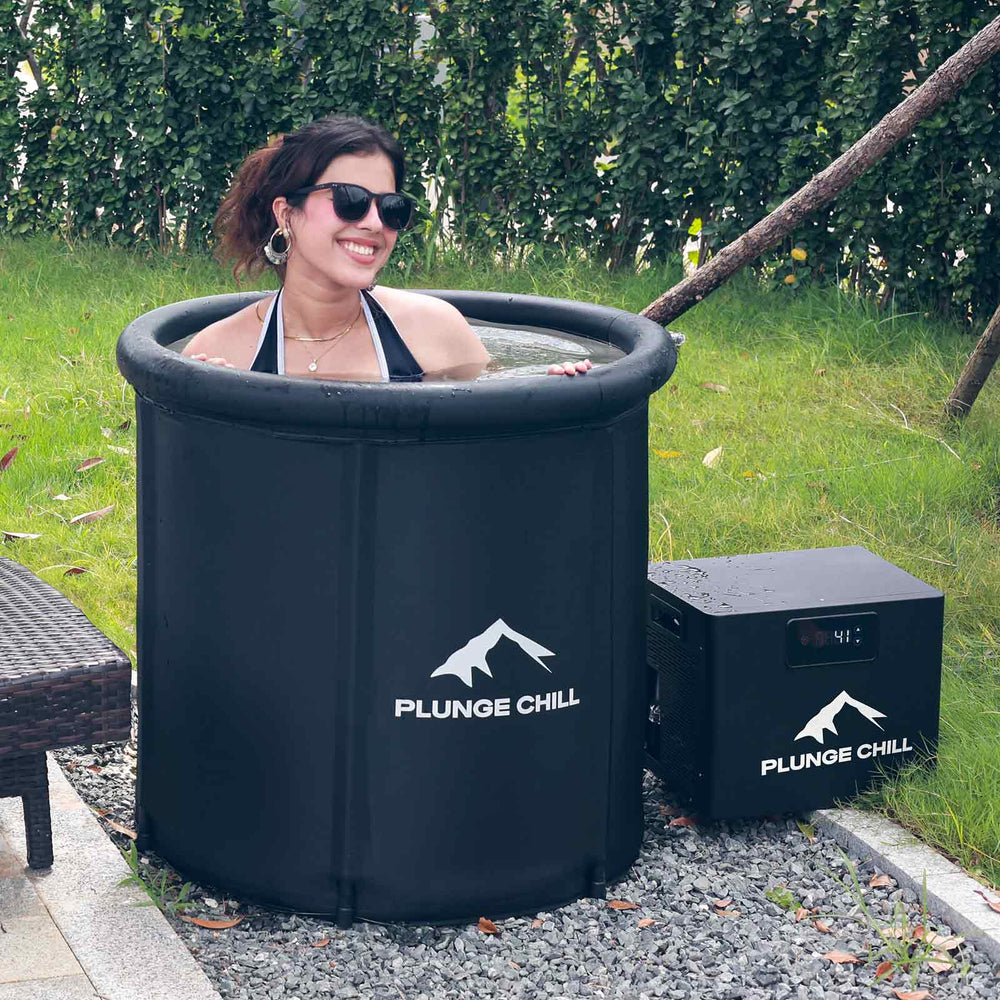
Cold plunging outdoors in winter is both compelling and unforgiving. As a sports rehabilitation specialist and strength coach who has supervised outdoor immersions from team facilities to backyard stock tanks, I value the discipline and the clear-headed calm many athletes report. I also respect the physics, physiology, and product details that make winter use safe and sustainable. This guide consolidates what we know from sports medicine and rehabilitation with product-focused, cold-weather operations so you can choose the right equipment, run it reliably through freezing spells, and use it in a way that serves your goals without compromising health or performance.
Why Plunge in the Cold—And Why Winter Magnifies the Challenge
Cold-water immersion is deliberate exposure to uncomfortably cold water for short bouts to trigger predictable physiological responses. In practice that means keeping water near 50–59°F for beginners and, for well-adapted users, occasionally dipping toward the 40s. Winter amplifies both benefits and risks because ambient cold adds wind, evaporation, and ice to the equation. People often report improved mood, a calmer nervous system, reduced soreness, and quicker cool-downs after exertion. Clinical and academic sources including Cleveland Clinic, Stanford Lifestyle Medicine, and a 2024 scholarly review note plausible mechanisms such as vasoconstriction followed by vasodilation, shivering thermogenesis, catecholamine and endorphin surges, and activation of brown adipose tissue that increases heat production and glucose uptake.
At the same time, evidence quality is uneven. Case Western Reserve University points out that many claims remain anecdotal or derive from small, selective samples, often cold-water swimmers. The American Heart Association underscores the acute danger of cold shock and the speed at which hypothermia develops in water. Winter is the right season to get serious about definitions, dosing, and device capabilities, because errors outdoors are less forgiving.

What Happens to the Body: From Cold Shock to Adaptation
Immediate immersion in cold water triggers a rapid spike in breathing, heart rate, and blood pressure. This cold shock response is why the first 10 to 60 seconds are the riskiest, especially if the face goes under and a gasp reflex pulls water into the airway. Blood vessels constrict to preserve heat, shunting flow toward the core and away from hands and feet; on exit, vessels reopen and oxygen‑rich blood returns to the muscles. Shivering increases heat production and, as Case Western Reserve notes, also drives muscle glucose uptake and a transient bump in metabolic rate.
Repeated exposures blunt the shock and can build stress resilience. Stanford Lifestyle Medicine describes reduced cortisol after sessions and sustained noradrenaline responses across weeks of practice, which aligns with many users’ reports of elevated focus and mood. The University of Utah Health conversation highlights another trend signal: roughly 11 minutes per week across two to four short immersions is widely used in practice. That dose guideline is reasonable for healthy, adapted adults, but it is not a randomized-trial standard and should be scaled to the individual.
One nuance often missed is the difference between modalities. Case Western Reserve distinguishes cold showers that primarily cool the skin and peripheral tissues from full plunges that cool the core more efficiently. The body experiences them differently, so expectations for recovery, mood, or sleep should be calibrated accordingly.
Safety First: Risk Management for Outdoor Winter Use
Safety begins with medical screening and environment control. Cleveland Clinic and Mayo Clinic Health System both advise medical clearance for people with cardiovascular disease, poorly controlled hypertension, peripheral neuropathy, Raynaud’s, diabetes, or conditions that impair circulation or sensation. Beta‑blockers blunt the adrenergic response and can interfere with adaptation to cold shock; consult your clinician if you take them. The American Heart Association warns that sudden immersion under 60°F can be dangerous; water removes heat far faster than air, and ice or moving water adds entrapment hazards.
The first minute demands deliberate breath control. Enter slowly, keep the head above water, and stabilize the breath before increasing immersion depth. Community guidelines used by winter swimming groups emphasize never going alone, planning a simple exit, and staging warm clothing within arm’s reach. In open water, verify depth, currents, visibility, and ice stability before entry. Outdoor tubs should sit on non‑slip surfaces protected from wind.
Rewarming deserves as much planning as entry. The safest baseline is to dry off quickly, get into warm layers, and walk gently until fine motor control returns. Some performance protocols encourage allowing the body to reheat naturally to extend shivering and metabolic effects; that choice belongs to individuals without risk factors and in controlled settings. If you feel dizzy, confused, or profoundly cold, prioritize rapid rewarming and safety over any training benefit.
An overlooked factor outdoors is how fast you cool after you get out. Because evaporative heat loss from wet skin is intense in wind, you can continue getting colder even when the plunge has ended. Morozko Forge frames this as a kind of post‑plunge “cold overdose” driven not by time submerged but by evaporative loss in the air; the fix is simple—dry off immediately and shield from wind.

Dosing That Respects Physiology—and Your Training
For beginners, Cleveland Clinic suggests starting around 68°F and moving toward 50–59°F as tolerance builds, staying one to two minutes at first and working toward three minutes as a typical session. For adapted users, sessions in the 40s can be well‑tolerated in calm water for two to five minutes. Avoid going below 40°F unless you are highly acclimated, supervised, and operating in an environment you control. The weekly total time popularized by practitioners is around 11 minutes; that is a useful ceiling for many healthy adults, not a universal minimum.
The timing relative to training matters. Both Mayo Clinic Health System and sports‑medicine clinicians caution that cold immersion too soon after lifting can blunt hypertrophy signaling. If strength and size are your priority, avoid immersing within several hours after resistance training, and consider scheduling plunges on recovery days or before training. Endurance adaptations seem less sensitive, but very cold or very long immersions can still sap next‑day readiness.
Because winter ambient cold compounds water cold, perceived intensity is higher outdoors. That means your summer dose does not directly translate to January. Scale time down, shorten exposure when wind rises, and respect how numb hands make movement clumsy around icy decks and ladders.
Operating Outdoor Plunges in Freezing Weather
Cold-weather operations revolve around one goal: prevent ice formation in plumbing and control heat loss. The practical levers are circulation, insulation, and freeze‑protection hardware, plus a realistic understanding of your unit’s limits.
Continuous water movement raises freeze resistance and prevents thermal stratification so the temperature you read matches what you feel at depth. Product guidance from Morozko indicates running the filtration pump continuously in freezing conditions and notes a heated filter design intended to keep components above freezing as ambient temperatures drop near the high 30s. Brand materials suggest that with heat on the filter and 24/7 circulation, plumbing protection extends to roughly 10°F ambient. That figure is product‑specific and should not be generalized.
Insulation and wind shielding slice energy loss dramatically. Evaporative loss from open water dominates in wind, while conduction into a cold deck and convection from frigid air do the rest. A tight, insulated cover limits evaporation and radiation; foam or rubber underlayment insulates the base; wind‑sheltered placement reduces convective losses. Plungecrafters describes these heat‑loss modes and advocates forced circulation to keep temperature uniform. One brand claim suggests circulation may reduce bacterial growth meaningfully; the precise “percent reduction” depends on chemistry and filtration.
Some all‑in‑one units publish explicit winter thresholds. Redwood Outdoors notes a minimum operating temperature in the low 20s for specific models and emphasizes that freeze protection only works if power and pumps are on. When in doubt, keep water moving and the system powered, or proactively winterize before a hard freeze. If you expect sustained lows below your unit’s specification, assume you must winterize or add a submersible de‑icer designed for the application and wired to a GFCI‑protected circuit.
Winterizing When You Won’t Be Running the Tub
If you cannot keep pumps on and water circulating through a cold spell, winterize—completely. Eternal Ice Bath outlines a sequence that is widely applicable: power down the chiller, disconnect hoses gently to avoid stressing fittings, plug the tub ports, drain the chiller fully by tipping at different angles until drips stop, and purge residual water from hoses and tight passages with compressed air. Then leave the chiller in a warm, dry area for a few days before storing it above freezing, ideally in a heated garage or basement with a dust cover. Clean the tub with mild soap, secure the insulated cover, and, if you plan to leave water in a non‑circulating tub for short intervals, use a purpose‑built de‑icer and stir or swish the water regularly to prevent a solid freeze. These steps prevent freeze‑expansion cracks that can ruin pumps, housings, and fittings in a single night.
Model‑specific guidance matters. Redwood Outdoors distinguishes between standard and deluxe chillers with different storage thresholds. Read your manual, label valves and ports before you pull hoses, and take photos during disassembly so recommissioning in spring is straightforward.

Water Quality and Hygiene Don’t Hibernate
Cold water slows but does not stop biology. Outdoor water collects debris and organics quickly, especially in wind. Keep the lid shut whenever possible, clean strainers and filters on the manufacturer’s schedule, and maintain sanitizer and pH within your system’s targets. Ozone and UV systems reduce reliance on halogens but do not eliminate the need to manage organic load. Because hands and feet get numb in winter, prep your area so you can open and close valves, lids, and skimmers without fumbling. A small staging table with test strips, towels, and a headlamp avoids juggling wet gear in the cold.

A Practical Dosing and Operations Snapshot
User Stage |
Water Temperature |
Typical Session Duration |
Notes |
Beginner |
50–59°F |
1–3 minutes |
Start warmer and shorter; keep head above water; focus on breathing; have a buddy. Sources: Cleveland Clinic; Stanford Lifestyle Medicine. |
Adapted user |
45–50°F |
2–5 minutes |
Build gradually; consider 11 minutes total per week split across sessions; avoid immediately after lifting. Sources: University of Utah Health; Mayo Clinic Health System. |
Advanced open‑water winter swim |
Near‑freezing to low 40s°F |
Brief dips or tightly supervised sets |
Requires habituation, spotters, and a rehearsed exit; currents, ice, and wind escalate risk sharply. Source: American Heart Association. |
Values reflect common practice ranges rather than prescriptive rules. Individual tolerances vary widely; when in doubt, err warmer and shorter.

Buying for Cold Climates: Features That Matter
Feature |
Winter Function |
What to Look For |
Notes/Sources |
Freeze‑protection heat on filter/pump |
Prevents ice damage in plumbing |
Integrated heater with sensor; published operating thresholds |
Example: Morozko describes heated filters for cold snaps; Redwood publishes model thresholds. |
24/7 circulation mode |
Inhibits freeze and equalizes water temperature |
Manual override for continuous pump; low‑temperature automatic run |
Continuous circulation is a staple of winter operation across brands. |
Insulated hard cover |
Cuts evaporation and radiation losses |
Tight seal, locking straps, durable insulation |
Reduces heat loss and debris ingress outdoors. |
Insulated base and wind shelter |
Reduces conduction and convection losses |
Foam/rubber underlayment; placement out of prevailing wind |
Particularly important on decks and concrete pads. |
Removable chiller plumbing |
Enables full winterization |
Quick‑connects, labeled ports, drain‑friendly layout |
Eternal Ice Bath details effective disassembly and storage. |
Sanitation hardware |
Keeps water safe in the cold |
Ozone/UV, filter access with gloves on, clear service path |
Cold doesn’t replace sanitation; easy maintenance matters. |
Electrical safety |
Prevents catastrophic faults outdoors |
GFCI protection, weatherproof enclosures, tested cords |
Winter moisture demands proper protection and inspection. |
Price ranges vary from stock tanks under $200 with ice purchases to fully featured units costing several thousand dollars. Decide whether you will run year‑round in your climate or winterize and store the chiller; the answer guides the premium for freeze‑protection hardware and controls.
Programming for Athletes: Integrating Winter Plunges Without Blunting Gains
Cold has a place in performance and rehab plans when the goal is reducing acute soreness, cooling rapidly after heat exposure, or creating a deliberate psychological challenge. The same cold can mute the cell signaling that drives muscle growth if used immediately after heavy lifting. I program cold before resistance sessions in athletes who value alertness or use it on non‑lifting days for mood and resilience work. Endurance athletes can use short, moderate immersions farther from key training sessions without obvious downside, though very cold or prolonged exposures are still fatiguing.
Mood support is a reasonable goal in winter. Stanford Lifestyle Medicine reports rapid improvements in tension and vigor after cold dips in small human studies, and brand content from Ice Barrel highlights seasonal mood patterns that often worsen in winter. If mood is your primary target, consistency and tolerability matter more than chasing the coldest possible number.
Gaps, Nuance, and Conflicts to Navigate
Immune function is a frequent point of confusion. Case Western Reserve notes that studies showing higher white blood cell counts are often in habitual cold‑water swimmers who also train hard; exercise alone raises several immune markers. Meanwhile, brand narratives suggest broad immunity boosts. The likely causes of disagreement are selection bias, differing definitions of “cold exposure,” and the timing of measurements relative to exercise. A measured position is that short, regular immersions may contribute to resilience and perception of health but should not be treated as an immune therapy.
Another friction point is protocol design. Some practitioners advocate finishing cold and allowing natural rewarming to extend shivering and metabolic effects; others prefer immediate reheat for comfort and safety. The first approach targets adaptation; the second prioritizes risk control in harsh weather. Choose based on context and medical status.
Product claims about minimum ambient temperatures and circulation benefits are necessarily model‑specific. One brand cites safe operation with heat and flow down to about 10°F ambient; another publishes a minimum in the low 20s. These differences reflect hardware design, sensor placement, and test conditions. Always default to your unit’s manual and prepare to winterize before forecast lows reach your device’s limit.

A Few Field Lessons That Pay Off
The exit tends to be where people make mistakes. Cold‑numb hands fumble with latches and zippers; wet feet slip on icy decking. Pre‑stage towels, a robe, socks, and shoes in the order you will put them on, and set a small mat at the exit. On windy days, your water can be stable at 45°F while your deck is a sheet of ice. The safest plan is to salt or sand the path before you open the lid. If you use a de‑icer, confirm it is compatible with your tub’s materials and wired to a GFCI outlet; some stock‑tank heaters are not designed for human immersion setups. Keep a waterproof thermometer in the water and a separate ambient sensor on the plumbing so you can see when a cold front pushes the system near thresholds.
Takeaway
Winter plunging rewards preparation. Keep dosing modest, respect the first minute, and avoid immediate cold after lifting if you care about strength gains. Run water continuously and protect plumbing whenever the weather turns hard, or winterize thoroughly before the first true freeze. Choose equipment with freeze‑protection features that match your climate and plans. Treat mood and focus improvements as legitimate goals supported by small studies and extensive field experience, while remaining honest about evidence limits in general populations. If you do those things consistently, winter cold can become a safe, durable part of your recovery and resilience toolkit.
FAQ
How cold should my outdoor plunge be in winter?
For most beginners, water between 50 and 59°F provides a strong stimulus without overwhelming shock. Adapted users sometimes work in the 40s, but pushing below 40°F increases risk and demands stricter controls. In open water, currents and wind can make the same temperature feel harsher than a sheltered tub, so scale duration accordingly. Sources include Cleveland Clinic and the American Heart Association.
How long should I stay in?
A practical range is one to three minutes for beginners and two to five minutes for adapted users. Many practitioners cap weekly total time near 11 minutes. In winter, respect that ambient conditions add load and shorten sessions when wind rises. If your goal is hypertrophy, avoid immersing within several hours after lifting, as noted by Mayo Clinic Health System.
Do I need to keep the pump running 24/7?
In freezing weather, continuous circulation is one of the best defenses against ice formation in plumbing and helps keep temperature uniform. Several manufacturers and practitioners recommend running pumps continuously if you intend to operate outdoors during hard freezes. Pair circulation with an insulated cover, wind shelter, and, where designed, built‑in freeze‑protection heat on filters. Always follow your unit’s manual for temperature thresholds.
Is it safer or better to warm up immediately after?
For purely safety‑focused use, drying off quickly, layering up, and moving gently is the default. Some performance protocols suggest ending with cold and reheating naturally to extend shivering and metabolic effects; this is best reserved for healthy, habituated users with a controlled environment.
Can cold plunges really improve my immune system?
Short, regular exposures may contribute to resilience and how you feel, and some small studies and brand reports note favorable markers. However, academic reviewers emphasize that immune changes seen in cold swimmers may be driven by the exercise they do rather than temperature alone. Treat cold exposure as an adjunct to foundational health habits, not a replacement for them. Sources include Case Western Reserve University and Stanford Lifestyle Medicine.
Should I buy an all‑in‑one unit or build a DIY stock tank setup?
If you intend to run year‑round in a cold climate, an all‑in‑one unit with published winter operating thresholds, freeze‑protection on filters, and continuous‑run controls reduces operational risk. DIY setups are economical but require stricter discipline and earlier winterization. Look for insulated lids, accessible filters, GFCI‑protected electrics, and clear manuals describing freeze management. Brand guidance from Redwood Outdoors, Morozko Forge, and Eternal Ice Bath highlights these features and trade‑offs.
References
- https://case.edu/news/science-behind-ice-baths-and-polar-plunges-are-they-truly-beneficial
- https://www.rutgers.edu/news/what-are-benefits-cold-plunge-trend
- https://lifestylemedicine.stanford.edu/jumping-into-the-ice-bath-trend-mental-health-benefits-of-cold-water-immersion/
- https://sncs-prod-external.mayo.edu/hometown-health/speaking-of-health/cold-plunge-after-workouts
- https://pmc.ncbi.nlm.nih.gov/articles/PMC11872954/
- https://healthcare.utah.edu/the-scope/mens-health/all/2024/04/171-cold-hard-facts-about-cold-plunging
- https://health.clevelandclinic.org/what-to-know-about-cold-plunges
- https://www.mayoclinichealthsystem.org/hometown-health/speaking-of-health/cold-plunge-after-workouts
- https://www.uclahealth.org/news/article/6-cold-shower-benefits-consider
- https://www.heart.org/en/news/2022/12/09/youre-not-a-polar-bear-the-plunge-into-cold-water-comes-with-risks