Cold rivers and snow-fed lakes are part of the romantic image of Indian yogis: a practitioner seated in freezing water for hours, seemingly immune to pain. As a sports rehabilitation specialist and strength coach who also reviews modern cold plunge systems, I hear versions of this story every week. Athletes and serious yogis ask whether they should try multi‑hour ice sessions to unlock “hidden” physiological or mental benefits.
When you strip away the mythology and look at the data, a very different picture emerges. Modern research strongly supports short, controlled cold-water immersion for certain goals, and it just as clearly warns against unnecessary extremes. The “secret” is not three hours of ice; it is how precisely you dose minutes, temperature, and timing around your training.
In this article, I will unpack what happens to your body in icy water, how that interacts with yoga and strength training, and how to design evidence-based protocols using cold plunge tubs, bathtubs, or natural water without sabotaging your progress.
Myth of Three-Hour Ice Baths vs What Science Actually Shows
Stories of yogis meditating in frigid water for hours are, at best, anecdotal. By contrast, the modern scientific literature on cold water immersion is surprisingly consistent about one thing: effective exposures are short.
A large body of work summarized by sports and medical centers such as Ohio State University, Mayo Clinic, and a 2024 meta-analysis of 55 trials shows that most therapeutic protocols use roughly 10–20 minutes in water around 50–59°F. In yoga- and wellness-oriented settings, many guidelines are even shorter: two to five minutes at similar temperatures after class. A recent review in a leading aging and hydrotherapy journal emphasized that brief, relatively intense exposures seem to drive the strongest physiological signals, while also noting that the evidence base is heterogeneous and still evolving.
There is virtually no controlled evidence that multi-hour immersions provide additional benefits beyond what you can obtain in the first several minutes. On the contrary, the risk profile climbs sharply with time. Cold shock, hypothermia, arrhythmias, and nerve injury are all time- and temperature-dependent. Organizations that oversee winter swimming events classify “cold,” “freezing,” and “ice water” in tight bands below 50°F precisely because these conditions can become dangerous rapidly.
A simple comparison from a Rutgers overview of cold plunging illustrates the difference between social media expectations and physiology. Cold exposure does activate brown fat and slightly increases calorie burn, but typical sessions may expend on the order of 20–50 extra calories, about the energy in a single cookie. Extending the plunge to hours mainly compounds stress on your cardiovascular and nervous systems without transforming your metabolism.
In other words, the three-hour ice practice makes for compelling storytelling. For actual performance, recovery, and health, the evidence supports strategic minutes, not heroic marathons.

What Ice Water Really Does to Your Body
To use cold exposure intelligently, you need a clear picture of the underlying physiology. Across multiple sources, including Ohio State University, Lake Nona Performance Club, Mayo Clinic, controlled trials in resistance-trained athletes, and recent reviews in aging and exercise journals, the same core mechanisms repeatedly appear.
When you enter cold water around or below 59°F, skin and superficial tissues cool rapidly. Blood vessels in your limbs constrict, shunting blood toward the core. This vasoconstriction reduces local blood flow, swelling, and metabolic activity. Nerve conduction slows, which dampens pain signaling. In the minutes after you exit the water, vessels re-dilate and warmer blood returns to the limbs, delivering oxygen and nutrients and flushing metabolic waste products such as lactate.
At the same time, your nervous and endocrine systems mount a major response. Cold exposure triggers a spike in catecholamines like adrenaline and norepinephrine, as well as endorphins. Studies summarized by performance centers and neuroscientists report large increases in these neurotransmitters and hormones, which help explain the intense alertness and mood elevation many people feel both during and after a plunge.
Cold water immersion also activates brown adipose tissue, the metabolically active “brown fat” that generates heat. A 2024 healthy-aging review notes that this thermogenic response may modestly improve cardiometabolic markers, though hard outcome data in humans are still limited.
From an immune and inflammatory perspective, the picture is nuanced. Short-term cold exposure can acutely alter inflammatory markers and immune cell activity, sometimes increasing certain cytokines initially, then reducing soreness and perceived stress over the next 12–24 hours. Trials on cold showers and winter swimming show fewer self-reported sick days and changes in immune signaling, but reviews in Mayo Clinic publications and Harvard Health emphasize that the overall evidence is still preliminary.
An example from strength training research makes this concrete. In one controlled study of resistance-trained men, participants performed a heavy squat-dominant session, then either sat in circulating water around 50°F for 10 minutes or did low-intensity cycling. Six hours later, both groups repeated a submaximal squat test. The cold-water group lifted more total load in the final sets and reported less soreness and swelling, even though maximal strength was similar. Muscle temperature dropped substantially during immersion, then returned to baseline within about 20–25 minutes, illustrating how strong yet transient the cooling effect is.
For a yogi or athlete, that is the real secret of cold: very brief exposures can meaningfully change muscle temperature, pain perception, and readiness later the same day, without needing anything like a three-hour ordeal.

How Yogic Principles Align with Cold Plunge Physiology
Traditional yoga emphasizes breath control, concentration, and the ability to stay present with discomfort. Deliberate cold exposure, when done safely, trains the same systems.
Cold plunges produce an immediate “fight or flight” response: rapid breathing, elevated heart rate, and a strong urge to escape. Several studies and reviews on cold therapy, including those discussed by Mayo Clinic experts and neuroscientists, frame cold as a form of hormetic stress: a short, intense challenge that, repeated over time, can increase overall resilience. Regular cold exposure appears to sharpen the body’s transition from sympathetic activation to parasympathetic “rest and digest” recovery.
Yoga studios and wellness centers that pair hot yoga or infrared sauna with cold plunges leverage this contrast. Heat sessions drive vasodilation, relaxation, and sweating; the cold phase reverses vessel diameter, reduces swelling, and forces focused, controlled breathing. Research summarized by GeroScience and exercise science journals shows that this hot–cold alternation can enhance circulation and help clear metabolic byproducts, while separate work on breathwork and meditation indicates that these practices lower inflammation and perceived soreness.
In practical terms, a well-structured cold practice looks much more like a pranayama set than a three-hour vigil. For example, a vinyasa practitioner might finish a 60-minute class, spend two to four minutes in a plunge around 50–59°F while maintaining slow nasal breathing, then rewarm gradually. The physiological stress is sharp but brief. The “mental training” component arises not from excessive duration, but from repeatedly choosing to stay calm during a highly uncomfortable but tightly controlled window.

Recovery Benefits: When Cold Water Helps—and When It Hurts Progress
From a rehab and strength-coaching standpoint, the key question is not whether cold “works,” but what you want it to do. The scientific literature draws a clear line between short-term recovery benefits and potential long-term tradeoffs.
Short-Term Performance and Soreness
A 2024 meta-analysis aggregating 55 trials of post-exercise cold-water immersion found that 10–15 minutes at roughly 41–59°F after exercise reduced muscle soreness, improved performance measures like jump height, and lowered creatine kinase, a marker of muscle damage. Ohio State’s review of ice baths similarly notes reductions in delayed-onset muscle soreness (DOMS) and improved readiness for subsequent workouts, especially in endurance-type efforts.
The resistance-training study mentioned earlier, with a 10-minute plunge at about 50°F, showed superior submaximal squat performance six hours after the cold condition compared with active recovery, again with less soreness and swelling. Blood markers of muscle damage, such as myoglobin, were lower in the cold group, even though maximal strength did not differ.
For yoga and mixed training, evidence from hot yoga and yoga-plus-cold protocols is consistent. Post-class plunges of two to five minutes at 50–59°F have been associated with lower soreness, faster perceived recovery, and more restful sleep. Reviews cite improvements in deep sleep and reduced nighttime restlessness after regular cold immersion, which can indirectly support training quality.
In my own work with field-sport athletes who face tournaments or back-to-back games, cold immersion is sometimes the only way to maintain usable legs across several days. The same logic applies for teachers or advanced yogis running multiple long, heat-heavy sessions weekly: strategic cold can keep tissue irritation and DOMS manageable.
Long-Term Muscle and Strength Gains
The downside appears when cold becomes routine immediately after every strength-oriented session. Multiple studies summarized in sports physiology journals and by Mayo Clinic authors indicate that regular post-exercise cold immersion can blunt long-term hypertrophy and strength gains.
Mechanistic work using muscle biopsies has shown that chronic cold after resistance training can reduce muscle protein synthesis, interfere with anabolic signaling pathways like mTOR, and mute satellite cell responses. One detailed study comparing cold water immersion with active recovery found that many growth- and remodeling-related genes and proteins rose similarly in both conditions over 48 hours, yet other work from the same group and others demonstrated that, over weeks and months, people using post-lift cold immersion gained less muscle mass and strength than those using standard recovery.
Clinical guidance from Mayo Clinic and sports performance facilities has largely converged on a practical takeaway: cold water immersion is very useful during short, intense blocks—such as a two-week overload phase or multi-day tournament—but using it immediately after every resistance session across an entire season may meaningfully reduce training adaptations.
If your primary goal is muscle size or maximal strength, treating cold plunges like a daily ritual right after lifting is the wrong application of a powerful tool.
Ice Water and Yoga: From Himalayan Imagery to Studio Plunges
For yogis, the question is not only “Does cold work?” but “Where does it fit around practice?”
Hot yoga classes often run around 105°F with moderate humidity, and research on Bikram-style sessions shows average sweat losses of roughly 51 fl oz over 90 minutes, with many participants replacing only one-quarter of that fluid. Combined with prolonged standing postures and deep end-range joint loading, this creates a significant thermal and mechanical stress.
Several yoga- and sauna-focused sources describe the benefits of contrast therapy in this context. Moving from a hot room or infrared sauna into a cold plunge produces a strong “vascular pump”: heat-induced vasodilation followed by cold-induced vasoconstriction, then reperfusion as you rewarm. Evidence from GeroScience and sports medicine reviews indicates this pattern helps clear fluid from tissues, reduces swelling, and supports recovery.
At the same time, cold exposure after heavy strength-oriented yoga—such as sculpt or high-load flows—carries the same risk of blunting muscle adaptation seen in weight-room studies. A yoga-focused cold therapy guide recommends delaying longer or colder plunges by 24–48 hours after strength-biased sessions, while using short, moderate plunges soon after more mobility- or endurance-oriented flows.
There is also a tissue-quality nuance. Cold reduces pain and proprioception. One review suggests avoiding deep static stretching or ballistic end-range movements for about two hours after a plunge, because the tissues may feel looser than they really are, increasing the risk of overstretching or strain. For a contortion-practicing yogi, that is not a trivial consideration.
A practical example brings this together. Imagine a 90-minute hot vinyasa class in the evening. A recovery-focused protocol might be to rehydrate with water and electrolytes, take two to three minutes in a plunge at 55–59°F concentrating on slow breathing, then rewarm gradually in a cool room. On the other hand, after a morning yoga sculpt class with heavy dumbbells, the better choice could be active cooldown and perhaps a warm shower, saving any substantial cold immersion for later that day or the following morning.

Goal-Based Protocols: Turning Hours into Evidence-Based Minutes
The right cold exposure prescription depends on your primary goal. Multiple sources, including the 2024 meta-analysis, sports rehabilitation centers, yoga studios, and neuroscience-informed protocols, converge on similar ranges for temperature, duration, and frequency, with nuanced timing around strength work.
Below is a simplified comparison using those data.
Primary Goal |
When To Use Cold |
Typical Water Temperature |
Typical Duration Per Session |
Weekly Frequency |
Evidence-Based Notes |
General health and stress resilience |
Early in the day or well away from training |
About 50–59°F |
Roughly 1–5 minutes per bout, aiming for about 11 minutes total per week |
Around 2–4 sessions |
Neurophysiology-focused guidance suggests that this weekly “dose” is enough to boost alertness and mood without needing extreme duration; health system reviews describe cold as a complementary practice, not a replacement for exercise, nutrition, or sleep. |
Endurance performance and tournament recovery |
Within about 10–20 minutes after intense endurance or heat-heavy sessions |
About 50–59°F |
About 10–15 minutes for whole-body immersion |
Around key hard days or multi-day events |
The 55-trial meta-analysis and resistance studies show reduced soreness and better subsequent performance after 10–15 minute immersions; daily use for short blocks is acceptable when rapid turnaround matters more than maximal adaptation. |
Yoga recovery, sleep, and mental clarity |
After heat-based or long, flowing classes; avoid immediately before bedtime if it overstimulates you |
About 50–59°F |
About 2–5 minutes |
Around 2–3 times per week, or after the most demanding classes |
Yoga and sauna providers citing GeroScience and sleep-focused studies report improved deep sleep and reduced restlessness with short cold immersions; best used strategically after especially taxing or hot sessions. |
Strength and hypertrophy focus |
At least 6–8 hours after lifting or on non-lifting days |
About 50–59°F or slightly warmer |
About 3–10 minutes depending on tolerance and context |
Around 1–3 times per week when desired |
Mayo Clinic, sports labs, and mechanistic studies caution that immediate post-lift immersion can blunt long-term gains; delaying cold protects adaptation while allowing you to retain psychological and circulatory benefits. |
These are not rigid prescriptions, but they highlight a central point: none of the evidence-based protocols require anything close to three hours in ice water. The adaptation signal comes from intensity and consistency, not from excessive duration.
Risks, Contraindications, and Safe Progression
Cold plunging is often marketed as a cure-all, but medical sources are consistently more cautious. Mayo Clinic publications, Mayo Clinic Health System guidance, Ohio State University, Rutgers, and multiple sports performance centers outline similar risk profiles.
The initial cold shock response causes rapid breathing, an involuntary gasp, and spikes in heart rate and blood pressure. In a controlled gym or studio tub around 50–59°F, this is manageable for most healthy people when exposures are brief and someone is present. In open water or very cold conditions, the same response can be dangerous, increasing drowning risk if the head submerges and stressing the heart and vascular system.
People with cardiovascular disease, uncontrolled hypertension, significant arrhythmias, poor circulation, peripheral neuropathy, Raynaud’s phenomenon, diabetes with vascular complications, or cold-sensitive autoimmune conditions should seek medical clearance before any cold immersion. Several sources explicitly recommend that individuals with cardiac risk factors talk to a cardiologist or primary care provider first.
Time and temperature matter. Health systems generally recommend starting around 50–70°F and limiting early sessions to 30–60 seconds, building gradually toward five to ten minutes only if tolerated well. Going much colder than about 50°F without extensive adaptation raises the risk of hypothermia, numbness, dizziness, and potential nerve damage, especially with longer exposures.
Environmental context is equally important. Guidance from Mayo-affiliated authors and Harvard emphasizes avoiding rivers or open water with strong currents or hidden ice, bringing warm clothing and towels for rapid rewarming, and never plunging alone. Studio and performance-club settings that offer supervised, hygienic cold plunge sessions provide an added layer of safety, particularly for beginners.
A realistic “starter” progression for a healthy but unacclimated yogi might look like a week of finishing regular showers with 30 seconds of cool water, followed by a week of 60–90 seconds cold. Only then would I typically allow a client to try a two-minute plunge around 55–60°F under supervision. This gradual approach fits with recommendations from multiple clinics and avoids the all-too-common mistake of turning the first cold session into a trauma rather than a training stimulus.
Why Three-Hour Ice Practices Are a Bad Idea for Most Yogis
Given these data, it should be clear why multi-hour ice exposure is not an appropriate target for most practitioners.
First, the dose–response curve for therapeutic benefits flattens quickly. Reviews and trials show that changes in muscle temperature, soreness, and neurochemistry occur within the first minutes to tens of minutes. Strength and endurance studies demonstrating reduced DOMS and improved same-day performance used 10–15 minute immersions at moderate cold temperatures, not marathon sessions.
Second, risk scales with exposure. The longer you stay in cold water, especially near freezing, the more you accumulate hypothermic stress, impaired muscle coordination, and cognitive slowing. In winter swimming classifications, “ice water” is typically defined in a narrow range near the freezing point, and even trained swimmers use such temperatures for brief events, not hours of static immersion.
Third, extreme exposures are unnecessary for the kind of mental resilience most yogis and athletes actually need. Studies on deliberate cold exposure and mindset show substantial increases in alertness, attentiveness, and perceived stress tolerance after mere minutes in cold water or hand immersion. Neuroscience-oriented protocols designed to train “grit” do so by counting waves of urge to exit and staying through a small number of them, not by extending total time indefinitely.
In my practice, whenever someone asks whether they should emulate a legendary three-hour yogi, my answer is the same: if you can sit still and breathe through two to five honest minutes at 50–55°F a few times per week, you are already extracting essentially the same physiological signal with far less risk.
Choosing the Right Cold Plunge Setup
For modern practitioners, the question is less about Himalayan rivers and more about which modality fits your environment and goals.
Many of the protocols described by Mayo Clinic Health System, MasterClass-style guides, and performance clubs assume a basic home setup: a bathtub filled halfway with cold water and enough ice to reach around 50–59°F. Protective clothing like a T-shirt or shorts can make initial sessions more tolerable, and having warm, dry layers laid out in advance simplifies rewarming.
At the other end of the spectrum are commercial cold plunge tanks and integrated recovery spaces at yoga studios, sports clubs, and performance centers. These systems maintain stable temperatures, are supervised by staff, and often include structured session timing. Facilities described by performance clubs and yoga chains highlight 20-minute booking windows with staff guidance, which is especially valuable for beginners or people with complex training schedules.
Some practitioners prefer lower-barrier options such as cold showers or contrast showers. A PLOS One analysis of contrast water therapy reported reductions in soreness and strength loss compared with passive rest, with benefits broadly comparable to other recovery methods like foam rolling or stretching. Studies of cold showers have also reported fewer sick days and higher energy in office workers, suggesting that full-body immersion is not strictly necessary for every benefit.
Natural water plunges and polar-bear-type events can offer powerful experiences and social connection, which the Rutgers overview notes as an additional dimension of benefit. However, they come with increased environmental risk: moving water, ice, windchill, and the challenge of rewarming outdoors. For most athletes and yogis, I recommend mastering tub or tank protocols before experimenting in open water, and even then, prioritizing safety and supervision over novelty.
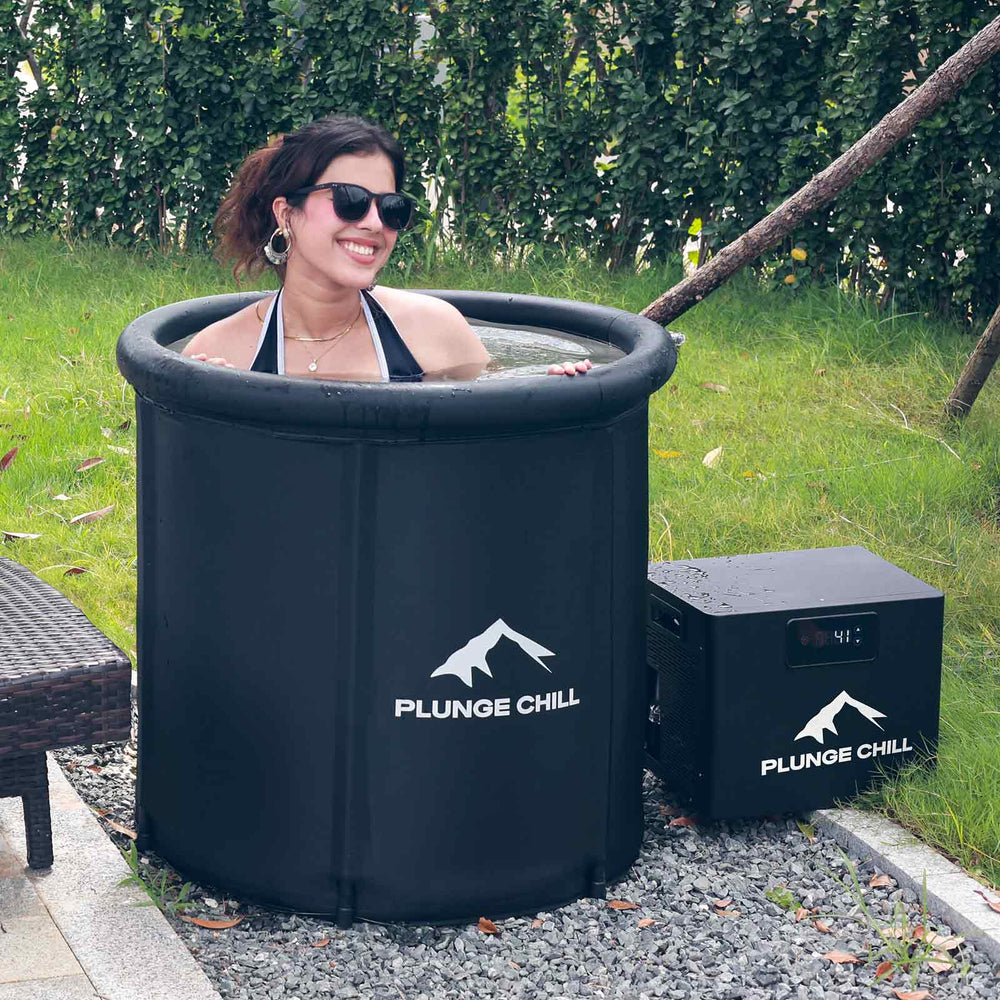
From a product-review standpoint, my bias is simple: the “best” plunge is the one that allows you to apply the evidence-based ranges of temperature, time, and frequency consistently and safely. For some, that is a well-insulated backyard tub with a chiller unit. For others, it is a supervised studio session twice per week after hot yoga. None of these require you to chase extremes to be effective.
Common Questions About Cold Practice for Yogis and Lifters
Can I cold plunge every day?
Most health systems indicate that daily cold exposure is possible for healthy individuals, but that does not mean it is optimal for every goal. When cold is used immediately after intense resistance training, repeated daily use can blunt strength and hypertrophy gains. For endurance phases, heavy tournament schedules, or periods where recovery matters more than adaptation, daily or near-daily plunges in the 10–15 minute range at about 50–59°F can be appropriate. For long-term training, I generally encourage two to four sessions per week, with longer or colder immersions reserved for heavy blocks or heat extremes.
Is shivering good or bad?
Mild shivering is a sign that your body is working to rewarm itself, primarily by contracting muscles and activating brown fat. Neuroscience-informed protocols even recommend allowing shivering after cold exposure to maximize metabolic benefits. However, intense, uncontrollable shivering, slurred speech, loss of coordination, or confusion are warning signs of significant hypothermia. In that case, the priority is immediate, gradual rewarming and medical evaluation if symptoms persist.
How cold is “cold enough”?
There is no single magic number, but most of the controlled studies showing benefits used water around 50–59°F. Rutgers experts suggest staying above roughly 50°F for safety, and several sports medicine sources advise starting with even warmer water and short exposures, then progressing as tolerance improves. An effective temperature is one that feels distinctly and uncomfortably cold, making you want to get out, yet is safe enough that you can stay in for the planned few minutes while maintaining steady breathing and composure.
Cold plunges sit at a fascinating intersection between ancient-looking practices and modern physiology. You do not need to imitate a three-hour Himalayan immersion to access their benefits. As a rehabilitation specialist and strength coach, my recommendations are simple: respect the intensity of cold, let your goals dictate your timing, and use minutes and degrees—not mythology—to shape your practice.
References
- https://www.health.harvard.edu/staying-healthy/research-highlights-health-benefits-from-cold-water-immersions
- https://www.rutgers.edu/news/what-are-benefits-cold-plunge-trend
- https://sncs-prod-external.mayo.edu/hometown-health/speaking-of-health/cold-plunge-after-workouts
- https://pmc.ncbi.nlm.nih.gov/articles/PMC11872954/
- https://health.osu.edu/wellness/exercise-and-nutrition/do-ice-baths-help-workout-recovery
- https://mcpress.mayoclinic.org/healthy-aging/the-science-behind-ice-baths-for-recovery/
- https://www.mayoclinichealthsystem.org/hometown-health/speaking-of-health/cold-plunge-after-workouts
- https://journals.physiology.org/doi/full/10.1152/ajpregu.00180.2014
- https://purpleyoga.org/2025/02/16/ice-bath-benefits-for-athletes-enhancing-recovery-and-performance/
- https://www.solhealthyoga.com/cold-plunge