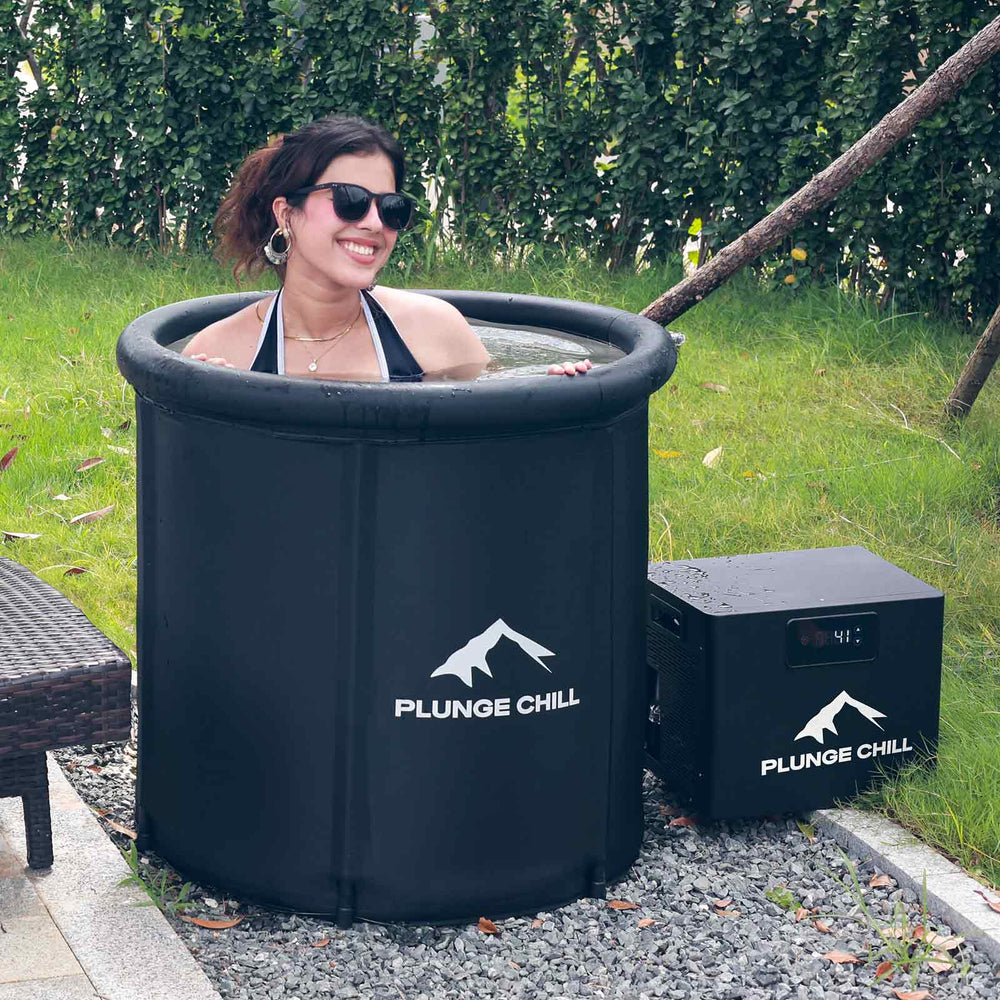
Cold immersion has moved from Roman bathhouses and Nordic baths into clinics, training rooms, and backyards. As a sports rehabilitation specialist and strength coach who reviews cold plunge equipment, I see one theme repeatedly: a freshwater cold plunge tub, used in a disciplined, “traditional” way, remains one of the simplest tools to accelerate recovery, hone stress resilience, and stabilize mood. This article synthesizes the best research with field-proven protocols, then translates it into practical guidance on setup, programming, care, and purchasing—without hype and with clear caveats.
What “Freshwater Cold Plunge” Means in Traditional Practice
By freshwater, I mean a tub filled with clean, non‑saline water, typically filtered and cooled without relying on heavy chemical sanitation. Historically, people used unheated freshwater from wells, springs, and rivers for short, repeated immersions. Modern tubs preserve that “simple water, strong stimulus” idea while adding precise temperature control and hygiene features, avoiding the hazards of open water and variable conditions. The therapeutic tradition spans millennia and entered formal hydrotherapy in the 19th century under practitioners such as Priessnitz, Winternitz, and Kneipp, a lineage summarized in the National Library of Medicine’s narrative review (PMC).
In practice, a freshwater plunge tub supports deliberate exposure at commonly cited ranges between about 39°F and 55°F, with short sessions and consistent frequency. Those parameters come up across multiple sources including Ice Cap Cold Plunge, Stanford Lifestyle Medicine, Kaiser Permanente, and Mayo Clinic Health System.

How Cold Immersion Works: A Practical Physiology Primer
Cold water rapidly activates dense cold receptors in the skin, triggering a cascade in both the sympathetic and parasympathetic branches of the autonomic nervous system. Acute immersion produces vasoconstriction, alterations in heart rate and breathing, and a brisk neurochemical response—noradrenaline and endorphins rise, which can feel like heightened energy, clarity, and analgesia (Stanford Lifestyle Medicine; Mayo Clinic Health System; PMC). Over weeks of practice, there is evidence that cold exposure can reduce markers of inflammation, strengthen aspects of immune function, improve certain sleep and stress outcomes, and stimulate brown adipose tissue for modest increases in energy expenditure (Kaiser Permanente; PMC).
One overlooked nuance is that how you expose your body matters. Full-body immersion tends to drive a stronger sympathetic response—higher heart rate and metabolic output—whereas facial immersion alone preferentially activates the mammalian diving reflex via the vagus and trigeminal pathways, increasing parasympathetic tone and calm (Stanford Lifestyle Medicine; Psyche). In the clinic and weight room, I often combine a brief face or neck dunk before full immersion to tame the initial hyperventilation. That sequence can help people maintain better breathing control during the first minute, when the impulse to exit is strongest. While this sequencing logic follows the known physiology, high‑quality trials directly testing it are limited. Suggested verification step: alternate sessions with and without a preceding 15–30 seconds of face immersion and record respiratory rate, perceived control, and time-to-calm.

Evidence Snapshot and Where Studies Disagree
Across wellness media you will read universal claims, but the research has mixed findings in specific domains. Stanford Lifestyle Medicine highlights improved mood and reduced stress with cold exposure, including studies showing lower cortisol for hours after immersion and enhanced positive affect at modest temperatures. Kaiser Permanente cites reduced delayed-onset muscle soreness, improved sleep, and immune benefits, plus a pragmatic trial showing fewer sick days with hot‑to‑cold showers. Mayo Clinic Health System emphasizes reduced inflammation and soreness, return-to-performance support, and a balanced safety profile while warning about overuse.
By contrast, a recent summary from Harvard Health reviewing studies with water between roughly 45°F and 59°F reported reduced stress that emerged around 12 hours after immersion, modest or inconsistent mood and immunity outcomes, and differences between men and women for sleep improvements. The divergence is probably explained by definitions and methods. Some studies used ice baths; others used showers. Temperatures and durations varied widely, as did frequency, sex distribution, and whether participants were trained or untrained. Measures also differed: immediate mood ratings versus delayed stress biomarkers or sleep questionnaires. When you encounter conflicting headlines, check the protocol details. Many positive practical outcomes athletes report—less soreness, faster “ready-to-train”—align with the recovery literature and my clinic experience, but not every domain shows strong, immediate effects in pooled analyses.
Who Benefits—and Who Should Be Cautious
Freshwater cold immersion suits athletes managing soreness, people training stress resilience, and patients using a low-cost modality to complement rehab. Reduced inflammation, analgesia, and improved next-day function are repeatedly reported in sports settings (Mayo Clinic Health System; Kaiser Permanente). However, cold shock can spike heart rate and blood pressure, and immersion carries hypothermia risk if dosing is excessive. People with heart disease or high blood pressure, asthma, Raynaud’s or other vascular disorders, severe anxiety or panic disorders, or who are pregnant should speak with a clinician before starting (Mayo Clinic Health System; Kaiser Permanente). Avoid rivers, oceans, and lakes; currents and ice create real danger, and water temperature can be far colder than you estimate (Mayo Clinic Health System; Kaiser Permanente). Modern freshwater tubs mitigate those risks by offering controlled temperatures, predictable depth, and proper hygiene.
Dosing That Respects the Evidence
Your dose is the intersection of temperature, duration, and frequency. Consider the comfortably-uncomfortable zone where breathing can be controlled within the first minute. Beginners should start warmer and shorter, then progress gradually. The following table organizes guidance from several reputable sources.
Source (publisher) |
Water temp guidance |
Typical duration guidance |
Frequency or notes |
Ice Cap Cold Plunge |
About 39–55°F |
Beginners about 30 seconds to 1 minute; intermediates about 2–5 minutes; advanced up to 5–10 minutes; do not exceed 10 minutes |
Enter gradually, keep posture tall, control breathing; warm up naturally afterward |
Stanford Lifestyle Medicine |
Often 50–60°F definitions, with starter exposures around 68°F when acclimating |
Beginners around 2 minutes at warmer temps; limit full-body sessions to 10 minutes or less |
Consider daily facial immersions and periodic full-body sessions depending on goals |
Kaiser Permanente |
About 50–59°F |
About 10–15 minutes; start with 1–2 minutes and progress |
Time within 1 hour after games or intense cardio; delay 4–6 hours after heavy lifting if muscle growth is a goal |
Mayo Clinic Health System |
About 50°F or colder |
Begin with 30–60 seconds; progress to about 5–10 minutes |
Daily use can impair long‑term strength/hypertrophy adaptations; use caution |
UF Health (Huberman guidance as cited) |
Emphasizes “colder means shorter” |
Total about 11 minutes per week split across several short sessions |
Example routine noted by the author: about 43°F for 3 minutes, most days |
A second overlooked insight is that not all benefits are immediate. Harvard Health found stress reductions that showed up about 12 hours later, whereas other sources emphasize a short‑term endorphin “high.” The likely cause is measurement timing: acute positive affect can rise within minutes, but sustained reductions in stress biomarkers appear later. If your goal is sharper mood in the next hour, a brief, warmer immersion or even facial immersion may suffice; for longer-term stress modulation, consistent full-body practice across the week is the smarter lever.

Programming for Athletes and Patients
In the strength room and rehab clinic, timing matters. Cold immersion blunts inflammatory signaling that contributes to soreness, which can support next-day performance and subjective readiness (Mayo Clinic Health System; Kaiser Permanente). But the same anti-inflammatory effect can dampen molecular pathways that drive muscle growth. That trade‑off is my third overlooked insight. Daily plunges right after lifting may compromise strength and hypertrophy over time; that is the pattern flagged by Mayo Clinic Health System. The practical fix is surgical scheduling. After heavy lifting or hypertrophy sessions, delay cold exposure at least four to six hours, or move it to off days. After competitions, intense conditioning, long runs, or heat exposure, a plunge within an hour aligns better with recovery goals. Team environments often thrive on two to three plunges per week at 50–55°F for two to five minutes. In my programs, I bias toward warmer‑shorter sessions for year‑round sustainability and reserve colder exposures for postseason or mental toughness blocks. The idea that warmer‑shorter confers similar recovery benefits for most team settings is a pragmatic inference from clinical practice layered atop the literature’s dosing ranges. Suggested verification step: alternate weeks at about 52°F for three minutes versus about 44°F for two minutes and track soreness, sleep, and performance markers.
Setting Up a Freshwater Cold Plunge Tub
A controlled setup keeps the practice safe and repeatable. Place the tub on a stable, flat surface. If indoors, ensure the space is well ventilated; if outdoors, choose a shaded or covered spot to minimize heat gain and debris. Fill with clean, filtered water to the manufacturer’s line. For colder sessions, a chiller is ideal; if your tub lacks active cooling, adding ice can bridge short sessions. If you plan regular use, invest in proper filtration and a water treatment approach that the maker supports; clean, hygienic water helps avoid skin irritation and equipment wear. These setup fundamentals are emphasized by Ice Cap Cold Plunge and echoed by Altered States Wellness.
Vertical tubs are efficient in small spaces and encourage full‑body submersion while keeping posture tall. Horizontal tubs can feel more “bath-like” and sometimes offer a calmer breathing pattern for novices. In reviews, I check that the unit can hold temperature in the high‑30s to mid‑50s Fahrenheit, that turnover and filtration are adequate for the bather load, and that access for cleaning and draining is straightforward. American‑made construction and easy maintenance are selling points some manufacturers highlight, but what ultimately matters is consistent temperature, clean water, and safe ingress/egress (Ice Cap Cold Plunge).

Using the Tub: A Repeatable Session Flow
Preparation sets the tone. Hydrate lightly, avoid heavy meals and stimulants beforehand, and have a towel and warm layers ready. Keep your mindset simple: slow inhale through the nose, long exhale through the mouth. On entry, begin with feet, then shins, pause, and lower gradually to shoulder depth. Expect a pronounced cold shock in the first 30–60 seconds with a strong urge to exit. That is the moment to secure your breath—do not force breathing techniques; instead, build a relaxed cadence. Many sources recommend shoulder‑level submersion; a brief head dunk can be added if tolerated, but it is not necessary for benefits (Ice Cap Cold Plunge; ChillWell).
In most cases, two to five minutes is adequate once acclimated. Exit slowly to avoid dizziness. Warm up naturally with clothing and gentle movement rather than jumping directly into a very hot shower, which can cause blood pressure swings. If you plan to log training or rehab data, note time, water temperature, perceived control in the first minute, and how you feel later in the day. These points mirror post‑plunge guidance from Ice Cap Cold Plunge and are consistent with broader medical advice summarized by Mayo Clinic Health System.
Product Review Criteria and Buying Tips
When I evaluate freshwater tubs for athletes, patients, or home users, I focus on functions that ensure safety and consistency rather than cosmetics. The machine should hold a stable temperature between roughly 39°F and 55°F without constant adjustment. Filtration should be sized for your usage pattern; if several people use the tub daily, you will need more frequent filter changes and a clear sanitation plan approved by the manufacturer. The setup should drain easily, and the interior should allow comfortable, safe transitions in and out. If space is tight, a vertical design saves square footage while allowing full immersion. For outdoor placements, a durable exterior and a cover that reduces debris and evaporation are non‑negotiable. Some brands emphasize American‑made materials and efficient cooling; those claims can signal durability and reliable support but should always be verified with spec sheets and warranty terms (Ice Cap Cold Plunge; Mayo Clinic Health System for the overall equipment cost landscape).
One practical buying insight is that price spans a wide range, with top‑end, full‑featured units reaching as high as $20,000 according to Mayo Clinic Health System. That does not mean you need the most expensive tub. Start by defining your training calendar and exposure goals, then choose the simplest unit that can reliably meet your temperature target and hygiene needs. If you cannot maintain water quality consistently, the experience will degrade and adherence will drop. The correlation between simpler maintenance and better long‑term adherence is a clinician’s observation rather than a formal trial. Suggested verification step: track user adherence and missed sessions across three months in customers with self‑cleaning features versus manual-only cleaning.

Water Care for Freshwater Tubs
Use clean, filtered water and adhere to the maintenance schedule recommended by your manufacturer. Proper filtration and water treatment keep the tub hygienic and pleasant to use; that is both a comfort issue and a health safeguard (Ice Cap Cold Plunge). If you train teams or households with many users, adopt a written routine for filter checks and surface cleaning to prevent biofilm buildup. How often to change water depends on bather load, filtration, and environment; follow manufacturer guidance rather than a one‑size‑fits‑all schedule. The general idea that lower bather load and better filtration extend water life is common sense but not directly trial‑tested in the medical literature. Suggested verification step: compare bacterial counts and user comfort ratings over two weeks under different filtration schedules.
Traditional Roots, Modern Practice
The ancient-to-modern arc matters because it clarifies the role of “traditional use” in today’s tubs. The National Library of Medicine (PMC) review traces therapeutic cold to antiquity, with formal hydrotherapy frameworks emerging in the 1800s. That tradition used simple freshwater exposures to induce hormetic stress for resilience. Contemporary tubs keep the physiologic intent and remove uncontrolled variables—the current in a river, ice floes, unknown water quality—that can turn a helpful stressor into an emergency. Both Kaiser Permanente and Mayo Clinic Health System specifically warn against natural bodies of water due to currents, cold extremes, and entrapment hazards. In other words, a modern freshwater tub is the safest way to practice the old method.

Takeaway
A freshwater cold plunge tub used in a traditional manner—brief, controlled immersions at about 39–55°F, repeated consistently—can reduce soreness, support recovery, and train stress resilience. Align your protocol with your goals and training calendar, respect medical precautions, and choose equipment that makes hygiene and temperature consistency effortless. Evidence is promising but not uniform across every outcome; differences in temperature, duration, and measurement methods explain much of the disagreement. Keep the practice simple, keep the water clean, and keep the dose appropriate, and you will get most of the real‑world benefits without the avoidable risks.
FAQ
What temperature should I set for a freshwater plunge if I am new?
Start at the warmer end, around 55°F, where you can regain calm breathing within the first minute. As you adapt, you can explore colder settings. Several medical and sport sources define “cold” between roughly 50°F and 59°F, while performance‑oriented protocols often use 39–55°F for shorter durations (Stanford Lifestyle Medicine; Kaiser Permanente; Ice Cap Cold Plunge).
How long should I stay in the water?
New users can begin with about 30–60 seconds and build toward two to five minutes as breathing control improves. Advanced users sometimes stay up to 10 minutes, but multiple sources advise against going longer, as hypothermia risk rises without added benefit (Ice Cap Cold Plunge; Mayo Clinic Health System).
Can I plunge every day?
You can, but daily post‑lift plunges may interfere with strength and hypertrophy gains. If your priority is muscle growth, delay immersion for four to six hours after heavy sessions or keep plunges to off days. For post‑game or conditioning recovery, same‑day plunges are appropriate (Mayo Clinic Health System; Kaiser Permanente).
Are cold showers a useful substitute?
Cold showers offer milder benefits and are a good on‑ramp. One large pragmatic trial found fewer sick days in people who finished with cold bursts, and showers may improve quality of life metrics in some cohorts. Immersion tends to deliver stronger physiologic effects than showers due to greater surface area and conductive cooling, so choose based on goals and access (Kaiser Permanente; Harvard Health).
Do women and men respond differently?
Some evidence suggests men report improved sleep after ice baths while women do not show that effect in the same studies, and overall mood and immunity findings are inconsistent across protocols. Differences likely stem from study design, dosing, and sample composition rather than innate, universal sex differences (Harvard Health). If sleep is your priority, test your own response with consistent dosing for two to three weeks and adjust.
Is a facial dunk worth adding if I struggle with the first minute?
Yes, try a 15–30 second face or neck immersion immediately before the plunge to tap the diving reflex and reduce hyperventilation. This is a physiologically plausible strategy supported by basic autonomic principles, but direct clinical evidence is sparse. Suggested verification step: track perceived breath control and time-to-calm across ten sessions with and without a pre‑plunge face dunk (Stanford Lifestyle Medicine; Psyche).

References
- https://www.health.harvard.edu/heart-health/cold-plunges-healthy-or-harmful-for-your-heart
- https://lifestylemedicine.stanford.edu/jumping-into-the-ice-bath-trend-mental-health-benefits-of-cold-water-immersion/
- https://sncs-prod-external.mayo.edu/hometown-health/speaking-of-health/cold-plunge-after-workouts
- https://pmc.ncbi.nlm.nih.gov/articles/PMC11872954/
- https://health.clevelandclinic.org/what-to-know-about-cold-plunges
- https://mydoctor.kaiserpermanente.org/mas/news/health-benefits-of-cold-water-plunging-2781939
- https://mcpress.mayoclinic.org/healthy-aging/the-science-behind-ice-baths-for-recovery/
- https://www.mayoclinichealthsystem.org/hometown-health/speaking-of-health/cold-plunge-after-workouts
- https://ufhealthjax.org/stories/2024/the-benefits-of-cold-water-immersion-therapy
- https://www.alteredstateswellness.com/blog/cold-plunge-therapy