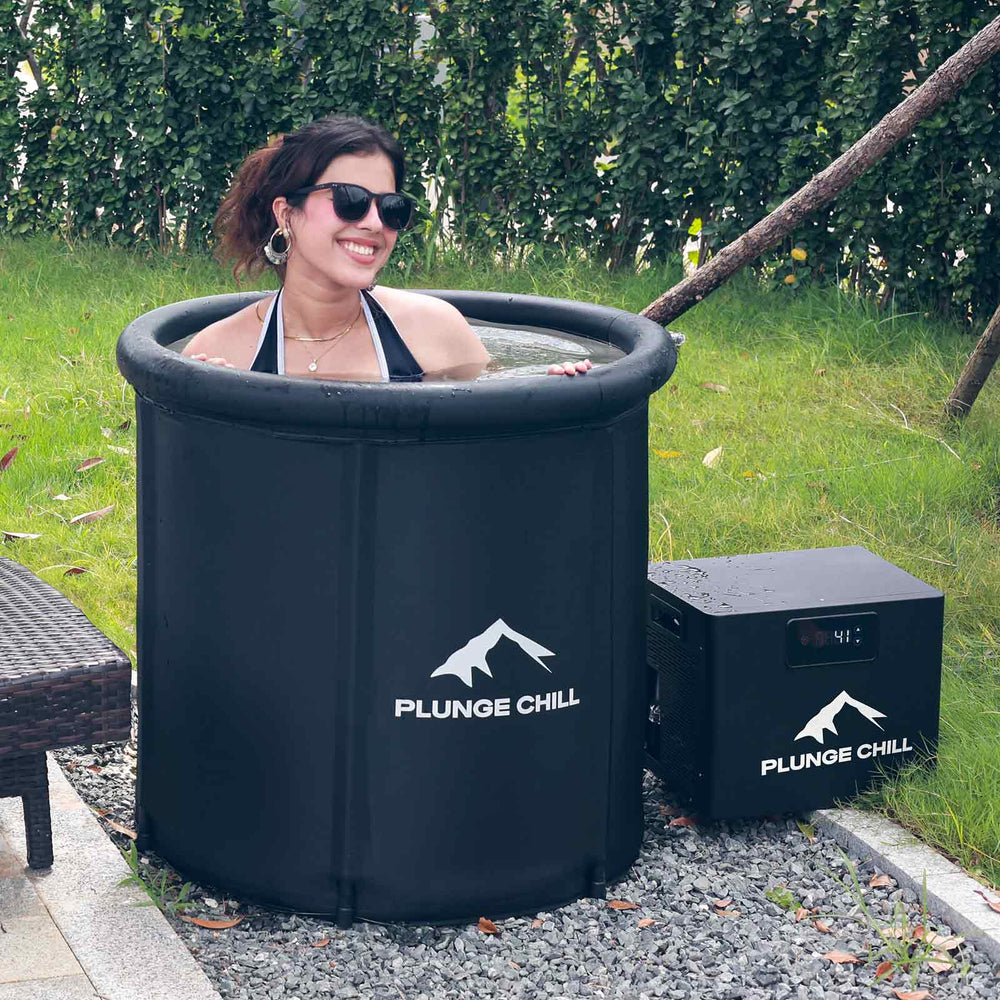
Cold plunges are no longer a winter-only novelty for the brave. As a sports rehabilitation specialist and strength coach who also tests plunge products, I use outdoor plunges across all four seasons to improve recovery logistics, maintain consistent routines, and reduce maintenance surprises. This guide combines field experience with published guidance so you can run an outdoor cold plunge safely and cleanly in January and July, protect your equipment, and choose the right setup for your goals.
What Counts as an Outdoor Cold Plunge—and Why It Works
A cold plunge is deliberate immersion in uncomfortably cold water for brief, controlled sessions that produce predictable physiologic effects. On the recovery side, the most consistently supported outcome is a reduction in exercise‑induced muscle damage, inflammation, and next‑day soreness. This is attributed to cold‑driven vasoconstriction, reduced metabolic activity, altered hormone and blood‑flow patterns, and immune activation. Mayo Clinic Health System describes typical practice as short exposures in water around 50°F or colder, progressing from brief bouts of 30–60 seconds toward a ceiling of roughly 5–10 minutes per session. The American Heart Association and Harvard Health emphasize that the first minute is the highest‑risk window due to cold shock, and that overall cardiovascular benefits remain uncertain for general populations. A large physiological review in the scientific literature describes cold exposure’s effects on shivering, circulation, and individual variability, reinforcing the need to tailor duration and temperature to body composition, age, and response.
In the field, athletes report a reliable reduction in perceived soreness and an easier return to training the next day. I treat those outcomes as practical, short‑term benefits and design the bigger training plan around what cold exposure may interfere with long‑term, which brings us to timing.

Who Should—and Shouldn’t—Cold Plunge
Before you plan four seasons of plunging, clear basic safety and health screens. Harvard Health and the American Heart Association caution that cold exposure acutely raises heart rate and blood pressure and can destabilize heart rhythm, especially in people with cardiovascular disease, arrhythmias such as atrial fibrillation, peripheral artery disease, or Raynaud’s. Cold shock also increases the risk of involuntary gasping, which is dangerous if the face is submerged. Mayo Clinic Health System adds practical safety: verify water temperature, avoid currents and unstable ice in natural water, and warm up promptly after exiting. My clinic rule is simple: if there is any cardiovascular history or cold sensitivity, a discussion with a primary care provider or sports cardiologist comes first.
Protocols That Respect Training Gains
For strength and hypertrophy goals, cold immersion immediately after lifting can dampen molecular signaling that drives muscle growth and strength development. Harvard Health and Mayo Clinic Health System both note that frequent post‑training cold may compromise long‑term strength adaptations, while endurance training appears less negatively affected. That is why I schedule most plunges away from heavy lifting sessions—after easier cardio, on recovery days, or several hours after strength work—while still using short exposures to manage soreness during dense competition blocks.
Regarding dose, a sustainable progression begins with 30–60 seconds and works toward a practical ceiling of about 5–10 minutes, keeping the water sufficiently cold to be challenging but controllable. Athletes in my programs focus on relaxed, nasal‑biased breathing to keep the stressor “response‑able,” not overwhelming. If shivering starts early or breathing loses control, the session is too cold or too long for that day.
An important nuance is temperature guidance. Mayo Clinic Health System presents a cold threshold around 50°F and below, especially for recovery applications. Rutgers notes a broader 50–70°F window for general wellness. These statements look inconsistent until you consider the population and goal. The Mayo guidance reflects recovery‑centric, colder exposures to dampen muscle damage; Rutgers is addressing general health seekers prioritizing accessibility and lower risk. Different definitions, goals, and tolerances likely drive the discrepancy.
Year‑Round Operations: Seasonal Playbook
It is absolutely possible to operate an outdoor plunge year round, with a few seasonal pivots. The following reflects my field workflow, informed by seasonal maintenance guidance from Sun Home Saunas and practical tips from pool industry sources.
Spring: Reset, Inspect, Rebalance
I treat spring as a system reset. Organic debris from winter can seed biofilm, so I physically clean the vessel and surfaces first, then test and rebalance water chemistry before returning to regular use. This is also when I inspect and restart pumps, filters, ozone or UV systems, and any heater or chiller, replacing worn O‑rings and lubricating seals. A one‑time oxidative “shock” is reasonable after the off‑season if sanitizer levels struggled.
Summer: Higher Use, Tighter Hygiene
Warm weather brings more frequent use and faster water chemistry drift. I test more often, keep the cover on when not in use, and clean or backwash filters on a tighter schedule whenever flow drops. Running the pump on a timer during off‑peak utility hours can help with energy management without sacrificing circulation.
Autumn: Leaves, Covers, and Pre‑Freeze Prep
Leaf load, pollen, and windblown debris increase in fall. I skim more frequently and vacuum as needed, then confirm the cover is sound and fits tightly. If I’m keeping a swimming pool open for plunging in a freezing climate, I lower the water slightly to allow for ice expansion; for dedicated tubs without skimmers that remain operational, the focus shifts to keeping lines circulating and protected.
Winter: Operate or Winterize—Choose One, Then Commit
There are two valid winter paths. In milder climates or if you insist on full‑time operation, install a freeze‑protection sensor to auto‑run the pump near freezing, use an insulated cover, and verify circulation daily to prevent ice formation in lines. Remove surface ice gently to avoid damaging tile or liners. In colder regions—or if you will be away—winterize: drain below the skimmer line in pool setups, blow out plumbing with air, add pool‑grade antifreeze to lines, and cover securely. If you own a compact, purpose‑built tub and plan to shut down, fully drain and dry, store loose components indoors, and follow the manufacturer’s winterization steps.
One often overlooked operational detail is power reliability. PlungePools recommends connecting critical equipment to a generator to maintain circulation during outages; in my experience this is the difference between a safe cold vessel and freeze‑damaged plumbing after a multi‑day winter storm.
Water Chemistry and Sanitation That Work in Cold
Cold water slows most chemical reactions, which changes how sanitation behaves. It’s a mistake to treat winter water as self‑sterilizing.
A consistent theme from pool industry references is that sanitizer effectiveness drops in cold water while algae and biofilm can still develop near 50°F. CPOClass notes that algae can grow around 50°F and that high total dissolved solids impair sanitizer effectiveness. Qontrast emphasizes that cold, low‑flow tubs are prone to biofilm without routine care. The operational takeaway is to monitor regularly and dose accurately even in winter.
Target Ranges and Why Sources Differ
The table below consolidates commonly cited targets. The ranges vary because equipment materials, vessel size, and manufacturer constraints differ between large pools and small acrylic tubs. When sources disagree, I aim for the overlapping middle, then fine‑tune by material and bather load.
Parameter |
Common Target Range |
Source Context |
pH |
7.2–7.8 |
CPOClass, Icebound, Sun Home Saunas |
Total alkalinity (ppm) |
80–120 |
CPOClass, Icebound, Sun Home Saunas |
Calcium hardness (ppm) |
150–250 typical for tubs; 200–400 acceptable for pools |
Icebound, Sun Home Saunas, CPOClass |
Free chlorine (ppm) |
1.0–3.0 |
CPOClass, Icebound |
Bromine (ppm) |
3.0–5.0 |
Icebound |
Hydrogen peroxide (ppm) with ozone |
30–50 |
Icebound |
TDS (ppm) |
Below 1,500 |
CPOClass |
When calcium guidance conflicts, material usually explains it. Acrylic tubs run cleaner at 150–250 ppm to limit scale in chillers, while concrete or tiled pools tolerate or even benefit from higher hardness to prevent etching. If your water source is hard to begin with, you may need partial drains or pre‑treatment to keep hardness in range.
Sanitizer Choices and Practical Dosing
Chlorine, bromine, or a hydrogen‑peroxide‑plus‑ozone strategy can all work if you monitor closely. In very cold, small‑volume tubs, bromine’s stability and lower odor can be an advantage; peroxide systems are potent but require precise testing and a compatible oxidizer system. For a 100–150 gallon tub, the Icebound dosing examples for peroxide translate to household‑friendly volumes:
Peroxide Stock |
Dose for 100–150 gal |
Notes |
30% food‑grade |
About 4.3–6.4 fl oz |
Add slowly with pump running; mix 15–20 minutes |
35% food‑grade |
About 1.5–2.1 fl oz |
Test regularly; do not exceed label recommendations |
Always add chemicals in sequence with the pump running: set alkalinity, then pH, then calcium, then sanitizer, leaving several minutes between additions with the cover off for gas exchange. Cold water limits reaction rates, so patience is part of the process.
Filtration, Circulation, and Turnover
Here is a nuanced point that confuses owners and even some installers. CPOClass recommends achieving full turnover every 30–60 minutes for plunge‑sized pools in commercial settings, which is standard pool language. Icebound suggests at least four hours of circulation daily for about a 100‑gallon tub with fine filtration. Both can be “right” for their domain. The tight turnover language reflects commercial hydraulics built to eliminate dead zones, while the daily‑hours guidance reflects residential tubs where continuous turnover would be impractical. My rule of thumb is to size filtration for five to twenty‑micron capture, run the system long enough to prevent cold spots and scum lines, and verify via water clarity, temperature uniformity, and sanitizer stability rather than chasing a single hourly number.
Records and Instruments
Whether you manage a two‑person tub or a multi‑user plunge at a gym, keep a log: date and time of tests, results, dosages, filter cleanings, and any odd smells or cloudiness. Regularly calibrate pH meters, ORP sensors, thermometers, and flow meters. In my programs, a basic weekly record is the difference between “huh, it’s cloudy again” and catching a trend before it becomes a drain‑and‑refill.

Cleaning, Biofilm, and Troubleshooting
The fastest way to ruin a good plunge habit is to let maintenance slide until the water smells off. Qontrast recommends changing water every one to two weeks for unsanitized or heavily used setups; Icebound shows that with continuous filtration and ozone, some residential users can stretch to three to four weeks and, with excellent habits, out to six to eight weeks. These are not contradictions; they represent different chemistries, tub designs, and bather loads.
In practice, I schedule surface scrubs of the waterline, frequent skimming for outdoor debris, and a deeper wall clean at each drain. Filters come out every two to three weeks for rinse and soaks, then full replacement per manufacturer guidance. Cold slows enzyme action, so budget extra time for any enzymatic cleaners to do their job. One overlooked insight is that algae can grow near 50°F, and chlorine’s effectiveness declines as TDS creeps up. That is why winter plunges still need sanitizer and testing; you cannot count on temperature alone. Source: CPOClass.
Freeze Protection, Energy, and Covers
In climates with freeze‑thaw cycles, a rigid, insulated, ASTM‑certified cover does more than save energy. It blocks debris, improves safety, and reduces ice formation on still nights. PlungePools highlights three additional tactics I consider essential in cold weather: a winter insulation package for the shell and plumbing in pool‑like installs, sheltered placement of pumps and controls, and automation for remote temperature management when conditions turn quickly. Power outages are the enemy of winter operation; a generator connection for essential equipment is cheap insurance.
If you plan to use a backyard pool as a winter plunge in a place like New York City, remember that multiple consecutive freeze days can cause catastrophic freeze damage to skimmers and lines. That exact concern shows up in owner discussions, and it matches what I have seen in service calls after storms. The safe options are to operate with vigilant freeze‑protection and circulation or to winterize completely; in‑between strategies are what break things.
Materials, Installation, and Buying Checklist
Materials matter for durability, energy use, sanitation effort, and aesthetics. Sun Home Saunas explains the trade‑offs well: acrylic offers good thermal retention and easy cleaning but can scratch; stainless steel is strong and hygienic but needs slip‑resistant finishes and professional install; concrete is ultra‑durable and fully customizable but poorly insulated and slow to build; tile delivers maximum design flexibility but demands skilled installation and has grout maintenance. Choosing wisely up front reduces work for years.
For budget planning, in‑ground plunge pools typically start near the cost of a small pool project. A buyer’s guide from Renu Therapy outlines a wide range depending on materials and features, with project scales that commonly land in five figures. The Pool Nerd’s cost and logistics overview for plunge‑sized pools adds context about permits, access, and how insulated shells cut ongoing energy loss. For dedicated products, performance features are often more predictive of satisfaction than the brand name. Industry reviews from Science for Sport and Garage Gym Reviews point to chiller horsepower near 1 HP for fast cooling, fine filtration around twenty microns, ozone or UV sanitation to reduce chemical demand, consistent low temperature capability to the upper 30s, indoor/outdoor rating, and parts availability. High‑end integrated hot‑and‑cold units with cooling to the upper 30s and app control sit in the upper price tier; portable tubs without chillers are far more budget‑friendly but require frequent water changes and ice.
If you cannot decide between portable and permanent, list your constraints. Indoor space and load‑bearing floors favor lighter acrylic or inflatable options and external chillers. Harsh winters and high debris loads push you toward insulated shells, rigid covers, and sheltered equipment. If you anticipate moving in the next two years, portability should rank high.
Pros and Cons in One Place
A quick comparison summarizes what the evidence and field practice say.
Aspect |
Potential Upside |
Potential Downside |
Recovery |
Less next‑day soreness and perceived muscle damage; easier session‑to‑session turnover (Mayo Clinic Health System) |
Possible interference with long‑term strength and hypertrophy if used immediately post‑lifting (Harvard Health, Mayo Clinic Health System) |
Mood and cognition |
Acute alertness and mood improvements are commonly reported (Mayo Clinic Health System; Rutgers) |
Benefits are inconsistent in controlled studies; placebo and setting effects are possible (Harvard Health; Rutgers) |
Safety |
Teaches controlled stress, breathing control, and resilience when supervised and progressed |
Cold shock increases heart rate, blood pressure, and drowning risk; arrhythmia risk in susceptible individuals; hypothermia with overexposure (American Heart Association; Harvard Health) |
Operations |
Outdoor access encourages habit formation and nature exposure |
Freeze protection, debris load, and water chemistry are real work in winter and fall |
Two or Three Insights Most Owners Miss
First, cold is not a sanitizer. Algae can grow around 50°F and chlorine’s effectiveness drops as TDS rises, so winter tubs need testing and dosing just as much as summer ones. This is why spotless waterlines and regular oxidation matter. Source: CPOClass and Qontrast.
Second, turnover math is not one‑size‑fits‑all. Commercial guidance speaks in turnovers per hour; residential guidance speaks in hours of daily run time. The right answer depends on vessel size, hydraulics, and filter fineness rather than a single number.
Third, temperature recommendations differ by audience. Recovery guidance skews colder around 50°F to maximize blunting of muscle‑damage signals, while general wellness guidance allows 50–70°F to improve tolerability and safety. The difference likely reflects definitions, intended outcomes, and risk tolerance rather than true disagreement on physiology. Sources: Mayo Clinic Health System and Rutgers.
A fourth, more speculative point concerns immune markers. Some studies have reported increases in red and white blood cells after winter swimming; however, precise protocols and populations vary widely.
Care Schedules You Can Actually Follow
I split maintenance into chemistry, filtration, and surfaces so nothing gets forgotten. For a 100–150 gallon acrylic tub with ozone and either bromine or peroxide, weekly testing for pH, alkalinity, and sanitizer keeps the chemistry in range; filters usually need a rinse and soak every two to three weeks; and a drain‑and‑wipe at three to four weeks is the starting point. Light household use with ozone can stretch farther; heavy use or no secondary sanitizer may compress to one to two weeks between drains, as Qontrast notes. The logbook tells the truth; if sanitizer demand keeps rising, something is feeding it.
Product Shortlist Criteria That Matter Most
When I evaluate tubs for athletes or teams, I weight features rather than logos. Cold capacity into the upper 30s with about a 1 HP chiller, fine filtration, and ozone or UV are the performance core. I look for a rigid, insulated cover, outdoor‑rated materials, stable app control, and replaceable filters that are easy to source. For in‑ground projects, I ask for insulated shells or added insulation plans to reduce energy loss. I also pay attention to footprint, tub depth for full immersion, and power requirements. Big promises without a ready supply of spare parts are non‑starters for daily use.
Frequently Asked Questions
What is a sensible starting temperature and duration?
For healthy adults, a simple progression is to begin with 30–60 seconds in cold water near 50°F and build toward a few minutes, keeping exposure under 10 minutes per session. Focus on calm breathing and the ability to exit feeling in control. Source: Mayo Clinic Health System.
Can I keep an above‑ground pool open through winter and use it as a plunge?
You can, but freeze‑thaw cycles can crack skimmers and lines and deform walls if not actively protected. If you operate through freezing weather, you need continuous freeze‑protection and circulation, an insulated cover, and daily checks. Many owners in cold regions choose full winterization to avoid risk. Source: PlungePools and owner reports;
Is daily plunging safe?
Healthy individuals can practice daily plunges, but daily post‑training cold can blunt strength and hypertrophy adaptations over time. If gains are the priority, avoid cold immediately after lifting and use it after aerobic sessions or on rest days. Sources: Mayo Clinic Health System; Harvard Health.
Should I use bromine, chlorine, or hydrogen peroxide?
All three can work if monitored. Chlorine at 1–3 ppm is effective and familiar; bromine at 3–5 ppm is more stable in cold and often less odorous; hydrogen peroxide at 30–50 ppm paired with ozone can reduce traditional sanitizer smell but requires precise testing and compatible equipment. Source: Icebound.
My water smells fine in winter—do I still need to test?
Yes. Cold water is not sterile. Algae and biofilm can grow near 50°F, and sanitizer efficiency drops when TDS creeps up. Test weekly, keep a log, and dose by measurements, not by smell. Source: CPOClass; Qontrast.
How much will an outdoor plunge cost?
Portable tubs without chillers can be a few hundred dollars but demand frequent water changes and ice. Dedicated chiller‑based systems span a wide range depending on materials and features, and in‑ground plunge‑pool projects sit in the small‑pool cost band due to excavation, insulation, and equipment. Consider not just purchase price but energy, maintenance, and parts availability. Sources: Renu Therapy; The Pool Nerd; Science for Sport; Garage Gym Reviews.
Takeaway
A year‑round outdoor cold plunge is equal parts training tool and mini‑facility. Use it deliberately to reduce next‑day soreness, protect it like a small pool, and respect the limits of cold shock physiology. Match protocols to your goals by keeping sessions short, scheduling away from heavy lifting, and testing water weekly even in winter. Insulated covers, reliable circulation, and well‑chosen materials make four seasons of use not just possible but predictable. The evidence base is strongest for short‑term recovery benefits and safety risks; longer‑term claims still deserve rigor. If you approach the practice with the same discipline you bring to the weight room, a clean, cold, outdoor plunge can be one of the highest‑return habits in your recovery stack.
Sources referenced in text include Mayo Clinic Health System, Harvard Health, American Heart Association, CPOClass, Icebound, Sun Home Saunas, PlungePools, Qontrast, Rutgers, Science for Sport, Garage Gym Reviews, Renu Therapy, and The Pool Nerd. Links are added separately in References.
References
- https://www.health.harvard.edu/heart-health/cold-plunges-healthy-or-harmful-for-your-heart
- https://www.rutgers.edu/news/what-are-benefits-cold-plunge-trend
- https://sncs-prod-external.mayo.edu/hometown-health/speaking-of-health/cold-plunge-after-workouts
- https://pmc.ncbi.nlm.nih.gov/articles/PMC9518606/
- https://www.mayoclinichealthsystem.org/hometown-health/speaking-of-health/cold-plunge-after-workouts
- https://www.heart.org/en/news/2022/12/09/youre-not-a-polar-bear-the-plunge-into-cold-water-comes-with-risks
- https://desertplunge.com/?srsltid=AfmBOooRtrknCCR8BjaHMJFmVnQIRGvhAzuHOmHp9lkFQhVdL_gE6tus
- https://www.garagegymreviews.com/best-cold-plunge-tub
- https://www.thepoolnerd.com/plunge-pools
- https://cedarandstonesauna.com/natures-chill-pill-the-secret-to-safe-winter-cold-plunge/