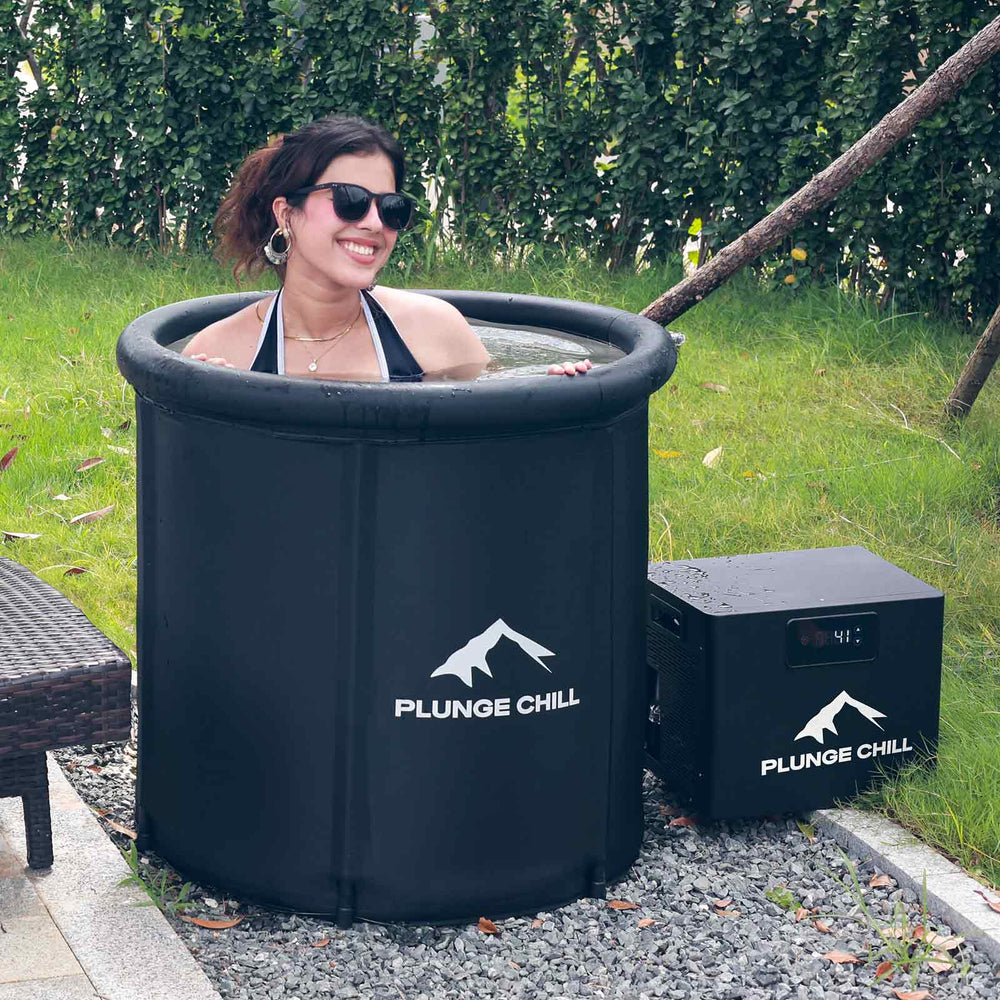
Cold plunging is finally being programmed with the same rigor we bring to strength blocks and return‑to‑play timelines. As a sports rehabilitation specialist and strength coach who reviews cold-plunge hardware in the field and supervises athlete use in the training room, my stance is straightforward: when you dose cold precisely, you can recruit brown adipose tissue, drive a measurable rise in energy expenditure, and nudge glucose control, all while managing the trade‑offs with training adaptations and safety. This article translates the science into practical programming and product decisions, anchored in peer‑reviewed studies and first‑hand implementation.
Brown Fat 101: The Thermogenic Organ You Can Train
Brown adipose tissue is a mitochondria‑dense, highly vascular, nerve‑rich fat depot that produces heat rather than storing energy. It does this via a mitochondrial protein called UCP1 that uncouples respiration, allowing fuel energy to dissipate as heat. Human newborns have abundant brown fat; adults retain smaller depots, most consistently around the neck, supraclavicular area, along the spine, and near the kidneys. The most useful contrast is with white adipose tissue, which primarily stores energy and expands with chronic caloric surplus. Beige adipocytes sit in between: recruitable UCP1‑positive cells appearing within white depots after repeated cold or certain endocrine signals. The existence and locations of adult brown fat in healthy people were confirmed with modern PET/CT imaging and summarized by the Cleveland Clinic and large cohorts in the New England Journal of Medicine.
In practice, two thermogenic pathways matter during cold exposure. Shivering thermogenesis is the involuntary muscle activity that rapidly raises oxygen consumption and heat production. Non‑shivering thermogenesis is the brown fat‑driven pathway that increases heat production with far less discomfort, especially when you hover just above the threshold where shivering would begin.
The Physiology of Turning Cold Into Energy
Cold exposure activates the sympathetic nervous system. Norepinephrine and related catecholamines bind adrenergic receptors on brown adipocytes, triggering a cascade that increases fatty‑acid mobilization and glucose uptake and switches on UCP1. Imaging and tracer studies suggest brown fat can also draw on branched‑chain amino acids to fuel heat production. That is the brown‑fat side of the ledger. The other side is skeletal muscle. Under mild cold, muscle can contribute the majority of whole‑body heat because of its sheer mass, especially as the cold dose or exposed surface area increases. This distribution of heat production has been quantified with PET‑oxygen methods and indirect calorimetry and organized under the concept of cold‑induced thermogenesis by the Journal of Applied Physiology.
This distinction matters for goal setting. If your aim is metabolic support and alertness without training interference, stay in the non‑shivering zone, target brown‑fat recruitment, and keep immersion brief and repeatable. If you chase deep shivering in very cold water, you shift thermogenesis toward muscle and increase physiological stress, which may be appropriate on rare occasions but not as a staple for most athletes.

What the Evidence Actually Shows
Across human experiments, three findings are consistent. Acute cold increases energy expenditure, cold recruits brown fat activity, and glycemic control often improves during or shortly after exposure. Translating those mechanistic wins into durable body‑composition changes has been far less consistent, largely because of compensatory increases in appetite and food intake.
A systematic review and meta‑analysis of randomized trials published on PubMed Central summarized ten human studies using mild air cooling in the range of roughly 61–66°F. Compared with room temperature controls, energy expenditure rose by about 188 kilocalories per day, and both brown fat volume and activity increased. This is the high‑quality evidence that supports mild, non‑shivering protocols. In a tightly controlled acclimation experiment conducted by NIH researchers and covered in clinical summaries, healthy men sleeping in a 66°F room for a month nearly doubled brown‑fat activity and increased brown‑fat volume by about 42 percent, while post‑meal insulin sensitivity improved. When room temperature returned to 75°F, these changes receded, underlining that benefits depend on active cold exposure rather than a permanent metabolic switch.
At the other end of the time scale, a classic cold‑suit protocol at approximately 64°F for three hours while inactive burned roughly 250 kilocalories in healthy men, about double resting expenditure at thermoneutrality according to reports summarized by Coldture Wellness and the Journal of Clinical Endocrinology & Metabolism. Those numbers are compatible with the meta‑analytic results when you account for dose and duration.
Weight loss, however, rarely follows as a direct result of cold alone. In a diet‑induced obesity mouse model, intermittent exposure to very cold environments doubled metabolic rate during the cold bouts, but food intake rose enough to fully compensate; adiposity did not decline while glucose handling improved, as reported in PLOS ONE. In humans, field and lab observations converge on the same explanation: cold increases energy expenditure during exposure, but appetite can increase afterward and baseline thermoneutral expenditure can drift down, especially in those with metabolic disease. Peter Attia, MD, synthesizing human tracer and imaging data, argues that brown fat’s energy contribution in adults is likely modest on a 24‑hour basis and that most of the cold‑related rise in total expenditure comes from skeletal muscle. The disagreement between “brown fat is a furnace” narratives and “muscle is the workhorse” narratives is mostly methodological. Air‑cooling studies near the non‑shivering threshold are not interchangeable with whole‑body water immersion; short, cold plunges capture intense, brief responses, while hours of mild cold capture sustained, smaller signals. Definitions of dose, modality, surface area, and whether outcomes are mechanistic (substrate flux, PET uptake) or clinical (fat mass) drive the divergent headlines.
To anchor expectations, the table below summarizes representative studies and outcomes without conflating modalities or doses.
|
Study and population |
Cold dose and modality |
Primary outcome |
Notable note |
|
NIH acclimation in healthy men |
66°F sleep for one month, then 75°F |
Brown fat volume rose about 42%, activity rose about 10%, insulin sensitivity improved during cold month |
Effects reversed when returning to 75°F; benefits are exposure‑dependent |
|
Cold suit protocol in healthy men |
About 64°F circulating water for three hours, inactive |
Roughly 250 kilocalories burned versus ambient; about double resting expenditure |
Acute, modest calorie burn without exercise |
|
Randomized trials meta‑analysis |
Mild air cooling near 61–66°F |
Energy expenditure increased about 188 kilocalories per day; brown fat volume and activity increased |
Non‑shivering protocols, controlled lab settings |
|
Intermittent cold in obese mice |
Very cold bouts repeated weekly |
Metabolic rate doubled during exposure; no fat loss as food intake rose; glucose handling improved |
Compensation explains weight neutrality |

Practical Programming: How I Dose Cold for Athletes and Active Clients
In the gym and clinic, I dose cold like any training stressor using just four variables: temperature, duration, surface area, and timing relative to training. For brown‑fat activation with minimal shivering, aim for water between 50°F and 59°F for two to five minutes. Start at the warmer end and shorter exposures if you are new, and add small increments over sessions as comfort grows. Two to four sessions per week are more than enough; in many programs I begin with one to three exposures weekly because consistency beats intensity. These targets align with practical protocols reported across Coldture Wellness and clinical meta‑analyses and with consumer safety guidance from organizations such as 10X Health System, which also emphasizes keeping the tub clean and water temperature accurate.
If you want to prepare for immersion, ending warm showers with a brief cold finish is a simple acclimation strategy. In the lab, mild air cooling near the non‑shivering threshold for one to four hours also recruits brown fat and raises daily energy expenditure, but it is less practical at home and, in my experience, carries a higher risk of appetite compensation.
Placement against training matters. A twelve‑week randomized trial in trained lifters showed that cold‑water immersion applied right after strength training blunted long‑term hypertrophy and strength, an effect echoed by Mayo Clinic Press guidance to keep post‑lift recovery warm if your goal is muscle growth. I keep cold plunges at least a day away from heavy lifts, or I place them on light days or non‑training mornings. Endurance blocks and dense competition schedules can tolerate occasional post‑effort cold for soreness management without consistent evidence of blunted adaptations at modest doses.
For general recovery and circulation, light movement after an immersion is helpful. A walk, mobility work, or easy spin accelerates rewarming and reduces stiffness. Hydration is not optional; vasoconstriction during cold makes fluid distribution less efficient, and drinking water before and after sessions improves how people feel. None of this replaces a thorough warm‑up before training; cold is a supplemental tool, not a substitute for movement prep.
Safety, Contraindications, and Smart Monitoring
Sudden immersion provokes a gasp, hyperventilation, and an acute rise in blood pressure and cardiac workload. That response is usually safe in healthy people but can unmask arrhythmias or ischemia in those with heart disease or strong family histories. I ask such clients to obtain medical clearance. People with Raynaud’s disease should avoid cold‑water immersion. Cold can interact with some medications, including sedatives and certain antidepressants, by altering cardiovascular and respiratory responses; caution and supervision are prudent if these are in use, as summarized by Coldture Wellness.
Know when to stop. Exit the water if shivering escalates, chest discomfort appears, breathing becomes irregular, lightheadedness develops, or fingers and toes change color. Rewarm gradually with dry layers and gentle movement rather than an immediate hot shower to avoid afterdrop; allow up to two hours for full normalization in sensitive individuals, a timeframe reported in field experience and consumer‑facing summaries. For those with diabetes or on insulin or insulin secretagogues, consider that brown‑fat activation increases glucose uptake and hepatic glucose output can fluctuate during and after cold. In my clinic, a handful of patients saw larger than expected glucose dips after cold when their carbohydrate intake and dosing were not adjusted. A reasonable verification step is to standardize a week of cold sessions while wearing a continuous glucose monitor and holding meals constant to see if a consistent pattern emerges.
Two nuanced points often missed in generic advice can make your protocol safer and more effective. The first is that “cold dose” should be described by whether the body can defend core temperature (compensable) and by the relative metabolic intensity. Hours of mild air cooling in a compensable range are not interchangeable with three minutes in 45°F water where core defense may begin to fail; the Journal of Applied Physiology recommends classifying exposures accordingly, which clarifies why studies disagree. The second is that the thermogenic split between brown fat and muscle varies with dose. Peter Attia, MD, and the Journal of Applied Physiology both note that muscle can supply much of the extra heat at common cold doses in adults, which means chasing extreme water temperatures to “hit brown fat harder” can be counterproductive when your goal is metabolic support without training interference.

Product Care and Buying Tips From a Cold‑Plunge Reviewer
I evaluate cold‑plunge units like I evaluate training tools: the priority is controllability, durability, and hygiene. Temperature accuracy and stability matter more than bragging about the lowest possible number. Look for a chiller that holds a set point within about 1°F under typical room conditions and that recovers quickly between sessions. Insulation and a fitted lid reduce energy use and keep the dose consistent day to day. Multi‑stage filtration with a sanitizing aid such as UV or ozone is worth the price; it lowers the workload of skimming and keeps the water clear, but you still need a maintenance cadence that includes filter rinses or swaps and periodic water changes. Consider power draw and the noise profile relative to where the unit will live in your home or facility. Footprint and tub geometry matter more than they appear on spec sheets; if you are tall or broad‑shouldered, a few extra inches of length and width improve compliance because full neck‑level immersion is easier to achieve. Ensure electrical protection meets code with a GFCI outlet or inline breaker. Finally, ask about warranty terms and the availability of replacement filters and parts. These are the differences between a tool you use three times and one you comfortably integrate into your week for years.
Who Benefits Most, and Where Cold Fits in Weight Management
Lean, trained individuals typically have more detectable brown fat and tolerate mild cold more comfortably. Women often display higher brown‑fat activation than men in controlled testing, with seasonal and hormonal influences reported in the literature. That said, clinically meaningful glycemic improvements have been observed even in adults with type 2 diabetes after short acclimation periods at cool ambient temperatures. A review in PubMed Central found that acute cold increased brown‑fat activity and energy expenditure in adults; Cleveland Clinic outlines brown‑fat distribution and function in ways that are actionable for users.
If your goal is weight loss, treat cold exposure as an adjunct. The net calorie burn from a short plunge is real but modest on a weekly basis once compensatory eating is considered. Bluntly, most people maintain or even raise food intake as they add cold sessions, which explains why body weight often does not fall in trials despite brown‑fat recruitment. The intervention that pays the largest energy dividend remains preserving and building skeletal muscle with resistance training while controlling energy intake. Cold exposure can support glucose management, perceived stress, and consistency, but it does not replace diet quality, protein sufficiency, and progressive resistance training.
A final practical nuance concerns fuels. Systems‑biology work in humans indicates brown fat uses both lipids and glucose and may be limited by glucose availability during cold challenges. In real life, that means very low‑carbohydrate feeding immediately around aggressive cold sessions can feel harder and may reduce your ability to remain in the non‑shivering zone. A reasonable step is to compare your RPE, shiver onset, and recovery warmth on identical sessions done once after a low‑carbohydrate meal and once after a mixed meal.
Modalities and Trade‑Offs at a Glance
|
Modality |
Typical dose |
Primary mechanism |
Best use case |
Key trade‑offs |
|
Cold‑plunge tub |
50–59°F for two to five minutes, neck‑level immersion |
Non‑shivering thermogenesis with minimal shivering |
Metabolic support, alertness, stress modulation |
Cold shock risk if rushed; schedule away from heavy lifts |
|
Mild air cooling |
61–66°F for one to four hours, above shiver threshold |
Sustained non‑shivering thermogenesis |
Lab‑like protocols to recruit brown fat |
Time‑intensive; appetite compensation common |
|
Ice bath |
Below 50°F for brief exposures |
Shivering‑dominant thermogenesis |
Occasional acute recovery or mental stressor |
Higher risk; not ideal for brown‑fat targeting |
|
Contrast hot–cold |
Short alternations, finish cold |
Circulatory stimulus with mild thermogenesis |
Feel‑good recovery and alertness |
Harder to standardize; mixed metabolic targets |
Consumer Guidance on Do’s and Don’ts Without the List
A few coaching points sharpen outcomes while keeping risk low. Measure water temperature rather than guessing, and set a conservative time cap while you learn your non‑shivering threshold. Enter calmly and control your breath for the first thirty seconds to ride out the gasp reflex. Stay active afterward with gentle movement to encourage circulation and comfort. Hydrate on both sides of the session. Keep immersions away from heavy lifting days if hypertrophy or maximal strength is your priority. People with cardiovascular disease, uncontrolled hypertension, diabetes, or poor circulation need medical clearance. Those with Raynaud’s disease should avoid cold‑water immersion. Cold is not a toughness contest; the goal is repeatable, non‑shivering exposures that you can sustain two to four times per week for months.
Guidance on frequency from sources such as 10X Health System suggests two to three sessions weekly, particularly when starting. Recommended starting temperatures are between 50°F and 59°F, with experienced users rarely needing more than ten to fifteen minutes in total immersion. These parameters align with the science of non‑shivering thermogenesis and with real‑world adherence.

Small Adjuncts That Might Help, With Appropriate Skepticism
Aging‑well and wellness outlets have highlighted caffeine and food components such as ursolic acid in apple peel, green tea catechins, ginger, and omega‑3 fatty acids as potential promoters of brown‑fat activity. Evidence in humans remains preliminary and effect sizes are unclear. A reasonable verification step is to maintain your cold routine while adding one adjunct at a time for several weeks and tracking shiver onset and perceived warmth during identical temperature and duration sessions.

Frequently Asked Questions
Does cold plunging burn fat directly or just calories during the session? The primary effect is an increase in energy expenditure during and shortly after exposure as your body defends core temperature. Brown fat activation and mild shivering both contribute, with muscle providing much of the heat at common doses. That extra expenditure is modest on a weekly basis once appetite compensation is considered, so treat cold as an adjunct to training and nutrition rather than a primary fat‑loss tool. Evidence from randomized trials and mechanistic studies supports increased daily energy expenditure and improved glucose handling, but not automatic loss of fat mass.
What temperature and duration best activate brown fat without derailing training? For most healthy adults, 50–59°F for two to five minutes at neck level, with minimal shivering, two to four times per week, balances efficacy and safety. If you are new, start at the warmer end and shorter durations and progress gradually. Air‑based cooling near 61–66°F for one to four hours recruits brown fat in lab settings, but it is less practical and more likely to trigger increased appetite afterward.
Will cold plunges hurt my strength and hypertrophy gains? Post‑lift cold‑water immersion can blunt the cellular signaling and satellite cell activation that drive hypertrophy and strength over time. Keep cold exposures at least a day away from heavy resistance sessions when muscle growth and maximal strength are priorities. For endurance recovery in dense blocks, occasional post‑effort cold can reduce soreness without consistent evidence of impaired adaptation at modest doses.
Is it safe if I have high blood pressure, a heart condition, or Raynaud’s disease? People with cardiovascular disease or uncontrolled hypertension should obtain medical clearance before cold plunging. Raynaud’s disease is a contraindication for cold‑water immersion. Cold shock and afterdrop are real risks; enter calmly, cap your exposure, and rewarm gradually with layers and gentle movement rather than an immediate hot shower. Stop immediately if chest discomfort, irregular breathing, escalating shivering, lightheadedness, or color changes in fingers or toes occur.
How should I rewarm after a plunge, and how long until I am back to baseline? Dry layers, movement, and warm indoor air restore comfort while avoiding afterdrop. In some users, full return to baseline temperature can take up to two hours depending on dose and body composition. A brief, very hot shower immediately after immersion can feel good but increases afterdrop risk; use it later in the rewarming process rather than first.
Can I combine sauna and cold in one session? You can, but be deliberate about the goal. Alternating hot and cold can subjectively improve circulation and alertness. If your intent is brown‑fat activation, finishing on a short cold exposure and then rewarming gradually preserves the internal warming drive. If your priority is strength adaptation, avoid cold in the twenty‑four to forty‑eight hours after heavy lifting.
Takeaway
Cold plunges are a powerful tool when programmed with precision. The best‑supported benefits in adults are modest increases in daily energy expenditure and improvements in glucose handling during or shortly after exposure, accompanied by measurable increases in brown‑fat activity and volume under mild, non‑shivering doses. Weight loss does not automatically follow because appetite and behavior adapt. For athletes and active clients, the winning recipe is simple: keep immersions short and repeatable in the 50–59°F range, schedule them away from heavy lifts, rewarm gradually with light movement, and maintain the tub as carefully as you maintain your barbells. The physiology, safety profile, and product choices are now clear enough to make cold a reliable adjunct—one that turns a brief, bracing stress into a predictable dose of energy and resilience.
Sources referenced in this article include PubMed Central randomized trial meta‑analyses on cold‑induced thermogenesis, the Journal of Applied Physiology’s framework for characterizing cold dose and muscle versus brown‑fat contributions, Cleveland Clinic’s anatomic summaries of adult brown fat, New England Journal of Medicine and NIH reports on cold acclimation, Journal of Clinical Endocrinology & Metabolism data on acute energy expenditure during mild cold, PLOS ONE evidence on compensation in animal models, and practice guidance synthesized by Mayo Clinic Press and Peter Attia, MD.
References
- https://pmc.ncbi.nlm.nih.gov/articles/PMC6466122/
- https://journals.plos.org/plosone/article?id=10.1371/journal.pone.0085876
- https://my.clevelandclinic.org/health/body/24015-brown-fat
- https://journals.physiology.org/doi/abs/10.1152/japplphysiol.00934.2020
- https://10xhealthsystem.com/taking-a-dip-in-cold-water-may-actually-cut-bad-body-fat/
- https://agewellproject.com/now-is-the-time-to-build-brown-fat/
- https://www.foundmyfitness.com/topics/cold-exposure-therapy
- https://www.gopolar.app/post/does-cold-plunge-burn-calories
- https://www.levels.com/blog/does-cold-exposure-improve-metabolic-health
- https://peterattiamd.com/is-cold-exposure-therapy-beneficial/
Disclaimer
By reading this article, you acknowledge that you are responsible for your own health and safety.
The views and opinions expressed herein are based on the author's professional expertise (DPT, CSCS) and cited sources, but are not a guarantee of outcome. If you have a pre-existing health condition, are pregnant, or have any concerns about using cold water therapy, consult with your physician before starting any new regimen.
Reliance on any information provided in this article is solely at your own risk.
Always seek the advice of a qualified healthcare provider with any questions you may have regarding a medical condition, lifestyle changes, or the use of cold water immersion. Never disregard professional medical advice or delay in seeking it because of something you have read in this article.
The information provided in this blog post, "Cold Plunge and Brown Fat Activation: Turning Cold Into Energy," is for informational and educational purposes only. It is not intended to be a substitute for professional medical advice, diagnosis, or treatment.
General Health Information & No Medical Advice