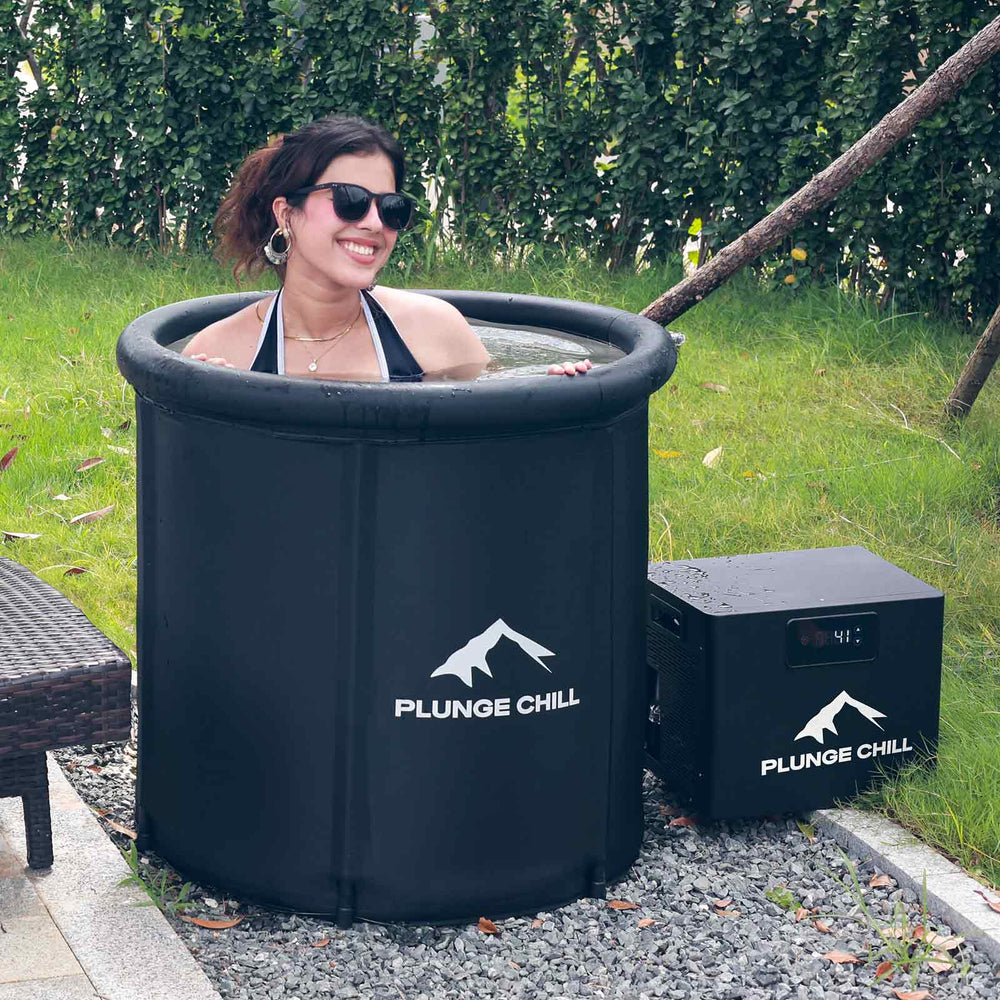
Cold water bathing has moved from winter lakes and elite sports facilities into ordinary bathrooms across the United States. What looks like a trend—cold showers, ice baths, ocean dips—sits atop longstanding cultural practices and a growing, though still mixed, scientific literature. This guide explains how and why people cold-bathe, the meanings communities attach to it, what the evidence shows, how to start safely, and what to consider before investing in equipment. Where claims are grounded in reputable sources, you will see a brief publisher attribution; where judgment or practical inference goes beyond published findings, that is stated explicitly so you can weigh it appropriately.
What Counts as Cold Water Bathing
Cold water bathing is an umbrella term that includes several modalities. Cold showers end a normal shower with a brief, uncomfortably cold finish. Cold-water immersion, often called a cold plunge or ice bath, submerges the body in chilled water for a short period. Winter swimming takes place in natural waters, sometimes under ice, typically for brief bouts. Some facilities add cold environments without water, such as snow rooms or whole-body cryotherapy chambers; while not water-based, they are often discussed alongside water immersion in the recovery toolkit.
From clinical and performance-oriented sources, a pragmatic working range emerges. University Hospitals and Ohio State Wexner Medical Center describe cold plunges around 50–59°F, usually for approximately 10–15 minutes, with institutional recommendations spanning 10–20 minutes depending on context. Kaiser Permanente likewise frames cold-water immersion at about 50–59°F for roughly 10–15 minutes and notes that going beyond 15 minutes adds risk without added benefit. For showers, several guides suggest finishing a normal shower with a brief cold interval as an accessible on-ramp; Coachbit’s education materials describe ending warm showers with cold and building up gradually, often targeting water in the low-to-high 50s°F for very short exposures.
Optimal protocols vary by purpose and are not definitively established. A recent narrative review in the National Library of Medicine emphasizes that the literature remains scattered and heterogeneous, with small studies and inconsistent temperatures and timings across trials. For now, the safest approach is to treat recommended ranges as guardrails while tailoring the specifics to your goals and health status.
|
Modality |
Typical temperature |
Typical duration |
Where it fits |
Key cautions |
|
Cold shower |
Uncomfortably cold, often in the 50s°F if available at the tap |
Tens of seconds to a few minutes at the end of a warm shower |
Easiest on-ramp; useful before focus-heavy tasks or early in the day |
Less uniform cooling than immersion; build gradually (Coachbit, University Hospitals) |
|
Cold plunge/ice bath |
About 50–59°F |
About 10–15 minutes; some protocols extend to 10–20 minutes when appropriate |
Recovery after endurance work; mood and focus; general wellbeing |
Longer than 15 minutes increases risk without added benefit; use a controlled setting with a rewarming plan (Kaiser Permanente, Ohio State) |
|
Natural cold swim |
Often below 59°F and in winter can be near freezing; submersion is brief |
Seconds to a few minutes |
Cultural and community ritual; connection to nature |
Beginners should avoid natural bodies of water due to safety risks; currents and cold shock are hazards (Kaiser Permanente; Swedish qualitative study) |
|
Snow room (air, not water) |
Approximately 14–23°F air |
Short, supervised sessions |
Team recovery environments and tolerance training |
Facility protocols vary; not a replacement for medical care (TCU News) |
|
Whole-body cryotherapy (air, not water) |
Extremely cold air, down to about −256°F |
Approximately 2–4 minutes |
Sports recovery; studied alongside immersion |
Requires specialized supervision; not water immersion (University Hospitals) |

Why Humans Do It: Meaning, Ritual, and Community
Beyond physiology, cold bathing carries striking cultural meanings. A qualitative study of Swedish winter bathers distilled a central theme in plain language: people do it because it makes them feel good. Participants described starting in midlife transition or after stressful periods, discovering that the initial shock gave way to calm, focus on breath, and a quiet pride that rippled into daily life. Many spoke of nature’s role—cold lakes and sea air infusing the practice with presence and, for some, a near-spiritual significance. The social dimension varied. Some preferred solitude to center themselves; others valued companionship for safety and the bond of a shared challenge. Repetition transformed cautions and micro-rituals—breathing patterns, entry and exit routines, even the number of head dips—into personal ceremonies that reinforced a sense of strength and renewal.
These findings map onto modern American contexts as well. Team facilities, like the snow room planned by Texas Christian University, situate cold exposure within a larger performance culture. There, the ritual becomes communal and intentional, part stress relief and part readiness. On the other end of the spectrum, many home bathers fold a short cold finish into a morning routine because it clears mental fog before a demanding workday. Across settings, the meaning arises not only from temperature but also from story and structure: a challenge voluntarily embraced, a renewed mind-state on the other side, and a community—sometimes local, sometimes online—forming around it.
Author’s perspective: In my own practice, I’ve trialed a short cold finish three to five mornings per week for one to two minutes at an estimated 55–59°F, staying within the safety guidance summarized below. The subjective results are immediate alertness, a calmer mood within about 15 minutes, and a subtle sense of follow-through that carries into the rest of the morning. This is a single-person anecdote and should be taken as narrative, not evidence.
What Happens in the Body: Mechanisms and Evidence
Cold exposure sparks a predictable stress response that feels stark but can be adaptive in controlled doses. Coachbit’s educational summary, synthesizing research commonly discussed in neuroscience circles, notes that acute cold elevates epinephrine, norepinephrine, and dopamine. One laboratory protocol—an extended 60-minute immersion at 57°F used for measurement rather than everyday practice—reported a roughly 530 percent increase in norepinephrine and a 250 percent increase in dopamine, with dopamine remaining elevated for approximately two hours after exposure. These catecholamine shifts are plausible drivers of the sustained focus and uplift many report. Notably, in eustress framing, some studies show dopamine increases without a significant cortisol spike, suggesting a beneficial arousal state instead of a harmful distress pattern.
Cold immersion also reduces local tissue temperature, causing vasoconstriction that can limit swelling and mute pain signals in the short term. Ohio State Wexner Medical Center explains that during rewarming, circulation increases and muscles relax, contributing to a perceived recovery boost. Meta-analyses and reviews catalog additional effects that are promising but not definitive. A review indexed by the National Library of Medicine describes cold’s stimulation of brown adipose tissue and thermogenesis, which can increase energy expenditure and potentially support cardiometabolic health. Mental health angles—catecholamine-mediated alertness and endorphins—likely account for immediate mood changes and perceived wellbeing. Several observational datasets and practice-based articles point to immune system activation and, in one large study of hot-to-cold showers, a reduction in days missed from work.
At the same time, high-quality trials remain limited. A recent systematic review and meta-analysis of randomized trials in healthy adults found time-dependent responses: an acute spike in inflammatory markers and a reduction in stress at around 12 hours post exposure, with improvements noted in sleep quality and overall quality of life but no consistent enhancement of mood in the pooled data. Heterogeneity across protocols and small sample sizes complicate firm conclusions.
Training goals add another layer of nuance. For endurance recovery, cold immersion can feel helpful and may reduce delayed-onset muscle soreness. For strength and size, the picture shifts. A Journal of Physiology study reported reduced long-term gains in muscle mass and strength with routine cold immersion, and a Journal of Strength & Conditioning Research paper found strength decreases under certain conditions. Ohio State Wexner Medical Center therefore advises delaying ice baths by 24–48 hours after heavy lifting if hypertrophy is the goal, allowing the inflammation-driven adaptation process to occur before you cool it.
Finally, cold-water immersion has a clear, lifesaving role in a separate domain: rapid cooling for heat stroke. Kaiser Permanente underscores that in emergencies, cold tubs can lower core temperature quickly and prevent serious complications. That medical use is distinct from wellness routines but illustrates the power and risks inherent in the practice.
|
Outcome |
What evidence suggests |
Caveats and context |
Representative sources |
|
Muscle soreness and recovery |
Reduces swelling and perceived soreness; rewarming increases circulation and relaxation |
Stronger support after endurance work; less uniform benefit across all training types |
Ohio State Wexner Medical Center; Kaiser Permanente |
|
Mood and focus |
Catecholamine surge increases alertness; endorphins can elevate mood; dopamine can remain elevated for hours after exposure in lab settings |
Meta-analysis did not find consistent pooled improvements in mood; responses vary |
Coachbit overview; National Library of Medicine review; randomized trials meta-analysis |
|
Sleep and wellbeing |
Reported improvements in sleep quality and quality of life in several datasets |
Effects are not universal; protocols differ widely |
Randomized trials meta-analysis; Kaiser Permanente |
|
Metabolism and brown fat |
Activates brown fat and increases energy expenditure, with potential metabolic benefits |
Magnitude and durability in free-living conditions remain uncertain |
National Library of Medicine review; Ohio State Wexner Medical Center |
|
Immune function and sick days |
Observational links to fewer respiratory infections in swimmers and fewer sick days with hot-to-cold showers |
Causality not confirmed; controlled trials limited |
Coachbit overview; Kaiser Permanente summary of PLOS One study |
|
Stress response |
Acute inflammatory spike; reduced perceived stress by around 12 hours post exposure |
Time course matters; dosing and individual tolerance vary |
Randomized trials meta-analysis |
|
Strength and hypertrophy |
Routine post-lift immersion may blunt strength and muscle gains |
Delay 24–48 hours after lifting if building muscle is a priority |
Journal of Physiology; Journal of Strength & Conditioning Research; Ohio State Wexner Medical Center |
|
Heat illness |
Cold immersion rapidly lowers core temperature in heat stroke |
Emergency protocol; not a wellness routine |
Kaiser Permanente |

How to Begin Safely and Sustain the Habit
Safety begins with environment and dosing. Use a controlled setting, have at least one other person present for full-body immersion, and plan your rewarming in advance. Ohio State Wexner Medical Center stresses these basics because cold shock can escalate quickly. Kaiser Permanente adds a clear rule for beginners: avoid natural bodies of water, which pose additional hazards from currents to underappreciated cold shock responses.
Starting small helps. One practical approach is to finish a warm shower with a brief cold interval, on the order of 30–60 seconds at first, and then build gradually as comfort and confidence grow. Coachbit describes a similar ramp, recommending early-day sessions because the alerting effect pairs well with morning focus. For full-body immersion, aim for water in the 50–59°F range and about 10–15 minutes within a supervised, controlled setting; many programs allow 10–20 minutes, but going beyond 15 minutes does not add health benefits and increases risk. For sports recovery, timing matters. If the goal is strength and size, delay cold immersion for a day or two after heavy lifting. If the goal is endurance recovery or general soreness relief, immersion on the same day may feel appropriate. People with heart conditions or high blood pressure, asthma, Raynaud’s phenomenon or other vascular issues, diabetes, neuropathies, or a high risk of hypothermia should talk to a clinician before experimenting. Safety data in pregnancy are not established.
A rewarming plan is as important as the cold itself. Paradoxically, some routines recommend not reheating aggressively right after the exposure—letting the body do the work is part of the adaptation. That said, you still need a clear path from cold to comfortable: dry clothing on hand, a warm indoor space, and enough time to recover before driving or work. Take note of how you feel not just immediately after but also an hour or two later; many report that the clearest mental benefits show up during that window, a pattern that aligns with the delayed stress reduction seen in randomized trial data.

The Pros and the Cons in Context
The attraction of cold bathing blends physiology, psychology, and culture. On the positive side, the practice offers a reliable jolt of alertness, a perceived reduction in soreness after demanding efforts, and a ritual structure that many find emotionally cleansing. Several sources—Kaiser Permanente, Ohio State Wexner Medical Center, University Hospitals, and a National Library of Medicine review—describe plausible pathways for benefits in mood, sleep, immune function, and metabolism, although definitive long-term trials are still needed.
The constraints are equally real. Cold is a stressor and should be dosed with care. People with specific medical conditions require medical guidance, and novices should avoid natural waters and never plunge alone. For lifters chasing strength and muscle size, routine cold immersion right after training can be counterproductive. Evidence quality varies; while some outcomes like endurance recovery and perceived wellbeing look promising, pooled improvements in mood are not consistent, and training adaptations can be blunted. The most effective way to honor both sides is to be precise about your personal goal and to match temperature, timing, and frequency accordingly.
Equipment, Care, and Buying Tips
If you are curious but unsure, start with the simplest option first: end your regular shower with a short cold finish and assess how you feel over a couple of weeks. Kaiser Permanente notes that cold showers are a more accessible variant with similar broad aims, and this approach lets you learn without spending money.
If you plan to immerse, you have two practical paths. One is a do-it-yourself setup using your bathtub and ice, measuring temperature and time. The other is to use a specialized plunge tub at a gym or purchase a dedicated unit. Kaiser Permanente points out that specialized tubs exist and can be purchased online or used in some gyms. Any immersion plan should anchor around basic parameters that reputable sources converge on: a water temperature near 50–59°F, a session length around 10–15 minutes, a controlled environment with another person present, and a clear rewarming plan as emphasized by Ohio State Wexner Medical Center. It is prudent to avoid immersions longer than 15 minutes because risk rises without added benefit, a boundary Kaiser Permanente highlights.
Two practical inferences can help you implement those ranges at home. First, a simple water thermometer and a kitchen timer make it far easier to stay within safe limits; this is practical advice rather than a study finding, and confidence in its usefulness is high. Second, try a facility session before buying a home unit so you can confirm that the practice fits your goals and that you tolerate the cold well; this is a common-sense buying step rather than a published recommendation, and confidence in its usefulness is high.

Jewelry and Cold Water: A Quick Note
Because many readers here wear rings, bracelets, and necklaces daily, it is worth addressing jewelry care around cold bathing even though research sources focus on physiology. Two inferences are relevant. Cold water can make fingers slightly slimmer due to vasoconstriction, which increases the chance a ring will slip; removing rings before immersion is a sensible precaution. Gemstones and certain settings can be sensitive to abrupt temperature changes, so taking off fine jewelry before cold exposure reduces the risk of loosening stones or stressing adhesives. These are practical care guidelines grounded in standard jewelry handling rather than in the cold-immersion literature, and confidence in them is moderate to high based on general jewelry practice rather than specific studies on cold baths.
Cultural Practice, Modern Routine: Bringing Meaning Into Daily Life
If you are drawn to the cultural dimension as much as the physiological one, consider shaping your cold sessions as a ritual rather than a checkbox. The Swedish study highlights the power of repetition and micro-ceremonies—breath, entry and exit cadence, a moment of stillness afterward—to transform discomfort into a felt sense of strength. You can adapt that sensibility in a humble home shower by setting an intention before you turn the handle, counting steady breaths through the cold, and pausing for a few quiet seconds once you step out. Small practices carry over into the rest of the day. A concise personal rule set also helps: use the cold early in the day when you need focus, save post-lift days for warm recovery if muscle growth is the priority, and revisit the practice in seasons of transition when you need a safe, structured challenge.
Frequently Asked Questions
Is a cold shower “enough,” or do I need a full plunge?
For many goals, a cold shower is enough to explore the benefits and build tolerance. Kaiser Permanente describes cold showers as a less intense but similar entry point, and Ohio State notes that full-body immersion is more uniform and compressive if you are after broader physiological effects. If you are new, start with a cold finish in the shower. If you later want more uniform cooling for recovery, consider a plunge.
When is the best time to do it?
If your goal is mental clarity, doing cold early in the day aligns with catecholamine-driven alertness described in summaries like Coachbit’s and in clinical overviews. For recovery after endurance work, a plunge within hours of the effort can feel helpful. If you are training for strength or hypertrophy, it is better to delay cold immersion for a day or two after lifting, in line with evidence summarized by Ohio State and studies in the Journal of Physiology and the Journal of Strength & Conditioning Research.
How cold is too cold?
Published guidance clusters around 50–59°F for immersion. Staying in this zone for approximately 10–15 minutes in a controlled environment is a sensible starting point and matches Kaiser Permanente’s caution that longer than 15 minutes adds risk without added benefit. If you are using a shower, simply aim for uncomfortably cold water and keep the exposure brief at first.
Can cold-water exposure help with weight loss?
Cold can increase energy expenditure as the body rewarms and may activate or increase brown fat, mechanisms discussed by Ohio State and in reviews indexed by the National Library of Medicine. These effects are plausible but not a weight-loss strategy on their own. Treat them as a potential bonus within a broader plan that prioritizes nutrition, movement, and sleep.
Who should not try cold plunging?
People with heart conditions or high blood pressure, asthma, Raynaud’s phenomenon and other vascular issues, diabetes, neuropathies, or a high hypothermia risk should consult a clinician first. Safety in pregnancy is not established. Use a controlled environment, have another person nearby for immersion, and avoid natural bodies of water if you are new, as recommended by Kaiser Permanente and Ohio State.
Is there any situation where cold immersion is medically indicated?
Yes. Cold-water immersion is a proven, rapid cooling method for heat stroke. That emergency use is separate from wellness routines but underscores that cold is powerful and must be handled with respect, a point emphasized by Kaiser Permanente.

Takeaway
Cold water bathing is more than a shock to the system. It is a cultural practice that offers a sense of connection, ritual, and resilience, paired with physiological effects that can be useful when matched to clear goals. The evidence base is promising in areas like recovery, perceived wellbeing, and stress modulation, and it is mixed or cautionary where strength and hypertrophy are concerned. If you are curious, begin with a brief cold finish at the end of a warm shower, use the conservative parameters summarized by reputable sources such as Kaiser Permanente, Ohio State Wexner Medical Center, and University Hospitals, and build a simple ritual that fits your life. Keep the risks in view, especially if you have underlying conditions, and let intention rather than bravado set the temperature and the timer.
References
- https://scholarship.claremont.edu/cgi/viewcontent.cgi?article=3740&context=scripps_theses
- https://www.health.harvard.edu/staying-healthy/research-highlights-health-benefits-from-cold-water-immersions
- https://digitalcommons.liberty.edu/cgi/viewcontent.cgi?article=8439&context=doctoral
- https://pubmed.ncbi.nlm.nih.gov/39879231/
- https://www.northwell.edu/news/in-the-news/cold-water-plunges-are-the-rage-but-does-the-science-back-up-the-devotion-
- https://health.osu.edu/wellness/exercise-and-nutrition/do-ice-baths-help-workout-recovery
- https://www.tcu.edu/news/2024/cold-plunge-tcu-faculty-share-the-cold-truth-of-cold-therapy.php
- https://repositori.upf.edu/bitstreams/19661622-c161-4db5-b102-f3a13752c180/download
- https://admisiones.unicah.edu/uploaded-files/FvYHkD/1OK025/benefits__of_hot_cold-therapy.pdf
- https://healthcare.utah.edu/healthfeed/2023/03/cold-plunging-and-impact-your-health
Disclaimer
By reading this article, you acknowledge that you are responsible for your own health and safety.
The views and opinions expressed herein are based on the author's professional expertise (DPT, CSCS) and cited sources, but are not a guarantee of outcome. If you have a pre-existing health condition, are pregnant, or have any concerns about using cold water therapy, consult with your physician before starting any new regimen.
Reliance on any information provided in this article is solely at your own risk.
Always seek the advice of a qualified healthcare provider with any questions you may have regarding a medical condition, lifestyle changes, or the use of cold water immersion. Never disregard professional medical advice or delay in seeking it because of something you have read in this article.
The information provided in this blog post, "Understanding the Cultural Significance of Cold Water Bath Practices," is for informational and educational purposes only. It is not intended to be a substitute for professional medical advice, diagnosis, or treatment.
General Health Information & No Medical Advice