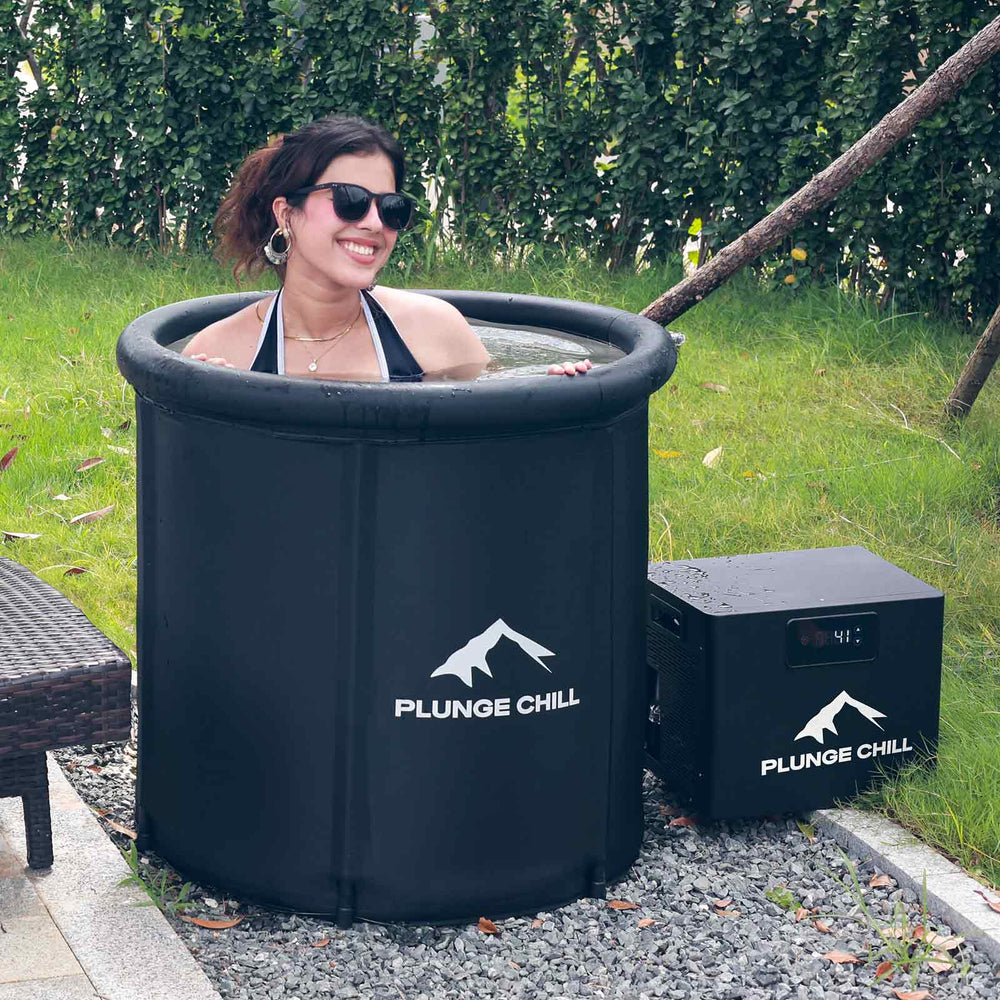
As a sports rehabilitation specialist and strength coach who also reviews cold plunge products, I’m asked one question more than any other: should you do an improvised ice bath or invest in a dedicated cold plunge? The right answer depends on your goals, your training phase, your health status, and your tolerance for maintenance. Below I’ll define terms clearly, unpack what the best evidence shows, offer field-tested protocols, and share practical buying and care tips so you can make an informed decision without guesswork.
Definitions and Modalities
An ice bath is the simplest form of cold-water immersion. You fill a tub or bin with cold tap water, add ice until it reaches your target temperature, and sit partially or fully submerged. It is cheap to start, but temperature control is erratic, and sanitation is a challenge if you keep the water.
A cold plunge is a purpose-built tub paired with an active chiller and filtration. The system keeps the water at a consistent set point, typically in the 37–55°F range, with circulation that improves uniform cooling. Plunge units often add ozone or UV, inline filters, and insulation to reduce maintenance and stabilize temperature. Some premium setups cost as much as $20,000. That price brings convenience, repeatability, and lower hygiene risk if you plunge frequently.
Cold showers deliver cooling mainly at the skin with limited hydrostatic pressure. They are useful for acclimation or when space, cost, or safety concerns rule out immersion. Whole-body cryotherapy exposes you to extremely cold air, sometimes below −200°F, for a few minutes. Air-based cooling hits peripheral receptors rapidly but does not cool tissue or the core the way cold water does, so physiological effects differ. These distinctions are important because the research base is not uniform across modalities, as noted by Case Western Reserve University and Cedars‑Sinai.

What Cold Does to Your Body
The first seconds are dominated by the cold shock response. Heart rate, breathing, and blood pressure spike; many people hyperventilate; vessels in the limbs constrict and shunt blood toward vital organs. As exposure continues, shivering starts to generate heat, and the nervous system releases adrenaline, noradrenaline, and dopamine. Many users report an immediate lift in alertness and mood; the duration of this effect varies and is likely influenced by context and social factors, as described by Case Western Reserve University and Cedars‑Sinai.
Metabolically, cold exposure can transiently raise energy expenditure several-fold, particularly with shivering. Skeletal muscle becomes more insulin-sensitive for a period after cold exposure, likely through pathways similar to exercise. These are interesting effects, but they do not transform body composition overnight, and data in general populations remain limited.
Two safety truths matter more than hype. First, control your breathing in the first 30–60 seconds, because panic and gasp reflex drive risk. Second, people with heart disease, uncontrolled hypertension, poor circulation, history of stroke, or those taking certain medications like beta blockers face higher danger from sudden immersion. The early seconds carry the highest risk window while you regain breath control, as emphasized by Case Western Reserve University.

What the Evidence Actually Shows
When you strip away anecdotes, the cold-water immersion literature points to time-dependent, goal-specific effects rather than a miracle modality.
For soreness and next-day readiness, meta-analyses in non-elite populations report small, short-term reductions in delayed onset muscle soreness and perceived fatigue after cold-water immersion compared with passive rest. Biomarkers of muscle damage such as creatine kinase are often lower at about 24 hours, and some studies report lower lactate at 24–48 hours. These biochemical changes do not always translate into meaningful performance gains the next day, a nuance highlighted across peer‑reviewed summaries in PLoS ONE and PubMed Central.
For strength and hypertrophy, repeated post-lift plunges can blunt the desired training signals over weeks to months. Mechanistic work in humans comparing cold water immersion to active recovery shows no reduction in intramuscular inflammatory cell infiltration with cold, yet longer-term studies demonstrate smaller increases in muscle size and strength when cold is used after every strength session. The practical translation is straightforward: if your current block emphasizes lifting adaptations, reserve cold for special cases rather than making it a habit. This pattern was reported in the Journal of Physiology and related clinical research.
For endurance, the blunting concern is less consistent. Observational and clinical guidance from sports-medicine sources such as Mayo Clinic Health System suggests that endurance adaptations are not impaired to the same extent by periodic cold exposure. Still, even endurance athletes should time cold strategically around key sessions to avoid dampening the adaptive signals of training days you hope to supercompensate from.
For stress, sleep, and mood, a 2025 PLoS ONE meta-analysis in healthy adults found an acute inflammatory bump immediately after immersion but a significant reduction in stress at roughly 12 hours. Sleep quality and quality of life showed improvements in some studies; mood effects were mixed or not significant. It’s notable that many positive mood reports come from cold-water swimming with its social and environmental components, which are confounders. Cedars‑Sinai cautions that exercise and context likely drive much of the reported mood and longevity benefit.
For immunity, the same PLoS ONE review reported no immediate immune enhancements in pooled data. A narrative thread referenced a 29% reduction in sickness absence among people who took cold showers. This is promising but not definitive because studies often include self-selected participants and combine cold exposure with lifestyle factors such as swimming or group activities.
Ice Bath vs. Cold Plunge: Practical Differences
Factor |
Ice Bath (DIY) |
Cold Plunge (Chiller + Filtration) |
Variable; warms quickly; requires frequent ice |
Stable to a set point with circulation |
|
Core cooling consistency |
Uneven; water often stagnant |
More uniform; circulation increases convective cooling |
Drain or frequent chemical shock; higher contamination risk if reused |
Inline filtration and ozone/UV reduce contamination with regular maintenance |
|
Cost and operating overhead |
Low upfront; ongoing ice costs; time spent procuring ice |
Higher upfront; ongoing energy cost; lower daily hassle if used frequently |
Portability and space |
Flexible but messy; small footprint possible |
Larger footprint; requires GFCI outlet and floor support |
Noise |
Quiet except ice handling |
Chillers can be audible; insulation helps |
Use case fit |
Occasional plunges, travel, budget constraints |
Frequent plunges, shared households, reproducible protocols |
In the clinic and in home setups I evaluate, the single largest difference is repeatability. If you plunge more than three times per week and care about dosing precisely, a chiller with filtration pays dividends in consistency and safety.
Protocols That Respect Both Evidence and Physiology
Protocols are not one-size-fits-all; they should match your goal, your training block, and your risk profile. The temperatures below reflect commonly studied ranges and clinical guidance that balance efficacy with safety and compliance.
Goal |
Temperature |
Duration |
Timing |
Frequency |
Notes |
50–55°F |
3–5 minutes |
Within 30 minutes after the session |
As needed on congested competition days |
Shorter, colder bouts reduce perceived soreness with minimal rebound shivering afterward; submerge to shoulders if safe, keep head out |
|
50–59°F |
Skip immediately post‑lift; use later or on off days |
At least 6–8 hours away from key lifts |
1–3 times per week, outside heavy blocks |
Reserve cold for tournaments or heat stress; prioritize active recovery after lifting |
|
50–55°F |
3–8 minutes |
Within 30–60 minutes post‑session |
2–4 times per week |
Supports thermal recovery; less risk of blunting endurance adaptations reported in clinical guidance |
|
50–59°F |
3–4 minutes |
Any time you can relax afterward |
2–4 times per week |
Expect an immediate alertness lift; some evidence suggests stress reduction becomes more noticeable several hours later |
|
Metabolic “nudge” for insulin sensitivity |
50–59°F |
3–6 minutes |
Not immediately after meals or hypoglycemia risk |
2–3 times per week |
Cold induces shivering-like activation that can improve glucose uptake; monitor individual responses carefully |
These ranges align with clinical and sport guidance from sources such as Mayo Clinic Health System, Harvard Health, Cedars‑Sinai, and product-agnostic recovery reviews, while also reflecting the training‑adaptation caution raised in the Journal of Physiology and related human trials. If you are new, start warmer and shorter and progress only as you tolerate the first minute’s breathing challenge.

Safety and Contraindications
The cold shock response is why cold plunging is safe for many people and clearly risky for others. Those with coronary disease, uncontrolled hypertension, arrhythmias, prior stroke, severe peripheral vascular disease, Raynaud’s, cold urticaria, neuropathy, or significant respiratory disease should consult a clinician. Beta blockers deserve special caution because they alter heart rate and blood pressure responses. If you do go in, measure water temperature rather than guessing, keep your head above water, enter slowly, and avoid natural waters with currents. Do not plunge alone. Limit initial sessions to a few minutes, rewarm gradually with layers rather than jumping straight into scalding showers if you feel lightheaded, and stop immediately if you experience chest pain, confusion, or uncontrollable shivering.

Care and Buying Tips
Consistency and sanitation determine whether cold exposure remains helpful or becomes a hygiene problem. For any setup, rinsing off sweat and lotions before entry matters more than most people realize. In a chiller-based plunge, keep the cover closed between uses, clean the tub regularly, and replace or wash filters on schedule. Many home users rely on low‑residue sanitizers like hydrogen peroxide or carefully dosed chlorine systems; if you go this route, follow manufacturer and public health guidance, use test strips, and be aware that poorly managed chemicals can irritate skin and eyes. If you reuse DIY ice bath water, plan to drain frequently and sanitize the container. Regardless of modality, the goal is clear water with low bioburden, not a high‑chlorine pool.
When evaluating a cold plunge purchase, prioritize temperature stability, sanitation, and ergonomics over marketing claims. A well‑insulated tub with an efficient chiller, accessible drain, easy‑to‑replace inline filter, and a tight cover will save you time and energy costs. Upright designs can reduce dizziness on exit and make breath control easier, while horizontal designs allow fuller submersion. Check the electrical requirements and ensure you have a GFCI outlet. Assess noise tolerance for your space. Warranty terms reflect build quality; a multi‑year warranty on the chiller is a positive signal. Price varies widely, with full‑option systems reaching $20,000, according to Mayo Clinic Health System. That price can be justified for frequent, long‑term use where sanitation and dosing matter; otherwise, a lower‑cost chiller or a DIY approach may be sensible.
Pros and Cons in Context
Cold water is a tool, not a training plan. In congested schedules with back-to-back events, short plunges can reduce soreness and perceived fatigue, improving readiness. In heat, they help with thermal strain. For general wellbeing, short exposures can feel invigorating and may help with stress and sleep quality. The trade-offs become clear when your priority is long-term muscle and strength gains; regular post‑lift plunges are not your friend. Endurance athletes face fewer of these trade-offs but still benefit from thoughtful timing. The risk profile is manageable with screening, supervision, and conservative dosing, but it is not trivial for people with cardiovascular risks.
Three Insights You’re Unlikely to Hear in Marketing
Cold is not universally anti-inflammatory in the short term. A 2025 PLoS ONE meta-analysis in healthy adults found an acute increase in inflammatory markers immediately and one hour after immersion, with stress reduction appearing later. This is not a reason to avoid cold; it is a reminder that biology is time-dependent and that pain relief does not always track with immediate systemic markers.
The most stable protocols in meta-analyses often compare cold water to passive sitting, not to active recovery. When compared head‑to‑head with active recovery, cold water immersion frequently shows no superiority on intramuscular inflammation measures in humans. This likely explains why real‑world performance benefits are modest outside of tight turnarounds.
Temperature extremes below 50°F do not guarantee better results. One meta‑analysis suggested a possible 24‑hour jump performance benefit at cooler temperatures, but this was driven by a single study and did not persist across outcomes.
These discrepancies likely arise from differences in definitions, immersion depth, water movement, the timing of measurements, and whether participants exercised beforehand or swam during exposure.
My Coaching Take
In our clinic, we deploy cold like any other recovery modality: periodized and goal-driven. I recommend short plunges after tournaments, stage races, or brutal conditioning days when the next 24 hours matter more than the next 12 weeks. During hypertrophy or heavy strength blocks, I move cold to rest days or skip it entirely and rely on sleep, nutrition, hydration, and active recovery. For athletes who enjoy the mood boost, we place brief, safe exposures on non‑lifting mornings. For rehab, especially when pain limits movement, a carefully dosed plunge can create a window for better breathing, gentle mobility, and desensitization. That window is where the real work happens.
Takeaway
Choose the tool that fits your goal, not the trend. If you need short‑term soreness control or thermal relief, a three to five‑minute plunge at about 50–55°F soon after the session is a sensible, low‑risk dose for many healthy adults. If you are chasing muscle size and strength, keep cold away from your key lifting days or hold it until the end of the block. If you plunge frequently and want repeatable results with lower hygiene risk, a filtered, chilled plunge is worth the investment; if you plunge occasionally, a DIY ice bath works. Screen for cardiovascular risks, respect the first minute of breathing, and remember that cold is an adjunct to, not a replacement for, sleep, nutrition, and smart programming.
FAQ
Q: Is a cold plunge better than an ice bath for recovery? A: For occasional use, both can deliver similar physiological effects if temperature and duration are matched. A chiller‑based plunge adds precision, consistent core cooling through circulation, and easier sanitation, which becomes more valuable with frequent use or when you care about reproducible dosing.
Q: How cold should the water be, and for how long? A: For most healthy adults aiming to reduce soreness or feel ready tomorrow, a conservative starting point is 50–55°F for three to five minutes, shoulders submerged and head out. Warm up gradually afterward. Progress only if you tolerate the first minute’s breathing calmly and you recover well over the next few hours.
Q: Will cold plunges hurt my gains? A: If you plunge right after lifting, yes, over time it may blunt strength and hypertrophy. If you use cold on rest days, in the evening far from your lifts, or during non‑hypertrophy phases, that risk is much smaller. The clinical and mechanistic research in humans supports this timing approach.
Q: Can cold exposure help my immune system? A: Immediate immune boosts are not clearly demonstrated in randomized data. Some reports associate cold showers with fewer sick days over time, but methods and confounders limit certainty.
Q: Is a cold shower “good enough”? A: For acclimation, stress management, and an economical entry point, yes. Cold showers are mainly peripheral, so they may underperform immersion for core cooling and hydrostatic effects. If you need a precise recovery dose, immersion is more reproducible.
Q: How do I keep a cold plunge clean? A: Rinse before entry, keep the cover on, and use the filter and sanitizer regimen recommended by the manufacturer. Test water regularly, clean the tub on schedule, and replace or wash filters as directed. If you reuse DIY bath water, drain frequently and sanitize the container to minimize contamination.
Sources Cited in Text
PLoS ONE, Journal of Physiology, Mayo Clinic Health System, Cedars‑Sinai, Harvard Health, Case Western Reserve University, and peer‑reviewed articles indexed on PubMed Central.
References
- https://lms-dev.api.berkeley.edu/ice-baths
- https://case.edu/news/science-behind-ice-baths-and-polar-plunges-are-they-truly-beneficial
- https://www.health.harvard.edu/staying-healthy/can-ice-baths-improve-your-health
- https://news.hss.edu/do-ice-baths-work-why-most-people-can-skip-the-cold-post-workout-soak-according-to-athletic-trainers/
- https://www.mcphs.edu/news/physical-therapist-explains-why-you-should-chill-out-on-ice-baths
- https://pubmed.ncbi.nlm.nih.gov/39879231/
- https://lifestylemedicine.stanford.edu/jumping-into-the-ice-bath-trend-mental-health-benefits-of-cold-water-immersion/
- https://www.marquette.edu/innovation/documents/arora_ice_bath_recovery.pdf
- https://sncs-prod-external.mayo.edu/hometown-health/speaking-of-health/cold-plunge-after-workouts
- https://health.osu.edu/wellness/exercise-and-nutrition/do-ice-baths-help-workout-recovery