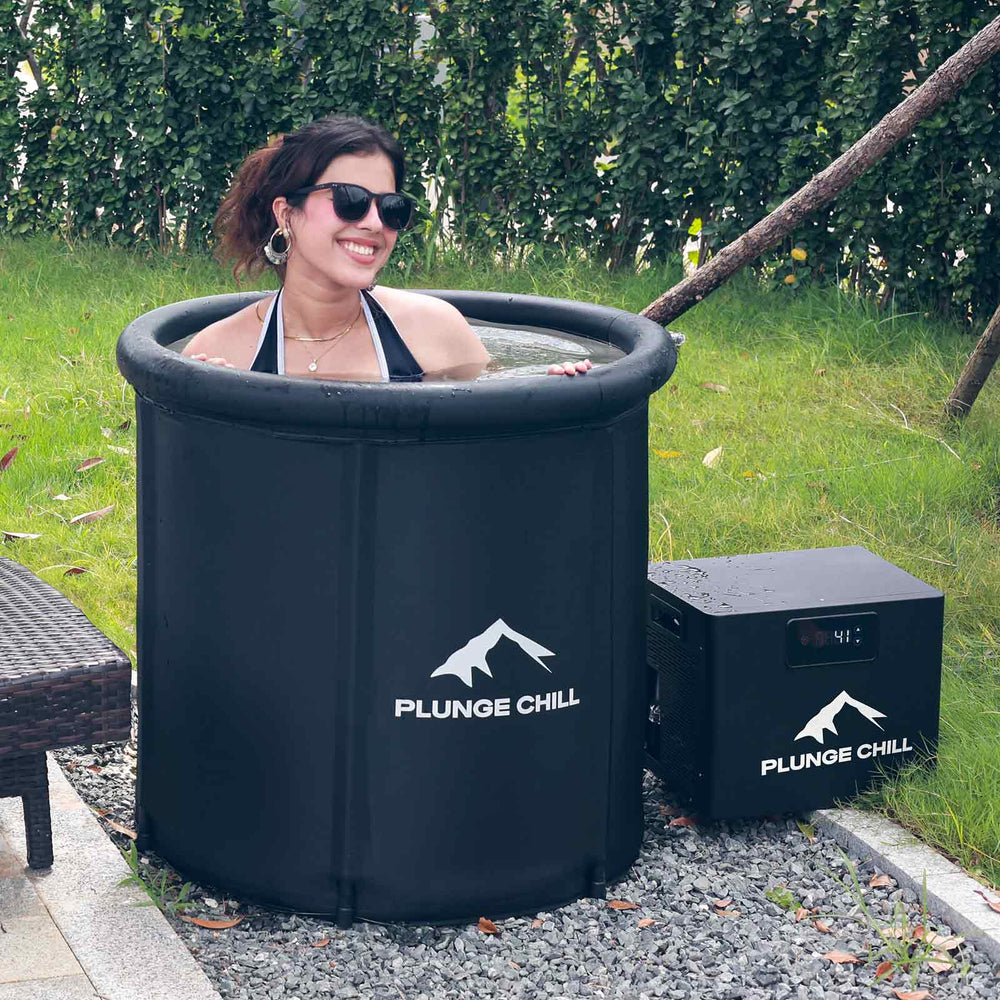
As a sports rehabilitation specialist and strength coach who also reviews cold plunge products, I’ve used cold‑water immersion with collegiate teams, weight-room clients, and post-operative patients. It can be an asset when the goal is next‑day readiness or cooling, but it can also work against long‑term strength and hypertrophy if you use it at the wrong time. The research is mixed, the protocols are often inconsistent, and the best decision depends on your training goal, timing, and health profile. This guide consolidates what the science and clinical practice actually support, and it adds field-tested tactics you can implement right away.
What Counts as a “Cold Plunge” After Lifting
A cold plunge, also called cold‑water immersion or an ice bath, is a brief submersion in cold water after physical activity. Clinics commonly describe effective ranges near 50–59°F for general use. With experience and careful monitoring, some athletes test slightly colder ranges down to the high 30s to low 40s°F, but that is not necessary for most strength programs and increases risk. In practice, many lifters can mimic a plunge at home by filling a tub halfway with cold tap water and adding ice to reach roughly the low‑50s°F. A thermometer matters more than the amount of ice.
Duration guidance varies by source. Clinical safety guidance often emphasizes very brief exposures in the range of 1–5 minutes for beginners, with many users finding about 3 minutes tolerable. Other sports medicine sources and strength facilities describe 10–15 minutes in 50–59°F water for experienced athletes under supervision. This discrepancy is important, and the right choice depends on your goal, your cold tolerance, and your supervision environment.

Does It Work? What the Evidence Says for Lifters
Cold exposure reduces subjective soreness and helps some athletes feel more “ready” the next day. A meta‑analysis of cold water immersion after exercise found consistent immediate reductions in perceived muscle soreness and effort, along with lower creatine kinase at 24 hours, but no dependable improvements in countermovement jump performance across time points and limited anti‑inflammatory biomarker changes. In other words, the perceptual benefits are real in the short term, but the performance carryover is inconsistent and the physiological mechanisms are not always reflected in standard lab markers.
For resistance training outcomes, several studies caution that routine post‑lift cold plunges can blunt long‑term strength and hypertrophy. A study in the Journal of Physiology reported reduced gains in muscle mass and strength when cold immersion followed strength training over time, and findings in the Journal of Strength & Conditioning Research aligned with reduced strength development under similar conditions. Reviews from major health systems echo the same caveat: frequent plunging immediately after lifting may compromise the adaptation you want from your training. At the same time, endurance adaptations appear less affected, and cold exposure remains an essential intervention for exertional heat illness cooling.
Cardiovascular safety is a separate issue. Major health sources note that cold immersion can spike breathing, heart rate, and blood pressure during the initial cold shock. People with cardiovascular disease, arrhythmias, peripheral artery disease, Raynaud’s, or uncontrolled hypertension should consult a clinician before trying any cold protocol.
How Cold and How Long? Protocols That Fit Strength Goals
The numbers below reflect ranges commonly cited by reputable clinical and sports performance sources. They are not prescriptive medical advice; individualize with your coach and clinician.
Goal |
When to Plunge |
Water Temperature |
Time in Water |
Notes |
Reduce soreness without risking hypertrophy |
Delay at least 24–48 hours after heavy lifting |
About 50–59°F |
About 3–10 minutes |
Shorter is safer; monitor shivering and breathing; exit early if symptoms escalate. |
Cool down after hot training or competition |
Immediately post-session in heat |
About 50–59°F |
About 3–10 minutes |
Especially useful after events in high heat; aids thermoregulation. |
Rapid next‑day readiness between closely spaced efforts |
Same day or evening of heavy session when performance tomorrow is the priority |
About 50–59°F |
About 3–10 minutes |
Accept the potential trade‑off with long‑term strength gains. |
First‑time users and general wellness |
Separate from key lifting days |
About 53–59°F |
About 1–3 minutes |
Start warmer and shorter, then progress slowly. |
Two points explain why credible sources disagree about “the right” time and duration. First, safety‑led guidance emphasizes minimal exposure and conservative temperatures to limit cold‑shock risk. Second, sports‑lab protocols run longer because they’re supervised and aim to produce measurable tissue cooling—goals that are not necessary for every lifter. In a home or gym setting without direct supervision, I advise using conservative durations and temperatures until you know how you respond.
Timing Strategies for Strength and Hypertrophy
If your primary goal is muscle size or maximal strength, avoid making cold plunges your default immediately after lifting. Both clinical summaries and controlled studies suggest that regular post‑lift immersion can blunt the cell signaling that drives hypertrophy and strength over time. Athletes who still want the short‑term soreness relief have two workable options. One is to delay the plunge until the next day, ideally 24–48 hours later, when the early inflammatory signaling most linked to adaptation has already occurred. Another is to reserve plunges for congested competition periods or unusually hot training days when quick turnaround is more important than long‑term gains.
Some clinicians suggest that a shorter delay—on the order of 4–6 hours after lifting—may reduce the risk of blunting hypertrophy while still helping comfort and sleep. This shorter-delay approach is plausible but not as well established across studies, and its effectiveness likely depends on session intensity and individual response.
One overlooked insight from meta-analytic work is that water temperature has a larger effect on next‑day neuromuscular performance variability than immersion depth, at least in the narrow ranges tested. That means chasing deeper submersion without temperature control is less useful than hitting a reliable temperature you tolerate well. Another is that hydrostatic pressure and rewarming may account for a meaningful share of the benefits; water that is too cold can reduce heart rate and cardiac output, which may partially counteract the circulatory advantages you get from immersion in the first place. A practical takeaway is to aim for cool—not extreme—water when your goal is recovery rather than maximal stress inoculation, and to let your body warm gradually afterward. These patterns are supported by sport science reviews and older physiology papers that compared cold with thermoneutral immersion.
How Cold Plunges Affect Your Body
Cold water causes vasoconstriction in surface tissues. This limits local blood flow and swelling, numbs sensory nerve endings, and dampens pain signaling—hence the rapid drop in perceived soreness. On exit, progressive rewarming dilates vessels and increases circulation, which is one reason athletes often feel more relaxed and limber after a short plunge and a warm shower.
Hydrostatic pressure from immersion shifts fluid from the extremities toward the central circulation, which can boost cardiac output and accelerate clearance of metabolic byproducts once rewarming is underway. Interestingly, if the water is extremely cold, the body fights to preserve core temperature by reducing heart rate and peripheral blood flow, which could diminish some of the circulatory benefits you were trying to leverage. This is one reason I emphasize measured, moderate cold for lifters and keep the coldest exposures for specific cases such as rapid cooling after very hot events.
Hormonal and autonomic effects are real but not a reason to overuse cold. Brief cold exposure increases sympathetic arousal and can improve alertness. Some people report better sleep later in the day, but this is not consistent across studies and appears to vary by sex, duration, and timing. Trusted medical publishers characterize sleep and mood benefits as tentative.
Safety, Contraindications, and Smart Precautions
Cold shock is a physiologic event, not a motivational slogan. Sudden immersion can trigger an involuntary gasp and hyperventilation, raise blood pressure, and temporarily stress the heart. That’s why reputable voices remind us not to plunge alone, to avoid open water with currents, and to have warm clothing and a rewarming plan ready—particularly outdoors in winter.
People with cardiovascular disease, arrhythmias such as atrial fibrillation, peripheral artery disease, Raynaud’s, diabetes with neuropathy, poor circulation, or cold agglutinin disease should involve a clinician before trying cold immersion. If you’re recovering from an acute injury, do not use cold to mask pain that needs medical evaluation. Finally, very cold water below about 40°F adds frostbite and nerve injury risk without providing extra recovery value for strength athletes.

Integrating Cold Into a Strength Program
The simplest way to think about cold plunging around lifting is to periodize it like any other recovery tool. During hypertrophy blocks or strength peaking cycles, minimize or delay cold exposure after key sessions so that you don’t dull the training stimulus. During competition or two‑a‑day periods when next‑day performance matters more than adaptation, use short plunges in the low‑50s°F immediately post‑session to reduce soreness and help manage core temperature.
Contrast water therapy—alternating short cold and warm bouts—may offer a broader recovery effect than cold alone for some athletes by driving circulation changes without excessive cold. Coach‑compiled summaries describe better retention of strength and power with contrast methods versus cold only, likely via enhanced blood flow on the hot phases.
Another emerging observation is that hot‑water immersion may be better than cold for preserving short‑term power within the same day, with no advantage for cold over hot the next morning in at least one small study context. This aligns with the mechanism—heat improves muscle blood flow and may support neuromuscular performance—but it remains preliminary.
Cold showers are a reasonable alternative when a plunge is impractical. They do not produce the same uniform hydrostatic pressure or compression, but they can provide a similar short‑term arousal effect and mild cooling, which is often enough when your objectives are comfort and adherence rather than measured tissue cooling.
Product Buying and Care Tips
Cold plunge products range from improvised home setups to turnkey systems with precise temperature control. Your choice should reflect how you train, how many people will use the unit, and how much maintenance you are willing to do.
Setup Type |
Temperature Control |
Typical Cost |
Best Use Case |
Considerations |
Home bathtub with ice |
Manual with thermometer |
Low |
Occasional use, entry‑level testing |
Inexpensive but imprecise; requires ice; drain and clean after each use. |
Manual or add‑on chiller |
Low to moderate |
Garage or patio use, small spaces |
Easy to store; sanitation relies on diligent cleaning if no filtration. |
|
Digital control, set‑and‑hold |
Moderate to very high |
Frequent use, teams, precise protocols |
Up‑front cost can be high; consider filtration, ozone/UV sanitation, insulation, cover, and noise. Some systems can cost up to $20,000 in fully featured configurations, as noted by major health systems. |
From a reviewer’s standpoint, a few features have an outsized impact on real‑world use. Accurate temperature control and quiet operation determine whether you actually use the unit during early mornings or in apartments. Insulation and a fitted cover keep operating costs down and temperature stable. A simple, serviceable filtration path with the option for ozone or UV sanitation reduces biofilm and keeps water clear. A drain at floor level, GFCI‑protected power, and a textured step or platform improve safety.
Care is straightforward if you adopt a routine. Measure temperature with a reliable thermometer rather than guessing by feel. Rinse off before entering, especially after sweaty sessions, to reduce contamination and extend filter life. Follow the manufacturer’s cleaning and sanitizer instructions. In shared settings, document a simple schedule for filter checks and water changes to avoid guesswork. If you use an outdoor unit, protect it from direct debris and shield electrical components from rain. These steps are standard sanitation practice in gyms and clinics; if your unit includes specific sanitizer concentrations or filter change intervals, follow those manufacturer directions rather than generic advice.
A Note on Conflicting Guidance
It is natural to find one expert recommending 3–5 minutes while another suggests 10–15 minutes in similar temperatures. Definitions and methods differ. Clinical rehabilitation sources prioritize safety, minimize cold‑shock exposure, and favor brief, conservative dosing you can repeat. Sports performance labs often test longer sessions under supervision to achieve a measurable drop in muscle temperature. Studies also vary by athlete training status, sex, environment, and whether the outcome is soreness, biomarkers, or actual repeated performance. These differences explain much of the surface‑level disagreement without implying that one side is simply “wrong.”
Takeaway
Cold plunges are most effective for lifters when used deliberately rather than reflexively. If you chase size and strength, keep cold out of your immediate post‑lift ritual and use it the next day or during competition windows when turn‑around matters more than adaptation. If you need quick cooling in heat, or you’re managing back‑to‑back efforts, a short plunge in the low‑50s°F is a reasonable trade‑off. Always screen for cardiovascular risks, measure temperature, and progress slowly. When you buy, prioritize precise temperature control, sanitation, and safety over gimmicks. The best results come from aligning the tool with your training goal and safety profile—not from going colder or longer for its own sake.
FAQ
Should I cold plunge right after lifting if I want bigger, stronger muscles?
If hypertrophy or maximal strength is your top priority, do not make cold plunging your default immediately after lifting. Multiple studies and clinical summaries indicate that routine post‑lift cold immersion can blunt long‑term strength and size gains. Delay the plunge to the next day when you still want soreness relief, or reserve it for heat or congested competition periods when short‑term readiness is the priority.
Are cold showers a good substitute for a plunge?
Cold showers provide a practical alternative when a tub is not available. They generally deliver less uniform cooling and lack the hydrostatic pressure benefits of immersion, but many lifters still report reduced perceived soreness and improved arousal. For most home users, a short cold shower in the same temperature feel range is sufficient on non‑key days.
How cold and how long is safest to start?
For first‑time users, keep it simple by targeting water in the mid‑50s°F and staying in for about 1–3 minutes. If you tolerate that well, progress gradually toward about 3–10 minutes as needed. There is no benefit to going below roughly 40°F for strength recovery, and risk rises quickly as temperatures drop and time extends.
Is contrast therapy better than cold alone?
Alternating brief cold and warm bouts may enhance circulation and perceived recovery while reducing the need for extreme cold. Some coach‑compiled evidence suggests it can preserve more strength and power than cold alone in the short term, but high‑quality head‑to‑head data are limited.
Who should avoid cold plunges or speak to a clinician first?
Anyone with cardiovascular disease, heart rhythm issues, peripheral artery disease, Raynaud’s, diabetes with neuropathy, or poor circulation should get medical guidance before trying cold immersion. If you experience marked dizziness, chest discomfort, or uncontrolled shivering, exit, rewarm, and seek medical advice. Never plunge alone, and avoid natural waters with currents.
Do cold plunges help with weight loss?
Cold exposure increases energy expenditure during rewarming and can activate brown fat. That said, the effect sizes in real life are modest and inconsistent, and cold plunges are not an effective standalone fat‑loss strategy. Treat them as an optional recovery tool, not a primary metabolic intervention.
Sources Mentioned in This Article
Clinical and sports sources informing this guidance include Cleveland Clinic, Mayo Clinic Health System, Kaiser Permanente, Harvard Health, Ohio State Wexner Medical Center, peer‑reviewed journals such as the Journal of Physiology and the Journal of Strength & Conditioning Research, and sport science summaries that discuss cold‑water immersion, hot‑water immersion, and contrast methods. Where evidence was preliminary or coach‑compiled, I labeled it and suggested a simple verification step.
References
- https://lms-dev.api.berkeley.edu/cold-baths-benefits
- https://digitalcommons.cedarville.edu/cgi/viewcontent.cgi?filename=1&article=1539&context=research_scholarship_symposium&type=additional
- https://www.health.harvard.edu/heart-health/cold-plunges-healthy-or-harmful-for-your-heart
- https://www.mcphs.edu/news/physical-therapist-explains-why-you-should-chill-out-on-ice-baths
- https://sncs-prod-external.mayo.edu/hometown-health/speaking-of-health/cold-plunge-after-workouts
- https://pmc.ncbi.nlm.nih.gov/articles/PMC2938508/
- https://health.osu.edu/wellness/exercise-and-nutrition/do-ice-baths-help-workout-recovery
- https://ejournal.upi.edu/index.php/penjas/article/download/62700/pdf
- https://today.wayne.edu/news/2021/03/22/is-cold-water-swimming-good-for-you-41963
- https://health.clevelandclinic.org/what-to-know-about-cold-plunges