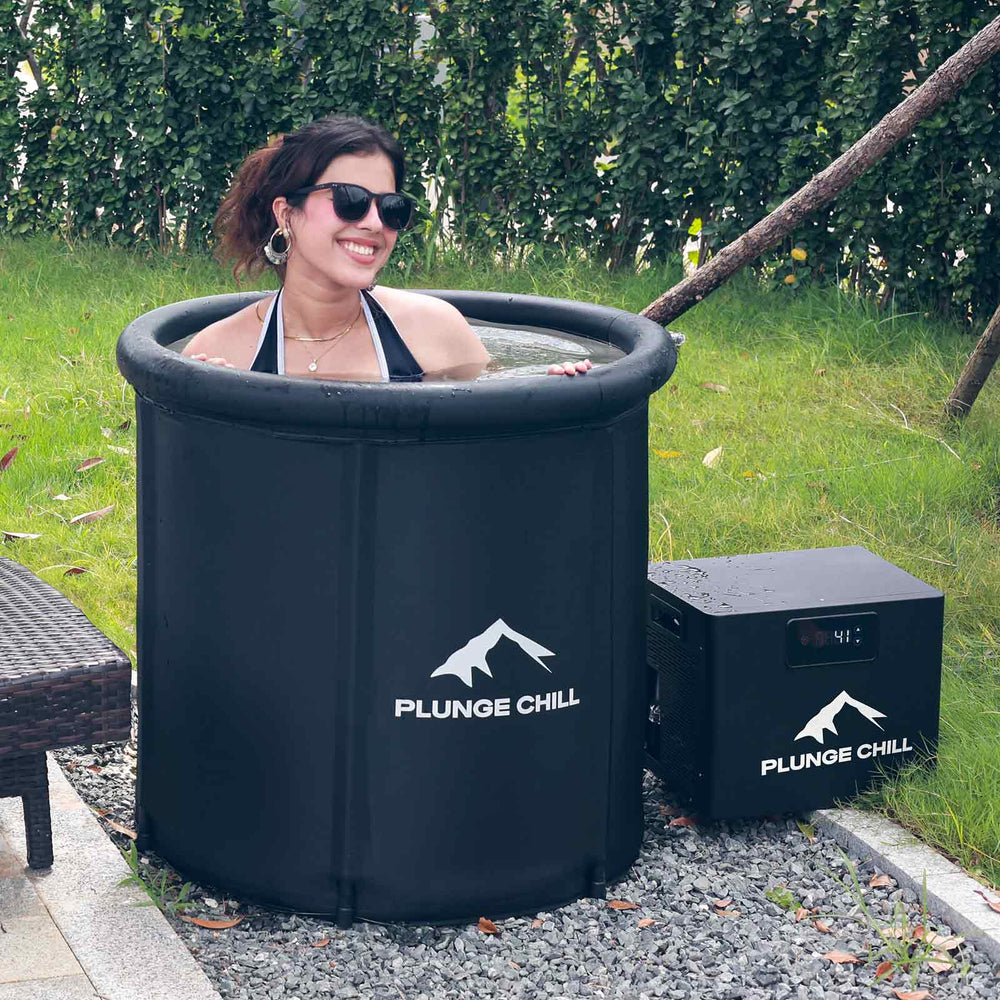
Cold-water immersion can be a powerful tool for recovery, resilience, and readiness—if you get the dose right. As a sports rehabilitation specialist and strength coach who also evaluates cold plunge products, I see two mistakes over and over: water that’s too warm to create a stimulus, or water so cold that athletes cut sessions short or, worse, interfere with training adaptations. This guide translates the best available evidence and on-the-ground experience into clear temperature and timing settings you can put to work today.
Want to keep your cold plunge at the perfect temperature every day?
Instead of buying ice every session, a temperature-controlled cold plunge tub with chiller keeps your water between 40°F–60°F automatically.

Cold Plunge Tub with Chiller
What Counts as “Cold” and Why It Works
Cold plunging means deliberate submersion in cold water that is cold enough to challenge your system yet safe enough to control your breathing and stay composed. When you enter the water, blood vessels in the skin and limbs constrict, shunting blood centrally to preserve core temperature. That vascular response lowers tissue temperature and dampens inflammatory signaling, which is one reason soreness can decrease after hard efforts. On exit, blood vessels dilate and circulation rebounds, which supports the clearance of metabolic byproducts.
Alongside the vascular effects, catecholamines rise. Many people feel an immediate lift in alertness and mood, consistent with increases in norepinephrine and dopamine reported in human cold exposure studies. These mechanisms are widely described by sources such as Mayo Clinic Health System, University Hospitals, and the Huberman Lab newsletter.
The Optimal Temperature Window
Most healthy adults get predictable benefits in the 50–60°F range. That band is cited across consumer and clinical-facing sources, including Renu Therapy, Coldture, University Hospitals, Strength Warehouse USA, and Ice Barrel’s education content. I coach beginners to make their first successful reps at 60–65°F, then step down over several sessions. Once someone is reliably calm at 55–60°F for two to five minutes with good breath control, a tighter 50–55°F window is the sweet spot for post-exercise soreness and next‑day readiness for many team-sport and endurance athletes (Mayo Clinic Health System, Ohio State Health, Runner’s World).
A few experienced practitioners explore 39–45°F exposures for short bouts. That intensity is not necessary for most goals and requires strong self-regulation and tight session control. Although some blogs discuss exposures down near freezing (Arsenal Health), I rarely find that productive in a training environment outside of specialized pursuits or research contexts.
Below is a practical temperature-time matrix based on goal and experience. I use this chart to set initial prescriptions and then adjust to individual response.
|
Profile or Goal |
Starting Water Temp |
Target Range |
Typical Time per Session |
Weekly Total |
Coaching Notes |
|
New to cold exposure |
60–65°F |
58–62°F |
1–3 minutes |
6–9 minutes |
Focus on nasal breathing, smooth entry, and clean exits before lowering temperature. |
|
General wellness and mood |
55–60°F |
55–60°F |
2–5 minutes |
6–11 minutes |
Morning sessions fit well; expect alertness and a stable mood lift afterward. |
|
Post-endurance recovery |
50–55°F |
50–55°F |
3–5 minutes |
8–12 minutes |
Aids perceived soreness and next‑day performance; tolerate shivering threshold conservatively. |
|
Metabolic stimulus and resilience practice |
45–50°F |
45–50°F |
2–3 minutes |
8–11 minutes |
Colder demands tighter time control; end with cold and allow natural rewarming for a stronger metabolic effect (Huberman Lab). |
|
Advanced, well-acclimated users |
42–45°F |
39–45°F |
1–3 minutes |
6–10 minutes |
Use only with excellent breath control and supervision; not necessary for most users. |
Two points of apparent disagreement deserve context. Runner’s World describes a 48–59°F range for 10–15 minutes after hard efforts based on a survey of practitioners, while many coaching protocols emphasize shorter exposures within 50–60°F distributed across the week to hit roughly 11 total minutes (Huberman Lab newsletter; Coldture). The discrepancy likely reflects different methodologies and aims: surveys of field practice versus controlled acute-dose frameworks, endurance-focused recovery versus balancing adaptation across strength-endurance programs, and the practical need to keep compliance high in everyday settings. If you prioritize hypertrophy or maximal strength gains, limit immediate post-lift cold exposure or separate it by at least several hours (Mayo Clinic Health System; Ohio State Health; Huberman Lab).
Keeping water at 60°F with ice is difficult because the temperature rises quickly.
A cold plunge chiller maintains your target temperature automatically.

COLD PLUNGE CHILLER

Time Matters as Much as Temperature
In practice, dose is temperature multiplied by time. Short, consistent exposures at a tolerably cold temperature usually beat heroic single bouts that you dread repeating. A simple starting plan that aligns with multiple sources is a weekly total around 11 minutes spread across two to four sessions, each one to five minutes, at a temperature that feels “uncomfortably cold yet controllable.” Some programs use single longer sessions of 10–15 minutes at about 50–59°F (Mayo Clinic Health System; Runner’s World; Ohio State Health). If you go longer, stay warmer; if you go colder, shorten time. Exit before your breathing loses rhythm or shivering becomes vigorous.

When to Plunge Relative to Training
Timing depends on what you are trying to preserve or improve. Cold exposure right after heavy lifting can blunt some molecular signals that drive strength and hypertrophy over the long term; choose to delay cold at least several hours after lifting if gains are the priority (Mayo Clinic Health System; Ohio State Health; Huberman Lab). For endurance blocks—tempo runs, long interval sessions, or games—post-workout cold may reduce soreness and help next‑day restoration without the same adaptation penalty.
Cold raises arousal; many athletes feel calm but mentally sharp for hours. That makes morning or early daytime sessions a good default. If sleep is sensitive, keep cold at least two hours away from bedtime so you have time to rewarm naturally (Coldture; Huberman Lab).
This planning table helps athletes and coaches place cold sessions in a weekly schedule.
|
Training Context |
Preferred Timing |
Rationale |
Practical Note |
|
Heavy strength or hypertrophy block |
Separate cold by 6–8+ hours or use on off‑days |
Avoid blunting strength/hypertrophy signaling |
If soreness is limiting, keep water warmer and time shorter on lift days. |
|
Post-endurance or team practice |
Within 30–90 minutes post‑session |
Reduces perceived soreness and supports next‑day readiness |
Keep to 50–55°F for 3–5 minutes to balance effect and tolerability. |
|
Two-a-day schedules |
After the final session |
Preserve adaptation to the earlier session |
On heat days, pre‑cooling is situational; it can help in heat but may raise injury risk if muscles are not warmed. |
|
Morning resilience practice |
First thing or mid‑morning |
Enhances alertness and mood |
Avoid right before bed; allow at least two hours to rewarm. |

Safety, Contraindications, and Red Flags
Cold exposure raises blood pressure and heart rate acutely, and the initial gasp reflex can be hazardous in deep water. People with cardiovascular disease, uncontrolled hypertension, arrhythmias, Raynaud’s phenomenon, asthma or reactive airways, neuropathy, diabetes, or those who are pregnant should seek medical clearance first (Mayo Clinic Health System; University Hospitals; Healthline; Arsenal Health). Avoid plunging alone, and avoid open water with currents because of drowning risk; controlled tubs or monitored settings are safer (Mayo Clinic Health System; Healthline).
Enter gradually, keep your head above water, and breathe through the nose until your urge to gasp subsides. Exit if you feel confused, lightheaded, severely numb, or if shivering becomes intense; rewarm with dry clothes, light movement, and a warm beverage rather than jumping straight into a very hot shower (Arsenal Health; Healthline). Keep towels and warm layers close if you are outside in winter conditions.

Practical Session Flow From Warm-Up to Aftercare
A brief warm-up of easy cardio and dynamic mobility for five minutes reduces the shock of entry. Before stepping in, take several slow cycles of box breathing to steady your CO₂ tolerance; it makes the first ten seconds easier. Lower yourself in steadily rather than jumping, set a timer you can see, and keep your hands in the water to prevent a false sense of comfort from the insulating layer that forms around skin. On exit, move lightly and layer up. I ask athletes to log how they feel immediately and again one hour later; if energy and mood are consistently better an hour later without excessive fatigue, the dose is probably right.

Evidence-Informed Settings vs Real-World Behavior
Field audits show athletes often choose water that is too cold, but then exit too early. Runner’s World reported that many practitioners used colder-than-recommended temperatures and shorter-than-recommended times, which dilutes the intended stimulus. This compliance gap explains why keeping the temperature moderate and the duration achievable often outperforms chasing extreme cold that you cannot sustain consistently.

Equipment and Buying Guide
Product choice shapes both the fidelity of your dose and how easy it is to keep water safe. DIY tubs are inexpensive and effective for occasional use but warm quickly and lack filtration. Purpose-built plunge systems maintain a set temperature with minimal drift and include filtration and sanitation features; this consistency is valuable when multiple users share the unit or when you are trying to standardize recovery across a team.
|
Option |
Upfront Cost |
Typical Temp Range |
Control Precision |
Hygiene Upkeep |
Best For |
|
DIY tub with bagged ice |
About 100.00 |
Highly variable |
Low; requires frequent ice |
Drain and clean frequently |
Occasional users and experimentation |
|
Basic stock tank + chiller |
About 2,000.00 |
About 45–60°F |
Moderate; depends on chiller |
Manual filtration and cleaning |
Home users seeking reliability on a budget |
|
Dedicated plunge with integrated chiller/filtration |
About 15,000.00 |
About 39–60°F |
High; digital set point |
Built‑in filtration; routine filter changes |
Homes, clinics, gyms with multiple users |
Cold plunge tubs designed for multi-user environments can hold a precise temperature between 40–60°F, and many incorporate filtration, ozone, and sometimes UV to reduce microbial growth (RHTubs; brand education sources). Some manufacturers or reviewers suggest water can remain usable for several weeks with robust filtration when bather loads and hygiene are controlled (Coldture).
Beyond core specs, my product evaluations consider chassis durability, insulation and energy draw, set-point accuracy within about ±1°F, sanitation features, pump noise for indoor apartments, and warranty response times. For households with small children or pets, a locking lid is not optional.
Water Quality and Maintenance
Clean water is part health, part comfort, and part equipment longevity. Rinse the tub before first use and avoid leaving harsh cleaner residues on surfaces. Adhere to the manufacturer’s filtration and sanitation protocol; solids and skin oils accumulate quickly with higher usage. If you do not run a sanitizer, you will need more frequent drain and refills. In colder climates, tubs can hold temperature with less energy input; in warmer regions you may need more ice or a higher-capacity chiller (Ice Barrel; RHTubs). Logging water clarity, odor, and feel alongside basic test-strip checks makes maintenance predictable and safer for skin.
Special Populations and Individualization
Some practical differences in comfort and response show up across athletes. A small but growing set of spa and wellness reports suggests women may prefer, and potentially benefit from, slightly warmer settings such as 55–65°F, possibly due to body composition, metabolic, and hormonal factors (Glen Ivy).
Individuals with cold sensitivity—such as those with anemia, hypothyroidism, fibromyalgia, or certain medications—may need even warmer acclimation steps initially. Some coaching notes propose beginning with very warm water and stepping down gradually as a bridge into true cold exposure (Ice Barrel education).

Cost, Energy, and Practical Realities
Budget is a real constraint. DIY setups with a tub and ice are cheap to start but require ongoing ice purchases and frequent cleaning. Many clinics and gyms have moved to temperature-controlled plunge tubs because they are more sanitary, plug‑and‑play, and throughput-friendly, though the upfront price ranges widely from roughly $2,000.00 to $15,000.00 depending on capacity and features (RHTubs). Expect ongoing costs for filters and electricity; energy draw depends on ambient temperature, insulation, and target set point. For home users, real-world adherence matters more than premium hardware; choose the configuration you will actually use five days a week without dreading setup.
Contrast Therapy and Other Useful Variations
Alternating heat and cold can amplify circulatory effects and feels exceptionally good after legs‑heavy sessions. Simple patterns include a few minutes of sauna heat followed by one to two minutes of cold, repeating for two or three rounds and finishing cold (Coldture; University Hospitals). If muscle size is your primary goal, keep cold away from the immediate post-lift window. For heat stress or hot‑weather sport, remember that cold-water immersion cools overheated people far faster than passive rest when the goal is core cooling (Healthline).

Frequently Asked Questions
What temperature should I start with if I am new to cold plunging?
The easiest on‑ramp is 60–65°F for one to three minutes. Master calm breathing and smooth entries/exits first. After two to three successful sessions, lower the temperature a couple of degrees and add 15–30 seconds until you can sustain two to five minutes at 55–60°F with good composure. Once you are there, consider progressing to 50–55°F if your goal is recovery after training.
How long should I stay in the water?
Set a target you can repeat every week. Many athletes thrive on two to four sessions of one to five minutes, adding up to about 11 minutes across the week (Huberman Lab; Coldture). Some recovery protocols use single sessions of 10–15 minutes around 50–59°F, especially after endurance efforts (Mayo Clinic Health System; Runner’s World; Ohio State Health). Choose the model that you will consistently complete and that fits your training aims.
Should I cold plunge before or after workouts?
If you are chasing strength or hypertrophy, separate cold exposure from lifting by at least several hours, or do it on non‑lifting days, because immediate cold can mute adaptation signals. For endurance and mixed‑sport recovery, cold within 30–90 minutes after the session can reduce perceived soreness and support next‑day performance without the same hypertrophy trade‑off (Mayo Clinic Health System; Ohio State Health). Pre‑cooling may help in heat on a case‑by‑case basis, but entering a cold plunge before lifting can raise injury risk if muscles are not re‑warmed.
Can cold plunges improve sleep?
Cold often increases alertness for hours afterward, which can be an asset in the morning. If sleep is your priority, avoid plunging close to bedtime and allow at least two hours to rewarm naturally before lights out (Coldture; Huberman Lab). Some people find a gentle, warmer exposure earlier in the evening calming, but set a strict cutoff so body temperature can rise back to baseline.
Is colder always better?
Colder raises the physiological signal but also increases discomfort and the temptation to cut time short. Too cold for too long can also create excessive stress that shows up as fatigue the next day. The best dose is the one that challenges you while preserving calm breath and composure for the planned duration. In practice, that is usually 50–55°F for three to five minutes, not a sprint to 39°F that you abandon after 45 seconds.
Do I need a dedicated plunge tub, or will a DIY setup work?
Both can work. DIY tubs plus ice are cost‑effective and fine for occasional use. Temperature‑controlled plunges offer precision and sanitation that make consistent dosing easier, especially in shared settings. Clinics and gyms often choose dedicated units for throughput, while home users can succeed with either—choose based on budget, space, noise tolerance, and how much maintenance you will realistically do (RHTubs).
Takeaway
Get the dose right and make it repeatable. For most people, a temperature between 50–60°F, short sessions of two to five minutes, and a weekly total around 11 minutes deliver reliable benefits without undermining training. Place cold thoughtfully relative to workouts, especially when strength or hypertrophy are priorities, and keep the setup safe, clean, and easy to use. Precision beats bravado, and consistency beats extremes.
Sources Consulted
Mayo Clinic Health System summarizes basics, risks, and the impact on training adaptations. University Hospitals and Healthline provide consumer‑friendly guidance on definitions, parameters, and safety. The Huberman Lab newsletter discusses weekly dosing targets, timing, and metabolic considerations. Runner’s World highlights a real‑world compliance gap between recommended and practiced temperatures and times. Arsenal Health, Coldture, Ice Barrel, Fun Outdoor Living, Strength Warehouse USA, Renu Therapy, and RHTubs offer practical ranges, progression suggestions, and equipment considerations that align with what I see in coaching environments.
References
- https://lms-dev.api.berkeley.edu/cold-baths-benefits
- https://ben.edu/game-ready-ice-cold-how-plunge-chill-is-helping-redhawks-recover-smarter/
- https://digitalcommons.cedarville.edu/cgi/viewcontent.cgi?filename=1&article=1539&context=research_scholarship_symposium&type=additional
- https://www.mcphs.edu/news/physical-therapist-explains-why-you-should-chill-out-on-ice-baths
- https://www.marquette.edu/innovation/documents/arora_ice_bath_recovery.pdf
- https://sncs-prod-external.mayo.edu/hometown-health/speaking-of-health/cold-plunge-after-workouts
- https://health.osu.edu/wellness/exercise-and-nutrition/do-ice-baths-help-workout-recovery
- https://healthcare.utah.edu/healthfeed/2023/03/cold-plunging-and-impact-your-health
- https://www.mayoclinichealthsystem.org/hometown-health/speaking-of-health/cold-plunge-after-workouts
- https://www.uhhospitals.org/blog/articles/2024/03/taking-the-polar-plunge-what-to-know-about-cold-water-therapy