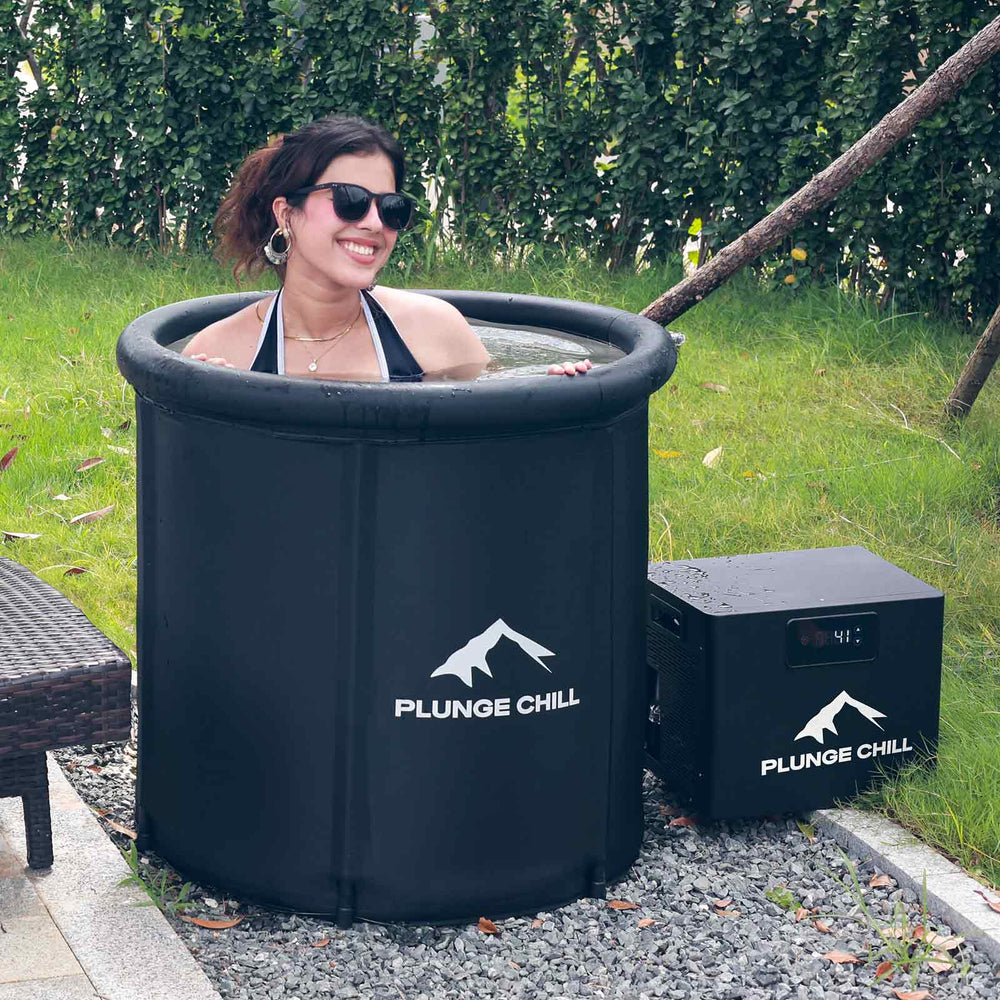
As a sports rehabilitation specialist and strength coach who spec‑tests cold immersion setups for teams and private facilities, I evaluate cold plunge tubs the same way I would a barbell or a treatment protocol: by standards, not slogans. A cold plunge that “meets industry standards” should do three things with proof, not promises. It must deliver predictable water quality with verifiable sanitizer and filtration performance. It must sustain stable temperatures and turnover under load without dead zones. It must use components and electrical protections aligned with recognized certifications and health‑code practices. This article translates those requirements into practical specifications you can buy, operate, and audit, using the best available guidance from water treatment sources and cold plunge manufacturers.
Why certification and standards matter for recovery outcomes
Clean, consistent water is not just a housekeeping box to tick. It is the foundation for safe immersion, predictable cold exposure, and long‑term equipment health. Dirty or imbalanced water increases microbial risk, produces biofilm and odors, and accelerates wear on pumps and chillers. When we push athletes into frequent contrast blocks, that risk and wear are amplified. Low water temperature slows many chemical reactions, including certain sanitizer pathways, which means the “margin for error” in a plunge is different than in a warm spa or pool. That is why tubs and the hardware that runs them should be selected and maintained to recognized specifications grounded in pool industry practice (CPOClass; Icebound). In my own facility audits, the highest‑performing plunges pair certified components with documented chemistry targets and a realistic maintenance cadence. The end result is better hygiene, fewer breakdowns, and colder, more consistent immersions.
What “certified” should mean for cold plunge tubs
When a vendor claims certification, ask which standard, for which component, and how it’s tested in context. For commercial and many institutional settings, the most concrete anchor is equipment certification under ANSI/NSF 50 for pool and spa water‑treatment components. Some health codes explicitly require recirculation systems to be built from ANSI/NSF 50–certified parts and to achieve defined turnover rates, alongside structural, drainage, and barrier requirements (Nebraska Administrative Code). Even if you run a residential plunge, sourcing filters, UV chambers, or ozone contact units that carry ANSI/NSF 50 can put your setup on a sturdier compliance footing. Electrical protection is also part of a standards‑minded install. For example, UV sterilizers require a GFCI‑protected circuit to align with safety expectations in wet environments (Coldture). In practice, a standards‑aligned cold plunge couples certified water‑treatment components with code‑sensible installation, then operates to verifiable chemistry targets and turnover times drawn from pool guidance adapted to cold use (CPOClass; PWTAG guidance cited by Brass Monkey).
Water chemistry ranges you can defend
The most consistent target band across sources for pH is 7.2 to 7.8. Total alkalinity between 80 and 120 ppm is widely used to buffer pH drift. Calcium hardness is more contested: some pool‑derived guidance favors 200 to 400 ppm, while cold plunge sources often run lower, near 100 to 250 ppm, especially for small, non‑plastered vessels (CPOClass; Icebound). For halogen sanitizers, free chlorine at 1 to 3 ppm or bromine at 3 to 5 ppm are common ranges, with bromine often preferred in cold water for stability and skin feel (CPOClass; Icebound). Hydrogen peroxide is an alternative in residential contexts, especially when paired with ozone, with a working residual of roughly 30 to 50 ppm and careful testing emphasized (Icebound). Because cold slows reaction kinetics, sanitizer persists longer but also acts more slowly, which argues for consistent circulation, vigilant testing, and conservative, precise dosing rather than “dump and hope” practices (CPOClass; Icebound).
Parameter |
Target Range |
Cold‑Water Note |
Sources |
pH |
7.2–7.8 |
Keeps sanitizer effective and comfort high |
CPOClass; Icebound |
Total Alkalinity |
80–120 ppm |
Buffers pH drift during dosing and use |
CPOClass; Icebound |
Calcium Hardness |
100–250 ppm or 200–400 ppm |
Lower end suits many small tubs; higher end aligns with some pool codes and surfaces |
Icebound; CPOClass |
Free Chlorine |
1.0–3.0 ppm |
Efficacy reduced in cold; maintain circulation and testing |
CPOClass |
Bromine |
3.0–5.0 ppm |
Often more stable and gentler in cold |
Icebound; Plunge Crafters |
Hydrogen Peroxide |
~30–50 ppm (with ozone) |
Residential use; measure precisely; do not exceed |
Icebound |
A brief note on disagreement: the split between 100–250 ppm and 200–400 ppm for calcium hardness likely reflects different surface materials and regional code practices, plus whether guidance is written for plastered pools versus polymer or fiberglass tubs. The safer choice is to follow your vessel manufacturer’s recommendation, then validate scale or corrosion risk through trend monitoring and, if needed, the Langelier Saturation Index to understand your water’s tendency to scale or etch (CPOClass).
Sanitation technologies, compliance, and practical trade‑offs
Ozone and UV are proven secondary systems used to reduce chemical demand and improve water clarity. Ozone is injected gas that oxidizes and inactivates microorganisms in contact chambers; vendor guidance cites 99.99 percent kill rates under proper design, with the practical cautions of adequate ventilation and manufacturer‑defined runtime (Icebound). UV damages microbial DNA as water passes the lamp, which is effective in the chamber but does not leave a residual; reliable electrical protection and timely lamp replacement are essential, and the device must be on a GFCI circuit (CPOClass maintenance patterns; Coldture).
Hydrogen peroxide is increasingly used at small residential volumes, particularly alongside ozone, to keep halogen exposure minimal while preserving sanitation. It requires precise testing and dosing, as 100 to 150 gallons is a small chemical reservoir; typical stock strengths are concentrated, and over‑dosing is easy if you rush (Icebound). If you choose chlorine or bromine, remember that cold water slows kill times; keep circulation strong, do not rely on “set and forget” doses, and shock periodically per your test results (CPOClass; Bubbyshine).
An overlooked, practical insight from field use is that low temperature can create uneven sanitizer distribution if your tub has dead spots or users enter before a full mixing cycle completes. This becomes visible as persistent cloudiness in corners even while your test strips look acceptable near the skimmer. The most reliable mitigation is to validate pump flow, ensure full‑volume mixing before sessions, and scrub biofilm on a cadence that matches your bather load (CPOClass; Garage Gym Reviews). The likely cause is slowed chemistry compounded by localized stagnation; keeping turnover within a 30–60 minute window and scrubbing surfaces bi‑weekly in group settings are effective countermeasures (CPOClass).
Filtration and turnover, sized like a professional
Filtration does more than catch hairs and grit. Fine cartridge media in the 5 to 20‑micron range drives clearer water with fewer clarifiers, provided you maintain pressure and flow. A practical cleaning rhythm is weekly rinsing and deeper soaks every two to three weeks; replace cartridges when media deforms rather than on a fixed calendar alone (Icebound). Larger systems may use sand or diatomaceous earth, but most home and small team plunges run cartridges; choose replacements that specify micron rating and are easy to source.
Turnover time is the backbone metric. For cold plunge pools, pool‑industry practice aims for 30 to 60 minutes depending on bather load and whether the setting is commercial or residential, with stronger circulation emphasized to prevent cold spots and dead zones (CPOClass). A pragmatic selection rule for many tubs is to choose a pump that moves about twice the tub’s gallon capacity per hour, which typically yields a turnover near 30 minutes while keeping noise and energy reasonable. In real terms, a 100‑gallon plunge pairs well with roughly 200 gallons per hour under your system’s head loss, and a 150‑gallon tub near 300 gallons per hour, adjusted to match your chiller specifications (CUNY Pressbooks).
Tub Volume (gal) |
Approx. Flow for ~30‑min Turnover (GPH) |
Notes |
80 |
~160 |
Adjust for chiller head loss and plumbing bends |
100 |
~200 |
A common sweet spot for home and team rooms |
125 |
~250 |
Verify chiller’s rated flow window |
150 |
~300 |
Balance noise, energy, and mixing quality |
I validate these numbers on site by temperature uniformity checks during circulation and by dye‑test observation in corners. If your dye takes minutes to clear from a corner, your turnover target is not being met in practice, even if your pump is “big enough” on paper.
Maintenance cadence aligned with standards, not guesswork
Cleanliness is cadence. Simple, repeated steps protect users and equipment more reliably than occasional “big cleans.” Daily or per‑session hygiene—rinsing before entry, skimming, and replacing the fitted insulated cover—keeps contaminant load low and chemistry stable (Airvida; AquaLab; Colderatti). Testing pH and sanitizer regularly, at least weekly and more often with heavy use, reduces surprises. Filter maintenance spans weekly rinses and monthly deep cleans, with replacements based on performance rather than a calendar date alone (Icebound; Bubbyshine; Garage Gym Reviews).
Water changes vary widely in public guidance. Some sources suggest two to four weeks in residential use, while others cite one to three months, particularly with robust filtration and ozone. In my experience, a reasonable starting point is two to four weeks for a single user indoors, shortening to one to two weeks for multi‑user or outdoor tubs, and extending only after you trend clear test data over multiple cycles (Airvida; Polar Monkeys; Coldture; Fire Cold Plunge; Plunge Crafters). Conflicting recommendations likely arise from different assumptions about ozone runtime, bather load, and environmental debris, as well as a marketing lens. Where vendor claims mention up to forty‑five days between changes, I treat this as a best‑case claim and confirm with weekly chemical tests and a direct odor/clarity check before accepting longer intervals. Suggested verification: log weekly sanitizer residual and pH alongside a basic microbial dip test and filter differential pressure to confirm a stable trend before extending beyond four weeks (Coldture).
Deep cleaning remains essential. A general two‑to‑four‑week deep clean cadence is common, triggered sooner by cloudy water, slimy walls, or odor. The sequence is straightforward: power down, remove and clean filters, fully drain, scrub with a mild non‑abrasive cleaner, rinse thoroughly, sanitize per your chosen system, rinse again, clean accessories like chillers per their manuals, and refill, then re‑balance. This approach is consistent across vendor and pool‑treatment sources and avoids prolonged biofilm establishment that later resists normal sanitizers (Coldture; Fire Cold Plunge; Garage Gym Reviews; Bubbyshine).

Product selection for certified performance
A standards‑focused buying process looks past branding to auditable features. Seek water‑treatment components carrying ANSI/NSF 50 where available, including cartridge housings, UV chambers, and ozone contact systems, then confirm your installer provides GFCI protection for any powered device near water, particularly UV (Nebraska Administrative Code; Coldture). Favor filters with published micron ratings in the 5 to 20‑micron range and easily sourced replacement media. Validate pump flow and chiller compatibility against a 30‑to‑60‑minute turnover target, not just maximum advertised gallons per hour. A chiller with safety shutoff and stable thermostat control improves session reliability; remote control is useful for clinics that schedule plunges in blocks (Coldture; Fire Cold Plunge). Size for actual users; many one‑person tubs run small, and taller athletes struggle to submerge fully, which reduces thermal dose and the training effect. Durable shells, easy drainage, and a well‑fitting insulated cover lower operating costs and extend water life (Colderatti).
Costs scale with capability. Entry setups can cost under a thousand dollars, while fully featured, self‑sanitizing systems with rapid cooling and automatic filtration run much higher. The right spend is the one that buys repeatable sanitation and turnover with the least manual work for your context; this is where ozone‑UV stacks and NSF‑listed components often justify their price, particularly in multi‑user clinics (Colderatti; Fire Cold Plunge; Polar Monkeys).

Pros and cons of common sanitizer paths
A quick side‑by‑side on sanitizer strategies helps match solutions to constraints.
Approach |
Strengths |
Trade‑offs |
Best Fit |
Chlorine (1–3 ppm) |
Widely available, measurable residual |
Harsher feel; efficacy slower in cold; odor if mismanaged |
Simple residential or supervised commercial with robust testing |
Bromine (3–5 ppm) |
More stable in cold; gentler feel |
Tablets/feeders required; still needs careful testing |
Cold environments with sensitive skin |
Hydrogen Peroxide (~30–50 ppm with ozone) |
Residue‑free; gentle |
Requires precise dosing and testing; typically residential |
Home tubs paired with ozone |
Ozone |
Strong oxidation; reduces chemical demand |
Requires ventilation; runtime tuning |
Any tub seeking lower chemical usage |
UV |
Inactivates microbes in chamber; no taste/odor |
No residual; lamp maintenance; GFCI required |
Supplement alongside residual sanitizer |
Sources: CPOClass; Icebound; Coldture; AquaLab; Bubbyshine.
An overlooked operational nuance is sequencing and contact time. Whether dosing alkalinity, pH adjusters, or sanitizer, run the pump, allow twenty to thirty minutes of circulation between additions, and keep the cover off during dosing to ensure adequate contact and off‑gassing where applicable. Skipping this step produces false confidence in test readings and inconsistent water near the user’s body. This sequencing is repeatedly emphasized in pool‑treatment guidance and aligns with what I measure in practice under cold conditions (Icebound; CPOClass).

Care and hygiene that extend water life
User hygiene is the cheapest water treatment there is. A brief rinse or shower before plunging, clean towels, and a skimmer pass after sessions cut the load of oils, dirt, and organics that consume sanitizer and foul filters (Airvida; AquaLab; Plunge Crafters). Keeping an insulated cover on between sessions blocks debris, stabilizes chemistry, and preserves temperature, especially during warm months when water warms quickly without active chilling (Airvida; Polar Monkeys). Weekly wall wipes with a mild, non‑abrasive cleaner or diluted white vinegar prevent biofilm establishment; if running ozone heavily, you may need less manual wiping, but do not skip inspection (Plunge Crafters; Garage Gym Reviews). Surrounding surfaces matter too. A clean, dry area around the tub reduces mold, and non‑slip mats limit tracked‑in grit that accumulates quickly in small volumes (Airvida).

Residential versus commercial expectations
Residential plunges can use more flexible sanitizer stacks, including hydrogen peroxide with ozone, provided owners test diligently. Commercial and high‑traffic settings should hew closer to pool‑style practice: halogen residuals verified frequently, documented turnover, clear signage, pre‑use showers, and maintenance logs. Consider enzyme cleaners weekly to address organics that accumulate from high bather loads; cold slows these processes, but it does not stop them (CPOClass). Facilities should also inspect and service pumps and chillers, watching for hardened seals, condensation management, coil cleanliness, and refrigerant performance, because cold exposure benefits are compromised by intermittent temperature control (CPOClass).

Practical buying tips grounded in standards
If you are selecting a tub for a team room, insist on certified components for recirculation and disinfection, GFCI protection at the point of use where required, and published flow curves to confirm turnover with your plumbing. Ask vendors to state micron ratings for filters, replacement availability, and recommended maintenance cadence. Demand a clear water‑care protocol with pH, alkalinity, and sanitizer targets supported by test kits included or specified by name. For home buyers, test ease of draining, cover fit, and filter access before you purchase; these determine whether you will actually stick to the maintenance cadence that keeps water safe. Verify that accessory claims, such as multi‑week water life or self‑clean cycles, are supported with a measurement plan rather than aspirational language. When sources disagree on water‑change frequency, assume the shorter interval until your logs justify an extension (Coldture; Polar Monkeys; Fire Cold Plunge; Plunge Crafters).
Brief comparison of conflicting guidance and likely reasons
Water‑change frequency is all over the map, from every few uses to several months. The most plausible causes are different definitions of “clean” (smell and clarity versus microbial counts), different sanitization stacks (no‑chemical versus ozone‑halogen combos), bather load, and whether the environment is indoors or outdoors. Calcium hardness targets diverge for similar reasons: vessels and plumbing materials vary, and many pool targets assume plaster surfaces or regional water composition unlike what a small polymer tub experiences (CPOClass; Icebound; Coldture; Heracles Wellness). The right response is to start conservative, monitor, and adjust; standards are a floor, and your logbook is the ceiling.

FAQ
How often should I change the water in a certified cold plunge?
For a single‑user indoor tub, two to four weeks is a defensible starting point, with earlier changes if clarity, odor, or wall feel declines. Multi‑user or outdoor tubs often need weekly to biweekly changes. If you adopt robust filtration with ozone or UV, you can extend intervals only after you document stable sanitizer residual and pH over multiple cycles. Where vendor claims extend to forty‑five days or more, treat them as best‑case scenarios and verify with weekly test data. Suggested verification: maintain a simple log of pH, sanitizer residual, and odor/clarity notes each week before extending intervals (Airvida; Coldture; Polar Monkeys; Plunge Crafters; Fire Cold Plunge).
What is the ideal cold plunge temperature for recovery?
Most guidance centers on 50 to 59°F for general recovery and resilience work, which balances stimulus with tolerability over repeated sessions. Teams with specific protocols may go colder briefly, but for most users the 50s deliver reliable benefits with reduced risk when supervised and dosed appropriately (AquaLab; Heracles Wellness; CUNY Pressbooks).
Should I use chlorine, bromine, or hydrogen peroxide?
All can work if managed correctly. Chlorine is common and measurable but can feel harsher in cold water. Bromine is more stable at low temperatures and often gentler on skin. Hydrogen peroxide is a plausible residential option, especially with ozone, but requires precise testing and careful dosing. Whatever you choose, test regularly and maintain circulation so your residual reaches all parts of the tub (CPOClass; Icebound; Plunge Crafters).
Do ozone and UV make a plunge “chemical‑free”?
They are powerful secondary systems that reduce chemical demand, not universal replacements for a measurable residual. Ozone provides strong oxidation in the system with runtime and ventilation considerations, and UV inactivates microbes in the chamber but does not leave a residual. For multi‑user or commercial contexts, pair secondary systems with a maintained sanitizer residual to align with pool‑style safety practices (Icebound; CPOClass).
How do I know a cold plunge’s components meet industry standards?
Look for ANSI/NSF 50 on water‑treatment components like filters and UV/ozone units where applicable, verify GFCI protection for powered devices near water, and ask for documented turnover capability with your tub’s actual plumbing. Local health codes may explicitly require certified components and defined turnover, especially for public or commercial installations. Keep maintenance logs and calibrate instruments if you operate in a professional setting (Nebraska Administrative Code; CPOClass).
Takeaway
A cold plunge that truly “meets industry standards” is more than a cold tub with a marketing badge. It is an integrated system whose water‑treatment components carry recognized certifications, whose installation respects electrical and safety norms, and whose operation hits defendable chemistry targets and turnover times. When you pair that backbone with a disciplined maintenance cadence and pragmatic user hygiene, you get what matters most in sports rehab and performance: cold, clean, repeatable immersions that stand up to daily use. If a claim seems generous—multi‑month water life or instantly pristine water without testing—treat it as a hypothesis. Set conservative targets, test, log, and extend only after your data says you can. That is how you buy, run, and verify a certified cold plunge in the real world.
Sources cited in text: CPOClass; Icebound; Coldture; Airvida; AquaLab; Bubbyshine; Colderatti; Garage Gym Reviews; Nebraska Administrative Code; CUNY Pressbooks; Polar Monkeys; Fire Cold Plunge; Heracles Wellness; Revive Plunge; Regent Total Wellness.
References
- https://www.law.cornell.edu/regulations/nebraska/178-Neb-Admin-Code-ch-2-SS-005
- https://pressbooks.cuny.edu/vision/part/why-cold-plunge-pumps-matter-in-ice-baths/
- https://wellness.studentaffairs.miami.edu/_assets/pdf/policies-and-procedures/policies-procedures.pdf
- https://www.canr.msu.edu/ipm/uploads/files/trainingmanuals_swimmingpool/swimmingpool_wholemanual.pdf
- https://repository.si.edu/bitstream/handle/10088/2718/ProceedingsColdwaterDiving.pdf?sequence=1&isAllowed=y
- https://www.ehs.ucsb.edu/sites/default/files/docs/eh/New%20pool%20plan%20check.pdf
- https://www.garagegymreviews.com/cold-plunge-maintenance
- https://chilltubs.com/how-to-keep-ice-bath-water-clean/
- https://cpoclass.com/cold-plunge-pool-maintenance/
- https://airvidachambers.com/blogs/news/how-to-keep-cold-plunge-water-clean?srsltid=AfmBOormDY7us5bKtxYyhX6QiFq05BbUHntEfTJCVApVTcllil4lbHk6