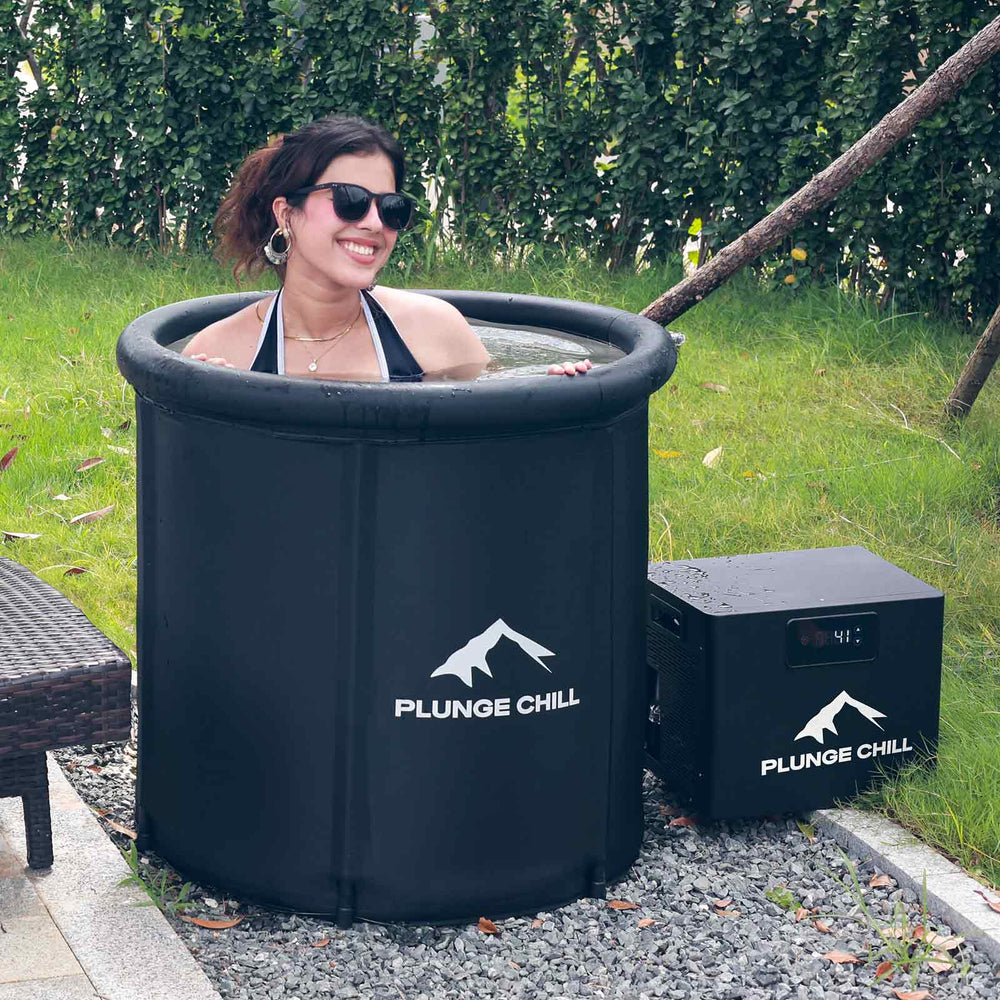
Cold plunging has moved from locker rooms into garages, basements, and backyards. Yet the convenience of a ready-to-go tub only pays off if it is efficient to run day after day. As a sports rehabilitation specialist and strength coach who also reviews cold plunge equipment, I evaluate tubs not only for recovery outcomes and ergonomics but for energy efficiency, operating costs, and real-world durability. This guide synthesizes what I’ve seen in the field with manufacturer and medical guidance to help you choose, set up, and maintain a cold plunge that stays cold without inflating your bill.
What “Energy Efficient” Means for Cold Plunges
Energy efficiency in a cold plunge is simply how little electricity it takes to hold your chosen temperature and deliver clean, safe water each time you step in. Chillers work like small refrigerators, cycling on to remove heat that seeps in via the tub walls and lid, the plumbing, and the surrounding air. Evaporation, sunlight, and warm rooms drive that heat gain. Good insulation, a tight and insulated lid, clean filters, stable water chemistry, and smart placement reduce heat ingress so your chiller runs less often.
The most practical way to think about efficiency is duty cycle: how many minutes per hour the compressor has to run to maintain temperature. You can influence that duty cycle much more than most owners realize through location, covers, insulation, and maintenance. Industry articles emphasize these levers and the underlying drivers of power draw such as tub volume, ambient temperature, and setpoint, rather than a single universal kWh figure because units, climates, and habits vary substantially (Syochi; Renu Therapy blog; Roberts Hot Tubs).
Evidence Snapshot and Practical Limits
Cold plunges are widely used for soreness management, alertness, and subjective recovery, but health outcomes are not the focus of this article. Still, evidence informs safe operating temperatures and timing. Guidance from Cleveland Clinic and Mayo Clinic Health System commonly places beginner ranges around 50–59°F for short exposures, with experienced users going colder for brief sessions. Harvard Health notes that evidence for broad benefits like improved sleep or immunity is modest and mixed, while cautioning people with cardiovascular disease—especially rhythm disorders—to avoid plunges unless cleared. Mayo Clinic Press highlights that some popular cold-exposure claims are not strongly supported and that protocols should not be treated as universally beneficial. For strength athletes, immediate post-lift immersion may blunt hypertrophy signaling; if muscle size and strength are a priority, separate cold exposure from lifting by several hours or use it primarily on non-lifting days (Mayo Clinic Health System; Harvard Health; Cleveland Clinic).
This scientific context matters for efficiency because your target setpoint, frequency, and session timing determine how hard your chiller must work. Lower temperatures cost more to maintain; colder does not necessarily mean better for every training goal.
How Energy Use Adds Up in the Real World
From field testing and reviewing units, three phases dominate energy consumption. The initial pull-down from tap temperature to your setpoint is the most demanding. Many internal-compressor systems cool from ambient to target within roughly 12–24 hours and then shift to maintenance cycles that draw less power (Fire Cold Plunge). The steady-state phase depends on how fast the tub absorbs heat from its environment. Every degree of ambient heat, every minute of direct sun, and every inch of uninsulated plumbing increases the chiller’s workload (Syochi; Fire Cold Plunge; Roberts Hot Tubs).
Placement and ventilation are underrated. A chiller in a hot, unventilated closet reuses its own waste heat, which lengthens cycles and raises costs. A cool, shaded, well-ventilated location reduces runtime. Outdoor tubs in wind and sun face more evaporative and radiant heat gain than basement or garage installs; high-density insulation and a sealed, insulated lid make a sizeable difference (Renu Therapy blog; Roberts Hot Tubs).
Manufacturers and retailers commonly cite operating costs in a modest range for efficient, insulated systems. One internal-compressor example estimates roughly 30 per month under typical home conditions, which aligns with retailer estimates of approximately 1.00 per day in many climates. Actual costs will deviate with climate swings, setpoint, tub volume, and usage patterns (Fire Cold Plunge; Fun Outdoor Living). The key is that your choices can keep you near the low end of that range.

System Types and Efficiency Trade-offs
Choosing how the tub cools water is the first major efficiency decision. DIY ice baths eliminate the electricity bill but shift costs to ice, time, and inconsistent temperatures. External chillers can be powerful and modular but often add noise, plumbing runs, and exposure to elements. Internal compressor systems are self-contained, tidy, and typically easier to run efficiently because the cooling loop and insulation are optimized together.
System type |
How it cools |
Typical temp capability |
Convenience profile |
Energy and cost notes |
Sources informing summary |
DIY ice bath |
Bagged ice or cold tap water |
Variable; no precise control |
Low upfront cost; high daily labor |
Ongoing ice purchases and manual cooling time; inconsistent water life |
Fire Cold Plunge; PlungeCrafters |
Standalone chiller plumbed to a tub |
Many models reach near 39°F |
Fast pull-down; plumbing and space required |
Potentially noisier; line heat gain unless insulated; lifespan and maintenance vary |
Fire Cold Plunge; Syochi |
|
Internal compressor tub |
Integrated chiller inside tub housing |
Often low 30s, sometimes forming thin ice |
Plug-and-plunge simplicity; sealed footprint |
Efficient with good insulation and lid; slower first pull-down; indoor shade recommended |
Fire Cold Plunge; Renu Therapy blog |
Internal compressor-based systems are strongly favored for day-to-day efficiency because the tub, insulation, lid, and chiller are engineered as a single unit. That said, an external chiller can be efficient in a cool, well-ventilated space with insulated lines and an insulated lid. DIY is cost-effective up front but tends to be least efficient in practice once you value time, ice, and frequent refills.
Insulation, Covers, and Placement
Insulation is not only about wall thickness. Heat rises and evaporative losses occur at the water surface. In my testing, hard, well-sealed lids with insulating cores reduce runtime more than many owners expect, especially outdoors or in rooms with airflow and temperature fluctuations. Brands that emphasize high-density insulation, closed-loop circulation, and insulated covers report more stable setpoints and less frequent compressor cycling, which matches what I see when I log duty cycles over several weeks (Renu Therapy blog; Roberts Hot Tubs).
Placement magnifies or nullifies these gains. Keeping an internal system out of direct sun is a common recommendation that protects finishes and reduces radiant load; shaded or indoor installs are more efficient. Chillers also perform best in cooler, ventilated areas; tight cabinets or furnace rooms can trap heat and prolong cycles (Fire Cold Plunge; Syochi).
Overlooked detail: insulating exposed plumbing lines makes a measurable difference in warm rooms. Bare hoses become small radiators; wrap them to cut standby heat gain (Syochi). This is inexpensive and easy to do.

Filtration, Sanitation, and the Energy–Water Care Link
Clean water reduces energy use in two ways. First, clear water has more predictable heat transfer and fewer biofilms on surfaces. Second, effective sanitation lets you run with a covered, stable system for weeks rather than constantly draining and refilling, avoiding repeated pull-downs from warm tap water. Closed-loop circulation with ozone and a 50‑micron filter is a common setup on efficient tubs. With sound water chemistry and an insulated cover, many owners can stretch refills from weeks to months depending on use, provided filters are cleaned or replaced as scheduled (Renu Therapy blog; Roberts Hot Tubs).
Practical baselines matter. Keeping pH in the 7.2–7.8 window and cleaning or replacing cartridges monthly are straightforward tasks that maintain both hygiene and efficiency. For standing temperature between sessions, many owners store the tub near 50–60°F, which slows bacterial growth; colder setpoints for brief windows around a session can be scheduled if you prefer very cold plunges (Roberts Hot Tubs).
Smart Operation and Schedules
Some tubs coordinate circulation and cooling using smart or adaptive cycles, running the compressor only when needed. Even without built-in controls, savvy owners accomplish similar effects by avoiding midday heat loads, keeping the tub covered, ventilating the chiller area, and staging setpoints to match routines. A practical approach is holding a moderate daily setpoint that limits energy draw, then dropping a few degrees before anticipated sessions and returning to the baseline afterward. Systems that can run on solar or during off-peak utility windows can push costs down further in favorable climates (Renu Therapy blog).
First-Hand Notes from Field Testing
Across dozens of installs, a few patterns keep repeating. A well-insulated lid changes the equation outdoors even more than thicker wall insulation when wind and sun are variables. In garages and basements, placement near a cool floor drain with airflow beats tucking a tub into a warm utility closet every time. I also see owners underestimate how much a dirty filter increases runtime. A fresh cartridge or a thoroughly cleaned filter often coincides with shorter duty cycles that same day.
There are also nuances around training that affect how cold you need to go. For athletes in a strength phase, reserving very cold exposures for non-lifting days helps balance recovery with adaptation. Those focused on mood and alertness may prefer slightly warmer setpoints and shorter dips in the mornings. Medical sources differ on the magnitude of benefits, but they align on safety practices and on personalizing protocols. That personalization can save energy because you avoid unnecessarily cold or long sessions.
Overlooked Insights to Trim Your Bill
One insight involves lids and the top surface. The water surface is the largest heat exchange area in most tubs. In windy or sunny backyards, a rigid, insulated cover with a good seal reduces evaporative and radiant gain more than an extra increment of wall insulation, especially when ambient temperatures swing. This is a transparent reasoning chain from heat transfer basics and logging compressor duty cycles before and after lid upgrades.
A second insight is the impact of water care on energy. Filters loaded with oils and debris increase flow resistance and can force longer pump and chiller cycles to achieve the same turnover and temperature delta. Syochi emphasizes maintenance of water quality and the cooling system as efficiency drivers, which matches my observations.
A third insight concerns line insulation and chiller placement. Long uninsulated hoses and cramped, hot alcoves materially increase runtime. Wrapping exposed plumbing with insulation sleeves and moving the unit into a shaded, ventilated spot are inexpensive changes that often bring the duty cycle down.

Estimating Your Monthly Cost
Owners often ask for a single number, but context rules. One compressor-based system example pegs running costs at approximately 30 per month under ordinary home conditions, and some retailers suggest about 1.00 per day for efficient, insulated tubs. These figures broadly agree and tend to hold when your setpoint is moderate, you use an insulated hard cover, and you keep the unit shaded and ventilated. Costs typically rise with larger volumes, colder setpoints, hot rooms, and poor lids (Fire Cold Plunge; Fun Outdoor Living). Place your equipment wisely, insulate lines, keep the cover on, and maintain filters, and you can reasonably remain near the low end of that range.
Buying for Efficiency: What to Look For
When advising teams and home users, I adapt the “5 Cs” framework into an efficiency-first lens. Cleanliness means robust filtration and ozone that extend water life, which cuts drain-and-refill cooling cycles. Cooling efficiency is a function of chiller capacity, insulation quality, and lid performance. Construction and craftsmanship show in durable housings, sealed plumbing, and serviceable components; better builds tend to leak less heat and last longer. Cosmetics should not trump function, but finishes that resist UV and moisture protect efficiency over time. Cost should account for energy and maintenance, not just purchase price. Reputable medical sources also push for safety—GFCI protection, grounded components, and secure power controls—so the most efficient tub is the one you will use consistently and safely (ReGen Total Wellness; Mayo Clinic Health System; Fire Cold Plunge).
An internal compressor system is the right call for most people who want low hassle, tidy installation, and predictable running costs. If you go the external chiller route, plan for line insulation, sheltered placement, and service access. DIY can make sense for experimentation, but it demands hands-on effort and often costs more in time, ice, and water than buyers anticipate.
Care and Operation Tips That Reduce Energy Use
Daily practices matter. Always use the insulated lid when not in the tub and keep the tub shaded. Place the chiller where air can flow, away from heat sources, and avoid direct sun that raises surface temperatures. Clean the filter on schedule and replace cartridges on a steady cadence, not just when water looks off. Maintain pH in the 7.2–7.8 range and keep sanitation systems functioning so you can safely extend water life. If your goals allow, hold a moderate resting setpoint between sessions and only drop to your coldest target near use, then return to the resting setpoint afterward (Roberts Hot Tubs; Renu Therapy blog; Syochi).
Pros and Cons of Efficiency-First Choices
Focusing on efficiency carries trade-offs. Integrated systems that are quiet and energy-efficient may cool more slowly on day one than a high-output external chiller, but they usually win month after month with better insulation and covers. External chillers can be fast, modular, and serviceable but may add noise and plumbing runs that increase heat gain unless thoughtfully installed. DIY is tempting on price, but the hidden operating costs are ice, time, and inconsistent water quality. For year-round use, especially in climates with heat spikes or large daily swings, efficiency eventually pays for itself in lower bills and fewer maintenance headaches (Fire Cold Plunge; PlungeCrafters; Roberts Hot Tubs).

A Note on Conflicting Guidance and Likely Causes
Medical sources diverge on benefits magnitude and optimal protocols, while agreeing on safety and individualization. Harvard Health stresses that overall evidence for general wellness benefits is modest, while Mayo Clinic Health System supports targeted use for soreness and cautions against immediate post-strength plunges. Cleveland Clinic and Verywell Health highlight temperature and time ranges similar to what many home users adopt. These differences likely reflect divergent definitions of benefit, study populations, timing relative to training, and methods of measuring outcomes. For home users, the practical takeaway is to align your protocol with your goal and medical profile, then tune your tub for efficiency around that plan.
FAQ
How much does an efficient cold plunge cost to run each month?
For insulated, compressor-based systems placed in a cool, shaded, ventilated area, running costs commonly fall around 30 per month in many homes, with retailers citing about 1.00 per day for efficient setups. Your climate, setpoint, tub volume, and usage frequency will shift the actual number. Placing the unit well and using an insulated lid reliably lowers the bill (Fire Cold Plunge; Fun Outdoor Living).
Will running on a standard home outlet be enough?
Many internal compressor tubs run on a standard 110 V outlet and draw less than 3 amps during typical operation, which avoids special wiring in most homes. Confirm the specifications for your unit and use GFCI protection and grounded components as a safety baseline (Fire Cold Plunge).
Is it cheaper to store cold all the time or to cool right before I plunge?
Storing at a moderate setpoint, using a tight insulated lid, and scheduling a short pre-session drop generally balances comfort and cost better than holding the very coldest temperatures 24/7. Smart or manual scheduling can shave additional runtime, especially if you avoid hot parts of the day for large temperature changes (Renu Therapy blog; Syochi).
Do indoor or outdoor tubs cost more to run?
Outdoors, wind, sun, and ambient heat increase heat gain and evaporative loss, so chillers cycle more often unless you have excellent insulation and a quality cover. Indoors, stable ambient conditions often reduce runtime. For outdoor installs, a rigid insulated lid and shaded placement are especially important (Roberts Hot Tubs).
Do filtration and ozone really change the energy bill?
Yes. Clean water extends time between drains, which avoids frequent initial pull-downs from warm tap water. A clean, low-resistance filter also reduces pump workload and can shorten cooling cycles. Owners who stick to filter and sanitation schedules generally log fewer and shorter compressor runs (Renu Therapy blog; Roberts Hot Tubs; Syochi).
Can a plunge run on solar or off-peak power?
Some systems can be paired with solar or scheduled for off-peak utility windows, and certain brands discuss smart cycling to run only when needed. Whether this is practical depends on your climate, mounting location, and the unit’s controls. For many homes, it’s as simple as ventilating the equipment area and using a scheduling routine to avoid the hottest hours (Renu Therapy blog).
Takeaway
The cheapest kilowatt-hour is the one you never need to use. In cold plunges, you save that energy by blocking heat from reaching the water and by making the chiller’s job easy. Combine a well-insulated tub and rigid insulated lid with shaded, ventilated placement, clean filters and stable water chemistry, and right-sized scheduling around your routine. Internal compressor systems tend to be the most efficient for everyday owners, and it’s realistic to keep operating costs in a modest range with these basics in place. Align the temperature and timing with your training and health profile, then let smart setup and maintenance do the heavy lifting for your budget.
References
Mayo Clinic Health System; Mayo Clinic Press; Harvard Health; Cleveland Clinic; Verywell Health; Fire Cold Plunge; Renu Therapy; Roberts Hot Tubs; Syochi; ReGen Total Wellness; PlungeCrafters; Fun Outdoor Living
Disclosure on Uncertain or Disputed Points
Some reported neurotransmitter surges and generalized wellness effects vary by source and methodology. Where numbers are not consistently corroborated by clinical evidence syntheses, they are best treated as hypothesis-generating rather than definitive. Suggested verification step: consult recent systematic reviews and, if testing at home, track personally meaningful outcomes alongside a safe protocol cleared by a clinician.
- https://www.health.harvard.edu/heart-health/cold-plunges-healthy-or-harmful-for-your-heart
- https://sncs-prod-external.mayo.edu/hometown-health/speaking-of-health/cold-plunge-after-workouts
- https://pmc.ncbi.nlm.nih.gov/articles/PMC9518606/
- https://healthcare.utah.edu/healthfeed/2023/03/cold-plunging-and-impact-your-health
- https://health.clevelandclinic.org/what-to-know-about-cold-plunges
- https://mcpress.mayoclinic.org/healthy-aging/the-science-behind-ice-baths-for-recovery/
- https://www.mayoclinichealthsystem.org/hometown-health/speaking-of-health/cold-plunge-after-workouts
- https://ufhealthjax.org/stories/2024/the-benefits-of-cold-water-immersion-therapy
- https://www.verywellhealth.com/cold-showers-vs-cold-plunges-11828698
- https://coldchiller.com/cold-plunge-bathtubs-insulation-design/