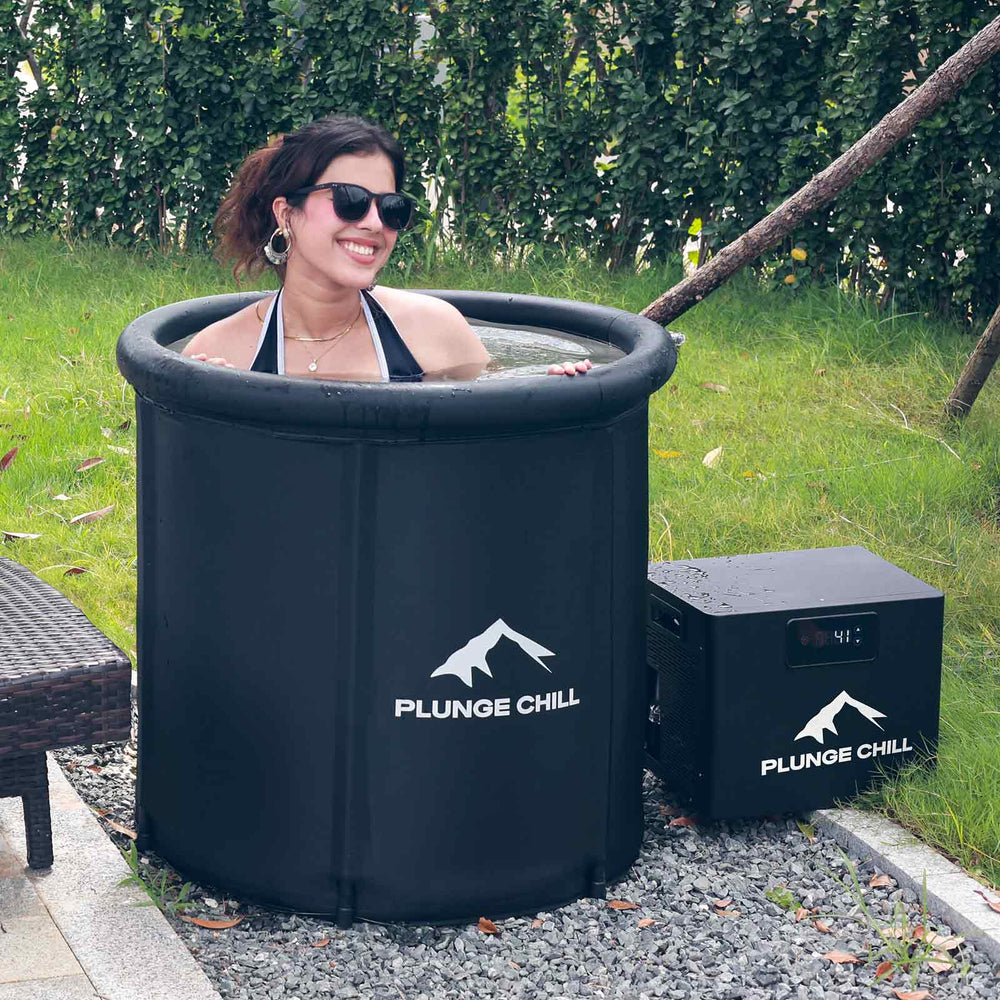
Cold water swimming has moved from the fringes of northern-climate tradition into a global wellness trend. The practice—brief immersions in frigid natural water or purpose-built tubs—figures prominently in countries with long winters, and it is commonly observed across cold climates that include Russia. This article explains what cold water swimming involves, how it affects the body, what the best evidence really shows, and how to approach it safely and practically. Where research is incomplete or practices are inferred from international winter-swimming customs, that is clearly stated.
What “Cold Water Swimming” Means in Cold‑Climate Cultures
Cold water swimming refers to consciously entering open water well below ordinary pool temperatures, often in lakes, rivers, or the sea. Clinical and research definitions typically consider “cold” as water at or below about 59°F. International winter-swimming rules also describe progressively colder categories approaching near-freezing conditions. Even in countries with harsh winters, most sessions are deliberately short and supervised, because the first two minutes are the riskiest for breathing and cardiovascular stability.
Although customs vary by region and club, practice patterns in Russia can be reasonably assumed to align with other northern traditions: organized groups meet at known access points, participants acclimatize with the season rather than jumping straight to the coldest temperatures, and exposure remains brief with mindful rewarming afterward. This inference is based on broad winter-swimming literature from cold‑climate countries and the international classification of event temperatures; confidence: medium.
A major practical distinction is coverage. Showers primarily cool the skin and peripheral tissues, while full-body immersions cool the core more effectively. That difference largely explains why the subjective effect of a quick shower seldom matches the intensity of a plunge.
A Quick Tour of Temperatures and Modalities
The ranges below synthesize clinical guidance and research conventions. Values are shown in Fahrenheit and refer to water temperature, not air.
|
Modality |
Typical Temperature |
Coverage |
Notes |
|
Cold shower |
50–60°F |
Peripheral cooling |
Accessible entry point; less cooling of the core; easy to grade duration. |
|
Cold-water immersion (CWI) |
45–59°F |
Chest-to-neck |
Widely used in labs and sports recovery; definitions in research often use ≤59°F. |
|
Polar plunge/open-water dip |
35–40°F |
Whole body |
Very strong cold‑shock response; used in many winter clubs and charity events. |
|
Ice bath (home or facility) |
32–59°F |
Whole body |
Temperature depends on ice volume and bath size; controllable and repeatable. |
|
Whole‑body cryotherapy |
As low as −200°F (cold air) |
Air exposure |
Air, not water; short exposures; different heat transfer and risk profile. |
Clinical sources such as Cleveland Clinic and Case Western Reserve University encourage starting warmer and shorter, then progressing only as tolerance and safety allow. For novice bathers, conservative targets around the upper 50s to low 60s can be an appropriate entry point; advanced practitioners may explore temperatures in the 40s with careful supervision.

What Happens to Your Body in Cold Water
The first seconds are dominated by the cold shock response. Breathing rate spikes, a reflexive gasp may occur, heart rate and blood pressure rise, and blood vessels in the limbs constrict to shunt warm blood toward vital organs. Case Western Reserve University describes this cascade in detail and emphasizes that hyperventilation can persist for minutes. Shivering, a powerful heat‑producing reflex, typically follows if the exposure lasts long enough.
Beneath the surface, cold-sensitive receptors in the skin and nerves signal the brain to increase alertness. Neuropsychiatry research highlights transient receptor channels that help detect cold and coordinate thermoregulation, and functional MRI work has observed short‑term increases in connectivity among attention and salience networks in the brain after a brief head‑out immersion near 68°F. These neural changes align with what many swimmers describe—an immediate feeling of energy, clarity, and calm once breathing comes under control.
The cold shock phase is also why the first two minutes are the most dangerous if someone panics, inhales water, or experiences an arrhythmia. It is the reason organized groups emphasize calm, controlled entry, and why clinics advise staying well within one’s limits.

Benefits: What the Evidence Actually Shows
Enthusiasm for cold immersion spans decades, but robust, large trials are still limited outside elite sports and narrow protocols. A recent PLOS One analysis pooled 11 randomized studies with more than 3,000 healthy adults and found time‑dependent effects rather than magic bullets. Inflammation rose acutely right after immersion and about an hour later, stress appeared lower about 12 hours afterward, and other outcomes such as mood and immunity were mixed or inconclusive overall. Summaries from health systems at Cleveland Clinic, Mayo Clinic, Harvard Health Publishing, and UCLA Health reinforce a cautious theme: some benefits are plausible or observed in specific contexts, but protocols, temperatures, and populations differ enough that firm generalizations are premature.
The most consistent, near‑term athletic effect is relief from soreness, particularly after endurance training. Sports medicine teams and OSU Health note that cold immersion can help next‑day performance and perceived recovery, yet repeated post‑lift plunges may blunt long‑term strength and muscle growth. This trade‑off matters to anyone training for hypertrophy; many coaches now separate intense resistance sessions and cold exposure by a day, or save cold for times when rapid readiness matters more than adaptation.
Mental health signals are promising but not uniform. Stanford Lifestyle Medicine has gathered evidence that endorphins and norepinephrine likely contribute to the post‑immersion lift, while short clinical exposures around 56–68°F have improved positive affect in very small studies. Harvard’s summary of the PLOS One review, however, cautions that mood outcomes were not consistently improved in pooled trials, reminding us to separate individual experiences from broad claims. The safest interpretation right now is that brief cold can boost alertness and perceived wellbeing for many people, with the duration and durability of that boost still being characterized.
Metabolic claims require nuance. Cold undeniably increases heat production, and shivering temporarily drives up energy use and improves glucose uptake by muscle. Some reviews and podcasts discuss brown adipose tissue activation, but realistic contributions to daily energy expenditure appear modest. The practical takeaway is that cold can complement an active lifestyle, yet it should not be treated as a weight‑loss strategy on its own.
Immunity and sleep show mixed pictures. Trials have not demonstrated consistent short‑term immune changes immediately after immersion, though observational data suggest fewer sick‑leave days with routine cold showering. Several reports note better perceived sleep and quality of life, while acknowledging that protocols differ and placebo or social factors may contribute.
Here is a concise evidence map to ground expectations.
|
Potential Benefit |
What Research Suggests |
Caveats and Context |
Practical Implication |
|
Reduced soreness and better next‑day readiness, especially for endurance work |
May blunt long‑term strength and muscle gains if done right after lifting |
Use strategically when recovery matters; avoid soon after heavy strength sessions |
|
|
Stress and mood |
Immediate lift and lower stress by 12 hours reported in pooled trials and small lab studies |
Mood results are inconsistent across studies and populations |
Consider as a short, safe stimulant for alertness; do not treat as a sole therapy |
|
Metabolic effects |
Short‑term calorie burn from shivering; improved glucose uptake |
Brown fat contribution is modest; weight loss requires broader habits |
Helpful adjunct to training and nutrition, not a standalone weight tool |
|
Immunity |
No consistent short‑term change; fewer sick‑leave days with cold showers in one narrative summary |
Protocols vary; causality not guaranteed |
If used, keep expectations measured and monitor personal response |
|
Sleep and wellbeing |
Some reports of improved sleep and quality of life |
Heterogeneous methods and small samples |
Try earlier in the day if evening warmth disrupts sleep; track your data |
|
Cognition |
Many settings show impairment during or soon after significant cooling |
Depends on exposure depth and rewarming |
Keep exposures brief and rewarm before complex tasks or driving |
Risks and Contraindications You Should Respect
Cold immersion is a strong cardiovascular and respiratory stressor. Cleveland Clinic, the British Heart Foundation, and Case Western all emphasize that sudden cold can drive up heart rate and blood pressure and, in susceptible people, trigger abnormal heart rhythms. Individuals with coronary disease, hypertension, prior stroke, cardiomyopathy, peripheral neuropathy, poor circulation, cold agglutinin disease, severe Raynaud’s, or poorly controlled diabetes should seek medical advice first. Medications such as beta blockers can blunt normal adaptations to the adrenergic surge and may complicate safety. Dizziness, panic, and loss of motor control increase drowning risk, especially in open water.
Hypothermia remains a risk beyond a few minutes, particularly in near‑freezing water and windy conditions, and cognition can degrade during or after heavy cooling. Environmental hazards matter too. Recent reporting has noted contamination concerns in some rivers, and open water can harbor pathogens that cause gastrointestinal or skin illness. In practice, that means choosing known locations with safety protocols, checking advisories after heavy rain, and avoiding solo swims.

How to Start Safely and Progress Intelligently
Clinic and university guidance share a conservative message: start warmer and shorter, and never go alone. For showers, the simplest entry is to finish a normal warm shower with 30–60 seconds in the coldest setting you can tolerate, working up to a few minutes over time. For tubs or open water, a measured approach is wiser than a heroic one.
Beginners can consider water in the upper 50s to around 60°F and exposures of one to two minutes to learn basic breathing control. Many people find that a target of roughly three minutes at cold‑but‑tolerable temperatures is adequate for mood and alertness; several hospital systems caution against exceeding five minutes for novices, particularly at the colder end of the range. Sports medicine sources also describe recovery protocols around 50–59°F lasting up to 10–20 minutes, typically used with trained athletes and careful monitoring; that is not an automatic template for the general public.
Enter slowly, keep your mouth above water during the initial gasp reflex, and focus on steady, nasal breathing until your respiratory rate settles. Keep your hands close to your chest or submerged deliberately, because moving them rapidly can feel much colder due to thin fat pads and abundant cold receptors. If you feel lightheaded, confused, unusually short of breath, or unable to control your breathing, exit immediately.
Rewarming can be passive or active. A warm indoor environment, dry layered clothing, light movement, and a hot beverage restore comfort without overly rapid swings. If you have access to a sauna, clinical articles describe spending 15–30 minutes post‑immersion as a rewarming option, though the alternation of extreme hot and cold multiplies cardiovascular demands and deserves the same caution.
Training goals matter. If muscle size and strength are priorities, avoid routine cold immersion right after lifting days. If the focus is endurance performance, quick turnarounds, or simply feeling great within minutes, brief cold can be a useful tool. In any case, consider scheduling cold earlier in the day if nocturnal warming makes it harder to fall asleep.
Gear, Care, and Buying Tips
A home setup can be as simple as a bathtub, ice, and a kitchen thermometer. Many clinics recommend filling a tub halfway with cold tap water and adding several bags of ice to reach your target temperature, then using a thermometer to verify that you are not drifting below your plan. A large plastic bin can work for seated soaks, though neck‑deep immersion cools the core more quickly.
Commercial plunge units span a wide range of prices and features. Models with active chillers, filtration, and insulation offer precise control and easier maintenance at a premium that can reach the tens of thousands of dollars, as noted by Mayo Clinic Health System; portable and collapsible options trade convenience for more manual temperature control. If you are buying, the most important features to evaluate are reliable temperature measurement, sanitation and filtration, drain location and cleaning ease, insulation, indoor footprint, and whether you need on‑demand chilling versus manual ice. A simple digital thermometer, a visible countdown timer, slip‑resistant flooring or a small step, and a waterproof cover to keep debris out of the tub make daily use safer and cleaner.
For open water, basic kit matters. A warm hat, thick socks and shoes for the bank or dock, and dry gloves help preserve dexterity. Neoprene booties and gloves reduce discomfort without materially changing core cooling. A windproof parka and an easy‑on base layer staged at the exit point speed rewarming. Keep a thermos with a hot drink nearby, and stash a spare towel in a dry bag in case the first gets soaked by wind or spray. In all cases, avoid prolonged contact between bare skin and ice to reduce the risk of frostbite.
Sanitation is a maintenance issue rather than a small detail. If you share a tub, follow the manufacturer’s cleaning schedule, replace or wash filters on time, and keep skin lotions and cosmetics to a minimum in the water; ultra‑cold temperatures slow but do not eliminate microbial growth.
The Russian Context, Stated Carefully
Winter swimming is popular across cold‑climate countries and appears in the literature as a common practice among communities that include Russian swimmers. It is reasonable to infer that Russian clubs typically emphasize short, progressive exposures, group supervision, and respect for ice and current conditions, much like their Nordic and Baltic counterparts; confidence: medium. International competitions and classifications for “cold,” “freezing,” and “ice” water are widely used and help standardize expectations regardless of locale. The physiological responses, benefits, and risks do not differ by nationality, so the safety principles presented here apply equally in Russian settings and abroad.

Who Should Pause or Seek Medical Advice First
Medical screening is prudent if you have known heart or cerebrovascular disease, uncontrolled hypertension, diabetes with neuropathy, peripheral vascular disease, prior stroke or TIA, severe Raynaud’s, cold agglutinin disease, or conditions that impair temperature regulation. People on medications that alter heart rate or blood pressure should discuss plans with a clinician. If you are pregnant, recovering from acute illness, or dealing with an unstable psychiatric condition, coordinate with your care team before experimenting with strong physiological stressors. For everyone, exit at the first hint that the experience is shifting from stimulating to unsafe.
A Realistic Program You Can Live With
Consistency beats intensity. Many people do well with two to four brief sessions per week, totaling a handful of minutes of cold exposure across the week at temperatures that feel distinctly—but safely—uncomfortable. Some educators popularize targets such as about eleven minutes of deliberate cold exposure weekly, split into short bouts; that figure is best treated as a behavioral anchor, not a medical prescription. Keep your own log of temperature, duration, perceived effort, and sleep to see what actually serves you, and adjust as the seasons change.
Takeaway
Cold water swimming is a powerful stressor with potential rewards. The immediate alertness and the sense of mastery are real for many people, and there is credible support for faster endurance recovery and a delayed reduction in perceived stress. At the same time, claims about immunity, weight loss, and long‑term mood should be held lightly until larger and more standardized trials arrive. The safest path—whether in Russia or anywhere with winter—starts with brief, warm‑biased exposures, careful supervision, and a bias toward conservative durations at known temperatures. Treat cold as a tool in a broader wellness kit, not a cure‑all, and you will likely reap its best benefits while sidestepping its risks.
FAQ
How cold is “cold” for a beginner, and how long should a first session last?
For a first tub or shower, water in the upper 50s to around 60°F is cold enough to feel intense without being extreme. One to two minutes is plenty to learn how to control your breathing and evaluate your response. You can increase time slightly over subsequent sessions as tolerated. Conservative guidance from hospital systems suggests staying well under five minutes in very cold ranges, while athletic protocols that run longer are typically used with trained populations and monitoring.
Does cold water swimming improve mood and mental health?
Many people feel energized and calmer immediately after a short immersion, and small lab studies have recorded increases in positive affect and changes in brain network activity after brief head‑out exposures near 68°F. Reviews from academic and clinical sources note mixed results in pooled mood outcomes, which means individual experiences vary. Use cold as a complementary practice, not a replacement for proven mental‑health treatments.
Is it safe to plunge right after a strength workout?
If muscle size and strength are your primary goals, it is better not to plunge right after lifting. Sports physiology research has shown that routine cold immersions immediately after resistance training can blunt the cellular signals that drive hypertrophy. Many athletes either save cold for rest days, use it after endurance work, or separate it from strength sessions by many hours.
What are the biggest risks I should keep in mind in open water?
The first two minutes are the riskiest due to the gasp reflex, rapid breathing, and cardiovascular spike. Cold can also numb hands and impair coordination, making exit more difficult than expected. Environmental hazards include currents, ice, and water quality. Swim only at known venues with supervision, keep sessions brief, and stage warm, dry clothing within arm’s reach of your exit.
Can cold exposure help with weight loss or immunity?
Cold increases heat production in the short term, but the total calorie contribution is modest compared with food intake and exercise. Immunity findings are mixed; some observational work suggests fewer sick‑leave days with cold showers, but randomized data do not show consistent short‑term immune changes. Think of cold as an adjunct to healthy habits rather than a primary driver of weight or illness risk.
Is a sauna a good way to rewarm?
Yes, many people use a warm room or a sauna after cold immersion to rewarm gradually. Clinical guidance describes 15–30 minutes as a typical timeframe to return to comfortable core temperatures. Remember that heat and cold both raise cardiovascular demands; if you have risk factors, keep exposures modest and discuss them with a clinician.
References
This article synthesizes guidance and research summarized by Cleveland Clinic, Case Western Reserve University, Ohio State University Wexner Medical Center, PLOS One, Stanford Lifestyle Medicine, The Journal of Neuropsychiatry and Clinical Neurosciences, British Heart Foundation, Harvard Health Publishing, Mayo Clinic Health System, UCLA Health, Scientific American, and other peer‑reviewed or institutional sources noted in the research brief.
- https://case.edu/news/science-behind-ice-baths-and-polar-plunges-are-they-truly-beneficial
- https://www.health.harvard.edu/staying-healthy/research-highlights-health-benefits-from-cold-water-immersions
- https://pubmed.ncbi.nlm.nih.gov/39879231/
- https://lifestylemedicine.stanford.edu/jumping-into-the-ice-bath-trend-mental-health-benefits-of-cold-water-immersion/
- https://health.osu.edu/wellness/exercise-and-nutrition/do-ice-baths-help-workout-recovery
- https://health.clevelandclinic.org/what-to-know-about-cold-plunges
- https://www.browardhealth.org/blogs/health%20benefits%20and%20risks%20of%20cold%20plunges
- https://journals.plos.org/plosone/article?id=10.1371/journal.pone.0317615
- https://www.mayoclinichealthsystem.org/hometown-health/speaking-of-health/cold-plunge-after-workouts
- https://www.uclahealth.org/news/article/6-cold-shower-benefits-consider
Disclaimer
By reading this article, you acknowledge that you are responsible for your own health and safety.
The views and opinions expressed herein are based on the author's professional expertise (DPT, CSCS) and cited sources, but are not a guarantee of outcome. If you have a pre-existing health condition, are pregnant, or have any concerns about using cold water therapy, consult with your physician before starting any new regimen.
Reliance on any information provided in this article is solely at your own risk.
Always seek the advice of a qualified healthcare provider with any questions you may have regarding a medical condition, lifestyle changes, or the use of cold water immersion. Never disregard professional medical advice or delay in seeking it because of something you have read in this article.
The information provided in this blog post, "Understanding Russian Cold Water Swimming Practices and Their Benefits," is for informational and educational purposes only. It is not intended to be a substitute for professional medical advice, diagnosis, or treatment.
General Health Information & No Medical Advice