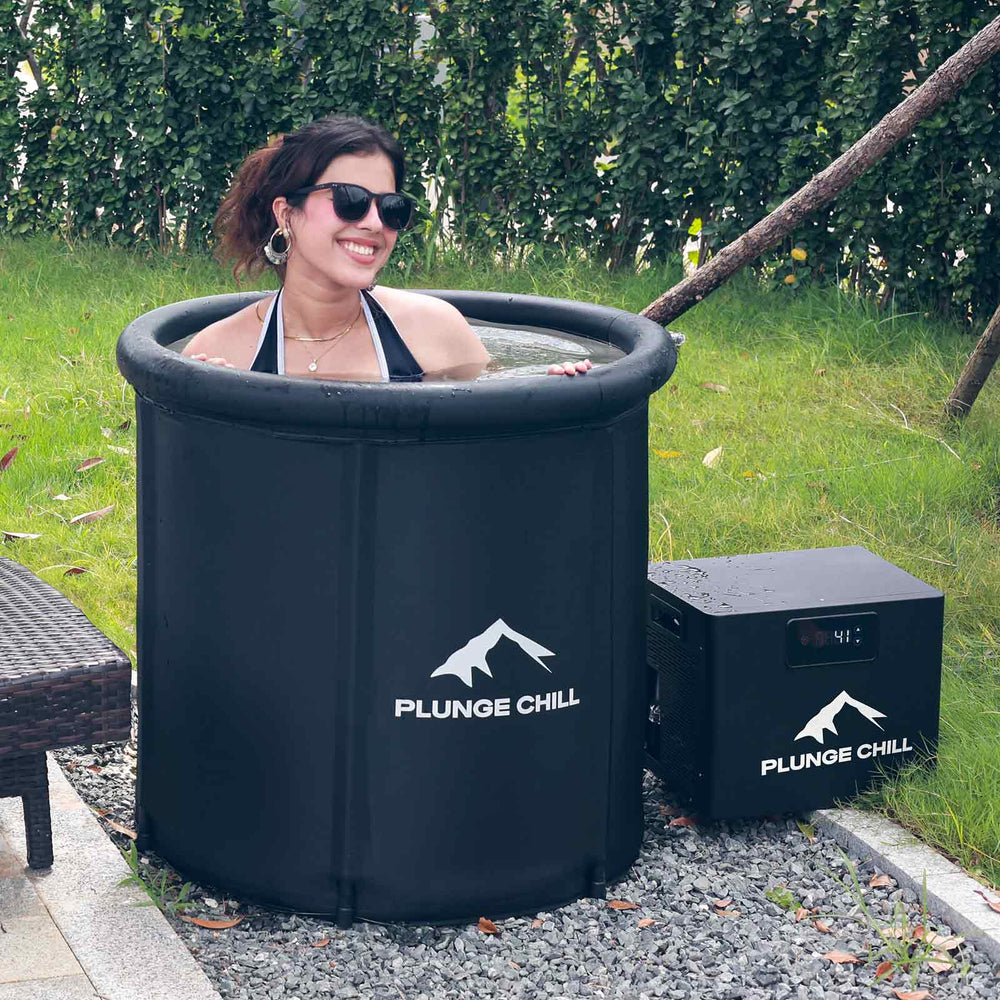
Cold water immersion has traveled from training rooms to mainstream wellness, but in sport it remains a tool, not a cure‑all. As a sports rehabilitation specialist and strength coach who also evaluates cold‑plunge products, I use it selectively to reduce soreness, manage heat load, and maintain training availability across congested schedules. The science supports certain short‑term benefits while warning against overuse when athletes seek strength or hypertrophy. This article synthesizes the evidence, translates it into practical protocols, and explains how to choose and care for a cold‑plunge setup that works in real training environments.
What Cold Plunge Is and How It Works
Cold water immersion, often called a cold plunge, means submerging most of the body in chilled water, typically around 50–59°F, for a short period to influence recovery. The immediate physiological effects include vasoconstriction in the limbs, lower tissue temperature, and a redistribution of blood toward the core. On rewarming, vessels dilate again, which can aid circulation and metabolite clearance. The hydrostatic pressure of immersion itself also shifts fluid centrally and may boost cardiac output without extra metabolic cost, a mechanism sometimes overlooked when people attribute every benefit to temperature alone. These mechanisms are described across applied summaries from Mayo Clinic Health System, Ohio State Wexner Medical Center, and Science for Sport, and in peer‑reviewed discussions of immersion physiology available via the National Institutes of Health.
Two variants often confused with cold plunging deserve clear definitions. Contrast water therapy alternates hot and cold exposures in the same session and appears to accelerate lactate clearance in some studies, likely via rhythmic vasodilation and vasoconstriction cycles. Cryocompression pairs cooling with intermittent pneumatic compression at the limb; a recent controlled crossover study in recreational athletes reported lower post‑session inflammation signals and quicker strength recovery than passive rest, though that sample was small and male‑only, so generalizability is limited according to Frontiers in Physiology.
Psychophysiological effects matter too. Cold exposure is consistently reported to sharpen alertness and reduce perceived stress. A University of Oregon study in healthy students found that a single 15‑minute immersion led to lower heart rate, lower blood pressure, lower cortisol, and better mood for several hours afterward. Harvard Health has also reviewed cold exposure’s autonomic effects, noting parasympathetic activity signals, while cautioning that heart rate variability measurements can be noisy and may not translate to outcomes. These data are acute and population‑specific, and they should inform, not dominate, return‑to‑play decisions.
What the Evidence Says: Recovery, Performance, and Adaptations
The most consistent benefits of cold plunging are short‑term and subjective. A meta‑analysis of post‑exercise immersion shows immediate reductions in soreness and perceived exertion, along with lower creatine kinase at 24 hours and lower blood lactate at 24–48 hours. At the same time, inflammatory markers such as C‑reactive protein and interleukin‑6 rarely change meaningfully. Jump performance offers a view into neuromuscular function: immediately after immersion, countermovement jump tends to dip; at 24 hours there are some reports of improvement but with high variability among studies. These patterns appear in pooled analyses indexed by the National Institutes of Health.
When we examine the cellular scale, the story shifts. Human biopsy work comparing cold immersion with active recovery after resistance exercise did not show reduced intramuscular inflammation or cell stress despite analgesia. In the same research program, repeated post‑exercise cold immersion blunted gains in muscle mass and strength compared with active recovery. That finding aligns with guidance from Ohio State’s clinicians and Mayo Clinic Health System: if hypertrophy or maximal strength is your priority, avoid routine cold plunging right after lifting. For endurance adaptations and general next‑day readiness, these concerns appear less pronounced.
Cardiovascular safety is part of the evidence base. Harvard Health and Utah academic clinicians advise caution for anyone with cardiovascular disease, arrhythmias, Raynaud’s phenomenon, or peripheral arterial disease because the cold shock response acutely raises blood pressure and catecholamines and shifts blood centrally, which can tax the heart. That does not negate cold plunging’s utility for healthy athletes, but it does set the expectation for screening and supervision, especially in team environments.
Endurance Days, Strength Days, and How to Time Cold
In competitive endurance blocks, the goal is often to manage heat, soreness, and session frequency. After long or hot training, an immersion around 50–59°F for about 10–15 minutes helps bring core temperature down and reduces soreness, which can protect continuity of work. For strength or hypertrophy phases, shift the plunge 24–48 hours after the lift, or move it to off‑days and use active recovery immediately post‑training. This timing respects temperature‑dependent signaling that drives myofiber regeneration and muscle protein synthesis. Harvard Health also notes concerns about power and strength if cold is used immediately after lifting, echoing the clinical cautions mentioned above.
Short pre‑workout dips can boost alertness and perceived readiness, but they may stiffen connective tissue or transiently reduce neuromuscular output. Runner‑oriented coaching outlets have flagged this trade‑off; my practical view is that any pre‑session exposure should be very brief, well above the typical recovery cold intensity, and reserved for low‑risk technical work rather than maximal efforts.

Practical Protocols for the Training Room
Across sources, practical parameters converge for healthy athletes. For general post‑exercise recovery, water near 50–59°F for roughly 10–15 minutes, two or three times weekly, is a workable range. Lower temperatures in the low‑40s to around 50°F feel more intense and can shorten the time needed but reduce comfort and adherence; the Frontiers in Physiology network meta‑analysis categorizes 41–50°F at 10–15 minutes as a frequently studied combination. Some clinicians also discuss a total weekly exposure around 11 minutes as a simple guidepost for tolerance building, which pairs reasonably with two or three short sessions in a week.
For competition windows, a contrast session after events can be helpful for circulation and perceived recovery, while cryocompression is a solid alternative when wet facilities are not available and when targeted limb recovery is desired. For hypertrophy or maximal strength phases, skip immediate cold or delay it by at least a day to avoid blunting adaptive signals. Always cap sessions to prevent hypothermia and frostbite and allow shivering and movement‑based rewarming afterward. Never plunge alone, and seek medical advice if you have cardiovascular conditions or cold sensitivity. These safety themes recur in guidance from Utah clinicians, Harvard Health, and Ohio State.

Pros, Cons, and Known Risks
Cold plunges excel at quickly reducing perceived soreness, taming heat stress, and improving next‑day training availability after hard sessions. They can be a psychological edge for athletes who thrive on deliberate discomfort, and they often improve sleep quality and calm once the initial exposure is over, which supports recovery overall. They also appear to lower blood lactate over the day of recovery, reduce creatine kinase at approximately 24 hours, and modulate subjective fatigue.
On the other side of the ledger, short‑term neuromuscular output can be impaired right after immersion, inflammatory markers may not change, and repeated immediate post‑lift plunging can dampen hypertrophy and strength gains. The cold shock response carries cardiovascular risk for specific populations and mandates supervision and screening. Finally, discomfort and logistics matter; if the experience is too harsh, adherence is poor, and then the real‑world benefit vanishes even if the protocol is theoretically optimal.

Reconciling Conflicting Advice
When one source praises cold immersion for next‑day performance and another warns it blunts gains, they are often asking different questions on different timelines. Meta‑analyses from the National Institutes of Health emphasize acute outcomes such as soreness and lactate at 0–48 hours, while the muscle‑biology data focus on multiweek adaptation to resistance training. Cooling helps feelings and markers tomorrow, but it can mute signals you need for growth over months. Harvard Health’s cautions about strength echo that longer‑horizon view.
Temperature and exposure dose further shape results. The Frontiers in Physiology network meta‑analysis dissects temperature by bands and duration by short, medium, and long, with 41–50°F for 10–15 minutes frequently represented in the literature. Water that is too cold can sometimes reduce heart rate and cardiac output, potentially counteracting the beneficial hydrostatic effects discussed by Science for Sport; this nuance helps explain why very low temperatures do not always beat moderate cold for perceived recovery in everyday use.
One more nuance seldom stated clearly: the analgesic effect of cold does not require anti‑inflammatory changes in muscle. Biopsy work in humans shows pain relief despite similar inflammatory signaling compared with active recovery. That means you can feel better without necessarily accelerating tissue repair, which is useful clinically but demands honest communication with athletes about expectations.

Evidence‑Aligned Protocols at a Glance
Goal |
When to Use |
Water Temp (°F) |
Duration |
Weekly Frequency |
Evidence Notes |
Reduce post‑endurance soreness and heat load |
Within about 60 minutes after session |
50–59 |
10–15 minutes |
2–3 times |
Immediate soreness down; CK lower at 24 hours; lactate lower 24–48 hours; minimal CRP/IL‑6 change (NIH meta‑analyses; Ohio State) |
Maintain availability in congested competition weeks |
After events or hard days |
50–59 |
8–12 minutes |
As needed within safety |
Subjective recovery and readiness improve; consider contrast therapy if appropriate (NIH reviews; OSU; Mayo Clinic Health System) |
Hypertrophy or maximal strength phases |
Avoid immediately post‑lift; if used, delay 24–48 hours |
50–59 |
5–10 minutes delayed |
1–2 times |
Repeated immediate post‑lift cold can blunt strength and mass gains; analgesia without reduced intramuscular inflammation (NIH muscle biopsy study; Harvard Health) |
Focused limb recovery when water access is limited |
Right after eccentric‑heavy work |
N/A (cryocompression) |
About 30 minutes device‑guided |
1–3 times |
Reduced IL‑1β post‑session, less edema, faster strength recovery vs passive; small male‑only sample (Frontiers in Physiology) |
Overlooked Insights Embedded in Practice
A practical but underappreciated point is that immersion depth and the hydrostatic “squeeze” are part of the benefit. Science for Sport explains how pressure increases with depth and can shift fluid centrally to support clearance and cardiac output. This helps explain why chest‑deep immersion often feels more restorative than a cold shower even at the same temperature. It also clarifies why temperature is not the only lever that matters.
Another nuance is the sometimes‑reported improvement in jump performance a day after very cold water. A meta‑analysis suggests a possible 24‑hour benefit mainly when water is below 50°F, but this rests heavily on a single study and shows high heterogeneity.
Finally, you will hear claims of large spikes in dopamine and norepinephrine after cold exposure lasting for hours. Some popular summaries and a recent report referenced by AetherHaus mention dopamine increases on the order of a few‑fold and norepinephrine increases of several‑fold. These effects are plausible given the sympathetic response, but magnitudes vary widely with protocol, timing, and assay.
Product Buying Guide for Athletes and Teams
Cold‑plunge products now range from modified stock tanks filled with ice to purpose‑built, insulated tubs with integrated chillers. If you are evaluating equipment for a home gym or a training facility, start with temperature capability and stability. Units that reliably hold a setpoint near 50°F under real‑world use fit most evidence‑based protocols. The next priority is sanitation and filtration; a covered tub with a circulation pump, particulate filtration, and a compatible sanitizer regimen reduces biofilm risk and clarifies water, which improves athlete experience and safety. Because athletes crave simplicity, intuitive controls, quick cooldown after water changes, and a drain scheme that does not flood the floor are more valuable than exotic features you rarely use.
Capacity matters when serving teams. A tub that accommodates a full torso and hip immersion is functionally superior to smaller footprints if you want the hydrostatic benefits. For indoor installs, plan for a dedicated GFCI circuit, splash management, ventilation, and noise tolerance from the chiller. For outdoor use, choose weather‑resistant materials, insulation, and a tight‑fitting cover to reduce heat gain. Consider serviceability and warranty support from vendors with accessible parts and technicians. If you are weighing ice‑based DIY against an integrated chiller, factor in operating time, water changes, and the human cost of hauling ice. An integrated chiller reduces friction and increases the odds that the protocol actually happens, which is the point.
Mayo Clinic Health System notes that fully featured cold‑plunge tanks can reach premium prices, sometimes up to $20,000. You can still build effective recovery with a bathtub, ice, a thermometer, and a timer, but the best system is the one your athletes will consistently use and you can reliably keep clean.
Setup, Care, and Hygiene
A cold‑plunge tub is a wet environment shared by sweaty people; treat it like a small pool. Establish a basic hygiene framework that includes a pre‑plunge rinse, a cover when not in use, routine filtration, and a compatible sanitizer program recommended by your manufacturer. Inspect and wipe surfaces where biofilms can form and schedule periodic water changes that match usage. Keep footwear and floor mats clean to limit debris from entering the water. If you operate in a therapy clinic or team setting, document maintenance and assign ownership. The water should smell neutral, look clear, and feel clean on the skin; if those conditions slip, pause use and remediate before the next session. These steps are standard pool‑care principles adapted to small volumes, and they reduce risk while preserving athlete trust.
A Sample Week Framework
Consider an athlete who lifts heavy on Monday, completes sprint work on Wednesday, and does a long run on Friday. A strength‑focused Monday should not end with a cold plunge; move it to Tuesday evening or Wednesday morning if recovery demands it. Sprint Wednesday could pair with a brief cold immersion afterward to curb soreness and heat, or with cryocompression if limb‑specific recovery is needed. After Friday’s long run, a 10–15‑minute session around 50–59°F is appropriate, with a calm rewarming routine and hydrating meal. Over the weekend, a brief contrast session using sauna and cold can be restorative, provided cardiovascular screening is clear. Across the week, the total cold exposure might approximate a dozen minutes to build tolerance, with small adjustments based on how the athlete feels and what the next session demands.
Frequently Asked Questions
Does a cold plunge help me perform better or just feel better?
The strongest evidence supports improvements in how you feel in the first 24–48 hours: soreness comes down, perceived exertion drops, and markers like creatine kinase and blood lactate tend to improve in that window. In some contexts, especially after endurance efforts or competitions, that translates into more consistent training and better availability. Longer‑term performance adaptations for strength and hypertrophy can be blunted if you plunge immediately after every lift, as shown in human biopsy research and summarized by Harvard Health and Ohio State clinicians.
Should I plunge right after lifting if my goal is muscle growth?
If your priority is muscle size or maximal strength, avoid routine cold immersion immediately after lifting. Repeated immediate use can dampen the signaling that supports hypertrophy and strength gains. Delay the plunge by 24–48 hours, or reserve it for endurance days and competition recovery. This timing recommendation is grounded in biopsy studies and clinical guidance from Mayo Clinic Health System and Ohio State.
What temperature and duration should I target?
For most athletes, water around 50–59°F for 10–15 minutes is both supported by the literature and tolerable. Lower water in the low‑40s to about 50°F is more intense and may require shorter exposures; adherence often suffers when the cold is too severe. The Frontiers in Physiology network meta‑analysis frequently cites 41–50°F for 10–15 minutes as a studied combination, and Ohio State clinicians advise 10–20 minutes near 50–59°F.
Is a cold shower good enough?
A cold shower is better than nothing for a quick cool‑down and a mental reset, but immersion offers more uniform cooling and adds hydrostatic pressure that showers cannot provide. If showers are what you can do consistently, use them as a stepping stone toward partial or full immersion when possible. This hierarchy is echoed in practical guidance from Ohio State and summarized by clinician education sources.
Is cold plunging safe for everyone?
No. People with cardiovascular disease, arrhythmias, Raynaud’s phenomenon, or peripheral arterial disease should seek medical advice and may need to avoid cold plunges. Even healthy athletes should not plunge alone, should limit exposure to avoid hypothermia or frostbite, and should rewarm safely afterward. These cautions come from Harvard Health, Utah clinicians, and standard sports‑medicine practice.
What about combining cold with compression or with sauna?
Pairing cold with intermittent compression has shown promise for reducing immediate inflammation signals and speeding strength recovery versus passive rest in a small controlled study. Alternating sauna and cold can be restorative and supports circulation, but session design should reflect cardiovascular screening and training goals. Both approaches are tools that complement—not replace—sleep, nutrition, and intelligent programming.

Takeaway
Cold plunging is best viewed as a targeted recovery tool that reduces soreness, manages heat load, and supports training availability, especially across dense schedules. Its strengths are acute and subjective—precisely the qualities that help athletes train again tomorrow. Its limits are equally important: it does not reliably reduce systemic inflammatory markers and can blunt long‑term strength and hypertrophy if used immediately after lifting. Anchor your use in clear goals and safe protocols, select equipment you can maintain easily, and integrate cold exposure within—never instead of—foundational recovery habits like sleep, nutrition, and programmed deloads. When deployed with this discipline, the cold becomes a teammate, not a distraction.
References
- https://www.health.harvard.edu/heart-health/cold-plunges-healthy-or-harmful-for-your-heart
- https://digitalcommons.liberty.edu/cgi/viewcontent.cgi?article=8439&context=doctoral
- https://www.rutgers.edu/news/what-are-benefits-cold-plunge-trend
- https://commons.und.edu/cgi/viewcontent.cgi?article=1076&context=pas-grad-posters
- https://news.uoregon.edu/content/cold-plunging-might-help-heart-health-new-research-suggests
- https://sncs-prod-external.mayo.edu/hometown-health/speaking-of-health/cold-plunge-after-workouts
- https://pmc.ncbi.nlm.nih.gov/articles/PMC2938508/
- https://health.osu.edu/wellness/exercise-and-nutrition/do-ice-baths-help-workout-recovery
- https://www.tcu.edu/news/2024/cold-plunge-tcu-faculty-share-the-cold-truth-of-cold-therapy.php
- https://healthcare.utah.edu/the-scope/mens-health/all/2024/04/171-cold-hard-facts-about-cold-plunging