As a sports rehabilitation specialist and strength coach who also reviews cold plunge products, I live at the intersection of physiology and practicality. My athletes need to bounce back for tomorrow’s session without sacrificing long‑term gains. My readers need to know which quick ice bath protocols actually work, when to use them, and how to do it safely at home without gimmicks. This guide synthesizes current evidence and hands‑on experience into simple, fast recovery techniques you can trust.
What Counts as a “Quick” Ice Bath
A quick ice bath is a short, controlled cold‑water immersion, typically in the 50–59°F range, designed to reduce soreness and restore readiness within minutes rather than half an hour. The focus is on efficiency: minimal setup, precise dosing, and fast, safe rewarming so you can move on with your day. Multiple reputable sources converge around this temperature band and short exposure. Ohio State Wexner Medical Center highlights 50–59°F and suggests 10 to 20 minutes for general immersion, while Mayo Clinic Health System emphasizes starting at 30 to 60 seconds and building toward 5 to 10 minutes. Practical sports‑medicine outlets and product brands with strong coaching ties frequently recommend 2 to 10 minutes for quick post‑workout resets. These differences are reconcilable once you match dose to goal, which this article will do.
Cold showers can be a workable option when a plunge isn’t available. They are convenient and may confer some of the same nervous system and mood benefits, but immersion is typically more effective for uniform cooling and hydrostatic compression. Stanford Lifestyle Medicine notes that full‑body immersion drives distinct physiological responses, while brief facial immersion preferentially activates the calming diving reflex. In short, showers help, immersion helps more, and both can be placed intelligently in a training week.
Why Quick Ice Baths Work
The immediate effects are mechanical and neural. Cold drives vasoconstriction in the skin and superficial tissues, which dampens local swelling and nociceptor activity. Upon exiting and rewarming, vasodilation returns and circulation increases, often with a subjective sense of looseness and relief. There is a hydrostatic component that most popular guides skip: immersion pressure itself shifts fluid centrally and can increase cardiac output without extra energy expenditure. That shift likely contributes to reduced exercise‑induced edema and helps clear byproducts. PubMed Central case discussions and reviews have described this as a recovery pathway complementary to active recovery, not just a temperature trick.
On the nervous system side, several small studies summarized by Stanford Lifestyle Medicine report lower cortisol in the hours after immersion and a robust norepinephrine surge that many athletes interpret as calm focus. This helps explain why a short plunge can feel like a reset. These effects do not mean cold is a cure‑all. Mayo Clinic Health System points out that many claims are preliminary and that cold exposure is best treated as a garnish on top of the entrée of training, nutrition, sleep, and stress management.

When to Use Quick Protocols
Quick protocols shine after hard sessions when you need to feel better fast without adding mechanical load. The day‑to‑day examples that often benefit include high‑volume eccentric work, long interval sessions, heat‑draining outdoor training, and tournament days with short turnarounds. Northeastern University’s exercise science perspective emphasizes that ice baths should not replace core recovery behaviors. They are a targeted tool that can reduce soreness and improve next‑day readiness.
Where they are less useful is immediately after heavy lifting blocks when the priority is muscle growth or maximal strength. Multiple sources, including the Journal of Physiology and sports medicine summaries, warn that routine cold immersion right after resistance training can blunt long‑term hypertrophy and strength signaling. In practice, I recommend delaying immersion 24 to 48 hours after key strength sessions if size and strength are your main goals, a timeline also suggested by Ohio State Wexner Medical Center. During endurance blocks or congested competition calendars where availability tomorrow matters more than incremental growth, quick ice baths can be used more liberally.

Fast Protocols That Work in the Real World
In practice, three quick formats cover nearly all needs. The exact timing and dosing vary slightly across sources, but you can fit the protocol to the job at hand.
The 2 to 5‑Minute Reset
When all you need is to take the sting out of heavy legs before the next workout or to downshift your stress response, use a true short session. Set water to about 55–59°F and stay 2 to 5 minutes with steady, deep breathing. Rewarm naturally by drying off, adding warm layers, doing light walking, and sipping a warm beverage. Multiple practical guides, including product education from Ice Barrel and coaching‑focused outlets, align with this approach. It is quick, minimally fatiguing, and avoids the overexposure that adds no benefit for a simple reset.
The 8 to 10‑Minute Flush
After particularly punishing endurance sessions, aim for 50–59°F for roughly 8 to 10 minutes. Sports‑medicine and brand‑agnostic training resources frequently converge here for meaningful soreness reduction without stretching risk. Applying within about 2 hours of finishing a hard effort can be helpful when next‑day readiness is the priority. Hydrostatic compression from immersion assists fluid shifts even when the water is on the warmer end of the range, and the rewarming phase may feel notably restorative. If you are new to cold exposure, begin at the warmer end of the range and shorten the stay.
The Strength Block Exception
If you are chasing size or strength, shift the cold bath to 24 to 48 hours after the lift to avoid interfering with anabolic signaling. When you do use cold in a strength cycle, keep it short and slightly warmer, or move it to rest days. Mayo Clinic Health System and Ohio State Wexner Medical Center both flag the hypertrophy trade‑off, and it is one I see consistently in practice. During mass‑gain phases, I often recommend prioritizing sleep and nutrition and using lighter recovery tools such as mobility and easy aerobic flushes, keeping cold exposure optional and conservative.
Safety, Risks, and Rewarming
Cold shock can cause a sharp gasp reflex, hyperventilation, and transient spikes in heart rate and blood pressure. People with cardiovascular disease, uncontrolled hypertension, diabetes with neuropathy, or known cold sensitivity should consult a clinician and consider alternate strategies. Northeastern Global News and Mayo Clinic Health System both note that individuals with cardiovascular or pulmonary disorders may not respond predictably to cold stress. Tufts Medicine emphasizes that icing and heating are analgesic modalities that do not accelerate tissue healing and should be used carefully, particularly in acute injuries where newer protocols favor protection, education, and progressive loading.
For safe practice, enter gradually, avoid being alone, and have warm layers ready. Limit total exposure to 10 minutes for quick protocols unless you are highly acclimated and medically cleared. Ohio State Wexner Medical Center warns about risks including hypothermia and nerve irritation and recommends a controlled environment and a partner. Brand education sources advise rewarming naturally rather than jumping directly into a very hot shower; this is partly to avoid sudden vascular swings and is consistent with what we see in the clinic.
How to Set Up Quickly at Home
Speed is the point. At home, a bathtub of cold tap water often starts near 60°F, which is within range for first‑time dips. If needed, add a bag or two of ice and measure with a simple pool or kitchen thermometer. Ice Barrel’s training content describes filling a dedicated barrel roughly three‑quarters and adding crushed ice, with accessories like a beanie, socks, or a T‑shirt to make first sessions more tolerable. Plan rewarming beforehand: dry towels, warm layers, and a caffeine‑free warm drink. If you do not have a tub, a cold shower can substitute; drop the temperature as far as you can tolerate and extend duration gradually.
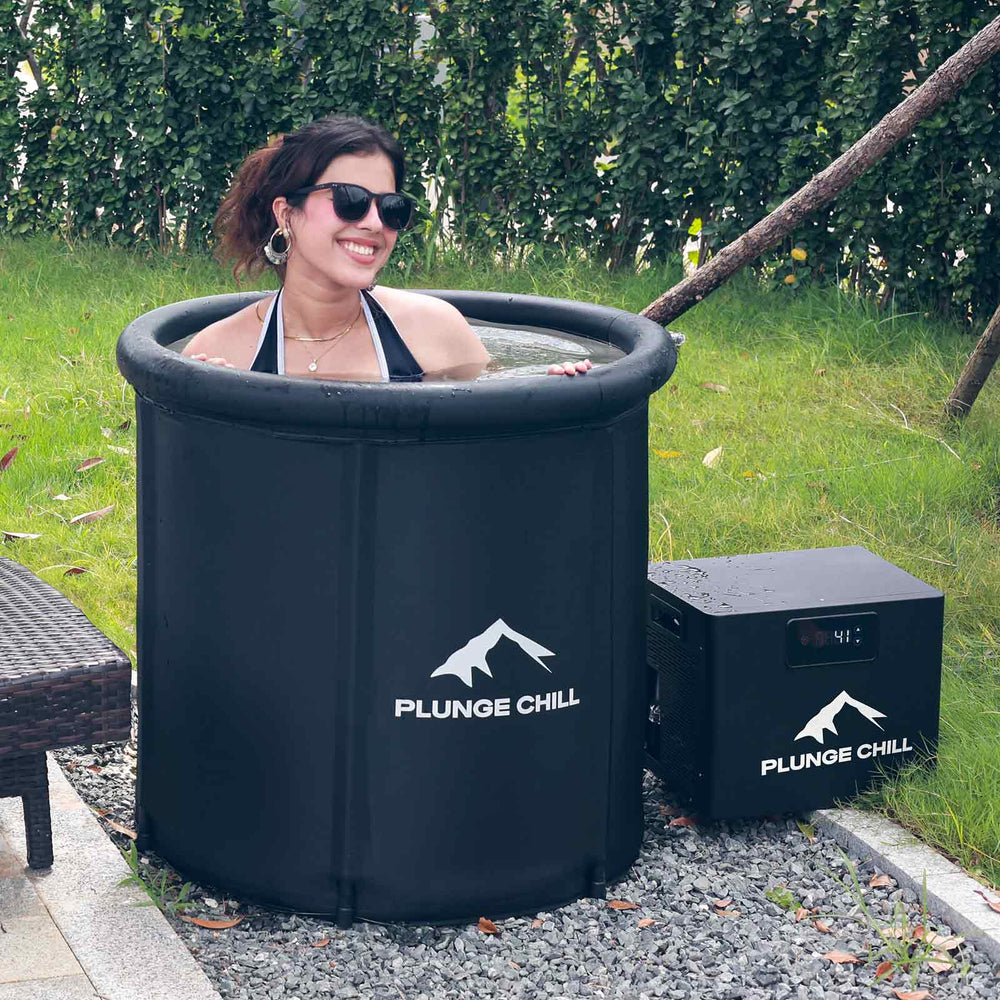
From a reviewer’s perspective, dedicated plunge units that auto‑cool into the 39–60°F band reduce friction and ensure repeatability. They save time on setup and help you hit the same dose day after day. Mayo Clinic Health System notes that premium tanks can cost as much as $20,000. If you go this route, look for insulation, precise temperature control, and an ergonomic design that allows full immersion and easy entry and exit. Icetubs’ coaching‑oriented guidance calls out insulation and temperature control as comfort and consistency features; in my testing, tubs with those traits get used more often, which matters more than micro‑differences in specifications.
Overlooked Insights That Change Application
One overlooked driver of benefit is hydrostatic pressure from immersion. PubMed Central articles and reviews explain that water pressure itself shifts fluid from the periphery toward the central circulation, increasing stroke volume and cardiac output even without aggressive cold. That mechanism can mimic some of the benefits of active recovery without adding mechanical loading, making a slightly warmer, shorter bath surprisingly effective when the goal is to reduce leg heaviness rather than to chase deep tissue cooling.
Another frequently missed variable is body size and composition. Coaching resources for fighters compiled by Science for Sport suggest that leaner athletes cool more rapidly, while larger athletes or those with higher body fat cool more slowly. In practice, that means heavier athletes may need either slightly colder water, a longer stay, or split bouts to achieve the same tissue effect; lighter athletes often need less exposure than general recommendations. This dosing nuance rarely appears in generic “two minutes at 50°F for everyone” advice and explains some of the variability people experience.
A third nuance is that cold showers and immersion do not produce equivalent whole‑body effects. Science for Sport highlights that showers may not reduce core temperature or cortisol immediately but can improve perceived recovery and lower heart rate later in the hour. Stanford Lifestyle Medicine underscores that even targeted facial immersion can acutely calm via the diving reflex. That means showers are useful for a nervous system reset, while immersion remains superior for tissue and fluid‑shift goals. Cold showers are appropriate when time or equipment is limited; use them for mood and arousal modulation and save immersion for days you need a stronger mechanical effect.
Reconciling Conflicting Guidance on Time and Temperature
You will see protocols ranging from 2 minutes to 20 minutes and temperature targets spanning the high 30s to the high 50s. There is not a single correct number because the literature measures different outcomes.
Shorter, warmer protocols in the 2 to 10‑minute, 55–59°F band tend to target perceived soreness, mood, and readiness. That is why brand and coaching content gravitate toward those ranges: they are safe, tolerable, and effective for quick resets. Longer exposures of 10 to 15 minutes at 50–59°F appear in clinical and sports‑medicine summaries when aiming for broader soreness reduction across the day. Ohio State Wexner Medical Center lists 10 to 20 minutes for immersion, while Icetubs and Orthocarolina cite 10 to 15 minutes as a common endpoint. Mayo Clinic Health System encourages building gradually toward 5 to 10 minutes as a prudent ceiling for many users. When studies look at strength and hypertrophy signaling, post‑lift cold exposure—especially colder and longer—consistently shows a blunting effect over months, which is why resistance athletes are told to delay or skip cold after lifting.
There are also methodological reasons for disagreement. Some studies compare cold immersion to passive rest, while others compare it to active recovery methods like light cycling or swimming, which can match or outperform cold for certain biomarkers. Some measure subjective soreness at 24 hours, others test power output within minutes. The population varies from elite athletes to untrained participants. These differences in definitions, endpoints, and samples account for much of the apparent conflict.

Cold, Heat, Acute Injury, and the PEACE & LOVE Update
Clinicians at Tufts Medicine point out that traditional icing for acute musculoskeletal injuries has been de‑emphasized in favor of updated PEACE & LOVE principles that prioritize protection, education, and progressive vascularization and loading. Ice can reduce pain but does not appear to accelerate tissue healing and may dampen early inflammatory processes that are part of repair. This is distinct from post‑exercise cold baths meant for soreness and readiness, but it is worth noting because many athletes conflate the two. If you are dealing with a fresh injury, talk to a clinician. Use cold for analgesia if needed, but do not expect it to speed biological healing.

Quick Protocol Reference
The table below consolidates fast protocols by goal. Temperatures and times are informed by Ohio State Wexner Medical Center, Mayo Clinic Health System, Northeastern University guidance, Stanford Lifestyle Medicine, and coaching‑oriented training resources.
Goal |
Temperature |
Time |
Timing vs Session |
Notes and Sources |
Next‑day readiness after hard endurance work |
50–59°F |
8–10 minutes |
Within about 2 hours |
Balances mechanical and neural effects; supported by sports‑medicine and coaching content; avoid longer if new. |
Quick reset between sessions or after travel |
55–59°F |
2–5 minutes |
Any time post‑session |
Emphasizes comfort, breathing control, and natural rewarming; Ice Barrel, Mayo Clinic Health System. |
Strength or hypertrophy block support |
55–59°F |
2–5 minutes or skip |
Delay 24–48 hours |
Cold post‑lift can blunt growth; Ohio State Wexner Medical Center, Mayo Clinic Health System, Journal of Physiology. |
Mood and stress regulation |
55–59°F or facial immersion |
2–5 minutes |
Morning or post‑work |
Stanford Lifestyle Medicine reports lower cortisol after immersion and a calming diving reflex with facial immersion. |
Heat and humidity fatigue management |
50–59°F |
5–10 minutes |
After extended heat exposure |
Useful when heat, not damage, drives fatigue; coaching sources and Healthline summaries. |
Cold Shower vs Immersion vs Contrast: What’s Fastest for Your Goal
You can match modality to the job. Immersion is the most potent for soreness and leg heaviness, showers are the fastest for mood modulation, and contrast therapy is a niche option for lactate management.
Modality |
Dose Guidance |
Key Effects |
Advantages |
Limitations |
Full‑body immersion |
50–59°F for 2–10 minutes |
Soreness reduction, fluid shift via hydrostatic pressure, nervous system reset |
Strongest mechanical effect; reproducible |
Setup time; stronger cold shock; contraindications apply |
Cold shower |
As cold as available for 2–5 minutes |
Arousal and mood modulation; modest HR reduction later |
Fast and accessible; easy at home or gym |
Less uniform cooling; weaker fluid shift |
Contrast water therapy |
Warm to cold cycles totaling 10–20 minutes |
May reduce blood lactate and heart rate |
Feels restorative; easy at facilities with hot and cold |
Longer session; mixed evidence for superior outcomes |

Buying Smart for Quick Protocols
From a reviewer’s standpoint, the best unit is the one you actually use. Dedicated plunge systems that hold 39–60°F reliably remove friction and help you hit your target dose every time. Features that matter most in my testing include insulation to maintain temperature, adjustable temperature control for precise dosing, and an ergonomic form that promotes full‑body immersion without awkward joint positions. Brands and coaching‑forward manufacturers call out these features because they determine comfort and adherence. High‑end units can reach premium price points noted by Mayo Clinic Health System, so weigh usage frequency, space, and budget. If you are not ready for a chiller, a basic barrel or tub with a thermometer and a plan for ice works well, and for many beginners the tap already runs cold enough to start.
Care and Setup Tips That Keep Sessions Short and Safe
Plan the session before you get cold. Measure the water and target a temperature you can tolerate safely; choose the warmer end when you are new and lower with acclimation. Enter slowly and focus on steady breathing during the first minute while the cold shock fades. Avoid jumping directly into very hot water afterward; dry off, layer up, and use light walking or gentle mobility to rewarm naturally. Product education and coaching guides suggest simple accessories such as a beanie or thin socks to make early sessions tolerable without changing the physiological point of the bath. If you are using a simple tub, set a towel and warm layers within arm’s reach, and avoid sessions when you are home alone.

Pros, Cons, and Who Should Wait
The main advantage of quick ice baths is that they reduce perceived soreness and help you execute tomorrow’s plan. For endurance athletes and team sport players in dense competition periods, that short‑term availability can outweigh theoretical downsides. The downside is the potential to blunt adaptation if you use cold immediately after resistance training routinely over months. People with cardiovascular, metabolic, or neurologic conditions that impair thermoregulation need medical guidance. Several outlets, including Northeastern University and Mayo Clinic Health System, emphasize that cold plunges are not standalone solutions but rather adjuncts to sleep, nutrition, and sound training.
A Note on Weight Loss and “Brown Fat” Claims
Ohio State Wexner Medical Center mentions cold exposure increasing calorie burn during rewarming and potentially increasing brown fat activity. This is plausible and supported in some mechanistic research, but conclusive human outcomes remain limited in this context.
Takeaway
Quick ice bath protocols work best when they are simple, targeted, and matched to your training goal. For a fast reset, use 55–59°F for 2 to 5 minutes with natural rewarming. For deeper endurance recovery, use 50–59°F for about 8 to 10 minutes within a couple of hours post‑session. If you are in a strength block, delay cold 24 to 48 hours or skip it and double down on sleep, nutrition, and active recovery. Keep safety paramount, measure temperatures, and be intentional with frequency. Use a setup you can maintain consistently, whether that is a dedicated plunge or a well‑prepared bathtub.
FAQ
Q: How cold should the water be for a quick ice bath?
A: For most quick protocols, target 50–59°F. New users often start around 55–59°F and shorten exposure. This range is consistent with guidance from Ohio State Wexner Medical Center, Northeastern University, and multiple sports‑medicine summaries.
Q: How long should I stay in for a fast recovery effect?
A: For a simple reset, 2 to 5 minutes is sufficient. For a more robust endurance recovery effect, 8 to 10 minutes is a reasonable ceiling. Mayo Clinic Health System encourages building gradually toward 5 to 10 minutes, while other sources cite tolerable exposure up to about 10 to 15 minutes for experienced users.
Q: Will quick ice baths hurt my strength or muscle gains?
A: Routine cold immersion immediately after lifting can blunt hypertrophy and strength signaling over time. If muscle gain is your priority, delay cold 24 to 48 hours after heavy strength sessions or keep exposures short and warmer. This trade‑off is noted by clinical sources and summarized in sports physiology reviews.
Q: Are cold showers good enough if I do not have a tub?
A: Yes for nervous system and mood effects, and sometimes for perceived recovery. Showers are convenient but do not provide the same uniform cooling or hydrostatic compression as immersion. Stanford Lifestyle Medicine and coaching analyses suggest showers are good for arousal modulation, while immersion is better for tissue and fluid‑shift goals.
Q: How often can I do a quick ice bath?
A: Frequency depends on your training cycle. During heavy endurance blocks or congested game schedules, daily use can be reasonable for short stints. Across a typical week, one to three sessions is common advice from coaching resources. If you are lifting for size or strength, be selective and time cold away from key sessions.
Q: Is contrast therapy faster or better than straight cold?
A: Contrast can feel restorative and may reduce blood lactate and heart rate, but it typically requires longer total time than a quick plunge. Evidence is mixed when pitted against active recovery. If speed is the priority, a short immersion is usually more time‑efficient.
References and Source Notes
This article integrates guidance and evidence summaries from Ohio State Wexner Medical Center, Mayo Clinic Health System, Tufts Medicine, Northeastern University, Stanford Lifestyle Medicine, PubMed Central reviews and case reports, Orthocarolina, and coaching‑oriented resources including Ice Barrel training content, Icetubs guidance, and Science for Sport. Brand materials are used where they align with independent clinical recommendations and practical coaching practice. Links will be added in a separate References section by the site’s tooling.
References
- https://www.mcphs.edu/news/physical-therapist-explains-why-you-should-chill-out-on-ice-baths
- https://thewell.northwell.edu/healthy-living-fitness/ice-bath-benefits
- https://lifestylemedicine.stanford.edu/jumping-into-the-ice-bath-trend-mental-health-benefits-of-cold-water-immersion/
- https://www.marquette.edu/innovation/documents/arora_ice_bath_recovery.pdf
- https://sncs-prod-external.mayo.edu/hometown-health/speaking-of-health/cold-plunge-after-workouts
- https://pmc.ncbi.nlm.nih.gov/articles/PMC2938508/
- https://health.osu.edu/wellness/exercise-and-nutrition/do-ice-baths-help-workout-recovery
- https://openprairie.sdstate.edu/etd/3775/
- https://medicine.tufts.edu/news-events/news/are-you-using-heat-and-ice-properly
- https://news.northeastern.edu/2024/01/02/health-benefits-of-ice-baths/