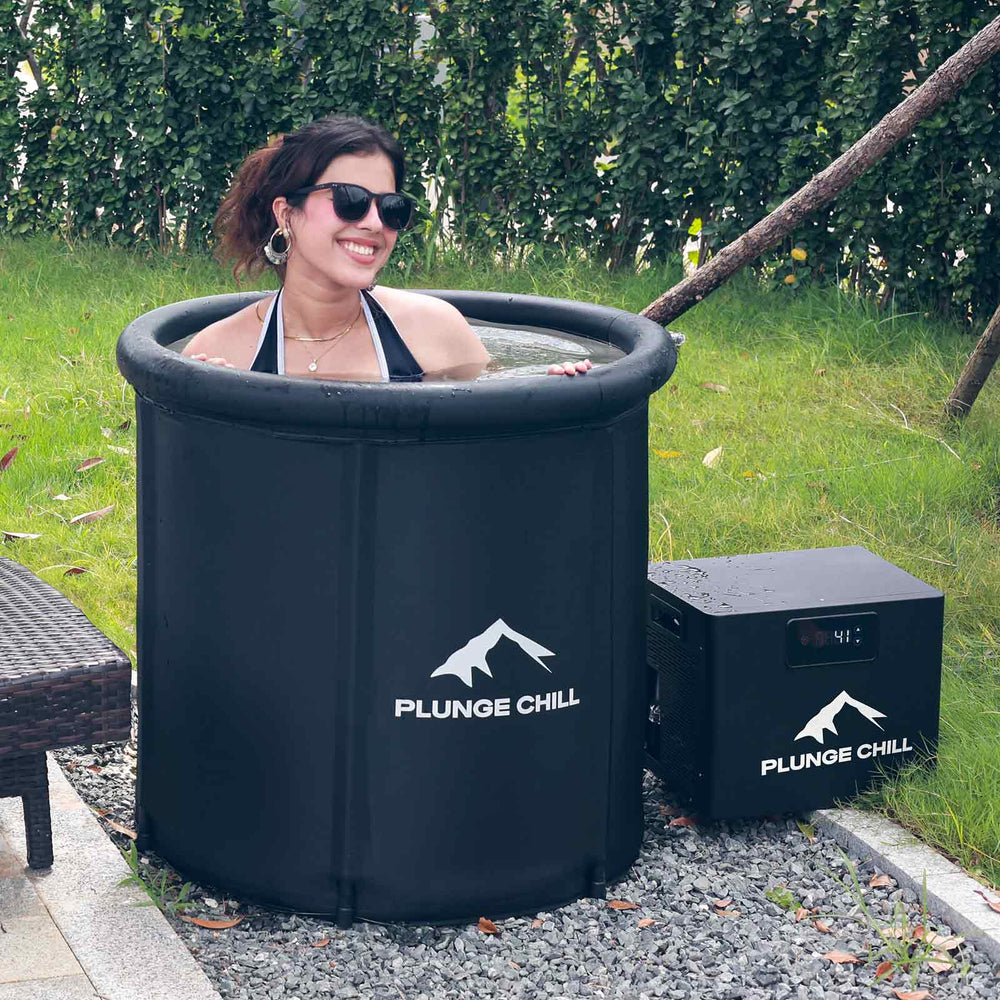
As a sports rehabilitation specialist and strength coach who also reviews cold plunge products, I spend a lot of time separating training reality from wishful marketing. Cold plunges are a powerful stimulus, but the real question for weight management is narrower: do they meaningfully reduce body fat, and under what conditions? The evidence is growing, sometimes conflicting, and highly dependent on protocol. This article lays out the science, the practical programming, the pros and cons, and the buying and care tips you actually need to make cold exposure work for you rather than against you.
What We Mean by “Weight Loss” When We Talk About Cold Exposure
The scale is blunt. After a cold session you might see a drop, but acute changes largely reflect water balance and glycogen shifts rather than fat loss. When we talk about fat loss, we are concerned with reduced adipose tissue over weeks and months through sustained energy deficit and favorable hormonal and behavioral adaptations. Cold exposure can raise energy expenditure through cold-induced thermogenesis, which is the body’s heat production response. That thermogenesis occurs in two principal modes. The first is shivering, where skeletal muscle contracts rapidly and burns substrate for heat. The second is non-shivering thermogenesis, where brown adipose tissue uses uncoupling protein pathways to convert fuel to heat with minimal mechanical work.
Brown adipose tissue, often called brown fat, is metabolically active tissue typically found near the neck and shoulder areas in adults. It oxidizes glucose and fatty acids to produce heat during cold exposure and, with repeated bouts, can become more active and sometimes more abundant. Some white fat depots can also develop a more thermogenic profile in response to cold, a process often called beiging. These adaptations can elevate energy expenditure during cold exposure and may modestly raise it afterward. The central reason this matters is that higher expenditure makes a caloric deficit easier to achieve, provided appetite and intake do not proportionally increase. That caveat turns out to be important.

What the Evidence Shows
Acute Energy Expenditure and Brown Fat Activation
Controlled studies of mild cold air exposure in healthy adults demonstrate that acute energy expenditure rises and brown fat is activated. A systematic review and meta-analysis of randomized trials reported that above-shivering cold raised daily energy expenditure by roughly 188 kilocalories compared with thermoneutral conditions, while also increasing brown fat volume and activity measured with imaging. This is compelling evidence that cold can meaningfully boost caloric burn under well-controlled conditions. In practice, cold plunges are water-based and much shorter than air-exposure protocols, but several lines of evidence suggest similar directionality. Fitness operators and facility groups commonly cite a 15 to 30 percent increase in metabolism during cold-water exposure, with total session burn in the neighborhood of 100 to 300 calories depending on temperature, duration, and individual size. These values align with the general magnitude expected from cold-induced thermogenesis, though the exact number for an individual session in a home tub depends on many variables.
An important nuance is modality. Many rigorous brown fat studies use air exposure or liquid-cooled suits for longer durations at individualized temperatures just above shivering. Translating those data to a 2 to 5 minute plunge in 50 to 59°F water requires caution, because water removes heat far faster than air and produces stronger acute stress responses. Scientists interviewed by NPR emphasized that much of the best metabolic evidence comes from air or suit-based cooling and that direct randomized data on short cold-water immersions are sparse. The direction of effect is consistent, but the precise dose-response curve for brief plunges is still being defined.
|
Mechanism or Outcome |
Typical Protocol in Literature |
Evidence Strength |
Expected Magnitude |
Notes and Sources |
|
Acute energy expenditure increase |
Mild cold air above shivering for 30 minutes to several hours |
Strong for air; limited for short CWI |
About 188 kcal per day vs thermoneutral when protocols last hours; brief CWI likely smaller per session |
Systematic review in a physiology journal; NPR interviews note modality differences |
|
Brown fat activation (activity and sometimes volume) |
Repeated mild cold exposures across days to weeks |
Moderate in humans |
Activity increases during cold with imaging confirmation |
Journal of Clinical Investigation; Scientific Reports on MRI lipid shifts |
|
Session-level metabolic boost in cold water |
Water around 50 to 59°F for minutes, repeated weekly |
Moderate to low, practice-based |
Roughly 100 to 300 kcal per session during and after exposure |
Fitness industry summaries; Obesity Reviews notes modest standalone effects |
|
Insulin sensitivity improvements |
Repeated cold exposures with or without shivering |
Moderate in small human studies |
Short-term improvements lasting up to a day or two |
Healthcare and media summaries citing laboratory studies |
Appetite and Caloric Compensation: The Uncomfortable Catch
A randomized trial summarized by Men’s Health UK illustrates a key pitfall. After 30 minutes of sternum-level immersion at approximately 60°F, participants expended only about 21 extra kilocalories compared with a thermoneutral bath but subsequently ate roughly 231 more kilocalories at an ad libitum meal. The immediate energy balance was net positive. This phenomenon of compensation is well known in exercise physiology and shows up in cold exposure as well. If hunger rises after a cold session and intake is not managed, any expenditure advantage can be erased.
This does not mean cold is ineffective; it means context controls the outcome. The discrepancy between studies showing meaningful energy expenditure increases and those showing post-plunge overeating likely reflects protocol differences in modality, timing, and participant traits. Cold-air protocols often last hours above shivering, while the trial with overeating used a single prolonged water immersion followed by an unrestricted pasta meal in fit adults. Temperature control, shivering status, and the immediate feeding environment all matter. In practical programming, planning and precommitting the post-plunge meal can prevent compensation and preserve the metabolic benefit.
Substrate Use and Training Context
Cold exposure appears to shift substrate use toward fat, even when circulating markers do not obviously change. In a controlled treadmill study at submaximal workloads, exposure to cold increased fat oxidation during both walking and running while maintaining core temperature. Notably, the shift did not require higher circulating free fatty acids or catecholamines, suggesting a greater reliance on intramuscular triglycerides and enhancements in muscle-level fat oxidation efficiency. This is relevant for athletes and everyday trainees, because low-intensity steady-state work performed in cool conditions can nudge the fuel mix toward fat without triggering overt shivering.
Animal work further suggests deeper remodeling. A study in BMC Biology in adult mice exposed to severe cold for several days found broad lipidome changes in skeletal muscle and implicated HIF‑1α–dependent mitophagy as part of the mechanistic response. This points to a coordinated shift in how muscle stores and mobilizes fat during cold exposure. Translational relevance to human cold-water immersion remains uncertain, but the direction hints that frequent cold exposure could alter muscle lipid handling in ways that intersect with training adaptations. One verification step would be to assess mitophagy markers and intramuscular triglyceride use in human muscle biopsies before and after a multi-week cold-water immersion program.
Metabolic Health Beyond the Scale
Even if fat loss per se is modest, repeated cold exposure has signals for improved insulin sensitivity and glucose handling in both lab and field contexts. Healthcare summaries and physiology experts note that shivering acts as a muscular stimulus that can enhance insulin action for a day or two, and that non-shivering brown fat thermogenesis consumes glucose during activation. These effects are promising for metabolic health, although the long-term clinical impact in diverse populations still needs large randomized trials. Public health reporting and PBS explain that dopamine and noradrenaline rise acutely with cold, which may improve mood and adherence to healthy habits, an indirect pathway to better weight control.
A mechanistic line of research from UCSF also proposes an immune signaling route to beiging white fat through interleukins, potentially raising thermogenesis without severe cold. One press report even suggested mild ambient cold in the low 60s led to weight loss through adaptation in humans. A reasonable verification step would be a controlled trial that manipulates indoor temperature for months while holding diet constant and measuring body composition by DXA.

Myths, Realities, and Where Sources Disagree
The most durable myth is that cold melts fat directly. In reality, cold increases heat production and can, under the right conditions, elevate total energy expenditure. That increase is meaningful but not transformative on its own. Facility and brand education often quotes ranges like 100 to 300 calories per session and points to water temperatures between 50 and 59°F as a useful target for balancing stimulus and tolerability. Those numbers are plausible for some users and align with the broader literature on thermogenesis, yet they sit alongside the very real possibility of post-exposure hunger that overshoots the burn if not managed.
Another myth is that longer and colder are always better. Extremely cold or extended exposures increase physiologic stress and may blunt some exercise adaptations if used immediately after strength training. Mayo Clinic Health System notes that cold can reduce molecular signaling linked to hypertrophy following resistance sessions, while endurance adaptations seem less sensitive. A practical compromise is to separate hard lifting days from plunges by at least several hours or to use plunges on rest days, and to prioritize contrast or cold after endurance work when the goal is next-day performance rather than maximal growth.
Finally, calorie-burn comparisons across modalities are often muddled. Some wellness content claims a 10-minute plunge burns only 10 to 20 calories, whereas other sources estimate far more during and after the exposure. The divergence almost certainly arises from differences in temperature, body size, shivering allowance, and measurement technique. One verification step is to assess oxygen consumption during and after cold exposure in the specific setup you intend to use.
How I Program Cold Exposure for Clients
When fat loss or body recomposition is on the table, I keep cold exposure as a supportive modality rather than the main driver. For most healthy adults, a practical starting point is to aim for about 11 minutes per week of cold exposure split over two to four sessions, keeping water between 50 and 59°F. Beginners often start closer to the warm end of that range and extend over several weeks based on comfort and recovery. When the goal is to nudge fat utilization and support metabolic health, fasted morning exposures can be useful because they remove post-meal digestion from the equation and may encourage the body to rely on stored substrates. There are small signals that fasted cold can favor fat use, but the effect size and translation to weekly fat loss remain unresolved in humans. One verification step is to track respiratory exchange ratio during fasted and fed cold sessions in a lab.
If strength and hypertrophy are priorities, I do not pair cold plunges immediately after resistance training. Instead, I reserve them for off-days, mornings, or at least six to eight hours after lifting. For endurance athletes in heavy blocks, short plunges post-session can improve next-day readiness without the same risk of blunting adaptations, but I still monitor for signs of persistent fatigue and adjust. Across all groups, I cue controlled breathing throughout, allow mild shivering during the rewarm to extend thermogenesis, and encourage natural rewarming rather than jumping straight into a hot shower.
Practical Guidelines for Weight Management
Cold exposure complements, but never replaces, dietary control and physical activity. If the plan is to leverage cold for weight loss, you need to manage the post-plunge window. I advise clients to predefine a nutrient-dense meal that aligns with their macros for the day before they step into the tub. This prevents reactive overeating that erases the session’s caloric cost. The meal can be timed within an hour after the plunge to stabilize appetite; protein-forward choices generally help satiety alongside a balanced carbohydrate and fat intake appropriate to the overall plan. Hydration matters too, because changes in fluid balance can magnify perceptions of hunger.
In programming, consistency beats heroics. Two to four exposures per week in the tolerable range produces better adherence and fewer adverse responses than sporadic extremes. Some clients prefer contrast sessions where they alternate heat and cold, which can be helpful for circulation and recovery while keeping the cold dose manageable. For those with metabolic syndrome or insulin resistance, cold exposure may serve as a low-impact adjunct to structured exercise. In that scenario, the primary levers remain calorie control and daily movement, while cold provides a modest expenditure boost and a behavioral anchor that improves routine adherence.
Safety, Contraindications, and Dosing
Cold plunges acutely raise blood pressure through peripheral vasoconstriction and can trigger arrhythmias in susceptible individuals. People with cardiovascular disease, uncontrolled hypertension, Raynaud’s syndrome, or respiratory disease should talk with a clinician before attempting cold exposure. Start conservatively with cool showers and lower the temperature over weeks rather than days. Always measure water temperature rather than guessing, and avoid natural waters with currents, ice coverage, or poor egress. Hypothermia is a real risk outdoors, so keep towels, warm clothing, and a safe rewarming plan close by.
For those training hard, understand the interaction with adaptation. Frequent daily plunges immediately after workouts can compromise long-term strength and hypertrophy signaling. Endurance training appears less affected, but prolonged or very cold exposures can still tax the nervous system. If the goal is long-term performance, periodize cold exposure just like any training input.
Product Buying and Care Tips
As a reviewer, I evaluate cold plunge products on four pillars: temperature control, water quality, usability, and reliability. You need the unit to reliably reach and hold water in the effective range for brown fat activation while remaining tolerable for you. Consistency matters more than hitting the coldest number on the spec sheet. Water quality is the most commonly underestimated variable. A good system makes filtration simple and effective, encourages regular water changes, and supports safe sanitation approaches acceptable for skin contact. Usability includes everything from the ease of draining and refilling, to the ergonomics of getting in and out, to the presence of a cover that keeps debris out and slows heat gain. Reliability covers everything from build quality to warranty support to customer service responsiveness.
If you are weighing ice-only setups against units with integrated chillers, consider your climate, frequency of use, and tolerance for setup tasks. Ice-only approaches can work for occasional use, but frequent users in warm climates generally do better with a chiller-based system because the water stays within a narrow temperature range and maintenance becomes more predictable. Noise, electrical requirements, and footprint can matter in apartments and shared spaces, so plan placement before purchasing. Where manufacturer specifications are not independently tested, I treat power draw claims, cooling rates, and filtration performance as estimates. One verification step is to measure water temperature decay and electricity usage over a week of typical use and compare with stated specs.
A basic care routine prevents most issues. Skim debris daily if your tub is outdoors, follow the maker’s sanitation guidance, and change filters on schedule. Drain and wipe the tub periodically to disrupt biofilms, and rinse well to avoid skin irritation. If your skin becomes unusually dry or irritated, adjust sanitation concentrations downward and shorten exposures until symptoms resolve.
|
Modality |
Temperature Control |
Dose Reliability |
Typical Use Case |
Notable Trade-offs |
|
Cold shower |
Low to moderate |
Low |
Entry-level adaptation, frequent daily use |
Hard to standardize dose; limited immersion effect |
|
Cold tub with chiller |
High |
High |
Regular training adjunct, precise protocols |
Higher upfront cost; requires filtration and care |
|
Natural lake or ocean |
Low |
Low to moderate |
Community plunges, resilience practice |
Safety and weather variability; currents and access |
|
Whole-body cryotherapy |
High for air |
Moderate |
Short, dry cold exposure with no water |
Cools skin more than core; different thermal physics than water |

Program Templates by Goal
These are starting points I use in practice. All assume no contraindications, and all should be adjusted for tolerance and training phase.
|
Goal |
Suggested Cold Protocol |
Timing Guidance |
Caution |
Primary Outcome |
|
Fat loss support |
Two to four sessions per week totaling about 11 minutes at 50 to 59°F |
Morning fasted or several hours separated from meals |
Plan the post-plunge meal to avoid overeating |
Modest caloric boost and adherence anchor |
|
Recovery for endurance |
One short plunge after key aerobic sessions, or contrast with brief cold intervals |
Within 30 to 60 minutes post-session |
Avoid extended exposures that induce persistent shivering |
Reduced soreness and better next-day feel |
|
Strength and hypertrophy |
Cold on rest days or at least six to eight hours after lifting |
Separate from resistance sessions |
Immediate post-lift plunges may blunt anabolic signaling |
Preserve adaptations while gaining psychological benefits |
|
Metabolic health emphasis |
Regular short exposures with mild shivering allowed during rewarm |
Morning routine for consistency |
Monitor blood pressure response if at risk |
Improved insulin sensitivity and routine adherence |
Overlooked but Useful Insights Woven Into Practice
A frequent blind spot is the post-exposure meal. The trial summarized by Men’s Health UK showed that a small energy bump from cold can be overwhelmed by increased appetite shortly afterward. Practically, this means you should decide what and how much you will eat before you plunge, not after. Another underappreciated point is that cold shifts the fuel mix at the muscle level, so pairing easy aerobic work with cool ambient conditions can tilt oxidation toward fat even if blood markers do not spike, as shown in controlled treadmill work in cold environments. Finally, a systems-level view is important. The BMC Biology mouse study suggests cold triggers mitochondrial quality control pathways in muscle alongside adipose changes. For ambitious trainees, that means cold is not just a “calorie trick” but a whole-body stressor that interacts with recovery and training adaptation in subtle ways. One verification step is to run human trials with imaging and biopsy endpoints during a periodized training block.
Takeaway
Cold plunges can support weight management, but they are not a standalone fat-loss solution. They increase energy expenditure during and shortly after exposure, activate brown fat, and may improve insulin sensitivity for a day or two. Those benefits are meaningful when you manage the post-plunge hunger, keep exposures consistent, and integrate them into a broader plan of calorie control, training, sleep, and stress management. If you lift for size and strength, separate plunges from your resistance sessions to protect adaptations. If you are buying a tub, prioritize stable temperature control, water quality, usability, and reliability over headline numbers. Use cold to make the rest of your program easier to sustain, not to replace the fundamentals.
FAQ
How many calories does a cold plunge burn?
Session-level burn varies widely with water temperature, body size, exposure length, and whether you allow shivering during rewarming. Practice-based estimates place many sessions in the range of roughly 100 to 300 calories combined during and after exposure, while a randomized trial in a cool bath found only a small acute increase. The discrepancy likely reflects differences in protocol and feeding context. The most reliable way to know is to measure your oxygen consumption in a lab setting using your exact protocol.
What temperature should I aim for?
For most healthy adults, water between 50 and 59°F strikes a good balance between stimulus and tolerability for metabolic goals. This range is widely used in practice and aligns with research-informed protocols that seek brown fat activation without excessive stress. If you are new to cold exposure, begin warmer and shorten durations, then progress toward the target as tolerance improves.
Is fasted cold exposure better for fat loss?
There are plausible reasons to think fasted morning plunges favor fat use, and they simplify behavior by decoupling cold from post-meal appetite swings. That said, direct human evidence for superior fat loss versus fed sessions is limited. A reasonable verification step is to compare respiratory exchange ratio during fasted and fed cold sessions in controlled testing.
Should I cold plunge after lifting?
If maximal strength and hypertrophy are priorities, do not plunge immediately after resistance training. Cold can dampen the molecular signals that drive muscle growth. Use plunges on rest days, in the morning, or several hours after lifting. For endurance training, short post-session cold exposures are less likely to blunt adaptations, but avoid prolonged, very cold immersions that leave you shivering for extended periods.
Are ice baths better than cryotherapy for weight loss?
Water conducts heat away from the body more efficiently than cold air, so short ice baths typically produce a stronger thermal load than a brief whole-body cryotherapy session. That does not automatically translate to larger fat loss, but it does mean water is a more controllable tool for dose and immersion. Choose the modality that fits your goals, safety, and logistics rather than assuming one is universally superior.
What should I look for when buying a cold plunge tub?
Focus on reliable temperature control in the effective range, straightforward water quality management, and daily usability. A unit that is easy to drain, clean, cover, and step into will get used. Consider noise, space, and electrical needs in your home. Treat manufacturer claims about power, cooling rate, and filtration performance as estimates unless supported by independent testing. If possible, trial a unit or get real-world measurements from users in similar climates and routines.
References
- https://pmc.ncbi.nlm.nih.gov/articles/PMC10778965/
- https://www.journals.uchicago.edu/doi/10.1086/589727
- https://www.ucsf.edu/news/2014/06/114951/fat-burning-triggered-cold-weather-may-suggest-new-weight-loss-strategy
- https://healthcare.utah.edu/the-scope/mens-health/all/2024/04/171-cold-hard-facts-about-cold-plunging
- https://ir.vanderbilt.edu/bitstream/1803/9977/1/Cold%20exposure%20induces%20dynamic%2C%20heterogeneous%20alterations%20in%20human%20brown%20adipose%20tissue%20lipid%20content.pdf
- https://mcpress.mayoclinic.org/healthy-aging/the-science-behind-ice-baths-for-recovery/
- https://www.mayoclinichealthsystem.org/hometown-health/speaking-of-health/cold-plunge-after-workouts
- https://www.pbs.org/newshour/health/ice-baths-are-hot-on-social-media-heres-how-they-affect-your-body
- https://phelpshealth.org/news/featured-stories/cold-plunging-what-consider-you-dive
- https://www.science.org/doi/10.1126/sciadv.adt7369
Disclaimer
By reading this article, you acknowledge that you are responsible for your own health and safety.
The views and opinions expressed herein are based on the author's professional expertise (DPT, CSCS) and cited sources, but are not a guarantee of outcome. If you have a pre-existing health condition, are pregnant, or have any concerns about using cold water therapy, consult with your physician before starting any new regimen.
Reliance on any information provided in this article is solely at your own risk.
Always seek the advice of a qualified healthcare provider with any questions you may have regarding a medical condition, lifestyle changes, or the use of cold water immersion. Never disregard professional medical advice or delay in seeking it because of something you have read in this article.
The information provided in this blog post, "Does Cold Plunge Help Lose Weight? Evidence and Myths," is for informational and educational purposes only. It is not intended to be a substitute for professional medical advice, diagnosis, or treatment.
General Health Information & No Medical Advice