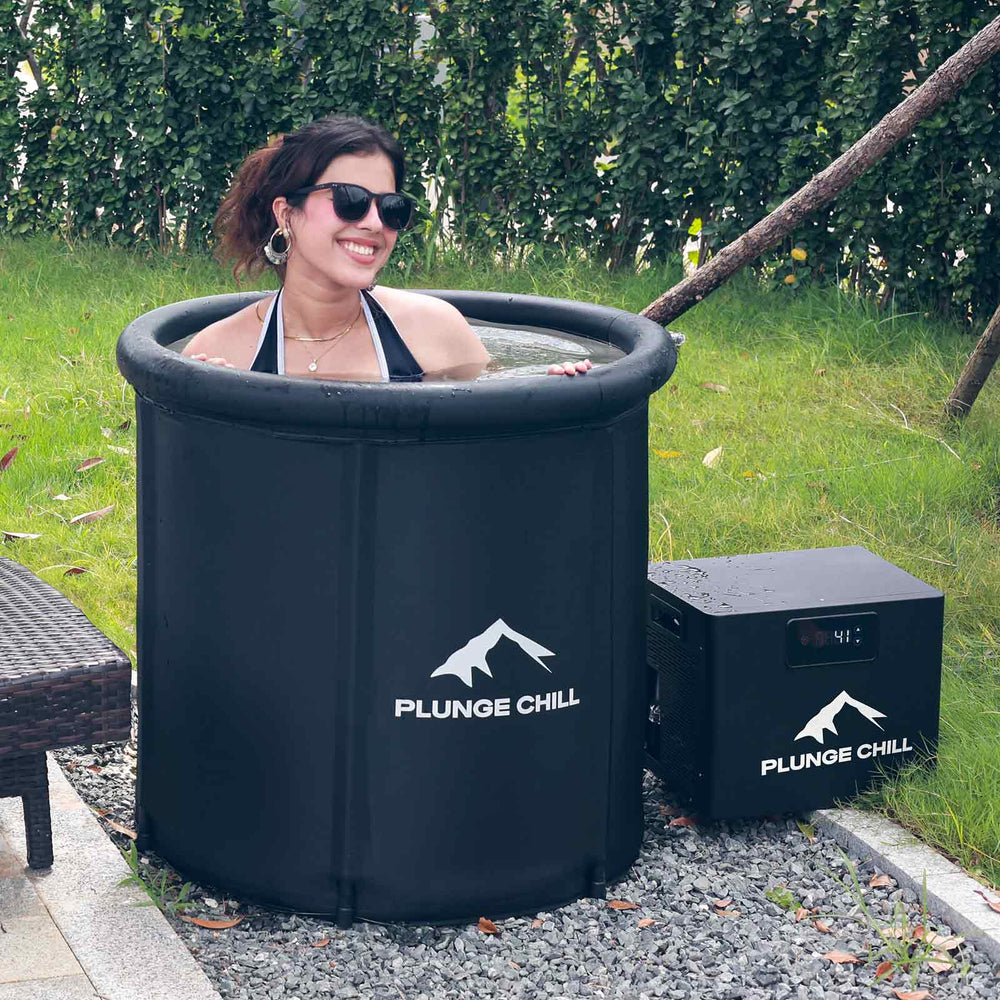
Cold plunges are no longer niche. As a sports rehabilitation specialist and strength coach who also reviews plunge hardware for teams and home users, I see ice baths in pro locker rooms, college training centers, garage gyms, and even apartment balconies. Popularity is not the same as proof, though. This guide explains what ice baths do and do not do, how to use them safely, and how to choose among the most popular designs—barrels, hard‑shell chillers, inflatables, and DIY setups—without the hype. All recommendations here synthesize peer‑reviewed research and clinical best practices with hands‑on evaluations of mainstream plunge products.
What Counts as an Ice Bath, and What Happens in the Body
An ice bath is controlled cold‑water immersion at roughly 50–59°F for minutes, not hours. The first seconds trigger the cold‑shock response: a rapid spike in breathing, heart rate, and blood pressure, plus intense peripheral vasoconstriction that shunts blood toward vital organs. Shivering then ramps up to generate heat. Case Western Reserve University describes these events clearly and notes that hyperventilation can last several minutes as your nervous system steadies. As you exit the water and rewarm, blood vessels dilate and circulation rises, which many users experience as a warm, tingling “rebound.”
Those dynamics matter for recovery. Cold slows nerve conduction and can blunt pain signaling. Constriction followed by dilation appears to help move metabolites along while tempering acute swelling after hard efforts. But core physiology differs across modalities. A full‑body plunge cools the body far more effectively than a brief cold shower. Ohio State Health emphasizes that immersion is more uniform; showers are acceptable but typically deliver less comprehensive cooling and compression.

Do Ice Baths Work? What the Evidence Actually Says
The short version is that acute recovery benefits are plausible and sometimes measurable, while chronic performance advantages are inconsistent and highly goal‑dependent. Several strands of evidence point in the same direction.
Clinical and applied sports sources including Ohio State Health, Mayo Clinic Health System, Cleveland Clinic, and GoodRx converge on a few practical points. Cold immersion can reduce delayed onset muscle soreness within the first one to three days after hard sessions. In meta‑analyses and controlled trials, markers such as creatine kinase and lactate often fall by around the 24‑hour mark, even when strength or power do not change substantially over the same window. Many athletes report less fatigue and greater perceived readiness, a pattern echoed by Sport Science reviews.
Those positives come with context. For endurance blocks and tight turnarounds between matches, a brief plunge helps many athletes feel and perform better the next day, which is why you see ice baths used during tournaments and dense training camps. For resistance training focused on strength and hypertrophy, systematic reviews and mechanistic studies raise a different caution: routine cold immersion immediately after lifting can blunt anabolic signaling and muscle protein synthesis. Ohio State Health, FitnessCF, and multiple peer‑reviewed papers report reduced long‑term gains in muscle mass and strength when cold is used chronically right after resistance sessions. The applied recommendation is to delay the plunge by a day, or keep cold immersion for rest days and endurance work when your priority is recovery, not adaptation.
There is also a nuance that many summaries omit. A human biopsy study comparing cold‑water immersion to active recovery found similar intramuscular inflammatory and stress‑protein responses after resistance exercise. In other words, cold immersion did not reduce the muscle’s local inflammatory gene expression versus an easy warm‑down, even though soreness is typically lower and people feel better. That helps reconcile why pain can drop without the classic anti‑inflammatory signature in muscle tissue. PubMed Central studies that tracked neutrophils, macrophages, cytokines, and heat‑shock proteins underpin this point.
Mental effects exist but are still being pinned down. Stanford Lifestyle Medicine describes acute improvements in mood and alertness after cold exposure, linked to endorphins and noradrenaline. Cortisol often falls after immersion rather than rising, and repeated exposures may dampen cortisol responses over time, supporting stress resilience. Those are promising findings, but sample sizes are small and outcomes vary across protocols and populations, so persistent mental‑health benefits should be treated as hypothesis‑generating rather than definitive.
Where Guides Disagree—and Why
It is not surprising to find mixed conclusions about ice baths. Definitions and methods vary widely across studies and practice. Some trials use full‑body immersion while others use partial immersion or showers, which cool far less. Outcomes differ as well: perceived soreness and readiness often improve even when jump height or maximal torque do not. Crossover designs tend to show larger effects than parallel trials, likely reflecting individual variability. Timing also matters. Studies that plunge participants immediately after lifting interrogate a different question than protocols that wait 24–48 hours or that target endurance blocks. Finally, the populations diverge. Elite athletes with dense training loads, recreational runners, and untrained subjects do not respond identically. When you read that “ice baths don’t work” or “ice baths are a game‑changer,” you are often seeing definitions, samples, and time frames talking past each other.

Protocols That Fit Goals
The most popular consumer guidance clusters around 50–59°F water for 5–15 minutes. FitnessCF and Ohio State Health recommend this range for general recovery, with beginners starting at one to two minutes and building tolerance gradually. Cleveland Clinic emphasizes shorter exposures—often three to five minutes—especially in very cold water, and stresses “start low and go slow” to avoid hypothermia or hyperventilation. These differences are less contradictory than they appear. They point to a sensible operating window and prioritize safety.
Timing depends on training. For endurance sessions or back‑to‑back events, using an ice bath immediately after training can blunt soreness and sustain output. For resistance training blocks where muscle size and strength are the aim, delay cold exposure by 24–48 hours or use it on rest days so you do not compromise adaptive signaling. Kula Recovery adds finer granularity from practical coaching: plunging within 30–60 minutes helps when the priority is rapid recovery from games or HIIT, while lifters should wait several hours or skip cold entirely in mass‑gain phases. Pre‑cooling before sessions in heat can be useful to lower core temperature and perceived exertion; Cleveland Clinic also notes that ice baths are a field treatment for heat injuries in endurance events.
A quick note on depth and alternatives. Full‑body immersion cools more reliably than localized treatments. Cold showers can be convenient if you lack a tub, but they are not physiologically equivalent to a full plunge for core cooling. Cryotherapy chambers expose skin to extremely cold air for short bursts, which feels intense but does not match water’s thermal conductivity. Open‑water plunges deliver the coldest exposures but add environmental hazards.
Safety, Contraindications, and First Session Checklist
Safety protocols are non‑negotiable. The cold‑shock gasp and hyperventilation in the first seconds increase drowning risk and place sudden load on the cardiovascular system. People with heart disease, uncontrolled hypertension, a history of stroke, poor circulation, Raynaud’s phenomenon, significant neuropathies, or cold‑induced hives should get medical clearance first. Never plunge alone, especially outdoors. Measure water temperature rather than guessing, and keep dry layers and warm gear within reach; gradual rewarming is safer than jumping straight into very hot water. Several sources, including Case Western Reserve University and Mayo Clinic Health System, reinforce these points and highlight that risks are highest in frigid open water or rivers with current.
What’s Most Popular Now: Styles, Use‑Cases, and Fit
The “most popular” ice bath is not a single product so much as a few format families that dominate real‑world use. Barrel‑style tubs have surged among home users for their small footprint and full‑body coverage. Hard‑shell tubs with integrated chillers appeal to athletes who want set‑and‑forget temperature control without buying ice. Inflatable or foldable tubs trade long‑term durability for portability and price. DIY setups—a stock tank or standard bathtub plus ice—remain common for occasional plunges.
A few illustrative examples. Barrel‑style units like Ice Barrel emphasize upright immersion and a tiny footprint; one popular model weighs about 55 lb empty, fits in roughly five cubic feet of space, and is rated to support about 750 lb when filled. The company markets non‑porous, medical‑grade materials and a lifetime warranty, and highlights recycled content and domestic manufacturing. Hard‑shell tubs with integrated chillers, including options from Icetubs and similar vendors, target consistent temperature control, insulation, and ergonomic seating, often at a premium cost. Both approaches can work well; the better fit depends on your space, frequency of use, and tolerance for hauling ice.
Modality Fit and Typical Use
Modality |
Typical water temp |
Cooling depth |
Setup/effort |
Best for |
Notes |
Full-body ice bath (tub/barrel) |
50–59°F |
Highest among consumer options |
Moderate initial, low ongoing |
Endurance recovery, tournament turnarounds, rest-day recovery |
Most evidence for soreness relief; watch total time and shivering; never plunge alone |
Cold shower |
As cold as tap provides |
Low to moderate |
Very low |
Convenience, mood/alertness, entry step for novices |
Less uniform cooling; still useful for gradual acclimation |
Open‑water plunge |
35–50°F (varies) |
High |
Variable; environment‑dependent |
Advanced users, group plunges |
Higher risk; avoid currents; measure temperature; safety spotter required |
Whole‑body cryotherapy |
Extremely cold air, brief exposure |
Moderate skin cooling |
Moderate to high |
Mood/arousal, novelty |
Expensive, different physiology than water immersion |
Popular Ice Bath Styles Compared
Style |
Temperature control |
Footprint/placement |
Portability |
Maintenance |
Who it suits |
Barrel tub (upright) |
Ice‑based unless paired with external chiller |
Very compact; indoor/outdoor |
High (light when empty) |
Simple; manual water changes, surface cleaning |
Home users wanting full immersion in small spaces |
Hard‑shell tub with integrated chiller |
Built‑in, precise |
Larger; needs power and drainage |
Low to moderate |
Filter changes, sanitization, periodic service |
Teams, heavy users, anyone who wants set‑and‑forget temps |
Inflatable/foldable tub |
Ice‑based |
Compact; indoor/outdoor |
Very high |
Simple; durability varies |
Renters, travelers, occasional plungers |
DIY bath/stock tank |
Ice‑based |
Varies |
Low once installed |
Manual everything |
Budget setups, sporadic use or experimentation |
Care and Hygiene: Keeping the Water Safe and Your Skin Happy
Clean water keeps you healthy and preserves equipment. For simple ice‑based tubs without filtration, changing water on a schedule and wiping down surfaces prevents films and odors; a monthly change is a common cadence for low‑use setups, with quicker cycles during heavy use. Urban Ice Tribe suggests changing about every four weeks as a baseline. If your tub or chiller includes filtration and disinfection, follow the manufacturer’s maintenance schedule and test strips; body oils, lotions, and outdoor debris are the usual culprits when water turns quickly. After any plunge, dry off and rewarm gradually with clothing and light movement rather than jumping straight into a very hot shower. Several safety sources also recommend avoiding plunges with open wounds or significant skin conditions, both for your comfort and hygiene.
Buying Tips: How to Choose Among Popular Designs
Match the bath to your goals, space, and usage profile. If you plunge multiple times per week and value precise control, a hard‑shell tub with an integrated chiller is the most convenient. If you want an affordable, space‑efficient step into full immersion, a barrel is compelling; the upright posture also makes controlled breathing easier for many novices. If you travel or live in a small apartment, an inflatable or foldable tub can work well with a couple of ice bags and a floor thermometer. For outdoors in cold climates, insulation quality, a lid, and drain routing matter more than you think; wind chill dominates perceived cold once you get out.
Cost ranges are wide. Mayo Clinic Health System notes that fully featured plunge tanks can run up to about $20,000, while DIY solutions can cost a fraction of that. Consider total cost of ownership: power draw for chillers, water use, filters, and cleaning supplies add up over time. If you place a tub on a balcony or deck, confirm the structure can support the combined weight of water and user; upright barrels commonly cite static load ratings near 750 lb when filled, and hard‑shell tubs can weigh far more once topped off. Features that improve day‑to‑day use include an accurate thermometer at eye level, steps or a stable platform for entry, a secure lid, and a way to drain water without wrestling heavy hoses. App controls are nice, but reliability, serviceability, and a warranty you can actually use matter more once the new‑gear glow fades.

Overlooked but Useful Insights
Body size changes dosing. Smaller and leaner athletes cool faster in the same water than larger athletes do, so they should favor slightly warmer water and shorter times to achieve comparable stimulus. Science for Sport highlights faster core cooling in low‑mass, low‑fat athletes and suggests adjusting time and temperature rather than copying a teammate’s session.
The muscle story is not only about inflammation. A human study found that intramuscular inflammatory signals after lifting were not reduced by cold immersion compared with active recovery, even though soreness and perceived recovery improved. PubMed Central papers tracking leukocytes, cytokines, and heat‑shock proteins support this nuance. The implication is that analgesia and vascular shifts may drive the recovery “feel,” while local inflammatory resolution proceeds on its own timetable.
Face‑only cold can calm the system differently than a full plunge. Brief facial immersion engages the mammalian diving reflex through the vagus and trigeminal nerves, favoring parasympathetic activity and a lowering of heart rate. Stanford Lifestyle Medicine describes this as useful for rapid arousal modulation and emotion regulation training. This is a different lever than full‑body sympathetic activation and can be integrated on days you skip the tub.
Occasional plunges likely do little for immunity. Case Western Reserve University notes that for once‑a‑year polar plungers, cold exposure has little demonstrable effect on immune function. That aligns with the broader trend that consistency and context—not one‑off heroics—drive outcomes.
One claim to treat cautiously concerns sleep. Some practitioners suggest that plunging earlier in the day may be friendlier to sleep than plunging right before bed, due to post‑exposure thermoregulation and arousal changes.

A Field‑Tested Starter Plan
If you are healthy, cleared to plunge, and new to cold, respect the first minute—it sets the tone. Fill to a level that covers the shoulders when seated and verify the temperature with a thermometer. Start warmer rather than colder, in the low 60s°F, for two minutes. Enter slowly, keep your hands submerged, and focus on a steady inhale through the nose and a longer exhale through pursed lips while the initial gasp passes. Step out, towel off, and rewarm in layers. Across two to three weeks, progress toward 50–55°F for three to five minutes as tolerance and control improve. For endurance blocks or dense schedules, use this routine after hard sessions when you need to be ready again within a day. For strength blocks, either delay cold by 24–48 hours or skip it after lifting days so you do not trade away long‑term gains for short‑term relief. In my clinic and fieldwork with soccer and MMA, these simple guardrails have been the difference between a recovery tool that builds consistency and one that adds stress.

Frequently Asked Questions
What is the best temperature for an ice bath? Most recovery protocols land between 50 and 59°F. That range balances stimulus and safety for the majority of people. If you are smaller or very lean, begin on the warmer end and shorten sessions. If you add a chiller and prefer shorter exposures, you can set the bath colder while keeping time under five minutes.
How long should I stay in the water? Beginners do best at one to two minutes, building toward three to five minutes as breathing control improves. Several sources allow up to 10–15 minutes at modest cold, but my clinical preference is to finish around five to eight minutes for routine use. Do not exceed 15 minutes. If you experience uncontrollable shivering, lightheadedness, or numbness, exit and rewarm promptly.
Can I plunge every day? You can, but you should not automatically do so after every workout. Daily cold exposure right after lifting can blunt hypertrophy and strength adaptations over time. If you are in an endurance block or face repeated events, more frequent plunges may help you feel and perform better between sessions. Always align frequency with your primary goal.
Is a cold shower good enough? Cold showers are an accessible way to explore cold exposure and can help mood and arousal. They do not match the uniform skin and core cooling of full‑body immersion. If your goals are soreness relief and rapid turnaround, a plunge tub is the more reliable tool. If your goals are alertness and stress management, a cold shower can be adequate.
Is it safe if I have high blood pressure or a heart condition? Cold‑shock spikes in heart rate and blood pressure increase risk for people with cardiovascular disease or uncontrolled hypertension. Get medical clearance before plunging. Even with clearance, avoid plunging alone and favor warmer water and shorter sessions. Open‑water plunges and rivers with current are not appropriate for higher‑risk users.
Will an ice bath help me lose weight? Cold exposure acutely increases calorie burn and can activate brown fat, but relying on ice baths for weight loss is not evidence‑based. If body composition is your aim, prioritize nutrition, resistance training, sleep, and activity. Treat cold exposure as a recovery or resilience practice, not a fat‑loss protocol.
The Takeaway
Ice baths are popular because they can do something tangible: reduce soreness, sharpen alertness, and support consistency when the schedule is unforgiving. They are not a cure‑all, and they can undermine strength and hypertrophy if you apply them at the wrong times. The most popular hardware—barrel tubs and hard‑shell chillers—both work well when matched to the user and context. Start warmer and shorter, progress patiently, and measure temperature rather than guessing. Align frequency and timing with your training goals. Keep safety first, especially in the first minute and the first week. If you do those simple things, an ice bath moves from a trend to a tool.
References
Case Western Reserve University Newsroom; Ohio State Health; Mayo Clinic Health System; Cleveland Clinic; PubMed Central (peer‑reviewed studies on cold‑water immersion, inflammation, and recovery); Harvard Health; Science for Sport; GoodRx; Ice Barrel; Icetubs; Kula Recovery; Urban Ice Tribe. 118,528
- https://lms-dev.api.berkeley.edu/ice-baths
- https://case.edu/news/science-behind-ice-baths-and-polar-plunges-are-they-truly-beneficial
- https://www.health.harvard.edu/staying-healthy/can-ice-baths-improve-your-health
- https://www.mcphs.edu/news/physical-therapist-explains-why-you-should-chill-out-on-ice-baths
- https://lifestylemedicine.stanford.edu/jumping-into-the-ice-bath-trend-mental-health-benefits-of-cold-water-immersion/
- https://ideaexchange.uakron.edu/cgi/viewcontent.cgi?article=3606&context=honors_research_projects
- https://www.marquette.edu/innovation/documents/arora_ice_bath_recovery.pdf
- https://sncs-prod-external.mayo.edu/hometown-health/speaking-of-health/cold-plunge-after-workouts
- https://pmc.ncbi.nlm.nih.gov/articles/PMC2938508/
- https://health.osu.edu/wellness/exercise-and-nutrition/do-ice-baths-help-workout-recovery