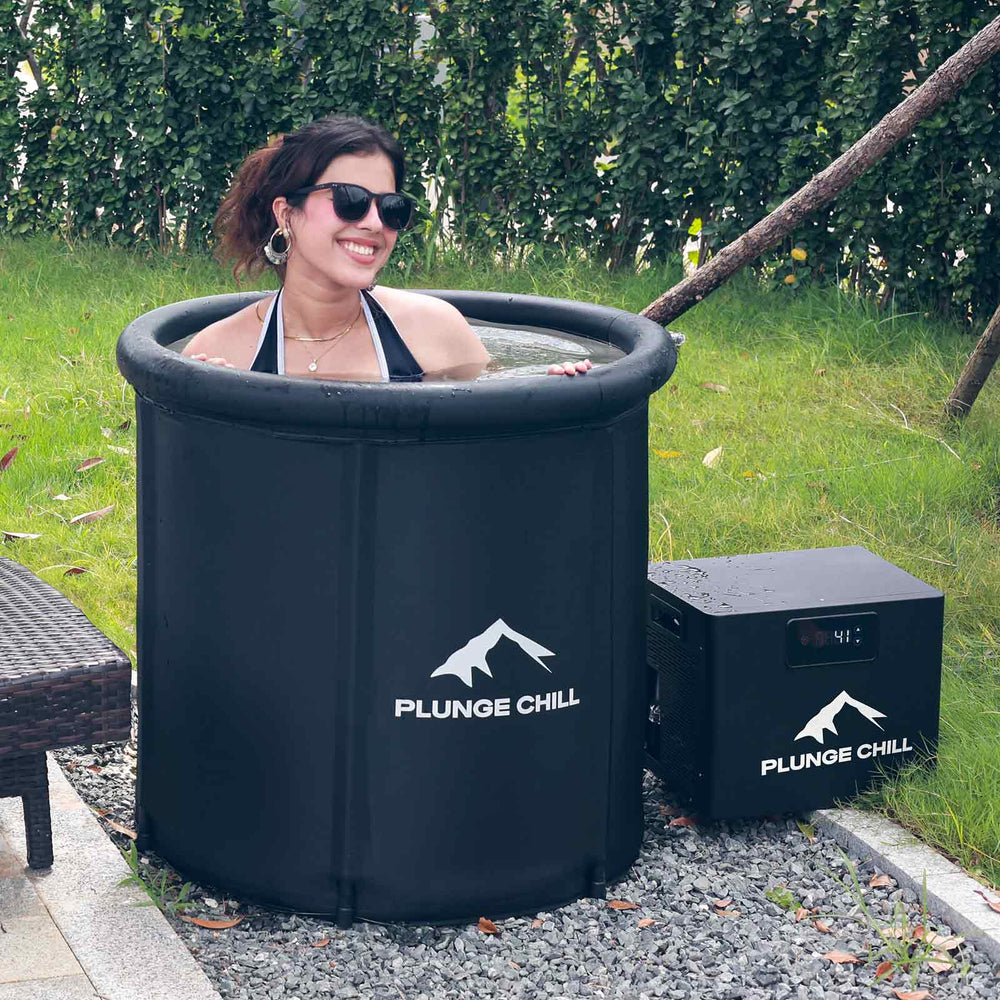
As a sports rehabilitation specialist and strength coach who also reviews cold plunge products, I care less about hype and more about repeatable results. The idea behind a “Cold Plunge Performance Test” is simple: build a safe, standardized protocol you can run in your own setting to decide if cold-water immersion meaningfully improves how you perform and recover. In this guide, I’ll explain the physiology that matters, summarize what credible evidence actually shows, and then lay out a practical, testable approach you can use to make data-driven decisions for yourself or your team. Along the way, you’ll find product criteria, care tips, and buying considerations grounded in real use and current research.
What a Cold Plunge Does to Your Body
Cold-water immersion triggers a cold shock response that includes a rapid increase in breathing and heart rate, a spike in blood pressure, and strong peripheral vasoconstriction that shunts blood toward vital organs. Shivering follows to generate heat, and metabolic rate can rise several-fold for a short period. This cascade is well described by Case Western Reserve University and is responsible for the familiar gasping and urge to tense up in the first seconds of immersion. Those first seconds are also the riskiest in terms of panic and breathing control, which is why deliberate, slow breathing and gradual acclimation help.
Beneath the immediate shock response, there are two competing forces worth understanding. The first is the acute anti-swelling effect most athletes seek. Cold constricts blood vessels, which reduces fluid shifts into tissues and can blunt the local inflammatory response that drives soreness sensation. The second is the training adaptation you ultimately want from lifting or hard practice. Some inflammatory signaling is necessary for muscle remodeling and growth. If you suppress it aggressively and routinely right after strength training, you may trade next-day relief for slower long-term progress. Cleveland Clinic, Ohio State University’s health site, and several meta-analyses summarized below all converge on this nuance: use cold strategically, not reflexively.
What the Evidence Says Right Now
Across health and performance outcomes, findings are mixed and depend on what, when, and how you measure. One systematic review and meta-analysis in PLOS One synthesized randomized trials in healthy adults using water at roughly 45–59°F. It reported a transient increase in inflammatory markers immediately and at one hour after immersion, a reduction in perceived stress at around 12 hours, and probable improvements in sleep and quality of life; mood did not consistently improve in that analysis. The immune story remains preliminary, though a well-known experiment with regular hot-to-cold showers reported fewer sick days used in a working population.
Post-exercise outcomes show a more consistent pattern. A meta-analysis in PubMed Central comparing cold water immersion after exercise against control found lower perceived soreness and exertion immediately after immersion. Countermovement jump performance tended to be worse immediately after cold exposure, reflecting short-term neuromuscular dampening. At 24 hours, some analyses suggested small benefits for jump performance, but these were not robust when accounting for study differences. Blood markers of muscle damage such as creatine kinase were lower at 24 hours, while lactate was lower at 24 and 48 hours. In short, cold seems to feel good now, may reduce some biochemical strain by the next day, but does not reliably improve objective performance measures later and can temporarily compromise power right after you get out. That pattern lines up with decades of athlete reports and the mechanistic expectations of vasoconstriction and temperature-dependent enzyme behavior.
There is also evidence that routine post-lift soaking can blunt long-term gains in strength and muscle size. University and health-system sources summarize this trade-off, and sport science meta-analyses cited by practitioners—such as reviews in Sports Medicine and the European Journal of Sport Science—have reported small, but statistically significant effects on hypertrophy and strength with chronic pairing of cold plunges and resistance training. For endurance adaptations, the interference signal appears weaker.
Case reports and experimental work in PubMed Central highlight additional caveats. Brief cold immersion after training impaired subsequent cycling power and reduced maximum heart rate compared with no cold on the day of testing. Immersions at roughly 66°F after treadmill exercise reduced handgrip strength within an hour. Contrast water therapy protocols are widely used in practice—hot and cold alternation with a three-to-one or four-to-one hot-to-cold minute ratio for 20–30 minutes, finishing cold—but comparisons are sparse and heterogeneous. Some studies show faster lactate decreases during contrast therapy, though mechanisms remain debated.
Evidence on heat is also evolving. A recent presentation at an American Physiological Society conference reported that hot-water immersion near 104°F maintained short-term jump performance better than cold at 59°F after interval running, with no biomarker differences at one hour and no next-morning capacity difference between hot and cold. Conference abstracts are not peer-reviewed publications, so treat this as promising but preliminary.
Finally, whole-body cryotherapy—dry cold air in a chamber below −100°F for a few minutes—feels impressive but remains under-evidenced for muscle soreness. A Cochrane review concluded evidence is insufficient to support it for preventing or treating soreness, whereas cold-water immersion has more consistent support for short-term soreness relief. If you choose cryotherapy, supervision, dry extremities, and adherence to safety protocols are essential.
Parameters that Matter: Temperatures, Durations, and Timing
Adults tolerate cold differently, and recommended protocols vary by source, experience level, and purpose. The guidance below uses Fahrenheit only and reflects ranges cited by reputable organizations and peer-reviewed summaries. All entries assume healthy individuals without contraindications.
Source |
Suggested Temperature (°F) |
Suggested Duration |
Notes |
Cleveland Clinic |
Beginners 50–59; experienced 39–50; avoid below 40 |
Typically 3–5 minutes, start warmer near 68 if brand new |
Use a thermometer; consider a short sauna session 15–30 minutes after to rewarm; exit early if discomfort exceeds normal cold sensations |
Ohio State University Health |
50–59 |
About 10–20 minutes |
Evidence mixed; may help after endurance activities; routine use after lifting can blunt gains; use caution and have supervision in controlled settings |
Kaiser Permanente |
50–59 |
About 10–15 minutes within one hour after exercise |
Cold showers are a reasonable alternative; avoid natural bodies of water; begin with shorter exposures and progress |
PubMed Central summary of athlete practice |
Cold phases about 54–59; hot phases about 99–109 (contrast therapy) |
Cold-only 5–10 minutes, sometimes up to 20; contrast therapy typically 20–30 minutes total with hot:cold at three-to-one or four-to-one, finishing cold |
Brief cold exposures of about one minute after warm water do not meaningfully lower muscle temperature; physiological effects depend on depth and duration |
Mayo Clinic Health System |
About 50 or colder; frozen lakes can be much colder |
Begin 30–60 seconds and progress toward 5–10 minutes |
Keep towels and warm clothing nearby; daily plunges are possible but may compromise training adaptations if done after sessions |
The fact that Cleveland Clinic emphasizes three to five minutes while other sources describe 10–15 or even 10–20 minutes reflects different aims and populations. One set of recommendations prioritizes safety and tolerance, particularly for beginners and home users. The longer ranges typically come from sport-recovery settings that target a more pronounced tissue-cooling effect in conditioned athletes. Variability in water depth, body surface area exposed, and water agitation also affects cooling rate. Given these differences, the smartest move is to standardize one protocol for your test and keep it constant across sessions.
Expected Effects on Key Outcomes
The table below consolidates commonly measured recovery and performance markers derived from meta-analyses and clinical summaries.
Outcome |
Immediate After CWI |
24 Hours |
48 Hours |
Sources |
Perceived soreness (DOMS) |
Lower |
Mixed; often not significant after accounting for study differences |
Mixed; often not significant |
PubMed Central meta-analysis; OrthoCarolina overview |
Rate of perceived exertion |
Lower |
No clear effect |
No clear effect |
PubMed Central meta-analysis |
Countermovement jump |
Lower |
Possible small improvement in subsets, not consistent overall |
No clear difference |
PubMed Central meta-analysis |
Creatine kinase |
No clear immediate effect |
Lower |
No clear difference |
PubMed Central meta-analysis |
Blood lactate |
No clear immediate effect |
Lower |
Lower |
PubMed Central meta-analysis |
Inflammatory markers |
Transient increase immediately and at one hour |
Not consistently different later |
Not consistently different later |
PLOS One systematic review |
This pattern helps inform how you design your own test. If you care about readiness to produce power immediately after a plunge, be cautious. If your priority is how you feel later the same day and into tomorrow, you may notice modest wins on soreness and perceived fatigue, along with slightly lower biochemical stress markers by the following day.

How to Run a Cold Plunge Performance Test
A good test is safe, repeatable, and matched to your goals. The aim is not to chase a universal truth but to build enough evidence for your particular body and training to decide when cold helps you and when it does not.
Begin by choosing a single cold protocol you can adhere to without strain. For general athletic recovery, a pragmatic starting point is 50–59°F for three to five minutes for two weeks of test days, as long as you tolerate it comfortably and do not have medical contraindications. If you are highly experienced with cold, you can extend toward 8–10 minutes within that same temperature range, keeping a close eye on after-drop and rewarming plans.
Use a crossover approach to minimize day-to-day noise. Alternate matched training sessions where you plunge versus where you do your usual warm-down without cold. Keep your sessions as identical as real life allows in terms of timing, intensity, nutrition, and sleep.
Select outcomes you can measure reliably at home or in the training facility. A simple jump mat or phone-based jump test for three countermovement jumps, a consistent time trial such as a submaximal shuttle or a fixed split row, and short scales for perceived soreness and exertion will suffice. Take jump and perceived exertion measurements before training, then repeat immediately after the plunge or control session to capture acute effects, and again at about 24 hours to capture next-day readiness. If you track a subjective sleep score or sleep continuity, add that as well. Keep notes on anything that could confound the day’s results, including unusual stress, poor sleep, or unplanned extra activity.
Record what happens, not what you hope to see. If your jumps sag immediately after immersion, that aligns with the literature; do not be alarmed. The real question is whether your jumps and subjective readiness bounce back as well or better by the next day on plunge days compared with control days, and whether your next training session feels and performs at least as well. If you are in a strength or hypertrophy block, consider delaying all cold exposure by a day or two after heavy lifting weeks and reserve testing for endurance or mixed sessions. The rationale for that timing is to avoid repeated interference with muscle-building signals, as discussed by Ohio State University and multiple reviews.
A brief word on heat as a test condition. If your main goal is maintaining same-day power, you could run a separate comparison where you test hot-water immersion around 104°F for a few minutes of passive soaking and compare short-term jump performance to a cold session on an otherwise identical day. Preliminary conference data suggest heat may be better than cold for immediate power preservation, but confirmation requires your own data and context. Label those test days clearly and note that this remains an emerging area.

Safety, Contraindications, and Smart Rewarming
The major safety risks with cold water occur in the first seconds due to cold shock and hyperventilation. Enter slowly, control your breathing, and never force yourself to endure panic. People with cardiovascular disease, uncontrolled hypertension, prior stroke, poor circulation, peripheral neuropathy, venous stasis, or cold agglutinin disease require clinician clearance in advance because cold spikes heart rate and blood pressure and can provoke arrhythmias. American Heart Association guidance underscores this cardiovascular stressor. Diabetes and neuropathies also demand caution, as do pregnancy and autoimmune conditions where safety data are limited or inconsistent.
Plan your exit and rewarm deliberately. Keep a towel and warm clothing within reach and avoid driving your core temperature too low. If you have access to a sauna, a short 15–30 minute dry-heat session at a comfortable intensity can smooth rewarming, as Cleveland Clinic notes. Avoid natural bodies of water unless the environment is controlled and free of currents; Kaiser Permanente recommends against rivers and open ice because of entrapment risk. Do not combine plunging with alcohol, and avoid doing it alone. In team settings, assign a spotter for first-timers.
Pros and Cons in Plain Terms
Potential Benefit or Trade-off |
Evidence Snapshot |
Practical Implication |
Short-term relief from soreness and perceived fatigue |
Consistent in clinical summaries and meta-analyses |
Useful during congested schedules, travel, or competitions where feeling better tomorrow matters |
Rapid core cooling after heat stress |
Widely used in heat illness management |
Appropriate as an on-field or facility tool for heat injury protocols with trained staff |
Acute drop in power and jump performance |
Reported immediately after immersion |
Avoid cold immediately before power testing or heavy skill sessions |
Possible blunting of long-term strength and hypertrophy with routine post-lift use |
Reported across reviews; small but significant effects |
Delay cold exposure after strength training by 24–48 hours during growth-focused blocks |
Transient rise in inflammatory markers post-immersion |
Shown in PLOS One |
The “anti-inflammatory” effect is not immediate; short-term tissue cooling can still reduce swelling sensation |
Sleep, quality of life, and stress reductions |
Reported benefits with timing dependence |
Consider late-day sessions for stress relief and sleep, and test to see if it helps you |
Whole-body cryotherapy for soreness |
Cochrane review found insufficient evidence |
If you enjoy it and it’s supervised, use it as a wellness modality, not as a proven recovery tool |

Product Performance and Buying Considerations
As a reviewer, I evaluate cold plunge units in two domains: what they do to the athlete and what it’s like to live with them. On the athlete side, a reliable thermometer and consistent water temperature are non-negotiable. Without temperature accuracy, your test data are noise. On the living-with-it side, hygiene, footprint, noise, and maintenance determine whether the unit gets used after the novelty fades. Dedicated plunge tanks with active chilling vary widely in price; comprehensive systems can reach about $20,000 according to Mayo Clinic Health System. Many athletes use bathtubs with ice or stock tanks to keep costs down, trading convenience for more manual setup.
Some practical considerations are reasonable inferences based on facility operations rather than direct trials. For example, filtration and sanitation affect skin health and infection risk, but details vary by manufacturer. Verify by reviewing the product manual for filtration stage, disinfectant compatibility, and recommended change intervals, and by running a simple bacterial dip-slide test monthly if multiple users share the tub.
Likewise, rated cooling capacity and pull-down speed determine how fast a unit reaches, then holds, your target temperature during repeated sessions. Verify by logging water temperature every five minutes from ambient to your setpoint over multiple days and by noting temperature drift during back-to-back immersions.
Noise levels and floor load are also practical considerations in apartments or small clinics. Verify by measuring sound with a consumer decibel app at three feet and confirming weight per square foot against your building’s guidelines before installation.
These inferences are included because real-world use depends on them, but always confirm on your own system before making a purchasing decision.

Care and Maintenance
Clean, clear water is safer and more inviting. Follow the manufacturer’s sanitation guidance if you own a dedicated unit, and for improvised setups, wash the tub regularly with a mild, non-abrasive cleaner and rinse thoroughly. Monitor water temperature with a dedicated thermometer rather than guessing by feel. Avoid open-water plunging in rivers or lakes, which adds current and entrapment hazards; Kaiser Permanente recommends controlled environments. Keep a rewarming plan on hand every time, including dry towels and warm clothes, especially in cold weather or after night sessions.
If you run a shared facility, set and post a simple policy that covers a brief pre-rinse, no plunges with open cuts or skin infections, and a mandatory spotter for first-time users. These small steps reduce risk and improve compliance without adding cost.
Timing Cold Around Training
Most of the regret I see from athletes stems from using cold at the wrong time. If you are peaking for competition, need to bounce back after a tournament weekend, or are training in high heat, cold can help you feel and function better within 24 hours. If you are grinding through a strength or hypertrophy block, the safer assumption is that routine post-lift plunges slow adaptation. Ohio State University’s health guidance suggests waiting 24–48 hours after lifting before an ice bath if muscle size or strength are primary goals. That approach protects long-term progress while still leaving room for cold on recovery or endurance-focused days.
An overlooked point is that heat exposure can be useful in preserving immediate power on the same day, with preliminary data showing better short-term jump performance after hot-water immersion compared with cold. Verify by running your own hot-versus-cold comparison on matched training days and tracking three countermovement jumps at the one-hour mark in each condition.
A second nuance is pre-cooling before training in hot conditions. There is evidence that a brief cold plunge before exercise can aid performance in the heat, potentially more than drinking an ice slushie. Verify by testing a standardized warm-weather workout twice—once with a short pre-cooling immersion and once with no pre-cooling—while logging heart rate, perceived exertion, and pace or power.
A third nuance is whether adding compression or massage alongside cold improves outcomes over cold alone. A recent systematic review agenda in MDPI pointed toward the need to compare combined therapies with cold alone, and some teams intuitively layer modalities. Verify by structuring a small crossover where you add light compression or a brief massage after your plunge on matched days and compare next-day soreness and session quality.

Running Your Data Sheet
Keep your test simple and consistent. The template below illustrates what to capture in a single row per session.
Session ID |
Protocol |
Pre-Session Jump (best of 3) |
Post-Session Jump (best of 3) |
RPE Post |
DOMS Next Day (0–10) |
Sleep Notes |
Comments |
A-01 |
Plunge 54°F for 5 min |
value |
value |
value |
value |
brief note |
any anomalies |
A-02 |
Control (no plunge) |
value |
value |
value |
value |
brief note |
any anomalies |
A month of alternating rows is enough for directionally reliable decisions. If your jumps are consistently depressed immediately after cold, that is normal. The question is whether next-day soreness and training quality improve enough on plunge days to justify the trade-off for your goals.
Definitions You Will Use
Cold shock response refers to the immediate surge in breathing, heart rate, and blood pressure along with intense vasoconstriction upon sudden cold exposure. Delayed-onset muscle soreness describes the pain and stiffness that rises within about one to three days after unfamiliar or intense exercise and resolves by about five to seven days. Cold-water immersion, or cold plunging, means partial or full submersion in cold water, typically around 50–59°F for minutes at a time, used by athletes to influence recovery.

Who Should Not Plunge Without Clearance
People with heart disease, hypertension, prior stroke, poor circulation, peripheral neuropathy, venous stasis, or cold agglutinin disease should seek clinician approval. Individuals with diabetes, vascular disease, or neuropathies must be cautious, and safety in pregnancy is not well established. Those with anxiety or panic disorders may find the cold shock response overwhelming without preparation and supervision. These cautionary notes come from Cleveland Clinic, Kaiser Permanente, and other clinical advisories.
Frequently Asked Questions
How cold should the water be for a performance test?
A practical range for most healthy adults is 50–59°F, measured with a thermometer rather than by feel. Cleveland Clinic suggests beginners stay in that range and advanced users can drop toward the high 40s. Going below 40°F increases risk without proven added benefit for recovery testing and is unnecessary for most purposes.
How long should I stay in the plunge?
For a controlled self-test, three to five minutes is a safe, effective starting point if you are new. More experienced users sometimes extend toward 8–10 minutes in the same temperature range. Ohio State University’s guidance describes longer sessions up to about 20 minutes in supervised settings, but there is no universal minimum dose, and your tolerance and goals should drive the plan.
Does an ice bath blunt my gains if I lift?
If you make cold plunging a routine right after strength training, research indicates a small, real risk of blunting muscle size and strength gains over time. The simplest way to protect adaptations is to delay cold exposure by a day or two after lifting while using it more freely for endurance days, travel, and congested schedules.
Is a cold shower a decent substitute?
For many people, yes. Cold showers appear to provide some of the stress, mood, and possibly immune-related benefits with lower risk and easier logistics, and one large workplace experiment reported fewer sick days among hot-to-cold shower users. Showers cool the core less efficiently than full-body immersion, so they are better suited for general wellness and stress management than for aggressive tissue cooling.
Is whole-body cryotherapy the same as cold plunging?
No. Cryotherapy chambers use very cold dry air for a few minutes. A Cochrane review found insufficient evidence that they prevent or treat muscle soreness. Cold-water immersion has more consistent support for immediate soreness relief. If you prefer cryotherapy, treat it as a discretionary wellness tool rather than a proven recovery modality.
Can I use heat instead of cold?
Heat appears to preserve immediate power better than cold in some contexts and can reduce soreness in the first two days after exercise, with network meta-analysis ranking hot packs favorably for pain relief. If same-day performance is critical, trial hot immersion on matched training days and compare the results to your cold sessions.
Takeaway
Cold plunging is a powerful tool when you respect both physiology and context. It reliably changes how you feel right away, can reduce perceived stress within about half a day, and may lower some biochemical strain by the next day. It also can transiently depress power, and when used indiscriminately after lifting, it can slow the very adaptations you want from your training. The smartest path is to test it against your own goals: pick a clear protocol, measure what matters to you, and make your decision with data rather than opinion.
From a product perspective, prioritize accurate temperature control, sanitation you will actually maintain, and a setup that fits your space and routine. The best cold plunge for you is the one that makes your training better on the timeline that counts, not the one with the coldest number or flashiest marketing.
Citations in this article draw on Cleveland Clinic, Case Western Reserve University, Ohio State University’s health site, PLOS One, multiple PubMed Central reviews and case reports, Kaiser Permanente, Mayo Clinic Health System, OrthoCarolina, and the American Physiological Society. Links will be added in the References section separately.
References
- https://scholarsarchive.byu.edu/cgi/viewcontent.cgi?article=2847&context=etd
- https://case.edu/news/science-behind-ice-baths-and-polar-plunges-are-they-truly-beneficial
- https://www.mcphs.edu/news/physical-therapist-explains-why-you-should-chill-out-on-ice-baths
- https://digitalcommons.pcom.edu/cgi/viewcontent.cgi?article=1556&context=pa_systematic_reviews
- https://ideaexchange.uakron.edu/cgi/viewcontent.cgi?article=3606&context=honors_research_projects
- https://digitalcommons.wku.edu/cgi/viewcontent.cgi?filename=0&article=2444&context=ijes&type=additional
- https://www.marquette.edu/innovation/documents/arora_ice_bath_recovery.pdf
- https://sncs-prod-external.mayo.edu/hometown-health/speaking-of-health/cold-plunge-after-workouts
- https://pmc.ncbi.nlm.nih.gov/articles/PMC2938508/
- https://health.osu.edu/wellness/exercise-and-nutrition/do-ice-baths-help-workout-recovery