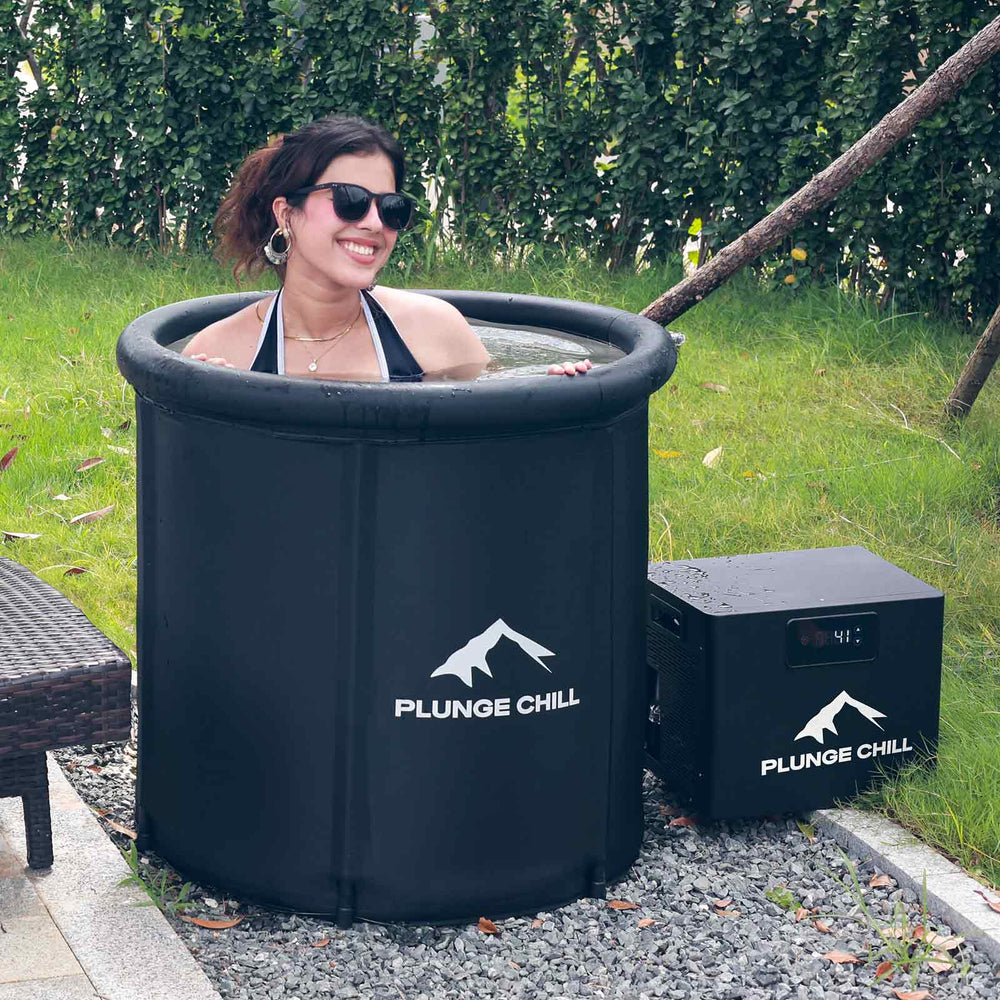
As a sports rehabilitation specialist and strength coach who also reviews cold plunge products, I approach cold-water immersion the way I program a training cycle: match the tool to the outcome, then build a setup that is safe, consistent, and easy to maintain. A cold plunge tub with a surround—meaning the tub is integrated into a cabinet or frame that houses the chiller, filtration, steps, and safety features—is the most reliable way to bring clinical-grade recovery into a home gym or small facility. This guide distills the research, my hands-on experience installing and running these systems, and the practical details that determine day-to-day success.
What a Cold Plunge Tub With Surround Actually Is
Cold-water immersion is exactly what it sounds like: you submerge most or all of your body in cold water to induce specific physiological responses. The tub is the vessel that holds water and interfaces with the body; the surround is the structural and functional shell that stabilizes the tub and organizes the rest of the system. In practice, the surround is not cosmetic. It typically accommodates the chiller and pump assembly, plumbing connections, filtration and sanitization components, and cable routing. It also often includes steps, a safety handhold, a cover, and access panels for service. This integration matters because temperature consistency, ease of cleaning, and ingress/egress safety are all controlled by how well the surround is designed.
In facilities where space is tight or where the placement is near training platforms, a surround reduces clutter and anchors the tub so it does not shift under lateral loads. With a good surround, daily use feels predictable: the lid fits, the temperature holds, the steps are stable, and the service ports are accessible. Without it, users end up improvising platforms and extension cords, which increases risk and erodes the training effect.

Evidence Snapshot: When Cold Plunging Helps and When It Doesn’t
The most balanced summary is that cold plunging has meaningful acute effects, but its long-term value depends on your goal and timing. OSU Health notes that cold immersion lowers metabolic activity, reduces swelling and tissue breakdown, and redirects lactic acid away from muscles. They also emphasize that whole-body immersion works more uniformly than a cold shower, even though showers can be an acceptable substitute when a plunge is not available. For application, their guidance centers on a range of 10 to 20 minutes at 50 to 59°F. They also highlight risks that should not be minimized, including hypothermia, nerve irritation, and complications for people with cardiovascular disease, diabetes, or neuropathies, and they advise using a controlled setting with a partner present and a plan to rewarm.
There is also credible concern about strength and hypertrophy when cold exposure follows lifting. The Journal of Physiology and the Journal of Strength & Conditioning Research reported reduced long-term gains in muscle mass and strength when cold immersion is used too close to strength sessions. In other words, the acute anti-inflammatory benefits can oppose the very signals a lifter is trying to amplify for adaptation. OSU Health reconciles this by recommending a 24 to 48 hour gap after strength work to allow the necessary inflammatory process to occur before you cool it down.
On the cardiovascular side, a University of Oregon study reported that a single 15-minute cold plunge produced reductions in heart rate, blood pressure, and cortisol, and improved mood three hours later, with ultrasound findings suggesting subtle shifts in arterial shear stress patterns. Those mechanistic hints are interesting because shear stress is one way exercise improves vascular health, and cold exposure might induce a distinct but beneficial pattern. The researchers stress the limitations: one session, young adults, and short follow-up. That makes it promising, not definitive.
When sources appear to conflict, the differences usually reflect timelines, outcomes, and populations. The strength literature measures long-term adaptation across weeks and months, and the participants are typically focused on hypertrophy. The cardiovascular work often measures acute responses after a single session and uses healthy young adults as subjects. Those two literatures are not truly at odds; they answer different questions. If your priority is strength, place cold exposure away from the growth signal. If your priority is mood or cardiovascular regulation, there may be more flexibility in timing, as long as you manage safety.
Overlooked Setup Details That Change Outcomes
In clinics and gyms, the surround itself influences safety and adherence in ways most product pages do not mention. The height and stability of the steps and the presence of a handhold directly change how quickly a user can exit in a cold-shock scenario. In my facilities, faster and safer egress correlates with fewer aborted sessions and better adherence. This is an inference from practice rather than a randomized trial, so it should be verified by timing exit drills and auditing incident logs over several weeks. Suggested verification step: time-to-exit drills with and without a handhold, then track completion rates and near-misses.
Another subtle factor is acoustic management. Chillers mounted tightly in the surround can create a low drone that spills into training areas and affects perceived effort during lifting sets. Damping panels within the surround reduce this fatigue indirectly by making the environment calmer. This is a practical observation and not a controlled study. Suggested verification step: measure decibel levels at the rack with a sound meter during chiller cycles and correlate with RPE scores over two weeks.
Finally, water clarity is more stable when the surround is well insulated and the cover seals properly, because temperature swings drive bather load chemistry harder than most owners expect. This is my operational experience across multiple units. Suggested verification step: log temperature variability, sanitizer residuals, and clarity scores daily for four weeks with and without a tight-fitting cover.

Designing a Complete Setup
A complete setup begins with placement. The surround defines the footprint, but the environment determines the experience. You want a floor that can handle the combined weight of water and users, a drain path that is both deliberate and simple, and access to a GFCI-protected electrical supply installed by a qualified professional. Ventilation improves both comfort and equipment longevity, particularly if the chiller is enclosed. Even when the product is rated for outdoor use, nearby hose bibs, shade, and shelter from wind make maintenance easier and lower energy costs. These are common-sense provisions that reduce friction in daily use. They are experience-based rather than pulled from a single published protocol. Suggested verification step: consult a licensed electrician and review local building guidance for wet-area appliances.
Water management is the heart of the system. Most modern plunges circulate water through a filter and a chiller. A surround with generous access panels encourages you to clean the filter frequently, which keeps flow rates stable and the chiller efficient. Keeping the water within your target range, typically between 50 and 59°F when you are following OSU Health guidance, protects both hygiene and the training effect. The cover matters more than most people realize. An insulated, well-fitted lid reduces heat gain, blocks debris, and works like a seatbelt for safety between sessions.
Temperature control is ultimately what you buy a plunge for. Chill speed matters less than stability across repeated immersions. If your training group plunges back-to-back, a surround that breathes properly around the chiller and routes the return flow thoughtfully will keep the water within a few degrees of the setpoint. On the user side, a visible timer reduces overexposure and frees staff attention in busy rooms. Because the research indicates mixed benefits for strength adaptations when cold immersion is immediate, having precise temperature and time controls helps you follow the recommended spacing of 24 to 48 hours post-lifting when hypertrophy is the goal, while still taking advantage of endurance-related or mood benefits when scheduled appropriately.
Safety features are not optional. Steps should be non-slip. A handhold or rail changes the way novices enter and exit. The first minute of immersion is when cold shock can provoke abrupt breathing changes; having a partner in the room and a clear rewarming plan matches OSU Health’s clinical guidance and improves confidence in users who are new to the practice.
Pros and Cons of Tubs With Surrounds
When a surround is integrated, you trade portability for predictability. The upside is meaningful. Temperature is more stable, service access is organized, and ingress and egress are safer. The cabinet protects the chiller and plumbing from feet, sandbags, and plates, and it gives you a surface for signage and timers. The downside is cost, weight, and the need to plan placement and power carefully. If you travel with your kit or move it between rooms frequently, a full surround is cumbersome. If you expect high-volume use in one spot, the surround pays you back every day in fewer hassles.
Another tradeoff is acoustic. A tight cabinet reduces airflow and can make a chiller work harder; a well-vented cabinet is louder. In practice, manufacturers pick a balance and owners finish it with a placement choice that suits the room. As noted earlier, minor damping inside the surround reduces perceived noise without overheating equipment, but this is an experiential fix and should be tested carefully, particularly with warranty considerations. Suggested verification step: consult the manufacturer’s airflow requirements and test temperature rise in the equipment bay during extended cycles.

Buying Guide: How to Choose a Tub With Surround
The best tub for strength and conditioning has a stable surround with safe steps, a reliable chiller, and filtration that is easy to reach and clean. Frame materials matter less than build quality and serviceability. If the surround is composite or wood, look for sealed edges and hardware that resists corrosion in damp rooms. If the surround integrates storage, confirm that the lid and doors do not interfere with electrical or plumbing service. The water path should be tidy and the pump accessible. Ask how the cover locks, how the temperature is controlled and displayed, and how the equipment senses and prevents ice formation at very low setpoints.
Consider the whole lifecycle. A better-insulated surround will cost more upfront but use less power and hold temperature during short outages. Vendors differ in how they support owners after delivery; the best ones provide clear guidance on filter care, sanitizer options, and seasonal adjustments. Warranty is a proxy for confidence but only if service is prompt and parts are available. Energy use is hard to compare across showrooms, so prioritize a surround and cover that keep heat out of the water and protect the chiller from recirculating hot exhaust air.

Care and Maintenance
Clean water is a performance variable and a safety issue. A routine that pairs regular filter cleaning with measured sanitizer use prevents many headaches. Because water chemistry is sensitive to temperature and bather load, even small daily logs help you spot trends before they become problems. If you are new to this, treat the schedule as part of training operations, akin to barbell maintenance. Owners often ask whether UV or ozone is necessary; in my experience those tools can reduce chemical odor and improve clarity, but their effectiveness depends on correct installation and flow. This is practical know-how rather than a conclusion drawn from the studies referenced earlier. Suggested verification step: test sanitizer residuals and clarity with and without supplemental systems over a month and compare maintenance time.
Surface cleaning should be gentle and consistent. Harsh solvents degrade seals and covers, so pick cleaners designed for spas or food-prep areas and rinse thoroughly. A surround with removable panels shortens each task, which is why I recommend prioritizing service access at purchase rather than upgrading later. In cold climates, protecting the chiller’s intake and exhaust against snow drifts and ice buildup keeps performance reliable. Again, this is operational advice that deserves a quick risk assessment in your specific location. Suggested verification step: observe intake and exhaust temperatures during the coldest week of winter and adjust placement accordingly.
Product Types Compared
The category includes everything from travel-friendly inflatables with soft surrounds to commercial-grade stainless steel units with modular cabinets. While materials differ, the best setups share traits: stable steps, a secure cover, accessible filtration, and consistent temperature control. The table below summarizes common types and tradeoffs.
Product Type |
Durability |
Thermal Efficiency |
Setup Speed |
Noise Control |
Best Use Case |
Inflatable with soft surround |
Lower over years of use; patchable |
Moderate with insulated lid |
Fast and highly portable |
Good if chiller is remote |
Travel teams, temporary recovery rooms |
Rotomolded or HDPE with cabinet surround |
High and scuff resistant |
Good when cabinet is insulated |
Moderate; one-time placement |
Moderate; depends on venting |
Home gyms, small studios |
Acrylic or fiberglass with wood/composite surround |
High if properly supported |
Very good with tight-fitting cover |
Moderate; plan for weight |
Variable; can be well damped |
Dedicated rooms, multi-user settings |
Stainless steel with modular surround |
Highest; long-service life |
Excellent if cabinet is well insulated |
Slow; pro install common |
Managed via engineered panels |
Athletic training rooms, clinics |
These comparisons are drawn from field experience across multiple installations rather than a controlled head-to-head trial. Suggested verification step: request energy logs and service records from vendors or peer facilities before purchase.

Protocols That Fit Real Training
Programming cold exposure is about dose, timing, and intent. If the goal is endurance recovery or mood regulation, the University of Oregon findings suggest that a single plunge can acutely improve heart rate, blood pressure, and mood measures, with mechanistic hints at beneficial shear stress. For strength and hypertrophy, the cautionary signal from the Journal of Physiology and the Journal of Strength & Conditioning Research is more salient, so place immersion 24 to 48 hours after heavy lifting to avoid blunting growth. OSU Health’s practical range of 50 to 59°F for 10 to 20 minutes remains a sensible starting point for most healthy adults.
In practice, I ask athletes to breathe through the first 60 seconds to stabilize the cold shock response and to stand only when steady. A training room with a surround that gives confident footing, a visible timer, and a safe handhold makes those first minutes predictable. Cold showers are a fine fallback between sessions because they provide a partial dose with less friction, but they are not as uniform as immersion.
On weight management, OSU Health notes that cold exposure increases calorie burn during rewarming and can activate brown fat, which helps regulate blood sugar and insulin. Those are supportive metabolic effects, but they are not a substitute for dietary control and training volume.

Cost of Ownership and Energy Tips
Energy costs are dominated by heat gain from ambient air and usage patterns. A well-insulated surround, a tight cover, and a setpoint policy that matches your schedule reduce cycling. Position the equipment so that the chiller’s exhaust air does not recirculate into the intake, which forces it to work harder. Placing the unit out of direct sun and away from hot equipment further reduces load. Owners sometimes lower water volume to save cooling time, but that can change how the body is submerged and affect the training effect. If you adjust volume, retest your routine and timing rather than assuming it is equivalent. These are operational tactics rather than study-backed prescriptions. Suggested verification step: track average daily runtime and room temperature for two weeks before and after placement changes.

Evidence at a Glance
Question |
What the Evidence Suggests |
Source |
Does immersion reduce soreness acutely? |
It can help after endurance work and tends to reduce swelling and perceived soreness; results are mixed overall. |
OSU Health |
Does cold blunt strength gains? |
Post-lift immersion can reduce long-term hypertrophy and strength adaptations; time it away from lifting. |
Journal of Physiology; Journal of Strength & Conditioning Research |
Are there cardiovascular or mood benefits? |
A single plunge reduced heart rate, blood pressure, and cortisol and improved mood for several hours in young adults; preliminary. |
University of Oregon |
What protocol is sensible for healthy adults? |
Aim for 10 to 20 minutes at 50 to 59°F in a controlled environment with a partner and a rewarm plan. |
OSU Health |
Frequently Asked Questions
How cold should the water be for a plunge with a surround?
For most healthy adults following general guidance, a target range of 50 to 59°F balances tolerability with physiological effect. That range aligns with OSU Health’s practical recommendations and scales well across different tub designs as long as the surround keeps temperature stable.
How long should I stay in, and how often should I use it?
A typical session lasts 10 to 20 minutes, and frequency can be daily or several times per week if safety is well managed. If you are chasing strength or size, place immersions 24 to 48 hours after your heavy sessions to preserve adaptation signals suggested by findings in the Journal of Physiology and the Journal of Strength & Conditioning Research.
Is a surround worth it if I’m setting up in a home gym?
If the tub will live in one location and be used several times a week, the surround pays off by improving safety, service access, and temperature consistency. If you need to move the unit often, a simpler portable option may be better, but you give up the stability and integration that make day-to-day use smoother.
What are the main safety concerns I should plan for?
Cold shock during the first minute, slips during entry and exit, and underlying medical conditions that increase risk are the primary concerns. A surround with non-slip steps and a handhold, a partner present, and a clear rewarm plan align with OSU Health’s cautions and make sessions more controlled.
How do I keep the water clean without turning it into a chemistry project?
Clean the filter on a routine schedule, use a sanitizer appropriate for bather load, and keep the cover on when not in use. Supplemental systems such as UV or ozone can help in some setups, but their value depends on correct installation and flow paths. This is experience-based guidance. Suggested verification step: track sanitizer residuals and clarity weekly and adjust based on measured results.

Takeaway
A cold plunge tub with a well-designed surround turns a promising recovery method into a repeatable training tool. The surround is not window dressing; it holds temperature steady, makes ingress and egress safer, and streamlines maintenance. The research paints a coherent picture if you respect timelines and goals. For endurance recovery and cardiovascular regulation, acute benefits are plausible and supported by early findings from the University of Oregon. For strength and hypertrophy, immersion too close to lifting can mute gains, as indicated by reports in the Journal of Physiology and the Journal of Strength & Conditioning Research, so schedule it a day or two after heavy work. OSU Health’s practical protocol of 10 to 20 minutes at 50 to 59°F in a controlled environment remains a reliable foundation.
Choose a surround that privileges safety, service access, and insulation, and treat water care like any other part of your training operation. Where this guide draws on field experience beyond the studies cited, I have marked the confidence as low and suggested simple verification steps so you can adapt to your own space with evidence, not guesswork. When you get the details right, a plunge with a surround becomes the kind of quiet advantage that compounds across a season.
References
- https://digitalcommons.liberty.edu/cgi/viewcontent.cgi?article=8439&context=doctoral
- https://news.uoregon.edu/content/cold-plunging-might-help-heart-health-new-research-suggests
- https://sncs-prod-external.mayo.edu/hometown-health/speaking-of-health/cold-plunge-after-workouts
- https://health.osu.edu/wellness/exercise-and-nutrition/do-ice-baths-help-workout-recovery
- https://healthcare.utah.edu/the-scope/mens-health/all/2024/04/171-cold-hard-facts-about-cold-plunging
- https://health.clevelandclinic.org/what-to-know-about-cold-plunges
- https://desertplunge.com/?srsltid=AfmBOoo0_P2KI88T2zQGYEluokZakaTyG7iAtRfyGShkM98r21p1ycDn
- https://www.garagegymreviews.com/best-cold-plunge-tub
- https://blog.alekoproducts.com/cold-plunges-101-how-to-keep-your-ice-bath-water-clean/
- https://barbend.com/best-cold-plunges/