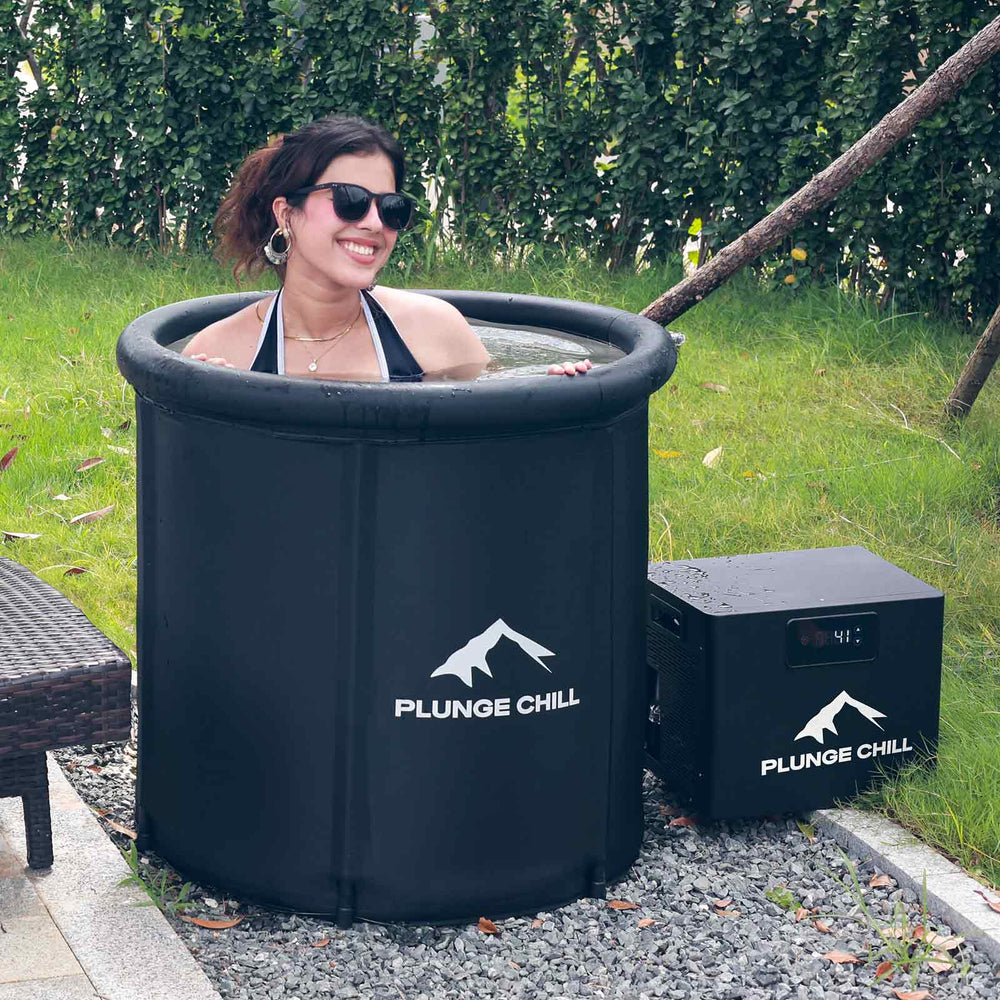
As a sports rehabilitation specialist and strength coach who spends equal time in training rooms and product demo bays, I’ve used hot–cold contrast with collegiate teams, endurance athletes, and post‑op patients working back to play. The most common question I get is deceptively simple: should you cold plunge before or after the sauna? The honest, evidence‑based answer is that order is goal‑dependent, physiology matters, and the details of temperature, duration, humidity, and timing relative to training change the effect. Below I lay out a rigorous framework you can use immediately, backed by reputable clinical guidance and practical experience.
What We Mean by Sauna, Ice Bath, and Contrast
A sauna is an enclosed, heated room that induces a controlled heat stress. Traditional Finnish dry saunas typically run between about 176–212°F, while infrared units often feel gentler at lower ambient temperatures around 140–160°F because they heat the body more directly (Harvard Health; AWCIM with Dr. Joy Hussain). Humidity fundamentally changes the experience. Dry air allows sweat to evaporate and cool you; steam or high humidity impairs evaporation (hydromeiosis), accelerates core heating, and raises perceived intensity. Pouring water on stones in a Finnish room briefly increases humidity and heat load, whereas steam rooms and hot‑water immersion load the system more aggressively with less evaporative cooling (AWCIM with Dr. Joy Hussain).
Cold plunge, or cold‑water immersion, is brief exposure to cold water for recovery or adaptation. For most people, the practical range is 50–59°F for minutes, with far colder exposures reserved for acclimated users and professional settings (Cleveland Clinic; Mayo Clinic; Ohio State University Wexner Medical Center).

Cold Plunge Chiller + Pro Tub
Contrast therapy is the deliberate alternation of heat and cold. Think hot sauna followed by cold plunge, sometimes in multiple rounds. The vascular “pump” of dilation in heat and constriction in cold, coupled with nervous system shifts between activation and recovery, underpins the experience (Brass Monkey Health; Steam & Sauna Experts).

The Order Question: Sauna First or Ice Bath First?
There are two workable sequences, and both have a place.
Starting with heat, then going to cold, is the most common recommendation in athlete care and Finnish tradition. Heat raises skin blood flow, increases heart rate, and loosens tissue, while the subsequent cold constricts vessels, tempers swelling, and can leave you clear‑headed. This order is widely favored when the goal is recovery, circulatory training, or time efficiency, and it often ends on cold to stimulate rewarming and alertness afterward (Harvard Health; Cleveland Clinic; Steam & Sauna Experts; TH7).
Starting with cold, then moving to heat, is used less often but can suit specific aims. Pre‑cooling before endurance efforts can raise comfort and performance in the heat, and some coaches use brief cold for a mental reset before skills sessions. A subsequent sauna can normalize body temperature and promote relaxation, anecdotally aiding sleep if done earlier in the evening (University of Utah Health; Brass Monkey Health).
Some commercial wellness guides argue there is no single right order, advising you to choose based on preference and efficiency. That conclusion is reasonable if the goal is general wellness, but it’s incomplete for athletes optimizing performance adaptations, where timing and order do measurably affect outcomes (Clearlight; Ohio State University Wexner Medical Center; Wellfounded Health).
Two practical tie‑breakers help. If you want post‑session energy and a mental lift, finish on cold. If you want pre‑sleep relaxation, finish on heat and allow a gradual cool‑down afterward to leverage the natural drop in core temperature that supports sleep (AWCIM with Dr. Joy Hussain; BBC Future; University of Utah Health).
How Heat and Cold Work on Your System
Heat exposure reliably raises heart rate and cardiac output and shifts blood toward the skin; during short sauna bouts, pulse can climb the way it does during light to moderate cardio. Many people report better sleep later the same day, likely because the post‑sauna drop in core temperature supports sleep onset (Harvard Health; AWCIM with Dr. Joy Hussain). Frequent sauna use is associated with favorable cardiovascular risk profiles in observational cohorts, although those studies are not randomized trials and generally examine Finnish dry sauna practices (Harvard Health).
Cold‑water immersion drives an immediate cold shock response: rapid breathing, a spike in catecholamines, and peripheral vasoconstriction. The result is potent alertness, potential mood brightening, and reduced perception of soreness. However, cold also acutely reduces metabolic activity and inflammation in tissue, which is a double‑edged sword if you’re trying to build muscle size or strength, since inflammatory signaling is part of the adaptation cascade (Cleveland Clinic; Mayo Clinic; Ohio State University Wexner Medical Center).

Goal‑Based Sequencing at a Glance
The following table summarizes a practical starting point by objective. Adjust to your tolerance, environment, and medical guidance; seniors, pregnant people, and anyone with cardiovascular or lung conditions should seek clinician clearance first (American Lung Association; Duly Health & Care; Cleveland Clinic).
|
Goal |
Order |
Temperatures |
Durations |
Cycles |
Finish |
Timing vs. Training |
|
Post‑competition recovery |
Sauna → Cold |
Sauna about 150–195°F; Cold about 50–59°F |
Sauna 12–20 minutes; Cold 2–5 minutes |
1–3 |
Cold |
Immediately post‑event or later that day; prioritize rewarming to baseline after the final cold (Cleveland Clinic; Mayo Clinic) |
|
Hypertrophy/strength gains |
Sauna only immediately after, Cold delayed |
Sauna about 150–195°F; Reserve Cold 50–59°F |
Sauna 10–20 minutes; Delay Cold 24–48 hours |
1–2 heat bouts |
Heat |
Avoid cold in the 24–48 hours post‑lift to preserve anabolic signaling (Journal of Physiology 2015 via Ohio State University Wexner Medical Center) |
|
Endurance + next‑day freshness |
Sauna → Cold |
Sauna about 150–195°F; Cold about 50–59°F |
Sauna 12–20 minutes; Cold 2–5 minutes |
1–2 |
Cold |
Safe after aerobic sessions; use cold when rapid turnaround matters (Mayo Clinic; Wellfounded Health) |
|
Mental clarity/energy |
Sauna → Cold or Cold → short Heat |
Sauna about 150–180°F; Cold about 50–57°F |
Short heat 8–12 minutes; Cold 2–3 minutes |
1–2 |
Cold |
Morning or daytime; rewarm naturally with light movement after cold (Brass Monkey Health; Cleveland Clinic) |
|
Heat only or Heat → brief Cold |
Sauna about 150–180°F; Cold about 54–59°F |
Sauna 10–15 minutes; Optional brief cold under 2 minutes |
1–2 |
Heat |
Evening, 2–3 hours before bed; avoid stimulating long cold late at night (AWCIM with Dr. Joy Hussain; University of Utah Health) |

COLD PLUNGE CHILLER
These are conservative, athlete‑tested starting points. The cold durations reflect the Cleveland Clinic’s emphasis on 2–5 minutes for general users. Ohio State University Wexner Medical Center lists longer cold immersions, sometimes up to 10–20 minutes at similar temperatures, for supervised athletic settings; differences likely reflect participant training status, supervision, and study methodology. When in doubt, favor shorter, colder bouts for safety and build tolerance gradually.

Timing Relative to Training
Cold immersion immediately after resistance training can blunt long‑term hypertrophy and strength gains compared with active or passive recovery. Signals for protein synthesis and satellite cell activity are dampened when you cool too early in that anabolic window, and studies have shown reduced gains over weeks in groups who routinely cooled right after lifting (Journal of Physiology 2015; Journal of Strength & Conditioning Research 2014, both summarized by Ohio State University Wexner Medical Center). For clients prioritizing muscle gain, I schedule cold on rest days or at least 24–48 hours after heavy lifting.
Endurance training shows less vulnerability to this interference effect. In congested competition periods, cold can reduce soreness and improve next‑day performance compared with passive recovery, especially after high eccentric loads or heat‑stress events. In those contexts, the trade‑off favors cold use when rapid turnaround matters (Mayo Clinic; Wellfounded Health).
Sauna after training is generally well tolerated and may aid cardiovascular recovery and relaxation. Keep hydration front and center and avoid long sauna exposures immediately after exhaustive efforts in very hot weather (Harvard Health).

Dose: Temperature and Duration That Most People Tolerate
For sauna, a practical range is 150–195°F for about 10–20 minutes per bout, respecting your heat fitness, hydration status, and room humidity. Dry heat is felt as less intense because sweat can evaporate; steam rooms feel harder at the same temperature because evaporation is limited, and hydrostatic load is different during hot‑water immersion (Harvard Health; AWCIM with Dr. Joy Hussain).
For cold plunge, most people do well starting around 54–59°F and building down toward 50–54°F as they learn to manage breathing and the initial gasp reflex. Two to three minutes is a standard target, with an upper bound around five minutes for general users. Advanced tolerances below 50°F exist, but risk escalates quickly and cold shock or after‑drop can be dangerous. Always exit early if breathing is uncontrolled, you feel dizzy, or numbness creeps beyond a tolerable sting (Cleveland Clinic; Mayo Clinic; Duly Health & Care).
Clearlight cites the Søberg Principle as an approachable weekly target—about 11 minutes total of cold and about 57 minutes total of heat, split across the week. This is a helpful motivational anchor rather than a one‑size‑fits‑all prescription. Suggested verification: review Dr. Susanna Søberg’s original publications and protocols to confirm the minutes and inclusion criteria for the populations studied.
Pros and Cons of Each Sequence
Heat‑then‑cold produces a predictable arousal curve: tissue pliability and circulatory expansion in the sauna, then a crisp constriction and nervous system reset in the plunge. Many athletes feel “finished” in a productive way and can transition back to work or travel quickly. The main risk in this sequence is overdoing the total thermal load. Very hot, very humid sessions rapidly elevate core temperature and blood pressure, and the subsequent cold shock increases cardiac workload; vulnerable individuals can be overwhelmed if transitions are abrupt or unsupervised (American Lung Association; Duly Health & Care).
Cold‑then‑heat can be a strategic tool. A short cold bout before a steady‑state endurance session may improve thermal comfort, and when used standalone during the day, cold first then brief heat can bring you back to baseline without the shivers. The main drawback is psychological: many people find it harder to start in cold. There is also a subtle risk of “blunting” desirable metabolic effects if you immediately jump into a very hot sauna to rewarm aggressively; rewarming naturally through light movement maintains some of the cold‑induced thermogenic cascade longer. Suggested verification: measure post‑immersion energy expenditure with and without immediate external heat across matched protocols, as discussed by Brass Monkey Health.

Safety, Contraindications, and Progression
Short, deliberate exposures done in a controlled environment are generally safe for healthy adults. That said, both heat and cold create meaningful cardiovascular and respiratory stress. People with heart disease, uncontrolled hypertension, a history of arrhythmia, Raynaud’s, peripheral neuropathy, or lung disease should consult a clinician; dry heat can irritate airways and increase exacerbation risk in some lung conditions, and cold shock can trigger hyperventilation and fainting, with drowning risk in unsupervised settings (American Lung Association; Cleveland Clinic; Duly Health & Care).
A conservative entry approach works best. Hydrate with water, avoid alcohol, and enter heat or cold gradually while focusing on slow nasal breathing. Keep your head above water in very cold plunges. Never train alone when new to extreme temperatures, and have a clear rewarming plan—towels, dry clothing, and a warm drink ready. Exit immediately for chest pain, severe headache, confusion, or uncontrolled shivering. If you feel light‑headed when standing after a sauna, rest until stable; heat can drop blood pressure in some people and raise it in others (Harvard Health; Cleveland Clinic; Duly Health & Care).

Three Overlooked Factors That Change the Answer
Humidity transforms heat dose. Most guides talk temperature but ignore humidity. The same 180°F room feels entirely different if steam limits evaporation. High humidity and hot‑water immersion raise core temperature faster and can elevate blood pressure more than dry sauna at the same nominal heat. If you’re newer or sensitive to heat, pick dry Finnish sessions, start lower, and add only brief steam bursts as tolerated (AWCIM with Dr. Joy Hussain; Polish studies summarized by AWCIM).
Rewarming style changes the metabolic arc. Some protocols recommend letting the body rewarm naturally after finishing on cold rather than jumping into external heat. The logic is to let brown‑fat thermogenesis run longer, potentially enhancing calorie expenditure. Evidence is emerging and not uniform across populations. Suggested verification: compare indirect calorimetry curves during 30–60 minutes post‑cold with passive room‑temperature rewarming versus immediate sauna (Brass Monkey Health; Clearlight).
Finish temperature depends on your next priority. Several sources promote finishing on cold to enhance alertness and metabolic activation, while others emphasize finishing on heat for relaxation and sleep. The conflict likely reflects different endpoints: workday clarity versus pre‑bed parasympathetic dominance, and differences in measurement windows and survey‑based outcomes in sauna communities (Clearlight; AWCIM with Dr. Joy Hussain; BBC Future).

Cold Plunge Tub with Chiller

Buying Advice: Choosing the Right Plunge and Sauna
From a reviewer’s standpoint, the best plunge is the one you can use consistently, safely, and cleanly. Look for a system that can hold stable temperatures in the 45–59°F range without daily ice runs and that includes reliable sanitation. Premium units often combine ozone and UV treatment with fine‑mesh filtration so you aren’t constantly dumping water; a 5‑micron filter is a solid benchmark for capturing particulates between full changes. An insulated cover, drain convenience, and a footprint that fits your space make day‑to‑day use easier, and app‑based temperature control can be helpful if multiple people share a unit with different tolerances (Plunge brand product notes; Cleveland Clinic).
For saunas, a traditional dry Finnish room offers the most studied heart‑healthy pattern and a clear heat stimulus for 10–20 minute bouts. If you’re heat‑sensitive, an infrared unit can feel more tolerable while still raising core temperature, albeit often more slowly. A sauna hat, a small towel to protect sensitive skin, and the ability to modulate humidity matter more than most buyers expect. Good ventilation minimizes odor and helps manage humidity during steam pours. For shared or high‑frequency use, benches that wipe down cleanly and wood species that tolerate sweat are unsung heroes of consistent practice (Harvard Health; AWCIM with Dr. Joy Hussain).
Care boils down to three routines. Test and maintain water quality; even with ozone and UV, you’ll need a periodic change, surface cleans, and filter swaps. Keep a dedicated thermometer for calibration checks in both heat and cold. Finally, create a safety kit: non‑slip mats, a stable step or handle for safe entry and exit, and a GFCI‑protected outlet for powered chillers. These basics prevent the minor mishaps that derail good habits.
A Clinician’s Protocol You Can Start Today
When I onboard a team, I begin with one or two contrast rounds after practice three days per week. Athletes sit 12–15 minutes in a 170–185°F dry sauna, cool in room air for a minute or two while hydrating, then do a 2–3 minute plunge at about 54–57°F with eyes open and controlled nasal breathing. We finish on cold for afternoon sessions that lead into meetings and travel; we finish on heat for night sessions to cue sleepiness. Lifters chasing size skip cold on their heavy days and use short sauna instead. This simple structure respects the most robust signals in the literature while leaving ample room to individualize.

Cold Plunge Chiller + Tub (MAX)

Frequently Asked Questions
Is there a universally “right” order for everyone?
No. If your priority is recovery and daytime alertness, heat followed by cold is a reliable general pattern. If your priority is winding down and sleeping well, finishing on heat can help. Conflicts across guides usually trace back to different endpoints, populations, and humidity conditions. Matching order to the next thing you need to do is more important than copying someone else’s routine (Harvard Health; AWCIM with Dr. Joy Hussain; Clearlight).
How cold and how long should a plunge be for general users?
Most people do well at about 54–59°F for two to three minutes, building up to five minutes as tolerated. Go warmer and shorter to start, and focus on steady breathing rather than chasing extremes. Advanced colder plunges are possible but raise risk and aren’t necessary for benefits (Cleveland Clinic; Mayo Clinic).
Will cold after lifting kill my gains?
Cold immediately post‑lift can attenuate anabolic signaling and, over weeks, reduce hypertrophy compared with passive recovery. If muscle size or maximum strength is your top goal, separate cold by at least 24–48 hours from heavy lifting days. Using sauna alone after lifting is less likely to interfere and can feel restorative (Ohio State University Wexner Medical Center; Journal of Physiology 2015).
Is contrast therapy safe if I have heart or lung issues?
Not without medical clearance. Heat and cold both stress the cardiovascular and respiratory systems. Dry heat may aggravate airways in some lung diseases, and cold shock can provoke dangerous hyperventilation or arrhythmias. Discuss your plan with a clinician who knows your history, start conservatively, and do not train alone (American Lung Association; Duly Health & Care; Cleveland Clinic).
Should I rewarm in the sauna after finishing on cold?
If your next priority is alertness and metabolic activation, allow a natural rewarm with light movement and clothing rather than immediate hot immersion. If your priority is comfort and relaxation, a brief warm shower or short sauna can be reasonable. Evidence on metabolism‑specific advantages of natural rewarming is still developing. Suggested verification: compare post‑immersion energy expenditure and thermal comfort with and without immediate hot rewarming (Brass Monkey Health).
Does humidity really matter or is temperature the only thing?
Humidity is a major driver of intensity. In high humidity, sweat cannot evaporate well, so heat stress rises faster. People who struggle in dry sauna sometimes feel better with modest steam on the airways, but sustained high humidity increases strain. Respect this lever and adjust time and temperature accordingly (AWCIM with Dr. Joy Hussain).

Takeaway
For most healthy adults, the best practice sequence is to start with heat and finish with cold when you want recovery and alertness, and to finish with heat when you want relaxation and sleep. Keep sauna bouts around 10–20 minutes at approximately 150–195°F, and keep cold plunges around two to five minutes at approximately 50–59°F. If your goal is muscle size or strength, avoid cold immediately after lifting and schedule it 24–48 hours later; for endurance and congested schedules, cold can help you bounce back faster. Adjust for humidity, progress gradually, hydrate well, and get clinician clearance if you have cardiovascular or lung conditions. Finally, buy equipment you can keep clean and control precisely, and create a safe, repeatable routine—because the protocol you’ll actually do is the one that will help you most.
References
- https://awcim.arizona.edu/podcast/episode56_hussain.html
- https://www.health.harvard.edu/staying-healthy/saunas-and-your-health
- https://commons.nmu.edu/cgi/viewcontent.cgi?article=1180&context=theses
- https://sncs-prod-external.mayo.edu/hometown-health/speaking-of-health/cold-plunge-after-workouts
- https://pmc.ncbi.nlm.nih.gov/articles/PMC11872954/
- https://health.osu.edu/wellness/exercise-and-nutrition/do-ice-baths-help-workout-recovery
- https://healthcare.utah.edu/healthfeed/2023/03/cold-plunging-and-impact-your-health
- https://health.clevelandclinic.org/what-to-know-about-cold-plunges
- https://www.lung.org/blog/sauna-cold-plunges-health-impacts
- https://www.precisionnutrition.com/benefits-of-saunas-and-ice-baths