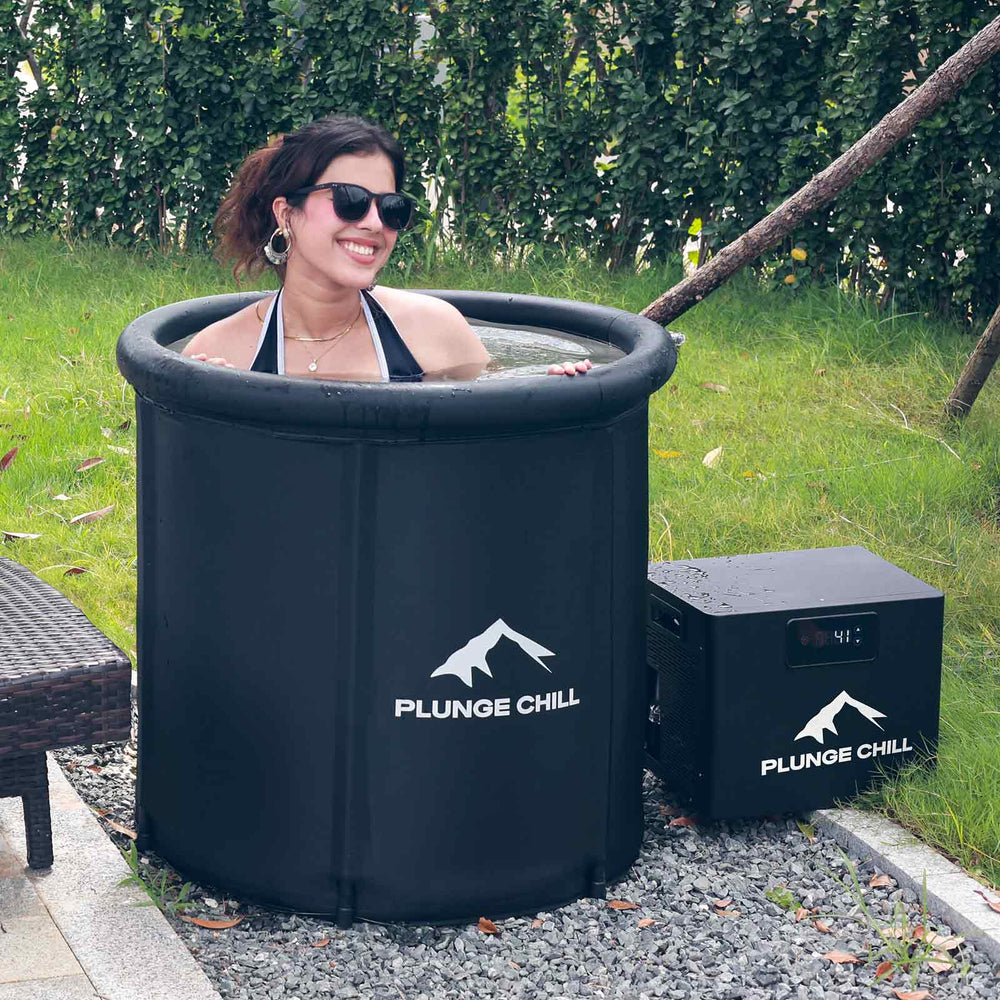
Cold plunges have moved from training rooms to garages and back patios across the country. As a sports rehabilitation specialist and strength coach who also evaluates cold‑plunge products, I’m asked the same two questions almost daily: does an ice bath meaningfully improve recovery, and which system is actually worth the investment? The research is more nuanced than the hype suggests. Cold‑water immersion can reduce soreness and help you feel ready for the next session, but its value depends on temperature, duration, timing relative to training, and whether you buy a purpose‑built unit or stick with a simple setup. This guide synthesizes the best available evidence and my hands‑on experience installing and maintaining units for teams and home users, so you can decide if—and when—an ice bath is a smart buy.
What Cold Plunges Really Do—and Don’t
Cold‑water immersion (CWI) typically means submerging much of the body in chilled water around 50–59°F for several minutes after strenuous activity. Across randomized trials and meta‑analyses, the most consistent effects are small‑to‑moderate reductions in perceived soreness immediately after use and into the next day, along with lower ratings of exertion right after immersion. Objective performance outcomes, such as jump height, sprint power, or maximal strength, are mixed and often show trivial changes when measured beyond the first 24 hours. Reviews in Extreme Physiology & Medicine and pooled analyses in PubMed Central report that biochemical markers like creatine kinase may be lower at about 24 hours, while systemic inflammatory cytokines seldom change in a meaningful way.
Two important time‑dependent features often get overlooked. First, a recent systematic review in PLOS One observed that markers of inflammation can rise transiently right after a cold session, while indices of stress are more likely to be lower roughly 12 hours later. In other words, if you feel oddly amped or chilled immediately after immersion, that doesn’t contradict a calmer, less “wired” state later in the day. Second, cooling can transiently impair explosive power in the first hour or two; if you need peak jump or sprint output on short notice, avoid cold right beforehand and re‑warm thoroughly if you used it earlier in the day.
Cold exposure also has mental‑health effects for many users. Stanford Lifestyle Medicine summarizes small studies showing acute improvements in mood, alertness, and tension after short cold exposures, with plausible mechanisms that include endorphins and noradrenaline. These effects are real for many people, but pooled data do not show uniform, long‑lasting mood changes. Treat the uplift as a short‑term bonus, not a guarantee of sustained mental benefits.
Dose matters: temperature, time, and depth
In applied settings I recommend thinking in ranges, not single numbers, and matching “dose” to purpose. For soreness management after hard efforts, most evidence clusters around 50–59°F for several minutes; in lab protocols, sessions commonly last 5–15 minutes, though practical practice often starts at 2–5 minutes and builds as tolerated. Going colder than the low‑40s Fahrenheit raises risk without reliably adding benefit, and most users don’t need it.
Depth and body site appear less critical than temperature and total exposure. A large meta‑analysis of fatigue and performance found that immersing to the navel or to the shoulders did not change soreness, lactate, or jump outcomes in a consistent way; what mattered more was the cold dose and what you asked your body to do afterward. Showers can be a useful on‑ramp, but they cool the periphery more than the core; a plunge or chest‑level bath produces deeper thermal shifts than a cold shower with the same water temperature, which aligns with observations from Case Western Reserve University.
The training trade‑off: protect adaptation while you recover
If you lift for strength or muscle size, the single most important programming rule is to separate your cold exposure from the training that drives growth. Ohio State guidance and sports medicine literature explain why: inflammation and temperature‑sensitive signaling are part of how muscles adapt. Blunting those signals immediately after lifting can reduce long‑term strength and hypertrophy gains. My rule of thumb in team rooms is to delay the plunge at least a day after heavy resistance work, or use it on rest days. For endurance work or back‑to‑back competitions, the calculus shifts. When the goal is feeling good tomorrow more than building muscle next month, a brief, moderate‑temperature plunge right after the session can help reduce soreness and restore function without meaningful downside.

Safety first: who should get medical clearance
Cold shock—the immediate spike in breathing, heart rate, and blood pressure as you enter—can be intense. Reputable clinical sources, including Cleveland Clinic and University of Utah Health, advise medical clearance before cold immersion if you have cardiovascular disease, uncontrolled hypertension, Raynaud’s phenomenon, peripheral neuropathy, or diabetes that affects circulation or sensation, and to avoid plunges in pregnancy without clinician guidance. Open wounds and poorly maintained tubs raise infection risk. The first seconds of entry are the riskiest for gasp‑induced hyperventilation; keep your head above water, enter slowly, and stabilize your breathing before you fully settle in. If you experience chest pain, dizziness, numbness that does not resolve, or confusion, exit and re‑warm immediately.
When a dedicated ice bath is actually worth the investment
A purpose‑built unit is not a prerequisite for results. I’ve seen athletes make excellent progress with a basic bathtub and a few bags of ice. But there are clear cases where investing in a dedicated system pays off. If you have a dense training calendar or compete across weekends where next‑day readiness matters, consistent temperature control and reliable sanitation save time and reduce hassle. If you live in a warm climate, you’ll spend as much on ice and water turnover as you would on the monthly electricity for a compact chiller. If multiple people will share a tub, proper filtration and disinfection become more than conveniences; they’re safety features.
Mayo Clinic Health System notes that fully featured tanks can cost up to $20,000. Most buyers don’t need the top tier. What you do need is a unit that can reach and hold your target temperature, keep water clean between changes, and fit your space, power, and noise constraints.
DIY or purpose‑built? Real‑world trade‑offs
Below is a field‑tested snapshot of common options, the capabilities that matter, and what to watch for. Prices are ballparks; real quotes vary by brand and capacity.
Option |
Temperature control |
Sanitation |
Noise/Footprint |
Approximate cost |
Best for |
Watch‑outs |
Bathtub plus ice |
Manual with thermometer; drifts as ice melts |
Manual drain; household cleaners; no filtration |
Silent; no extra footprint |
200.00 |
Occasional use; single user |
Ice cost and labor; inconsistent temperature; frequent water changes |
Collapsible tub (no chiller) |
Manual; holds volume better than a bathtub |
Manual drain; periodic cleaning; no filtration |
Small footprint; portable |
500.00 |
Renters and travelers |
Same limitations as above; watch seams for leaks |
Stock tank plus ice |
Manual; stays colder longer due to volume |
Manual drain; periodic cleaning; no filtration |
Larger footprint; heavy when full |
700.00 |
Garage patios; budget setups |
Drain and sanitize properly; lifting hazards |
Thermostat controlled; set‑and‑hold |
Inline filters; sometimes ozone/UV |
Compressor noise; hose routing |
2,500.00 |
Daily users without premium tub |
Hose kinks; filter maintenance; condensation in humid rooms |
|
Precise thermostatic control; stable |
Cartridge filter; often ozone/UV; covered |
Compressor fan noise; dedicated footprint |
12,000.00 |
Multi‑user home setups; teams |
Power requirements; service access; winterization |
|
Commercial‑grade control and sanitation |
Multi‑stage filtration; advanced disinfection |
Larger footprint; pro install |
20,000.00+ |
Facilities and clinics |
Price; space; professional maintenance |
Features that actually matter
From an operator’s perspective, temperature stability, sanitation, and serviceability matter more than flashy materials. A reliable thermostat that holds within a couple of degrees prevents the “too cold today, too warm tomorrow” cycle that undermines adherence. Inline filtration with easy‑to‑source cartridges plus a secondary disinfection method (commonly ozone or UV) keeps water clearer for longer between changes. An accessible drain and a sloped floor simplify cleaning days.
Insulation, lid quality, and a basic cover can reduce electricity draw and keep debris out. A ground‑fault protected plug (GFCI) and clear labeling of electrical requirements are table stakes for safety. In tight spaces, mind compressor noise and airflow; a chiller shoved into a closet will work harder, run louder, and last fewer seasons. Finally, ask about spare parts and warranty timelines. A great tub with a proprietary filter you can’t buy quickly will become a headache.

Operating costs and footprint
Actual electricity use varies with ambient temperature, insulation, and daily duty cycle. In practice, most modern chillers for home plunges draw a few hundred watts while running and cycle on and off to maintain the setpoint. Covering the tub between sessions matters. So does room ventilation: a hot garage in July will make any chiller labor. If you plan to place a unit indoors, confirm the weight when full, the drain plan, and the path to the electrical outlet. Water volumes range widely—from roughly 80 to 120 gallons in compact units to significantly more in spa‑sized models—so consider both the load on your floor and your water‑change routine.
Using your ice bath strategically—and safely
Start conservatively and treat cold exposure as a training stimulus. For most healthy beginners, water around the low‑to‑mid 50s Fahrenheit for a few minutes is enough to feel tangible recovery and mental effects without unnecessary risk. Enter slowly and keep your head above water. The first thirty seconds are where the gasp reflex and hyperventilation are strongest; lock in steady inhales and long exhales before you settle your shoulders. Cleveland Clinic suggests capping sessions at a few minutes early on and not exceeding about five minutes while you learn your response. If you have access to a sauna, a short heat session after the plunge can feel more comfortable while you return toward baseline; if you feel lightheaded, re‑warm gradually instead of jumping straight into very hot water.
When to use cold depends on your training goal. For soreness control after a hard endurance session, plunging soon after the workout is reasonable. For strength or hypertrophy phases, separate cold by a day or more from heavy lifts. During congested game schedules, brief sessions immediately after play can help you feel more ready next day. And as every sports clinician will emphasize, don’t use cold to cover up injury pain. Numbing a sprain or tendon tear rarely ends well; if pain persists or sharpens, get evaluated rather than chasing lower inflammation in a tub.

Overlooked but useful insights woven into practice
Researchers often disagree on the “best” water temperature or duration. That disagreement partly reflects different study aims. For example, a network analysis suggests temperatures below about 50°F can sometimes improve jump outcomes at roughly 24 hours, but that finding rested on a single small study and carries real uncertainty. A sensible verification step would be a larger, pre‑registered trial directly comparing temperatures across similar athletes using identical performance tests. By contrast, multiple trials agree that the site of immersion—navel versus shoulder level—is not a primary driver of outcomes. If buying, prioritize units that hold your setpoint and fit your space over chasing extra immersion depth.
Another nuance is timing of mood and stress effects. A PLOS One review found stress indices were lower about half a day after cold exposure, while inflammatory markers spiked immediately post‑immersion. That pattern helps reconcile why some people sleep better the night after a morning plunge but feel wired right afterward. If your personal goal is calmer evenings, schedule the cold earlier in the day and track how you sleep and feel across a few weeks before judging.
Finally, many guides gloss over breathing‑driven bradycardia from facial immersion. Submerging the face can trigger the diving reflex via the trigeminal and vagal pathways, nudging the nervous system toward calm. Stanford Lifestyle Medicine highlights brief facial immersion as a practical tool used in emotion regulation skills training. That can be a lower‑risk way to access some mental benefits on days you don’t want a full‑body plunge.
Maintenance and hygiene: the unglamorous payoff
What makes a unit feel “worth it” three months in is often the ease of keeping the water clean. A basic routine includes skimming debris, checking filter condition weekly during heavy use, and wiping interior surfaces with a compatible cleaner on change days. Some vendors suggest changing the water roughly monthly under light, single‑user loads. A sound verification step is to follow your manufacturer’s maintenance manual and test water quality more frequently during the first month to dial in a schedule that fits your usage. If multiple people are using the tub daily, tighten the cadence. Anyone with a skin condition or open wounds should sit out until healed. When in doubt, err on the side of sanitation; the cost and time of a water change is trivial compared with the cost of a skin or soft‑tissue infection.
Measuring your return on recovery
Treat your ice bath like any other tool in your program: iterate based on data. Track session timing, water temperature, duration, sleep quality, next‑day soreness, and readiness to train. In team environments, we pair those subjective notes with simple performance checks like jump height or bar velocity on standardized warm‑ups. If your two‑week trend shows better sleep and less soreness without killing your lifts, your cold routine is probably helping. If you see stagnant training numbers and no change in how you feel, adjust timing or pause cold for a block and compare.
A buying checklist, distilled from the lab and the locker room
Before you buy, define where cold fits into your training year and who will use the tub. If you’ll plunge three to five days per week or share with a partner, a chiller‑equipped setup with filtration is easier to live with than chasing ice bags. Confirm that the unit can reach and hold the low‑50s Fahrenheit without running constantly, and ask how filtration and disinfection are handled. Examine the lid, insulation, and drain; a good cover and a quick drain matter more than a glossy shell. Make sure the electrical run is safe, grounded, and within reach of a GFCI. Consider compressor noise and airflow in the install location, and verify service, parts availability, and warranty terms in writing. A short test session—ideally at your target temperature—is worth more than any spec sheet.
Evidence at a glance
To avoid oversimplifying nuanced findings, here is a concise, research‑anchored summary that aligns practice with outcomes.
Outcome |
Likely change |
Time window |
Notes and sources |
Soreness (DOMS) |
Small‑to‑moderate reduction |
Immediate to ≈24 hours |
Consistent across meta‑analyses in PubMed Central and clinical reviews |
Perceived fatigue (RPE) |
Lower right after CWI |
Immediate |
Returns toward baseline by 24–48 hours in pooled data |
Explosive power (e.g., jump) |
Transient impairment |
Within ≈1–2 hours |
Re‑warm before explosive tasks; performance studies highlight short‑term decrements |
Creatine kinase (CK) |
Lower vs control |
≈24 hours |
Not consistent at 0 or 48 hours; pooled data show modest effect |
Inflammatory cytokines |
Often unchanged |
0–48 hours |
Systemic markers rarely shift meaningfully; acute inflammation can rise post‑immersion per PLOS One |
Stress and mood |
Improved stress around half a day later; mood lift immediate for many |
Immediate and ≈12 hours |
Stanford Lifestyle Medicine and PLOS One summarize short‑term effects |
Takeaway
Cold plunges are not magic, but they are useful when used with intention. If your priority is feeling better for tomorrow’s session, a brief, moderate‑temperature plunge right after hard efforts can reduce soreness and help you turn around faster. If you are building strength or muscle, keep cold away from your heaviest training days so you don’t mute adaptation. For buyers, the features that matter most are temperature stability, sanitation you can maintain, and service you can count on. A purpose‑built unit becomes investment‑worthy when it saves you time, keeps your water reliably clean and cold, and removes enough friction that you actually use it. Start conservatively, prioritize safety, and let your training and recovery metrics tell you if your ice bath is earning its spot.
FAQ
How cold and how long is enough for recovery without overdoing it?
Most healthy users feel clear benefits at water temperatures around the low‑to‑mid 50s Fahrenheit for a few minutes. Many clinical guides suggest starting with one to three minutes and building gradually toward about five minutes, paying close attention to breathing and re‑warming. Colder is not automatically better; below the low‑40s Fahrenheit, risk climbs faster than benefits for most people. The right dose is the one you can repeat consistently without compromising training.
Will an ice bath hurt my strength gains?
It can, if you place it poorly. Cold exposure immediately after lifting can blunt temperature‑sensitive signaling that helps muscles grow. If your priority is muscle size or maximal strength, separate cold by at least a day from heavy resistance sessions or reserve it for rest days. When the goal is next‑day readiness during a congested schedule, a brief plunge after endurance or mixed work is reasonable.
Do I need a $10,000 tub to get results?
No. A bathtub and a thermometer can be enough, particularly if you plunge occasionally and are the only user. A dedicated unit becomes worthwhile when you need reliable temperature control and sanitation several days per week, you share the tub, or your climate makes hauling ice and dumping water a chore. In my experience, the best “value” feature is a dependable thermostat paired with simple filtration you’ll actually maintain.
Can cold plunging help sleep and stress?
Many people report calmer evenings and better sleep when they plunge earlier in the day. A recent review found stress measures were lower about 12 hours after cold exposure, even though inflammation can rise right after immersion. Short‑term mood boosts are common, but pooled data show inconsistent long‑term changes. Track your response for a few weeks and adjust timing to suit your rhythms.
How often should I change the water and clean the tub?
Cadence depends on use, filtration, and disinfection. Single‑user tubs with good filtration can often go weeks between changes, while multi‑user, daily‑use setups need tighter maintenance. Some vendor blogs suggest monthly water changes under light loads. Verify with your unit’s manual, and test water quality more frequently at first to calibrate a safe, sustainable schedule.
Is a cold shower “good enough” if I can’t plunge?
Cold showers are a practical alternative. They cool the skin and can deliver mental benefits, but they do less to shift core temperature than an immersion bath at the same temperature. If showers are what you can sustain, use them; when you need deeper cooling—after a hot race, for example—immersion is more effective, a point emphasized by both laboratory studies and field practice from sports medicine groups.

References
- https://case.edu/news/science-behind-ice-baths-and-polar-plunges-are-they-truly-beneficial
- https://www.health.harvard.edu/staying-healthy/can-ice-baths-improve-your-health
- https://news.hss.edu/do-ice-baths-work-why-most-people-can-skip-the-cold-post-workout-soak-according-to-athletic-trainers/
- https://www.mcphs.edu/news/physical-therapist-explains-why-you-should-chill-out-on-ice-baths
- https://lifestylemedicine.stanford.edu/jumping-into-the-ice-bath-trend-mental-health-benefits-of-cold-water-immersion/
- https://ideaexchange.uakron.edu/cgi/viewcontent.cgi?article=3606&context=honors_research_projects
- https://www.marquette.edu/innovation/documents/arora_ice_bath_recovery.pdf
- https://sncs-prod-external.mayo.edu/hometown-health/speaking-of-health/cold-plunge-after-workouts
- https://pmc.ncbi.nlm.nih.gov/articles/PMC2938508/
- https://health.osu.edu/wellness/exercise-and-nutrition/do-ice-baths-help-workout-recovery