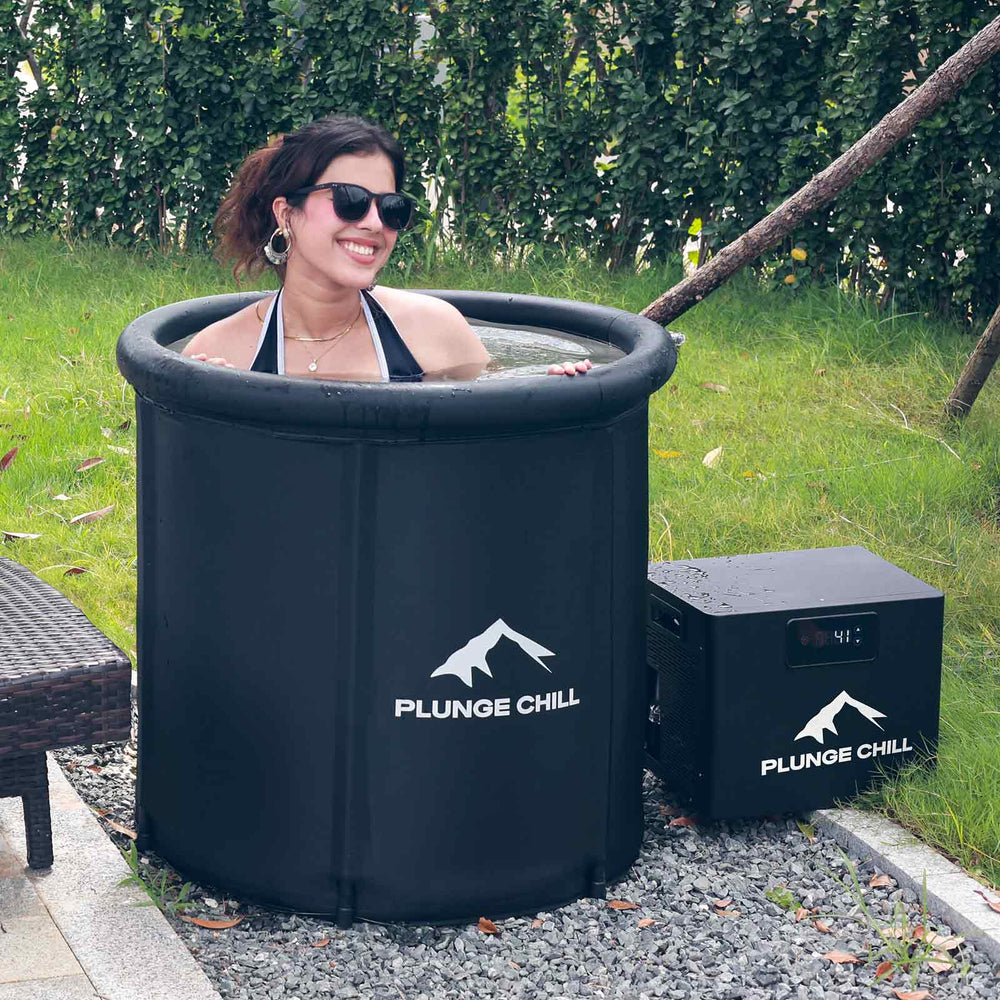
As a sports rehabilitation specialist and strength coach who also reviews cold plunge products, I operate at the intersection of physiology and practical reality. I spend my days getting athletes back to training, my evenings tuning protocols for busy professionals, and many weekends evaluating plunge tubs, chillers, heaters, and filtration systems. This article compares ice baths and saunas with an evidence-forward lens, translating research into real-world decisions on when to use each, how to do it safely, and what to buy if you want the benefits at home.
What They Are and Why They Work
An ice bath—more formally cold water immersion—is deliberate submersion in cold water, most commonly between 50°F and 59°F, for short, controlled bouts. The immediate effect is vasoconstriction with reduced tissue temperature and metabolic activity; on exit and rewarming, blood vessels dilate, circulation increases, and many people report reduced soreness and a sense of clarity. Multiple resources including Ohio State University Wexner Medical Center, Mayo Clinic Health System, Healthline, and GoodRx converge on similar practical ranges and expected sensations, with strong emphasis on safety and gradual progression.
A sauna—traditionally a Finnish dry room—exposes the body to high heat, typically around 175°F to 185°F, for short sessions followed by a cooldown. Harvard Health explains that heart rate climbs and skin blood flow increases substantially, while blood pressure responses vary. A large body of observational and interventional work summarized in peer‑reviewed reviews and cohort studies suggests potential cardiovascular and endothelial benefits when used appropriately and safely.
Both modalities are forms of hormesis: short, controlled stressors that nudge the body toward adaptation. Neither is a magic bullet; each is a tool that must match a goal, a health context, and a training phase.

Physiology 101: Heat, Cold, and Your Circulatory System
Cold exposure tightens peripheral blood vessels, raises total peripheral resistance, and can raise afterload on the heart; heat does the opposite by dilating vessels and shifting blood toward the skin. A controlled laboratory study indexed on PubMed that compared brief sauna, cool shower, and head‑out ice water immersion found that alternating heat and cold imposes the greatest overall cardiac strain compared with either stressor alone. This does not make contrast practices unsafe for healthy people, but it does remind us that abrupt transitions are not appropriate for everyone, particularly those with cardiovascular risk or unstable conditions.
In practice, heat and cold are simple knobs we can adjust. Cold turns down inflammation perception and acute metabolic activity; heat turns up circulation, sweating, and a cardiovascular drift that many people find relaxing. Understanding these opposing levers is the key to using each modality purposefully.

What the Evidence Actually Shows
Muscle soreness and next‑day readiness
Several clinical summaries from health systems and universities report that cold water immersion can reduce the perception of delayed‑onset muscle soreness and help restore next‑day performance, particularly after endurance or repeated‑effort scenarios. The Ohio State University Wexner Medical Center notes positive recovery reports after endurance work. Mayo Clinic Health System echoes reductions in exercise‑induced muscle damage and soreness. Healthline and GoodRx highlight mixed trials, including at least one small study showing no advantage over active recovery for soreness.
Heat has a different angle. Sauna bathing can promote relaxation, perceived recovery, and improved vascular function. Harvard Health describes robust circulatory changes during typical sessions. A systematic review indexed in the National Institutes of Health database reports improved flow‑mediated dilation and favorable changes in cardiac and vascular markers across several patient groups when heat therapy is supervised and dosed appropriately. For general training recovery, sauna is best viewed as a supportive modality for circulation and relaxation rather than a direct anti‑inflammatory hammer.
Strength and hypertrophy adaptations
Two key findings deserve clear emphasis if your goal is muscle growth or maximal strength. The Journal of Physiology reported reduced long‑term gains in strength and muscle mass with regular post‑training cold immersion, and the Journal of Strength & Conditioning Research reported concurrent decreases in strength with similar protocols. The takeaway used in practice by sports medicine clinicians, including those cited by Mayo Clinic Press, is to avoid routine, immediate post‑lift plunges during primary hypertrophy or maximal strength blocks. If you love cold therapy and your goal is size or strength, delay cold sessions by a day or at least by many hours, or reserve them for lower‑priority training days and competition phases where fast turnaround matters more than adaptation.
Endurance performance and heat management
For endurance athletes, cold immersion can be strategically valuable in race weeks or during multi‑day events because it can blunt soreness perception and help you feel ready again within 24 hours, as summarized by clinical articles from Ohio State University Wexner Medical Center and Mayo Clinic Health System. Sauna exposure can also play a role by supporting heat acclimation and cardiovascular adaptations in trained individuals, though high‑quality performance trials remain limited. Practically, many endurance athletes rotate both tools: sauna for relaxation and heat tolerance training, ice baths for fast turnaround in compressed competition schedules.
Cardiometabolic and vascular health
A systematic review of sauna therapies reported improved endothelial function, better walking distance in peripheral arterial disease, and favorable heart failure markers in supervised settings. A large Finnish cohort associated more frequent sauna use with lower all‑cause mortality and lower dementia risk; these are observational associations, not proof of causation, but they add weight to the cardiometabolic narrative when combined with controlled trials showing vascular improvements.
Cold’s metabolic story is promising but still early. Mayo Clinic Press points out that rodent data show cold‑induced remodeling of fat tissue, and human studies suggest increased energy expenditure with cold. Clinical consumer health sources such as GoodRx and Ohio State University Wexner Medical Center discuss activation of brown fat and potential assistance with weight control via increased calorie burn during rewarming; the human evidence is mixed and should be framed as a possible adjunct, not a primary fat‑loss strategy.
Mental health, mood, and stress resilience
Several small studies summarized by Mayo Clinic Press and mental health organizations report improvements in alertness and decreases in perceived distress after cold exposure, along with subjective reports of improved mood. Footprints to Recovery highlights mental health interest in cold exposure as an adjunct to formal care. The mechanistic rationale includes catecholamine release and parasympathetic rebound. The body of evidence is promising but early; if mental clarity and acute mood effects are your goals, both sauna and ice can help people feel better in the short term, with cold often providing a more pronounced immediate alertness effect.
Immunity and illness days
Mayo Clinic Press describes a pragmatic trial of more than 3,000 adults who finished their morning showers with 30 to 90 seconds of cold water and subsequently took fewer sick days over 60 days. The mechanism was not established because immune markers were not tracked, so treat this as a real‑world observation rather than a definitive immune enhancement. GoodRx notes a small experiment in which cold exposure combined with breathing exercises and meditation reduced symptoms during a bacterial challenge; because multiple interventions were used, you cannot attribute the effect to cold alone.
Protocols That Work and Keep You Safe
For ice baths, the practical consensus across Ohio State University Wexner Medical Center, Mayo Clinic Health System, Healthline, and GoodRx is to target water around 50°F to 59°F and to begin with very short exposures, such as 30 to 60 seconds, gradually building to several minutes as comfort and safety allow. Recreational users often stop between 5 and 10 minutes; some clinical summaries mention 10 to 20 minutes at the same temperature range. If you are training for maximal strength or hypertrophy, delay cold sessions by 24 to 48 hours, or reserve them for deloads and competition phases. Never plunge alone, avoid alcohol before or after, exit if you feel unwell, and rewarm gradually with dry clothing and gentle movement.
For sauna, Harvard Health recommends sessions up to about 15 to 20 minutes, with gradual cooldown, generous hydration afterward, and avoidance of alcohol and medications that impair sweating. People with stable heart disease can generally use saunas safely when cleared by their clinicians; those with uncontrolled hypertension, unstable angina, or recent cardiac events should avoid sauna until medically stable. Do not use a sauna when ill, and leave immediately if you feel dizzy or lightheaded.
For contrast practice, such as hot‑to‑cold cycling, recognize that cumulative cardiovascular strain is greater than either stimulus alone. If you are otherwise healthy, short cycles can be enjoyable and invigorating; if you have cardiovascular risk or are new to either modality, keep exposures moderate, emphasize gradual transitions, and consult your clinician. Some wellness programs describe a contrast shower pattern—several minutes hot followed by one minute cold, repeated for a few cycles—as a simple at‑home option, with care to rest and rewarm after finishing.
Safety and Contraindications
Cold immersion demands respect. People with cardiovascular disease, uncontrolled high blood pressure, known arrhythmias, Raynaud’s phenomenon, peripheral neuropathy, or diabetes should seek medical clearance before plunging. Pregnancy and open wounds warrant caution or avoidance. Risks include cold shock, hyperventilation, hypothermia, frostbite in extreme environments, and, in open water, drowning hazards. Basic steps reduce risk substantially: do not go alone, set a timer, keep the head above water if you are new to the practice, have towels and warm clothes ready, and exit if you feel chest pain, dizziness, or unusual numbness.
Sauna’s main acute risks are dehydration, overheating, and orthostatic lightheadedness, particularly in older adults with lower resting blood pressure. The guidance from Harvard Health is straightforward: keep sessions short, hydrate with several glasses of water afterward, cool down gradually rather than jumping straight into ice water if you have cardiac risk, and avoid sessions during illness.
A Buyer’s Guide From the Field
As a cold plunge product reviewer, I evaluate gear through three lenses: physiology, engineering, and day‑to‑day usability. Every feature should either make the session safer and more consistent or make it easier to actually use the product in real life.
For cold plunge setups, you have two broad categories. The first category is passive systems such as stock tanks, inflatable tubs, or standard bathtubs with added ice. These are affordable and portable, but you must manage temperature manually and keep the water clean through frequent changes and diligent surface cleaning. The second category is active‑chilled plunge systems with integrated refrigeration, circulation, and filtration. These maintain a setpoint such as 50°F without constant ice runs and typically include filtration and disinfection features. Fully featured commercial plunge tanks can cost up to $20,000 according to Mayo Clinic Health System, while prosumer units vary widely in price and capability. When evaluating, pay attention to the chiller’s capacity relative to your climate and placement, whether the lid is insulated to reduce heat gain, how easy it is to drain and clean, and whether the filtration includes a replaceable filter and an active disinfection method such as ozone or UV. Noise, footprint, and mobility matter if the tub is near living spaces or must be moved seasonally.
Cold plunge care is simple but non‑negotiable. Showering before use keeps the water cleaner. Wiping the tub regularly, changing or cleaning filters on schedule, and covering the water between sessions reduces contaminants and keeps temperatures stable. If you keep water for extended periods, follow the manufacturer’s instructions for disinfection rather than improvising. In winter, protect external chillers and lines from freezing when the unit is off, and in summer, shield outdoor systems from direct sun to prevent heat load from overwhelming the chiller.
For saunas, match the unit to your space and power availability. Traditional Finnish‑style saunas use dry heat with stones and are sized by volume and heater power; infrared units operate at lower air temperatures but still produce pronounced heating effects in users. A dedicated electrical circuit and professional installation are often required for larger heaters. Good ventilation and quality wood inside the cabin reduce odors and improve comfort. Maintenance focuses on wiping benches after sessions, letting the cabin dry fully, and replacing stones according to manufacturer guidance. Hydration planning is part of sauna care; keep water available and plan a sensible cooldown before returning to normal activity.
Ice Baths vs Saunas at a Glance
Domain |
Ice Bath (Cold Water Immersion) |
Sauna (Finnish‑Style Dry Heat) |
Primary acute effect |
Vasoconstriction, reduced tissue temperature and metabolic activity; perceived soreness relief on exit and rewarming |
Vasodilation, increased skin blood flow and heart rate; deep relaxation for many users |
Typical session |
Start at 30–60 seconds and build to several minutes; many stop around 5–10 minutes; some sources note up to 10–20 minutes at 50–59°F |
About 15–20 minutes around 175–185°F with gradual cooldown and hydration |
Best training use |
Endurance recovery and tight turnaround between sessions; delayed use during strength or hypertrophy blocks |
Relaxation, circulation, and potential cardiovascular support; general recovery adjunct |
Evidence cautions |
Blunts strength and muscle‑growth adaptations when used immediately post‑lift (Journal of Physiology; Journal of Strength & Conditioning Research) |
Observational cardiometabolic benefits and clinical improvements in supervised studies; dose and context matter |
Mental effects |
Immediate alertness and perceived mood lift reported in small studies and clinical summaries |
Relaxation and stress relief are common; observational links with brain health reported |
Safety priorities |
Avoid going alone; rewarm gradually; seek clearance for cardiovascular disease, Raynaud’s, neuropathy, diabetes, pregnancy |
Limit to short sessions; hydrate well; avoid when ill; exercise caution with unstable heart disease or uncontrolled hypertension |
Cost and access |
Ice in a tub is inexpensive but labor‑intensive; active‑chill units raise convenience and cost, up to commercial systems |
Prefab and custom builds vary widely; electrical requirements and ventilation planning add complexity |
Goal‑Based Guidance You Can Use Today
If you are in a muscle‑building block or chasing a new one‑rep max, prioritize the training signal. Enjoy the sauna on rest days or after technique sessions, and delay ice baths by at least a day or limit them to sore joints and tendons rather than full‑body plunges. The goal is to keep hypertrophy signaling intact while still managing discomfort and sleep.
If you are stacking endurance sessions in hot weather or racing on back‑to‑back days, cold immersion can be a useful way to feel ready again by the next morning. Keep exposures brief, keep the water in the 50s Fahrenheit, and pay as much attention to refueling and sleep as you do to the cold itself. Sauna can complement this phase by supporting heat tolerance and relaxation, but keep sessions short when you are dehydrated.
If your primary aim is mental reset and stress relief, choose based on personal response. Many clients feel more focused after a short, crisp plunge, while others prefer the steady calm that follows a sauna session and cooldown. Both are valid; select the one that makes you reliably feel and function better in the hours that follow.
If you have cardiovascular risk, make safety the first checkbox. Use sauna only after discussing it with your clinician and begin with shorter, supervised sessions. For cold, start with brief, conservative exposures at home with someone nearby, and avoid abrupt heat‑to‑cold transitions altogether unless cleared to do so.
Real‑World Product Scenarios
When advising a collegiate team, I often recommend a dual‑setup approach: a low‑maintenance active‑chilled tub set to the mid‑50s Fahrenheit for year‑round availability, and a simple, well‑ventilated sauna for short, supervised sessions. The cold unit’s value is consistency; it is ready after practice without last‑minute ice runs. The sauna’s value is routine; athletes can plan short heat sessions after film review or mobility work and then cool down and rehydrate together, turning recovery into culture.
For a home user with limited space and budget, I usually suggest beginning with what you will actually use three to five times per week. A standard tub and a few bags of ice on key training days may be more effective than a high‑end system that is too loud for the apartment or too big for the deck. If you upgrade, look for insulated lids, reliable filtration, and straightforward cleaning. For a sauna, ensure the electrical and ventilation plan is realistic before purchasing the cabin you like, and practice conservative first sessions while you learn how your body responds.
The Limits of the Data—and Why That’s Fine
Hype around heat and cold often leaps beyond the current data. Mayo Clinic Press reminds us that in some contexts, claimed benefits are modest or unproven, and that dosing matters. At the same time, clinical and cohort research around sauna is encouraging for cardiovascular health when used safely, and the practical recovery benefits of cold for endurance and multi‑day demands are hard to ignore. Framed correctly, both tools fit neatly into a training plan: sleep, nutrition, and smart programming remain the entrée, while cold and heat are the garnish that can help the whole plate come together.
A Few Nuances Worth Remembering
Cold can acutely lower perceived soreness without necessarily resolving tissue damage, so do not let the numbness persuade you to overshoot your training plan. Sauna can lower perceived stress and support blood pressure for some while making others feel lightheaded; tune session length and post‑session hydration to your own responses. Alternating heat and cold is invigorating but increases cardiac load; save bold contrast cycles for healthy, acclimated users and keep transitions gradual for everyone else.
How I Integrate These Tools in Clinic and on the Field
With rehabbing athletes, I start by clarifying the goal of each week, then layer heat and cold to support that goal. In a tendon‑heavy deload, I may use brief cold after low‑intensity drills followed by a short sauna later in the day for relaxation and sleep. In an early hypertrophy block, I generally skip immediate cold immersion and encourage a short evening sauna instead. In tournament weeks, I rely on short plunges at 50–59°F with careful timing, rewarming, and aggressive refueling. The product choices follow the plan, not the other way around.
Sourcing the Guidance
This synthesis draws on Harvard Health’s sauna safety recommendations, clinical recovery guidance from Mayo Clinic Health System, physiological and practical notes from Mayo Clinic Press, mixed‑evidence summaries from Ohio State University Wexner Medical Center, consumer‑level clinical reviews from GoodRx and Healthline, and peer‑reviewed research in the Journal of Physiology, the Journal of Strength & Conditioning Research, and systematic reviews and cohorts indexed in the National Institutes of Health database. A controlled physiology study on thermal contrasts informs the caution around abrupt hot‑to‑cold transitions. University health sources and hospital systems help anchor safety and contraindication guidance.
Closing
Use the right stress at the right time. If you match ice baths and saunas to your training phase, health status, and daily realities—and choose equipment you will actually maintain—both can become high‑return tools in your recovery kit. As a coach and reviewer, that’s the simple standard I hold: safer sessions, smarter timing, better outcomes.
References
- https://www.health.harvard.edu/heart-health/hot-baths-and-saunas-beneficial-for-your-heart
- https://news.hss.edu/hot--cold--healing-power/
- https://digitalcommons.liberty.edu/cgi/viewcontent.cgi?article=8439&context=doctoral
- https://pubmed.ncbi.nlm.nih.gov/2736002/
- https://www.nuhs.edu/the-long-term-health-benefits-of-using-hydrotherapy/
- https://sncs-prod-external.mayo.edu/hometown-health/speaking-of-health/cold-plunge-after-workouts
- https://health.osu.edu/wellness/exercise-and-nutrition/do-ice-baths-help-workout-recovery
- https://ww2.jacksonms.gov/virtual-library/ZFkOo4/7OK143/ColdTherapyAndrewHuberman.pdf
- https://newsroom.unl.edu/announce/ccfl/9818/57846
- https://healthcare.utah.edu/healthfeed/2023/03/cold-plunging-and-impact-your-health