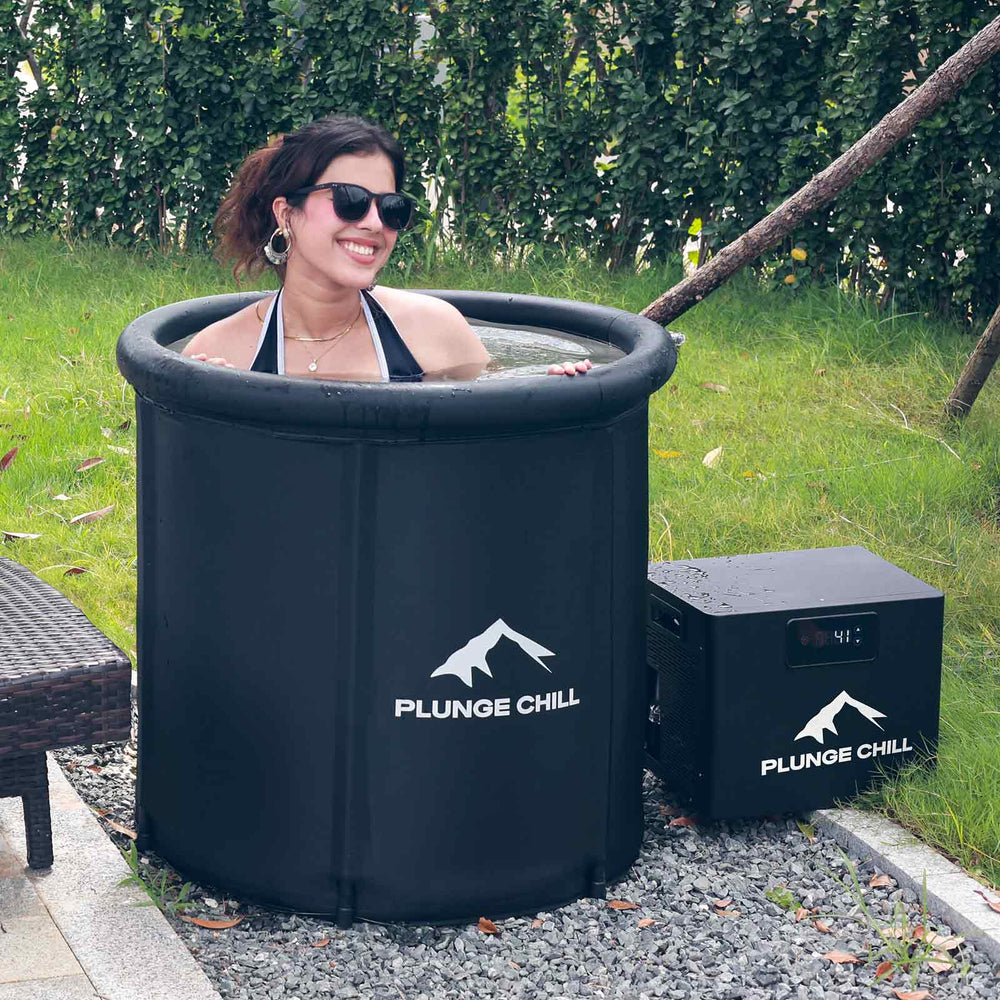
As a sports rehabilitation specialist and strength coach who reviews recovery equipment, I see white cold plunge tubs chosen as often for psychology and workflow as for aesthetics. A bright, neutral shell reads clean, disappears visually in small spaces, and pairs with modern surfaces from poured concrete to light oak. The risk is buying on looks and then discovering the chiller is undersized, the finish stains, or cleaning access is awkward. This guide explains how to select a white cold plunge that performs like a training tool, keeps water pristine with minimal fuss, and integrates seamlessly into minimalist homes and gyms.
What “Cold Plunge” Means—and Why White Matters
A cold plunge tub is a dedicated vessel kept at consistent low temperature for repeatable, short immersions aimed at recovery, inflammation control, and mental reset. Unlike ad‑hoc ice baths, plunge tubs pair a basin with active chilling and filtration so the water stays at target temperature and sanitary between sessions (Roberts Hot Tubs; Garage Gym Reviews).
White is not just an aesthetic decision. In day‑to‑day use, bright shells amplify ambient light, make small bathrooms feel larger, and reduce visual “weight” in minimalist rooms. In training spaces, a white interior can make water clarity and surface hygiene easier to judge at a glance—an operational detail that lowers friction for daily use. That is a practitioner preference rather than a controlled study, so treat it as a usability observation rather than a medical claim.
Temperature Targets and the Evidence Landscape
For most recovery use, plunges are maintained between 50°F and 59°F to deliver consistent vasoconstriction without excessive discomfort (Roberts Hot Tubs; Casa Blui). Some premium units can hold 33°F to 39°F and even make ice, prioritizing intensity and performance bragging rights over comfort and energy draw (Michael Kummer). The apparent disagreement largely comes from how sources define “plunge” versus “ice bath,” plus differences in equipment capability and the intended training effect. For general daily use, holding a steady mid‑40s to mid‑50s can balance adherence and benefit; ultra‑cold immersions are best reserved for well‑screened athletes with clear rationale and supervision. Definitions, hardware, ambient climate, and testing protocols likely explain the temperature spread across sources.
Form Meets Function: Minimalist Planning for Bathrooms and Backyards
A clean, white tub rewards restraint. Indoors, it works best when integrated like a built‑in: wall‑wash lighting, slip‑resistant flooring, a gentle slope to a linear drain, and concealed equipment niches keep the visual field calm while ensuring fast cleanup and airflow for the chiller (Yolo Interiors; Sun Home Saunas). In small apartments, vertical deep tubs, wet‑room layouts, and flush‑to‑floor thresholds reduce bulk and maintain clear walking lines; a heated towel rail and a nearby warm shower encourage consistent routines without clutter (Love Chic Living; Sun Home Saunas).
Outdoors, choose shaded or partially shaded locations to reduce solar heat load and energy use, then add retractable shade or an insulated cover for sunny hours. Place the tub near a path and a changing bench so it remains usable during winter mornings and late nights, not just on weekends (Casa Blui). A white finish harmonizes with light stone, micro‑topping cement, and thermally treated wood—classic minimalist combinations that read clean year‑round.
Materials and Finishes: What Works Best in White
Material choice determines temperature stability, cleaning effort, and how your white finish ages in real weather. The following table synthesizes common options discussed by House of Senti and Sun Home Saunas alongside industry norms.
Material |
Insulation/Efficiency |
Finish and UV Behavior |
Cleaning/Hygiene |
Relative Cost |
Notes |
Acrylic |
Good thermal retention; lighter weight |
High‑gloss whites look modern; can scratch and may yellow under strong UV without coatings |
Non‑porous; gentle cleaners preferred |
$$ |
Strong indoor choice; outdoors, specify UV‑resistant gelcoat or shade |
Fiberglass (often with acrylic gelcoat) |
Very good; layered shells slow heat gain |
Durable white gelcoats; colorfast if quality resin |
Smooth and easy to wipe; resists buildup |
$ |
Good balance of insulation and durability |
Stainless steel (white powder coat optional) |
Conductive; needs added insulation |
Pristine modern look; powder coats resist UV when specified correctly |
Non‑porous; occasional polishing; watch slip risk |
$$$ |
Specify slip‑resistant textures and insulation layers |
Polyethylene |
Fair insulation; improves with thicker walls |
Functional whites; fewer luxury finishes |
Low‑maintenance; scuffs can show on bright white |
$ |
Portable and budget‑friendly with basic aesthetics |
Concrete with white tile or plaster |
Poor native insulation; requires liner/insulation |
Limitless finish options; tile maintains color |
Grout needs care; tile requires skilled install |
$ $$ |
Best for custom in‑ground minimalist courts or courtyards |
Acrylic and fiberglass deliver the most “white, minimalist, easy‑clean” experience in a single package, especially indoors. Stainless, when properly insulated, suits high‑design projects. Concrete plus white tile produces a timeless spa aesthetic but demands professional waterproofing and insulation performance planning.
Chillers, Insulation, and Noise: What Keeps It Truly Cold
The heart of a plunge is temperature control. Active chillers maintain setpoints without constant ice handling, lowering friction so daily use actually happens (Sunflare Saunas & Spas). The most practical guidance is to size the chiller to your water volume and your desired cool‑down time. For context, HomeWorldDesign suggests about 3,000 to 6,000 BTU per hour to cool roughly 53 to 106 gallons within about four to six hours, and 6,000 to 10,000 BTU per hour to achieve two to four hours. Well‑insulated basins and tight‑fitting covers reduce the load dramatically.
A portable or poorly insulated black barrel will transmit ambient heat and force larger compressors to run longer. Inflatable or thin‑wall vessels also leak cold through the air gap. By contrast, a highly insulated cooler‑style basin can lose just one to two degrees per day with the system off around 40°F in mild conditions, and only needs short chiller cycles to maintain temperature, which lowers operating costs (Andrew Conner). In extreme heat or direct sun, expect longer duty cycles regardless of basin type.
If your home prioritizes quiet, consider integrated systems with sound‑dampened housings or plan a ventilated mechanical niche with vibration isolation. External chillers can be louder and bulkier; integrated designs reduce footprint and simplify service access, though they can raise purchase price (Garage Gym Reviews).

How Big, How Deep, and Where It Fits
Most minimalist setups are designed for one user and emphasize a compact footprint. Common above‑ground tubs listed for backyard installs hover near 67 by 31.5 by 24 inches for standard capacity and about 73 by 32.5 by 27 inches for larger options, which comfortably serve most users without dominating a modest patio or bathroom (Casa Blui). When filled, even a smaller plunge with a person aboard often exceeds 1,000 lb, so verify that floors, decks, or slabs can safely support the load, allow at least a foot or so of working clearance for pumps and chillers, and use a dedicated GFCI outlet for safety (BlueSkyFit Supply).
If you are taller than 6 ft, prioritize tub length and a reclined interior or consider deeper vertical designs so shoulders submerge without awkward flexion. In shared spaces, lid design matters: a clean, flat, white lid doubles as a bench or folding surface and keeps the room looking tidy.

Comparing Chiller Sizing by Volume and Use Case
Use this table as a starting point for typical white minimalist tubs, blending HomeWorldDesign’s guidance with practical ranges seen in product tests. Real needs vary by climate, insulation, lid quality, and door‑open habits.
Water Volume (gal) |
Target Cool‑Down Window |
Suggested BTU/hr Range |
Practical Notes |
60–80 |
About 4–6 hours |
3,000–6,000 |
Works well with good insulation and a tight white lid |
80–120 |
About 2–4 hours |
6,000–10,000 |
Choose the higher end in hot, sunny climates |
120–150 |
About 2–4 hours |
8,000–12,000 |
Consider shade structures to curb solar gain |
Some compact, well‑insulated systems will outperform the table; some large, poorly insulated designs will underperform. The table helps frame vendor claims and ensure apples‑to‑apples comparisons before you buy.
Filtration, Sanitation, and Water Clarity in a White Shell
One advantage of white interiors is fast visibility of film lines, scale, or discoloration. Integrated filtration plus ozone and, in some systems, UV, keeps water clear with minimal chemical footprint and longer intervals between water changes when paired with basic test‑and‑balance routines (Michael Kummer; Garage Gym Reviews). Indoors, plan for ventilation and humidity control; outdoors, keep a cover on whenever the tub is idle to limit debris and UV exposure (Yolo Interiors; Love Chic Living).
Care routines that work in practice include frequent skimming and wipe‑downs, weekly checks of filters and chlorine‑equivalent residuals in recirculating systems, and drain/refill cycles every few weeks depending on usage and bather load (BlueSkyFit Supply). Avoid abrasive sponges on glossy white shells and confirm that any “magic eraser” pad is approved for your finish.

Buying Paths: Portable, Integrated, or DIY
Portable white shells make sense for renters and for first‑time cold adopters who want low commitment and easy relocation. They are lighter, often less expensive, and good enough in shaded, temperate climates, though they do not insulate like rigid acrylic or fiberglass.
Integrated systems put the chiller, filtration, and plumbing in one package with a quiet profile. They cost more, but the minimalist experience—press, plunge, and put the lid back on—keeps athletes and busy families consistent. Testers frequently score these units on temperature stability, cooling speed, filtration, footprint, and support/warranty (Garage Gym Reviews). Price ranges across market roundups span the low thousands for standard builds to five figures for designer stainless or ice‑capable systems (Yardzen; Michael Kummer).
DIY appeals if you want to control every component. Cooler‑based basins paired with a quarter‑horsepower chiller can deliver excellent energy efficiency in an at‑home setup, particularly with proper fittings, a whole‑house filter canister, and sealants on NPT threads (Andrew Conner; PlungeCrafters). You trade time and tinkering for savings and repairability. Compare this to chest freezers or stock tanks, which can work but often need more insulation and larger chillers to keep up in summer (Andrew Conner).

Pros and Trade‑offs Specific to White Minimalism
White shells make cleanliness visible, reflect light, and usually blend better with modern or Scandinavian palettes than dark basins. They also demand more thoughtful UV management outdoors to prevent chalking or yellowing on low‑grade finishes. Highly polished whites can show scuffs or metal stains faster; the payoff is that you notice and fix issues before they become water‑quality problems.
Energy efficiency depends more on insulation, lid fit, and sun exposure than on color alone, though a bright exterior contributes to less radiant heat absorption than a black shell in direct sun. If you love a sun‑drenched deck, budget for a higher BTU chiller or build shade into the plan.
Care for a White Finish That Stays White
Match cleaners to the finish specified by the manufacturer. Non‑abrasive, pH‑balanced products keep acrylic and gelcoat shells glossy. Rinse any treatment chemicals from the surface after use, and keep the lid closed to limit UV. If you purchase a white acrylic tub for outdoor use, specify UV‑resistant gelcoat or commit to shade structures; without UV protection, some acrylics fade or yellow over years of sun exposure (Sun Home Saunas; House of Senti). For stainless tubs with white powder coatings, confirm the coating system’s UV rating and slip‑resistance and avoid sharp impacts at corners.

Cost of Ownership and Energy
Operating cost is primarily a function of heat gain and duty cycle. In an insulated, lidded basin, chillers run shorter bursts to maintain setpoint, whereas thin‑wall tubs or stock tanks in sun force longer run times and larger compressors, especially in summer (Andrew Conner). In one reader example, moving from a stock tank to a cooler‑style basin cut chiller run time from nearly continuous to less than an hour per day in hot weather; that is context‑specific but illustrates the role of insulation and lid quality (Andrew Conner). If you are comparing white models across brands, ask for duty‑cycle logs at your climate range and check what insulation is in the floor and walls, not just the side panels.

Safety and Usage
Use a dedicated GFCI circuit, avoid extension cords, and keep equipment accessible for service (BlueSkyFit Supply). Approach cold exposure progressively, especially if you have cardiovascular, blood pressure, cold urticaria, or neuropathy concerns, and consult a clinician before starting a program (Garage Gym Reviews). For sleep support, aim sessions one to two hours before bedtime so the body can rewarm gradually; many users report easier sleep when cold is timed that way (Roberts Hot Tubs).
Two Small Insights Most Shoppers Miss—With Confidence Notes
In sun‑exposed outdoor placements, a white exterior may slightly reduce radiant heat gain compared to dark shells, which can lower chiller workload during peak daylight. This is transparent physics reasoning rather than a controlled energy study. A simple verification is to log water temperature drift and chiller duty cycle at midday with identical lids and ambient conditions across two finish colors.
White interiors often reveal early biofilm lines and scale, prompting faster wipe‑downs and filter checks, which can prolong water clarity intervals. This is a usability observation from training rooms rather than a measured sanitation outcome. Swab test the waterline at day seven across contrasting shell colors while operating the same filtration regimen and compare microbial counts.

Quick Comparison: Ice Baths Versus Cold Plunge for Minimalist Homes
Ice baths can reach the mid‑30s and cost little to start, but the temperature fluctuates quickly, setup takes time, and the look rarely integrates into refined spaces. Cold plunge tubs hold steady 40s to 50s and are controlled with a simple setpoint. They are more expensive but drastically reduce friction and can be styled to disappear into a minimalist bathroom or deck (Roberts Hot Tubs; Michael Kummer; Yolo Interiors).

Buying Checklist in Plain Language
Confirm that the white finish is UV‑stable if the tub will live outdoors, and pair it with an insulated cover that seals well. Size the chiller to your water volume and desired cool‑down window, recognizing that good insulation can halve the needed capacity. Check for integrated filtration with easy‑to‑change cartridges and, if offered, ozone or UV. Verify warranty coverage for shell, chiller, and electronics, and ask about replacement filters and lead times. Make sure your floor, deck, or slab can handle the weight, that a dedicated GFCI outlet is available, and that there is ventilation for the chiller. Finally, try the ergonomics—recline angle, footwell, and rim height—because comfort keeps you consistent.
FAQ
What temperature should I choose for daily plunges at home?
For most users, a setpoint between 50°F and 55°F balances adherence with physiological effect. That range delivers vasoconstriction and a robust mental reset without making sessions prohibitively short. Some athletes prefer the 40s when preparing for competition phases, while ultra‑cold settings in the 30s are best reserved for specific protocols and experienced users with medical clearance (Roberts Hot Tubs; Michael Kummer).
Does a white tub stay cleaner than darker models?
A white shell does not self‑clean, but it does make residue and discoloration easier to see so you correct it sooner. That visibility, plus a simple wipe‑down habit and a lid that stays closed, tends to keep water clearer with less guesswork. Outdoors, the key is UV management and an insulated cover rather than shell color alone.
How much chiller do I need for a typical one‑person tub?
As a rough guide, an 80 to 100 gallon basin paired with a 6,000 to 10,000 BTU per hour chiller can achieve a two to four hour cool‑down when the tub is well insulated and kept lidded between uses. Hot, sunny conditions push you toward the higher end or toward adding shade. Insulation and lid fit are the force multipliers that save energy long‑term (HomeWorldDesign).
Are there downsides to choosing a white finish?
Outdoors, lower‑grade white acrylics may yellow without UV‑stable coatings; stainless shells with white powder coats need confirmed UV ratings and careful cleaning to avoid chipping. Glossy whites show scuffs sooner but also prompt faster cleanup. Indoors, these are minimal concerns when you follow the manufacturer’s care guidance (Sun Home Saunas; House of Senti).
Is DIY worth it if I want a minimalist look?
DIY can be excellent if you enjoy the build and are willing to manage plumbing, filtration, and sealing; a cooler‑style basin plus a right‑sized chiller can perform extremely well. The main trade‑off is aesthetic polish and time. Integrated white systems win on visual simplicity and ease—turnkey ergonomics, quiet operation, and clean lines with fewer hoses in sight (Andrew Conner; Garage Gym Reviews).
Takeaway
A white cold plunge tub can be a true minimalist anchor—calming to look at, simple to clean, and easy to blend into refined bathrooms and patios—if you specify the functional core correctly. Prioritize insulation, a UV‑stable finish, an appropriate chiller for your volume, and integrated filtration that respects the daily realities of water care. Keep the layout straightforward with a safe GFCI circuit, a slope to drain, and nearby warmth to encourage the habit. If your goal is a tool you will use every day, not just a beautiful object, choosing the right white tub is more about performance architecture than paint. The best designs disappear into the background while you do the work—and that is the essence of minimalist recovery.
References
- https://spacecoast.edu/news-blog.html
- https://www.academia.edu/43073662/Wellbeing_and_Its_Spatial_Exper%C4%B1ence_Development_of_Spa_Design_and_Contemporary_Spa_Spaces_M_Arts_Thesis_by_Naz%C4%B1m_Kahraman_Supv_Assoc_Prof_Dr_Emine_Gorgul_2018_ITU_Institute_of_Social_Sciences_IMIAD_International_Master_of_Interior_Architectural_Design_Graduate_Program
- https://www.garagegymreviews.com/best-cold-plunge-tub
- https://andrewconner.com/cold-plunge/
- https://buildahottub.com/diy-cold-plunge-pool/
- https://lovechicliving.co.uk/integrate-ice-baths-contemporary-bathrooms/
- https://www.decasacollections.com/why-a-cold-plunge-is-the-ultimate-home-wellness-upgrade/
- https://goodallpools.com/cold-plunge-near-me-why-you-should-have-one-at-home/
- https://www.homesandgardens.com/celebrity-style/david-beckham-cold-plunge-pool
- https://homeworlddesign.com/home-ice-bath-inspiration-materials-zoning-smart-technology/