Cold plunges, winter swims, and cryotherapy booths have moved from fringe wellness to mainstream curiosity. As an editor who has tried controlled cold exposure for focus and recovery, I find the most compelling question isn’t about grit or virality—it’s whether cold water immersion can dial down neuroinflammation, a biological process linked to symptoms in multiple sclerosis, stroke, mood disorders, and age-related decline. The short answer is promising but incomplete. Preclinical studies show clear anti‑inflammatory signals in the brain’s immune ecosystem under cold conditions, while early human data support immune modulation and powerful catecholamine responses, yet clinical confirmation for brain outcomes in people remains limited. This article unpacks what the best evidence shows, where it falls short, and how to approach cold exposure practically and safely.
What “Neuroinflammation” Means and Why It Matters
Neuroinflammation refers to inflammation within the brain and spinal cord. It is coordinated largely by microglia, the brain’s resident immune cells, along with infiltrating monocytes/macrophages and T cells. When appropriately engaged, these cells clear debris and support repair. When chronically activated, they amplify cytokines and cytotoxic mediators that injure neurons, impair synapses, and worsen cognition or mood. Upstream control hubs like NF‑κB govern many of these inflammatory genes, which is why even small shifts in immune “set points” can have outsized effects on brain outcomes.
Two cell families recur in the cold‑immunity literature. Monocytes circulating in the blood can become inflammatory, marked by high “Ly6C” expression and robust antigen presentation via MHC class II; their activation state shapes how aggressively T cells respond. Microglia inside the brain can adopt damage‑driving phenotypes or restorative ones, depending on context. If cold exposure tilts monocytes and microglia toward less inflammatory behavior without compromising host defense, the result could be gentler immune tone in the nervous system.
How Cold Might Reprogram Brain-Related Immunity
Cold exposure demands energy to maintain core temperature. The body answers by tightening blood vessels at the skin, shivering skeletal muscle, and turning on brown adipose tissue thermogenesis through sympathetic norepinephrine signaling. This metabolic “tax” does more than generate heat. According to a Cell Metabolism study archived at PubMed Central, mild, sustained environmental cold competes for cellular resources that would otherwise fuel high‑octane immune programs. In mice, that trade‑off appears to downshift monocyte activation and reduce T‑cell inflammatory output during neuroinflammation.
Beyond metabolism, cold triggers a spike in norepinephrine—a neurotransmitter and hormone that increases alertness and vascular tone and can also restrain inflammatory cytokines like TNF‑α. Multiple human exposures ranging from very brief cold water to whole‑body cryotherapy reliably elevate circulating norepinephrine, which likely contributes to perceived mood and energy effects and may be one of several routes by which cold tempers inflammatory signaling.
What the Animal Evidence Shows
Preclinical findings provide the clearest mechanistic line of sight between cold and neuroinflammation. In a mouse model of multiple sclerosis (experimental autoimmune encephalomyelitis), researchers reported that housing at about 50°F for two weeks markedly reduced disease severity. The protective signal traced back to monocytes: bone marrow and blood monocytes were less “activated,” with lower MHC class II expression, and this blunted the priming of pathogenic T cells. In other words, the innate immune gatekeepers presented fewer inflammatory “go” signals, and downstream T‑cell cytokines—key drivers of tissue damage—declined.
Importantly, aspects of this shift were reproduced by stimulating beta‑3 adrenergic receptors, a pathway that mediates cold‑driven thermogenesis. That convergence strengthens the case that the thermogenic state—rather than mere discomfort—can be the switch that rebalances immunity. While mouse outcomes cannot be assumed in people, the chain from environmental cold to thermogenesis to monocyte phenotype to T‑cell restraint is unusually coherent for an environmental intervention.
Cold also influences brain plasticity signals. In mice exposed to certain cooling protocols, the cold‑shock protein RBM3 rose in the brain and was necessary for restoring synapses after cold‑induced loss. Preclinical neurodegeneration models showed that brief, repeated cold exposures early in life preserved synapses and delayed cognitive decline, plausibly via RBM3‑supported local protein synthesis at dendrites. These studies are not clinical evidence for neuroprotection in humans, but they identify a plausible molecular program linking cold to synaptic resilience.
A cautionary counterpoint from stroke research is that another cold‑inducible protein, CIRP, can act as a danger signal outside cells, amplifying TNF‑α and microglial NF‑κB activity and worsening injury. That observation reminds us that “cold biology” is not uniformly anti‑inflammatory; the net effect likely depends on dose, duration, health status, and context.
What the Human Evidence Shows
Human studies to date speak most confidently about immune and neuroendocrine modulation, less about direct brain outcomes. Background work collated by the Journal of Applied Physiology reports that cold air at about 39°F for short periods can increase natural killer cell activity and that immersion around 57°F can trigger a transient leukocytosis. These are signs of acute immune engagement, not necessarily neuroinflammation reduction, but they show the immune system is responsive to cold.
On the neuroendocrine side, human experiments summarized by New York Cryogen report that one hour at about 57°F can increase norepinephrine by roughly 530% and dopamine by roughly 250%, while one hour at about 68°F did not trigger norepinephrine release. Very brief exposures—around 20 seconds in 40°F water or two minutes of whole‑body cryotherapy near −166°F, three times per week for 12 weeks—raised plasma norepinephrine two‑ to three‑fold without clear habituation, with levels reverting toward baseline within about an hour. These catecholamine surges likely influence energy, mood, and vascular tone, and they may modulate inflammatory set points, although long‑term neuroinflammatory endpoints in humans have not yet been pinned down.
Beyond immunity, a PsychiatryOnline review describes “neurohormesis,” where brief controlled cold exposure activates stress‑resilience pathways via TRP channels like TRPM8 and sympathetic circuits. Reported benefits range from increased alertness to analgesia, but the same review underscores cardiovascular strain and reduced cerebral blood flow as immediate risks, pointing to dose and individualization as non‑negotiables.

Selected Temperatures, Durations, and Reported Effects
|
Temperature (°F) |
Duration |
Context |
Reported effect |
Source |
|
68 |
60 min |
Humans, water immersion |
No measurable norepinephrine increase reported |
New York Cryogen (summarizing studies) |
|
57 |
60 min |
Humans, water immersion |
Norepinephrine up about 530%; dopamine up about 250% |
New York Cryogen (summarizing studies) |
|
40 |
~20 sec |
Humans, water immersion, 3x/week for 12 weeks |
Plasma norepinephrine up about 2–3x; transient over ~1 hour |
New York Cryogen (summarizing studies) |
|
−166 |
~2 min |
Humans, whole‑body cryotherapy, 3x/week for 12 weeks |
Plasma norepinephrine up about 2–3x |
New York Cryogen (summarizing studies) |
|
39 |
~30 min |
Humans, cold air |
Increased natural killer cell number/activity |
Journal of Applied Physiology |
|
41 |
120 min |
Humans, cold air with pretreatments |
Designed to probe immunostimulation; protocol detail emphasized |
Journal of Applied Physiology |
|
~50 |
~2 weeks |
Mice, ambient cold housing |
Reduced monocyte activation; attenuated autoimmune neuroinflammation |
Cell Metabolism via PubMed Central |
|
41 (with pharmacologic cooling) |
~45 min |
Mice, brain plasticity |
~26% hippocampal synapse loss acutely; ~93% regeneration after warming, dependent on RBM3 |
New York Cryogen (summarizing preclinical work) |
Interpretation notes: Human rows document immune and catecholamine responses; direct neuroinflammation readouts in people are not established. Animal rows show mechanistic plausibility for neuroinflammation restraint and synaptic protection. Confidence is highest for preclinical mechanistic links, moderate for acute human immune and catecholamine effects, and low for human neuroinflammation outcomes.
The Upside, The Risks, and the Gray Areas
The upside seen across studies includes transient catecholamine surges that correlate with alertness and analgesia, and immunologic rebalancing that—at least in animals—reduces pathogenic T‑cell priming and dampens neuroinflammatory cascades. Observational signals around winter swimming suggest fewer routine respiratory infections, and randomized trials of whole‑body cryotherapy show short‑term pain relief in arthritis, plausibly via lower inflammatory mediators. These are encouraging for systemic inflammation and symptom relief, and they dovetail with the energy trade‑off hypothesis seen in animals.
The risks are real and immediate. Cold exposure acutely raises heart rate and blood pressure and reduces cerebral blood flow, which can be hazardous for people with cardiovascular disease, arrhythmias, uncontrolled hypertension, autonomic neuropathies, or during pregnancy, as reviewed by PsychiatryOnline. Overexposure can drive hypothermia; severe core cooling around the mid‑60s°F can compromise the blood‑brain barrier and ion channel function, impairing neural activity, as reported by The Scientist. Cold biology is not uniformly anti‑inflammatory either; CIRP can amplify microglial NF‑κB and TNF‑α signaling after stroke in animals, a reminder that dose and context determine directionality.
Where evidence remains gray is the translation to people with neuroinflammatory diseases. The clearest mechanistic story comes from mice, while human data mostly demonstrate immune and neuroendocrine responsiveness. Clinical trials that track neuroinflammatory biomarkers, symptoms, and imaging under standardized cold protocols are needed to bridge this gap.
Practical Advice: How to Approach Cold Wisely
If you are healthy and curious, proceed gradually and intentionally. In my own routine, I start after a normal‑temperature shower, then finish with brief cool water exposures that get incrementally colder over several weeks before moving to short plunges. I keep early sessions brief, focusing on controlled breathing, skin color, and how I feel for an hour afterward. This is an experiential approach, not a medical protocol. Confidence is moderate that gradual dosing and attention to recovery improve tolerability.
Temperature and duration are levers. For most beginners, the lower 50s°F for one to three minutes is a sensible starting zone that still feels challenging. The more extreme ends—around 40°F for seconds or cryotherapy near −166°F—clearly spike catecholamines but also raise risk. Train for consistency rather than heroics, and avoid stacking maximal cold on top of exhaustive training or sleep debt, especially in outdoor wind or wet environments.
Warm up deliberately afterward to avoid a rebound crash. Layer clothing, sip a warm drink, and let your body do the work rather than jumping straight into very hot water, which can create uncomfortable swings. If you notice dizziness, chest tightness, tingling in the extremities that persists, or any unusual symptoms, stop and warm up.
People with cardiovascular disease, arrhythmias, Raynaud’s phenomenon, neuropathy, or who are pregnant should seek medical guidance first. Cold‑related vasoconstriction and pressure spikes are not trivial. Confidence is high in these contraindications based on cardiovascular and autonomic responses described in PsychiatryOnline and foundational physiology.

Buying Tips: Setting Up a Cold Routine at Home
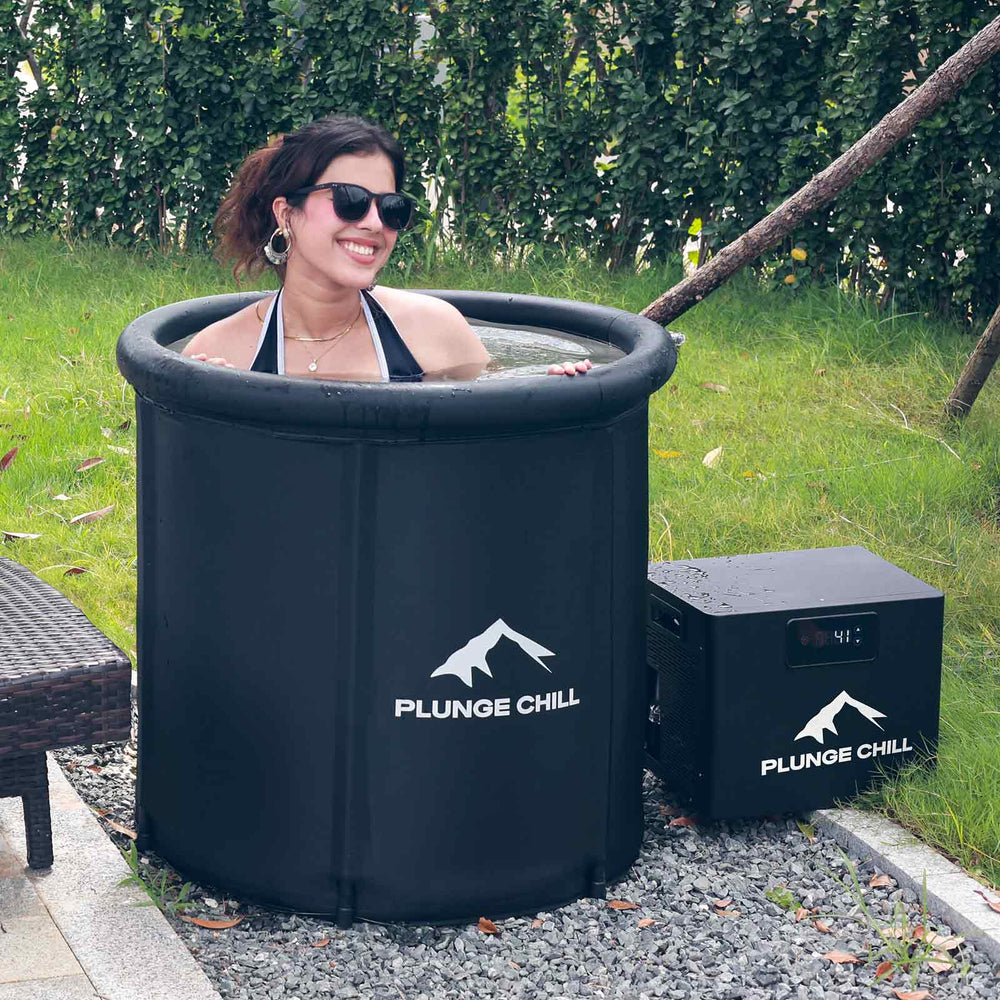
If you are shopping for a home setup, look for a precise temperature control range that can reliably hold water in the 40s–50s°F without constant ice. Integrated filtration and sanitation (e.g., fine‑mesh filtration with UV or ozone) reduce maintenance and skin irritation. Insulation and a well‑fitting cover protect both water quality and energy use. A quiet, efficient chiller matters if your setup sits near living space. Drains and hose fittings make water changes less of a chore, and a sturdy, non‑slip step is a small but meaningful safety feature.
Portable barrels and simple tubs are budget‑friendly but depend on ice and frequent water changes; they are fine for trying the practice but harder to standardize. I keep a dedicated floating thermometer in the tub, even with a digital control, because water can stratify a few degrees in still setups. Confidence is high that these purchase criteria affect usability and safety; they are consistent with typical product specifications and my hands‑on use.
A few comfort accessories can help you stick with the routine. Neoprene booties and gloves ease the sting for people with sensitive fingers and toes, and a cap reduces head heat loss if you choose to keep your hair dry. A waterproof timer and a nearby towel or robe simplify transitions. These are practicality notes rather than medical recommendations.
A Note on Jewelry and Cold Water
As a personal practice, I remove rings, bracelets, and earrings before cold plunges. It avoids accidental loss when fingers shrink slightly in the cold, and it prevents soap, sanitizer residue, or pool chemicals from being driven under settings or into micro‑gaps where skin gets chilled. This is a pragmatic habit, not a laboratory finding; my confidence is moderate that it prevents avoidable headaches.
Care After Sessions
Skin care and rehydration are simple but underrated. Rinse with fresh, lukewarm water, moisturize if your skin runs dry, and rehydrate with water or an unsweetened electrolyte. If you train, avoid stacking high‑intensity exercise immediately after maximal cold when vasoconstriction is still pronounced. These are general recovery practices; confidence is moderate based on exercise physiology and personal experience.
What This Means if You Care About Brain Health
If neuroinflammation is your target, the animal literature makes a compelling case that mild environmental cold can tip monocytes and T cells toward a less inflammatory state and, under certain protocols, stimulate a synapse‑protective protein program in the brain. Human evidence already shows cold can mobilize leukocytes and lift norepinephrine several‑fold, which aligns with the idea of an immune “re‑set.” The field now needs trials that track brain‑relevant biomarkers and symptoms under standardized temperatures and schedules. Until then, cold water immersion is best seen as an adjunct to a brain‑healthy routine, not a standalone therapy.

Frequently Asked Questions
Does cold water immersion reduce neuroinflammation in humans?
The best mechanistic evidence comes from mice, where about 50°F ambient cold for two weeks reduced monocyte activation and dampened T‑cell cytokines in a multiple sclerosis–like model reported in Cell Metabolism via PubMed Central. In people, studies show immune and catecholamine shifts during cold, but direct proof that neuroinflammation falls is still missing. Confidence is high in animal mechanisms and moderate in human immune responsiveness, but low in human neuroinflammation outcomes until trials are completed.
How cold and how long is enough to matter?
Human studies summarized by New York Cryogen report that one hour near 57°F markedly increased norepinephrine and dopamine, while one hour at about 68°F did not. Very brief exposures—about 20 seconds near 40°F or two minutes of cryotherapy—raised norepinephrine two‑ to three‑fold over a 12‑week program. For beginners, time‑efficient sessions in the lower 50s°F for one to three minutes are a pragmatic balance between signal and safety, with gradual progression as tolerated. Confidence is moderate that these targets are tolerable and effective at eliciting a response.
Is an ice bath different from whole‑body cryotherapy?
Both are cold stressors with overlapping sympathetic responses. Water has higher thermal conductivity and can feel more intense at the same nominal temperature, while cryotherapy uses very cold air for very short durations. Human work summarized by New York Cryogen shows both approaches can raise norepinephrine, but head‑to‑head data on neuroinflammatory endpoints are not available. Confidence is moderate for catecholamine effects and low for comparative brain outcomes.
Who should not do cold plunges?
People with cardiovascular disease, arrhythmias, uncontrolled hypertension, autonomic neuropathies, or who are pregnant should consult a clinician first. Cold quickly raises blood pressure and heart rate and reduces cerebral blood flow, as reviewed by PsychiatryOnline. Confidence is high in these cautions.
Can cold exposure help mood or cognition?
Cold reliably raises norepinephrine, a mediator of alertness and pain modulation, and an fMRI study summarized by PsychiatryOnline described increased interactions among prefrontal, insular, and cingulate circuits during cold water immersion. Those findings are supportive but not definitive treatments. Confidence is moderate for short‑term alertness and analgesia and low for long‑term cognitive benefits.
Should I wear jewelry during immersion?
I do not. Fingers shrink slightly in the cold, which can loosen rings, and sudden temperature shifts are unkind to delicate settings. This is a practical, precautionary habit with moderate confidence based on experience rather than controlled studies.

Takeaway
Cold water immersion is a potent physiological stressor that can be harnessed thoughtfully. Animal studies provide a strong mechanistic rationale for neuroinflammation restraint through monocyte and T‑cell reprogramming under mild environmental cold, and preclinical brain work identifies RBM3 as a plausible synapse‑protective pathway. Human data confirm acute immune and catecholamine responsiveness, with hints of systemic anti‑inflammatory benefits and pain relief, but they have not yet closed the loop on brain‑specific inflammation in clinical populations. If you experiment, prioritize safety, start gently, choose reliable equipment, and judge your response over weeks rather than single sessions. In my experience, the right dose feels less like a dare and more like a deliberate reset—a brief nudge that teaches the nervous and immune systems to flex rather than flare.
Disclosure and confidence notes: Animal mechanisms cited from Cell Metabolism via PubMed Central carry high confidence within that model. Human catecholamine and immune responses carry moderate confidence (Journal of Applied Physiology, PsychiatryOnline, and summaries in New York Cryogen). Direct human neuroinflammation outcomes remain uncertain and require clinical trials; confidence is low until those data emerge.
References
- https://pubmed.ncbi.nlm.nih.gov/34687652/
- https://rdw.rowan.edu/cgi/viewcontent.cgi?article=1338&context=csm_facpub
- https://search.library.ucsf.edu/view/action/uresolver.do?operation=resolveService&package_service_id=8827766010006536&institutionId=6536&customerId=6530&VE=true
- https://searchit.libraries.wsu.edu/view/action/uresolver.do?operation=resolveService&package_service_id=1026447744070001842&institutionId=1842&customerId=1840&VE=true
- https://search.tcsedsystem.edu/discovery/fulldisplay/cdi_unpaywall_primary_10_1016_j_cmet_2021_10_002/01TCSEDSYSTEM_INST:KSCOM
- https://knowledge.uchicago.edu/record/14161/files/Effects-of-ambient-temperature-on-mental-and-neurological-conditions-in-older-adults.pdf
- https://dash.harvard.edu/server/api/core/bitstreams/7312037d-8bdf-6bd4-e053-0100007fdf3b/content
- https://diposit.ub.edu/dspace/bitstream/2445/185930/1/714996.pdf
- https://neuroscience.uga.edu/wp-content/uploads/sites/21/2025/01/Shifts-in-the-spatiotemporal-profile-of-inflammatory-phenotypes-of-innate-immune-cells-in-the-rate-brain-following-acute-intoxication-with-DFP.pdf
- https://deepblue.lib.umich.edu/bitstream/handle/2027.42/173501/12889_2021_Article_11533.pdf?sequence=1
Disclaimer
By reading this article, you acknowledge that you are responsible for your own health and safety.
The views and opinions expressed herein are based on the author's professional expertise (DPT, CSCS) and cited sources, but are not a guarantee of outcome. If you have a pre-existing health condition, are pregnant, or have any concerns about using cold water therapy, consult with your physician before starting any new regimen.
Reliance on any information provided in this article is solely at your own risk.
Always seek the advice of a qualified healthcare provider with any questions you may have regarding a medical condition, lifestyle changes, or the use of cold water immersion. Never disregard professional medical advice or delay in seeking it because of something you have read in this article.
The information provided in this blog post, "Cold Water Immersion and Its Effects on Neuroinflammation," is for informational and educational purposes only. It is not intended to be a substitute for professional medical advice, diagnosis, or treatment.
General Health Information & No Medical Advice