As a sports rehabilitation specialist and strength coach who also reviews cold‑plunge hardware, I hear the same refrain from athletes, weekend warriors, and patients alike: ice baths feel good, but do they actually deliver? Real user feedback consistently praises less soreness, better “readiness” between hard sessions, and a mood lift. The scientific literature, however, is more nuanced. In this long‑form review, I’ll translate what users report, what high‑quality studies show, and what my team and I have learned testing DIY setups, portable barrels, and premium chiller tanks. You’ll find practical guidance on dosing, safety, product selection, water care, and where heat fits in. Expect candor: cold plunges are a tool—not a cure‑all—and the right protocol depends on your goal.
What Ice Baths Do, Physiologically and Practically
Cold‑water immersion, commonly 50–59°F, cools the skin and peripheral tissues, triggers vasoconstriction, and slows cellular metabolism. This combination limits swelling and dampens nociception, which is why short immersions can ease soreness after strenuous work. When you exit the tub and rewarm, vasodilation and increased circulation follow, which many users experience as a deep muscular “release.” These two phases—compression‑like hydrostatic pressure during immersion and reperfusion after—may underpin the perceived reset users report. Ohio State notes that full‑body immersion provides more uniform cooling than a cold shower because the body is submerged and compressed, a point that aligns with user reviews comparing plunges to quick rinse‑offs.
Delayed onset muscle soreness (DOMS) typically rises 12–48 hours after unusual or high‑force effort, peaks by 24–72 hours, and resolves in roughly five to seven days. PubMed Central case descriptions and meta‑analyses reinforce this timeline and the microtrauma‑and‑repair process behind soreness. In that context, a cold plunge is best understood as a way to manage symptoms and readiness, not as a replacement for adequate sleep, nutrition, and planned recovery.

What Users Report vs. What Studies Find
User reviews overwhelmingly highlight less soreness and a faster “bounce‑back” the next day, with many also mentioning improved sleep and a calmer mind. Harvard Health and Mayo Clinic characterize overall evidence for broad health claims as limited or mixed, which tracks with what I see in clinic: some people feel markedly better, while others notice only small benefits once their training, sleep, and fueling are already dialed in.
Trials separating endurance and strength goals add needed context. For endurance demands, several analyses and clinical summaries suggest cold immersion can reduce exercise‑induced muscle damage, lower soreness, and help restore next‑day performance. On the other hand, for strength and hypertrophy, converging evidence from the Journal of Physiology and the Journal of Strength & Conditioning Research shows that routine post‑lift cold immersion can blunt anabolic signaling and long‑term gains in muscle size and strength. In my programs, we therefore avoid immediate post‑lift plunges when building muscle is the priority, and we save cold for heavy back‑to‑back competition windows, taper week tune‑ups, or high‑volume endurance blocks where rapid turnaround matters more than maximizing adaptation.
Two further nuances matter. First, a systematic review and network meta‑analysis comparing cold, heat, and other modalities found that hot packs within an hour after exercise often ranked best for short‑term pain relief at 24 and 48 hours, with cryotherapy more prominent beyond 48 hours. That finding surprises many cold‑plunge enthusiasts but makes sense physiologically: heat increases local blood flow, which may help clear sensitizing metabolites early. Second, a recent PLOS ONE analysis reported that cold immersion can increase inflammatory markers immediately and at one hour, while reducing perceived stress about 12 hours later. That timing could explain why some users feel more “wired” right after cold but calmer and more recovered the next morning.

Goal‑Based Dosing: Temperature, Time, and Timing
Below is a practical synthesis I use when advising athletes and patients. Temperatures and timings consolidate guidance from Ohio State, Mayo Clinic, Cleveland Clinic, and research reported through PubMed Central and PLOS ONE. Always individualize based on tolerance, health status, and environment.
Goal |
Water temp (°F) |
Time |
Timing relative to training |
Evidence and caution notes |
Next‑day endurance readiness |
50–59 |
5–10 minutes |
Within about two hours after hard endurance work |
Supports lower soreness and improved next‑day performance; do not prolong exposure; monitor rewarming (Mayo Clinic, Ohio State). |
Strength and hypertrophy focus |
50–59 if used |
2–5 minutes, or skip entirely |
Avoid immediately post‑lift; consider 24–48 hours later |
Routine post‑lift cold can blunt anabolic signaling and long‑term gains (Journal of Physiology; Journal of Strength & Conditioning Research; Ohio State). |
Rapid turnaround between games |
50–59 |
5–10 minutes |
Post‑game in controlled setting |
Balances soreness relief with minimal adaptation cost across short intervals. |
New to cold immersion |
60–68 to start |
30–60 seconds, building gradually |
Non‑training days or easy days with a buddy present |
Prioritize safety and acclimation; Harvard Health warns hypothermia can develop in water below 65°F; build slowly. |
Stress regulation and alertness |
45–59 as tolerated |
2–5 minutes |
Morning or midday |
Expect stress reduction on a delay; PLOS ONE reports 12‑hour effects; brief exposures suffice. |
Users frequently ask whether colder is always better. It isn’t. I coach people to choose the least cold that reliably produces the desired effect in the time available. That approach preserves training quality and reduces risk.
Safety First: Who Should Be Cautious and How to Rewarm
Cold water can provoke a strong sympathetic surge, rapid breathing, and spikes in heart rate and blood pressure. People with cardiovascular disease, arrhythmias, Raynaud’s, neuropathy, diabetes, or poor circulation should seek medical guidance before doing cold immersion. Harvard Health emphasizes that hypothermia may begin within minutes in water less than 65°F, and Mayo Clinic advises measuring water temperature and starting with 30–60 seconds before building to five to ten minutes. Cleveland Clinic cautions against going below about 40°F and recommends a maximum of roughly five minutes, except for highly experienced users.
Never plunge alone, avoid natural bodies of water with currents, and have warm clothes and a plan to rewarm gradually after exiting. Many users feel best when they dry off, add layers, take a short walk, and sip a warm beverage while allowing core temperature to rise naturally. Some brands encourage immediate hot contrast after cold; others recommend a gradual rewarm to avoid dizziness or a rebound “overheating” sensation. Contrast therapy itself is supported in certain rehab contexts, with commonly reported ratios of about three minutes warm to one minute cold, finishing cold, but protocols vary and should be supervised for clinical use. Differing recommendations likely reflect differences in goals, clinical status, and whether the setting is a controlled lab, clinic, or at‑home routine.
Where Heat Belongs in a Cold‑Forward World
Because ice baths have captured the spotlight, heat is under‑reviewed by many users. A network meta‑analysis ranking cold, heat, and other methods placed hot packs within an hour after exercise at the top for pain reduction at 24 and 48 hours, with cryotherapy moving up the list beyond 48 hours. Mechanistically, heat increases tissue metabolism and blood flow, which can clear irritants and reduce guarding. A clinic study summarized by Carrell Clinic reported that any therapy (heat or cold) limited immediate strength loss to about 4 percent compared with approximately 24 percent without therapy, and noted that heat was superior for immediate strength recovery while cold was superior at 24 hours, with cold also winning on pain both immediately and at 24 hours. My practice mirrors this: I often prescribe a brief, comfortably warm heat session and dynamic mobility before training, then employ cold judiciously after long endurance efforts or spaced between events.

Real‑World Product Reviews: DIY Tubs, Portable Barrels, and Premium Tanks
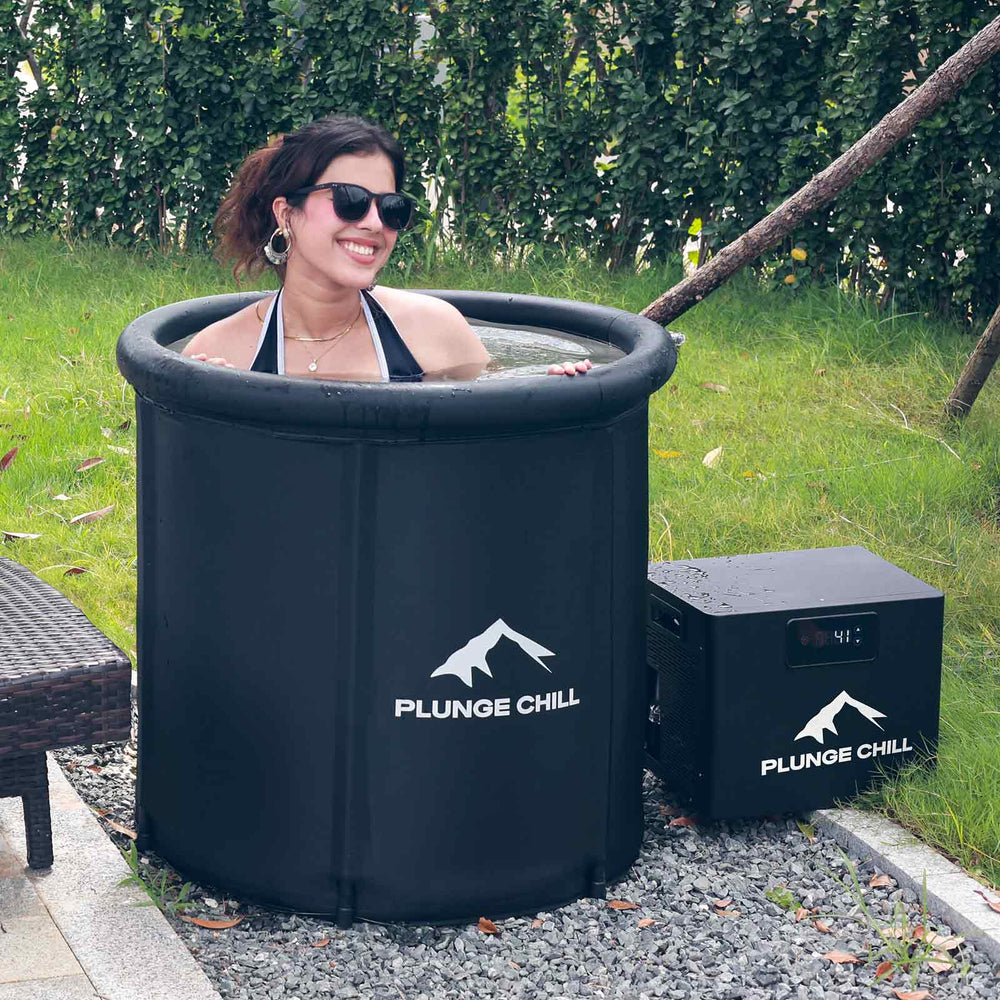
User reviews diverge sharply based on equipment. We test three classes side by side in the clinic and weight room: a basic tub filled with tap water and bags of ice; a portable insulated barrel or tub with an external chiller; and a premium, self‑contained tank with robust cooling and filtration.
Type |
Typical temp control |
Setup and care |
Noise and footprint |
Best fit |
DIY tub + ice |
Manual, variable; depends on ice load and ambient temperature |
Fill with cold tap water, add ice; drain and wipe with mild detergent and rinse per manufacturer guidance for the container; use a thermometer |
Quiet; large water and ice logistics; requires a drain path |
Beginners, occasional use, budget‑conscious users, renters testing the habit |
Portable tub + chiller |
Stable; often low‑40s to mid‑50s |
Requires power, periodic filter cleaning or replacement, and basic sanitation; easy draining varies by model |
Low to moderate chiller hum; modest footprint |
Regular users who value consistency without full commercial cost |
Premium tank |
Precise; often 39–60°F depending on model |
Integrated filtration and sanitation; easy drain; scheduled maintenance; durable shells |
Heavier hum but well‑insulated; larger footprint; dedicated circuit may be needed |
High‑frequency users, teams, clinics; those prioritizing reliability and hygiene |
Dedicated plunge manufacturers commonly advertise ranges from about 39–60°F, which aligns with protocols cited by brand educational content and user testimonies. Mayo Clinic notes that feature‑rich tanks can cost up to $20,000. For most households, a portable chiller‑equipped tub balances consistency, hygiene, and cost. For occasional users, a DIY tub plus a reliable thermometer is a rational way to learn your tolerance before upgrading.
My rating criteria include temperature stability, time to set point, filtration effectiveness, ease of cleaning, noise, footprint, and support. Stable temperature delivery and dependable filtration are the two features users notice most after the honeymoon period; both strongly influence daily compliance and water clarity.
Setup, Water Care, and Cleaning
Water care is where many user reviews turn negative when expectations are unclear. The simplest routine—drain, wipe with a mild detergent, and rinse—works well for DIY and many portable tubs. Follow manufacturer instructions for any built‑in filtration because filter lifespan varies widely. A pool‑style thermometer is invaluable even with digital controllers, and it is mandatory for DIY setups. For local icing of a joint, never put frozen packs directly on skin; always interpose a thin towel to prevent frostbite, and limit to about 10–20 minutes per application with full rewarming between bouts, a standard safety pattern echoed by Hopkins and Rochester clinical guidance. Full‑body plunges are different, but the principle—protect tissue and avoid numb, white, or intensely painful skin—still applies.
Three Overlooked Insights That Change How People Plunge
A point often missed in user‑to‑user advice is that hot packs frequently outperform cold for early pain. A network meta‑analysis ranking treatments for DOMS reported hot packs within an hour of exercise as the top choice at 24 and 48 hours, whereas cold therapies moved up later. That doesn’t negate cold’s usefulness; it argues for matching the modality to the time course and the goal.
Another nuance is that immersion itself imposes hydrostatic pressure and fluid shifts that can increase cardiac output dramatically—reported up to about 102 percent during head‑out immersion in lab studies summarized by PubMed Central. This is rarely discussed in consumer reviews but helps explain why full‑body immersion can feel unusually “compressive” and why supervised conditions matter for those with cardiovascular risks.
A third emerging idea is to quantify “dose” not only by minutes or degrees, but by a combined measure—time under temperature below your personal comfort line. An industry author has proposed tracking weekly “degree‑minutes” as a practical proxy. Suggested verification step: test‑retest skin and core temperature and subjective recovery across different temperature‑time combinations in a supervised setting to see if dose correlates with outcomes, and compare results with independent lab measures.

Reconciling Conflicts in the Guidance
You will encounter seemingly conflicting advice about how long to stay in and how cold to go. Ohio State suggests 10–20 minutes at 50–59°F, especially after endurance efforts, whereas Cleveland Clinic urges beginners to cap sessions around one to five minutes and to avoid temperatures below about 40°F. These differences reflect distinct priorities and populations. Hospital‑based guidance often emphasizes conservative durations and temperatures to maximize safety across the general public. Sports performance recommendations sometimes accept more aggressive exposures, assuming careful screening, a buddy system, and swift rewarming plans. Meanwhile, research timing matters: some trials assess outcomes within an hour, where inflammatory and performance effects can look unfavorable, while others examine next‑day function or pain, which can favor cold. Differences in training status, environment, and definitions also contribute to the spread.
Another conflict concerns whether to contrast with heat. Rehab literature supports alternating warm and cold baths for some tendon and muscle complaints using three or four minutes of warm followed by one minute of cold, repeating for 20–30 minutes and often finishing cold. Yet consumer safety tips sometimes advise against immediate hot showers after a plunge, preferring a natural or gently assisted rewarm to reduce dizziness and abrupt afterdrop sensations. The likely reason is that clinic protocols are controlled and supervised with precise temperatures and timers, while home routines vary widely.

Buying Advice from the Rehab Room
Start with your goals and your space. If the objective is occasional soreness relief and experimenting with cold exposure, a DIY tub and thermometer can be sufficient, provided you have a plan for draining and cleaning. If you want steady temperatures and better hygiene with minimal fuss, a portable tub plus chiller is the sweet spot. Teams, clinics, and heavy users benefit from premium tanks, especially when multiple daily users share water, but they demand a budget and the correct power and floor loading. Whatever you buy, prioritize stable temperature control, filtration and sanitation you’ll actually use, easy drainage, and acceptable noise for your living situation. An honest product review always circles back to compliance: the best system is the one you will use three months from now.
Care and Use Tips That Keep Users Happy
Plan your rewarm before you get cold. Lay out towels, a warm top, and loose pants, and have a warm beverage ready. Enter slowly and breathe out on contact; pausing at the knees and hips helps beginners. Keep sessions short at first and log how you feel immediately, that evening, and the next morning; the delayed effects are often the ones that matter. Avoid plunging in rivers or open water with currents, and never go alone. If your goal is strength, avoid plunging right after heavy lifting for weeks in a row; several papers indicate that this habit can dampen hypertrophy signaling. If your goal is an all‑day mood lift, a brief morning exposure in the mid‑ to high‑50s°F is usually ample.
A Note on Brown Fat, Metabolism, and Weight Loss
Cold exposure can increase energy expenditure during and shortly after immersion, and several sources discuss brown fat activation and potential metabolic benefits. Practically, users do not notice meaningful weight changes from brief plunges alone; any shifts come from broader behaviors. Some studies report fewer sick days with cold showers, and others describe improved alertness and stress resilience. These findings are promising but preliminary for general health outcomes; they should be viewed as supportive rather than central to a training plan. If weight loss is a goal, prioritize nutrition, resistance training, and sleep, using cold exposure as an optional adjunct.

FAQ
What temperature should I set for recovery after a hard endurance workout? A range around 50–59°F for five to ten minutes within about two hours of finishing works well for many, balancing comfort with effect. Keep exposures short, rewarm gradually, and note next‑day readiness. Sources include Mayo Clinic and Ohio State.
Will a post‑lift plunge hurt my strength or muscle gains? If used routinely right after lifting, cold immersion can blunt anabolic signaling and reduce long‑term gains in muscle size and strength. If building muscle is your priority, delay the plunge by a day or use shorter, warmer exposures, or skip it. Evidence comes from the Journal of Physiology and the Journal of Strength & Conditioning Research.
How often can I take an ice bath? Healthy adults can plunge several times per week when protocols are conservative and rewarming is planned. Daily plunges are also possible, but the right cadence depends on your goals, training load, and health status. Always screen for contraindications and avoid moving water or going alone. Guidance aligns with Mayo Clinic and Cleveland Clinic safety principles.
Is contrast therapy better than cold alone? For some conditions and for general soreness once acute swelling subsides, alternating warm and cold can feel superior and may improve circulation. Clinic protocols often use about three minutes warm to one minute cold, repeating for 20–30 minutes. Supervision and consistent temperatures improve outcomes; home routines vary, which explains mixed user experiences.
Is there a best practice for beginners? Start warmer and shorter than you think—60–68°F for 30–60 seconds with someone present—and progress cautiously across weeks. Focus on controlled breathing, step in gradually, and stop if you feel dizzy or numb. Measure water temperature, plan your rewarm, and prioritize safety over bravado. Harvard Health and Cleveland Clinic emphasize these basics.
Does pre‑cooling help workouts in the heat? Brief cold immersion before training on very hot days can help maintain a lower core temperature and may outperform an ice slushie. Suggested verification step: retrieve and appraise the original study, verify sample and protocol, and confirm that the method matches your environment and sport.
Takeaway
The best ice bath is the one that fits your goal, your health status, and your space. For endurance performance and short turnarounds, five to ten minutes around 50–59°F can curb soreness and enhance readiness. For strength and hypertrophy, shift cold to off‑days or later windows and keep exposures modest. Do not overlook heat: for short‑term pain relief in the first day or two after effort, warm packs and mobility can outshine cold, with cryotherapy more helpful later. Buy what you will use consistently—a reliable thermometer for DIY, a chiller with solid filtration for regulars, or a premium tank for clinics and heavy users—and make water care, safety, and rewarming part of the routine. User reviews are valuable because they track how people actually live; the science helps you steer those habits toward durable performance and health.
References
- https://www.health.harvard.edu/staying-healthy/can-ice-baths-improve-your-health
- https://www.mcphs.edu/news/physical-therapist-explains-why-you-should-chill-out-on-ice-baths
- https://www.urmc.rochester.edu/encyclopedia/content?ContentTypeID=134&ContentID=95
- https://sncs-prod-external.mayo.edu/hometown-health/speaking-of-health/cold-plunge-after-workouts
- https://pmc.ncbi.nlm.nih.gov/articles/PMC2938508/
- https://health.osu.edu/wellness/exercise-and-nutrition/do-ice-baths-help-workout-recovery
- https://www.hopkinsmedicine.org/health/treatment-tests-and-therapies/ice-packs-vs-warm-compresses-for-pain
- https://mcpress.mayoclinic.org/healthy-aging/the-science-behind-ice-baths-for-recovery/
- https://www.mayoclinichealthsystem.org/hometown-health/speaking-of-health/cold-plunge-after-workouts
- https://www.houstonmethodist.org/global/why-choose-houston-methodist/blog/2023/april/ice-vs-heat-when-to-use-which-for-aches-and-pain/