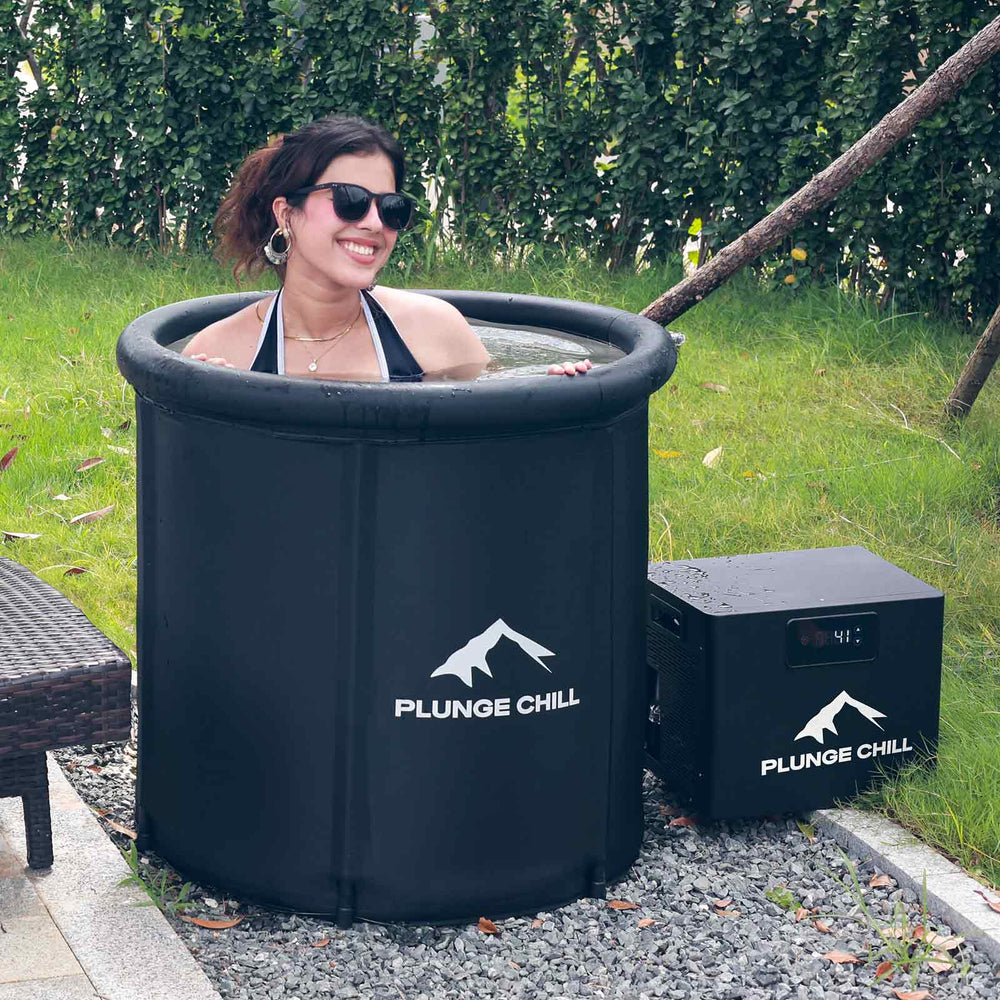
As a sports rehabilitation specialist and strength coach who also reviews cold-plunge products, I use ice baths selectively with runners from 5K to marathon. When the protocol matches the goal—controlling next‑day soreness after a long run, managing heat stress, or speeding turnarounds during race week—the results are reliably practical. When the protocol is off—like plunging right after heavy lifts while chasing muscle growth—the gains can be blunted. This guide consolidates what works, what doesn’t, and how to buy and care for a tub that fits a runner’s reality.
What an Ice Bath Is—and How It Works
An ice bath is cold‑water immersion, usually between 50–59°F, intended to temper acute inflammation and reduce perceived muscle soreness after hard training or minor soft‑tissue flare‑ups. The cold triggers a narrowing of blood vessels that limits fluid shifts into tissues; rewarming then widens those vessels, restoring blood flow for repair. Water also adds hydrostatic pressure that gently compresses tissues and shifts fluid centrally, which increases cardiac output without added energy cost and can mimic some benefits of active recovery (American Journal of Sports Medicine; Mayo Clinic Health System; National Library of Medicine).
Most runners feel an intense chill in the first two to three minutes as the skin cools, then a tolerable steadiness if breathing is slow and controlled. I ask athletes to keep the core warm with a hat or sweatshirt, sit to the waist or hips for lower‑body recovery, and use a thermometer rather than guessing. A timer on the tub or a cell phone keeps sessions honest.
Do Ice Baths Work for Runners? Evidence in Plain Terms
Across reviews and meta‑analyses, cold‑water immersion produces small to moderate short‑term reductions in delayed‑onset muscle soreness and perceived exertion, with inconsistent effects on strength, power, or jump performance beyond the first day (Ohio State Wexner Medical Center; Journal of Athletic Training; National Library of Medicine meta‑analysis). In endurance contexts, many runners report better “readiness” the next day, which aligns with the immediate reductions in soreness and subjective fatigue. Blood markers show mixed results; creatine kinase often trends lower by about a day after immersion, while inflammatory cytokines are inconsistent across studies.
Two caveats matter for runners planning their weeks. First, repeated post‑lift ice baths can blunt strength and muscle‑growth signals over time (Journal of Physiology; Journal of Strength & Conditioning Research; Peloton Editorial, citing meta‑analyses). Second, cryotherapy air chambers are not a water bath. Whole‑body cryotherapy after a marathon has shown inferior functional recovery compared to cold‑water immersion and even underperformed placebo on some performance metrics in a small randomized trial, despite better soreness perceptions (Learn Muscles summary of peer‑reviewed study). Water’s hydrostatic pressure likely contributes to the difference; air lacks that compression.
A brief contrast is useful. Several reports favor cold‑water immersion over contrast baths for immediate post‑exercise soreness, while other investigations find contrast improves lactate clearance and heart rate recovery relative to passive rest. Differences in water temperature, alternation ratios, and session timing explain much of the disagreement (Ice Barrel training, citing a 2013 comparison; SportsMed Rockies; National Library of Medicine review). When your priority is next‑day running feel, cold‑water immersion remains the more consistent choice; when circulation and a “pump” sensation are desired, a thoughtfully dosed contrast session can be reasonable.

Protocols That Actually Help (Without Blunting Gains)
Runners do best with conservative water temperatures and disciplined timing. For most recovery goals, 50–59°F for 10–15 minutes is the sweet spot. Colder is not better; discomfort rises while benefits plateau. I prefer to initiate within 30–60 minutes after a taxing long run, tempo, or hill session and avoid ice baths before explosive work. After a hard lift where muscle growth is the priority, I separate cold exposure from the session by at least a day or plunge much later the same day to preserve anabolic signaling (Ohio State Wexner Medical Center; Frontline ER Richmond).
A short, structured table can anchor your decision‑making.
Runner Goal |
When to Use |
Water Temp |
Immersion Time |
Notes |
Long run, race, or heavy aerobic block |
Within 30–60 minutes post‑session |
50–59°F |
10–15 minutes |
Helps curb soreness and edema; rewarm gradually and hydrate. Sources: Frontline ER Richmond; Ohio State Wexner Medical Center. |
Strength or hill sprints with muscle‑gain priority |
Delay 24–48 hours after lifting |
50–59°F |
5–10 minutes if used |
Reduces risk of blunting hypertrophy and strength signaling. Sources: Journal of Physiology; Journal of Strength & Conditioning Research. |
Hot‑weather pre‑cooling before a run |
15–30 minutes pre‑session |
50–59°F |
2–5 minutes |
Useful for heat stress; keep brief and rewarm lightly. Source: Peloton Editorial citing pre‑cooling research. |
Minor soft‑tissue flare (e.g., calf, Achilles) |
Within 30–60 minutes of onset |
50–59°F, lower‑body immersion |
Up to 10 minutes |
Consider a second short session the next morning if swelling persists. Source: Renu Therapy guidance; use clinical judgment. |
Three practical points keep the risk low and the benefits real. First, set a non‑negotiable timer and exit if you feel numbness, severe pain, dizziness, chest discomfort, or confusion. Second, rewarm gradually with layers, light walking, and a warm drink rather than stepping straight into a hot shower to avoid a rebound rush of blood flow that can amplify throbbing. Third, log how you sleep, how sore you feel on stairs, and how your next run starts; if your readiness markers do not improve, reduce time or frequency.

Safety, Screening, and When to Avoid
Cold‑water immersion is not for everyone. If you have cardiovascular disease, poorly controlled hypertension, Raynaud’s phenomenon, peripheral neuropathy or diabetes with neuropathies, cold urticaria, pregnancy, open wounds, or skin infections, talk to a clinician first. Early sessions are best done with another person present. Outdoors, avoid rivers or strong currents, and verify temperature; winter water can drop far below 50°F. Even in a controlled tub, stop immediately if skin turns pale or blue or if shivering becomes violent. Many athletes tolerate daily cold exposure, but using an ice bath immediately after every training session can compromise long‑term performance gains in strength‑oriented phases (Mayo Clinic Health System; Orthocarolina; Ohio State Wexner Medical Center).
Ice Baths vs. Alternatives
Cold showers offer accessibility but deliver less uniform cooling and negligible hydrostatic pressure compared with immersion. They are fine for building tolerance and a quick mood reset, particularly when you alternate warm to cold over a few minutes, but expect smaller effects on deep muscle cooling.
Whole‑body cryotherapy trades water compression for very cold air and short exposures. It can improve soreness perceptions for some, but studies in marathon recovery show weaker functional outcomes and inconsistent biomarker changes compared with water immersion and placebo controls (Learn Muscles). If access is easy and cost is acceptable, it can play a small role for subjective relief, but I do not rely on it for functional recovery.
Contrast water therapy alternates hot and cold to create a vascular “pump.” It helps many athletes feel looser, and several reports note faster lactate decay and heart rate recovery. Other comparisons show cold‑water immersion outperforming contrast for soreness after intense work (SportsMed Rockies; National Library of Medicine; Ice Barrel training). The likely cause of disagreement is method mismatch—some contrast protocols use hot water that rewarms muscle too deeply, negating the cold’s effects, while others keep cold phases too brief to lower muscle temperature.
Active recovery—low‑intensity cycling or walking—is still a cornerstone. Immersion adds a unique mix of cooling and compression; for many runners, a brief ice bath followed by a short walk and a protein‑rich meal is a reliable one‑two.

Marathon Week and Race‑Day Use
Immediately after a marathon or a long race‑simulation run, cold‑water immersion wins over heat for controlling swelling and pain and preparing for the next training day. The plan is straightforward: sit to the hips in 50–59°F water for up to 15 minutes, then rewarm gradually in dry layers and sip a warm drink. If soreness spikes the next morning and you tolerate cold well, a second short immersion can be reasonable. Runners often ask about adding Epsom salts. Magnesium sulfate has a long tradition for relaxation, but evidence for meaningful absorption and recovery benefit is limited; personal testing is acceptable, and I advise tracking sleep and soreness to decide (Ice Barrel training; IceBarrel marathon guidance; American Journal of Sports Medicine summaries).
Care, Hygiene, and Real‑World Setup
Water quality and consistent temperature make or break the home experience. Insulated tubs with built‑in chillers hold setpoints reliably and often pair filtration with ozone or UV to keep water clear. DIY tubs filled with ice are serviceable if you measure temperature, stir to even out cold layers, and drain and wipe the tub after use to prevent biofilm. For fixed systems, I prefer a schedule that includes skimming debris after each session, wiping surfaces weekly, changing or back‑flushing filters per the manufacturer schedule, and refreshing water regularly based on usage.
Rewarming strategy matters for comfort and safety. A slow walk, warm layers, and a hot beverage ease the transition. Breathing control—long, easy exhales—helps prevent hyperventilation during entry and calms the cold‑shock response. I also like a pre‑plunge checklist: confirm temperature with a thermometer, set the timer, stage a towel and jacket within reach, and keep a buddy nearby for early sessions.
Buying Advice for Runners
Runners need reliability, hygiene, and fit. Temperature precision in the 50–59°F range is more valuable than claims of extreme cold, and consistent filtration with ozone or UV simplifies maintenance. Drainage and a non‑slip step matter when legs are fatigued after long runs. Barrel‑style tubs save space and allow hips‑to‑chest immersion; rectangular units make leg positioning easier for taller athletes. Noise, energy draw, and warranty support are practical tie‑breakers, especially in apartments.
A quick comparison table puts the main options in context.
Option |
Temperature Control |
Setup and Running Costs |
Hygiene Approach |
Portability |
Best Fit |
DIY bathtub with ice |
Manual and variable |
Low upfront, ongoing ice purchases |
Drain and wipe after each use |
High |
Occasional users, small spaces |
Insulated barrel or foldable tub plus ice |
Moderately stable with insulation |
Lower ice needs than a bathtub |
Rinse and periodic sanitizer; faster turnover |
High |
Renters and travelers |
Chilled plunge with filtration/ozone |
Precise and programmable, often down to 39–37°F |
High initial cost; minimal ice |
Inline filter plus ozone/UV; scheduled changes |
Low to moderate |
Daily users, teams, clinics |
Mayo Clinic Health System notes that full‑featured tanks can cost up to $20,000. If you are evaluating budget categories beyond that figure, it is reasonable to infer that DIY and non‑chilled solutions cost much less but require ongoing ice purchases and more frequent cleaning. A simple verification step is to request current pricing from two US retailers across each category and compare total cost of ownership over three months, including ice.
Pros and Cons for Runners
The upside of an ice bath for runners is straightforward: less soreness now, steadier legs tomorrow, and a calmer nervous system after taxing aerobic work. Many runners also appreciate the alertness and mood lift that follows immersion, which aligns with reports of endorphin and noradrenaline responses and potential brown‑fat activation that raises calorie burn during rewarming (Stanford Lifestyle Medicine; Ohio State Wexner Medical Center). The downside is that routine immediate post‑lift cold exposure can dampen strength and hypertrophy over time, and some studies show no advantage beyond the first day for performance metrics like jump height. Cold also carries risk in people with vascular or cardiac issues, and overexposure can cause hypothermia or nerve irritation. Used strategically rather than reflexively, the balance favors runners who need to stack quality aerobic sessions while keeping legs under them.
Two Overlooked Insights, Integrated Where They Matter
First, hydrostatic pressure from water immersion appears to drive central blood volume up and can double cardiac output head‑out without extra energy, which partly explains why immersion sometimes mimics active recovery for lactate handling even when you are still (National Library of Medicine). This mechanical effect is absent in cryotherapy air chambers, a likely reason water baths outperform WBC for functional recovery after long endurance events (Learn Muscles). Second, a few analyses hint that very cold water below 50°F could improve one specific jump outcome at 24 hours, but that signal rests on a single study and should not drive practice given higher discomfort and risk. A pragmatic verification step is to test a crossover within‑athlete protocol comparing 45°F versus 55°F for identical workouts and tracking soreness, readiness, and session quality over a month.

Putting It All Together on Busy Training Weeks
During heavy mileage or marathon training blocks, immerse within an hour after your longest or most eccentric‑heavy runs at 50–59°F for 10–15 minutes. On strength‑focused days where you want adaptation, either skip the bath or push it to late evening or the following day. In hot weather, a very short pre‑cooling dip can steady heart rate and perceived exertion before a key session, but keep it brief and rewarm your core before running. After each cold session, rewarm gradually, hydrate, and walk a few minutes to restore comfortable circulation. I encourage runners to track sleep, soreness on stairs, and first mile feel to adjust dose.
FAQ
How cold should the water be for running recovery?
Most runners do best between 50–59°F. This range cools tissues and limits swelling without the steep discomfort and risk that comes with colder water. For minor soft‑tissue flares, the same range applies, with a shorter session of about 10 minutes for the lower body.
How long should I stay in?
Ten to fifteen minutes is a practical target for post‑run recovery. Exceeding 15–20 minutes provides little additional benefit and raises the risk of hypothermia and numbness. Beginners can start with five to ten minutes and build tolerance over several weeks.
Should I ice bath after lifting if I also run?
If muscle growth and strength are priorities, delay cold exposure by 24–48 hours after lifting or keep it brief and later in the day. Routine immediate post‑lift immersion can dampen hypertrophy and strength gains over time in trained athletes based on human studies.
Is a cold shower good enough?
Cold showers help with alertness and can offer a milder recovery effect, but they lack the uniform cooling and hydrostatic pressure of immersion. They are useful when space or budget is tight and can be a stepping stone toward immersion.
Is whole‑body cryotherapy as good as an ice bath?
For soreness perception, some athletes feel better after cryotherapy, but for functional recovery after endurance events, cold‑water immersion has produced stronger outcomes in controlled studies. The compression from water appears to be a differentiator.
Can ice baths help me lose weight?
Cold exposure increases calorie burn during rewarming and activates brown fat, with early data suggesting benefits for glucose regulation. That said, ice baths are not a weight‑loss program; for runners, they are a recovery tool first (Ohio State Wexner Medical Center).
Takeaway
Ice baths help runners when the protocol matches the purpose. After long or high‑stress aerobic runs, a 10–15 minute immersion at 50–59°F within an hour can trim soreness and make tomorrow’s miles more manageable. Keep cold away from immediate post‑lift windows if strength and muscle growth matter, and favor gradual rewarming and careful screening to keep risks low. If you are buying, prioritize precise temperature control, reliable filtration, safe entry and drainage, and a footprint that suits your space. The best cold‑plunge setup is the one you will use consistently during the parts of training that benefit most.
References
Frontline ER Richmond — practical temperature, timing, contraindications, and aftercare.
Ohio State Wexner Medical Center — evidence overview, protocol ranges, and adaptation caution.
Mayo Clinic Health System — safety, frequency considerations, and cost context for home tanks.
National Library of Medicine — hydrostatic pressure, lactate, soreness, and contrast therapy nuances.
Journal of Physiology and Journal of Strength & Conditioning Research — long‑term adaptation concerns after resistance training.
Learn Muscles — randomized comparisons of whole‑body cryotherapy versus cold‑water immersion and placebo after a marathon.
Ice Barrel education and marathon guidance — practical setup, mental framing, and race‑day cold versus heat.
SportsMed Rockies and Ivy Rehab — recovery context relative to compression, active recovery, and massage.
Runner’s World — cold‑water therapy applications for runners and practical integration notes.
Peloton Editorial — summaries of meta‑analyses and pre‑cooling perspectives relative to heat.
Plunge and Ice Tubs — product‑oriented physiology and dosing ranges for consumer cold‑plunge systems.
Renu Therapy — post‑marathon practical suggestions and safety emphasis.
Stanford Lifestyle Medicine — mood and stress research around cold‑water exposure.
- https://lifestylemedicine.stanford.edu/jumping-into-the-ice-bath-trend-mental-health-benefits-of-cold-water-immersion/
- https://ideaexchange.uakron.edu/cgi/viewcontent.cgi?article=3606&context=honors_research_projects
- http://repository.upi.edu/60760/
- https://sncs-prod-external.mayo.edu/hometown-health/speaking-of-health/cold-plunge-after-workouts
- https://pmc.ncbi.nlm.nih.gov/articles/PMC2938508/
- https://health.osu.edu/wellness/exercise-and-nutrition/do-ice-baths-help-workout-recovery
- https://mcpress.mayoclinic.org/healthy-aging/the-science-behind-ice-baths-for-recovery/
- https://www.mayoclinichealthsystem.org/hometown-health/speaking-of-health/cold-plunge-after-workouts
- https://www.onepeloton.com/blog/do-ice-baths-reduce-muscle-growth
- https://www.orthocarolina.com/blog/treating-sore-muscles-with-cold-therapy-