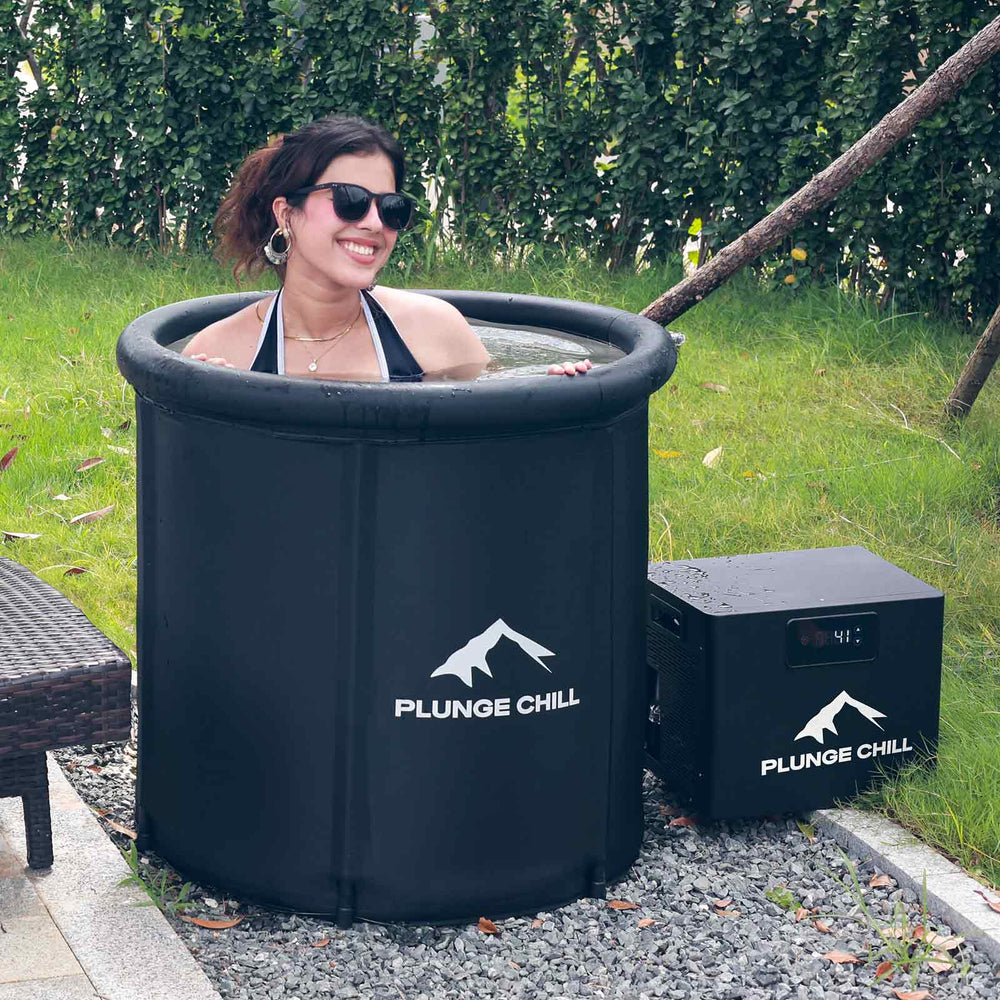
Cold plunges are no fad in fight sports. In my work as a sports rehabilitation specialist and strength coach supporting MMA, boxing, Muay Thai, judo, and jiu-jitsu athletes, I have used cold-water immersion to manage soreness and keep training quality high during congested weeks. The evidence is not one-note, and neither are fight camps. When cold therapy is applied with intention—by goal, timing, and athlete profile—it becomes a targeted tool rather than a ritual. This guide distills what the research actually supports, where it disagrees, and how to deploy ice baths so fighters recover without sacrificing hard-won adaptations.
Why Cold Plunges Matter in Combat Sports
Combat training layers high volumes of eccentric muscle work from pad work and drilling, collision and grappling forces that bruise and compress tissue, sprint-like metabolic efforts on the assault bike or track, and the cognitive load of tactics and timing. Delayed onset muscle soreness and local swelling can accumulate across a heavy week, making the next session sluggish. Cold-water immersion can narrow that gap by reducing perceived soreness and restoring next-day output when you have to turn around fast, which is common in pre-fight camps and tournament formats. Research summaries from Cleveland Clinic and the Mayo Clinic Health System describe reduced exercise-induced muscle damage, less soreness, and better next-day performance with appropriately dosed plunges. The mental reset many fighters report is not trivial either; brief cold exposure can heighten alertness and shift mood, as described by Stanford Lifestyle Medicine, which can help refocus a spar or technical session after a draining day.

What Counts as an Ice Bath: Definitions and Key Mechanisms
Cold-water immersion means submerging part or most of the body in cold water, typically between 50 and 59°F for recovery. Mechanistically, cold triggers vasoconstriction, which limits fluid movement into tissues and slows nerve conduction, producing analgesia. Upon exiting, rewarming increases circulation and can help move metabolites while restoring muscle temperature. Hydrostatic pressure from immersion also shifts fluid back toward the central circulation, which contributes to edema control without additional energy cost. These physiologic concepts appear across summaries from Cleveland Clinic, Mayo Clinic Press, and a peer‑reviewed overview hosted on PubMed Central. Cold showers can be a convenience option when a tub is unavailable; however, immersion provides a more uniform stimulus and deeper tissue temperature change than a shower, particularly at the same temperatures and durations, a point echoed by both OSU Wexner Medical Center and Science for Sport.

Evidence Snapshot for Fighters
Evidence quality is mixed if you ask one question—does it work for everything?—and consistent when you ask the right question. For soreness and next-day readiness during heavy training, multiple medical publishers report benefits, with Cleveland Clinic and Mayo Clinic Health System outlining practical ranges such as 50–59°F for up to about 10 minutes for most athletes. For strength and hypertrophy, both OSU Wexner Medical Center and Mayo Clinic Press caution that frequent post-lifting immersion can blunt the signaling that drives muscle growth; in other words, for a striker trying to move up a weight class, cold immediately after heavy resistance training is a poor trade. Fighter-specific summaries from Science for Sport highlight improved perceived recovery and reduced cortisol after simulated MMA bouts, while also noting that training frequency, session spacing, and body composition alter the dose-response. A 2025 meta-analysis indexed via Harvard ADS reported that pairing cold immersion with another modality (for example, compression or heat) reduced soreness more than cold alone, with limited influence on performance tests; this fits real-world practice in elite rooms where cold is one component of a blended recovery stack rather than the centerpiece.

Goal-Driven Prescriptions for Combat Athletes
The ice bath is a scalpel, not a sledgehammer. Match the water temperature and time to the outcome you want, and place the session on your calendar so it helps rather than harms. Start conservatively and progress exposure with coaching oversight and symptom tracking.
Goal |
Suggested temperature |
Time per session |
When to schedule |
Notes |
Turnaround between hard sessions within 24 hours |
50–55°F |
5–10 min |
Within 30–120 min post‑session |
Supports soreness control without heavy afterdrop; Cleveland Clinic and Mayo Clinic Health System describe similar ranges. |
50–55°F |
8–12 min |
After each bout when possible |
Keep doses steady rather than colder-and-shorter; combine with fueling, hydration, and sleep. |
|
60–65°F or skip |
2–3 min or none |
At least 24–48 h after lifting |
OSU Wexner Medical Center and Mayo Clinic Press note risk of blunting growth when plunging right after lifting. |
|
Acute contusion or flare of soreness |
50–59°F |
10–15 min |
Within the first day or two |
Pair with compression and elevation when appropriate; avoid open wounds. |
60–68°F |
3–5 min |
Mornings or pre‑skills |
Stanford Lifestyle Medicine highlights mood and stress effects with safe short exposures. |
|
Heat stress support in hot environments |
50–59°F |
2–5 min |
Pre‑ or mid‑session as pre‑cooling |
Useful for rate-of-perceived-exertion control in heat; confirm with your medical staff. Verify with a heat session using standardized RPE and time-to-task failure. |
A quick note on showers versus immersion. For comparable tissue temperature change, immersion outperforms showers. Science for Sport reports that cold showers of similar temperature did not reduce core temperature or cortisol to the same extent as a true plunge; showers still feel refreshing and can lower heart rate later, but the adaptation and recovery stimulus differs.
Timing Inside a Fight Camp
Cold exposure works best when periodized like training. In heavy volume blocks or during two‑a‑days, doses at 50–55°F for 5–10 minutes after the hardest sessions can protect next-day quality without lengthening exposures into risk territory. As you approach the taper, shift toward shorter and slightly warmer exposures to reduce residual fatigue while preserving neuromuscular sharpness. Science for Sport cautions that certain joint properties such as ankle stiffness can be reduced for up to 48 hours after immersion, which could slow reactive footwork and change lower‑leg loading; avoid cold plunges within the final 48 hours before competition if pop and reactivity are a priority. During pure hypertrophy blocks, avoid post‑lift plunges altogether or push them far enough from the session to protect remodeling.

Personalization: Body Size, Body Fat, and Cold Sensitivity
Body composition changes how fast an athlete cools. Leaner, smaller fighters cool more rapidly at a given temperature and may achieve the desired physiologic stimulus at milder settings or shorter durations. Heavier athletes and those with higher body fat are typically slower to cool and can tolerate either a slightly colder bath or a second short bout separated by a brief warm break; Science for Sport even describes intermittent immersions as sometimes more effective than a single continuous exposure for reducing muscle temperature. Practically, this means the same 52°F bath for 8 minutes is not the same dose for a featherweight and a heavyweight. Monitor shivering onset, extremity numbness, and perceived recovery across the next 24 hours; let those data shape the next dose.
Safety, Contraindications, and Rewarming
Cold shock, hypothermia, and cardiovascular strain are real. People with heart disease, uncontrolled hypertension, significant peripheral neuropathy, or a history of cold-triggered vascular issues should speak with a clinician before practicing immersion. Several medical sources including Cleveland Clinic and Mayo Clinic Health System emphasize short exposures, measured water temperatures, and supervised first sessions. Beginners should aim near 59°F and build tolerance rather than dropping straight into the 40s. Cap most sessions around 10 minutes; several brands and clinics recommend not exceeding about 15 minutes except under medical supervision.
Rewarming strategies vary. Some protocols include a sauna for 15–30 minutes to normalize temperature, as Cleveland Clinic notes, while others favor gradual natural rewarming first to limit afterdrop and minimize dizziness. These apparent conflicts often stem from different primary goals and settings. When safety and thermoregulation are the priority—such as outdoors in winter or after very cold immersions—use a staged, controlled rewarm with dry layers and warm drinks before adding heat. When athletes plunge in a controlled environment at moderate cold for brief exposures, sauna-based contrast can be acceptable with staff oversight.

Pros and Cons for Combat Athletes
Potential advantages |
Potential drawbacks |
Reduced soreness and inflammation to support session quality on back-to-back days; supported by Cleveland Clinic and Mayo Clinic Health System. |
Possible blunting of muscle-growth signaling if used immediately after heavy lifting; reported by OSU Wexner Medical Center and Mayo Clinic Press. |
Lower perceived fatigue, improved next-day performance in dense training periods. |
Cold shock, hyperventilation, hypothermia risk, skin injury, and adverse cardiovascular responses in susceptible athletes. |
Useful mental reset and alertness boost; Stanford Lifestyle Medicine describes mood and stress effects with brief exposures. |
Reduced ankle stiffness and potentially slower reactive movement for up to 48 hours; Science for Sport advises against use close to competition. |
Rapid cooling in hot conditions when pre‑cooling is planned with staff oversight. |
Hygiene requirements and setup burden; poor dosing or mis-timed plunges can undercut intended benefits. |
Care, Hygiene, and Water Management
Clean water is nonnegotiable in a combat gym. Between sweat, chalk, and occasional abrasions, your tub needs a schedule. If you run bagged ice in a stock tank, plan frequent drain-and-scrub cycles and keep the tub shaded to slow warming. When frequency rises, a chiller with filtration and UV or ozone greatly simplifies sanitation and reduces biofilm buildup. Keep the lid on between uses, rinse feet before entry, and avoid immersion with open wounds. After exiting, rewarm gradually; the afterdrop—a continued fall in core temperature after you get out—can be minimized by drying off thoroughly, adding layers, moving lightly, and delaying very hot showers until you feel steady. If you favor contrast therapy for mood or circulation, move into heat only once shivering subsides and you can control breathing.

Buying Guide: Tubs, Chillers, and Setups
A good setup balances temperature control, hygiene, and total cost of ownership. Bagged ice in a stock tank is the simplest entry point but quickly becomes labor- and cash-intensive in a busy gym. As use increases, a purpose-built tub with a chiller saves time and improves dosing precision.
Aspect |
Chiller system |
Bagged ice |
Temperature control |
Holds a precise setpoint, typically 39–60°F, with circulation for even cooling. |
Drifts as ice melts; frequent checks required; uneven temperature without stirring. |
Ongoing cost |
Electricity plus filter media; predictable and often lower than constant ice purchases in high-use settings. |
Recurring spend on ice; many athletes report needing about 40 lb or more per session depending on climate; Ice Barrel notes two large bags as a common starting point. |
Startup cost |
High upfront investment; durable components and filtration; several vendors include Wi‑Fi control and digital displays. |
Low initial cost; a feed trough or portable tub plus a thermometer gets you started. |
Setup time |
Ready daily; little to no ice runs; low day-to-day friction. |
Requires ice runs, hauling, and time to stabilize temperature. |
Maintenance |
Requires simple filter changes, periodic sanitization, and winterization if outdoors. |
Regular draining, scrubbing, and manual sanitation; harder to sustain water quality. |
Use case |
Teams, busy fight gyms, and athletes plunging several days per week. |
Homes or gyms with occasional use, travel setups, or budget constraints. |
Space, material, and power are part of the decision. Fiberglass and rigid polymer shells insulate better than thin inflatables and are less prone to heat gain. Full-body designs help larger athletes submerge to the chest comfortably. Systems designed for outdoor use should specify GFCI protection, weather resistance, and a cold‑weather operating range that matches your region. Some commercial tanks can cost up to $20,000 according to Mayo Clinic Health System; many fighters do well with mid-range options or a stock‑tank‑plus‑chiller build that prioritizes sanitation and reliability. Brands like Ice Barrel, Coldture, and Icetubs discuss insulation, temperature precision, and filtration as the levers that separate a quick dip from a repeatable recovery tool.

Common Debates and How to Reconcile Them
Duration disagreements reflect context more than contradiction. OSU Wexner Medical Center mentions 10–20 minutes at 50–59°F, whereas Cleveland Clinic often advises starting near 3 minutes and capping around 5 minutes for novices, and several product guides suggest 2–10 minutes. These gaps are largely about population and risk tolerance. Medical publishers write to broad audiences and emphasize safety and adherence; brand guides translate those principles for at‑home users; sport practitioners choose doses that fit session timing and athlete tolerance. For most fighters, 5–10 minutes between 50 and 55°F after the hardest sessions balances effect and safety.
The weekly “minimum effective dose” of around 11 minutes spread across sessions appears frequently in practice-oriented articles from training communities and brands. Verify by tracking a four-week block with consistent training while varying total cold exposure from 6 to 18 minutes per week; evaluate soreness ratings, session quality, and simple performance markers such as countermovement jump.
Rewarming is another point of divergence. Some sources encourage immediate sauna exposure while others prefer a gradual natural rewarm. The likely cause is setting and goal. In clinics and controlled spas, supervised contrast therapy manages risk; outdoors or after colder immersions, natural rewarming reduces afterdrop and orthostatic symptoms. Both can be valid when matched to context and athlete history.
A fighter-specific nuance is often overlooked: cold’s effect on stiffness and reactivity. Science for Sport notes reduced ankle stiffness up to 48 hours after immersion, which can impair reactive footwork and change how forces travel through the lower leg. If your next appearance requires quick cutting and explosive entries, keep the last cold session two or more days before stepping under the lights.

A Practical Session Walkthrough
Begin by setting your intent for the session. If your goal is to restore legs after hard pad rounds and cage grappling, plan a 5–10 minute immersion at 50–55°F. Confirm temperature with a waterproof thermometer and place the tub in shade to limit heat gain. Enter gradually, shoulders relaxed, and align your breath—slow nasal inhales and longer exhales soften the cold shock response. Submerge to chest depth to include hips and lumbar tissue; move minimally to avoid convective spikes if the water feels harsher than expected. If you begin to shiver hard or feel lightheaded, end the session; the objective is targeted dosing, not suffering.
On exit, dry thoroughly, add layers, and walk slowly for a few minutes to help return warm blood from the core. Sip a warm drink if needed and delay very hot showers until your breathing and temperature feel steady. In my fighters, this sequence consistently reduces post‑session heaviness without leaving them groggy or chilled for hours afterward. If you practice contrast therapy, add sauna exposure only when fully in control, and coordinate with your medical or performance team.
Short FAQ
How cold should the water be for combat sports recovery?
For most recovery goals, target 50–59°F. I use 50–55°F in fighters who need next‑day pop, which aligns with guidance from medical sources such as Cleveland Clinic and sport summaries. Experienced users sometimes dip into the 40s, but colder is not necessarily better and increases risk.
Will ice baths hurt my strength or muscle gains?
Frequent post‑lift plunges can blunt hypertrophy signaling. OSU Wexner Medical Center and Mayo Clinic Press both flag this risk. Plan cold away from lifting when mass gain is a priority, or use brief, warmer exposures for mental reset rather than recovery dosing.
Are ice baths or cold showers better?
Immersion produces a stronger physiologic stimulus than showers at the same nominal temperature, with better tissue cooling and edema control. Showers are convenient and can feel restorative; they simply are not equivalent to a plunge for muscle temperature or hydrostatic effects, as summarized by Science for Sport.
When should fighters avoid ice baths?
Avoid within 48 hours of competition when you need peak reactivity, and avoid immediately after hypertrophy-focused lifting. People with cardiac disease, uncontrolled high blood pressure, severe Raynaud’s, or peripheral neuropathy should consult a clinician before using cold immersion, consistent with Cleveland Clinic and Mayo Clinic Health System recommendations.
How many minutes per week do I need?
Practical guides often suggest around 11 minutes per week split across multiple dips. The exact dose likely varies with training load, body size, and temperature. Track your soreness and performance while adjusting one variable at a time to find your threshold.
Is contrast therapy with sauna helpful?
Alternating heat and cold can assist circulation and subjective recovery when supervised and matched to your goals. Cleveland Clinic mentions sauna rewarming as a practical method. In outdoor or very cold scenarios, gradual natural rewarming first is prudent to reduce afterdrop. Choose the path that fits your environment and safety plan.

Takeaway
Cold-water immersion is not a magic fix, and it does not replace the pillars of recovery—sleep, nutrition, and smart programming. It is a precise tool that can reduce soreness and restore next‑day performance in fighters when you match the dose to the goal and time it correctly inside the week and the camp. Keep most plunges in the 50–55°F range for 5–10 minutes after the sessions that make you slow and sore, avoid cold immediately after hypertrophy work, periodize away from the last 48 hours before a fight, and personalize the dose to body size and tolerance. Anchor the practice in hygiene and safety, whether you choose a bag‑of‑ice stock tank or a filtered chiller system. If you treat the ice bath like the garnish to a solid entrée, as Mayo Clinic Press puts it, you will keep the benefits crisp and the risks low while you sharpen the attributes that win fights.
References
- https://www.mcphs.edu/news/physical-therapist-explains-why-you-should-chill-out-on-ice-baths
- https://lifestylemedicine.stanford.edu/jumping-into-the-ice-bath-trend-mental-health-benefits-of-cold-water-immersion/
- https://ideaexchange.uakron.edu/cgi/viewcontent.cgi?article=3606&context=honors_research_projects
- https://ui.adsabs.harvard.edu/abs/2025Life...15.1205M/abstract
- https://sncs-prod-external.mayo.edu/hometown-health/speaking-of-health/cold-plunge-after-workouts
- https://pmc.ncbi.nlm.nih.gov/articles/PMC2938508/
- https://health.osu.edu/wellness/exercise-and-nutrition/do-ice-baths-help-workout-recovery
- https://health.clevelandclinic.org/what-to-know-about-cold-plunges
- https://mcpress.mayoclinic.org/healthy-aging/the-science-behind-ice-baths-for-recovery/
- https://www.mayoclinichealthsystem.org/hometown-health/speaking-of-health/cold-plunge-after-workouts