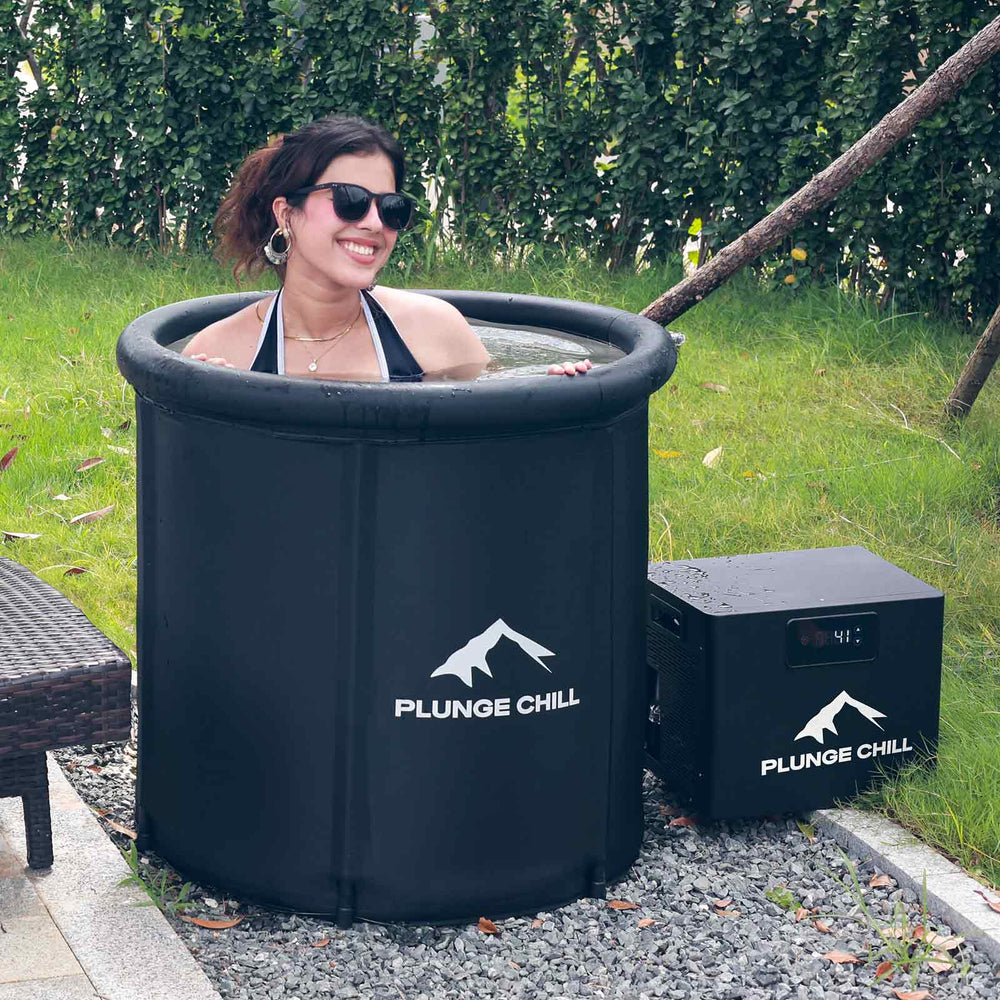
As a sports rehabilitation specialist and strength coach who also tests cold plunge products, I see the same question every training block: does taking an ice bath at night help or hurt sleep and next‑day recovery? The honest answer is nuanced. Nighttime cold water immersion can reduce perceived soreness and help athletes feel ready for a fast turnaround, yet the timing relative to bedtime and the type of training you did earlier in the day matter more than most guides admit. This article distills what quality evidence suggests, where experts disagree, and how I implement evening protocols in real programs.
What an Ice Bath Actually Does
An ice bath is a form of cold water immersion where you submerge most of the body in cold water, typically about 50–59°F, for a short period to change blood flow, temperature, and nervous system tone. The immediate cold shock response spikes breathing, heart rate, and blood pressure, then peripheral blood vessels constrict to protect core temperature; shivering ramps up heat production if you stay long enough. That cascade is standard physiology and has been described clearly by researchers and educators at Case Western Reserve University Newsroom and The Ohio State University Wexner Medical Center. When you exit, vessels re‑dilate and circulation rebounds, which is one reason people often report a “flush” and a lift in mood.
Across multiple clinical and sport sources, the most consistent short‑term effects are reduced perceived soreness after hard efforts, a sense of improved readiness, and relief when heat and humidity have elevated body temperature. The picture is mixed for objective muscle repair and long‑term performance adaptations after strength training, with Journal of Physiology work in 2015 and clinical summaries from Mayo Clinic Health System and OSU noting that routine post‑lift cold can blunt anabolic signaling over time. A recent meta‑analysis summarized on PubMed Central found that cold immersion reduces soreness immediately and by about 24 hours in many studies, but differences often disappear by 48 hours for commonly measured outcomes.

Why Night Timing Changes the Equation
Sleep and thermoregulation are linked. Healthy sleep onset tends to follow a natural drop in core temperature during the evening, aided by heat loss through hands and feet. Night plunges modify that rhythm in at least two plausible ways. First, the shock phase increases arousal and respiratory drive, which is not sleep‑friendly if you climb into bed immediately afterward. Second, the post‑immersion rewarming rebound can briefly raise subjective warmth as blood returns to the skin. A broad review on PubMed Central suggests cold water practices can promote sleep in some contexts, while physical therapy and sports medicine sources such as Ivy Rehab describe parasympathetic benefits and calmer perceived stress after short exposures. Those effects likely depend on timing, dose, and the person’s training state.
A practical way to reconcile arousal versus relaxation is to insert a buffer between the plunge and lights out. In athletes I coach, finishing the plunge well before bedtime allows the initial sympathetic spike to dissipate and the parasympathetic rebound to settle. This is not yet a definitive prescription; it is a pragmatic tactic grounded in the physiologic time course seen in cold shock literature and in real‑world coaching logs.
Recovery Benefits at Night: What Holds Up
If your evening training was hot, humid, or lengthy, cold immersion that night can quickly reduce heat load and perceived fatigue. That is one of the clearest use cases across clinical and sport guidance from Mayo Clinic Health System, Ohio State, and performance education outlets. When the priority is next‑day participation rather than maximum hypertrophy, cold immersion slots in as a tool that often makes you feel and perform fresher on short intervals between sessions. The Frontiers meta‑analysis summarized on PubMed Central reported lower delayed‑onset muscle soreness immediately and at about 24 hours after cold immersion compared with passive control, while markers such as creatine kinase were sometimes lower at 24 hours.
When evening training was heavy resistance work designed to build size and strength, routine immediate cold immersion is less attractive. Randomized work highlighted by The Ohio State University and Journal of Physiology indicates repeated post‑lift cooling can dampen muscle protein synthesis signaling and strength gains over time. Case Western Reserve University’s expert interview goes further, suggesting that for long‑term muscle health a polar‑style plunge offers no benefit and could be counterproductive. In practice, I still use evening cold immersion with strength athletes, but I shift it to rest days or at least 24–48 hours away from key hypertrophy sessions, especially early in a training block.
What About Sleep Quality After a Night Plunge?
Two pathways point in opposite directions. Acute catecholamine release and faster breathing can delay relaxation if you go straight from tub to pillow. Conversely, the sedation many users report thirty to sixty minutes after drying off aligns with a parasympathetic rebound described by physical therapists and exercise scientists at Ivy Rehab and Northeastern University. A broad cold‑exposure review on PubMed Central suggests potential sleep benefits, but specific trials on bedtime ice baths are sparse and methodologically heterogeneous. As a coach, I monitor sleep onset latency, wake time after sleep onset, and subjective sleep quality when introducing night plunges. My trend is that a buffer window helps, and that hotter training days benefit more than cooler ones.
Here is a concise comparison that captures how timing ties to goals and next‑day needs.
Goal/Context |
Night Plunge Timing |
Rationale |
Source signal |
Hard endurance or heat‑stress session with early next day effort |
Same evening, finish at least about one hour before bed |
Reduces heat load and soreness to feel ready sooner; allows arousal to settle before sleep |
Mayo Clinic Health System, OSU, PubMed Central meta‑analysis |
Heavy hypertrophy or maximal strength session |
Delay 24–48 hours or use on rest day |
Avoids blunting long‑term anabolic signaling |
Journal of Physiology 2015, The Ohio State University |
General wellness and stress relief on off‑days |
Same evening, brief exposure |
Mood and parasympathetic effects; avoids interfering with adaptation |
Ivy Rehab, Northeastern University |

Protocols That Work in the Evening
For most healthy adults, a practical evening protocol uses water between about 50 and 59°F for about five to ten minutes with the head out of water, completed well before getting into bed. Beginners can start shorter and warmer and build tolerance, a progression advocated in clinical and consumer education from Mayo Clinic Health System and Verywell Health. Cold tap water in many US homes sits around the mid‑50s, which Case Western Reserve University notes is adequate to trigger the key responses without requiring extreme ice loads.
A short buffer after the plunge supports sleep. I favor light movement, dry layers, and a warm non‑caffeinated drink rather than an abrupt hot shower immediately after, consistent with physical therapy guidance to rewarm gradually. If a competition is scheduled early the next morning, I use a standardized sequence: five to eight minutes at approximately 55°F, two to three minutes of easy movement while drying, a small recovery snack if training was within the past hour, and then usual bedtime hygiene.
This table summarizes reasonable starting points for evening use.
Athlete Type |
Water Temp |
Duration |
Finish Before Bed |
Notes |
Endurance athlete in heat |
About 50–55°F |
About 5–10 minutes |
About 60–120 minutes |
Prioritize heat removal and subjective recovery |
Team sport in congested schedule |
About 50–59°F |
About 5–8 minutes |
About 60–90 minutes |
Keep doses modest to protect sleep |
Strength/hypertrophy focus |
About 50–59°F |
About 3–6 minutes |
About 90–120 minutes when used, or shift to rest days |
Avoid immediately after key lifts most days |
General wellness user |
About 55–59°F |
About 2–5 minutes |
About 60–90 minutes |
Progress gradually; monitor sleep response |

Safety First, Especially at Night
Cold shock is a real physiologic stressor. Case Western Reserve University’s interview emphasizes higher risk among people with heart disease, prior stroke, hypertension, and those on medications such as beta blockers that blunt heart rate responses. Verywell Health cites American Heart Association warnings about the first seconds after sudden immersion in water below about 60°F. Peripheral artery disease, Raynaud’s phenomenon, and diabetic neuropathies warrant extra caution, as do open wounds and certain skin conditions. Practical precautions are straightforward: keep the head out of water, do not plunge alone when you are new to the practice, measure water temperature rather than guessing, have warm clothing and a towel within arm’s reach, and rewarm gradually.
If you feel lightheaded, numb, or cannot control shivering after drying, the dose was too cold, too long, or both. That is particularly important at night, when moving to bed in an under‑rewarmed state can spiral into disrupted sleep.
Pros and Cons of Night Ice Baths
The biggest advantages of a night plunge are reduced perceived soreness after demanding days and a feeling of readiness when you must perform again soon. Athletes often report cleaner movement the next morning in warm‑ups. Mood benefits, including alertness and calm, are common anecdotally and supported by exercise science features from Northeastern University and health reporting that summarises human studies showing immediate mood elevation after cold immersion.
The downsides concentrate in two areas. First, cold immersion applied routinely right after strength work can attenuate the very signals you need for muscle growth and long‑term strength, as indicated by Journal of Physiology findings and institutional guidance from The Ohio State University and Mayo Clinic Health System. Second, the cold shock response itself is incompatible with immediate sleep. If you finish the tub and go straight to bed, expect longer sleep onset in many cases. The balance shifts in your favor if you put a buffer between the plunge and lights out and if you reserve immediate post‑lift plunges for competition turnarounds.
Overlooked but Practical Details
Body size and composition change cooling dose. Coaches in combat sports education note that smaller or leaner athletes cool faster than larger or higher‑fat athletes, and that intermittent bouts can cool muscle tissue more effectively than one continuous soak. That means a heavyweight lineman may need slightly longer or slightly colder water to achieve the same tissue effect as a lighter guard, while a marathoner the night before a second hot stage may need less time to reach the target sensation. Science for Sport has highlighted these differences; in my experience, they matter when standard protocols feel too easy or too harsh across a roster.
The timing of the “warm rebound” may matter for sleep onset. Some athletes describe feeling unusually warm about thirty to ninety minutes after toweling off, likely from reactive vasodilation that follows prolonged vasoconstriction. Done too close to bedtime, that warm phase could delay sleep onset in sensitive individuals. Suggested verification is to track finger or wrist skin temperature and sleep onset latency for one week with the plunge ending at different evening times.
Afterdrop can show up in bed rather than by the tub. If you end the plunge and sit still, core temperature can continue to drift lower for a short period as cold blood from skin and limbs mixes centrally, a known phenomenon in cold exposure. When this manifests as shivering under the covers, sleep quality suffers. Suggested verification is to measure ear canal temperature at exit and fifteen minutes later while testing different rewarming routines, and to pair that with a short movement rewarm before you lie down.
Depth of immersion may not change soreness outcomes at twenty‑four to forty‑eight hours. A meta‑analytic summary on PubMed Central suggests no consistent advantage for shoulder‑level versus umbilicus‑level immersion at those time points. In an evening context, that may justify chest‑deep or waist‑to‑chest immersions that are easier to tolerate before bed. Suggested verification is to alternate depth within the same week and track validated soreness ratings.

Reconciling Conflicting Advice
There are genuine disagreements in the literature and in expert commentary. Case Western Reserve University’s muscle physiologist argues that cold plunges likely do not confer long‑term muscle health benefits and may even slow recovery signaling processes, while clinical and coaching summaries from Mayo Clinic Health System and Ohio State emphasize that cold can reduce post‑exercise inflammation and soreness and help restore next‑day performance. A Frontiers meta‑analysis summarized on PubMed Central shows immediate and sometimes twenty‑four‑hour benefits on soreness and markers such as creatine kinase but little sustained difference at forty‑eight hours. The likely causes include different populations and outcomes. Elite or well‑trained groups respond differently than general wellness users. Protocols vary in temperature, duration, and immersion depth. The main endpoint differs by study, from subjective soreness to jump performance to molecular signaling. Put simply, the better cold plunges make you feel tonight, the more you should consider whether that immediate relief conflicts with tomorrow’s adaptation goal after lifting.
Product Choices for Night Use
From a product testing standpoint, the right tool depends on your budget, space, and consistency requirements. Households with a bathtub and a few ice bags can reach the mid‑50s quickly in many US cities, which is sufficient for a short evening plunge. A dedicated cold plunge system with an integrated chiller gives you precise control and reduces setup friction, which matters if you plan to use cold immersion several nights per week. Systems range widely in price, and fully featured tanks can cost up to about $20,000 according to Mayo Clinic Health System.
Here is a straightforward comparison for evening users.
Option |
Upfront Cost |
Temperature Control |
Setup and Noise |
Sanitation and Care |
Best Fit |
Bathtub with ice |
Low |
Moderate; depends on ice |
Minimal setup; quiet |
Manual drain and refill; simple wipe‑down |
Occasional night plunges, budget‑conscious users |
High; up to about $20,000 |
High; set‑and‑hold |
Dedicated footprint; chiller noise varies by brand |
Filtration and chemicals as directed by manufacturer |
Frequent night users, teams, shared households |
When evaluating tubs, my checklist is simple. I look for reliable temperature control in the 50–59°F band and below for flexibility, robust filtration, insulation that limits overnight heat gain if the tub lives in a garage, straightforward drain and fill, and a warranty that covers the chiller. In apartments and townhomes, noise from the chiller and the need for a dedicated circuit can matter more than in a detached home. For most people testing evening use, a well‑prepared bathtub is the right starting point.
Care and Hygiene Basics
Clean water and sensible rewarming matter at night. Use a thermometer rather than guessing. Keep towels and warm, dry layers within reach, especially in winter. When you exit, rewarm gradually with light movement, gentle clothing layers, and a warm drink rather than an immediate very hot shower that can cause abrupt vasodilation and lightheadedness. If you use a dedicated system, maintain filtration, sanitizer, and periodic water changes per the manufacturer’s instructions. These steps are simple, and they keep the plunge a restorative practice rather than a stressor.
Cold Showers, Cryotherapy, and How They Compare at Night
Cold showers are accessible and sit around 50–60°F in many homes, but they cool the periphery more than the core, a difference highlighted by Case Western Reserve University’s overview. For evening use, showers can deliver a gentler stimulus with less afterdrop risk and less impact on core temperature. Whole‑body cryotherapy can reach extremely low air temperatures for very short exposures; despite the drama, it still produces a comparatively brief total dose and is not necessary for most evening goals. If you are mainly testing whether cold helps or hurts your sleep, start with showers and track your response.
A Coach’s Short Plan for Night Plunges
I start with a clear objective, then match the timing. If the objective is to feel better before an early session after a hot training night, I run a short tub bout about one to two hours before bed and rewarm with movement, a warm drink, and a consistent wind‑down routine. If the objective is to grow muscle and strength after a new or heavy lifting block, I delay cold immersion to rest days and rely on nutrition, sleep, and light active recovery that evening. This is consistent with the broad recommendations in academic work on cold water immersion timing and the clinical cautions from OSU and Mayo that emphasize trade‑offs.
FAQ
How long before bed should I finish an evening ice bath?
A practical buffer is about one to two hours. That allows the initial arousal to settle and the warm rebound to pass before you try to sleep. This is an inference grounded in thermoregulation and coaching experience rather than a rigid rule. A useful test is to track sleep onset latency in your training log as you adjust the buffer window.
Will a night plunge hurt my strength and hypertrophy gains?
Occasional use is unlikely to erase gains. As a habit immediately after most strength sessions, cold immersion can blunt the signaling that drives muscle growth and long‑term strength, as summarized by The Ohio State University and Journal of Physiology research. If hypertrophy is a primary goal, use cold after strength sessions sparingly and shift most plunges to rest days.
What temperature and duration are reasonable at night?
Most clinical and sport sources converge on about 50–59°F for approximately five to ten minutes for recovery use. Beginners can start with shorter exposures and warmer water, then progress as tolerated. Keep the head out of the water and have warm layers ready when you exit.
Can a night ice bath help insomnia?
Evidence is mixed and not specific to baths at bedtime. Some users report calmer mood and better sleep when the plunge ends well before lights out, which aligns with parasympathetic effects reported by physical therapists and exercise scientists. Others find the cold shock too alerting if taken too close to bed. Trial a buffer window and track outcomes. Verification is to record sleep metrics for two weeks with and without a night plunge.
Is it safe to take an ice bath every night?
Safety depends on health status, water temperature, and exposure duration. People with cardiovascular disease, prior stroke, uncontrolled hypertension, severe peripheral vascular disease, Raynaud’s phenomenon, or diabetic neuropathies should talk with a clinician first. Even for healthy users, daily post‑lift plunges are not ideal if the goal is maximal strength or muscle growth. Keep the practice intentional and periodized to your training block.
Takeaway
At night, an ice bath is a tool, not a cure‑all. It reliably reduces perceived soreness and heat load and helps many athletes feel better for early turnarounds, but it can also conflict with long‑term strength adaptations when used indiscriminately after lifting. For sleep, the cold shock phase argues for a buffer before bedtime; the parasympathetic rebound argues for modest doses rather than extremes. If you want the benefits without the downsides, set a clear goal for each training day, keep the water in the 50–59°F range for five to ten minutes, finish at least an hour before bed, rewarm gradually, and periodize when you use cold relative to strength work. That combination respects the physiology, mirrors what the most balanced academic and clinical sources say, and fits how the best athletes I coach make decisions in the real world.
References
- https://case.edu/news/science-behind-ice-baths-and-polar-plunges-are-they-truly-beneficial
- https://www.mcphs.edu/news/physical-therapist-explains-why-you-should-chill-out-on-ice-baths
- https://www.marquette.edu/innovation/documents/arora_ice_bath_recovery.pdf
- https://sncs-prod-external.mayo.edu/hometown-health/speaking-of-health/cold-plunge-after-workouts
- https://pmc.ncbi.nlm.nih.gov/articles/PMC11872954/
- https://health.osu.edu/wellness/exercise-and-nutrition/do-ice-baths-help-workout-recovery
- https://news.northeastern.edu/2024/01/02/health-benefits-of-ice-baths/
- https://etd.ohiolink.edu/acprod/odb_etd/r/etd/search/10?p10_accession_num=kent1752255518243953&clear=10&session=12287964751819
- https://today.wayne.edu/news/2021/03/22/is-cold-water-swimming-good-for-you-41963
- https://health.clevelandclinic.org/what-to-know-about-cold-plunges