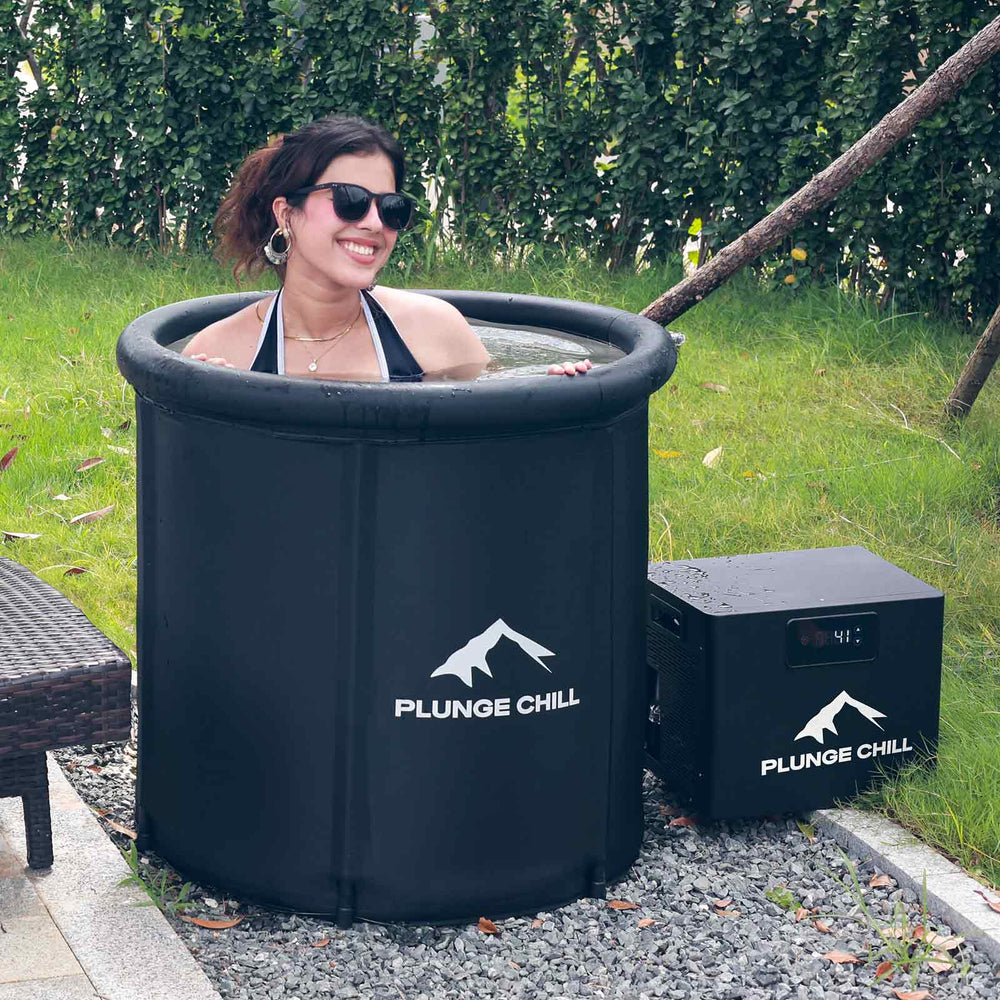
Evening workouts are often a necessity for athletes and busy professionals. As a sports rehabilitation specialist, strength coach, and cold plunge product reviewer, I’m frequently asked how to use cold-water immersion after night training without sacrificing sleep or long-term gains. The short answer is that cold plunges can help with immediate soreness and thermoregulation, but timing and dosing matter—especially at night. This article distills current evidence and practical protocols so you can recover smarter after evening sessions while protecting adaptations and sleep.
What Cold Plunges Actually Do After a Night Session
Cold-water immersion, often shortened to CWI, exposes the body to water typically between 50–59°F for a few minutes to induce vasoconstriction, cool tissues, and modulate the nervous system. Cooling narrows blood vessels and slows nerve conduction, which can reduce the perception of pain and help tamp down exercise-induced inflammation. Cleveland Clinic and Mayo Clinic describe this as part vascular, part neurological, and part endocrine, with cold acting as a stressor that initially elevates breathing, heart rate, and blood pressure, followed by a settling response as the body recalibrates.
Two features are especially relevant at night. First, a plunge can lower core and skin temperature, making it easier to shed heat after a late session so you don’t climb into bed overheated. Second, after an initial jolt of alertness, many athletes experience a parasympathetic rebound—the “rest-and-digest” side of the nervous system—characterized by calmer breathing and a lower heart rate. Utah Health and clinical guides note that this rebound can support the transition toward relaxation when the timing is right.
A recurring question is whether cold boosts melatonin outright. Brand content aimed at consumers sometimes claims cold stress triggers norepinephrine that ultimately increases melatonin. This is physiologically plausible, but direct evidence tying brief evening cold plunges to measurable melatonin rises is limited, and effects likely vary by timing, dose, and individual.

Sleep, Muscle, and Recovery: What the Research Actually Shows
Cold plunges are not a cure-all, and the evidence base is nuanced. A large systematic review and meta-analysis of post-exercise recovery techniques synthesized 99 studies and found that several methods—including water immersion and cryotherapy—reliably reduced delayed-onset muscle soreness (DOMS), with massage being the most effective overall for both soreness and perceived fatigue. Markers like creatine kinase and certain inflammatory cytokines showed small to moderate reductions with cooling exposure. This suggests cold can be a useful tool for symptom relief after strenuous work.
More recent meta-analytic work focusing on cold-water immersion indicates that soreness and perceived exertion typically improve immediately after a plunge, with small or inconsistent benefits at 24–48 hours for objective performance measures such as jump height. Interleukin-6 and C-reactive protein changes are often modest or non-significant, and creatine kinase decreases at 24 hours appear in some analyses but not all. Ohio State and other clinical sources also highlight that while athletes frequently report feeling better, objective performance and biological signals aren’t uniformly improved.
Evidence becomes clearest around strength and hypertrophy. Studies in trained lifters and related reviews show that routinely plunging immediately after resistance training can blunt long-term strength and muscle size gains. Mechanisms likely involve signaling downstream of protein synthesis rather than gross changes in gene expression measured in short time windows. In other words, the long-term adaptive cost seems real enough to be cautious, especially if muscle growth is a primary goal.
For sleep, observational and small experimental literature is mixed. Harvard Health summarized a recent analysis reporting better sleep in men after ice baths, with no clear benefits in women in that dataset. Protocols varied widely: water temperatures ranged from roughly 45–59°F, exposure durations spanned from seconds to minutes, and frequencies differed, making pooled conclusions challenging.
When comparing sources that disagree, the differences often trace to what’s being measured and when. Studies finding strong benefits typically emphasize immediate soreness or perceived recovery, while studies showing neutral or negative effects focus on long-term strength adaptations or next-day performance tests. Populations also differ: many trials enroll young trained men, leaving questions open for women, older athletes, and clinical groups. The water temperature, immersion depth, total exposure time, and how quickly athletes rewarm all vary across studies, contributing to heterogeneity.

Should You Cold Plunge After Evening Training?
The answer depends on your primary goal on a given night. If your priority is better sleep and you tend to overheat after late sessions, a brief plunge can help you shed heat and relax—as long as you don’t do it immediately before bed. If you need to show up early the next morning for a match or long run, a short and moderate plunge can reduce soreness and perceived fatigue. If you are in a hypertrophy block and lifting at night, frequent immediate plunges after resistance training are risky for long-term gains; in that case, delay cold until the next morning or reserve cold for non-lifting days.
The timing relative to bedtime is critical. Many athletes feel too wired if they plunge and then climb into bed immediately. A practical window is about 1–2 hours before lights out, allowing the initial adrenaline spike to subside while retaining the thermoregulatory and calming benefits as you approach sleep. The Chill Tubs guidance aligns with what many sports clinicians observe: the right timing window improves the chance of deeper sleep while avoiding alertness that undermines bedtime.
A largely overlooked but actionable detail is bedroom temperature. An evening plunge followed by a warm bedroom can erase gains. Aim for a sleep environment around 59–68°F, which supports the natural drop in core temperature needed for sleep. Pairing moderate cold exposure earlier in the evening with a cool bedroom is often more effective than an aggressive plunge right before bed.
Another under-discussed nuance is immersion depth. Meta-analytic subgroup data suggest that shoulder-deep versus umbilicus-depth immersion often shows similar outcomes for specific next-day measures like jump performance and soreness, at least in the limited studies available. For evening use, partial immersion may provide sufficient cooling with less total stress and shivering.
Practical Night Protocols That Respect Sleep and Adaptation
Set the water temperature to a range you can tolerate that still confers benefits. For most healthy adults, 50–59°F is an effective sweet spot. Beginners can start on the warmer end and with shorter exposures, then progress gradually. Advanced users sometimes go cooler, but going below about 40°F adds discomfort and risk without clear added benefit for the typical evening goals of sleep and light soreness relief.
Keep duration conservative at night. Two to five minutes is often enough for thermal and perceptual benefits. Cap sessions near ten minutes if you already have experience and tolerate cold well, understanding that longer and colder is not better for sleep. After the plunge, rewarm calmly and gradually. Skip a hot shower right away if your priority is overnight thermoregulation; instead, towel off, put on dry, warm layers, sip a warm non-caffeinated beverage, and let your body stabilize without overshooting into heat. If your goal is metabolic stimulus or mood, allowing a period of natural rewarming rather than aggressive heat can augment thermogenesis; however, for sleep, keep the rewarming soothing, not stimulating.
Pacing the evening matters. Finish your workout, cool down, and eat a balanced meal that won’t sit heavy. If your usual bedtime is 10:30 PM, consider plunging around 8:45–9:00 PM, then dim lights, limit screens, and keep the bedroom cool. This sequence supports the parasympathetic rebound you want for quality sleep.

Night Training Recovery Protocols at a Glance
Goal |
Best Timing vs Workout |
Water Temp (°F) |
Duration (min) |
Immersion Depth |
Key Note |
Improve sleep onset |
About 60–120 minutes before bedtime |
50–59 |
2–5 |
Lower body to chest |
Keep bedroom 59–68°F; avoid plunging right before bed |
Reduce soreness for early next-day session |
Within 30–120 minutes post-workout |
50–59 |
3–8 |
Chest or lower body |
Expect immediate relief; performance benefits at 24–48 hours are modest |
Preserve hypertrophy |
Delay 12–48 hours after lifting |
50–59 |
3–5 |
Lower body or local |
Immediate post-lift plunges can blunt growth signaling |
Endurance performance in heat next day |
Same evening or next morning |
50–59 |
3–8 |
Lower body to chest |
Pre-cooling strategies may help in hot conditions |
Stress downregulation |
Early evening, not right before bed |
50–59 |
2–5 |
Lower body |
Emphasize breath control and calm rewarming |
These ranges synthesize clinical advice from major health systems and sports medicine reviews. Individual responses vary; personalize based on tolerance, goals, and how your sleep and training adapt over time.
Pros and Cons of Evening Ice Baths
The strongest evening upside is the consistent reduction in soreness and perceived exertion immediately after immersion. Cooling also helps bring down core temperature after late sessions, a common barrier to falling asleep. Many athletes report that a correctly timed plunge reduces restlessness and nighttime overheating, setting the stage for deeper early-night sleep.
The trade-offs revolve around adaptation and timing risks. If you plunge right after a heavy strength session, especially night after night, you can dampen the inflammatory signaling and protein synthesis needed for hypertrophy. That does not mean you can never plunge during a lifting cycle; it means you should time it away from the immediate post-lift window or use shorter, warmer exposures. Another practical risk is sleep disruption if the plunge is too intense or too close to lights out, as the initial cold shock raises alertness and catecholamines. Finally, cold can mask pain without resolving the underlying issue. If something feels off, don’t rely on numbness to justify training through pain; get assessed.
People with cardiovascular disease, high blood pressure, poor circulation, diabetes, peripheral neuropathy, or cold agglutinin disorders should consult a clinician before starting cold plunges. Cold exposure acutely raises blood pressure and heart workload, and even healthy athletes can experience hyperventilation and lightheadedness during the first minute of immersion. Keep sessions brief, exit if you feel dizzy or overly numb, and have warm clothes ready.
Building a Nighttime Routine That Works
After an evening workout, start by cooling down with gentle movement and breathing. Eat a balanced meal early enough to avoid indigestion at bedtime. If you plan to plunge, set a clear window an hour or two before lights out and prepare the tub, thermometer, warming layers, and a timer. During the plunge, maintain controlled nasal or paced breathing to ride out the initial 20–30 seconds of cold shock. Afterward, dry off and slip into comfortable layers. Keep lights dim, screens minimal, and the bedroom cool. If you want to add hot–cold contrast, save it for earlier in the evening or use it on lighter training days; the data on contrast for performance is limited, and too much heat close to bedtime can elevate core temperature.
Definitions That Matter for Night Athletes
Cold-water immersion is a brief, deliberate exposure to cold water, typically 50–59°F, aimed at modulating recovery. Delayed-onset muscle soreness is the typical 12–72-hour soreness after unaccustomed or high-load exercise due to microdamage and inflammation. The parasympathetic nervous system is the autonomic branch that supports rest, digestion, and recovery, and is often tracked by metrics like heart rate variability. Brown fat, or brown adipose tissue, is metabolically active fat that burns calories to produce heat; it becomes more active in the cold, which contributes to thermogenesis during rewarming and may slightly increase energy expenditure.

Product Buyer’s Guide: Choosing and Caring for a Nighttime Plunge
As a reviewer, I evaluate plunges by how reliably and quietly they hold temperature, how clean the water stays, and how well they fit real homes and routines. You can certainly start with a bathtub and a bag or two of ice, using a thermometer to hit 50–59°F and staying in for a few minutes. Dedicated plunge units range from compact insulated tubs with drop-in chillers to premium, furniture-grade systems with powerful chillers, robust filtration, and sanitation systems. Fully featured units can cost up to $20,000 according to Mayo Clinic’s consumer guidance, while DIY or collapsible options are far less expensive.
Filtration and sanitation often decide whether a plunge remains pleasant to use. Look for multi-stage filtration with an easily accessible filter, plus sanitation via ozone, UV, or a chemical regimen compatible with your skin and home ventilation. Insulation, lid quality, and chiller efficiency determine how often the compressor runs and how stable the temperature stays. For apartments, pay attention to noise ratings and footprint. Drainage should be straightforward, and hoses or floor drains make maintenance easier. Power requirements matter; verify your outlet can handle the chiller and that cord length and routing are safe.
Water care is weekly work, not a once-a-season task. Keep a simple schedule for filter checks, surface skimming, and periodic water replacement. Rinse off sweat and skincare products before plunging to extend water life. For outdoor setups, consider covers, debris protection, and winterization protocols appropriate for your climate to prevent freeze damage. Chest-freezer conversions are popular online but pose electrical and moisture risks if not done to code; if you go this route, consult a qualified professional and use appropriate safety devices.
A short maintenance routine before bed—the equivalent of setting a coffee maker—pays off for consistency. Top off the water, confirm the temperature, and keep towels and warm layers within reach so your rewarming is smooth and calm, not frantic.
A Few Disagreements, Explained Simply
Why do some sources champion cold plunges and others caution against them? In clinical practice and reviews, immediate pain relief and the feeling of being less sore are consistently improved by cold. This matters for athletes who must perform again soon. But long-term strength and size gains rely on inflammatory signaling that cold can dampen if applied at the wrong time. Athletic goals diverge, so recommendations diverge too. Another fault line is the outcome measured: soreness and perception are different from objective power, jump height, or fiber hypertrophy. Finally, many studies enroll trained young men and use short observation windows; results may not generalize to women, older athletes, or different sports, and may miss outcomes that unfold over weeks to months.
Takeaway
A well-timed evening ice bath is a useful tool for athletes who train at night. If your aim is to fall asleep easier and feel less sore for an early session, a moderate plunge of a few minutes around 50–59°F about one to two hours before bedtime is a practical starting point. Keep your bedroom cool to magnify the benefit. If you are chasing muscle size or maximal strength, avoid routine immediate post-lift plunges; delay them to the next morning or use them sparingly on non-lifting days. Equip your setup for quiet, clean, reliable use, and keep safety front and center if you have cardiovascular or metabolic concerns. Cold plunges complement, but never replace, the pillars of recovery: structured training, nutrition, and quality sleep.
FAQ
Is an evening ice bath good or bad for sleep?
It can be good when timed correctly. A short plunge about one to two hours before bed can help you cool down and settle into sleep. If you plunge and then try to sleep immediately, the initial alertness from cold shock may keep you up. Keeping your bedroom around 59–68°F improves the odds that the plunge helps rather than hurts.
Will plunging at night ruin my strength gains?
It can if you do it immediately after lifting on a regular basis. Evidence in trained lifters shows that immediate post-resistance cold can blunt long-term hypertrophy and strength adaptations. If size and strength are your priorities, delay cold exposure 12–48 hours after lifting or reserve it for non-lifting days.
How cold and how long should I go at night?
Most healthy adults do well between 50–59°F for two to five minutes. Advanced users sometimes go longer, but more is not necessarily better for sleep. Start warmer and shorter, and progress gradually as tolerated while tracking how you sleep and perform.
Do I need full-body immersion after an evening workout?
Not necessarily. For many goals relevant to night training, lower-body or chest-deep immersion appears sufficient, and it may be gentler on arousal. Evidence comparing immersion depths is limited, but current analyses do not show a strong advantage of shoulder-deep immersion for common next-day outcomes.
Who should be cautious or avoid cold plunges?
Anyone with cardiovascular disease, uncontrolled high blood pressure, poor circulation, diabetes, peripheral neuropathy, or cold agglutinin disease should consult a clinician before starting. Cold exposure acutely raises blood pressure and can stress the heart. Stop a session immediately if you feel dizzy, experience chest discomfort, or have uncontrolled shivering that does not settle.
What features matter most when buying a home cold plunge?
Prioritize stable temperature control, effective filtration and sanitation, a well-insulated tub and lid, manageable noise for your space, straightforward drainage, and safe power requirements. Even for premium systems, the experience depends on clean, well-maintained water and a temperature you can reliably hold without fuss.
References
Cleveland Clinic; Ohio State Wexner Medical Center; Utah Health; PubMed Central; Journal of Physiology; Sports Medicine; PLOS One; Harvard Health; Mayo Clinic; Parker University Journal; GoodRx Health; Pliability; Nike Training Resources; Rutgers University.
- https://www.health.harvard.edu/staying-healthy/research-highlights-health-benefits-from-cold-water-immersions
- https://digitalcommons.liberty.edu/cgi/viewcontent.cgi?article=8439&context=doctoral
- https://www.mcphs.edu/news/physical-therapist-explains-why-you-should-chill-out-on-ice-baths
- https://journal.parker.edu/article/120141-the-efficacy-of-icing-for-injuries-and-recovery-a-clinical-commentary
- https://www.rutgers.edu/news/what-are-benefits-cold-plunge-trend
- https://ideaexchange.uakron.edu/cgi/viewcontent.cgi?article=3606&context=honors_research_projects
- https://commons.und.edu/cgi/viewcontent.cgi?article=1076&context=pas-grad-posters
- https://sncs-prod-external.mayo.edu/hometown-health/speaking-of-health/cold-plunge-after-workouts
- https://pmc.ncbi.nlm.nih.gov/articles/PMC2938508/
- https://health.osu.edu/wellness/exercise-and-nutrition/do-ice-baths-help-workout-recovery