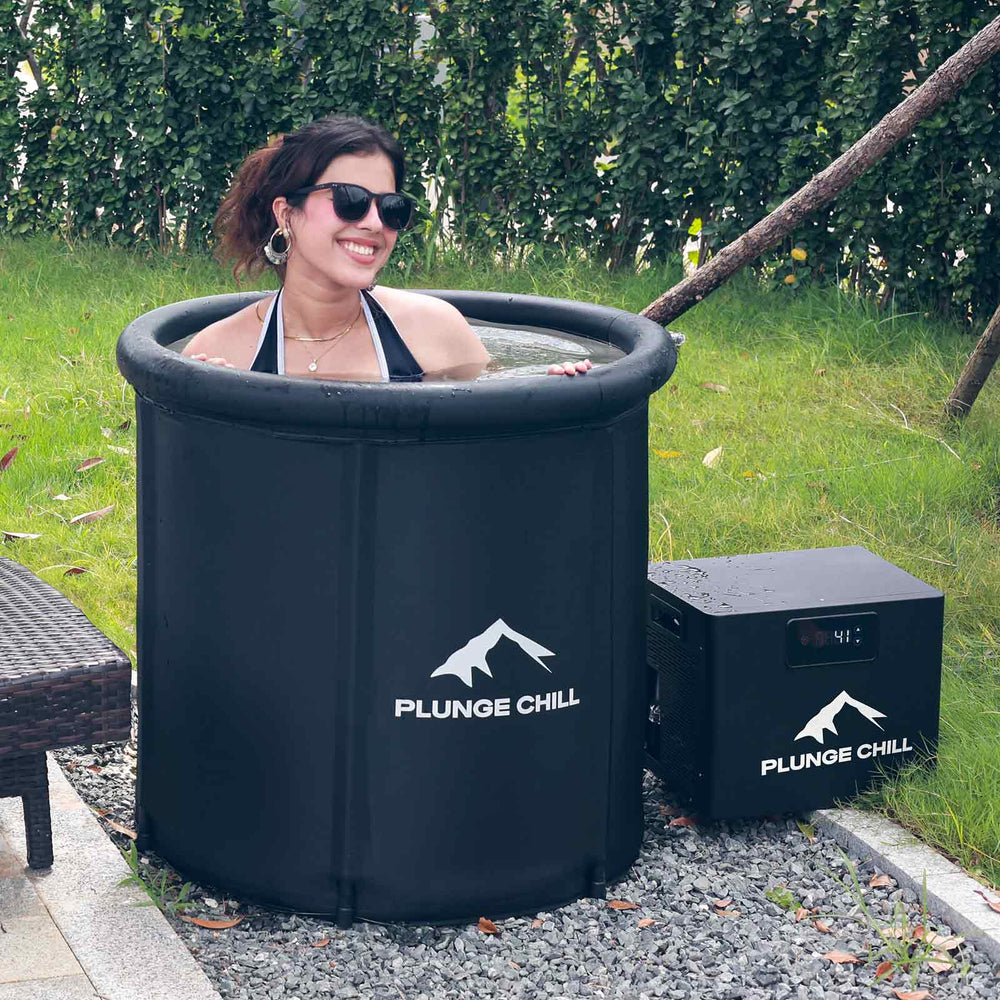
Stepping into a tub of cold water can be a powerful tool when used for the right goal, at the right temperature, for the right amount of time. As a sports rehabilitation specialist, strength coach, and cold plunge product reviewer, I have helped athletes from endurance to power sports use ice baths to reduce perceived soreness between hard efforts without compromising long‑term training adaptations. This guide distills what the research actually supports, how to structure your first sessions safely, and how to choose and care for the right setup.
What an Ice Bath Actually Does
An ice bath is a short bout of cold‑water immersion designed to influence recovery and arousal. Most consumer and clinical summaries describe working ranges around 50–59°F for recovery, with brief exposures at colder temperatures possible for mental training if safety is managed. Contrast hydrotherapy alternates cold and warm phases—commonly cold in the 50s°F and warm near 99–109°F—over repeated cycles.
The main physiological levers are temperature and hydrostatic pressure. Cold induces vasoconstriction, lowers tissue metabolism, and may limit edema after strenuous work. Immersion itself, even without extreme cold, shifts fluid centrally due to hydrostatic pressure, which increases cardiac preload, stroke volume, and cardiac output; head‑out immersion has been observed to raise cardiac output substantially in laboratory settings without added energy cost, a mechanism described in a Sports Medicine review summarized by PubMed Central. For many athletes, that pressure‑mediated fluid shift is a plausible reason they feel “flushed out” after a soak.
Delayed onset muscle soreness (DOMS), which peaks roughly one to three days after unaccustomed loading, is multifactorial. Microtrauma, inflammation, connective tissue strain, and prolonged muscle spasm all contribute, according to research collated by PubMed Central. Because cold can dampen some inflammatory cascades, it is reasonable that short immersions reduce soreness ratings for some individuals—although numerous controlled studies show mixed results when outcomes include performance and strength.
An important nuance for strength athletes is timing. Cooling immediately after lifting can blunt temperature‑dependent signaling that supports hypertrophy in the hours after training. A case report review on PubMed Central highlighted research indicating that repetitive post‑exercise cooling dampened vascular and muscle fiber adaptations. Practitioner buyer guides draw the same caution: if muscle gain is your top priority, use cold strategically on non‑lifting days or several hours removed from training.

The Starting Protocols That Work
The best way to start an ice bath session is to anchor temperature and time to your primary goal, screen for health risks, and progress conservatively. For most beginners, a first exposure in the high 50s°F for about five minutes is sufficient to learn breathing control, confirm tolerance, and gain some pressure‑driven benefits without undue risk. From there, you can adjust down by a few degrees or up by a minute based on how you responded over the next day.
Goal |
Starting Water Temp (°F) |
Time in Water |
When to Use Relative to Training |
Key Notes and Sources |
General recovery after endurance or high‑volume training |
50–59 |
5–10 minutes |
Within 0–2 hours post‑session when soreness is the priority |
Common consumer guidance summarized by Scripps Health and Net World Sports; aligns with ranges discussed in PubMed Central’s review context. |
Hypertrophy or maximal strength focus |
50–59 or skip |
3–5 minutes, or avoid on lifting days |
Delay by at least several hours or use on rest days |
Cooling may blunt anabolic signaling; see research cited in PubMed Central and practical cautions in Net World Sports. |
Between‑event recovery in congested competition |
50–57 |
5–10 minutes |
Between rounds or day‑to‑day in tournaments |
Hydrostatic pressure aids fluid shifts without added energy cost; summarized in Sports Medicine via PubMed Central. |
Mental resilience and arousal training |
38–42 |
1–4 minutes |
Stand‑alone sessions, not necessarily tied to training |
Protocol popularized by XPT Life; prioritize breathing control, exit if numbness develops. |
A brief comparison of conflicting advice helps here. Consumer medical guidance from Scripps Health tends to recommend moderate cold in the 50s°F for safety, while high‑arousal protocols from XPT Life target 38–42°F for short intervals. The discrepancy is expected because the audiences and goals differ. Clinical summaries prioritize safety for the general public; performance‑oriented protocols chase a stronger stimulus over a much shorter window under coached conditions. Study methods also diverge in temperature, duration, and outcome metrics—some trials measure soreness, others measure power output or biochemical markers—driving different conclusions.

Step‑By‑Step Session: From Setup to Rewarm
Begin by clarifying your primary goal for the day. If you are coming off a long run or metabolic conditioning block and primarily want to feel fresher for tomorrow, target the 50s°F and keep immersion between five and ten minutes. If you are in a heavy lifting phase where muscle growth matters most, either skip the ice bath or move it away from the training window so you do not mute the early signaling that supports adaptation. If your goal is purely mental—training composure under stress—keep the exposure short and controlled in the low 40s°F while paying close attention to breathing and sensation.
Screen your health status before you begin. People with cardiovascular disease, uncontrolled hypertension, Raynaud’s phenomenon, or pregnancy should consult a physician first. Scripps Health emphasizes that cold immersion is not one‑size‑fits‑all and that safety depends on your baseline medical profile. Avoid alcohol before or during cold exposure and ensure you have a warm environment and dry clothes ready on exit.
Prepare the water and the kit. A simple stock tank or portable insulated tub works for beginners. Measure temperature with a reliable thermometer rather than guessing. If you are cooling a 100‑gallon tub with bagged ice, be aware that water starting in the 60s°F generally needs a meaningful ice load to reach the low 40s°F; XPT Life’s practical guidance uses roughly 100–150 lb of ice for a tub filled about two‑thirds to reach 38–42°F, though actual needs vary with ambient temperature and insulation. For hygiene and comfort, skim debris, chlorinate or use a compatible sanitizer system, and keep a towel on hand.
Master the first minute with breathing. Most of the shock sensation fades within sixty to ninety seconds if you avoid panic breathing. Enter slowly, exhale fully as you descend, and stabilize with deliberate, slower‑than‑normal breaths. XPT Life teaches transitioning from larger mouth breaths to calmer nasal inhales with longer exhales. If you cannot regain steady breathing within thirty seconds, the water is either too cold for today or you are not ready for the full planned duration.
Exit early if loss of dexterity or intense numbness develops. Resolve to leave under control: stand, step out, and dry off deliberately. After exiting, rewarm gradually with movement and ambient warmth rather than jumping straight into very hot water. Gentle marching in place or a short walk is sufficient. If you plan contrast work, wait a few minutes before entering a sauna or hot tub to let your circulation settle, as coached by XPT Life.
Log your response. A simple recovery log that captures session temperature and time, your sleep, next‑day soreness, and performance markers such as bar velocity or pace helps individualize your protocol. Over two to three weeks, patterns emerge that are more informative than a single session.
Evidence Check: What Studies Say—and Don’t
The clinical literature on ice baths is mixed, especially when we move beyond soreness ratings to strength and performance. A widely cited randomized trial in the British Journal of Sports Medicine used very cold 41°F immersions in short cycles and found no benefit over 75°F for DOMS. Other work summarized by PubMed Central reported that cold immersion can impair subsequent cycling performance, with one study showing a larger drop in maximum power and lower peak heart rate compared to controls after cold exposure. There are also trials showing decreases in isometric grip strength after neck‑level immersion in about 66°F water. On the other hand, contrast hydrotherapy studies by Hamlin and Morton observed reductions in blood lactate and heart rate during therapy, suggesting that alternating warm and cold may accelerate lactate clearance. A Sports Medicine review explains how immersion increases central blood volume and cardiac output by hydrostatic pressure alone, which plausibly contributes to a feeling of recovery without extra energy cost.
These divergent results have a common thread: different temperatures, different exposure times, different endpoints, and different athlete populations. A session designed to maximize mental resilience at 40°F for two minutes is not testing the same question as a 20‑minute recovery session at 55°F after endurance work. It is therefore rational that heavy lifting phases might be ill‑served by aggressive cold immediately post‑session, while endurance athletes during tournament congestion could benefit subjectively from moderate‑cold immersion to manage day‑to‑day soreness.
An overlooked practical point arises from the thermodynamics of muscle cooling. Very short cold exposures after warm immersion did not meaningfully lower intramuscular temperature in research summarized by Sports Medicine, which means common “quick cold dunk between sauna rounds” routines may be under‑dosed for any temperature‑driven effect. This does not invalidate their psychological benefit, but it is a reminder to match exposure to the intended mechanism. Suggested verification: use a consistent warm‑cold contrast routine for two weeks, then for two weeks extend the cold phase by two minutes while keeping warm phases identical; track next‑day quadriceps circumference and soreness ratings to see if additional cold produces measurable changes.
A second nuance is the role of immersion depth. In practice, chest‑deep immersion at a moderate 55–59°F often leaves athletes feeling more restored than waist‑deep immersion at a slightly colder setting. The likely reason is that hydrostatic pressure increases with depth, improving fluid shifts even when temperature is not extreme. This is consistent with the hemodynamic explanations in the Sports Medicine review, but head‑to‑head trials are limited. Suggested verification: on alternating sessions, compare chest‑deep versus waist‑deep immersions at the same temperature and duration; track perceived recovery and calf circumference to estimate edema changes.
A third nuance concerns hypertrophy blocks. The caution to delay cold after lifting is supported both by mechanistic reasoning about temperature‑dependent signaling and by work cited in PubMed Central that showed cooling dampening training adaptations. Still, the effect size is likely context‑specific. Very brief moderate‑cold immersions may not have the same impact as prolonged very cold exposures. Suggested verification: during a four‑week strength cycle, avoid cold on training days in weeks one and three and add a five‑minute 55°F soak within one hour post‑lift in weeks two and four; track bar velocity and session RPE to see if cold meaningfully changes your progression.

Who Should Be Careful or Avoid Ice Baths
Although ice baths are generally safe when done properly, specific medical conditions raise risk. Scripps Health advises caution or medical consultation for people with cardiovascular disease, Raynaud’s phenomenon, uncontrolled hypertension, diabetes with neuropathy, or during pregnancy. Sudden cold can trigger blood pressure changes and intense peripheral vasoconstriction, which is why gradual entry, controlled breathing, and conservative starting temperatures matter. Do not combine ice baths with alcohol, stimulants, or sleep deprivation. If you experience chest pain, unusual shortness of breath, or persistent numbness, stop and seek medical advice.
Contrast Therapy or Single‑Temperature Cold?
Contrast therapy alternates warm and cold phases, often with a three‑to‑one or four‑to‑one warm‑to‑cold ratio across twenty to thirty minutes, finishing on cold. Warm phases near 99–109°F encourage vasodilation; cold phases in the mid‑50s°F encourage vasoconstriction. Studies by Hamlin and Morton show lower blood lactate and heart rate during contrast, while other trials suggest that very short cold phases do not cool muscle sufficiently after warming. If you choose contrast, make each cold phase long enough to be meaningful—more than a brief splash—and ensure the total exposure matches your goal. If you have limited time, a single steady immersion in the 50s°F for five to ten minutes is easier to execute and monitor.

Product Buying Guide and Setup
Selecting the right tub comes down to space, budget, temperature control, and maintenance. In product testing, three categories dominate: stock‑tank or DIY setups with bagged ice, portable insulated tubs that hold temperature a bit better in a backyard or garage, and fully integrated plunge systems with an active chiller and filtration. The last category offers the most precise control and easiest sanitation but at the highest upfront and operating costs.
Option |
Typical Price |
Operating Cost |
Pros |
Cons |
Best For |
DIY stock tank plus ice |
300.00 |
Ongoing ice purchases; higher in warm climates |
Lowest upfront cost; simple |
Temperature fluctuates; frequent ice runs; manual cleaning |
Occasional use; experimentation without big spend |
Portable insulated tub |
300.00 |
Moderate ice use; better heat retention |
Packs away; improved insulation vs bare stock tank |
Still reliant on ice; limited filtration |
Small apartments or shared spaces; travel |
Active chiller plunge with filtration |
5,000.00+ |
Electricity plus filter and chemical maintenance |
Precise temperature; clean water; low daily hassle |
Highest price; installation space; noise consideration |
Daily users; teams; consistent protocols |
Beyond the tub, prioritize an accurate thermometer, a secure cover to reduce heat gain and contaminants, and basic sanitation. Filtration plus chlorine or bromine systems keep water usable for longer, especially in warmer weather. Without filtration, expect frequent water changes and cleaning to manage biofilm. Even a light skim and weekly wipe‑down reduces slime buildup. Consider where you will drain the tub; a hose‑compatible drain makes life easier in an apartment or small yard. If you shop on an Amazon‑like marketplace, confirm return and warranty terms and read recent buyer reviews that mention measured water temperatures and noise levels for chiller units.
Maintenance is a predictable part of ownership. Clean the tub regularly, test sanitizer levels if you use chemicals, and keep the cover on whenever you are not in the water. For chiller systems, follow the manufacturer’s filtration schedule, vacuum or brush intake screens, and provide enough airflow around the unit to prevent overheating. For ice‑based setups, plan your ice logistics—most beginners underestimate how much ice is required to hit the low 40s°F, especially in summer.
Care, Safety, and Scaling Up
Your first few sessions are about learning your response and applying deliberate breathing. Once you can control your first minute reliably, you can make small adjustments. Lower the temperature by a few degrees or add one or two minutes, but not both at once. If your hands and feet get painfully cold much sooner than the rest of your body, try neoprene booties or gloves in the early weeks; protecting the extremities often improves tolerance while the rest of your tissues adapt. After exiting, rewarm with light movement and ambient heat; avoid scalding hot showers immediately, which can provoke lightheadedness in some individuals.
If you train for strength, keep cold away from the immediate post‑lift window unless there is a compelling need to control soreness for a back‑to‑back competition. If you are peaking for endurance, consider moderate‑cold immersion earlier in the week after your hardest sessions. If your primary interest is stress inoculation, use short, very cold exposures on days without heavy training so the stimulus does not interfere with adaptation.
Practical Definitions and Key Pros and Cons
An ice bath is a short, controlled immersion in cold water meant to influence recovery, arousal, or mental training. Contrast hydrotherapy alternates warm and cold phases across several cycles, typically ending on cold. The main benefits, when they occur, include reduced perceived soreness and a subjective sense of freshness, with plausible mechanisms in vasoconstriction, hydrostatic fluid shifts, and altered perception of effort. Drawbacks include potential blunting of hypertrophy signaling if used immediately after lifting, transient reductions in peak power after cold exposure in some settings, and the very real costs and logistics of temperature and water hygiene. Scripps Health underscores that individual variability is substantial and that medical screening matters. PubMed Central’s case report reminds us that even fit athletes can present to care for soreness after using ice baths, sometimes without any underlying injury or lab abnormalities, which highlights the importance of managing expectations.

Takeaway
Start simple, safe, and specific. For your first sessions, choose the high 50s°F for five to ten minutes, focus on breathing, and step out under control. If your goal is muscle growth, keep cold away from the immediate post‑lift window. If you are between events, moderate cold and sufficient immersion depth can help you feel ready for the next effort. If your goal is mental training, keep exposures very short in the low 40s°F and be meticulous with safety. Buy the level of equipment you will actually maintain, not the fanciest system you will use twice. Track your response for a few weeks and let your data, not social media, guide the next adjustment.
FAQ
How cold should my first ice bath be?
A conservative and effective starting point is in the 50–59°F range for about five minutes. This temperature is cold enough to learn breathing control and experience immersion benefits without the safety risks of the low 40s°F. Scripps Health and consumer buyer guides describe this range as appropriate for general recovery.
Will an ice bath after lifting kill my gains?
Not outright, but it can blunt some of the temperature‑dependent cellular signaling that supports muscle growth in the hours after training. Evidence summarized on PubMed Central and practical guides such as Net World Sports suggest delaying cold on heavy lifting days or moving it to rest days if hypertrophy is your top priority. If you must use cold for soreness between back‑to‑back competitions, keep exposures short and moderate.
Is contrast therapy better than a single cold soak?
It depends on the goal. Studies by Hamlin and Morton reported lower blood lactate and heart rate during contrast sessions, which may matter for endurance recovery. If you only have ten minutes, a single immersion in the 50s°F is simpler and more predictable. Very short cold phases after warming do not appear to lower muscle temperature much, so make each cold phase meaningful if you choose contrast.
How do I know if I went too cold or too long?
If you cannot regain steady breathing within thirty seconds, if your hands lose dexterity, or if you feel lightheaded after exit, the dose was too aggressive for today. Shorten your next session or raise the temperature a few degrees. Track how you sleep and how your next session feels; persistent fatigue or reduced power output after cold exposure suggests you need a milder protocol.
What equipment do I need to start?
At minimum, you need a safe tub, an accurate thermometer, and a plan for clean water. A stock tank or a portable insulated tub works well; add ice to hit your target temperature and keep a cover on to limit debris. If you want daily precision with less hassle, an active chiller with filtration is worth the investment, but expect higher upfront cost and ongoing maintenance.
Are ice baths safe for people with heart conditions or Raynaud’s?
People with cardiovascular disease, uncontrolled hypertension, Raynaud’s phenomenon, diabetes with neuropathy, or those who are pregnant should consult a physician before attempting cold immersion. Scripps Health notes that cold exposure is not one‑size‑fits‑all and that safety depends on individual medical history. Gradual entry, conservative temperatures, and supervision improve safety.
Sources Mentioned
PubMed Central case report and review context; Sports Medicine review on immersion physiology; British Journal of Sports Medicine randomized trial on DOMS; Journal of Strength and Conditioning Research findings on cycling performance after cold exposure; Hamlin and Morton studies on contrast hydrotherapy; Scripps Health consumer medical guidance; Net World Sports Buyer Guide for practical protocols and purchasing; XPT Life for breathing and short, very cold protocols. Links will be added separately in a references section.
References
- https://www.mcphs.edu/news/physical-therapist-explains-why-you-should-chill-out-on-ice-baths
- https://jewlscholar.mtsu.edu/bitstreams/89013c45-d3b3-4c7a-9736-6d4d10e76c34/download
- https://pmc.ncbi.nlm.nih.gov/articles/PMC2938508/
- https://health.osu.edu/wellness/exercise-and-nutrition/do-ice-baths-help-workout-recovery
- https://libres.uncg.edu/ir/uncg/f/W_Adams_Maximizing_2013.pdf
- https://health.clevelandclinic.org/what-to-know-about-cold-plunges
- https://www.scripps.org/news_items/7724-are-ice-baths-good-for-you
- https://mcpress.mayoclinic.org/healthy-aging/the-science-behind-ice-baths-for-recovery/
- https://www.mayoclinichealthsystem.org/hometown-health/speaking-of-health/cold-plunge-after-workouts
- https://www.xptlife.com/a-comprehensive-guide-to-maximizing-your-cold-exposure