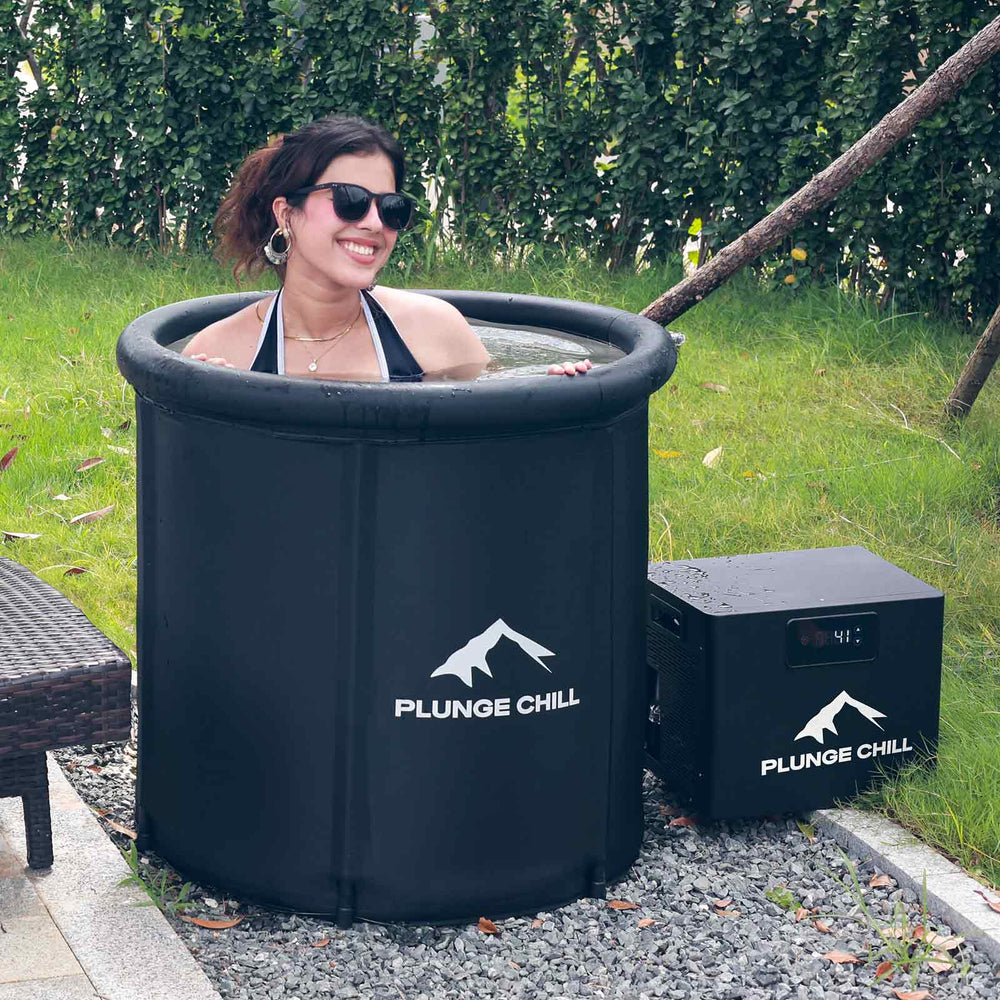
As a sports rehabilitation specialist and strength coach who has coached CrossFit athletes across regional qualifiers, off‑season strength cycles, and local throwdowns—and as a product reviewer who has tested both DIY tubs and purpose‑built cold plunge units—my goal is to translate the evidence into precise, practical guidance. Cold water immersion is widely used, but the details matter. The right timing, temperature, and duration can speed up between‑bout recovery without compromising long‑term strength and hypertrophy. The wrong mix can do the opposite.
What Cold Water Immersion Does—and What It Doesn’t
Cold water immersion, or CWI, is deliberate submersion in cold water to accelerate recovery after training or competition. Mechanistically, cold constricts blood vessels, dampens nociceptive input along alpha and C‑fibers, lowers tissue metabolism, and reduces the perception of soreness. Upon rewarming, vasodilation helps deliver oxygen and nutrients while clearing metabolites. This model appears in summaries from ACSM, Mayo Clinic Health System, and Ohio State Health.
What athletes feel is often clear: less soreness and a sense of readiness. What the best evidence shows is more nuanced. A meta‑analysis in a peer‑reviewed medical archive found that CWI reduces immediate soreness and perceived fatigue after exercise and modestly lowers creatine kinase at about 24 hours, with possible reductions in lactate at 24–48 hours. It did not show consistent improvements in objective performance beyond the very short term, and effects on systemic inflammatory markers such as C‑reactive protein and interleukin‑6 were minimal. That is not a failure of CWI; it simply means the strongest benefits are subjective readiness and next‑day comfort rather than guaranteed performance gains or broad anti‑inflammatory changes at the systemic level.
From a CrossFit perspective, those subjective benefits matter on weeks packed with heavy squats, gymnastic volume, and repeated metcons. But recovery tools should never be judged in isolation from training goals. For strength and hypertrophy, several studies summarized by Ohio State Health and ACSM indicate that immediate post‑lift CWI can blunt anabolic signaling and reduce longer‑term gains in muscle size and strength compared with an easy active cooldown. For endurance or tournament‑style demands with repeated bouts in a day, the short‑term advantages of pain relief and freshness are useful.
Timing Strategy: Align Cold Exposure With Your Goal
The most costly mistake I see in CrossFit boxes is making cold plunges a habit after every WOD. Recovery speed and long‑term adaptation are both valuable, but they compete on certain days. My practical rule of thumb is to time cold according to the training priority of the day or week.
After strength‑dominant sessions focused on squats, pulls, presses, and bodybuilding accessories, delay cold exposure at least four to six hours. This delay, reflected in ACSM guidance, preserves the early inflammatory signaling that drives hypertrophy and connective‑tissue remodeling. If soreness is problematic, move CWI to the morning on non‑lifting days or the following day; ACSM notes morning sessions may come with catecholamine and mood benefits and less interference with heavy training later in the day. In the evening, be aware that late‑day cold can be alerting and in some athletes may disrupt sleep.
After mixed or endurance‑dominant sessions, use cold more liberally if the next session is within the next day and soreness will constrain quality. Tournament weekends—think three to five efforts in two days—are the textbook use case for immediate immersion right after an event, particularly to keep soreness and perceived fatigue at bay so technique and pacing do not deteriorate in later heats.
As a product reviewer, I advise athletes to pair timing discipline with temperature precision. A dedicated plunge that holds a stable setpoint makes it much easier to hit repeatable doses without chasing melting ice or guessing at water temperature.

Temperature and Duration: Evidence‑Based Dosing
The best studied and most pragmatic ranges for CrossFit athletes sit between 50 and 59°F for roughly 10 to 15 minutes. These parameters repeatedly appear in clinical and applied summaries from ACSM and Ohio State Health, and they align with protocols used in multiple research trials. For colder targets, use caution. Some analyses note that water that is excessively cold can lower heart rate and cardiac output at rest and may counteract certain recovery goals; in practical terms, colder does not necessarily mean better, especially if shivering escalates and breathing quality deteriorates. Suggested verification: monitor heart rate, perceived exertion, and next‑day power in a controlled comparison of 50°F versus a much colder setting within your team.
Two specific dosing templates are well supported for acute recovery. A “50°F for two five‑minute immersions with a two‑minute ambient break” approach, and a “single 52–60°F exposure for 11 to 15 minutes” approach. Both appear in ACSM summaries and have been associated with lower soreness and better maintenance of aerobic metabolism at later checks. When athletes prefer shorter exposures, I will sometimes program two or three brief immersions separated by warming breaks at room temperature; the key is consistent water temperature rather than heroics in the cold.
Hydrostatic pressure is an overlooked part of the story. Head‑out immersion increases venous return and cardiac output, which may mimic some benefits of very light active recovery by assisting fluid shifts and transport without adding mechanical load. This has been proposed in clinical reviews of immersion physiology. While not the primary mechanism, it helps explain why some athletes feel “flushed” even with very gentle movement in the tub.

Protocols That Map to CrossFit Scenarios
The table below maps common CrossFit situations to dosing that respects both the literature and long‑term training outcomes. Numbers reference temperatures in Fahrenheit and minutes of immersion.
|
Scenario or Goal |
When to Use |
Water Temp |
Duration |
Practical Notes |
|
Back‑to‑back events or same‑day doubles |
Immediately after each bout |
50–59°F |
10–15 total (single or split into two sets of five) |
Prioritize rapid rewarming and fueling between bouts; keep head out and breathe slowly. |
|
Soreness control after high‑rep metcon |
Within 30–60 minutes post‑session |
50–59°F |
10–15 |
Use if soreness would impair next‑day technique or pacing. |
|
Strength or hypertrophy block |
Delay at least 4–6 hours, or move to rest days |
50–59°F |
10–15 |
Delaying preserves anabolic signaling; consider morning cold on non‑lifting days. |
|
Novice acclimation or return from illness |
End of day or rest day |
55–59°F |
Start with 2–5, build toward 10 |
Focus on relaxed breathing; stop if shivering becomes uncontrollable. |
|
Acute power maintenance within one hour |
Consider warm immersion instead |
About 104°F |
5–10 |
A conference report from the American Physiological Society found hot water preserved jump power better than cold at one hour. Suggested verification: replicate with your team’s jump testing protocol. |
The hot‑versus‑cold power result is not a repudiation of cold; it simply highlights that in the narrow window of sub‑hour turnarounds, warming tissues and maintaining muscle power may be more important than numbing soreness. When recovery horizons extend to the next day, cold’s analgesic edge often wins.
Reconciling Conflicting Headlines
You will find brand websites, clinical sites, and coaches emphasizing different aspects of the evidence. Mayo Clinic Health System and Ohio State Health highlight both benefits and caveats, noting that repeated post‑lift plunges may compromise long‑term improvements in strength and size. ACSM echoes the interference risk and recommends delaying cold by several hours during strength‑focused phases. Meanwhile, product‑forward articles emphasize anti‑inflammatory and soreness reductions and remind readers that DIY ice baths are inconsistent and inconvenient compared with dedicated, filtered cold tubs.
Conflicts are not contradictions so much as different definitions and time horizons. Studies showing blunted hypertrophy measure long‑term adaptation to resistance training, whereas studies showing reduced soreness and lower creatine kinase at 24 hours capture short‑term recovery markers. Sampling windows also matter. Systemic inflammatory markers drawn immediately post‑exercise may miss local tissue effects unfolding hours later, which helps explain why athletes report feeling better while broad inflammation panels show little change. Methodology and populations differ too, with endurance‑leaning cohorts often showing clearer benefit from immediate CWI than cohorts focused on strength or mixed‑modal hypertrophy.
Safety, Risks, and Contraindications
Cold is a powerful stimulus. It should be used with the same respect you give a heavy barbell. Several clinical sources, including ACSM, Mayo Clinic Health System, and Temple Health, outline contraindications and basic safety. Athletes with a history of cold injury, Raynaud’s phenomenon, cryoglobulinemia, hypothyroidism, claustrophobia, sympathetic or sensory nerve disorders, stage III or IV heart failure, coronary artery disease or unstable angina, uncontrolled hypertension, or diabetic neuropathy should avoid or seek medical clearance before immersion. People with cardiovascular risk factors should discuss cold exposure with their primary clinician or cardiologist. Hypothermia, frostbite, involuntary hyperventilation, and dangerous gasping are real risks in very cold environments or open water. Do not plunge alone, keep towels and warm clothing nearby, and rewarm gradually with dry layers and easy movement. Clinics and hospital systems also note that cold showers can be a reasonable alternative when a full‑body immersion setup is not available, albeit with less uniform cooling.
A recurring question is whether cold plunges aid fat loss via brown fat activation. Health system overviews describe this as a possibility, driven by increased caloric expenditure during rewarming and potential changes in fat tissue, but human evidence for meaningful weight loss or improved metabolic markers is limited. Treat these claims as interesting physiology rather than a primary training tool for body composition.
Product Choices: DIY Ice Bath or Dedicated Cold Plunge?
I have built and maintained both setups, and the differences in precision and convenience are substantial. DIY methods rely on tap water and bags of ice, which fluctuate widely in temperature. Dedicated cold plunge systems maintain setpoints and cycle water for even chilling, making protocol adherence straightforward.
|
Option |
What It Is |
Pros |
Cons |
Who It Fits |
|
DIY ice bath |
Stock tank or bathtub with water and bagged ice |
Lowest upfront cost; easy to try |
Inconsistent temperatures; ongoing ice costs; frequent cleaning; manual labor after hard WODs |
Experimenters and occasional users |
|
Dedicated cold plunge |
Purpose‑built tub with integrated chiller and filtration |
Precise, stable temperatures; always ready; filtration and UV options; weather‑resistant cabinets and easy‑clean shells as noted by several manufacturers |
Higher upfront price; needs space and power |
Teams, serious competitors, and recovery‑focused homes |
Several manufacturers emphasize filtration and UV sanitation, durable cabinets for indoor or outdoor use, and acrylic or ergonomic shells that simplify cleaning and improve comfort. Reviewers and athletes consistently report that having a set‑and‑forget temperature and clear water makes it more likely they hit the right dose at the right time, especially on double‑day schedules.
Care and Maintenance: Keep the Tool Sharp
Cold water is only as good as the water you sit in. While each unit has its own manual, my coaching and reviewer practice is to treat water care and temperature measurement as part of the protocol. Use a thermometer rather than guessing. Keep filtration systems active and clean, and wipe down contact surfaces as you would in any shared training environment. Change water on the cadence recommended by the manufacturer, especially if multiple athletes are plunging daily. These are common‑sense practices grounded in hygiene and the features reported by brands that include filtration and UV; they are not clinical directives and should be tailored to your specific unit and usage.
A CrossFit‑Specific Weekly Template
Integrating CWI into a week of mixed‑modal training means placing it precisely rather than universally. On heavy lower‑body days, avoid the post‑lift plunge and schedule cold six or more hours later or on the following morning. On high‑rep gymnastics and metcon days, use a 50–59°F immersion for about 10 to 15 minutes if significant soreness would undermine the next day’s technique. Before multi‑event weekends, practice your timing and setpoints until your immersion routine is as automatic as your warm‑up routine. If you struggle with sleep after late‑evening cold, shift immersion earlier, since several clinical summaries flag that late‑day cold can be alerting.
One overlooked nuance is that very cold water is not always better. Cool water that reduces distress without provoking shivering may serve you better than extremely cold water when the goal is steady parasympathetic recovery and good sleep later that night. This is a plausible extension of thermoregulation principles and applied practice rather than direct clinical guidance. Suggested verification: use a wearable to track sleep efficiency on nights with moderately cool immersion compared with very cold immersion after similar training days.
Careful Claims About Inflammation
Brand articles often use “reduced inflammation” as shorthand for multiple benefits ranging from pain relief to lower swelling. The peer‑reviewed synthesis is more careful. Some studies suggest shifts toward fewer pro‑inflammatory cytokines in the hours after cold, but meta‑analyses do not show consistent reductions in broad inflammatory markers such as C‑reactive protein at common sampling windows. At the same time, athletes commonly report lower soreness and better readiness. The likeliest explanation is that cold’s analgesic effects, hydrostatic pressure, and improvements in perceived recovery outpace measurable changes in systemic markers, and that local tissue changes are under‑detected in blood draws taken too soon or from small samples with wide variance.
Quick Reference Protocols
The two templates I use most often for CrossFit athletes are almost deceptively simple. One is a single immersion for roughly 11 to 15 minutes at 52–60°F. The other is two exposures at 50°F for five minutes each, separated by two minutes at room temperature. Both are compatible with tournament weekends where repeated efforts demand a simple, repeatable playbook. For athletes new to cold, start shorter and warmer, and extend toward these ranges as you learn to control breathing and maintain composure without shivering.
Takeaway
Cold water immersion is a tool, not a religion. In CrossFit it works best when you define the job to be done for the next twelve to seventy‑two hours and then dose precisely. If that job is to feel less sore and move better tomorrow, 50–59°F for about ten to fifteen minutes is a reliable starting point. If the job is to lay the foundation for larger quads and a bigger clean six weeks from now, delay cold on strength days. In multi‑event weekends, cold helps you feel ready for the next heat, while in sub‑hour turnarounds there is emerging evidence that warm water may better preserve immediate power. Choose a delivery method that lets you control temperature, keep the water clean, and make your protocol easy to repeat. Then treat cold with the same respect you give your barbell: dose on purpose, not by habit.
FAQ
What temperature and duration should a CrossFit athlete use?
A pragmatic evidence‑based dose is 50–59°F for roughly 10 to 15 minutes, either as a single immersion or split into two five‑minute bouts with a brief ambient break. That range appears across ACSM and health system guidance and aligns with studies that report lower soreness and improved perceived recovery without overdoing cold stress.
Will cold plunges hurt my strength or muscle gains?
Several controlled studies summarized by Ohio State Health and ACSM found that immediate cold immersion after lifting reduced long‑term improvements in strength and hypertrophy versus a light active cooldown. The simple workaround is timing. Delay immersion on strength‑dominant days by four to six hours, or move cold to mornings on non‑lifting days.
Are cold showers a good substitute for an ice bath?
Cold showers are less uniform than full immersion but can still help when a plunge tub is not available. Clinical guidance recognizes showers as a practical alternative, especially for beginners. If you want the most consistent dosing and the strongest analgesic response, a full‑body immersion at a measured temperature is preferred.
How often should I use a cold plunge?
Frequency depends on training load, your goals, and how you respond. Some health systems suggest daily use is possible when not placed immediately after strength sessions, while ACSM encourages strategic deployment around performance needs and long‑term adaptation. A common pattern in my practice is one to three immersions per week, with more frequent use during competition blocks and less during hypertrophy phases.
Are there people who should avoid cold plunges?
Yes. Athletes with prior cold injury, Raynaud’s phenomenon, cryoglobulinemia, hypothyroidism, significant cardiovascular disease including unstable angina or advanced heart failure, uncontrolled hypertension, or diabetic neuropathy should avoid CWI or obtain medical clearance. If you do plunge, do not go alone, avoid open water with currents, and keep a safe rewarming process ready.
Does hot water ever beat cold for recovery?
If you have less than an hour before you must express peak power again, early research presented by the American Physiological Society suggests warm immersion around 104°F can better preserve short‑term jump power than 59°F cold. This is an emergent finding, not a comprehensive verdict. Suggested verification: track jump height after hot versus cold on repeated‑bout training days in your own setting.
References and Acknowledgments
This article integrates guidance and findings summarized by ACSM, Mayo Clinic Health System, Ohio State Health, Temple Health, and peer‑reviewed sources including a meta‑analysis of cold‑water immersion effects on recovery and an immersion physiology review discussing hydrostatic mechanisms. Product features and practical considerations are informed by manufacturer claims regarding filtration, UV sanitation, weather‑resistant cabinets, and ergonomic shells for dedicated cold plunge units, contrasted with DIY ice‑and‑water setups.
References
- https://lms-dev.api.berkeley.edu/ice-baths
- https://www.health.harvard.edu/staying-healthy/the-big-chill
- https://www.mcphs.edu/news/physical-therapist-explains-why-you-should-chill-out-on-ice-baths
- https://www.marquette.edu/innovation/documents/arora_ice_bath_recovery.pdf
- https://sncs-prod-external.mayo.edu/hometown-health/speaking-of-health/cold-plunge-after-workouts
- https://pmc.ncbi.nlm.nih.gov/articles/PMC2938508/
- https://health.osu.edu/wellness/exercise-and-nutrition/do-ice-baths-help-workout-recovery
- https://acsm.org/cold-water-immersion-friend-froze/
- https://mcpress.mayoclinic.org/healthy-aging/the-science-behind-ice-baths-for-recovery/
- https://www.mayoclinichealthsystem.org/hometown-health/speaking-of-health/cold-plunge-after-workouts
Disclaimer
By reading this article, you acknowledge that you are responsible for your own health and safety.
The views and opinions expressed herein are based on the author's professional expertise (DPT, CSCS) and cited sources, but are not a guarantee of outcome. If you have a pre-existing health condition, are pregnant, or have any concerns about using cold water therapy, consult with your physician before starting any new regimen.
Reliance on any information provided in this article is solely at your own risk.
Always seek the advice of a qualified healthcare provider with any questions you may have regarding a medical condition, lifestyle changes, or the use of cold water immersion. Never disregard professional medical advice or delay in seeking it because of something you have read in this article.
The information provided in this blog post, "CrossFit Athlete Ice Bath Protocol: Timing, Temperature, and Duration," is for informational and educational purposes only. It is not intended to be a substitute for professional medical advice, diagnosis, or treatment.
General Health Information & No Medical Advice