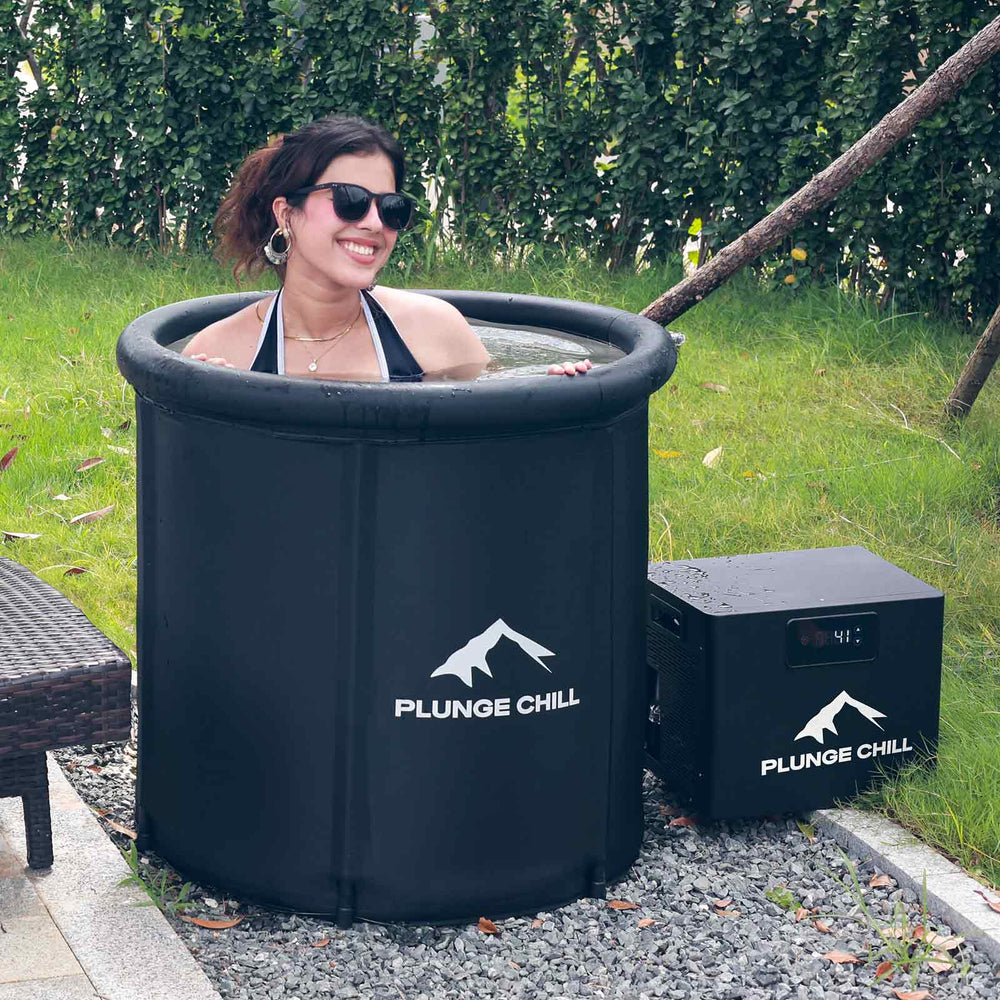
Cold plunges have surged from locker-room lore to living-room tubs. As a sports rehabilitation specialist and strength coach who also evaluates cold plunge hardware, I use cold-water immersion with athletes and stressed professionals for one goal: train the stress system to become more efficient rather than more reactive. Done well, cold is a precise tool that helps the hypothalamic–pituitary–adrenal (HPA) axis and sympathetic–parasympathetic balance handle life better, not just training loads.
This article explains how cold immersion interacts with your adrenal stress system, what high-quality evidence actually shows about cortisol and catecholamines, where the data are mixed, and how to apply practical protocols without derailing other goals like muscle growth. You will also find product selection criteria grounded in use-case realities, a straightforward care section, a compact protocol table, and a short FAQ. I will cite sources briefly by publisher name; links can be added in References.
The Stress System You’re Training
Cold water immersion is an acute, controlled stressor. When you step into water that is cold enough to be uncomfortable, the skin’s cold receptors trigger the “cold shock” response, which includes a rapid gasp, a spike in breathing, and a jump in heart rate and blood pressure. The adrenal glands and sympathetic nerves surge catecholamines such as norepinephrine. In parallel, the HPA axis can release cortisol to mobilize energy and sharpen vigilance. Over repeated exposures, that stress response can be trained to become smaller and shorter, and the return to baseline can become faster.
Several reflexes operate at once in cold water. Whole-body immersion primarily drives sympathetic activation with vasoconstriction and tachycardia, while facial immersion in cool water elicits the diving reflex through vagal pathways, slowing heart rate and promoting a sense of calm. This is why a brief face dunk can help downshift arousal during a stressful day, whereas a full-body plunge provides a stronger systemic stimulus for resilience training (Stanford Lifestyle Medicine).
In the clinic and the weight room, I see the best results when the cold dose is scaled to the person, not the other way around. People with high baseline stress or poor sleep tend to benefit from shorter immersions at milder temperatures, while seasoned trainees tolerate more intense exposures with fewer adverse reactions.

Cortisol, Catecholamines, and the “Reset” Sensation
Cortisol is time-dependent, not binary
Cold immersion does not have a single, uniform effect on cortisol. The response depends on when you measure and how cold, how long, and how often you immerse. Controlled reports summarized by Stanford Lifestyle Medicine show a modest immediate change during immersion, followed by reductions below baseline for up to several hours after a sufficiently robust exposure, including sessions of about 15 minutes at roughly 50°F and about 60 minutes at approximately 57°F. A systematic review in PLOS ONE found stress markers were significantly lower about 12 hours after cold exposure, with no consistent immediate effect. The practical implication is important: do not judge the effect of a plunge on your stress system by how you feel in the tub; assess how your body and mind settle in the hours afterward.
A nuance from forensic and cell-model data complicates simplistic cortisol narratives. Postmortem analyses of fatal hypothermia and cold-exposed cell systems suggest glucocorticoid output under cold stress can be partly independent of adrenocorticotropic hormone (ACTH), meaning total cortisol may not always track upstream pituitary signaling under extreme or prolonged cold (PubMed Central). This is not a direct model of healthy voluntary plunges, but it cautions against relying on isolated cortisol snapshots as the sole metric of “good” or “bad” cold stress.
Norepinephrine rises fast and adapts with practice
Norepinephrine is the neurochemical most consistently elevated by cold immersion. Human data collated by FoundMyFitness indicate large increases after cold exposures, including approximately 530% norepinephrine and 250% dopamine after about 60 minutes at around 57°F, as well as 200–300% norepinephrine after very brief exposures such as 20 seconds at roughly 40°F or a short bout of frigid air in a cryochamber. Crucially, repeated exposures blunt the initial “shock” reactivity while preserving the capacity to mobilize when needed. In winter swimmers, resting catecholamines drop over weeks and the immediate surge to a cold stimulus becomes smaller, a hallmark of stress-system conditioning (PubMed).
Those neurochemical shifts align with common reports of heightened alertness in the moment and a more stable, even-keeled mood later. A small resting-state fMRI study found that a 5‑minute head‑out immersion at approximately 68°F increased positive affect and altered connectivity in attention and emotion-regulation networks (PLOS).
Inflammation spikes acutely, then resolves
Cold is not anti-inflammatory in the first hour. The PLOS ONE meta-analysis detected significant acute increases in inflammatory markers immediately and at one hour post-immersion. After that window, perceived stress markers were lower at 12 hours, and narrative evidence points to longer-term wellbeing benefits with consistent practice. Clinically, this means you should not stack a significant cold dose right before an important lifting session or a high-skill practice; use it after the training day, on easy days, or as a separate session.
How Cold Plunges May “Reset” a Dysregulated Stress System
When the HPA axis is chronically activated, baseline cortisol can become either elevated or, paradoxically, blunted. Cold exposure is a hormetic stressor: the dose is uncomfortable but safe, deliberately provoking a controlled reaction that teaches the organism to recover more efficiently. Over weeks, respirations and heart-rate surges during immersion diminish, norepinephrine signaling remains robust, and post-exposure cortisol can trend lower. Stanford Lifestyle Medicine and Cleveland Clinic both emphasize that short, controlled immersions after exertion can lower core temperature and support recovery without chasing extremes. These adaptations are consistent with what we aim for in rehabilitation: a system that can mobilize quickly and then stand down just as quickly.
There are endocrine nuances beyond cortisol. In cold-adapted winter swimmers, thyroid hormone triiodothyronine (T3) rose and oxidative stress markers improved alongside changes in lipid profiles, suggesting cardiometabolic benefits from regular exposure (PubMed Central). Those changes are promising, but they do not imply that a single cold plunge “fixes” thyroid or adrenal function. They point instead to a training effect on the broader neuroendocrine network.
Protocols That Protect Gains and Support Stress Resilience
The best protocol depends on your goal, training schedule, and tolerance. Two constraints govern all programming: keep the water cold enough to be uncomfortable but safe, and increase only one variable at a time—temperature, duration, or frequency.
|
Goal |
Suggested temperature |
Time per session |
Timing vs training |
Weekly frequency |
Key notes and evidence |
|
Stress regulation and mood support |
About 50–59°F |
About 1–3 minutes |
Standalone or after light activity |
About 2–3 times |
Stress reduction tends to manifest hours later; immediate positive affect is common in small trials (PLOS ONE; PLOS; Stanford Lifestyle Medicine). |
|
Post-heat or hard conditioning cooldown |
About 50–59°F |
About 1–3 minutes, cap at 5 |
After session |
About 2–4 times as needed |
Supports cooling and perceived recovery (Cleveland Clinic). |
|
Sleep wind-down on high-arousal days |
About 55–60°F or facial immersion in cool water |
About 30–60 seconds |
Evening, not near bedtime if you run “wired” |
As needed |
Facial immersion recruits parasympathetic tone rapidly; full-body cold near bedtime can be stimulating (Stanford Lifestyle Medicine). |
|
Heavy strength or hypertrophy focus |
Prefer to separate cold from lifting by 6–8 hours or to non-lifting days |
If done, keep brief |
Not immediately post-lifting |
Low frequency |
Post-lift cold can blunt hypertrophy signaling in some studies; prioritize gains by separating modalities (Psychiatry & Psychotherapy Podcast summary of resistance training literature). |
The “start low and go slow” guidance from Cleveland Clinic is the safest on-ramp. Beginners can start near 60–68°F for one to two minutes and progress toward about three minutes as tolerance improves, while capping single plunges around five minutes. Resist the urge to chase very low temperatures; most benefits accrue in the moderate-cold range when you are consistent and calm. Do not hyperventilate before immersion; instead, enter steadily, keep your head above water, and use long exhales to dampen the cold shock (Huberman Lab; Stanford Lifestyle Medicine).
Safety First: Who Needs Extra Caution
Cold immersion is not benign for everyone. Cleveland Clinic and the American Heart Association note that cold shock elevates breathing, heart rate, and blood pressure. People with cardiovascular disease, uncontrolled hypertension, diabetes, peripheral neuropathy, poor circulation, venous stasis, or cold agglutinin disease should consult a clinician before attempting cold exposure. Older adults have a greater risk of hypothermia and may rewarm more slowly; short, mild exposures are safer. Never plunge alone, avoid alcohol, and abort if you become disoriented or numb.
There is also an autonomic “conflict” risk when the cold shock and diving reflexes collide, which may contribute to arrhythmias in susceptible individuals (PubMed Central). Practical mitigation includes entering gradually, keeping the head out, maintaining steady breathing, and avoiding breath holds.
Overlooked Nuances That Change How You Program Cold
A practical disagreement in the literature involves timing. The PLOS ONE meta-analysis found stress reductions at about 12 hours, not immediately, whereas small studies report immediate mood and arousal benefits after a short immersion around 68°F. The most likely reason is measurement timing and what is being measured. Subjective affect can improve right away due to noradrenergic arousal and network-level brain changes seen on fMRI, while physiological stress markers trend lower later as homeostasis reasserts itself. This means a morning plunge can lift alertness, but the “reset” in stress physiology is better judged later the same day.
Another blind spot involves body composition claims. Brown adipose tissue (BAT) activation is real, but its calorie contribution is modest. Expert summaries suggest BAT accounts for a small fraction of daily energy expenditure in adults, so claims of large cold-driven fat loss are overhyped relative to diet and activity (Psychiatry & Psychotherapy Podcast). Cold can support metabolic health, but it is not a standalone weight-loss lever.
A third nuance concerns cortisol interpretation. One forensic and in vitro line of evidence indicates that under some cold-stress conditions, adrenal steroid output may decouple from ACTH signaling (PubMed Central). That does not invalidate findings of reduced post-immersion cortisol in living volunteers; it merely warns against simplistic “cold always lowers cortisol” narratives and highlights the importance of timing and measuring free rather than only total cortisol when possible. A reasonable verification step would compare free and total cortisol and ACTH at multiple time points after standardized cold immersion in healthy adults.
Finally, there is a circadian hypothesis that morning immersions might start from a lower core temperature, posing a slightly higher hypothermia risk in some individuals. Evidence for altered shivering thresholds across the day is limited and mixed (PubMed Central). If this matters for you, measure pre-immersion core temperature across different times of day and track rate of temperature decline and rewarm in a controlled crossover.
Product Buying Guide: Features That Actually Matter
If stress-system support is your primary goal, the right hardware helps you stay consistent without wrestling with bags of ice. In practice, three features influence real-world adherence and safety.
|
Feature |
Why it matters |
What to look for |
|
Consistency drives adaptation; a stable setpoint is safer and more repeatable than guessing with ice |
Chillers capable of holding about 50–59°F accurately; easy-to-read thermostat; reliable thermometer for verification |
|
|
Better insulation lowers energy use and keeps water in range for longer; durable shells prevent cracks and leaks |
Thick insulation and sturdy shells; stainless steel or comparable quality materials that hold up to repeated use |
|
|
Clean water reduces skin irritation and infection risk while lowering maintenance friction |
Built‑in filtration with ozone or UV sanitation so water stays clear over many sessions |
|
|
Compact footprint |
A practical tub gets used; a bulky one gets ignored |
Compact or portable designs sized to your space so you can access it daily without rearranging your life |
Home convenience increases adherence. Dedicated plunge units equipped with accurate temperature control, robust insulation, and integrated filtration make it far easier to keep a two or three times per week practice than ad hoc ice baths, especially through warmer months (industry summaries; Cleveland Clinic’s practical guidance).
Care and Safety: Water, Temperature, and Hygiene
Cold training reliability rises with simple routines. Verify temperature with a separate thermometer and log duration and perceived exertion. Avoid aggressive pre-plunge breathing; instead, step in, stabilize your breathing with slower exhales, and exit if you lose fine motor control or if pain becomes sharp. Plan a calm re-warm. Passive rewarming with dry clothes and movement is usually enough; some athletes enjoy a sauna for about 15–30 minutes afterward to re-stabilize body temperature (Cleveland Clinic).
Clean, circulated water matters. Units with built-in filtration and ozone or UV sanitation minimize biofilm and keep water safe for frequent use. If you rely on a standard tub, change water frequently and clean the surfaces between uses. Keep electrical components dry and protected, and position the tub where slipping hazards are minimized.

Pros, Cons, and Trade-Offs
Cold immersion offers a strong value proposition for stress-system conditioning, mood regulation, and post-exertional cooling, with a growing—though still heterogeneous—evidence base. It acutely raises norepinephrine and, after an adequate dose, tends to lower stress markers later in the day. Mental focus often improves, sleep may benefit through cooler core temperatures and reduced evening arousal, and consistent practice can lower resting reactivity, mirroring what we seek in resilience training (PLOS ONE; Stanford Lifestyle Medicine; Cleveland Clinic).
On the other hand, cold is a powerful stimulus that must be programmed. It can transiently increase inflammation and blood pressure, provoke arrhythmias in susceptible individuals, and, when placed immediately after lifting, may blunt some hypertrophy adaptations. Morning immersions can feel “too much” for high-strain individuals; a shorter or facial immersion may be smarter on those days. These trade-offs are manageable with conservative dosing, smart timing, and clear goals.
Practical Definitions
Cold plunge, or cold-water immersion, refers to brief, deliberate exposure of the body to cold water, typically held around 50–59°F for general training and recovery uses. The cold shock response includes the immediate gasp, hyperventilation, heart-rate and blood-pressure spikes driven by sympathetic activation. The diving reflex, triggered by facial cooling and breath-hold, increases parasympathetic tone and slows heart rate. The HPA axis is the body’s central stress relay—from hypothalamus to pituitary to adrenal glands—regulating cortisol release and orchestrating metabolic readiness. Nonshivering thermogenesis is heat production without muscle shivering, largely mediated by catecholamines and thermogenic fat depots.

Short FAQ
Q: Will cold plunges lower my cortisol? A: After an adequate dose, several controlled observations show cortisol can trend below baseline for hours, even when immediate changes during immersion are small. A meta-analysis found stress reduction around 12 hours post-exposure, emphasizing that timing matters. Expect a short-lived “up” in arousal, followed by a calmer baseline later (Stanford Lifestyle Medicine; PLOS ONE).
Q: How cold and how long should I go for stress support? A: For most healthy beginners, a practical zone is about 50–59°F for roughly one to three minutes. Start near 60–68°F if you are new, cap single plunges around five minutes, and increase the dose gradually. Two to three sessions per week is a reasonable target for adaptation without overloading the system (Cleveland Clinic; field practice summaries).
Q: Should I cold plunge right after lifting? A: If muscle growth is a priority, separate cold from lifting by several hours or place it on non-lifting days. Evidence suggests post-lift cold can blunt hypertrophy signaling, even though it may reduce soreness. If you must plunge after training, keep it brief and moderate, and track progress carefully (Psychiatry & Psychotherapy Podcast summary of resistance-training studies).
Q: Are cold showers “good enough”? A: Cold showers are less efficient than immersion because water coverage and thermal stability are lower, but they still provide a useful stimulus, especially for adherence and convenience. If a plunge is impractical, end a warm shower with a 30–60 second cold finish and build from there (Huberman Lab; Stanford Lifestyle Medicine).
Q: Does cold exposure boost immunity? A: Acute immune changes appear small at first; longer-term practice may relate to fewer sick days in some cohorts taking brief cold showers, while upper respiratory infection rates are similar between cold-water swimmers and pool swimmers, with some signals of benefit versus non-swimmers. Consider immunity a potential longer-term upside rather than an acute effect (PLOS ONE; PubMed Central).
Q: Is morning or evening better? A: It depends on how you respond. Morning sessions can elevate alertness; evening sessions should be short and moderate to avoid overstimulation. There is mixed evidence about circadian effects on thermoregulatory thresholds; if evenings disrupt sleep, shift earlier or use facial immersion for a calming effect (Stanford Lifestyle Medicine). Verify by logging sleep onset and quality alongside timing and dose for two weeks.
Takeaway
Cold plunges can be a powerful way to retrain your stress system when you apply them with respect for dose, timing, and context. Norepinephrine rises fast, cortisol and perceived stress tend to settle lower later, and you can leverage those kinetics to feel clearer and more composed through the day. The same tool can aid post-exertional cooling and recovery, but it can also interfere with hypertrophy if you put it in the wrong place. Choose moderate temperatures and brief durations, progress slowly, and avoid extremes. If you need to make the habit stick, invest in features that keep water clean, cold, and consistent—precise temperature control, good insulation, and integrated filtration. Above all, keep the practice safe: breathe steadily, plunge with a plan, and work with your clinician if you have cardiovascular or metabolic concerns. When programmed with intent, cold becomes less of a dare and more of a disciplined way to reset how your stress system responds to life.
References
- https://digitalcommons.liberty.edu/cgi/viewcontent.cgi?article=8439&context=doctoral
- https://pubmed.ncbi.nlm.nih.gov/11590880/
- https://lifestylemedicine.stanford.edu/jumping-into-the-ice-bath-trend-mental-health-benefits-of-cold-water-immersion/
- https://stacks.cdc.gov/view/cdc/214470/cdc_214470_DS1.pdf
- https://libres.uncg.edu/ir/asu/f/Ellis_Brandon_Spring%202023_Thesis.pdf
- https://health.clevelandclinic.org/what-to-know-about-cold-plunges
- https://journals.plos.org/plosone/article?id=10.1371/journal.pone.0317615
- https://www.atlantichealth.org/health-articles/orthopedics/cold-plunge-therapy
- https://www.biorxiv.org/content/10.1101/2025.09.18.677113v1.full-text
- https://mcpress.mayoclinic.org/healthy-aging/the-science-behind-ice-baths-for-recovery/
Disclaimer
By reading this article, you acknowledge that you are responsible for your own health and safety.
The views and opinions expressed herein are based on the author's professional expertise (DPT, CSCS) and cited sources, but are not a guarantee of outcome. If you have a pre-existing health condition, are pregnant, or have any concerns about using cold water therapy, consult with your physician before starting any new regimen.
Reliance on any information provided in this article is solely at your own risk.
Always seek the advice of a qualified healthcare provider with any questions you may have regarding a medical condition, lifestyle changes, or the use of cold water immersion. Never disregard professional medical advice or delay in seeking it because of something you have read in this article.
The information provided in this blog post, "Cold Plunge Adrenal Support: Resetting Your Stress System," is for informational and educational purposes only. It is not intended to be a substitute for professional medical advice, diagnosis, or treatment.
General Health Information & No Medical Advice