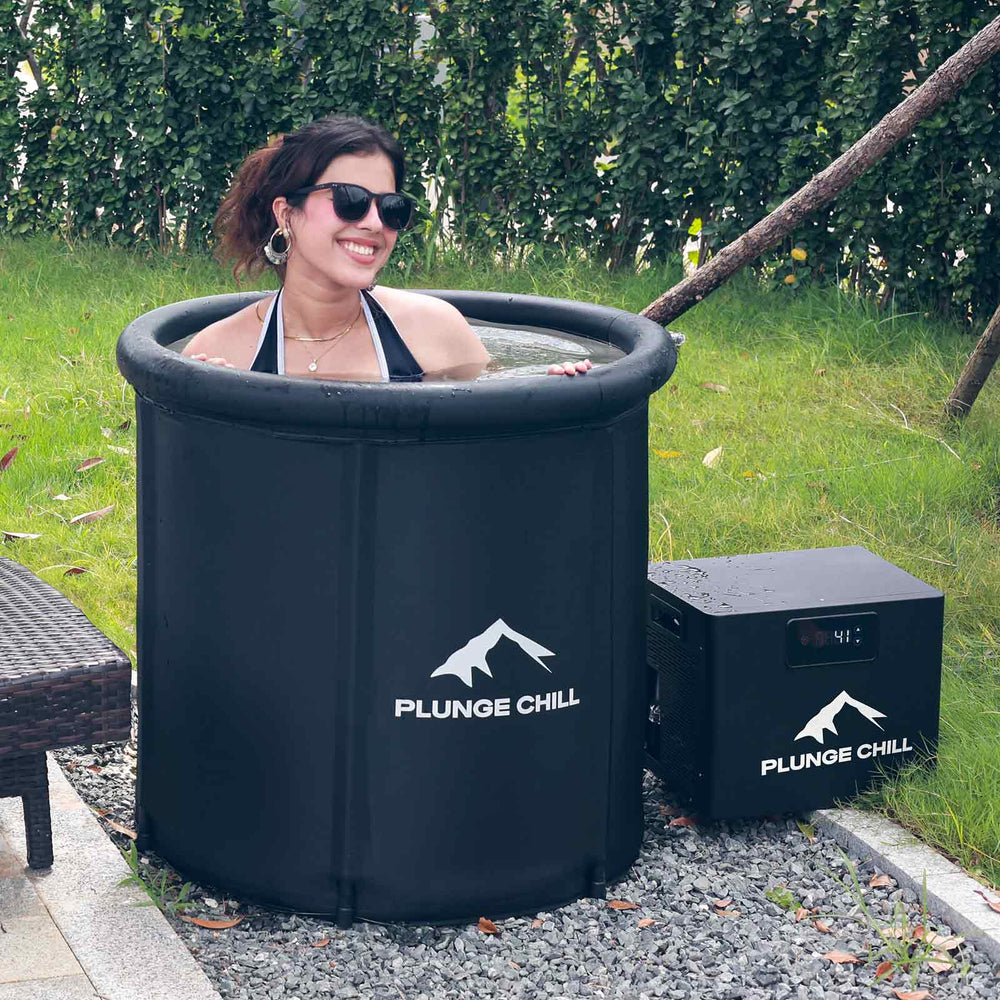
As a sports rehabilitation specialist and strength coach who also reviews cold plunge products, I use ice baths selectively with runners around big training blocks and race days. Done well, cold water immersion can bring down post‑marathon soreness and swelling, help you feel normal sooner, and enable a safer return to motion. Done without context, it can also mute the very adaptations you trained months to earn. This article distills the evidence, the practical dosing that works in the real world, and the gear choices that make cold therapy safe, effective, and sustainable.
Why Cold Water Immersion Belongs in Marathon Recovery
A marathon imposes controlled microtrauma across the lower limbs, with soreness often cresting between 12 and 72 hours. Cold water immersion, typically at 50–59°F, reduces tissue temperature and metabolic activity, narrows blood vessels during immersion, and then promotes a rebound increase in circulation after you get out. These shifts are associated with less swelling, reduced pain signaling at nerve endings, and lower markers of muscle damage while preserving function the next day. Ohio State Wexner Medical Center summarizes this mechanism and recommends 10–20 minutes of immersion at 50–59°F for recovery after endurance work.
Immersion adds another overlooked physiological boost: hydrostatic pressure. Submerging the lower body shifts fluid from the extravascular space back into circulation, reduces exercise‑induced muscle edema, and increases cardiac preload and stroke volume. In head‑out immersions, total cardiac output can rise by roughly 100 percent without added energy expenditure, creating recovery effects similar to an easy spin or walk while you are resting in the tub. This fluid shift and cardiac effect are described in a PubMed Central review of immersion physiology.
What the Evidence Really Says
The clearest signal in the literature is that cold water immersion reduces delayed‑onset muscle soreness and supports better next‑day performance after endurance‑type sessions. Runner’s World reports improved 24‑hour sprint recovery in a 2019 study, and Ohio State Wexner Medical Center points to reductions in swelling, inflammation, and perceived soreness with practical protocols near 50–59°F. For marathoners, these benefits translate to steadier walking mechanics the rest of race day, fewer compensations the next morning, and an earlier return to low‑impact movement.
There is also consistent caution from strength and clinical sources that frequent post‑workout plunging can blunt long‑term gains in muscle size and strength. Mayo Clinic Press advises a nuanced approach: use cold right after acute injury or during compressed competition schedules, but avoid it as a default after every training session because repeated dampening of inflammation can slow the very signaling pathways that drive hypertrophy and strength. Ohio State Wexner Medical Center aligns with this nuance and suggests waiting 24–48 hours after resistance training before plunging if muscle size or strength are primary goals. Meta‑analyses summarized by The Output cite decreases in strength over time when chronic cold immersion follows lifting and small reductions in hypertrophy versus training alone. The magnitude of these effects is modest but directionally consistent.
Several controlled studies also show mixed or null results on pain and performance, especially with brief or very cold exposures that do not adequately change muscle temperature or that precede performance tests requiring maximal power. The PubMed Central review notes examples where cold immersion at 41°F for three 1‑minute bouts did not reduce soreness compared to tepid water, and where post‑exercise immersion impaired subsequent peak cycling power. These findings likely reflect protocols that were too short to change intramuscular temperature or too cold to preserve neuromuscular output soon after.
Where sources disagree and why that matters
Contrast water therapy, which alternates hot and cold, is supported by Ohio State’s Human Performance Collaborative with protocols of one minute cold followed by one to two minutes hot for a total of 6–15 minutes, timed before sessions or within 60 minutes after light to moderate work. At the same time, brand and field articles sometimes report that straight cold immersion outperforms contrast therapy for post‑exercise recovery. The likely reason for disagreement is that studies differ in athlete type, intensity, the timing of the intervention, and outcomes measured. Rugby and intermittent sport protocols often favor contrast for fatigue and lactate clearance, whereas endurance contexts after single‑modality efforts may show a clearer benefit for simple cold. Definitions of “recovery” also vary between soreness ratings, power tests, and biochemical markers.
Another divergence involves showers versus baths. Cold showers are accessible and can improve perceived recovery later in the day, but several sources, including Marathon Handbook and Science for Sport, note that showers rarely cool muscle tissue as effectively as immersion due to reduced hydrostatic pressure and inconsistent heat transfer. This difference is largely methodological rather than philosophical and explains why showers are acceptable substitutes for habit‑building and mood but not always equivalent for muscle recovery.
Dosing That Works in the Real World
A protocol must fit the phase of training and the job you want it to do. The practical ranges below fold together recommendations from Ohio State Wexner Medical Center, Ohio State’s Human Performance Collaborative, Mayo Clinic Health System, Runner’s World, Marathon Handbook, and other sources in the notes. Where the literature disagrees, I indicate the most defensible middle ground for marathoners.
|
Goal |
Water Temp (°F) |
Time |
Timing |
Frequency |
Notes/Sources |
|
Post‑marathon soreness and swelling |
50–59 |
10–15 minutes |
Within 60–120 minutes after finishing, after a short walk and fueling |
Once on race day; consider one repeat the next day if soreness is high |
Ohio State Wexner Medical Center, Marathon Handbook, MasterClass |
|
Quick turnaround between races or hard workouts |
50–59 |
10–15 minutes |
Within 2 hours post‑effort |
Up to daily during dense competition blocks, then taper off |
Mayo Clinic Health System, Science for Sport |
|
Preserve strength and hypertrophy signaling |
50–59 |
5–10 minutes or skip |
Avoid 24–48 hours after lifting sessions |
One to three times weekly, placed away from resistance training |
Mayo Clinic Press, Ohio State Wexner Medical Center, Sports Medicine and European Journal of Sport Science summaries |
|
Pre‑cooling in hot weather |
50–59 |
About 10 minutes |
Before training in heat when overheating risks performance |
As needed in hot conditions |
European Journal of Sport Science |
|
Contrast bath option for circulation and fatigue |
Cold 50–59; Hot 99–109 |
One minute cold then one to two minutes hot, repeat |
Before or within 60 minutes after light to moderate sessions; avoid within 90 minutes of heavy strength |
Total 6–15 minutes per session |
Ohio State Human Performance Collaborative |
Two overlooked but useful nuances deserve emphasis. First, Science for Sport notes that immersion can reduce joint stiffness for up to 48 hours, which may slightly dull the spring‑like qualities runners rely on for speed and reactivity. This is most relevant before track work or races and supports the idea of plunging after the session but not immediately before high‑elasticity performances. Second, the hydrostatic pressure benefit from immersion means that even at moderate cold temperatures, a well‑timed bath can mimic some advantages of active recovery without adding another training load, an underappreciated tactic for sore legs after 26.2.
Step‑by‑Step Technique for Marathoners
Set up matters more than cold bravado. Before the finish line, arrange a safe space, a thermometer, a timer, and warm layers. For home use, filling a bathtub with cold water first and adding one to three bags of ice will usually land you in the 50–59°F zone; I confirm the temperature with a pool thermometer, as Science for Sport recommends. Barrel‑style tubs often need less ice due to insulation, while large tubs can require more. Ice Barrel suggests that filling to roughly three‑quarters and adding one to two bags of ice works for a 105‑gallon vessel, but actual ice load depends on your starting tap temperature. For race‑day hotel setups, I ask for extra ice and measure the bath after mixing; make small top‑ups to avoid overshooting.
Enter progressively but decisively, focusing on long, slow exhales as the initial cold shock passes. Submerge the legs and hips as the priority for runners, and consider chest‑deep immersion if you are acclimated and your cardiovascular risk is low. Keep your hands out at first if it helps with comfort and gradually tuck them to increase the stimulus. Use a timer set for the chosen dose. When finished, stand slowly to avoid lightheadedness. Towel off, dress in warm layers, and use gentle movement or a warm, non‑caffeinated drink to rewarm. Mayo Clinic Health System reminds athletes to expect discomfort and to keep towels and clothing close by, particularly outdoors.
Beginners should accumulate tolerance with 30–60 second exposures and progress to 5–10 minutes over several sessions, as advised by Mayo Clinic Health System. Runner’s World cites a weekly minimum threshold of about 11 minutes for general health benefits in cold exposure research, but that figure is not specific to marathon recovery; treat it as context rather than a prescription. Verify by reviewing the original study design and whether the population and outcomes match post‑endurance recovery.
The Pros and Cons at a Glance
The upsides most marathoners notice first are reduced soreness and easier walking mechanics the rest of the day. The next day, stairs feel less punishing and an easy spin or pool session is more tolerable. Cold immersion also tends to shorten the time you spend ruminating on aches; many runners report an improved mood and sense of control, which Runner’s World notes across several studies on alertness and self‑regulation. In the week after a race, quicker symptom resolution helps you reintroduce low‑impact movement without guarding, a meaningful injury‑prevention benefit.
The downsides are more strategic than dramatic. Regularly jumping into cold water right after every hard workout may mute training signals for strength and muscle size, as summarized by Mayo Clinic Press and meta‑analyses referenced by The Output. Even in endurance‑first blocks, putting a cold plunge in the wrong place can temporarily reduce joint stiffness and reactive qualities that help with speed. And like any stressor, cold adds to the load your immune system manages. Sports divisions at Mayo point out that daily plunges are possible, but frequent post‑training use can compromise long‑term performance improvements if used indiscriminately. For these reasons I periodize cold exposure, using it heavily during race week and tight turnarounds, then reducing it when the goal is adaptation.
How Ice Baths Fit With Your Post‑Marathon Plan
Your body needs more than cold to recover well from a marathon. World Marathon Majors emphasizes rehydration with electrolytes and a protein‑plus‑carbohydrate meal in the first hour. Compression sleeves or socks can be worn for a day or two to assist venous return, and gentle walking in the finish zone helps your heart rate and circulation normalize. In the first week, Mayo Clinic sports guidance favors low‑impact cross‑training such as cycling, elliptical, or water exercise, with gradual reintroduction of running mileage and pace. Immune function can be downregulated for several weeks after a marathon, so avoid sick contacts, wash hands, and ensure adequate sleep.
In that context, an ice bath within two hours of finishing is one useful lever among several. If you plan a celebratory meal first, you can still plunge later the same evening, but avoid stacking multiple cold stressors with minimal warming in between. If you respond well and soreness is high the next day, a second short bath is reasonable and often helps loosen gait. By days two to four, I prefer contrast showers or heat for relaxation and circulation unless a quick turnaround race is scheduled. Lifting sessions with significant eccentric loading should be kept away from cold immersion by 24–48 hours to protect adaptation, per Ohio State Wexner Medical Center and Mayo Clinic Press.
Three insights that improve outcomes
I have found three points underappreciated in standard advice. First, pre‑cooling can be performance‑positive in hot conditions. European Journal of Sport Science research indicates that a cold bath before work in heat can keep core temperature in check better than an ice slushie, which matters for late‑spring races. Second, immersion’s hydrostatic pressure yields recovery benefits even at moderate cold, a leverage point when ice is scarce or you prefer 57–59°F rather than very cold water. That mechanism is well summarized on PubMed Central. Third, Science for Sport suggests avoiding cold immersion within roughly 48 hours before events that require maximal spring and stiffness; this is highly relevant to runners planning a short, fast race soon after a marathon or during a multi‑race weekend.
Contrast Therapy, Warm Baths, and Cold Showers
Contrast water therapy alternates cold and hot exposures to stimulate vasoconstriction followed by vasodilation. Ohio State’s Human Performance Collaborative recommends sets of one minute cold and one to two minutes hot for a total of 6–15 minutes, placed before sessions or within 60 minutes after light or moderate training, but not within 90 minutes of heavy strength work. Anecdotally, runners who dislike cold often find contrast more tolerable while still reporting reductions in stiffness and fatigue. Evidence for superiority over pure cold varies, likely due to timing and outcome differences, so I treat contrast as a flexible tool rather than a replacement.
Cold showers are a convenient backup. They increase alertness and perceived recovery later in the day, and may reduce sick days in office workers, as outlined by Mayo Clinic Press. However, they are generally less effective than baths for muscle cooling due to limited hydrostatic pressure and shallower heat transfer. When a bath is unavailable, I use showers for habit and mood, not as a physiological equivalent to immersion.
Safety, Contraindications, and Risk Management
Most risks revolve around cold shock, cardiovascular responses, and open‑water hazards. Mayo Clinic Health System advises starting with 30–60 seconds and building to 5–10 minutes, measuring the water temperature rather than guessing, and avoiding moving water or icy lakes. People with cardiovascular disease, high blood pressure, diabetes, peripheral neuropathy, or conditions affecting sensation should clear cold immersion with a clinician first. For early sessions, have another person present, lay out towels and warm clothing, and rewarm gradually afterward. Do not exceed 15–20 minutes of immersion; MasterClass cautions that prolonged exposures increase risk of hypothermia or frostbite and are unnecessary for recovery.

Product Buyer’s Guide and Care
I test cold plunge products across a spectrum from improvised bathtubs to insulated barrels and dedicated chillers. Dedicated systems shine for precision, daily use, and hygiene, while simpler setups are cost‑effective and perfectly adequate for race‑week or occasional use. Mayo Clinic Health System notes that home tanks can cost up to $20,000, which underscores the need to match features to frequency rather than chasing luxury for its own sake.
|
Option |
Temperature control |
Maintenance |
Relative cost |
Best for |
Notes/Sources |
|
Home bathtub with ice bags |
Manual control with ice; confirm 50–59°F with a thermometer |
Drain and rinse after use; basic bathroom cleaning; keep towels and layers nearby |
Low |
Occasional plunges, renters, race‑week routines |
MasterClass; Mayo Clinic Health System; practical coaching use |
|
Portable barrel or tub |
Manual ice with better insulation; some models accept optional chillers |
Periodic scrubs; keep covered; verify temperature before each session |
Medium |
Regular users who value privacy and setup speed |
Ice Barrel guidance on fill; practical product review use |
|
Dedicated tank with chiller and filtration |
Precise digital control to 50°F or colder; stable across seasons |
Filtration cycles and scheduled sanitation per manufacturer; replace filters on time |
High |
Daily users, athletic facilities, rehabilitation clinics |
Mayo Clinic Health System on cost bands; product testing observations |
Care tips are simple and help significantly. Measure water temperature with a pool thermometer before each session because tap temperatures vary widely by season and region. Use a reliable timer and avoid long, unscripted soaks. Rinse or shower before entering to reduce skin oils and debris in the water. Rinse or scrub the tub periodically, and keep a cover on portable or dedicated units between uses. Some athletes like to add Epsom salts for relaxation; evidence that magnesium is absorbed through the skin remains limited, as even Epsom‑affirming articles acknowledge. Verify with a clinician‑reviewed source that directly measures blood magnesium after baths.
Buying Considerations I Look For
Function beats marketing language when you are cold and tired after 26.2. Insulation and a well‑fitting lid reduce ice use and keep temperatures stable. A comfortable seat height and enough internal length matter for tall runners who want hips submerged without awkward postures. Drain location and hose compatibility determine whether you can empty the tub cleanly in an apartment. If you choose a chiller, check noise levels, the rated temperature range, and whether it uses a ground‑fault protected outlet in wet environments. I also value simple sanitation workflows that fit the rest of your routine; complicated cleaning protocols are a red flag if you are new to cold exposure.

Frequently Asked Questions
How cold should my marathon ice bath be and for how long? The most consistently supported target is 50–59°F for 10–15 minutes after a marathon or hard endurance session. Ohio State Wexner Medical Center and Marathon Handbook converge on these ranges. Beginners can start with 30–60 seconds and progress to 5–10 minutes as tolerance builds, per Mayo Clinic Health System. Avoid exceeding 15–20 minutes because longer exposures increase risk without clear added benefit.
Should I plunge immediately after finishing the race? A short cool‑down walk, fluids, and a protein‑plus‑carbohydrate meal in the first hour come first. World Marathon Majors emphasizes rehydration and fueling early on, then you can take a 10–15 minute ice bath within the first one to two hours. If logistics delay you, a bath later the same day still helps with soreness and swelling.
Do ice baths reduce muscle growth or strength? Repeated cold immersion right after lifting can blunt the molecular signaling needed for hypertrophy and strength, according to Mayo Clinic Press and meta‑analyses summarized by The Output. If building muscle is a primary goal, wait 24–48 hours after resistance training before plunging or place plunges on non‑lifting days. For marathon blocks focused on endurance and recovery, the trade‑off typically favors cold after key endurance sessions.
Are contrast baths better than straight cold? Evidence is mixed. Ohio State’s Human Performance Collaborative highlights contrast therapy as effective for reducing fatigue and soreness when timed around light or moderate sessions, while some reports suggest that straight cold can outperform contrast for post‑exercise recovery in endurance contexts. Differences in study design, athlete populations, timing, and outcomes likely explain the discrepancies. For marathoners, use contrast as a tolerable alternative when pure cold is aversive and avoid it near heavy strength work.
Is an Epsom salt bath a good substitute? Warm Epsom salt baths can relax muscles and feel restorative, and some runners use ice first and warm water later for circulation. Objective evidence that magnesium is absorbed through skin remains limited, and warm baths should be considered complementary for comfort rather than a replacement for cold’s anti‑inflammatory effects. Verify with a controlled study measuring serum magnesium after bathing.
How often should I plunge during marathon season? Two to three times per week around your hardest endurance days is a reasonable middle ground if recovery is the priority. LUMI Therapy suggests one to three weekly sessions with at least a day between, while Ohio State Wexner Medical Center notes that daily plunges are possible but frequent post‑training use can compromise long‑term adaptations. If your race schedule demands quick turnarounds, you can increase frequency temporarily, then taper off.

The Takeaway
Cold water immersion is a powerful, specific tool for marathon recovery when you align dose and timing with your goals. For soreness and swelling after 26.2, 10–15 minutes at 50–59°F within a couple of hours is a pragmatic, evidence‑aligned protocol that helps you walk better, reintroduce low‑impact activity, and protect against compensation. When the goal shifts to strength or hypertrophy, push cold away from lifting days and keep it occasional. If heat threatens performance, consider pre‑cooling sessions in the 10‑minute range. Remember that an ice bath does not replace hydration, nutrition, sleep, and smart load management; it complements them. The best setup is the one you will actually use safely, with water temperatures verified, time controlled, and a plan to rewarm. Use the cold to feel better and move better, not to hide fatigue, and it will repay you all the way into your next training cycle.
References
- https://lms-dev.api.berkeley.edu/ice-baths
- https://hpc.osu.edu/resources/contrast-bath
- https://sncs-prod-external.mayo.edu/hometown-health/speaking-of-health/cold-plunge-after-workouts
- https://pmc.ncbi.nlm.nih.gov/articles/PMC2938508/
- https://www.yalemedicine.org/news/10-ways-recover-from-marathon
- https://mcpress.mayoclinic.org/healthy-aging/the-science-behind-ice-baths-for-recovery/
- https://www.mayoclinichealthsystem.org/hometown-health/speaking-of-health/cold-plunge-after-workouts
- https://www.fleetfeet.com/blog/how-to-recover-after-a-marathon?srsltid=AfmBOopOIvzUPyQJ2OK8_XHEmcZQubcV13NyJPCmMuGGZ1yvHajGBvip
- https://lifehacker.com/health/how-to-recover-after-long-runs-marathon-training
- https://marathonhandbook.com/ice-bath-benefits/
Disclaimer
By reading this article, you acknowledge that you are responsible for your own health and safety.
The views and opinions expressed herein are based on the author's professional expertise (DPT, CSCS) and cited sources, but are not a guarantee of outcome. If you have a pre-existing health condition, are pregnant, or have any concerns about using cold water therapy, consult with your physician before starting any new regimen.
Reliance on any information provided in this article is solely at your own risk.
Always seek the advice of a qualified healthcare provider with any questions you may have regarding a medical condition, lifestyle changes, or the use of cold water immersion. Never disregard professional medical advice or delay in seeking it because of something you have read in this article.
The information provided in this blog post, "Marathon Recovery Ice Bath: Reduce Inflammation and Speed Up Muscle Repair," is for informational and educational purposes only. It is not intended to be a substitute for professional medical advice, diagnosis, or treatment.
General Health Information & No Medical Advice