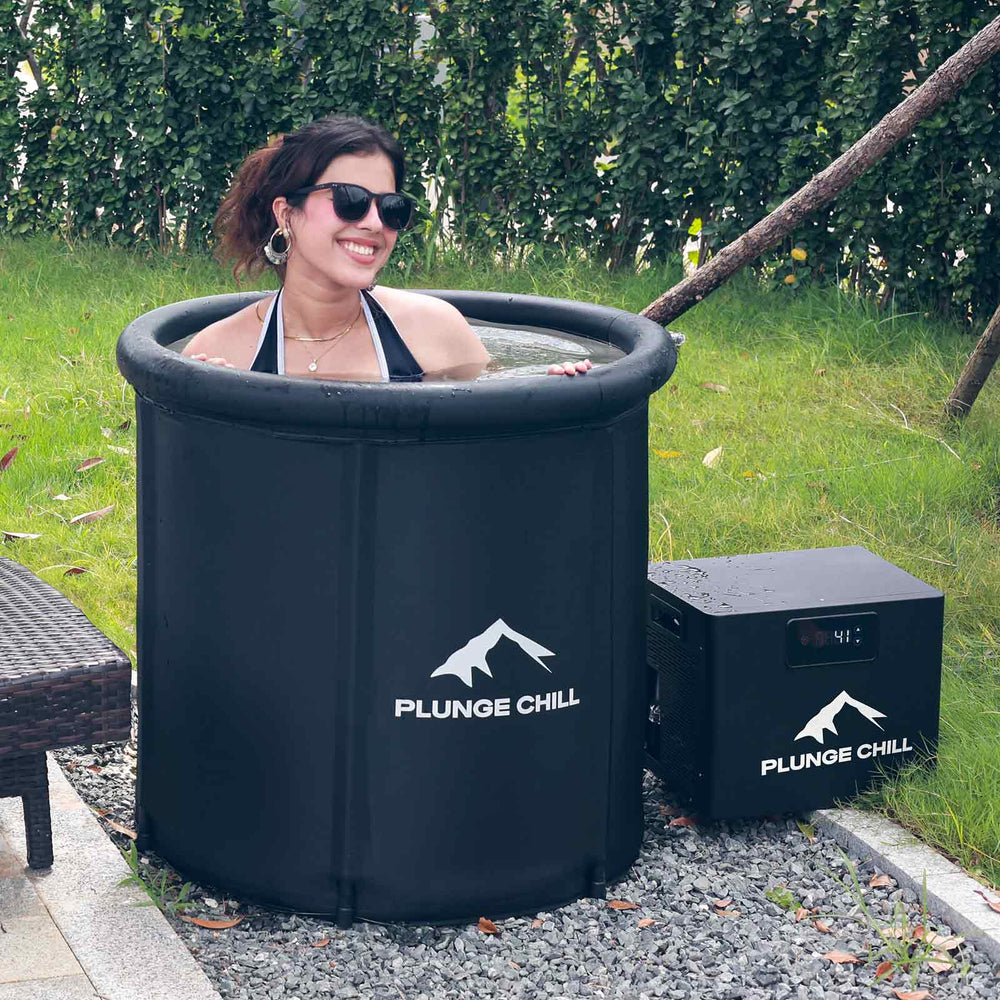
Cold water immersion and disciplined sleep design have both surged in popularity, yet many people treat them as separate pursuits. The evidence suggests they can be coordinated to amplify mood, recovery, and sleep quality—if you respect physiology and safety. This guide synthesizes what reputable clinical and sports sources report about deliberate cold exposure and how to weave it into a practical, jewelry-safe evening routine anchored by a cool, well‑timed sleep environment.
What Cold Water Immersion Means
Cold water immersion is deliberate exposure to water that is uncomfortably cold but safe, often in the range of about 50–60°F. It can be done as a short ice bath, a cold shower, a brief outdoor swim in cold water, or as cold‑air cryotherapy that evokes similar physiological responses without water. The point is to create an acute, manageable thermal stress that cues a cascade of neurochemical and autonomic changes. Stanford Lifestyle Medicine defines full‑body immersion and notes that even face‑only exposure can trigger pronounced calming effects by engaging the diving reflex. Medical guidance from Kaiser Permanente describes typical recovery protocols as 10–15 minutes at about 50–59°F, with caution that going longer adds risk without added benefit.
Cold exposure is not a cure‑all and it is not suitable for everyone. It should be layered onto fundamentals such as physical activity, balanced nutrition, hydration, and consistent sleep, and it should be discussed with a clinician if you have medical conditions or concerns.

What Cold Does Inside the Body
Cold stress activates the sympathetic nervous system and raises noradrenaline, which increases alertness and focus. Many people feel an immediate lift in mood, likely from a mix of endorphin release, strong noradrenaline signaling, and increased cerebral blood flow (Stanford Lifestyle Medicine). These peaks are followed by a drop in circulating cortisol that can remain below baseline for one to three hours, depending on dose and starting conditions. In studies summarized by Stanford, even a one‑hour cold exposure at about 90°F, 68°F, or 57°F drove cortisol lower and kept it there for at least an hour; a 15‑minute immersion around 50°F kept cortisol lower for up to three hours.
Longer‑term practice appears to recalibrate stress reactivity. A 12‑week program using very brief swims at about 32–36°F or cold‑air cryotherapy around −166°F, three times per week, produced progressively lower post‑exposure cortisol by the fourth week, while noradrenaline responses remained durable. This pattern hints at improved stress resilience over time, although formal mental‑health outcomes require more research.
Human evidence on cold‑shock proteins is early, but animal data around RBM3 suggest a role in synaptic repair. Translating that promise to practical neuroprotection remains speculative for now; the prudent view is that cold exposure may support neural resilience, but it should not be treated as a therapy.

How Sleep Physiology Interacts with Cold
Falling asleep is tightly linked to thermoregulation. In the hour before natural sleep onset, your core temperature drops and heat moves to the skin and extremities. Aligning your behaviors with that cooling is central to sleep onset and continuity. UT Health San Antonio recommends sleeping in a cool, dark room around 60–67°F and cautions that warm baths or warm milk near bedtime can be activating rather than sedating because they raise core temperature if you do not allow enough time to cool.
A cool bedroom does more than feel comfortable. A study supported by NIH and reported through VCU found that spending nights at about 66°F for four consecutive weeks doubled brown adipose tissue volume and improved insulin sensitivity in healthy adults, while warmer exposure suppressed this metabolically beneficial tissue. The metabolic findings are early and the sample was small, but they reinforce a simple behavioral point: a modestly cooler bedroom supports both sleep physiology and healthy thermoregulation.
What the Sleep Evidence Shows About Cold Exposure
Direct sleep outcomes from cold exposure are starting to accumulate. In endurance runners who completed an evening workout, a 10‑minute whole‑body immersion at roughly 56°F led to a lower core temperature for more than an hour, more slow‑wave sleep in the first three hours of the night compared with partial immersion, and fewer arousals and limb movements across the night. This protocol did not accelerate neuromuscular recovery over the following 48 hours, reminding us that better sleep architecture does not automatically translate to faster physical performance gains in the short term (NIH PubMed Central).
Clinical and population sources also suggest downstream benefits. Kaiser Permanente notes that cold exposures can promote higher‑quality sleep and reduce delayed‑onset muscle soreness. PLOS One reported that people who ended daily showers with cold for 30 to 90 seconds took 29% fewer sick days over one month, a result that likely reflects both immune and behavior changes, including better sleep patterns. A recent summary from Harvard Health Publishing points out that while users often report less stress and better sleep, the overall evidence remains mixed and protocol details vary widely, underlining the need to personalize and proceed cautiously.

Where Contrast Showers Fit
Alternating warm and cold water in the shower creates a pumping effect between vasodilation and vasoconstriction that moves blood and fluid and helps avoid extremes. A practical sequence is to start warm to relax muscles and bring heat to the skin, then switch to cold to pull heat from the core and heighten alertness, and repeat for a few cycles. If your aim is better sleep, finishing warm but not hot, and then giving yourself time to cool down in a 60–67°F bedroom can align with circadian cooling without leaving you overstimulated. Academic work cited by University of Texas at Austin researchers suggests that bathing one to two hours before bedtime can shorten time to fall asleep when you allow for a cooling window afterward.

Turning Cold Into a Sleep Tool
If your primary goal is sleep, timing and dose matter more than bravado. Evidence‑informed practice looks like a short, tolerable exposure one to two hours before bedtime, not a shock right before lights out. For many people that means one to three minutes at about 50–59°F, or a two to three minute cold shower if a plunge is not available. That small dose is enough to produce the post‑cold relaxation rebound as cortisol drifts lower and parasympathetic tone rises (Plunsana; Stanford Lifestyle Medicine). Breathwork during and after helps smooth the transition from the sympathetic spike to a calmer, ready‑for‑bed state.
For people who want a rapid calm without full immersion, face‑only dips into cold water recruit the trigeminal and vagus nerves to trigger the diving reflex, slowing heart rate and promoting a parasympathetic response. Clinicians sometimes teach this as part of TIPP skills for emotion regulation. This is also a practical, low‑risk option on travel days or in small apartments.

What About Training, DOMS, and Muscle Growth
Cold exposure can reduce soreness by lowering muscle temperature and constricting blood vessels, which curbs inflammation and pain. It is most effective for soreness when done within an hour after training, used a few times per week, and kept within safe duration and temperature limits (Kaiser Permanente). However, if you are trying to maximize muscle growth, you should avoid or delay cold plunges for four to six hours after heavy lifting, because blunting inflammation too aggressively can blunt hypertrophy.
The coexistence of sleep and strength goals means choosing your cold timing with intention. If you lift in the evening and you want both growth and sleep, prioritize movement cooldown, a warm shower, and a cool bedroom; schedule more intense cold exposures on non‑lifting days, or push them earlier in the afternoon.
Safety First: Who Should Avoid, When to Stop, How to Start
Cold shock increases heart rate and blood pressure and can destabilize heart rhythm. People with cardiovascular disease—especially rhythm disorders—peripheral artery disease, severe Raynaud’s, or uncontrolled high blood pressure should not use cold plunges without medical clearance, and many should avoid them entirely (Harvard Health Publishing; Kaiser Permanente). Asthma, chronic inflammatory conditions, and pregnancy warrant extra caution due to limited safety data. Beginners should start warmer and shorter, such as one to two minutes around 68°F, then progress as tolerated. Limit any single immersion to 10 minutes or less, enter slowly to prevent a gasp reflex or hyperventilation, never swim alone, and avoid open water conditions with currents or unknown temperatures (Stanford Lifestyle Medicine; Kaiser Permanente).
Jewelry Care While You Cold Plunge and Wind Down
As an editor in a jewelry‑focused space, I am often asked whether rings, bracelets, and necklaces can be worn into a plunge or cold shower. In practice, removing jewelry before immersion is the safest choice. Fingers shrink slightly in cold, which makes rings more likely to slip off and disappear into drains. Sudden temperature changes and chlorinated water can also dull finishes and degrade adhesives used in some settings. Porous or delicate materials such as pearls and certain opals dislike extremes and prolonged water exposure. Store pieces in a dry, fabric‑lined tray away from steam, and put them back on after you are dry and warm. These care points reflect standard bench‑jeweler practice for water and temperature exposure; confidence: high.
Choosing Tools: Cold Options and Sleep Environment
A few equipment paths can help you integrate cold exposure with a consistent, cool bedroom. The table below compares common cold modalities for sleep goals.
|
Modality |
What it is |
Typical temperature and time |
Primary effects reported |
Best sleep use |
Notable cautions |
|
Cold plunge (full body) |
Chest‑deep immersion in a tub |
About 50–59°F for 1–3 minutes for sleep; up to 10–15 minutes for recovery |
Noradrenaline surge then cortisol decline; soreness relief |
One to two hours pre‑bed to allow the relaxation rebound |
Cardiovascular risks; limit duration; avoid if you have rhythm disorders |
|
Cold shower |
Whole‑body shower with cold water |
About two to three minutes, finish warm if you overcool |
Accessible alertness boost; milder cooling |
A bridge option when no tub exists |
Less uniform cooling; still spikes alertness initially |
|
Contrast shower |
Alternating warm and cold in cycles |
About one minute warm, one minute cold for three to five cycles |
Vascular “pumping,” avoids extremes |
Finish warm and allow bedroom cooling afterward |
Personalize final temperature; avoid overheating |
|
Face in a basin of cold water |
About 10–30 seconds per dip |
Diving reflex calms and lowers heart rate |
Quick evening downshift or travel option |
Avoid breath‑holding if anxious; stop if dizzy |
|
|
Cold‑air cryotherapy |
Brief whole‑body cold air |
Minutes at very cold air temperatures |
Similar neurochemical responses without water |
Not essential for sleep; advanced option |
Specialized facilities; medical screening needed |
A cool bedroom is the second half of the plan. Think of the bed as your thermostat partner rather than your only tool. The next table frames popular ways to keep nights in the 60–67°F range.
|
Tool |
Role in sleep plan |
Practical note |
|
Thermostat/AC |
Sets the room to about 60–67°F |
Cooler by default supports faster sleep onset (UT Health San Antonio) |
|
Bed cooling pad or breathable bedding |
Lowers microclimate around the body |
Pair with a cool room; avoid overheating then trying to cool too late |
|
Blackout shades and light discipline |
Reinforces circadian cues |
Morning light and dark nights help the body time its cooling correctly |
|
Fan and airflow |
Enhances skin heat loss |
Gentle airflow can speed the pre‑sleep cool‑down |
|
Humidifier/dehumidifier |
Improves comfort at cool temps |
Aim for a comfortable middle humidity to avoid dry air disruptions |
A Coordinated Evening Routine That Respects Both Cold and Sleep
A realistic routine does not hinge on an ice bath every night. After late‑day activity, cool down with easy movement and a warm shower. If you plan to add cold, do it about one to two hours before bedtime. A short plunge around 50–59°F for one to three minutes, or a two to three minute cold shower after a warm phase, is enough to trigger the relaxation rebound most people notice as a calm, warm drowsiness. Breathe slowly through the initial gasp, then rewarm gently with comfortable clothes rather than a hot blast that reverses your cooling. Set the bedroom to about 60–67°F, dim lights, and avoid caffeine within roughly eight hours of bedtime. Keep the bed for sleep rather than screens, and be patient if you are adjusting to daylight saving time; many adults need a week or two to settle into the new clock, with teenagers and older adults often hit hardest (UT Health San Antonio).
If you are chasing strength gains, do not combine heavy evening lifting and immediate cold plunges. Delay the cold four to six hours or save it for non‑lifting days, then keep the pre‑bed routine focused on bedroom cooling, breathwork, and light stretching.
Pros, Cons, and Realistic Expectations
A modest cold dose followed by a cool, dark bedroom maps onto how sleep actually begins in the brain. Studies and clinical commentary converge on several benefits: improved mood and alertness after the cold; lower cortisol during the following hours; and, in at least one well‑controlled trial, more deep sleep early in the night after whole‑body cooling. The practice also carries real risks and individual variability. People with cardiovascular conditions should approach cold exposure with extreme caution or avoid it entirely. Not everyone sleeps better after cold; a plunge too close to lights out can leave you keyed up. Evidence for immunity and performance is encouraging but inconsistent and should not be over‑sold. The sleep wins come from matching dose and timing to your goals and keeping the bedroom cool—without turning cold into a contest.

Takeaway
Cold exposure and sleep optimization work best as partners. Use a short, tolerable cold dose one to two hours before bed to spark a relaxation rebound, then let a 60–67°F bedroom carry your core temperature downward toward sleep. Respect contraindications, avoid bravado, and keep expectations grounded in the evidence: better mood, steadier stress hormones, and a decent chance of deeper early‑night sleep when the protocol fits your body. For jewelry lovers, remove rings and delicate pieces before immersion, store them dry, and put them back on once you are warm. The elegant routine is the one you can repeat.
FAQ
Does a cold plunge right before bed help or hurt sleep?
A plunge immediately before bed usually makes sleep harder because the initial sympathetic surge raises heart rate and alertness. The more sleep‑friendly pattern is a short plunge about one to two hours before bedtime so that cortisol drifts lower, parasympathetic tone rises, and the bedroom’s cool air completes the pre‑sleep temperature drop.
What temperature should my bedroom be for the best sleep?
Most adults sleep best in a cool, dark room around 60–67°F. That aligns with the body’s natural cooling before sleep and supports faster sleep onset. A month of nights at 66°F has also been shown to expand brown fat and improve insulin sensitivity in healthy adults, although those metabolic outcomes are preliminary and may not generalize (VCU reporting on research published in Diabetes).
If I do cold for recovery, how long is safe and useful?
For soreness, many programs use about 10–15 minutes near 50–59°F, ideally within an hour after hard efforts, a few times weekly. Staying longer adds risk without proven extra benefit (Kaiser Permanente). If you are chasing muscle growth, delay cold for four to six hours after heavy lifting so you do not blunt the desired adaptations.
Is face‑only cold exposure worthwhile for sleep?
Yes, especially when you want a quick downshift. Brief facial immersion in cold water activates the diving reflex through the trigeminal and vagus nerves, lowering heart rate and promoting a calmer state. Clinicians sometimes teach this as part of emotion regulation skills, and it can be a practical bridge on travel nights (Stanford Lifestyle Medicine).
Who should not do cold plunges?
Anyone with cardiovascular disease, heart rhythm disorders, peripheral artery disease, severe Raynaud’s, or uncontrolled high blood pressure should avoid cold plunges unless a clinician explicitly approves them. Pregnancy safety remains uncertain. Begin conservatively, enter slowly, limit duration, and never swim alone (Harvard Health Publishing; Kaiser Permanente; Stanford Lifestyle Medicine).
Should I wear or remove jewelry in cold water?
Remove jewelry before immersion. Cold constricts blood vessels and can loosen rings enough to slip off, and water—especially chlorinated—can dull finishes and degrade adhesives used in some settings. Dry off fully and rewarm before putting pieces back on. This reflects standard jeweler practice; confidence: high.

Sources Cited in Text
Stanford Lifestyle Medicine; Kaiser Permanente; UT Health San Antonio; VCU School of Medicine reporting on Diabetes; NIH PubMed Central; PLOS One; Harvard Health Publishing; Journal of Thermal Biology; University of Texas at Austin researchers.
References
- https://www.health.harvard.edu/heart-health/cold-plunges-healthy-or-harmful-for-your-heart
- https://lifestylemedicine.stanford.edu/jumping-into-the-ice-bath-trend-mental-health-benefits-of-cold-water-immersion/
- https://news.uthscsa.edu/a-cold-room-not-a-warm-bath-encourages-sleep/
- https://news.vcu.edu/article/cooler_bedroom_temperatures_may_boost_metabolic_activity
- https://pmc.ncbi.nlm.nih.gov/articles/PMC8044518/
- https://journals.plos.org/plosone/article?id=10.1371/journal.pone.0317615
- https://www.psypost.org/cold-water-immersion-found-to-boost-cognitive-function-and-reduce-sleep-disturbances/
- https://www.sleepfoundation.org/sleep-hygiene/shower-before-bed
- https://mydoctor.kaiserpermanente.org/mas/news/health-benefits-of-cold-water-plunging-2781939
- https://mcpress.mayoclinic.org/healthy-aging/the-science-behind-ice-baths-for-recovery/
Disclaimer
By reading this article, you acknowledge that you are responsible for your own health and safety.
The views and opinions expressed herein are based on the author's professional expertise (DPT, CSCS) and cited sources, but are not a guarantee of outcome. If you have a pre-existing health condition, are pregnant, or have any concerns about using cold water therapy, consult with your physician before starting any new regimen.
Reliance on any information provided in this article is solely at your own risk.
Always seek the advice of a qualified healthcare provider with any questions you may have regarding a medical condition, lifestyle changes, or the use of cold water immersion. Never disregard professional medical advice or delay in seeking it because of something you have read in this article.
The information provided in this blog post, "Integrating Cold Bathing and Sleep Optimization Techniques," is for informational and educational purposes only. It is not intended to be a substitute for professional medical advice, diagnosis, or treatment.
General Health Information & No Medical Advice