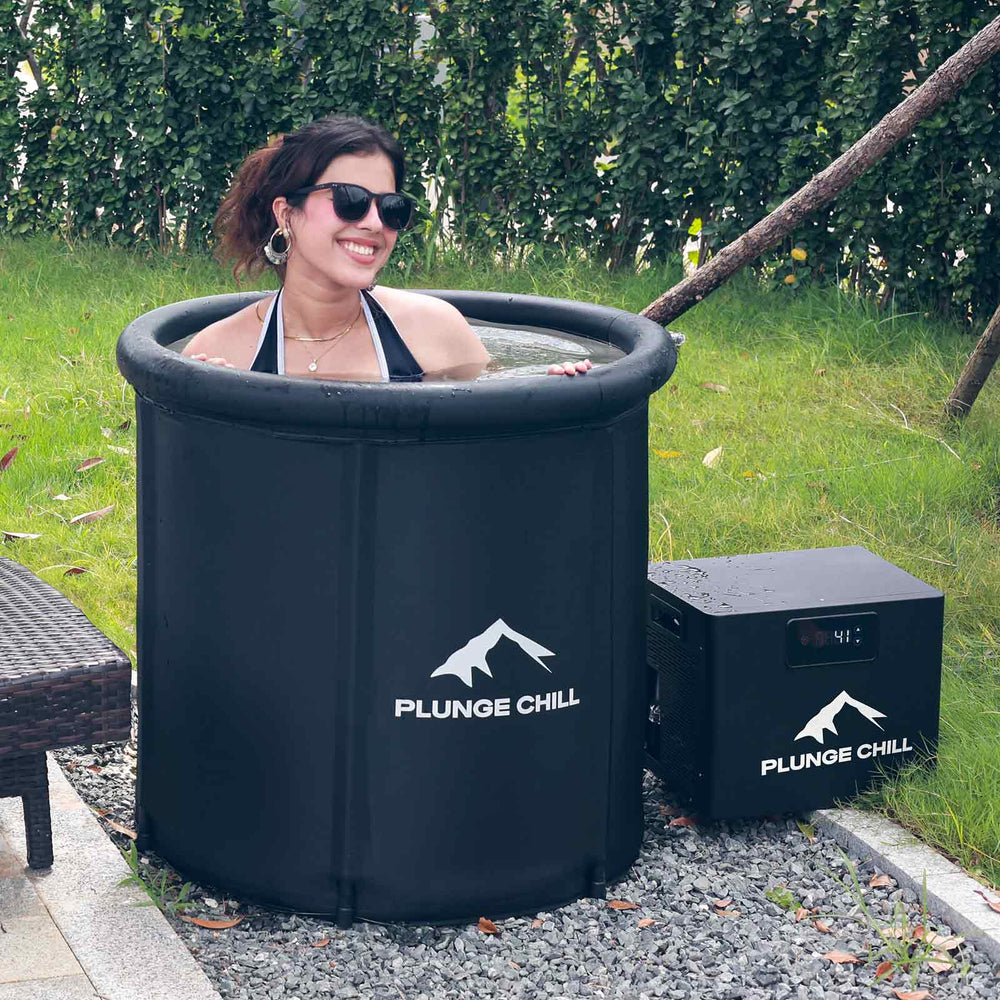
Cold-water immersion moved from locker rooms to living rooms, and for good reason: when dosed and timed well, it reliably reduces perceived soreness and can sharpen mood and alertness. As a sports rehabilitation specialist and strength coach who also tests cold plunge products, I’m often asked a simple question with a complicated answer: what is the best Ice Pod alternative in 2026? The short version is that an Ice Pod—an inflatable or basic tub filled with ice and hose water—does work, but temperature drift, sanitation burdens, and inconsistent dosing make it a compromise. The strongest upgrade is an integrated chiller plunge with filtration and precise temperature control. That said, the right alternative depends on your goal, training phase, budget, and recovery context. This review synthesizes current evidence and practical experience to help you choose well.
What Is an Ice Pod Alternative in Cold Plunge Therapy?
In practice, an Ice Pod alternative is any approach that delivers cold exposure without relying on manual ice dumps in a basic tub. The most common categories are integrated chiller plunges with filtration, whole-body cryotherapy in a chamber, cold showers at sufficiently cold settings, contrast water therapy alternating hot and cold, targeted cooling systems that chill the limbs or lower body without immersion, and natural cold-water swims. Each category can achieve a similar core stimulus—rapid skin and superficial tissue cooling—yet they differ in dose control, cost, convenience, and risk.
What the Evidence Says About Cold Plunge Effects and Cold Exposure
Across trials and reviews, the most consistent benefit of cold-water immersion is reduced perceived soreness over the first one to three days after hard exercise. A large synthesis reported moderate pain reductions at 24 to 72 hours, with little to no improvement in objective performance or swelling and a possible dip in immediate strength after immersion, especially right after exhaustive work. These findings align with the clinical reality that cold is excellent at analgesia but not a magic accelerant for tissue repair.
Two points are crucial if you train for muscle size or strength. First, regular immediate post-lift plunges can blunt long-term hypertrophy and strength gains compared with active recovery. Controlled work comparing cold-water immersion to low-intensity warm-downs found similar intramuscular inflammation and stress signaling after exercise, suggesting the muscle-building penalty from frequent cold exposure is not explained by suppressed inflammation in muscle. In other words, cold’s reliable pain relief and cooling do not translate into better biological repair signals; in some contexts they may interfere with adaptation. Second, short-term dips in power have been observed after cold immersion, which matters if you need to perform again the same day.
Two reputable clinical sources provide practical ranges you can trust. Cleveland Clinic advises beginners to start warmer, around 68°F, build exposure gradually toward the 50 to 59°F range, and keep most sessions in the three to five minute window while avoiding extreme temperatures below about 40°F. Ohio State’s Wexner Medical Center notes that 10 to 20 minutes at roughly 50 to 59°F is a commonly used protocol in sport, but they also warn that frequent post-lift immersion can blunt hypertrophy and encourage waiting 24 to 48 hours after strength sessions if muscle growth is a priority. These differing time recommendations trace back to definitions and use cases: medical guidance prioritizes safety and tolerance, while sports protocols historically allowed longer immersions for large, well-acclimated athletes using facilities with trained supervision.
What Cold Plunge Data Reveals About Benefits and Risks
The first underappreciated insight is that cold-water immersion does not significantly reduce intramuscular inflammatory cell infiltration or cytokine expression compared with active recovery after resistance exercise, despite widespread assumptions to the contrary. PubMed Central findings show similar neutrophil and macrophage responses in muscle with cold-water immersion and with an easy warm-down, suggesting analgesia, not accelerated tissue repair, drives the short-term relief. The second is methodological: meta-analytic effects for soreness are larger in cross-over trials than in parallel-group trials, which likely inflates the apparent benefit because cross-over designs can exaggerate within-person contrasts. The third is immediate performance. Several controlled studies observed short-term decrements in maximum power or handgrip strength after immersion, which is rarely highlighted in consumer guides. If you need to repeat maximal efforts within hours, avoid immersion between sessions and consider cooler air or contrast therapy for comfort without deep chill.

Best Ice Pod Alternative in 2026: Integrated Chiller Cold Plunge System
If you want the best Ice Pod alternative for year-round use, consistent dosing, and hygienic water, select a chiller-equipped plunge with built-in filtration and precise temperature control. These systems maintain water near your target setpoint, eliminate the “dump ice and guess” routine, and filter continuously so your water stays clear and safer with far lower turnover. In team and clinic settings, this consistency is the difference between a therapeutic dose and a cold bath that drifts 5 to 10°F across a session.
A practical example comes from collegiate athletics where professional-grade cold units provide precise control, integrated filtration, and energy-efficient operation on campus. That consistency helps coaches deliver repeatable exposures after practices and tournaments without devoting staff time to hauling ice and draining tubs. For individual users, an integrated chiller also unlocks split-dose programming—such as two short immersions at the same temperature on a heavy training week—because water quality and temperature recover swiftly after each session.
From the testing bench, an integrated chiller plunge is also easier to live with. You set 50 to 55°F for most sessions, tap warmer for novices or colder for advanced users, and train the protocol, not the plumbing. You wipe, test, and shock on a schedule rather than emptying and refilling every few days. If you can afford one upgrade beyond a basic pod, this is it.
How to Use an Ice Pod Alternative Safely and Effectively
Apply simple rules grounded in clinical guidance. Start warmer and shorter—around 60 to 68°F for one to three minutes—and progress gradually as your tolerance improves, breathing slowly and evenly to control the cold shock. Most healthy users land in the 50 to 59°F band for three to five minutes as a default. Advanced users may take brief exposures near 45 to 50°F, but routine plunges below about 40°F are not necessary and raise risk. Rewarm gradually after sessions rather than sprinting to scalding showers, and step out if numbness or shivering escalates. Before starting, check contraindications with a clinician if you have heart disease, high blood pressure, diabetes, peripheral neuropathy, Raynaud’s, or cold agglutinin disease. Finally, program cold to fit your goal. If you are chasing hypertrophy, move cold exposure to off-days or at least 24 to 48 hours post-lift, and avoid immersion between two strength sessions on the same day. If you are managing heat stress or back-to-back endurance efforts, short post-session immersions can reduce perceived fatigue without the adaptation penalty that matters most to lifters.
Best Ice Pod Alternatives Based on Your Goals and Needs
Whole-Body Cryotherapy as a Fast Alternative to Ice Baths
Cryotherapy exposes the body to extremely cold air, roughly minus 148 to minus 220°F, for two to four minutes while wearing minimal protective gear. It is fast, dry, and supervised, which is ideal for busy schedules or travel. It reliably delivers the alert-by-chill effect many athletes seek and can be scheduled before or after training with little setup. The tradeoffs are cost per session and facility dependence. While consumer blogs pitch schedules such as three to five sessions per week in the first month, that cadence is vendor-driven and not a clinical standard. Verify by checking independent sports medicine guidelines and randomized trials that test dose–response beyond marketing calendars.
Cold Showers vs Ice Baths: The Easiest Way to Build a Cold Therapy Habit
Cold showers are the cheapest entry point and work surprisingly well when the water is actually cold. Below about 60°F, brief exposures of 30 to 90 seconds can raise alertness and, over time, may reduce stress. Clinical commentary has highlighted fewer sick-leave days in adults who added short cold bursts for three months, and hospital guidance describes cold showers as a safe, accessible option for daily recovery when immersion is impractical. As a coach, I use showers to teach breath control and pacing before asking athletes to immerse. The downside is simply water temperature: many home showers can’t hit the 50s°F year-round, and partial exposure provides a shallower cooling dose than immersion.
Targeted Cold Therapy for Localized Recovery as an Ice Bath Alternative
Targeted systems that circulate cold water through pads in pants or sleeves cool the legs and glutes without immersing the skin in water. They are beginner-friendly because the sensory shock is lower, and they shine when soreness is localized after dense eccentric work. Product blogs claim rapid cooldowns to about 41°F within roughly 10 minutes in some systems, which, if true, would make them convenient between field sessions. Verify with an infrared thermometer during a live run and compare time-to-target and hold stability against a bench chiller. Also note that while localized cooling helps symptoms, you are not getting the systemic immersion stimulus described in most trials.
Contrast water therapy when you want circulation without deep chill
Contrast water therapy alternates hot and cold exposures, often around three minutes hot near 101°F and one minute cold near 58°F, for a total of six to eighteen minutes. Many athletes find it more tolerable than straight cold, and it may support circulation and perceived recovery. Evidence is mixed for biomarkers, but several studies suggest contrast can hasten lactate clearance and reduce fatigue. For home users with a chiller plunge and a hot tub or a very hot shower, contrast offers a versatile middle ground on heavy weeks when you want relief without a deep chill dose.
Natural cold-water swimming for community and mood
Open-water swims in the 49 to 55°F range combine steady aerobic work with cold exposure and social connection. This pairing is potent for mood and resilience, though it is less controlled, more weather-dependent, and higher risk. For safety, swim with a partner, wear bright headgear for visibility, consider neoprene for hands and feet, and exit as soon as shivering escalates. If performance is the priority, use swims as a separate modality rather than a recovery tool during heavy lifting cycles.
Comparison at a Glance
|
Option |
Typical water/air temp |
Typical session |
Setup and access |
Primary strength |
Key cautions |
Evidence highlight |
|
Chiller plunge with filtration |
45–60°F water |
3–10 minutes |
Home unit; plug-in chiller |
Precise dosing; hygienic; year-round |
Cost and space; maintenance |
Reliable soreness relief without temperature drift; avoid immediate post-lift if chasing hypertrophy (PubMed Central; Cleveland Clinic; Ohio State Wexner Medical Center) |
|
Whole-body cryotherapy |
Minus 148 to minus 220°F air |
2–4 minutes |
Facility-based; supervised |
Fast; dry; convenient |
Session cost; cold-burn risk; contraindications |
Short-term alertness and analgesia; schedule and frequency claims are vendor-led (Pause Studio; clinical commentary) |
|
Cold shower |
Below 60°F water |
30–180 seconds |
Any bathroom |
Accessible; easy habit |
Partial exposure; seasonal temp limits |
Mood and perceived recovery benefits; safe daily option when cold enough (UCLA Health) |
|
Targeted cooling pants |
Chilled pads ~41–50°F water |
10–20 minutes |
Wearable; localized |
Beginner-friendly; local relief |
Not systemic immersion |
Comfort advantage for lower body; marketing claims need independent timing tests (icebein blog; Confidence: Low) |
|
Contrast water therapy |
Hot ~101°F, cold ~58°F |
6–18 minutes total |
Shower or tubs |
Circulation stimulus; tolerable |
More time; mixed biomarker data |
Reduces perceived fatigue; lactate clearance signals (PubMed Central) |
|
Cold-water swimming |
49–55°F water |
Minutes to <20 minutes |
Natural water; safety gear |
Aerobic + cold; community |
Hypothermia risk; variable conditions |
Strong mood/resilience effects; less controlled dose (safety advisories; sports medicine commentary) |
|
Inflatable Ice Pod |
Variable; drifts warmer |
3–10 minutes |
Low-cost tub + ice |
Entry-level immersion |
Ice logistics; sanitation |
Works when cold enough; dosing inconsistency limits repeatability (product testing; Benedictine University commentary on controlled systems) |
Care, Maintenance, and Buying Tips
Buy for temperature control first and ease of sanitation second. Precision matters because most benefits are dose-dependent: a few degrees warmer or colder materially changes the experience, especially over short exposures. Look for chillers that can sustain a setpoint through back-to-back plunges, not just reach it once. Continuous filtration and a cover reduce biofilm and debris, and many modern systems add UV or ozone as secondary disinfection. In team rooms and small clinics, filtration is non-negotiable; in homes, it is the difference between weekly drain cycles and dependable water month to month.
Materials, footprint, and drainage add up to real day-to-day friction. A rigid tub holds temperature better than uninsulated inflatables and is safer to enter and exit. A bottom drain that ties to a floor drain or garden hose keeps lift-and-dump days rare. A sturdy lid is a safety device as much as a heat-saving cover. Place your unit on a level surface with enough clearance for getting in and out and for service access to the chiller. If in doubt about electrical service, ask a professional before you plug in a high-draw device next to water.
If you are evaluating cryotherapy memberships instead, set expectations. Per-session costs often range widely and stack quickly with high-frequency schedules. Confirm staff training, protective gear fit, and emergency protocols, and disclose medical conditions before sessions.

Protocols: Match the Dose to the Day
Your training focus dictates how and when to use cold. For hypertrophy and strength blocks, shift immersion to non-lifting days or at least one to two days after the session. This respects the signal for adaptation while preserving the mood and sleep benefits many users report. For endurance blocks or when practicing and competing in heat, short post-session immersions near 50 to 59°F can reduce perceived fatigue and speed comfort on turnaround days, provided you rewarm progressively. For general wellness or stress relief, make cold showers a weekday ritual and save immersion for one or two higher-quality plunges each week. As a baseline for new users, aim for one to three minutes around 60 to 68°F, breathe slowly, and step out before shivering overtakes your breath. As tolerance improves, nudge time or temperature, but resist chasing extremes; the goal is repeatable exposures that fit your life.
A note on conflicting temperature and time advice is warranted. You will encounter three to five minute guidance from clinical sources that emphasize safety, and 10 to 20 minute sport traditions that emphasize tolerance in supervised environments. The likely causes are differences in definitions (skin vs deeper tissue targets), population (clinic patients vs conditioned athletes), and methodology (older lab protocols vs modern at-home practice). When in doubt, start warmer and shorter, build slowly, and individualize for cardiovascular status, acclimation, and goals.
Takeaway
The best Ice Pod alternative in 2025 is an integrated chiller plunge with real filtration and tight temperature control. It gives you the same analgesic benefits as a tub of ice, without the guesswork and sanitation headaches, and it respects the one truth that matters most for adaptation: consistency. If your priorities are speed and convenience, cryotherapy is a strong facility-based option. If cost and habit-building lead, cold showers work when the water is truly cold. If soreness is localized, targeted cooling pants can help without a full plunge. And if community and mood matter, cold-water swims can be a high-value complement with proper safety. Whatever you choose, dose cold with intention, time it to your training, and keep your water—and your program—clean.
FAQ
What temperature and duration should I start with at home?
Begin around 60 to 68°F for one to three minutes, focusing on calm breathing and a smooth exit. Over a few weeks, nudge gradually toward the 50 to 59°F range and hold most sessions under five minutes. This approach aligns with clinical safety guidance and keeps the cold shock manageable as you learn your personal response.
Will cold plunges hurt my muscle gains?
If you immerse immediately after lifting on a frequent basis, yes, you can blunt long-term hypertrophy and strength compared with active recovery. To protect adaptation, move immersion to off-days or at least 24 to 48 hours after strength sessions. If you need quick relief the same day, consider a warm-down, light movement, or a brief cold shower instead of a deep plunge.
Are cryotherapy chambers as effective as ice baths?
They reliably deliver short, intense skin cooling and the same alertness many users seek, but they are not the same stimulus as full-body water immersion. In practice, both methods reduce perceived soreness, and neither is a substitute for good training, sleep, and nutrition. Choose cryo for speed and supervised convenience, and choose water when you want precise control of temperature and dose at home.
Can I get similar benefits with only a shower?
If the water is cold enough, you can capture meaningful mood and perceived recovery benefits with short cold bursts. Showers are a strong daily habit for breathing and resilience, especially when immersion is impractical. They are less potent for deep tissue cooling than a chiller plunge, but they are far better than nothing and carry lower risk.
Are targeted cooling pants worth it?
They are valuable for localized soreness or for users who dislike the shock of immersion. They are also easy to set up and tolerate. Claims about how quickly they reach very low temperatures are often marketing-driven. Verify by timing a session with a thermometer and noting the chiller’s ability to hold a stable setpoint across repeated uses.
Why do sources disagree on how long to stay in the cold?
Guidelines diverge because populations, definitions, and methods diverge. Clinical advice often prioritizes safety for a broad public and recommends shorter exposures, while older sport protocols sometimes allowed longer immersions in supervised settings with conditioned athletes. When reconciling conflicting advice, consider your goals, health status, and environmental control, and err on the side of shorter, warmer exposures while you build tolerance.
References
- https://lms-dev.api.berkeley.edu/cold-tub-therapy
- https://ben.edu/game-ready-ice-cold-how-plunge-chill-is-helping-redhawks-recover-smarter/
- https://cupola.gettysburg.edu/cgi/viewcontent.cgi?article=2078&context=student_scholarship
- https://digitalcommons.liberty.edu/cgi/viewcontent.cgi?article=8439&context=doctoral
- https://journal.parker.edu/article/120141-the-efficacy-of-icing-for-injuries-and-recovery-a-clinical-commentary
- https://lifestylemedicine.stanford.edu/jumping-into-the-ice-bath-trend-mental-health-benefits-of-cold-water-immersion/
- https://ideaexchange.uakron.edu/cgi/viewcontent.cgi?article=3606&context=honors_research_projects
- https://sncs-prod-external.mayo.edu/hometown-health/speaking-of-health/cold-plunge-after-workouts
- https://pmc.ncbi.nlm.nih.gov/articles/PMC2938508/
- https://health.osu.edu/wellness/exercise-and-nutrition/do-ice-baths-help-workout-recovery