As a sports rehabilitation specialist and strength coach, I am used to seeing cold tubs parked next to squat racks and athletic training rooms. Over the last few years, I have started seeing something new: portable plunge tanks in campus wellness centers, “cold room” installations, and even exam‑week “reset stations” where students line up for an ice bath between study blocks.
The logic sounds compelling. Exams are stressful. Cold exposure can boost alertness, improve mood, and build resilience. If ice baths help athletes bounce back from a grueling tournament, why not apply the same recovery tool to cognitive marathons in the library?
The problem is that trends move much faster than high‑quality data, and schools deal with a population that includes minors and medically vulnerable students. The question is not “Is cold exposure interesting?” The question is “When does cold exposure make sense in a school setting during exam weeks, and how do we make sure it is safe, ethical, and actually useful?”
This article walks through what the evidence shows, where the hype outruns the science, and how I would structure a cold‑exposure program for exam weeks if I were advising a school or district today.
How Ice Baths Are Being Used in Schools During Exam Week
Cold water therapy is not new. Historical records cited in medical reviews describe variations of cold immersion as far back as early medical papyri and nineteenth‑century hydrotherapy, and more recent lifestyle medicine reviews note that cold showers, cold water immersion, and winter swimming have long been used as low‑tech health interventions. In modern sports, ice baths have been routine after games and hard practices for decades.
What is new is how these practices have moved out of the training room and into mainstream wellness culture. University and professional teams now highlight their cryotherapy suites and snow rooms in recruiting materials. Texas Christian University, for example, is adding a dedicated snow room to its restoration and wellness center, describing cold therapy as a “positive stress” that supports recovery, sleep, mood, and focus for student‑athletes.
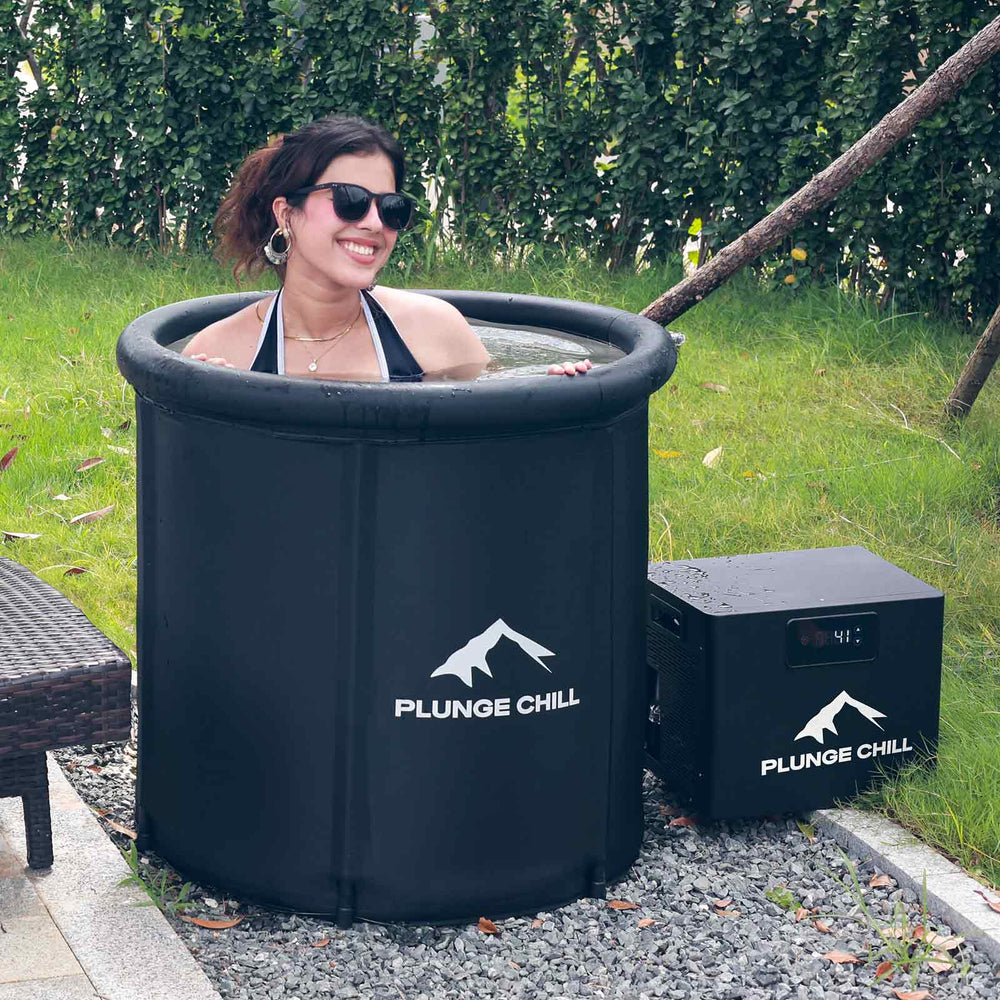
On the collegiate side, Benedictine University Mesa recently partnered with cold‑plunge company Plunge Chill to give student‑athletes access to pro‑level recovery tools. Their framing is telling: cold plunges are positioned not just as a way to reduce soreness, but as a discipline that builds resilience, mental clarity, and even academic success by allowing athletes to recover faster and show up more consistently in both sport and class.
At the same time, cold exposure has become a social media phenomenon. Influencers, biohackers, and wellness personalities broadcast daily plunges as a cure‑all for inflammation, obesity, anxiety, and depression. Rutgers University’s overview of the “cold plunge trend” notes that this practice, once a niche ritual, is now one of the “hottest trends” in 2024, promoted as a way to fix everything from mood to metabolism.
It is not surprising that this wave has washed up on campus during exam weeks. Student‑focused blogs aimed at exam takers already promote cold showers as a low‑cost way to boost alertness, stabilize mood, and improve sleep before tests. When the broader narrative says, “cold plunges make you sharper and more resilient,” exam‑week ice baths can look like an easy win.
Before schools lean into that idea, it is worth being precise about what “ice baths” actually mean in the literature.

Cold Therapy Methods Explained: Ice Baths, Cold Showers, and Snow Rooms
Most of the research you see cited in discussions of ice baths falls under the broader umbrella of cold water immersion. A recent healthy‑aging review defines cold water therapy as deliberate partial or full‑body exposure to water colder than normal core temperature, often below about 68°F, delivered via modalities such as cold showers, cold immersion, winter swims, or ice baths.
Across studies and clinical guidance, several patterns repeat.
Many laboratory and field protocols use water in the 45 to 59°F range for full‑body immersion, often up to chest or neck level, for anywhere from 30 seconds to about 15 minutes per session. The PLOS One analysis highlighted by Harvard Health Publishing, which pooled 11 studies and 3,177 participants, involved immersions in that range multiple days per week.
More accessible protocols involve cold showers. Instead of sitting in a tub, participants take a standard warm shower and then finish with 30 seconds to a few minutes of cold water, typically in the 50 to 60°F range. A Dutch trial summarized by Harvard Health found that people who finished showers cold reported better quality‑of‑life scores than those who did not.
Other research looks at open‑water swimming in cold seas or lakes. Stanford Lifestyle Medicine reviews a 20‑minute sea swim in about 56.5°F water among undergraduates, as well as winter swimming in 32 to 36°F water for 20 seconds at a time, three times per week.
A growing niche uses non‑water cold, such as cryotherapy chambers or snow rooms. TCU’s snow room, for example, will use dry air around 14 to 23°F to create a more tolerable but still physiologically challenging cold environment that several athletes can use simultaneously.
For exam‑week contexts in schools, most practical options fall into three categories: finishing showers cold, brief full‑body or partial‑body immersion in a tub at roughly 50 to 60°F, or limited facial immersion in a sink or bowl of cold water. Those approaches line up reasonably well with the temperatures and durations used in published studies.
The choice of modality matters because different forms of cold exposure produce different nervous system responses and risk profiles, which becomes crucial when planning for stressed students.
Overview of Common Cold‑Exposure Modes
|
Modality |
Typical temperature (F) |
Typical single‑session duration in studies |
Primary mental effect studied |
Practical fit in schools |
|
About 50–59°F |
About 3–20 minutes |
Mood, stress hormones, cardiovascular responses |
High oversight; best in athletic facilities |
|
|
Cold showers |
About 50–60°F |
About 30–90 seconds at end of shower |
Quality of life, perceived energy |
Most scalable for dorms and home environments |
|
Open‑water cold swimming |
About 32–57°F |
About 20 seconds to 20 minutes |
Mood, stress resilience, neurochemistry |
Generally unsuitable for school exam programs |
|
Cold tap or ice water |
About 10–30 seconds, sometimes repeated |
Emotion regulation via vagus‑nerve activation |
Realistic as a brief distress‑tolerance tool |
|
|
Snow rooms or cryochambers |
About 14–23°F (snow) |
About 2–10 minutes |
Recovery, sleep, subjective well‑being |
Realistic only for well‑funded athletic centers |
With these modalities in view, the next question is what they actually do to the brain and body, and whether that is relevant to exam stress.

The Science of Cold Exposure: Effects on Student Focus, Stress, and Brain Function
Acute Mood and Focus
A consistent finding across several lines of research is that short bouts of cold immersion can acutely improve mood and subjective alertness.
Stanford Lifestyle Medicine highlights a 2021 study in which undergraduate students spent 20 minutes in chilly sea water around 56.5°F. Compared with controls, the swimmers reported significant reductions in negative emotions such as tension, anger, depression, fatigue, and confusion, and meaningful boosts in positive factors like vigor and self‑esteem.
In another study summarized by Stanford Lifestyle Medicine, 33 adults new to cold‑water swimming completed a five‑minute head‑out immersion in about 68°F water. Immediately afterward, they reported feeling more active, alert, attentive, proud, and inspired. These effects map very closely onto the mental state most students want going into a dense study block.
An fMRI study of the same general immersion protocol, also covered in the scientific literature, scanned 33 healthy adults before and after a five‑minute bath around 68°F. Participants reported increased positive affect and reduced distress, and brain scans showed increased interaction between large‑scale networks involved in attention and emotion regulation, including prefrontal and cingulate regions. In plain language, a short, tolerable cold bath made people feel better and seemed to transiently tune brain networks associated with staying engaged.
University of Oregon researchers recently extended this line of work with college students in a 15‑minute cold plunge protocol. Their December 2023 study in the Journal of Thermal Biology found that a single immersion produced significant reductions in heart rate and blood pressure, reductions in cortisol (a key stress hormone), and improved mood three hours later.
From a coaching perspective, these results are striking but not magic. They describe short‑term shifts in mood and arousal, not long‑term changes in mental health diagnoses or academic performance. However, when students are grinding through three‑hour study blocks, a reliable, transient bump in positive affect and focus is not trivial.
Stress Hormones and Resilience
Cold exposure is a potent, controlled stressor. The initial cold shock produces rapid breathing, increased heart rate, and a sympathetic “fight or flight” surge. What happens afterward is more interesting.
The Stanford Lifestyle Medicine article reviews work showing that while cortisol does not spike dramatically during immersion, it falls afterward. In one study, an hour of immersion in water ranging from about 57 to 90°F led to decreased blood cortisol that remained below baseline about an hour later. Another protocol using a 15‑minute immersion at roughly 50°F showed cortisol remaining lower than baseline for up to three hours.
Repeated exposure seems to change the body’s stress response. In a winter swimming and cryotherapy study cited by Stanford Lifestyle Medicine, participants immersed themselves in near‑freezing water (about 32 to 36°F) for 20 seconds or used whole‑body cryotherapy three times a week for twelve weeks. After only four weeks, cortisol responses to the cold challenge were significantly blunted, and they continued to diminish over time, while noradrenaline surges remained robust. The interpretation is that the body learned to treat the cold as less threatening while preserving the alertness boost.
The University of Oregon study offers preliminary confirmation in a college population: a single 15‑minute cold plunge reduced cortisol and improved mood hours later. Harvard Health’s summary of the PLOS One review, however, cautions that across many studies the most consistent benefit is stress reduction about 12 hours after immersion, with mood and immune benefits being more variable.
In mental health and trauma circles, charities such as PTSD UK describe similar adaptation effects: repeated, carefully controlled cold exposure paired with breathing and meditation can expand the “window of tolerance” by training the autonomic nervous system to move more flexibly between sympathetic and parasympathetic states. At the same time, they emphasize that some trauma survivors feel worse with cold and that cold exposure must be considered an adjunct, not a standalone treatment.
Taken together, these data support a cautious claim that, for healthy individuals, regular cold exposure can be one way to train stress resilience. For exam‑week use, that means cold therapy is most defensible as a practice embedded over weeks or months, not as a last‑minute hack the night before a calculus final.
Dopamine, Norepinephrine, and Motivation
Beyond cortisol, cold exposure alters brain chemistry in ways that may matter during long study periods.
Articles from Psychology Today and cold‑therapy providers summarizing the scientific literature report that a single cold bath can increase dopamine levels by approximately 250 percent for up to two hours and norepinephrine by around 530 percent. Those figures come from studies where participants completed a controlled cold‑water immersion and had catecholamine levels tracked over time.
Dopamine is central to motivation, goal‑directed behavior, and sustained focus. Norepinephrine supports alertness, energy, and the ability to engage with tasks. It is no coincidence that some antidepressant medications, particularly serotonin–norepinephrine reuptake inhibitors, target norepinephrine pathways.
Neuroscience‑focused educators such as Andrew Huberman have popularized these findings, emphasizing that deliberate cold exposure triggers large, sustained increases in adrenaline and noradrenaline, with a prolonged dopamine elevation that can support mood and motivation for long after a brief plunge. His practical guidelines emphasize collecting about 11 minutes per week of “uncomfortably cold but safe” exposure split across multiple short sessions, rather than chasing extreme single plunges.
For students, this neurochemical profile aligns with what many report subjectively: a brief, intense discomfort followed by a period of feeling energized, clear‑headed, and more willing to tackle difficult tasks. It is important, though, not to overstate these findings. Harvard Health’s review points out that across pooled studies, there is no consistent, strong evidence that cold immersion improves mood long‑term or transforms immune function. The dopamine and norepinephrine surges are real and promising, but they are not a substitute for evidence‑based mental health care.

Where Ice Baths Might Help During Exam Weeks
Given that body of research, how might cold exposure realistically support students during exam periods?
Resetting Between Study Blocks
A student‑focused blog on exam performance describes cold showers as a simple, accessible tool to manage stress and enhance focus. The proposed mechanisms mirror the research: cold water jolts the nervous system, raises heart rate transiently, and triggers endorphin release, leaving many students feeling more awake, in a better mood, and physically refreshed.
In practice, a conservative, exam‑week‑appropriate version of this looks like finishing a normal warm shower with 30 to 60 seconds of cold water, in the 50 to 60°F range if students can control the temperature, or simply as cold as the tap allows while still feeling safe. Over several days, some students might extend that cold portion toward 2 or 3 minutes as tolerated.
The goal is not to “toughen up” students or create a competition for who can endure the cold longest. The goal is to create a brief, intentional state change: finish a long afternoon study block, take a cold‑finishing shower, feel a spike in alertness and mood, then sit down for one more focused session. For many healthy students, this sequence maps well onto the noradrenaline and dopamine data without requiring a dedicated plunge tub.
In my own work with college teams, I have seen this approach work best when framed as an experiment rather than a mandate. Some students love it and build it into their exam routine. Others try it and decide that a brisk walk outside does more for them. That variability is perfectly consistent with the mixed results in the literature.
Managing Pre‑Exam Nerves
For students with performance anxiety or difficulty down‑regulating strong emotions, cold exposure can also serve as a distress‑tolerance tool, but here the details matter.
Stanford Lifestyle Medicine notes that immersing only the face in cold water activates a different branch of the nervous system than full‑body immersion. Facial immersion in cold water taps into the mammalian diving reflex, mediated by the trigeminal and vagus nerves, which shifts the body toward parasympathetic “rest‑and‑digest” dominance. Heart rate slows, and many people feel a surge of calm.
In dialectical behavior therapy (DBT), clinicians use this reflex in a skill set known as TIPP: Temperature, Intense exercise, Progressive muscle relaxation, and Paced breathing. Psychiatrist Vanika Chawla, quoted by Stanford Lifestyle Medicine, sometimes recommends brief facial cold‑water immersion to help patients rapidly shift their physiological state when emotions feel overwhelming.
A school‑appropriate adaptation might be a supervised “cool room” where students can splash cold water on their face or briefly dunk their face into a bowl of cold water for a few seconds while practicing slow exhalations, then sit quietly for a minute and notice the shift. This is much less risky than full‑body immersion and directly targets the mechanism used in established therapeutic protocols.
Here again, PTSD UK and clinical programs such as Footprints to Recovery emphasize that cold exposure is an adjunct, not a cure. Students with significant anxiety disorders, PTSD, or other complex conditions should only use such techniques under guidance from their treating clinicians. For some individuals, cold can feel threatening or destabilizing rather than calming.
Student‑Athletes Under Double Load
Student‑athletes often face the heaviest combined stressors during exam weeks: high volumes of training and competition layered on top of major academic demands.
In that group, the traditional arguments for cold water immersion still apply. Reviews cited by Renu Therapy, Emory Healthcare, and others report that ice baths can reduce muscle soreness and swelling more effectively than passive rest, allow athletes to maintain higher training loads across consecutive days, and may slightly improve subsequent strength and power performance compared with no recovery interventions.
Benedictine University Mesa’s partnership with Plunge Chill is framed exactly this way. By providing reliable, filtered, temperature‑controlled plunge units, they aim to reduce downtime from fatigue and minor injury, enabling student‑athletes to bounce back faster from games and tournaments and thus stay engaged in both sport and classroom.
From a periodization standpoint, sports performance resources such as Sportsmith recommend treating cold immersion like any other training variable: in pre‑season, when adaptation is the priority, cold immersion is used sparingly to avoid blunting training signals; in‑season, when performance and recovery are paramount, it can be used more frequently, often three or more times per week, with exposures capped around 15 minutes and temperatures tailored to the demands of the schedule.
During exam weeks, this argues for a pragmatic compromise. For healthy student‑athletes already accustomed to cold tubs, maintaining short post‑practice immersions in the 50 to 59°F range for about 5 to 10 minutes can support physical recovery and, based on the studies above, may also reduce stress and support better mood and sleep. It should not, however, replace more fundamental exam‑week supports such as adequate sleep, rational training loads, and academic tutoring.
Risks, Myths, and Ethical Issues for Schools
The potential benefits of cold exposure do not erase the fact that it is a physiologically powerful stressor. For schools, the risk management questions are non‑negotiable.
Medical Red Flags
Several reputable sources converge on who should be cautious or avoid cold immersion.
Case Western Reserve University’s overview of ice baths and polar plunges emphasizes that the initial cold shock response can be dangerous for people with heart disease, prior stroke, poor circulation, or uncontrolled high blood pressure, especially those on beta blockers. The sudden increase in heart rate and blood pressure can provoke arrhythmias, heart attacks, panic, cognitive impairment, and, in open water, drowning.
Harvard Health’s review of the PLOS One meta‑analysis similarly notes that while cold immersion is generally safe for most healthy individuals, people with heart disease, high blood pressure, diabetes, or poor circulation should consult a clinician before trying it. Emory Healthcare adds that individuals with diabetes or impaired sensation may not feel cold‑related tissue damage, and those with open wounds or fresh surgical incisions should avoid immersion due to infection risk.
Rutgers University’s ice‑plunge Q&A underscores that cold is a stressor that raises norepinephrine and cortisol, constricts blood vessels, and makes the heart work harder. For athletes, that can be useful in controlling local inflammation; for someone with cardiovascular disease, it can be hazardous.
On the mental health side, organizations such as PTSD UK and Psychology Today both caution that while some people experience significant relief from depression and anxiety with cold exposure, others may find that symptoms worsen. Cold water should never be positioned as a replacement for trauma‑focused psychotherapy, medications when indicated, or crisis services.
For schools, the ethical baseline is clear. No student should be encouraged to use an ice bath or cold plunge without a straightforward medical screening for cardiovascular disease, serious metabolic conditions, seizure disorders, or complex psychiatric histories. For minors, parental consent and involvement are essential.
Teens, DIY Plunges, and Safety
Even for healthy students, the way cold exposure is delivered can introduce serious risks.
Emory Healthcare and several sports medicine sources emphasize that hypothermia becomes a concern in water colder than about 70°F, and that immersion hypothermia can develop in water below about 59°F because water conducts heat away from the body about 25 times faster than air. They recommend limiting early exposures to under 10 minutes, entering the water slowly to avoid an involuntary gasp and hyperventilation, and never swimming alone.
Pediatric‑focused guidance from ZenWave Wellness raises additional concerns specific to children and teens. Children lose heat faster than adults, are more vulnerable to abrupt spikes in heart rate and blood pressure, and may have growth plates and joints that respond differently to extreme cold. ZenWave strongly warns against unsupervised DIY setups, especially chest freezers converted into ice baths, due to electrical shock risk, drowning risk if a panicking child cannot exit, and suffocation risk if a lid closes and locks.
That same guide suggests very conservative parameters for anyone under eighteen: no immersive ice baths at all for young children, and only very short exposures in relatively mild cold water for older kids and teens, always under close supervision. The important point for schools is not the exact minutes or degrees listed in a single commercial guide, but the direction of caution it represents. Online videos of teenagers sitting in 35°F tubs for 10 minutes should not set policy.
Bathrooms, locker rooms, and athletic facilities are already high‑risk environments for slips and falls. Adding cold tubs without strict supervision, clear rules, and emergency procedures multiplies the risk. Any exam‑week cold program that encourages students to “jump in for a quick ice bath” unsupervised is, frankly, irresponsible.
Scientific Limitations and Placebo
Finally, there is the issue of what we do not know.
Case Western Reserve University points out that most claimed health benefits of ice baths are anecdotal and that large, well‑controlled randomized trials in general populations are lacking. Even in athletes, results are mixed and depend heavily on the type of exercise and training goals.
Harvard Health’s summary of the PLOS One review found modest reductions in stress and improved perceived quality of life, especially with cold showers, but no consistent evidence that cold immersion reliably improves mood or immune function across all participants. Rutgers similarly emphasizes that the mental health research is mixed and that placebo effects, expectations, and the social aspect of group plunges may account for a substantial part of the benefit.
For exam performance, there are essentially no direct data. No study has, for example, randomized students to cold‑shower versus control groups during finals and measured GPA. When we talk about using cold exposure in exam weeks, we are extrapolating from studies of mood, stress hormones, and subjective well‑being, not from trials on test scores.
That does not mean cold exposure has no role. It means schools should present it honestly, as one optional tool among many, and avoid implying that ice baths are a proven way to raise grades or treat mental illness.
How I Would Structure Exam‑Week Cold Exposure in a School
If a school asked me to design a cold‑exposure component for exam weeks, here is how I would approach it, based on the evidence and what I see in practice.
Start with Cold Showers and Facial Immersion
For the general student body, I would largely stay away from full‑body tubs and focus on two low‑risk interventions: cold‑finished showers and brief facial immersion.
Cold‑finished showers in the 50 to 60°F range for 30 to 90 seconds at the end of a regular shower align with the protocols that have improved quality of life and subjective energy in cold‑shower studies. They are easy to scale in dorms without buying hardware, and students can adjust the cold portion’s length and intensity to comfort.
Facial immersion in cold water for about 10 to 20 seconds, combined with slow exhalations, leverages the diving reflex and vagus‑nerve activation described by Stanford Lifestyle Medicine and used in DBT TIPP skills. A student can fill a sink with cold water, hold their breath, gently immerse their face, then stand up and breathe normally. Many will feel their heart rate drop and their mind settle.
Both practices should be presented as optional, with clear guidance:
Cold is uncomfortable by design, but it must feel safe. If a student cannot control their breathing, feels chest pain, gets dizzy, or feels panic rising, the instruction is to stop and warm up. No one “fails” if they decide that cold exposure is not for them.
If You Add Plunge Tubs, Make Them Boringly Safe
For schools with the budget and desire to offer full‑body cold immersion, I strongly favor dedicated plunge units over improvised tubs.
Systems similar to those used at Benedictine University Mesa and in professional facilities offer precise temperature control, filtration, circulation, and built‑in safety features. They maintain stable water temperatures in the therapeutic range, allow staff to set upper time limits, and keep water quality high across repeated uses. Commercial tubs and portable pods from reputable manufacturers also eliminate many of the electrocution and entrapment risks associated with DIY chest‑freezer conversions.
Protocols in a school setting should be conservative, especially for students who are new to cold immersion. For healthy, screened students, a reasonable starting point is water around 50 to 59°F for two to three minutes, with the option to work up slowly toward about 5 to 10 minutes if they find it helpful. These ranges sit comfortably inside the parameters used in studies summarized by Harvard Health, Emory Healthcare, SSM Health, and cold‑recovery providers.
Key operational safeguards include:
A preparticipation health screening that flags cardiovascular disease, uncontrolled hypertension, prior stroke, arrhythmias, diabetes with neuropathy, cold‑sensitivity disorders, pregnancy, and serious psychiatric conditions as reasons for medical clearance or exclusion.
Continuous supervision by trained staff who understand the cold shock response, recognize signs of hypothermia or distress, and know when to intervene.
Clear policies prohibiting students from plunging alone or under the influence of alcohol or drugs, consistent with safety guidance from Emory Healthcare and Harvard Health.
A warm‑up area with towels, warm beverages, and space to move gently for 20 to 30 minutes after immersion, rather than sending shivering students back into cold hallways.
From a scheduling standpoint, I recommend placing cold plunges earlier in the day. Neuroscience‑based protocols note that cold exposure tends to raise core body temperature afterward, which can promote wakefulness. Doing plunges late at night can make it harder to fall asleep, undermining the number one recovery tool students need during exams.
Fit Cold Exposure into a Whole Recovery Plan
Cold exposure should never be the centerpiece of an exam‑week wellness program. Recovery reviews in sports science emphasize that the “big rocks” remain sleep, nutrition, and hydration. The healthy‑aging review of cold water therapy positions it as one potential component of a lifestyle intervention, not a magic bullet.
For schools, that means:
Protecting sleep by avoiding all‑night study sessions, limiting early‑morning exams when possible, and educating students on sleep hygiene.
Supporting nutrition by making balanced, affordable meals available during extended exam periods, not just grab‑and‑go snacks.
Encouraging light physical activity and outdoor time to break up long hours of sitting.
Expanding access to counseling and peer support, especially for students with existing mental health diagnoses.
Once those elements are in place, cold showers, facial immersion, or carefully supervised plunges can be layered in as one more way for students to manage arousal, reset between study blocks, and practice responding to discomfort in a controlled, constructive way.

Technology Versus Tubs: What Cold Plunge Hardware Makes Sense for Schools?
Because my day‑to‑day work includes evaluating cold plunge products, I am often asked what kind of hardware, if any, a school should buy. The answer depends on budget, risk tolerance, and use‑case.
The table below summarizes three common options through a school lens.
|
Option |
Typical features |
Pros in school setting |
Cons and cautions |
|
Commercial plunge systems (tank or pod) |
Chilled and filtered water, precise temperature control, timers, sometimes locking lids |
Stable 50–59°F water, adjustable protocols, better hygiene, fewer DIY electrical risks, professional look that can normalize safe use |
Higher upfront cost, requires dedicated space and maintenance, still needs strict screening and supervision |
|
Simple stock tank or bathtub with ice and water |
Unchilled tub manually filled with tap water and ice |
Lower cost, flexible placement, can approximate research temperatures with a thermometer and careful setup |
Greater variability in temperature, sanitation challenges, higher risk if powered pumps or freezers are improvised, harder to control usage time |
|
Cold‑finished shower program (no tub) |
Standard showers with instructions to finish cold |
No hardware cost, easiest to scale in dorms and at home, lowest drowning and electrocution risk, aligns with quality‑of‑life data on cold showers |
Less dramatic “ice bath” experience, no group social component, limited ability to standardize temperature and exposure |
For most schools, especially those serving minors, starting with cold‑finished showers and facial immersion, and reserving commercial plunge units for supervised athletic or wellness centers, offers the best risk‑benefit balance.
Brief FAQ
Does taking an ice bath right before an exam improve performance?
No study has directly tested that question. Research in undergraduates and adults shows that cold immersion can improve mood and subjective alertness for minutes to hours afterward, and can lower stress markers such as cortisol. It is reasonable to expect that some students may feel sharper after a brief, safe cold exposure, but there is no evidence that it reliably improves test scores, and it should not replace sleep, preparation, or established anxiety‑management techniques.
Is cold exposure safe for all teenagers?
No. Cardiovascular disease, uncontrolled high blood pressure, prior stroke, serious rhythm problems, diabetes with neuropathy, cold‑sensitivity conditions, and some psychiatric or neurological disorders are clear red flags. Harvard Health, Case Western Reserve University, Emory Healthcare, and Rutgers all emphasize the need for medical clearance in these groups. Pediatric‑oriented guidance also stresses that children and younger teens are more vulnerable to hypothermia and should only use very conservative protocols under close supervision, if at all.
Will cold plunges interfere with my strength gains around exam time?
In untrained or recreational lifters, some studies suggest that very frequent, severe cold immersion immediately after resistance training can blunt muscle size and strength gains by dampening inflammation and protein synthesis. However, work in trained rugby athletes, summarized by Sportsmith, found no meaningful differences in lean mass when using moderate cold immersion after lifting across a competitive season. If you are chasing hypertrophy during off‑season, it is wise to limit post‑lift ice baths. During in‑season or exam weeks when recovery and performance take priority, moderate, well‑timed cold exposure is unlikely to be a major problem and may help you feel fresher.
Cold water therapy has clearly moved beyond the realm of quirky athlete rituals. Used thoughtfully, it can offer students brief, tangible experiences of facing discomfort, regulating their breathing, and feeling their physiology shift from chaos toward control. In my view, that training can be valuable, especially when life compresses physical and cognitive demands into the same week. The key for schools is to embed cold exposure inside a broader culture of safe, evidence‑informed recovery, not to chase viral extremes or promise more than the data can deliver.
References
- https://ben.edu/game-ready-ice-cold-how-plunge-chill-is-helping-redhawks-recover-smarter/
- https://case.edu/news/science-behind-ice-baths-and-polar-plunges-are-they-truly-beneficial
- https://cupola.gettysburg.edu/cgi/viewcontent.cgi?article=2078&context=student_scholarship
- https://www.health.harvard.edu/staying-healthy/research-highlights-health-benefits-from-cold-water-immersions
- https://digitalcommons.liberty.edu/cgi/viewcontent.cgi?article=8439&context=doctoral
- https://www.mcphs.edu/news/physical-therapist-explains-why-you-should-chill-out-on-ice-baths
- https://www.rutgers.edu/news/what-are-benefits-cold-plunge-trend
- https://lifestylemedicine.stanford.edu/jumping-into-the-ice-bath-trend-mental-health-benefits-of-cold-water-immersion/
- https://news.uoregon.edu/content/cold-plunging-might-help-heart-health-new-research-suggests
- https://pmc.ncbi.nlm.nih.gov/articles/PMC11872954/