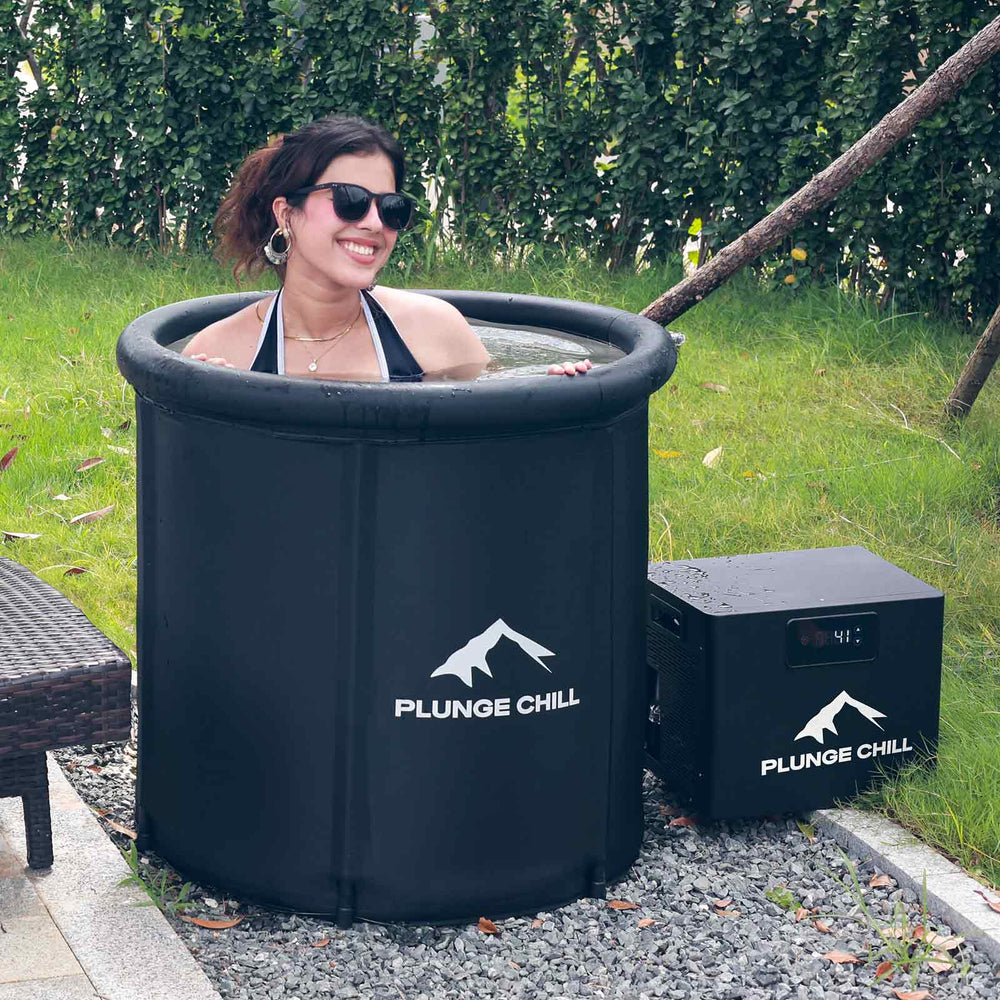
As a sports rehabilitation specialist and strength coach who also tests cold plunge products for gyms and home users, I’m often asked a simple question with a complicated answer: can an ice bath actually calm the nervous system and help you relax? The short version is yes, when the dose is right for your goal and your health. The longer, evidence-based explanation is that cold immersion provokes a predictable stress response first, then a settling of the system that many people experience as clarity and calm—yet the effect is time- and context-dependent, and it’s not the right tool for every body or every training objective. This article explains how cold works on the nervous system, what the research says about mood and stress, how to set protocols that favor relaxation over shock, and what to know before buying or caring for a plunge at home or in the facility.
How Cold Immersion Influences the Nervous System
Cold immersion triggers a two-phase autonomic response. At entry, the sympathetic system surges: breathing quickens, heart rate rises, and blood vessels in the skin constrict. That initial jolt—the cold shock response—happens within seconds and is strongest when the water is very cold or you rush entry. Once you stabilize your breath, a countervailing shift toward parasympathetic tone can emerge. This is where many users report a sense of calm, presence, and improved emotional regulation. Clinical sources consistently describe this dual response and emphasize breath control as the bridge between the two states, with the vagus nerve playing a central role in the downshift that follows the first jolt, especially when the face and neck are cooled (Stanford Lifestyle Medicine; Cleveland Clinic).
On the sensory side, cold receptors in the skin signal through channels such as TRPM8, which is most active in cool-to-cold ranges common to water immersion. That signaling ramps up norepinephrine and often dopamine as part of a broader neurohormetic stress response, which can increase alertness and, in some individuals, produce a buoyant mood after rewarming (PsychiatryOnline; PubMed Central healthy aging review). The result is a perceptible change in arousal, attention, and perceived control—physiology most people feel even in short exposures, provided safety boxes are checked.
A final mechanism relevant to “calm” is the diving reflex. Cooling the face and holding the breath briefly, or performing gentle facial immersion in cool water, can activate vagal pathways that slow heart rate and augment parasympathetic activity, which many find soothing and centering. Full-body immersion adds thermoregulation demands, but a quick face-and-neck cool is a low-risk entry point to test whether cold helps you settle (Stanford Lifestyle Medicine).
What the Evidence Says About Calm and Recovery
The scientific picture around cold exposure and calm is nuanced. A large systematic review and meta-analysis in healthy adults reported that cold-water immersion reliably increased inflammatory markers immediately and at one hour, while stress ratings tended to decrease about twelve hours later. Effects on mood were not consistently significant across trials, and results varied widely by protocol, outcome timing, and study quality (PLOS One). That time-dependent pattern fits the lived experience of many athletes: initial shock, then a later-day sense of unwinding and improved readiness, particularly when the exposure dose is conservative rather than extreme.
Against this background, one carefully monitored neuroimaging study offers a complementary snapshot. In cold-water–naïve adults, five minutes in head-out immersion around 68°F increased positive affect and decreased negative affect immediately after the session, accompanied by greater interaction among brain networks involved in attention, emotion, and self-regulation. Although the sample was modest and one participant had cardiac ectopy requiring additional supervision, the finding supports the idea that brief, moderate-cold exposures can produce an acute mood lift in healthy people (PubMed Central: resting-state fMRI study).
Clinical guidance from major providers largely converges on conservative dosing for comfort and safety. Cleveland Clinic recommends short exposures of about three to five minutes, starting warmer around 68°F and generally staying between roughly 50–59°F for beginners, with an upper bound of five minutes for most users and a caution against going below about 40°F. Practical experience in sports medicine also supports gradual acclimation and quick, controlled breathing to reduce the cold shock response, as well as rewarming strategies such as sauna or light movement afterward to normalize temperature and comfort (Cleveland Clinic; Stanford Lifestyle Medicine; UCLA Health).
Reconciling Conflicting Findings
If one source says cold improves sleep and mood and another says mood results are mixed, both can be true. There are several likely reasons. Definitions differ: “mood,” “stress,” “relaxation,” and “recovery” are not interchangeable outcomes, and some studies measure proxies rather than direct mood states. Timing differs: the PLOS One review emphasizes later stress benefits around twelve hours, while the fMRI study measured immediate affect. Protocols vary widely in temperature and exposure time; a gentle five-minute session at 68°F is not physiologically equivalent to a prolonged immersion at 50°F or a briefer plunge near 40°F. Populations also vary: trained athletes, anxious novices, and older adults have different baselines and reactivity. Methodology matters too; expectancy effects can sway subjective outcomes if blinding is weak or the “control” condition is obvious. Each of these factors can push results in different directions, so the sensible route is to match the dose to the goal, then judge outcomes by how you feel and function afterward, not by a single study headline.
Integrated insight worth noting: expectancy and belief can meaningfully shape recovery and mood outcomes. A frequently cited experiment shows that what participants think they are receiving can change their reports of soreness and readiness after exercise, and commentary from clinical psychiatry highlights similar patterns in mental health interventions. When possible, use a stable routine and, if you are experimenting on yourself, test a lukewarm “active control” session on another day to see whether the cold itself or the ritual is doing the heavy lifting for your calm (Psychiatry & Psychotherapy Podcast). This does not negate real physiological effects; it reminds us to keep methods honest.

Protocols That Favor Calm Over Shock
A calming protocol is gentle on dose, steady on breath, and clear on exit criteria. Start by deciding your goal—downshift arousal, support sleep, or accelerate cooling after heat—and then choose a temperature-time combination that respects your health status and tolerance. Conservative, repeatable exposures tend to deliver steadier results than heroic plunges.
|
Use Case |
Temperature (°F) |
Exposure Time |
Frequency |
Evidence Note |
|
Entry-level nervous system downshift |
65–68 |
about 2–5 minutes |
as needed, several days per week |
Brief, moderate-cold head-out immersion improved immediate affect; recommended as an approachable starting point (PubMed Central fMRI; Stanford Lifestyle Medicine). |
|
Beginner full-body calm |
50–59 |
about 1–3 minutes |
two to four days per week |
Common beginner range in clinical guidance; limit to five minutes max while you build tolerance (Cleveland Clinic). |
|
Experienced calming plunge |
39–50 |
up to 5 minutes |
one to three days per week |
For acclimated users only; colder does not always mean better for calm; prioritize control and exit readiness (Cleveland Clinic; Stanford Lifestyle Medicine). |
|
Facial immersion for quick vagal activation |
45–55 |
about 30–60 seconds per bout |
a few bouts in one session |
Targets the dive reflex with minimal systemic stress; useful before sleep or breathwork (Stanford Lifestyle Medicine). |
|
Contrast with heat (optional) |
50–59 after 15–30 minutes of heat |
about 1–3 minutes |
occasional |
Useful for comfort and rewarming; dedicated evidence for “calm” is limited (Cleveland Clinic). Verify by logging sleep and HRV on sauna vs sauna-plus-cold days. |
Two practical points improve the odds of a calming session. Enter slowly, exhale through the initial gasp, and shift to steady nasal or controlled slow breathing within the first ten to twenty seconds. Then decide beforehand what “stop” looks like: numbness, dizziness, uncontrolled shivering, or shortness of breath are clear exit signals regardless of the stopwatch reading.

Pros and Cons for Relaxation and Recovery
The major benefits for calm cluster into four areas. Many people report a pronounced mood lift and sharpened focus within minutes to hours, especially at moderate temperatures and short durations. Some report better sleep later the same day, which is consistent with clinical anecdotes and the observed drop in stress ratings around twelve hours after exposure in pooled data (Cleveland Clinic; PLOS One). The practice of steady breathing in cold conditions doubles as autonomic training: managing an initial fight-or-flight impulse to restore control tends to generalize to everyday stress. There are also physical recovery benefits—reduced soreness and quicker cooling after hot or prolonged activity—which can indirectly support a calmer nervous system by reducing lingering discomfort (Cleveland Clinic; Psychiatry & Psychotherapy Podcast).
The trade-offs are real. Very cold or long immersions amplify the sympathetic surge and can be agitating rather than calming. Cold water acutely raises blood pressure and heart rate and can provoke arrhythmias in susceptible individuals, so screening and a conservative dose matter; this is not trivial given that even moderate-cold exposures sometimes flag cardiac ectopy in supervised settings (Cleveland Clinic; PubMed Central fMRI). Meta-analytic data show an immediate spike in inflammatory markers, which is not “harmful” per se but does contradict the notion that cold is purely anti-inflammatory in the moment; benefits emerge later in the day if they are going to show up (PLOS One). There is another trade-off relevant to lifters: placing cold immediately after heavy strength work may blunt hypertrophy signaling and long-term muscle growth, even if it reduces soreness. If building muscle is your top priority, keep cold separate from those sessions or schedule it on rest or aerobic days (Psychiatry & Psychotherapy Podcast, citing resistance-training trials).
Overlooked insight that deserves emphasis for relaxation goals is hydration. Cold exposure can increase urine output via cold-induced diuresis, and dehydration is a subtle antagonist of calm, compounding feelings of jitters and post-immersion headache. Plan fluid intake before and after sessions, and avoid conflating “feeling cold” with “being hydrated” when deciding on water intake for the evening (The National Academies Press).
Safety First: Who Should Be Cautious or Avoid
Medical screening matters because cold immersion pushes the cardiovascular and respiratory systems. People with heart disease, uncontrolled high blood pressure, peripheral neuropathy, diabetes, poor circulation, venous stasis, or cold agglutinin disease should obtain clearance and specific guidance from a clinician. Those who are pregnant, on medications affecting blood pressure or clotting, or with a history of cold urticaria should proceed only with medical advice and safer variants such as brief facial cooling if approved (Cleveland Clinic; Verywell Mind). Even for healthy users, practice with a companion or supervision when trying new depths or temperatures, avoid alcohol, and use a thermometer rather than guessing the water temperature. Cleveland Clinic’s upper bound of about five minutes and a general caution against going below roughly 40°F remain sensible guardrails for most non-elite users.
Product Selection: What to Look For in a Cold Plunge
As a product reviewer, I evaluate plunge solutions by how well they maintain a target temperature, how clean the water stays with real use, and how practical the unit is to own and operate. The right choice depends on budget, space, and whether you prefer truly cold or moderate-cold exposures.
|
Feature |
Why It Matters |
What To Look For |
|
Temperature control |
Consistent dosing is the foundation for both safety and results. |
A chiller that can hold roughly 45–55°F reliably for calm-oriented use; stable readings on a digital thermometer. |
|
Hygiene and filtration |
Cold water does not sterilize; clean water reduces skin and eye irritation. |
A built-in filter and a clear sanitation plan; easy drain access and surfaces that wipe clean. Verify through weekly clarity and odor checks. |
|
Size and ergonomics |
Comfortable posture reduces perceived stress and helps you breathe calmly. |
Sufficient depth for shoulders if you want head-out immersions; a seat or foothold you can exit from easily. |
|
Setup and placement |
Practical logistics determine whether you use it consistently. |
A sturdy base, access to power and drainage, ventilation for chillers, and a lid to reduce debris. |
|
Noise and maintenance |
Chiller noise and upkeep affect home and clinic environments. |
Published noise levels and maintenance intervals from the manufacturer; accessible service and parts. |
|
Portability vs permanence |
Your training context may change over time. |
Inflatable or collapsible tubs for renters and travel; rigid tubs with chillers for long-term placement. |
I recommend choosing the simplest solution that makes you confident you can be consistent. Users who mainly want a calm-down dose often do well with moderate temperatures and short exposures, which reduces dependence on the coldest possible hardware. Ice-heavy setups can work, especially in cooler climates and short sessions, but they are less consistent day to day and often more labor-intensive.

Care and Water Management
A clean tub supports a calm nervous system by removing the friction of unpleasant surprises. Encourage a quick soap shower before plunging, use a skimmer and rinse the tub regularly, and drain and refresh water on a schedule that fits your use pattern and filtration capacity. A lid reduces debris and heat gain in warmer rooms. If you use chemical sanitation, match the regimen to your tub’s materials and follow manufacturer instructions to protect skin and hardware. Verify by consulting the tub manual and performing a small-area test before full-dose additions.
Two additional care points matter for relaxation goals. Keep a towel and warm layers within reach so you do not extend your immersion just to avoid a cold walk across the room. If evening calm is your aim, plan a gentle rewarm—light movement or a warm shower—rather than jumping to extreme heat, and consider avoiding screens in the hour afterward to let the parasympathetic shift consolidate.
Integrating Cold Into Training and Rehabilitation
In high-performance settings, I separate cold from heavy strength training when hypertrophy is a priority, using it instead on aerobic days, after heat exposures, or as a standalone nervous-system practice in the afternoon or evening. This respects evidence that cold can blunt anabolic signaling and muscle growth when performed immediately after lifting, while preserving potential benefits for soreness, sleep, and stress modulation (Psychiatry & Psychotherapy Podcast, summarizing resistance-training RCTs). For return-to-play and pain management, brief moderate-cold work can help athletes practice breath control under discomfort and reduce perceived threat, which supports graded exposure principles commonly used in rehab. For anxiety-prone clients, a conservative immersion dose or simple facial cooling paired with slow exhale breathing provides a low-stress entry point that aligns with parasympathetic training (Stanford Lifestyle Medicine).
Overlooked insight you’ll rarely see in mainstream guides is that brown fat activation, while fascinating, contributes modestly to total daily energy expenditure in most adults; it is better framed as a metabolic curiosity than a primary driver of weight change in cold-exposed humans. Vendor and popular press claims often over-extrapolate brief lab effects to full-day calorie burn. Expect small contributions while you are cold, not a free metabolic lunch all day long (Vanderbilt University; Psychiatry & Psychotherapy Podcast commentary). The practical implication is to pick a plunge for how it helps you feel and recover, not for its supposed fat-burning potential.
Another popular protocol suggests accumulating at least eleven minutes per week across sessions. This rule-of-thumb likely works because it encourages consistency and manageable doses, but it is not a consensus medical standard. Verify by reviewing your own mood and sleep logs as you vary total cold minutes week to week (Psychology Today).
Frequently Asked Questions
How does an ice bath calm the nervous system rather than overstimulate it? Cold triggers a sympathetic surge first, then—if the dose is modest and your breathing is steady—the parasympathetic system exerts more control and you feel calmer. The vagus nerve is a key pathway here, and even facial cooling alone can tilt you toward relaxation. Clinical providers and academic reviews describe this pattern consistently, though individual tolerance varies (Stanford Lifestyle Medicine; PsychiatryOnline).
What temperature is best if my goal is relaxation, not brute toughness? Moderate cold around 65–68°F is an excellent starting point for calm with minimal shock. Many beginners then settle comfortably between about 50–59°F for one to three minutes. These ranges reflect clinical guidance and mood findings at moderate cold; colder is not automatically better for calm (Cleveland Clinic; PubMed Central fMRI).
Will cold plunges help me sleep? Some users report better sleep, and pooled data suggest stress ratings improve later in the day after an immersion, which may contribute to ease at bedtime. That said, mood and sleep outcomes are inconsistent across studies, so track your own response and avoid very cold or prolonged exposures late at night if they leave you wired (Cleveland Clinic; PLOS One).
Is sauna required after a cold plunge to feel calm? Sauna is not required, but a warm re-entry can be pleasant and helps stabilize temperature after you leave the tub. Some clinicians recommend rewarming for comfort and to avoid lingering shiver, but the calm effect itself is driven by how you dose the cold and manage your breathing (Cleveland Clinic). Verify by alternating rewarm strategies and noting perceived calm.
Will an ice bath hurt my muscle gains if I lift weights? If you plunge immediately after heavy strength sessions, it may blunt muscle growth over time even if it reduces soreness. Lifters who care about hypertrophy should keep cold separate from lifting or place it on rest or aerobic days. Trials in trained men show smaller gains when cold is paired directly with resistance training (Psychiatry & Psychotherapy Podcast summarizing Roberts and colleagues; Fyfe and colleagues).
How often should I plunge to manage stress and anxiety? Conservative patterns like two to four sessions per week at beginner temperatures are common starting points, with short exposures that you can breathe through without strain. Some coaching protocols suggest around eleven minutes total per week, divided into several short bouts; treat that as a practical nudge toward consistency rather than a medical rule (Cleveland Clinic; Psychology Today). Always consult your clinician if you have underlying conditions.
Takeaway
Cold immersion can help calm the nervous system when you respect the physiology and keep the dose gentle. The practice is best thought of as controlled stress that you steer with your breath: a spike of arousal followed by a measurable settling that many experience as focus, tranquility, or better sleep later that day. Evidence supports short, moderate-cold exposures for healthy adults who screen negative for cardiovascular and other risks, with the important caveat that effects depend on temperature, time, timing of measurement, and individual differences. For lifters pursuing muscle growth, separate cold from heavy strength sessions. For buyers, prioritize temperature stability, cleanliness, ergonomics, and simple care over extreme cold capabilities you may not need. Above all, let your physiology—not social media—set the target: start warmer, keep it short, and judge success by how calm and capable you feel afterward.
References
- https://www.academia.edu/27979069/Human_performance_in_the_cold_the_physiology_of_acute_cold_exposure
- https://cupola.gettysburg.edu/cgi/viewcontent.cgi?article=2078&context=student_scholarship
- https://repository.lsu.edu/cgi/viewcontent.cgi?article=3818&context=gradschool_theses
- https://pubmed.ncbi.nlm.nih.gov/39879231/
- https://lifestylemedicine.stanford.edu/jumping-into-the-ice-bath-trend-mental-health-benefits-of-cold-water-immersion/
- https://experts.nebraska.edu/en/publications/impact-of-hot-and-cold-exposure-on-human-skeletal-muscle-gene-exp
- https://www.journals.uchicago.edu/doi/10.1086/589727
- https://www.nap.edu/read/5197/chapter/12
- https://libres.uncg.edu/ir/asu/f/Ellis_Brandon_Spring%202023_Thesis.pdf
- https://ir.vanderbilt.edu/bitstream/1803/9977/1/Cold%20exposure%20induces%20dynamic%2C%20heterogeneous%20alterations%20in%20human%20brown%20adipose%20tissue%20lipid%20content.pdf
Disclaimer
By reading this article, you acknowledge that you are responsible for your own health and safety.
The views and opinions expressed herein are based on the author's professional expertise (DPT, CSCS) and cited sources, but are not a guarantee of outcome. If you have a pre-existing health condition, are pregnant, or have any concerns about using cold water therapy, consult with your physician before starting any new regimen.
Reliance on any information provided in this article is solely at your own risk.
Always seek the advice of a qualified healthcare provider with any questions you may have regarding a medical condition, lifestyle changes, or the use of cold water immersion. Never disregard professional medical advice or delay in seeking it because of something you have read in this article.
The information provided in this blog post, "Ice Bath Calm Nervous System: Cooling Your Way to Relaxation," is for informational and educational purposes only. It is not intended to be a substitute for professional medical advice, diagnosis, or treatment.
General Health Information & No Medical Advice