Cold-water immersion has become a staple in many distance-running programs, from collegiate cross‑country rooms to pro marathoning setups. As a sports rehabilitation specialist and strength coach who also reviews cold plunge products, my perspective is practical and outcome‑focused: use the tool when it supports the training goal, skip it when it conflicts with adaptation, and always respect individual responses and safety. The science on ice baths is mixed but not meaningless. For endurance athletes with back‑to‑back sessions, heat exposure, or competition turnarounds, cold exposure can reduce soreness and help restore next‑day performance, provided it is dosed and timed intelligently. For strength development blocks or when chasing muscular adaptations, frequent post‑workout plunges can work against you. This guide translates the evidence into clear decisions for distance runners and triathletes, with straightforward protocols, safety guardrails, and buying and care tips for cold plunge equipment.
What Cold Plunging Is and Why Endurance Athletes Use It
Cold plunging, also called cold-water immersion or ice baths, is deliberate submersion in cold water for short periods to modulate post‑exercise stress. Typical target temperatures for training recovery fall between 50°F and 59°F, with some advanced users dipping into the 40s. Physiologically, the cold triggers vasoconstriction, which reduces local blood flow and can limit swelling and perceived soreness. On rewarming, vasodilation helps restore circulation. During immersion, reduced nerve conduction can blunt pain, and the overall stressor can feel acutely invigorating.
For distance athletes, the interest is twofold. First, after long runs, threshold or VO2 sessions, and races in hot conditions, managing next‑day legs and core temperature can sustain training quality across the week. Second, during short competition turnarounds, a reduction in soreness and perceived fatigue can be the difference between flat and ready. Several reputable sources, including the Mayo Clinic Health System and Ohio State Wexner Medical Center, describe cold immersion as helpful for day‑after performance, while reminding athletes not to expect magic or permanent physiological upgrades from the cold itself. Cleveland Clinic and Harvard Health emphasize the same concept from a safety lens: start conservatively, keep sessions brief, and approach lower temperatures only as tolerance builds.

The State of the Evidence for Endurance Recovery
The research is nuanced. Cleveland Clinic notes that beginners can start warmer and progress, with many routine plunges living in the 50–59°F range and very brief total exposures. Harvard Health describes starting with seconds and building toward a few minutes. Ohio State Wexner Medical Center reports that immersion in roughly 50–59°F water can run longer, in the 10–20 minute range, and highlights that evidence is stronger for endurance recovery than for strength and hypertrophy goals. The Mayo Clinic Press echoes the more guarded line, advising athletes to think of cold as a garnish, not the main course; the foundational pillars remain aerobic programming, nutrition, sleep, and stress management. The Mayo Clinic Health System further notes that cold water appears to blunt resistance‑training signaling more than endurance signaling, which supports strategic use in distance programs but not as a blanket daily prescription.
On the skeptical side, a peer‑reviewed overview in the scientific literature (PMC) points to small and inconsistent trials and even reports where performance was transiently impaired or soreness not reduced, especially with extreme protocols or mismatched timing. Brand and practitioner summaries present similar disagreement. The likely causes of conflicting conclusions include varied definitions of “cold” and “duration,” different athletic populations, training phases, environmental contexts, and whether outcomes measured were subjective (soreness) or objective (power, repeated sprint ability, biomarkers). In plain terms, the details matter.
Practical Protocols for Distance Athletes
The goal dictates the protocol. Across reputable guidance, a useful starting point for endurance recovery is 50–59°F with conservative durations. Cleveland Clinic advises beginning with one to two minutes and progressing toward three to five minutes. Ohio State Wexner Medical Center cites ranges up to 10–20 minutes at similar temperatures. Brand-neutral practice in many collegiate endurance rooms falls between these guardrails, typically three to eight minutes at 50–59°F after demanding sessions, with longer exposures used sparingly on recovery days. The table below translates that into running‑specific scenarios.
Scenario |
Temperature |
Duration |
Timing |
Rationale |
Back‑to‑back hard days or race doubleheaders |
50–59°F |
3–8 minutes, progress to 8–10 as tolerated |
Within 1–2 hours post‑effort |
Reduce soreness and perceived fatigue before next session; align with Mayo Clinic Health System and OSU guidance on endurance use. |
Long run in heat or hot race |
50–55°F initially; very cold is not required |
4–8 minutes |
Post‑run after rehydration and a light snack |
Aid core cooling and comfort; Cleveland Clinic cautions against extremely cold exposures and recommends measured temperatures. |
Taper week when freshness is prized |
50–59°F |
3–5 minutes |
Early in taper microcycle |
Preserve freshness without overcooling; keep exposures short to avoid any residual stiffness changes. |
After a gym strength session |
Prefer delaying 24–48 hours if chasing strength or muscle |
If used, keep short (2–4 minutes) or move to a non‑lifting day |
Not immediately post‑lift |
Ohio State and Mayo sources caution that cold can blunt hypertrophy/strength signaling when used right after lifting. |
Recovery day ritual |
55–59°F |
5–10 minutes, based on personal response |
Midday or afternoon |
Use sparingly and cycle through weeks to limit adaptation to the stimulus. |
These are not rigid prescriptions. The most effective distance programs pilot a range of temperatures and durations within the above windows while tracking next‑day legs, heart rate variability, sleep, and workout quality. Start warmer and shorter, then progress as you learn your responses.
When to Use, When to Skip, and How Often
Cold immersion is most defensible when you either need to feel better tomorrow or you have accumulated heat stress. That includes competition weekends, two‑a‑day microcycles, summer long runs, or when travel, altitude, and time zones pile on. It is less compelling as a daily habit during base endurance building, particularly if you also do strength or hills that rely on adaptation to training inflammation. Several sources highlight the risk of routine, season‑long cold use blunting training effects, especially for muscular growth and strength. For endurance athletes, the risk appears smaller, but the principle stands: periodize cold exposure in the same way you periodize training. Consider cycles of use during heavy racing blocks and taper periods, then back off during base building and lifting emphasis phases.
Safety and Contraindications You Must Respect
Cold shock spikes heart rate and blood pressure and can trigger hyperventilation. Reputable medical sources, including Cleveland Clinic and University of Utah Health, recommend clinician clearance if you have cardiovascular disease, uncontrolled hypertension, arrhythmias, diabetes, neuropathy, poor circulation, Raynaud’s phenomenon, or if you are pregnant. Do not plunge alone early on. Enter gradually, keep the face and head out, and exit immediately if you feel chest pain, confusion, dizziness, numbness, or uncontrollable shivering. Monitor water temperature with a thermometer, avoid strong currents in outdoor water, and keep towels and warm clothing within reach. Harvard Health suggests beginning with very short exposures and building slowly. Cleveland Clinic emphasizes avoiding extremely cold exposures below about 40°F. Rewarm with clothing and light movement rather than jumping straight into a very hot shower, a practice echoed in brand guidance and clinical advice.
Cold Plunge vs. Cold Shower vs. Contrast: What Matters for Runners
A full‑body plunge offers uniform hydrostatic pressure and more consistent tissue cooling than a shower. Ohio State Wexner Medical Center regards showers as a workable alternative when immersion is unavailable, but immersion typically cools more effectively. A sports performance summary describes a study where a 15‑minute cold shower around 59°F did not meaningfully drop core temperature immediately after exercise compared with control, though participants later reported better perceived recovery and lower heart rate. This difference reinforces why immersion is favored when the goal is rapid cooling in hot conditions or tight competition windows.
Contrast therapy alternates warm and cold exposures and feels great for many runners. Some reports show lower lactate and heart rate during alternating protocols. If you use contrast after a session, finish on cold when the purpose is soreness control and next‑day freshness, and avoid very hot exposures right after very cold if you get lightheaded.

Overlooked but Useful Insights for Distance Athletes
Ankle stiffness may drop for up to 48 hours after cold immersion. Science for Sport highlights reduced joint stiffness in the day or two after an ice bath. In running, ankle stiffness contributes to elastic energy return and running economy. If you notice longer ground contact time or “slappy” steps the day after a long cold soak, consider shortening exposures or moving them further from key workouts. Suggested verification step: compare a track session with and without a prior plunge while measuring ground contact time and cadence on the same shoes and surface.
Intermittent immersion might cool muscles more effectively than a single continuous bout. A performance review notes that splitting a total exposure into shorter sets with breaks can reduce muscle temperature more than one longer constant soak at the same average temperature. For runners who dislike longer continuous immersions, two short bouts with a short break may deliver similar or better cooling. Suggested verification step: track skin temperature at the calf and quadriceps with a simple consumer thermometer across both methods and compare next‑day soreness.
Cold showers are not equivalent to immersion for rapid core cooling. Evidence summarized in sports science outlets describes minimal immediate core temperature drops after cold showers versus immersion, despite better perceived recovery later. If your goal is re‑cooling after a hot race or session, a plunge is the more reliable choice. Suggested verification step: record pre‑ and post‑exposure core temperature with a validated oral thermometer on two separate training days.

Reconciling Conflicting Protocol Advice
You will encounter a wide range of recommendations. Cleveland Clinic prefers very brief exposures on the order of one to five minutes and strongly discourages chasing extreme cold. Harvard Health recommends building from seconds toward a few minutes. At the other end, Ohio State Wexner Medical Center mentions 10–20 minutes at 50–59°F for some athletic contexts, and several brand and practitioner sources propose 10–15 minutes as a common target. The most likely reasons for disagreement include differing definitions of “beginner,” the role of uniform water temperature in commercial tubs versus home baths with ice that warms quickly, study endpoints that favor perceived recovery rather than objective performance, and the type of training being recovered from.
For distance runners, the middle ground is prudent. Use 50–59°F as the primary range. Start with three to five minutes post‑workout and evaluate your next‑day legs. Extend to eight to ten minutes on recovery days or after hot long runs if you tolerate that well. If your plan includes significant gym work, avoid post‑lift plunges or keep them very short and infrequent, aligning with Mayo and Ohio State cautions about blunting strength and hypertrophy signals.

Heat Management and Race Safety
Pre‑cooling strategies can help performance in hot environments, though best practice for runners is still evolving and should be individualized. Cold towels, ice slurries, and shaded staging areas are often less risky than full plunges immediately before a race. Rapid post‑race re‑cooling is a different story: medical guidance in endurance events recognizes cold water immersion as a primary treatment for exertional heat illness, with long‑term observational data in marathons linking timely immersion to excellent survival outcomes. This medical context underscores why immersion is a serious tool, but it should be managed by event medical teams when used for illness rather than training recovery.

Buying a Cold Plunge: Features That Matter for Distance Athletes
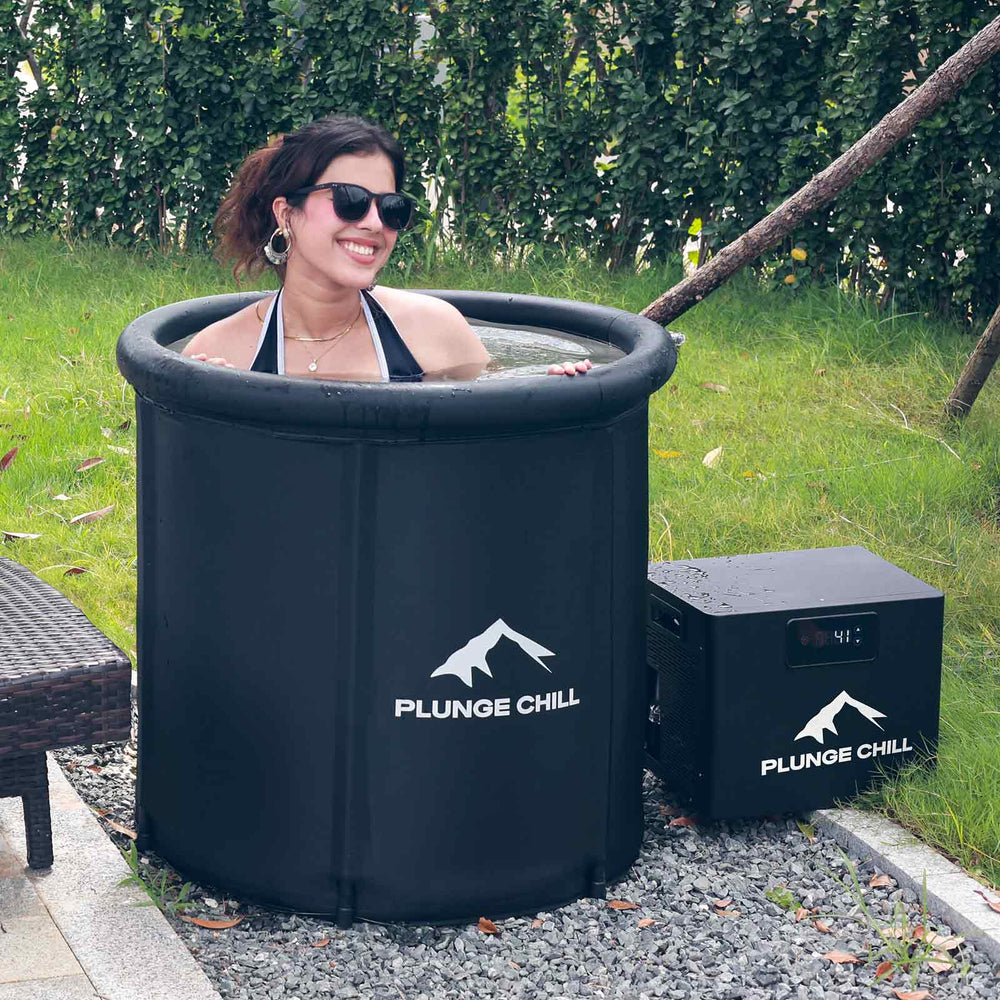
Many runners will start with a bathtub, stock tank, or durable barrel and a few bags of ice. For athletes who want precision and convenience, purpose‑built plunge units provide adjustable temperature control, filtration, and continuous chilling. Collegiate programs have increasingly adopted commercial units to standardize recovery, and athletic departments highlight partnerships with manufacturers to give teams safe, repeatable options.
When evaluating a unit for home or team use, the most important features are accurate temperature control in the 39–60°F range, effective filtration and sanitation, durable insulation to hold temperature with less energy, and easy‑to‑clean surfaces. A covered tub prevents debris and evaporative heat gain. Look for a GFCI‑protected power cord, clear drain design, accessible filters with replaceable media, and a lid that locks if you have children at home. Energy‑efficient chillers, low operational noise, and a published warranty are practical differentiators. Portability matters if you plan to move the tub seasonally or share it across training locations. Design ergonomics are underrated; an entry step, a stable floor, and a comfortable seated posture reduce slips and make compliance routine.
If you are not ready for a dedicated unit, a large, rugged container plus ice still works. Many beginners find that roughly 40 lb of ice in a partially filled tub brings water down toward the 50s, although the exact number varies by tap temperature and ambient conditions. Always verify actual water temperature with a thermometer and adjust.

Care and Maintenance You Will Actually Do
Clean water is non‑negotiable. A basic regimen includes showering before plunging, skimming debris, and keeping a fitted cover on when not in use. For recirculating systems, replace or clean filters on the manufacturer’s schedule or sooner during heavy use weeks. Consider non‑chlorine oxidative shock treatments that are compatible with the materials in your unit, and monitor pH with simple strips if your manufacturer recommends it. Drain and refresh water on a regular cadence, which can range from weekly to monthly depending on usage and filtration. Wipe surfaces with a mild, non‑abrasive cleaner. Keep electrical components dry, and place the unit on a level, slip‑resistant surface with appropriate drainage. In winter, do not allow water to freeze in the unit unless it is explicitly rated for that environment.
Integrating Ice Baths into a Marathon Cycle
A practical blueprint for a marathoner might look like this. During base phases, focus on aerobic volume, strength development, mobility, and sleep. Use cold immersion sparingly, perhaps after occasional hot long runs or very dense training weekends, and skip it after lower‑body lifting days. During a heavy specific phase with back‑to‑back quality sessions, place brief post‑session plunges in the 50–59°F range to manage day‑over‑day soreness and protect pace targets. As the race approaches, shorten exposures and use them mainly for travel recovery, heat adaptation blocks, or after race‑pace workouts that leave your legs heavy. In race week, rely more on sleep, nutrition, and light flush sessions. If anxiety is high and you love the ritual, keep any cold soaks short and warm‑leaning. After the race, a brief plunge can feel restorative, especially in hot conditions, but prioritize rehydration, calories, and gentle movement first.
Product Reviewer’s Bottom Line
Modern cold plunge units succeed by providing repeatable temperatures, built‑in filtration, and simple maintenance. For distance athletes, the value is consistency without guesswork. The best units I have tested hold set temperatures in the 40s and 50s, filter water effectively between sessions, run quietly in an apartment or garage, and clean easily in minutes. If the budget or space is tight, a sturdy barrel or stock tank plus a thermometer and occasional ice can still deliver the core benefit. Choose based on how likely you are to use it three to five times per month in targeted blocks, not on the idea that “more cold is always better.” It is not.
Takeaway
Cold exposure is a powerful but context‑dependent tool for distance athletes. Use it to improve next‑day readiness after hard sessions, doubles, or hot conditions. Keep water in the 50–59°F range, begin with a few minutes, and lengthen cautiously only if next‑day legs and sleep improve. Avoid routine post‑lift plunges when building strength. Screen for medical risks and do not chase extremes. If you buy a plunge, prioritize precise temperature control, filtration, safety, and easy maintenance. The goal is not to survive the cold; the goal is to run better tomorrow.
FAQ
How cold should my ice bath be for running recovery?
For most distance athletes, 50–59°F is a productive and tolerable range. Begin near the upper end and shorten exposures until you know how your body responds, then progress toward the lower 50s if needed. Reputable clinical sources caution against very cold exposures near or below about 40°F.
How long should I stay in?
Start with one to three minutes and evaluate how your legs feel the next day. If you respond well, extend to three to five minutes after hard sessions. Some endurance settings use up to eight to ten minutes at similar temperatures, particularly on recovery days. The right dose is the minimum that yields better legs tomorrow.
Will ice baths hurt my training adaptations?
Evidence shows routine post‑workout plunges can blunt strength and muscle growth, which is why I avoid them after lower‑body lifting. For endurance adaptations, the risk appears smaller, but heavy, season‑long use still may not be helpful. Periodize your cold exposure and keep it targeted to when you need next‑day readiness.
Are cold showers good enough?
Cold showers can help you feel refreshed and may improve perceived recovery. For rapid cooling after a hot run or race, immersion is more consistent because the entire body gets cooled and the water temperature is controlled. If a shower is your only option, go as cool as your tap allows and focus on slow, controlled breathing.
Is contrast therapy better than a straight cold plunge?
It depends on your goal. Alternating warm and cold can feel great and may help circulatory shifts. If the aim is to limit soreness and improve next‑day readiness, finishing on cold is reasonable. If you struggle with lightheadedness after large temperature swings, keep it simple and brief with cold only.
Do I need to buy a dedicated cold plunge?
Not necessarily. Many runners use a bathtub or durable barrel and a thermometer to keep water in the 50s. A dedicated unit adds precise temperature control, filtration, and convenience. If budget and space allow and you plan to use it regularly in targeted blocks, a dedicated tub can increase compliance.
Sources Cited In‑Text
Cleveland Clinic; Mayo Clinic Press; Mayo Clinic Health System; Ohio State Wexner Medical Center; University of Utah Health; Harvard Health; PMC review on post‑exercise ice immersion; Science for Sport; Runner’s World; On running; Net World Sports buyer guidance; Ice Barrel and IceTubs educational resources; collegiate adoption examples.
References
- https://lms-dev.api.berkeley.edu/cold-tub-therapy
- https://ben.edu/game-ready-ice-cold-how-plunge-chill-is-helping-redhawks-recover-smarter/
- https://digitalcommons.cedarville.edu/cgi/viewcontent.cgi?filename=1&article=1539&context=research_scholarship_symposium&type=additional
- https://www.health.harvard.edu/staying-healthy/the-big-chill
- https://ideaexchange.uakron.edu/cgi/viewcontent.cgi?article=3606&context=honors_research_projects
- https://www.marquette.edu/innovation/documents/arora_ice_bath_recovery.pdf
- https://sncs-prod-external.mayo.edu/hometown-health/speaking-of-health/cold-plunge-after-workouts
- https://pmc.ncbi.nlm.nih.gov/articles/PMC2938508/
- https://health.osu.edu/wellness/exercise-and-nutrition/do-ice-baths-help-workout-recovery
- https://healthcare.utah.edu/healthfeed/2023/03/cold-plunging-and-impact-your-health