Cold-water immersion is no longer a fringe recovery tactic. In elite rooms and home gyms alike, athletes lean on ice baths to manage soreness, regain readiness between sessions, and, increasingly, to cultivate mental resilience. Yet the single variable with the biggest impact on how an ice bath feels and functions—water temperature—is also the most misunderstood. As a sports rehabilitation specialist, strength coach, and cold‑plunge product reviewer, I am frequently asked a deceptively simple question: how cold should the water be? The truthful answer is that it depends on your goal, your training phase, and your risk tolerance. Get the temperature right and you can reduce post‑exercise soreness and be ready sooner. Get it wrong and you may underdeliver, overdo it, or even blunt hard‑earned training adaptations.
This article explains how temperature shapes your ice‑bath outcomes; when to go colder or stay moderate; how long and how often to plunge; and how to choose, set up, and care for your equipment. I will tie recommendations to what the literature and credible expert guidance suggest, including work summarized by the Mayo Clinic Press and Mayo Clinic Health System, a PubMed Central meta‑analysis of cold-water immersion after exercise, practice-focused summaries from Coldture Wellness, IceTubs, and Pliability, and sport-specific insights from Monk and Frontiers in Sports and Active Living.
Why Temperature Matters
Water temperature determines both the biological stimulus you create and the risk you assume. In cold water, blood vessels in the skin and peripheral tissues constrict. This vasoconstriction limits local blood flow, slows nerve conduction, and reduces tissue temperature. Many athletes perceive less pain and less swelling after a cold plunge for that reason. When you get out and rewarm, vessels dilate, circulation rebounds, and freshly oxygenated blood returns to the cooled tissues. This reperfusion is the other half of why ice baths are used in recovery: it complements the short-lived anti‑inflammatory and analgesic effects by delivering nutrients needed for repair.
Multiple sources align on these mechanisms. Practical guides from Chill Tubs and Pliability describe cold‑induced vasoconstriction, followed by reperfusion that appears to “flush” metabolites and support recovery. A PubMed Central meta‑analysis reports immediate improvements in perceived fatigue and short‑term reductions in blood markers like creatine kinase at 24 hours, alongside lower soreness immediately after immersion; however, benefits at 24 to 48 hours are inconsistent, and the authors emphasize heterogeneity across studies. The Mayo Clinic Press notes that the overall evidence base is mixed and that icing has clear short‑term pain and swelling benefits but can be counterproductive if used reflexively or excessively.
Temperature, as a dose, also interacts with the training goal. Colder is not automatically better. Your adaptation target matters; so does the phase of your season.
The Sweet Spots: Temperature Ranges by Goal
The most common question I receive is how to match temperature to the job at hand. The table below summarizes practical targets distilled from product guides (Coldture Wellness; IceTubs), coaching literature (Monk; Pliability), and clinical commentary (Mayo Clinic Health System), while acknowledging the variability observed in research reviews.
Goal |
Target Water Temp |
Typical Duration |
Best Timing |
Notes |
Post-exercise muscle recovery |
46–59°F |
5–10 minutes |
Immediately to within 2 hours after hard sessions |
Common range in athlete practice; cap sessions at 15 minutes to reduce hypothermia risk; evidence shows immediate soreness relief and lower CK at 24 hours in meta-analyses. |
Mental well-being and resilience |
60–68°F |
3–10 minutes |
Any time; mornings often feel energizing |
Warmer cold fosters adherence and stress training without excessive strain; Coldture Wellness highlights this range for mood and alertness. |
50–59°F if used |
5–10 minutes |
Delay at least 4 hours after lifting, or use on rest days |
Mayo Clinic Health System and Pliability caution that routine immediate post‑lift plunges may blunt hypertrophy signaling. |
|
Heat management and pre-cooling |
50–59°F |
5–10 minutes |
Before or between sessions in hot/humid conditions |
Monk summarizes data showing performance support in heat; avoid before maximal strength or power to reduce contractile impairment risk. |
37–45°F |
2–5 minutes |
Sparingly; not required for recovery |
For experienced users only; Coldture notes some go to 37°F. IceTubs warns general users to avoid below 50°F due to rising risk and diminishing returns. |
These are working ranges, not absolutes. The colder you go, the faster discomfort and shivering arrive, and the more likely you are to see short‑term decrements in strength and power immediately afterward, as case reports and trials summarized on PubMed Central suggest. In contrast, slightly warmer water can produce meaningful benefits while being easier to tolerate and repeat.
Duration and Frequency: Enough Dose to Matter, Not So Much That It Interferes
New athletes often assume that longer and colder will help more. In practice, short and effective beats long and counterproductive. For most recovery use cases, five to ten minutes in the 46–59°F range is sufficient. An upper bound of fifteen minutes is a common safety marker across multiple practice sources, including Coldture Wellness and mainstream health guidance; going longer increases hypothermia risk without clear added benefit. Beginners can start with two to five minutes and step down the temperature gradually.
Frequency depends on training density. One to three plunges per week is a practical cadence for most athletes. Several sources reference the idea that a total of roughly eleven minutes per week, split across sessions, can be a workable sweet spot for many people. That figure is a guideline, not a hard rule; it should flex with session intensity, your response, and how constrained your recovery window is.
Timing Within Your Training Cycle
Temperature is only one lever; timing is another. Use cold more aggressively during congested competition periods when you must restore readiness quickly. A post‑event plunge in the typical recovery range can help you feel better rapidly and may reduce muscle damage markers at 24 hours. The PubMed Central meta‑analysis reported immediate reductions in perceived fatigue and lower lactate at 24 to 48 hours, patterns that line up with many athletes’ experiences.
If you are actively chasing strength or hypertrophy, take a strategic approach. The Mayo Clinic Health System and Pliability summarize evidence that immediate cold plunging after lifting can dampen anabolic signaling and blunt long‑term strength and muscle gains. You can mitigate that risk by delaying the plunge at least four hours after resistance training or shifting cold sessions to rest days and non‑lifting days. Endurance athletes appear less affected by this interference, and pre‑cooling can support performance in heat; however, if your next session demands peak power, avoid a plunge immediately beforehand.

Mechanisms in Plain Language
In cold water, vasoconstriction reduces blood flow and fluid leakage into tissues, which can help limit swelling. Nerve impulses slow, which often feels like pain relief. Hydrostatic pressure from water immersion pushes fluid from the extravascular space back into circulation, a mechanical aid to edema reduction described in classic immersion physiology work and summarized in PubMed Central. When you exit and rewarm, vasodilation accelerates delivery of oxygen and nutrients to tissues.
Cold exposure is also linked to nervous system effects—an initial sympathetic surge can increase alertness and focus, while the rebalancing afterward may improve the feeling of calm. Pliability notes improvements in heart rate variability, a marker of autonomic recovery, in some settings. As for metabolism, reviews cited by the Mayo Clinic Press caution that while rodent studies point to changes in fat tissue and glucose handling, clear and consistent human metabolic benefits remain unproven. Anecdotally, many athletes describe a sharper mental state after a short plunge; the mood lift does not require extreme cold.
Colder vs. Warmer: Tradeoffs That Matter
Colder water delivers a stronger stimulus but narrows your safety margin and may harm near‑term output. Extremely cold immersions increase shivering, elevate cardiovascular stress, and put you closer to hypothermia. Performance-wise, cold immediately before explosive work can leave muscles cooler and transiently less powerful, which matches observations described in athlete case reports and small trials summarized in PubMed Central.
Warmer cold, in the 60–68°F range, is easier to tolerate and plenty potent for mental resilience and gradual habituation. Coldture Wellness specifically recommends this range for mood and recovery of mental energy. For athletes who struggle to stay long enough in colder water to realize benefits, warmer cold can be the bridge that turns sporadic plunges into a habit.
What the Evidence Says—And What It Does Not
When you parse the literature rather than social media, a nuanced picture emerges. A PubMed Central meta‑analysis reported immediate improvements in subjective fatigue and reductions in soreness immediately post‑immersion, lower creatine kinase at 24 hours, and lower lactate at 24 to 48 hours compared with passive recovery. However, differences at 24 and 48 hours for soreness were inconsistent across studies, and performance measures like jump height did not show robust improvements in the days following immersion. The Mayo Clinic Press characterizes the evidence as mixed and often limited by small sample sizes or heterogeneity in protocols.
There is stronger consensus on the training‑cycle caveat. The Mayo Clinic Health System highlights that cold exposure directly after resistance training may dampen muscle protein synthesis and long‑term strength and hypertrophy gains. Pliability and Monk reach similar conclusions for post‑lift timing, while noting potential pre‑cooling benefits for endurance or hot‑weather efforts.
The takeaway is simple: use cold as a tool with a purpose. In dense competition schedules or back‑to‑back training days, temperature‑appropriate plunges can support day‑to‑day readiness. In strength‑focused blocks, down‑regulate the frequency and adjust the timing to preserve adaptation.

Equipment Choices: Ice, Chillers, and Purpose‑Built Plunges
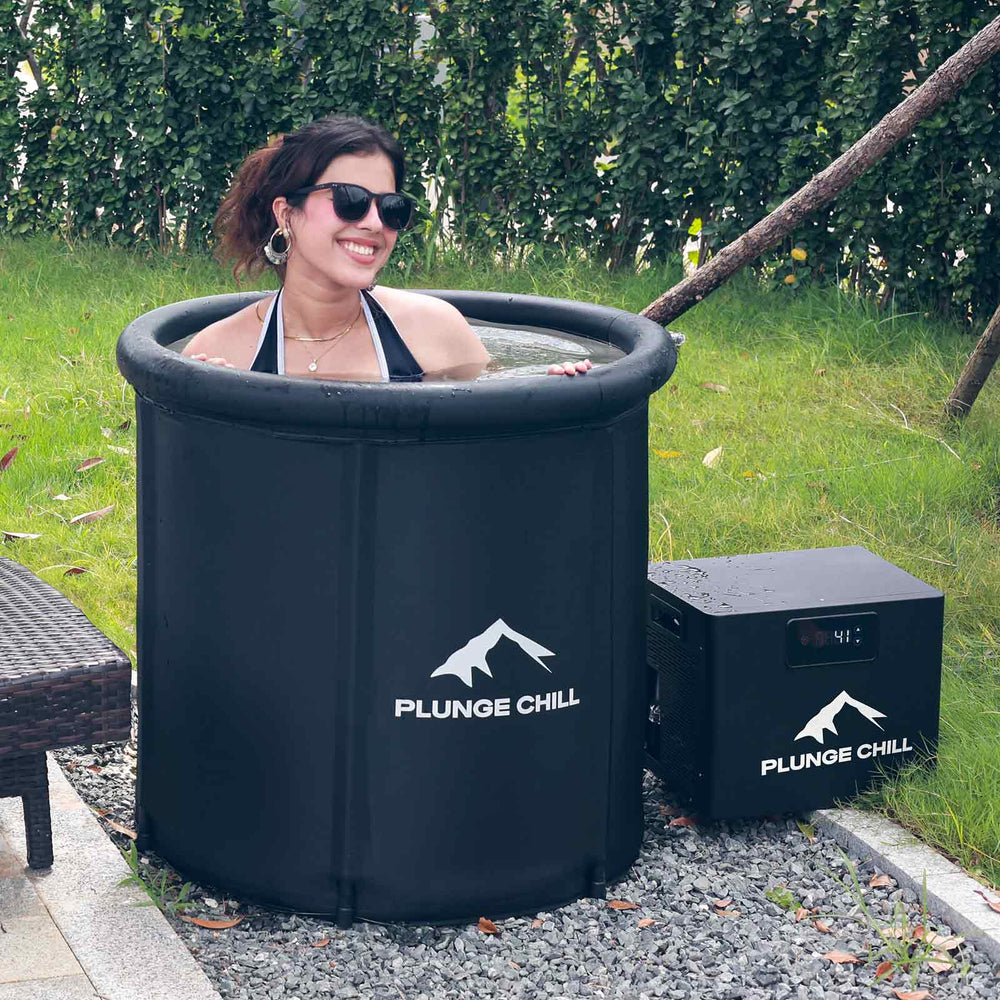
As a reviewer, I evaluate setups constantly, from budget totes and ice bags to insulated tubs with dedicated chillers. The choice determines not only convenience and running cost but also how reliably you can hit and hold your target temperature.
Method |
Temperature Control |
Setup Time |
Operating Cost |
Who It Suits |
Key Considerations |
Bags of ice in a tub |
Low; temperature drifts as ice melts |
Moderate to high per session |
Ongoing ice purchases |
Occasional users and travelers |
Use a reliable thermometer; stir the water for even temperature; expect variability and frequent top‑ups. |
Purpose‑built insulated tub, no chiller |
Moderate; holds temperature better once set |
Low once filled |
Low ongoing cost |
Recovering athletes doing short daily sessions |
Insulation reduces heat gain; place in shade; you still need ice to get cold and a plan to maintain water quality. |
High; set and maintain a precise target |
Low once installed |
Electricity cost, but no ice |
Regular plungers and teams with tight schedules |
Many chillers reach 37°F; digital control and Wi‑Fi are common; consider noise, filtration, and sanitizer compatibility. |
A water chiller is the single biggest upgrade to consistency. In my facility, the ability to press 50°F and hold it means an athlete who arrives at 6:00 AM gets the same dose as the teammate who comes at 7:30 AM. If you rely on ice, plan your session with a thermometer in hand. Coldture Wellness suggests stirring for even temperature, keeping the plunge out of direct sunlight, and recognizing that smaller cubes melt faster whereas big blocks hold cold longer.

Setup, Safety, and Care
A precise thermometer is non‑negotiable. Do not guess the water temperature. If you are cooling with ice, a simple planning example is to add about 6 to 7 lb of ice to roughly 4 gallons of water to produce a meaningful drop and then adjust as needed based on ambient heat and your target. Stirring helps eliminate hot spots. Position the tub in shade or a cool garage to limit heat gain, and insulate wherever you can.
Safety starts with dosing and supervision. Cap immersions at fifteen minutes. If you are new, begin with two to five minutes and step the temperature down across sessions. Avoid plunging after alcohol. Exit if you are dizzy or numb; shivering is a sign to end the session, not to push harder. The Mayo Clinic Health System advises people with cardiovascular disease, high blood pressure, Raynaud’s phenomenon, or arrhythmias to talk with a clinician before starting, and it warns against unsupervised plunges in open water. Breathe slowly through the cold shock phase; a strategy of slow nasal inhales and long, steady exhales can help you regain control as the initial gasp reflex passes. Rewarm naturally afterward with dry clothing and movement; do not jump straight into scalding water.
Plan for hygiene. If you are not using a chiller‑integrated filter and sanitizer, refresh water on a schedule. A simple benchmark from practice guides is to change standing bath water roughly monthly if usage is light; high‑traffic setups require filtration, sanitizer, or more frequent changes. Keep the tub covered, skim debris, wipe biofilm, and test sanitizer levels if you use them. Your nose and eyes are good sentinels; if it smells off, change it.

Careful Use Cases by Athlete Type
Consider three archetypes. A powerlifter in a hypertrophy block prioritizes muscle growth and neural drive. That athlete should either skip cold exposure immediately after lifting or push it at least four hours later and keep it to the warmer end of the recovery range if used at all. A tournament soccer player with two matches in twenty‑four hours wants to be ready tomorrow rather than maximizing long‑term hypertrophy today. For that athlete, a five‑to‑ten‑minute plunge at 46–59°F within two hours of the match is a pragmatic choice. A marathoner training through a summer heat wave needs thermoregulation and repeatability. That runner can pre‑cool in temperate water before key sessions in heat, or post‑run plunge to reduce perceptual fatigue, while avoiding pre‑plunge before sessions that demand top‑end speed.

Practical Buying Tips
Buy for the way you will actually use the tub. If you plan to plunge four to six mornings per week year‑round, a chiller‑equipped plunge that can hold a setpoint reliably is worth the investment and, in many cases, costs less than bags of ice over time. Look for robust insulation so heat does not leak back in, and make sure the chiller you choose can comfortably hit the lowest temperature you intend to use rather than just reaching it on paper. Digital control makes repeatable dosing easy; remote control via Wi‑Fi is a convenience when you are managing multiple athletes or time slots.
Do not neglect filtration and sanitation. An integrated filter and an ozone or UV system can keep water clear between periodic changes; if you prefer chemical sanitizers, ensure compatibility with the tub and follow manufacturer guidance. Check the drain location and attachment style; fast, clean draining matters more than you think. Finally, place matters. A shaded corner of a garage or a covered patio reduces your chiller’s workload and makes ice‑based setups more manageable.
A Word on Expectations
Even a well‑executed plunge is not a substitute for sleep, protein‑adequate nutrition, and smart load management. The Mayo Clinic Press explicitly frames cryotherapy as a garnish, not the entrée. A PubMed Central meta‑analysis suggests cold can assist your day‑to‑day recovery picture—less soreness immediately, lower CK at 24 hours—without guaranteeing lasting changes later in the week. That does not make ice baths trivial; it makes them tools that pay off when you deploy them to solve the right problem at the right time.
Short FAQ
How cold should an ice bath be for muscle recovery?
For most athletes targeting post‑exercise recovery, aim for 46–59°F. Stay in for five to ten minutes and cap total exposure at fifteen minutes. This range is cold enough to reduce soreness and perceived fatigue without drifting into unnecessarily risky territory, and it aligns with guidance summarized by Coldture Wellness and IceTubs.
Can ice baths hurt my strength or muscle gains?
Cold immediately after lifting can blunt the cellular signals that drive hypertrophy and strength over time. Clinical and coaching summaries from the Mayo Clinic Health System and Pliability advise delaying post‑lift cold at least four hours, or using it on rest days. If muscle size and strength are your top priorities, periodize your plunges just as you do your training.
Is very cold water, like 37°F, more effective?
Extremely cold plunges are not required for recovery and increase your risk. Some experienced users go as low as 37°F with very short exposures, but most athletes recover well in the 46–59°F range. IceTubs cautions against going below 50°F for general users because the risk climbs and compliance drops without clear added benefits.
How often should I do ice baths?
One to three sessions per week is a practical starting point for most people, with adjustments based on training load and competition density. A total of roughly eleven minutes per week split across multiple short sessions is a workable guideline referenced in popular sport summaries, but individual responses vary. Track how you feel, sleep, and perform, and titrate accordingly.
Are there people who should avoid ice baths?
Anyone with cardiovascular disease, uncontrolled high blood pressure, Raynaud’s phenomenon, arrhythmias, or a history of cold‑triggered events should consult a clinician before starting. The Mayo Clinic Health System emphasizes avoiding unsupervised plunges in open water and warming up promptly afterward. If you feel dizzy, confused, or profoundly cold, exit and rewarm.
Do ice baths help with performance in the heat?
Short cold immersions can help manage thermal strain and may support performance in hot and humid conditions, particularly for endurance work. Monk summarizes evidence for pre‑cooling benefits. That said, avoid plunging immediately before sessions requiring maximal strength or explosive power, where cooler muscles can impair output.
Takeaway
Temperature is the dial that determines whether your ice bath supports your plan or fights it. Match the water to the job. For post‑exercise recovery, 46–59°F for five to ten minutes within a two‑hour window is a dependable formula that can reduce soreness and help you feel ready sooner. For mental resilience, stay warmer at 60–68°F and build a repeatable habit. For strength and hypertrophy, delay cold exposure after lifting or use it on rest days. Pre‑cool in heat if your sport demands it, but skip cold before explosive work. Choose equipment that hits and holds your target temperature, watch the time, and keep the setup clean and shaded. Above all, remember that cold is a tool; it works best when applied deliberately alongside the foundations of sleep, nutrition, and smart programming.
Sources Mentioned
This article draws on summaries and guidance from the Mayo Clinic Press and Mayo Clinic Health System, PubMed Central reviews and trials on post‑exercise cold‑water immersion, Frontiers in Sports and Active Living for team‑sport training blocks, and practitioner‑oriented resources from Coldture Wellness, IceTubs, Pliability, Monk, and other sport‑specific briefs.
References
- https://pmc.ncbi.nlm.nih.gov/articles/PMC2938508/
- https://mcpress.mayoclinic.org/healthy-aging/the-science-behind-ice-baths-for-recovery/
- https://www.mayoclinichealthsystem.org/hometown-health/speaking-of-health/cold-plunge-after-workouts
- https://www.frontiersin.org/journals/sports-and-active-living/articles/10.3389/fspor.2020.568420/full
- https://www.massgeneralbrigham.org/en/about/newsroom/articles/cryotherapy-for-athletes
- https://www.exercisinghealth.net/blog/ice-baths-for-athletes-the-benefits-and-side-effects
- https://chilltubs.com/cold-bath-and-sore-muscles/
- https://icetubs.com/blogs/what-temperature-should-an-ice-bath-be
- https://pliability.com/stories/why-are-ice-baths-good-for-muscle-recovery
- https://sportsmedrockies.com/top-recovery-techniques-for-athletes-ice-baths-compression-and-more/